

U0002 on 2019-2024 Ram 1500: CAN Bus Communication Failure Causes and Fixes
Code U0002 on a 2019-2024 Ram 1500 indicates a serious communication failure on the CAN C bus network. This often causes loss of power steering and other critical system warnings. Before replacing any parts, especially the expensive power steering (EPS) gear, inspect wiring harnesses for damage and check for manufacturer TSBs, as the root cause is frequently a wiring or connector issue, not a failed module. A common chafe point for the wiring harness is located near the EPS rack and behind the d
- U0002 is a critical network failure that makes the truck unsafe to drive.
- DO NOT immediately replace the power steering rack; this is a common misdiagnosis. Ram has issued TSBs warning against this.
- The most likely cause is a physical problem with the wiring (chafing, corrosion) or a bad connection at a STAR connector.
- Diagnosis is complex and requires professional tools. This is not a DIY-friendly repair.
- Always check for TSBs with your VIN, as your vehicle may have a known issue pattern documented by the manufacturer.
What's Unique About the 2019-2024 Ram 1500

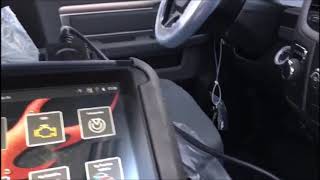
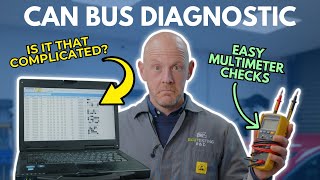
On the 5th Generation (DT) Ram 1500, the U0002 code is frequently linked to the Electronic Power Steering (EPS) system. Ram has issued multiple Technical Service Bulletins (TSBs) specifically cautioning technicians against immediately replacing the EPS steering gear when this code appears. [TSB #9100194] This indicates a known pattern where wiring, connectors, or other modules are the actual cause, leading to misdiagnosis of the expensive EPS unit. 🎬 Watch: Understanding U0002 causes and high-speed CAN bus fixes. Forum discussions among owners confirm that a short in the EPS rack itself is a common failure point that brings down the network, but wiring issues are equally prevalent. These trucks have complex, interconnected electronic systems, and network faults require a systematic diagnostic approach rather than simple parts replacement.
Diagnostic Flowchart

Tap your situation to follow the diagnostic path that matches what you're seeing on this vehicle.
Symptoms You May Notice

- Loss of power steering or 'Service Power Steering' message
- Multiple warning lights on the dashboard (Check Engine, ABS, Traction Control, Airbag)
- Instrument cluster gauges dropping to zero or behaving erratically
- Vehicle may not start or may stall while driving
- Transmission stuck in one gear (limp mode)
- Loss of features like radio, windows, or climate control if the fault affects other networks
- Service shifter message displayed
- Boost gauge reading zero and loss of exhaust brake on diesel models.
- Replacing the Electronic Power Steering (EPS) gear assembly without confirming it is the source of the network failure. TSB #9100194 specifically warns against this, as the part is expensive and often not the root cause.
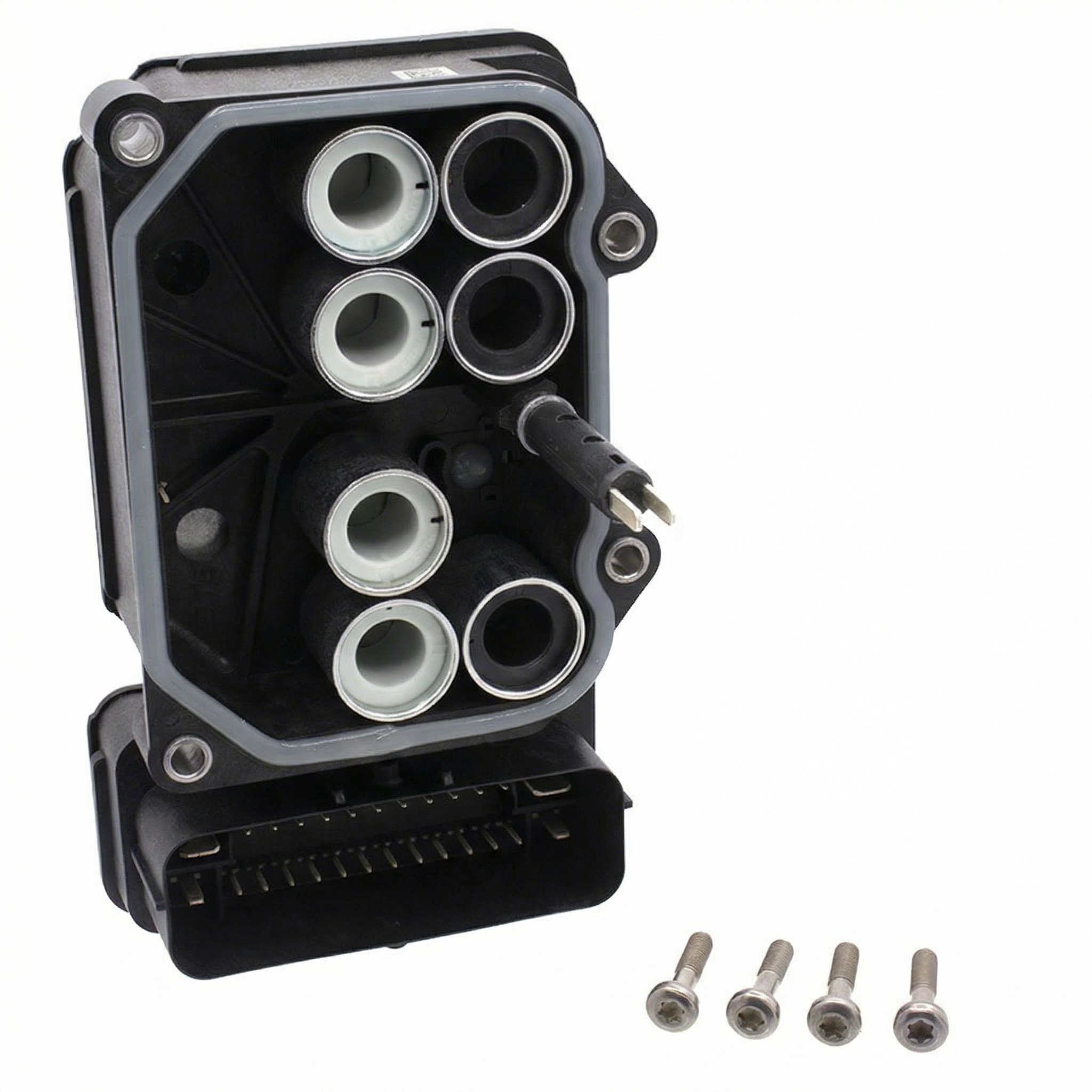
- Replacing the ABS module without first thoroughly inspecting all related wiring harnesses for shorts or corrosion.
Most Likely Causes

- Wiring Harness Damage or Corrosion 🔴 High Probability The main harness going to the Electronic Power Steering (EPS) rack is a known weak point. It can chafe against the frame or other components in the driver's side wheel well area. Connectors exposed to road spray and salt, particularly the large connectors on the EPS rack and the underside of the main fuse box (TIPM), are prone to corrosion.
How to confirm: Perform a thorough visual inspection of the main wiring harnesses, particularly around the EPS rack, ABS module, and firewall. Remove the driver-side front wheel and fender liner for better access. Check for chafed, pinched, or corroded wires. Test continuity of the CAN C high and low wires (typically a twisted pair of white/light blue and white/orange wires) with a multimeter.
Typical fix: Repair the damaged section of the wiring harness by splicing in new wire and using heat-shrink tubing. Replace corroded terminals or entire connector pigtails. The EPS wiring harness is available as a separate part (e.g., Mopar #68294484AD).
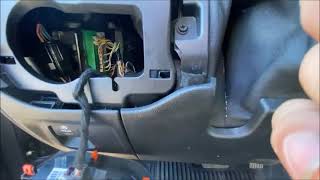
Est. part cost: $10-$250 - Loose or Damaged STAR Connector 🟡 Medium Probability The CAN bus network on these trucks uses STAR connectors (junction blocks) to link various modules. These are located under the dash, often near the steering column. Vibration or previous interior work can lead to loose terminals. On platform mates like the Jeep JL, these connectors have been known to have cracked solder joints internally.
How to confirm: Locate the CAN C STAR connectors (referencing a service manual for location, often behind the dash or in a kick panel). Visually inspect for loose terminals, corrosion, or damage. A technician can isolate sections of the network here by unplugging branches to see if communication is restored. Wiggling the connectors while monitoring the bus with a scan tool can reveal an intermittent fault.
Typical fix: Clean the connector terminals and ensure all connections are fully seated and locked. Replace the connector if it is physically damaged. In some cases, the connector itself must be opened and pins resoldered.
Est. part cost: $20-$150 - Failing Control Module ⚪ Low Probability Any module on the CAN C bus can fail internally and broadcast disruptive signals ('babbling idiot'), bringing down the entire network. The ABS module and the EPS rack's integrated control module are commonly cited points of failure on Ram platforms. Parts availability for modules like the ABS controller can be a problem, with owners sometimes waiting months for a replacement.
How to confirm: This requires a process of elimination. Using a scan tool, a technician will disconnect modules one by one from the CAN bus until communication is restored. The last module disconnected is the likely culprit. TSB #9100194 specifically advises contacting FCA before replacing the EPS for this code.
Typical fix: Replace the faulty module. The new module will require programming to the vehicle's VIN, which must be done by a dealer or qualified shop with tools like wiTECH.
Est. part cost: $400-$3000 - Low Battery Voltage or Poor Grounds ⚪ Low Probability → Shop Vehicle Battery Modern electronics are sensitive to voltage. A weak battery or a loose/corroded main ground strap can cause unpredictable communication errors between modules. Ground straps from the engine to the frame or body are critical and can become loose or corroded.
How to confirm: Test the battery voltage (should be >12.4V at rest) and the charging system (13.5-14.5V running). Inspect and clean the main battery terminals, chassis grounds (often on the passenger side wheel well), and engine-to-frame ground straps.
Typical fix: Replace a weak battery or repair faulty ground connections. Adding a redundant ground strap is a common preventative measure for some owners.
Est. part cost: $20-$300
Rare But Worth Checking
- Improperly Installed Aftermarket Electronics: Aftermarket alarms, remote starters, or audio equipment can be improperly tapped into CAN bus wires, creating interference that disrupts the network. If you have recently installed any such devices, this should be the first area to inspect.
- Water Intrusion in C-Pillar Connectors or Third Brake Light: On Crew Cab models, a leaking third brake light gasket is a common issue. Water can run down the C-pillars and compromise connectors for the CAN bus or other modules located in that area, causing shorts and communication failures.
Diagnosis Steps
- Verify the code with a professional scan tool that can access network module status and see which module is reporting the fault.
- Check for all active TSBs related to U0002 for your specific VIN. The manufacturer has issued several important bulletins for this code. [TSB #9100194, TSB #S2308000042]
- Check battery voltage and inspect all primary power and ground connections for tightness and corrosion. Pay special attention to the main engine-to-frame ground strap.
- Perform a thorough visual inspection of the main wiring harness, focusing on areas near the EPS rack, firewall, and around the engine bay for any signs of chafing, melting, or rodent damage. Remove the driver's side fender liner for a better view.
- Using a multimeter, check for CAN bus termination resistance at the OBD-II port (pins 6 and 14) with the battery disconnected. A healthy CAN C bus should read approximately 60 ohms. A reading of 120 ohms indicates a break in the circuit or a missing terminating resistor, while ~0 ohms indicates a short between the two CAN wires.
- If resistance is incorrect, locate the STAR connectors under the dash and begin disconnecting branches of the network to isolate the faulty leg of the circuit.
- Follow the specific instructions in TSB #9100194: 'Prior to replacing EPS gear for Can C Bus Diagnostic Trouble Codes (DTCs), U0001 & U0002, please contact FCA...'
- If a faulty module is identified (often by disconnecting it and seeing the network come back online), replace it and have the new module professionally programmed to the vehicle.
Parts You'll Likely Need
- Wiring Harness Repair Supplies — The most common cause is a damaged wire or connector, making repair materials (not a specific part) the most likely 'fix'.
Trusted brands: 3M, Mopar
OEM price range: $10-$50
Aftermarket price range: $5-$25 - Electric Power Steering Wiring Harness
(OEM #68294484AD)— If the harness going to the EPS rack is badly damaged, replacing the entire section may be easier than splicing multiple wires. This part number supersedes previous versions.
Trusted brands: Mopar
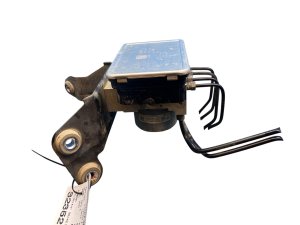
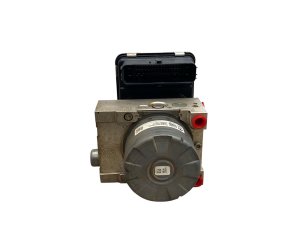
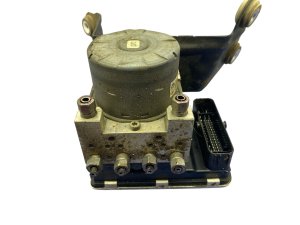
OEM price range: $150-$250 - ABS Control Module — If a module is confirmed to be the cause, the ABS module is a frequent culprit. Part numbers vary by year and options. These often require dealer programming.
Trusted brands: Mopar
OEM price range: $600-$1200
Aftermarket price range: $200-$500 (Remanufactured) - Electronic Power Steering Rack Assembly — A last resort if the internal electronics of the steering rack are confirmed to be shorting out the CAN bus. This is an expensive part and often misdiagnosed.
Trusted brands: Mopar
OEM price range: $2000-$3000
Related Codes That Often Appear With This One
- U0001 — This is a general 'High Speed CAN Communication Bus' fault and is often set alongside U0002, which indicates a more severe 'Bus Off' performance issue. They are often mentioned together in TSBs. [TSB #9100194, TSB #S2308000042]
- U0131 — This code means 'Lost Communication With Power Steering Control Module'. It is a direct symptom of the U0002 network failure, as the main computer can no longer talk to the EPS module. It is cited alongside U0002 in TSB #S2308000042. [TSB #S2308000042]
- U0121 — 'Lost Communication With Anti-Lock Brake System (ABS) Control Module'. The ABS module is another critical node on the CAN C bus, and this code will appear if the network is down.
- U0100 — 'Lost Communication With ECM/PCM'. If the CAN bus is down, no modules can communicate with the engine or powertrain control module.
Technical Service Bulletins (TSBs) & Recalls
- 9100194: STEERING - Warns against premature replacement of EPS gear for U0001/U0002.
- S2308000042: EQUIPMENT / UNKNOWN OR OTHER - Notes issues with EPS and other modules going offline, setting U0001, U0002, and U0131.
Platform-Specific Known Issues
- NHTSA TSB #9100194 (July 2023): Specifically warns technicians to contact the manufacturer for further diagnostics before replacing the EPS steering gear for U0001 & U0002 codes.
- NHTSA TSB #S2308000042 (July/August 2023): Acknowledges issues where the EPS and other CAN C modules go offline, setting U0001, U0002, and U0131 codes.
Mechanic-Grade Diagnostic Values
- CAN C Bus Termination Resistance — expected: 53.5 to 67 Ohms. Failure: A reading of ~120 Ohms indicates an open circuit or a problem with one of the two terminating resistors. A reading near 0 Ohms indicates a short between the CAN high and CAN low wires.
- CAN High (CAN C +) Voltage to Ground — expected: ~2.5V (recessive state), ~3.5V (dominant state). Failure: Significant deviation from these voltages, or voltage stuck high/low, indicates a short or open.
- CAN Low (CAN C -) Voltage to Ground — expected: ~2.5V (recessive state), ~1.5V (dominant state). Failure: Significant deviation from these voltages, or voltage stuck high/low, indicates a short or open.
- Operating Battery Voltage — expected: 13.5V to 14.5V. Failure: Voltage below or above this range can cause unpredictable communication errors across all modules.
Hidden / Shadow Codes Worth Checking
- U0002-00: The '-00' is a Failure Type Code (FTC) that is part of the extended DTC format. For this code, it generally indicates a generic 'Bus Off' status without specifying a sub-fault. It is the most common variant of U0002 and is cited in manufacturer TSBs. (see via A professional scan tool like FCA's wiTECH or other high-end scanners will display the full DTC with the FTC.)
Scan Tool Commands That Help
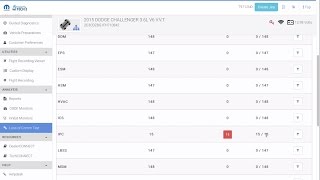
- wiTECH 2.0: Loss of Comm Test — This function actively 'pings' all ECUs on the network every 100 milliseconds to see which ones are not responding. It is used to identify intermittent communication dropouts from a specific module that may be causing the U0002 code, helping to pinpoint a faulty module without guesswork.
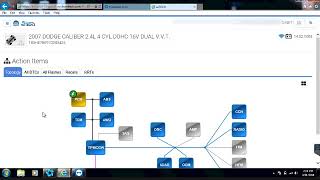
- wiTECH 2.0: View Topology — The network topology map visually shows all modules on the CAN buses and their status (e.g., green for communicating, red for no-comm). This provides an instant overview of the network's health and helps identify which modules are offline, guiding the diagnostic path.
- wiTECH 2.0 or AlfaOBD: Module Programming/Configuration — After replacing a major control module (like the BCM, PCM, or EPS rack), it must be programmed to the vehicle's VIN and configuration. This function is required to make the new part communicate correctly with the rest of the vehicle's systems.
Wiring & Ground Locations
- CAN C STAR Connector / Hub — Located under the dash, often to the left of the steering column. One accessible location is behind the headlight switch panel, which can be popped out without tools. Another may be on the passenger side kick panel area.. This is a central junction for the CAN C bus. Technicians can disconnect individual branches of the network here to isolate a faulty module or wiring leg that is bringing the entire network down, which is a critical step in diagnosing a U0002 code.
- G906 / G907A — Main chassis ground points located on the driver's side inner fender, often near the battery or Power Distribution Center (PDC).. These are critical ground points for many modules in the engine bay. A loose or corroded connection here can create a floating ground, causing widespread communication errors and triggering a U0002 fault.
- EPS Harness Connector — Connects to the electronic power steering rack, located in the driver's side front wheel well area.. This connector and its associated harness are a primary failure point. The location exposes it to road spray and physical damage, and a fault here can directly take the EPS module offline, often bringing down the entire CAN C bus and setting a U0002 code.
OEM Part Supersession History
68294484AA, 68294484AB, 68294484AC→68294484AD— Revision updates to improve durability and prevent common failure modes like chafing or corrosion.
Model Year Variations Within This Range
- 2022-2024: Introduction of the Uconnect 5 infotainment system starting in the 2022 model year. This represented a significant change in the vehicle's electronic architecture, with a faster and more complex system. While the root causes of U0002 remain similar, the diagnostic approach with tools like wiTECH may involve different software paths and module interactions compared to 2019-2021 models with Uconnect 4.
- 2019-2021: These models use the Uconnect 4 system. The CAN bus architecture is slightly less complex than the later Uconnect 5 models.
Helpful Videos


We Have This Part in Stock

The information in this article is provided for general reference and educational purposes only. Vehicle specifications, procedures, and part compatibility can vary by production date, trim level, and region. Always consult your vehicle's factory service manual and verify part numbers before purchasing or performing repairs. Safety-critical components such as airbags, seat belts, and braking systems should be installed by a qualified professional.
- Ram 1500:
- 🧭 Diagnostic Flowchart
- 🎬 Helpful Videos
- 🛍️ Shop This Part
- What's Unique About the 2019-2024 Ram 1500
- Symptoms You May Notice
- Most Likely Causes
- Rare But Worth Checking
- Diagnosis Steps
- Parts You'll Likely Need
- Related Codes That Often Appear With This One
- Technical Service Bulletins (TSBs) & Recalls
- Platform-Specific Known Issues
- Mechanic-Grade Diagnostic Values
- Hidden / Shadow Codes Worth Checking
- Scan Tool Commands That Help
- Wiring & Ground Locations
- OEM Part Supersession History
- Model Year Variations Within This Range
- 🎟️ Get 5% Off