

Ultimate Guide to OBD-II Code U0080: Vehicle Communication Bus C
The Most Comprehensive Guide to Meaning, Diagnosis, and Repair for U0080
- Code U0080 indicates a severe communication breakdown on the 'Bus C' network, immediately disabling critical safety systems like ABS and airbags.
- Check your battery first; a voltage drop below 9.6V during engine cranking is a leading cause of false communication codes.
- Never replace an Engine Control Module (ECM) based solely on a U0080 code without first verifying the CAN bus resistance reads exactly 60 ohms.
- Expect to pay $150 to $350 just for the initial diagnosis, as tracing network wiring faults requires specialized bi-directional scanners and oscilloscopes.
- If the code appeared immediately after installing an aftermarket stereo or remote starter, disconnect the new CAN bus adapter to see if the network recovers.
What Does U0080 Mean?
Your car has multiple computers (modules) controlling everything from the engine to the power windows. They communicate over a high-speed network called 'Bus C'. Code U0080 means this specific network has failed. Modules cannot share information, triggering widespread system failures.
Technical definition: The SAE/ISO definition for U0080 is 'Vehicle Communication Bus C'. This indicates a fault on the Controller Area Network (CAN) data bus 'C', preventing module communication. This high-speed bus typically connects the powertrain (ECM, TCM) and safety (ABS, SRS) modules.
Can I Drive With U0080?
No — Do Not Drive. Driving is not recommended. A U0080 code indicates a critical failure in the vehicle's communication network. This causes sudden stalling in traffic, complete loss of power, or disables essential safety systems like ABS and airbags, creating a significant collision risk. Continuing to drive in 'limp mode' causes overheating and internal transmission damage, adding thousands to the repair cost.
Common Causes
- Damaged or Corroded Wiring/Connectors (Very Common) — This is the most frequent cause. Wires in the CAN bus harness chafe from vibration, get pinched during repairs, or break. Connectors exposed to the elements corrode from moisture and road salt, causing high resistance and signal loss.
- Low Battery Voltage or Failing Alternator (Common) — Communication networks are highly sensitive to system voltage. A weak battery or failing alternator causes voltage drops and electrical noise that corrupt data and trigger a U0080 code.
- Faulty Control Module (Common) — One of the computers on the network, like the Engine Control Module (ECM) or Body Control Module (BCM), fails internally. It stops communicating entirely or 'floods' the network with bad data, preventing other modules from talking.
- Poor Ground Connections (Common) — A loose, corroded, or broken ground strap for a module or the main chassis introduces electrical noise and voltage discrepancies that disrupt network communication.
- Improperly Installed Aftermarket Accessories (Less Common) — Poorly installed aftermarket parts, like stereos or remote starters, interfere with the CAN bus wiring. Tapping into the wrong wire or using a cheap CAN adapter causes shorts, data corruption, or network overloads.
- Faulty Terminating Resistor (Less Common) — The CAN bus relies on two 120-ohm terminating resistors at each end of the network. If one resistor fails (often integrated into the ECM or instrument cluster), the bus resistance shifts to 120 ohms instead of 60, causing signal reflections and communication breakdown.
- Software/Firmware Glitch (Less Common) — The issue is not always hardware. A module's software becomes corrupted or outdated, causing it to send invalid data. This also happens if a replacement module is not programmed correctly for the vehicle's specific VIN.
- Electromagnetic Interference (EMI) (Rare) — Severe electromagnetic interference from failing components (like a bad ignition coil or alternator) or improperly shielded high-power accessories corrupts the data signals on the bus.
Symptoms
- Multiple Warning Lights on Dash ('Christmas Tree' Effect) — The Check Engine Light illuminates, accompanied by a cascade of other lights like ABS, Traction Control, Airbag (SRS), and battery warnings as multiple systems report communication loss.
- Vehicle Won't Start or Stalls While Driving — The engine cranks but fails to start because the ECM lacks security authorization from other modules. It also stalls unexpectedly if communication drops while driving.
- Transmission Stuck in Gear (Limp Mode) — The transmission gets stuck in one gear (typically 2nd or 3rd) or shifts very harshly because it lacks necessary data (like engine speed) from the ECM.
- Loss of Electrical and Convenience Features — Features like power windows, radio, air conditioning, and interior lights work intermittently or fail completely if the Body Control Module (BCM) is on the affected bus.
- Erratic Gauge Behavior — The speedometer, tachometer, or temperature gauge drops to zero or behaves erratically while driving as the instrument cluster loses its data feed.
- No Communication with Scan Tool (scan-tool only — no driver-felt sign) — A basic OBD-II scanner fails to connect, or an advanced tool reports 'No Communication' with multiple modules, confirming a network-wide failure.
Diagnostic Flowchart
Tap your situation to follow the diagnostic path that matches what you're seeing on this code.
Common Fixes & Costs
- Replace a Failed Battery — Parts: $150-$250, Labor: $50-$100, ~0.5 hr book time (DIY)
- Repair Damaged Wiring or Connectors — Parts: $10-$50, Labor: $150-$600, ~2.0 hr book time (Intermediate)
- Clean or Repair Main Ground Connections — Parts: $5-$20, Labor: $50-$150, ~0.8 hr book time (DIY)
- Replace a Faulty Control Module (ECM, BCM, TIPM, ABS)
— Parts: $400-$1500, Labor: $200-$400, ~2.5 hr book time
(Professional)
Dodge/Chrysler/Jeep (Ram 1500, Grand Caravan): OEM [{'brand': 'Mopar', 'number': '68192083, 68089578AE, 68213055'}] (Alt: {"brand": "Dorman", "number": "Varies by specific model", "price_comparison": "Often 20-40% less than OEM, available as )
Ford F-150 (2009-2014): OEM [{'brand': 'Motorcraft/Ford', 'number': 'AL3T-15604-DC, DC3T-14B476-DA'}] (Alt: {"brand": "Circuit Board Medics", "number": "Repair Service", "price_comparison": "Offers repair service for existing SJ)
Chevrolet/GMC (Silverado/Sierra 1500): OEM [{'brand': 'ACDelco', 'number': '22910908, 10391145'}] (Alt: {"brand": "Cardone (Remanufactured)", "number": "12-10229", "price_comparison": "Often the most budget-friendly option.") - Update Module Software — Parts: $0, Labor: $150-$250, ~1.5 hr book time (Professional)
Used vs. New Parts: Buying Guide
When a used part is worth it: For high-mileage vehicles (over 150k miles) where budget is the primary concern, a used control module from a reputable salvage yard is a cost-effective option. You must match the part number exactly.
Donor-vehicle mileage cap: roughly under 100000 miles for the part to have meaningful remaining life.
Donor quality checklist:
- Verify the donor vehicle was not scrapped due to an electrical or flood-related issue.
- Match the part number exactly; 'superseded' numbers may not be compatible without dealer programming.
- Ask about the salvage yard's return policy and warranty period (typically 30-90 days).
Decision logic:
- If The part is a TIPM or BCM for a Chrysler/Dodge/Jeep or Ford F-150 → Favor a remanufactured unit from a specialist over a used one. These have corrected internal flaws and better warranties.
- If The vehicle is less than 10 years old and the part requires VIN programming → Buy a new or professionally remanufactured part. Many used modules cannot be reprogrammed to a new vehicle.
- If The budget is extremely tight and you accept the risk of a short part lifespan → A used part is a viable option, but factor in the potential cost of repeat labor if it fails early.
Warranty tradeoff: Used parts typically offer a 30-90 day warranty on the part only. Remanufactured parts come with a 1-year to lifetime warranty. New OEM parts carry a 1-2 year warranty but require dealer installation.
Worst-case if a used part fails: $400-$800 if a used part is dead on arrival, covering repeat labor costs and diagnostic fees.
What Happens If You Wait — Timeline
- First Occurrence: An intermittent fault begins. The vehicle experiences a single stall, a brief flicker of warning lights, or a one-time no-start event. A 'Stored' U0080 code is logged. (MPG impact: 0%% · Added cost: $0)
- Days to Weeks: The fault becomes frequent. Stalling, 'limp mode', or no-start conditions happen weekly. The Check Engine Light is consistently on. Safety systems (ABS, Airbags) are disabled. (MPG impact: N/A (Driving is unsafe)% · Added cost: $100-$300 (Towing and initial diagnostic fees).)
- Weeks to 1-2 Months: The vehicle is unreliable and effectively disabled. If forced to drive in limp mode, the transmission overheats, causing internal damage to clutches and seals. (MPG impact: N/A% · Added cost: $2000-$5000+ (Cost of a new or rebuilt transmission).)
- Anytime: Catastrophic failure. A short in the CAN bus wiring sends incorrect voltage through the network, destroying the sensitive transceivers in previously good modules. (MPG impact: N/A% · Added cost: $1000-$4000+ (Cost of replacing multiple control modules damaged by the initial fault).)
Cost of Not Fixing It
- Immediately: Catastrophic safety risk. The vehicle stalls in traffic, and critical safety systems like ABS and airbags are disabled, dramatically increasing the risk of a collision. (Added cost: Potentially infinite (cost of an accident).)
- 0-1 Month (if drivable in 'limp mode'): Driving with the transmission in a fixed gear ('limp mode') causes it to overheat, leading to accelerated wear on clutches and internal components. (Added cost: $2000-$5000+)
- Any Time: The vehicle fails to start, leaving you stranded, because the anti-theft system cannot get authorization from offline modules. (Added cost: $100-$300 (towing and diagnostic fees).)
Diagnosis Steps
- Check the Battery and Charging System
Ensure the battery is fully charged and terminals are clean. A weak battery is a frequent cause of communication codes. Use a multimeter to verify 12.4-12.6 volts with the engine off. A voltage reading below 9.6V during cranking indicates a bad battery that needs replacement.
Tools: Multimeter, Battery Terminal Cleaner (Beginner) - Perform a Full System Scan
Use a bi-directional OBD-II scanner to read codes from ALL modules (ECM, TCM, ABS, BCM). Note which modules are communicating and which are offline. The offline modules provide the biggest clue to the fault's location.
Tools: Bi-directional OBD-II Scanner (Beginner) - Check for Technical Service Bulletins (TSBs)
Before testing wiring, check for TSBs related to U0080 for your specific vehicle. Manufacturers often release software updates or specific repair procedures for known communication issues, saving hours of diagnostic time.
Tools: Online TSB Database Access (Intermediate) - Perform a Thorough Visual Inspection
Inspect all visible wiring harnesses around the engine, under the dashboard, and near the main fuse box. Look for chafed wires, corrosion, and rodent damage. Verify all main ground straps are secure and clean.
Tools: Flashlight, Inspection Mirror (Intermediate) - Test CAN Bus Resistance
With the battery disconnected, measure the resistance between CAN_High (Pin 6) and CAN_Low (Pin 14) on the OBD-II port. A healthy network reads exactly 60 ohms. A reading of 120 ohms indicates an open circuit. A reading near 0 ohms indicates a short.
Tools: Multimeter (Advanced) - Test CAN Bus Voltage (Key On, Engine Off)
With the key on and engine off, measure the DC voltage of the CAN lines. Measure between CAN High (Pin 6) and chassis ground; it should be approximately 2.5V to 2.7V. Measure between CAN Low (Pin 14) and chassis ground; it should be approximately 2.3V to 2.5V.
Tools: Multimeter, Back-probe Pins (Advanced) - Isolate the Faulty Module or Wiring
If resistance or voltage is incorrect, disconnect modules on the affected bus one by one. Re-check the resistance at the OBD-II port after each disconnection. When the resistance returns to 60 ohms, the last module disconnected (or its wiring) is the source of the fault.
Tools: Wiring Diagram, Socket Set, Multimeter (Advanced) - PRO TIP: Perform a Network Health & Pin Drag Test
Female terminals inside connectors spread apart over time, causing poor connections. Use terminal test probes to 'pin drag' the connector of the suspect module. The probe must have a slight, consistent drag. Loose terminals must be replaced or re-tensioned.
Tools: Terminal Probe Kit, Wiring Diagram (Professional) - PRO TIP: Analyze CAN Bus Waveform with an Oscilloscope
For intermittent faults, probe the CAN High and CAN Low lines with an oscilloscope while the system runs. A healthy signal shows a clean, square 'mirror image' waveform. A distorted or flat-lined pattern instantly reveals shorts, opens, or interference that a multimeter cannot detect.
Tools: Automotive Oscilloscope, Back-probe Pins (Professional)
When This Code Triggers (Freeze-Frame Conditions)
- Engine Coolant Temp: 175-205°F (Vehicle at full operating temperature.)
- RPM: 750-2500 (Fault occurs at idle, during acceleration, or at a steady cruise.)
- System Voltage: 11.5-14.5V (Code triggers during a low voltage event, such as engine cranking with a weak battery, or during normal driving if a module fails.)
- Vehicle Speed: 0-65 mph (Communication loss happens at any speed, including when stationary with the key on.)
Related Codes
- U0100 — Lost Communication With ECM/PCM 'A'. This code is a direct consequence of U0080. If U0080 is active, the network is down, so no module can talk to the ECM. Diagnosing U0080 is the priority.
- U0101 — Lost Communication with TCM. Appears when the Transmission Control Module cannot communicate. Multiple 'U' codes alongside U0080 confirm a network-wide failure rather than a single module issue.
- U0121 — Lost Communication With Anti-Lock Brake System (ABS). If U0080 is active, the entire bus is compromised. If U0080 is stored and only U0121 is active, the problem is likely the ABS module itself.
- U0140 — Lost Communication With Body Control Module (BCM). If you have U0080 and U0140, the fault often lies in the gateway module failing to route messages between the high-speed and low-speed networks.
Climate & Environmental Factors
- High Humidity & Coastal Climates: Salt-laden air and high humidity accelerate the corrosion of wiring, connectors, and module pins, leading to increased electrical resistance and intermittent signal loss.
- Cold Weather & Road Salt: Salty brine splashes onto the undercarriage and acts as an electrolyte, promoting galvanic corrosion that destroys wiring harnesses and ground points.
- Extreme Temperature Cycles: Frequent swings between hot and cold cause wire insulation to become brittle and crack, exposing copper wire to moisture. It also fractures solder joints on module circuit boards.
How to Talk to a Mechanic About This Code
Say this: "My car has multiple warning lights, is stalling, and has a U0080 'Vehicle Communication Bus' code. I'd like to authorize one to two hours of diagnostic time for a technician to identify the source of the network failure. Please start by checking CAN bus resistance, voltages, and inspecting for common issues like wiring damage or bad grounds before recommending any module replacements."
This signals that you understand U0080 is a complex network problem, not a simple part failure. It directs the technician to perform a logical diagnosis, reducing the risk they will simply guess and replace an expensive, non-faulty module.
Avoid saying:
- 'My car has a U0100, can you replace my engine computer?'
- 'Just fix the check engine light.'
- 'Replace all the modules that have codes.'
Questions to ask before authorizing the repair:
- What were the CAN bus resistance and voltage readings at the OBD-II port?
- How did you isolate the fault to this specific wire or module?
- Did you check for any Technical Service Bulletins (TSBs) related to this code?
- If a module needs to be replaced, does the new part require programming and is that included in the quote?
Where to Take It: Dealer vs Independent vs Chain
- Dealer:
A strong, safe choice. They have access to all manufacturer-specific wiring diagrams and software, which is essential for diagnosing and fixing network codes correctly.
Best for: Vehicles under warranty., Known issues covered by a Technical Service Bulletin (TSB) that requires a specific software update., Complex electrical issues on newer (less than 5 years old) or European vehicles.
Downsides: Highest labor rates., May default to replacing an entire assembly rather than repairing a specific wire or connector. (Typical cost: +50% vs. baseline) - Independent Shop:
Excellent choice, IF you find a shop that specializes in electrical diagnostics. Ask them specifically if they are comfortable diagnosing CAN bus failures before you book.
Best for: Out-of-warranty vehicles where cost is a major factor., Shops that specialize in diagnostics or your specific vehicle make.
Downsides: Quality and expertise vary dramatically. A general mechanic lacks the advanced tools (oscilloscope) for network diagnosis., May not have access to the latest manufacturer software updates. (Typical cost: +0% vs. baseline) - Chain Shop:
AVOID. This is not the type of repair they are equipped or trained to handle. The risk of an expensive and incorrect repair is very high.
Best for: Simple, routine maintenance like oil changes, tires, and battery replacement.
Downsides: Technicians are often inexperienced with complex diagnostics., High pressure to sell parts leads to expensive misdiagnoses. (Typical cost: -10% vs. baseline)
When to Walk Away From the Repair
If the estimated repair cost exceeds 50% of the car's private-party market value, you should seriously consider selling or trading in the vehicle instead of repairing it.
- Car worth $4000, fix is $2200: Walk away. The repair cost is over 50% of the car's value. The risk of other age-related failures is high.
- Car worth $12000, fix is $1800: Fix it. The repair cost is only 15% of the vehicle's value and well below the threshold.
- Car worth $6000, fix is $800: Fix it. This is a reasonable cost to restore a functional vehicle.
What Scan Tool You Need for This Code
Minimum: A scanner that can perform a full system scan, meaning it attempts to communicate with ALL modules (ABS, SRS, BCM, TCM), not just the engine computer.
A basic $20 code reader only shows the U0080 code. It cannot tell you which modules are offline versus which are still communicating, leaving you completely blind to the scope of the problem.
Budget: BlueDriver Pro (~$100) — Performs a full vehicle scan to identify which modules are not responding. While it lacks bi-directional controls, seeing the list of non-communicating modules is the essential first step for a DIY diagnosis.
Mid-range: Innova 5610 / Foxwell NT510 Elite (~$300) — Offers full system scanning and some bi-directional controls. This allows you to actively test components and see live data from all available modules, confirming if a module is truly dead.
Professional: Autel MaxiCOM MK808S / Launch X431 Series (~$450-600) — Provides full bi-directional control, OE-level diagnostics, and special functions. You can view network topology maps and perform the necessary programming if a module needs to be replaced.
Rent vs buy: Buy. The free loaner tools at auto parts stores are almost always basic code readers that are insufficient for this job. Diagnosing a U0080 code takes time, making a purchase more practical.
How to Clear the Code After You Fix It
- Reconnect battery (if disconnected for repair).
- Use a quality OBD-II scan tool to clear all Diagnostic Trouble Codes (DTCs) from all modules.
- Perform a complete drive cycle to allow the vehicle's readiness monitors to run their self-tests.
Drive cycle (~30 minutes): Start the engine from a cold start. Let it idle for 2-3 minutes. Drive in mixed city/highway conditions, including several minutes of steady-state cruising between 45-60 mph. Perform several smooth accelerations and decelerations. Allow the vehicle to cool down completely.
Readiness monitors affected: Comprehensive Component Monitor, Misfire Monitor, Fuel System Monitor, All other emissions-related monitors that rely on network data.
Before emissions retest: drive at least 50 miles to fully set monitors.
Watch out for:
- Disconnecting the battery clears the code but resets all readiness monitors to 'Not Ready', guaranteeing an emissions test failure.
- The code returns instantly if the underlying physical or software fault is not correctly repaired.
- Some manufacturer-specific drive cycles have precise speed and time requirements that must be followed.
Will This Fail Emissions / State Inspection?
Yes — this code typically fails an OBD-II emissions inspection.
- California: An active U0080 code with the Check Engine Light on is an automatic smog check failure. After repair, a full drive cycle must be completed to set the readiness monitors.
- New York: The NYS DMV inspection includes an OBD-II scan. Any active code that illuminates the Malfunction Indicator Lamp results in an automatic failure.
- Texas: In the 17 counties requiring emissions testing, an active U0080 code causes the vehicle to fail the OBD-II inspection.
Most Commonly Affected Vehicles
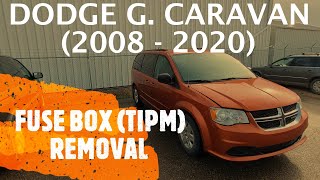
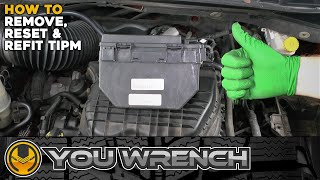
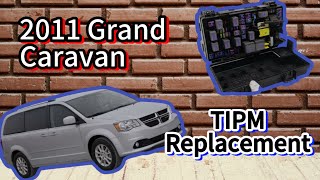
- Dodge/Chrysler/Jeep Grand Cherokee, Durango, Ram 1500, Grand Caravan (2007-2014) — Notorious for failures of the Totally Integrated Power Module (TIPM). A faulty TIPM is a primary cause of U0080. TSB S2108000124 notes that a slow-booting radio temporarily sets a stored U0080 code that can be safely ignored.
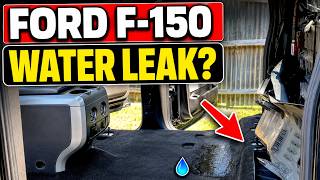
- Ford F-150 (2009-2014) — Highly prone to water leaks into the cabin from a faulty third brake light seal or leaking satellite radio antenna (TSB 10-4-7). Water corrodes the Smart Junction Box (SJB) and wiring in the sill plates.
- Chevrolet/GMC Silverado, Sierra, Malibu (2007-2013 (Trucks), 2019-2024 (Malibu)) — Trucks suffer from chafed wiring harnesses near the parking brake pedal assembly. Newer Malibu models see U0080 codes caused by improper aftermarket stereo installations interfering with the CAN harness.
- Hyundai/Kia Various Models (2012-2020) — Issues are frequently traced to internal failures of the ABS module or damage to its wiring harness, which brings down the entire high-speed CAN bus.
- Volkswagen/Audi Golf, Jetta, A4 (2010-2018) — Often related to failures in the CAN Gateway module. Water intrusion in the driver's side footwell damages network wiring and the gateway module.
- Land Rover Discovery, Range Rover (2019-2024) — Logs a U0080-88 due to a software error in the Transmission Control Module (TCM). TSB SSM76172 specifies this requires a software update at the dealer, not a hardware repair.
- Subaru Outback, Forester (2010-2015) — Experiences issues within the integrated unit containing the CAN gateway and body control functions, leading to network communication codes.
- Mazda Mazda3, CX-5 (2012-2018) — Failures are commonly linked to the ABS module. Corrosion on the module's connector causes a U0080 code and disables stability control systems.
Manufacturer-Specific Notes
- Chrysler/Dodge/Jeep: The Totally Integrated Power Module (TIPM) is a common failure point. TSB S2108000123 notes that a stored U0080 appears after switching from 'shipping mode' to 'customer mode' and should just be cleared.
- Ford: Check for water intrusion in the passenger-side footwell and along the sill plates. TSB 10-4-7 specifically addresses a leaking satellite radio antenna gasket as a source of water leaks on F-150s.
- General Motors (GM): A common spot for wiring to chafe is behind the driver's side dashboard, near the parking brake pedal assembly. Another known issue is corrosion in the large X101 connector near the underhood fuse block.
- Volvo: TSB K00945418 explains that an active U0080 code is triggered by a software issue that falsely logs other communication faults. If U0080 is inactive and other codes are active, those codes point to the real fault.
- Jaguar/Land Rover: TSB SSM76172 addresses a specific software error in the TCM on 2024 models that stores a U0080-88 code without affecting vehicle operation. The fix is a software update.
Real Owner Stories
2011 Dodge Grand Caravan with 155K miles - Stalling, Multiple Lights
Vehicle randomly stalled while driving, and the dashboard lit up with multiple warnings. Sometimes it failed to start.
Outcome: The owner ordered a rebuilt TIPM from an online specialist. After replacing the plug-and-play TIPM, all symptoms disappeared. Total cost was $400, saving thousands over dealer prices.
Lesson: On Chrysler/Dodge/Jeep vehicles from this era, bizarre electrical issues and U-codes point directly to a faulty Totally Integrated Power Module (TIPM). Suspect this before replacing other expensive modules.
2013 Ford F-150 with 110K miles - Intermittent No-Start, Wet Carpet
Truck intermittently failed to start. The owner noticed a musty smell and dampness on the passenger side floor carpet after heavy rain.
Outcome: Inspection revealed water leaked from a poorly sealed third brake light, collected in the passenger door sill wiring channel, and corroded a major CAN bus connector splice. Repairing the wires and resealing the brake light fixed the issue. The SJB was fine.
Lesson: On Ford F-150s, water leaks are a notorious cause of CAN bus failures. Check for water intrusion from the third brake light or satellite antenna, and inspect the door sill wiring for corrosion before replacing the BCM.
2008 Chevy Silverado with 180K miles - Multiple Warning Lights, No Cruise Control
ABS and traction control lights illuminated, cruise control failed, and the truck shifted hard. A U0080 code was present.
Outcome: The owner found a Technical Service Bulletin (TSB) describing a wiring harness chafing issue. The main instrument panel harness had rubbed through against the metal parking brake pedal assembly, shorting the CAN bus wires. Repairing the wires with solder and heat shrink fixed all problems for under $20.
Lesson: Always check for TSBs. On GM trucks, a chafed wiring harness near the parking brake assembly is a common, misdiagnosed cause for network codes. Visual inspection saves thousands.
2019 Chevy Malibu - Radio and Dash Issues After New Stereo Install
After installing an aftermarket head unit, the dash lights flickered, the radio randomly turned off, and a U0080 code appeared.
Outcome: An auto electronics specialist found the installers used a cheap, generic CAN bus adapter that 'spammed' the network with garbage data. Replacing it with a high-quality, vehicle-specific adapter (PAC brand) resolved all issues.
Lesson: Improperly installed aftermarket accessories are a primary cause of network codes. If a U0080 code appears after an installation, the new accessory or its CAN adapter is the culprit.
How to Prevent This Code From Triggering
- Apply Dielectric Grease to Key Connectors (During any related service or every 3-5 years) — Applying dielectric grease to the seals of critical connectors exposed to the elements seals out moisture, preventing the corrosion that causes high resistance and network faults.
- Perform Regular Undercarriage Washes (Monthly during winter in salt-belt states) — Road salt brine destroys wiring insulation and ground points. Washing the undercarriage removes corrosive salts before they damage the CAN bus harness.
- Secure and Protect Wiring Harnesses (During any repair or accessory installation) — Ensure wiring harnesses are secured in factory clips and not rubbing against sharp metal edges. Use split-loom tubing to protect areas showing signs of wear.
- Maintain a Healthy Battery and Grounds (Annually) — CAN bus modules are highly sensitive to voltage. Annually clean battery terminals and main chassis ground points to ensure a stable voltage supply and prevent data corruption.
- Address Water Leaks Immediately (As needed) — A small water leak destroys thousands of dollars worth of electronics. Fix leaks immediately before they corrode sensitive connectors and modules located in footwells.
Frequently Asked Questions
Can I fix a U0080 code myself?
You can perform basic checks like testing the battery, inspecting fuses, and looking for damaged wires. However, accurately diagnosing the specific short or faulty module requires specialized tools like a bi-directional scanner and wiring diagrams. Stop DIY and go to a shop if basic voltage and visual checks don't reveal the issue.
Will clearing the code fix the problem?
No. Clearing the code only turns the check engine light off temporarily. Because U0080 indicates a physical hardware, wiring, or critical software problem, the code returns immediately when the modules attempt to communicate.
What is the difference between an 'Active' and 'Stored' U0080 code?
An 'Active' code means the fault is happening right now. A 'Stored' code means the fault occurred previously but is not currently present. Some vehicles log a stored U0080 during temporary conditions, like a slow radio boot-up, which you can safely clear if no symptoms exist.
What is a common misdiagnosis for U0080?
A frequent mistake is replacing an expensive module, like an engine computer, simply because it logged a 'lost communication' code. The actual problem is usually the network wiring itself or a different module flooding the bus with bad data. Always diagnose the network before replacing parts.
Why do so many warning lights turn on with a U0080 code?
Critical modules like the Engine, Transmission, and Anti-lock Brakes share data on the high-speed CAN bus. When the bus fails, these modules lose communication and trigger their respective warning lights as a safety precaution. This creates a 'Christmas tree' effect on your dashboard.
How much does it cost to diagnose a U0080 code?
Expect to pay a diagnostic fee between $150 and $350. Network issues are complex and time-consuming, requiring higher diagnostic fees than simple part failures. This covers the technician's time to trace wiring and isolate the exact fault.
What tools are needed to properly diagnose U0080?
Professional diagnosis requires a bi-directional scan tool to view all modules, a digital multimeter to test resistance, and vehicle-specific wiring diagrams. For intermittent faults, technicians use an automotive oscilloscope to analyze the data signal directly.
Key Takeaways
- Code U0080 indicates a severe communication breakdown on the 'Bus C' network, immediately disabling critical safety systems like ABS and airbags.
- Check your battery first; a voltage drop below 9.6V during engine cranking is a leading cause of false communication codes.
- Never replace an Engine Control Module (ECM) based solely on a U0080 code without first verifying the CAN bus resistance reads exactly 60 ohms.
- Expect to pay $150 to $350 just for the initial diagnosis, as tracing network wiring faults requires specialized bi-directional scanners and oscilloscopes.
- If the code appeared immediately after installing an aftermarket stereo or remote starter, disconnect the new CAN bus adapter to see if the network recovers.
Helpful Videos
![How To Test CAN BUS With A Multimeter [CAN Bus Resistance Check] Mechanic Mindset](https://img.youtube.com/vi/JPE42HSJxAk/mqdefault.jpg)


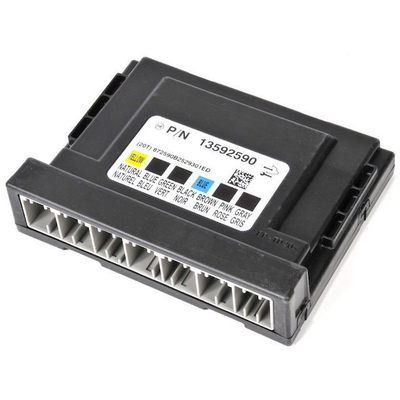
Shop the Parts Behind U0080
Below are the parts most often responsible for code U0080, ranked by how frequently each one is the actual culprit (per the diagnosis above). Tap any to see what we have for your vehicle.


The information in this article is provided for general reference and educational purposes only. Vehicle specifications, procedures, and part compatibility can vary by production date, trim level, and region. Always consult your vehicle's factory service manual and verify part numbers before purchasing or performing repairs. Safety-critical components such as airbags, seat belts, and braking systems should be installed by a qualified professional.
- 🧭 Diagnostic Flowchart
- 🎬 Helpful Videos
- 🛍️ Shop This Part
- What Does U0080 Mean?
- Can I Drive With U0080?
- Common Causes
- Symptoms
- Common Fixes & Costs
- Used vs. New Parts: Buying Guide
- What Happens If You Wait — Timeline
- Cost of Not Fixing It
- Diagnosis Steps
- When This Code Triggers (Freeze-Frame Conditions)
- Related Codes
- Climate & Environmental Factors
- How to Talk to a Mechanic About This Code
- Where to Take It: Dealer vs Independent vs Chain
- When to Walk Away From the Repair
- What Scan Tool You Need for This Code
- How to Clear the Code After You Fix It
- Will This Fail Emissions / State Inspection?
- Most Commonly Affected Vehicles
- Manufacturer-Specific Notes
- Real Owner Stories
- 2011 Dodge Grand Caravan with 155K miles - Stalling, Multiple Lights
- 2013 Ford F-150 with 110K miles - Intermittent No-Start, Wet Carpet
- 2008 Chevy Silverado with 180K miles - Multiple Warning Lights, No Cruise Control
- 2019 Chevy Malibu - Radio and Dash Issues After New Stereo Install
- How to Prevent This Code From Triggering
- Frequently Asked Questions
- Can I fix a U0080 code myself?
- Will clearing the code fix the problem?
- What is the difference between an 'Active' and 'Stored' U0080 code?
- What is a common misdiagnosis for U0080?
- Why do so many warning lights turn on with a U0080 code?
- How much does it cost to diagnose a U0080 code?
- What tools are needed to properly diagnose U0080?
- Key Takeaways
- 🎟️ Get 5% Off