

U0100 on 2005-2010 Chrysler 300: Lost Communication with ECM/PCM Causes and Fixes
On a 2005-2010 Chrysler 300, code U0100 often points to a failing Powertrain Control Module (PCM), a faulty Totally Integrated Power Module (TIPM), or wiring issues. Expect to start with basic electrical checks (battery, grounds, fuses) before suspecting the more expensive modules. Cleaning the PCM connectors is a common, low-cost first step that often resolves the issue.
- U0100 on a 2005-2010 Chrysler 300 is a critical code indicating the engine computer (PCM) has stopped communicating, which can cause a no-start or stalling.
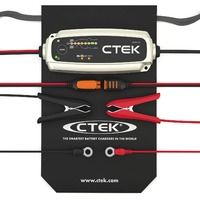
- Always start diagnosis by checking the simplest things: the battery's state of charge, and the cleanliness and tightness of its terminals.
- The Totally Integrated Power Module (TIPM) is a common failure point on these cars and can cut power to the PCM, causing this code. Don't assume the PCM is bad without verifying it has power from the TIPM.
- Due to the need for module programming and complex network diagnostics, this is a difficult DIY repair. Professional service is strongly recommended.
What's Unique About the 2005-2010 Chrysler 300
The first-generation Chrysler 300 (and its LX platform siblings like the Dodge Charger and Magnum) relies heavily on a central power distribution and network gateway called the Totally Integrated Power Module (TIPM). While the U0100 code directly points to a loss of communication with the PCM, the TIPM is a frequent underlying cause of this failure. It is responsible for powering the PCM, and internal TIPM faults can cut power, mimicking a failed PCM and causing this code. The CAN bus network architecture is crucial; a failure in one module or its wiring can bring down communication for others, making diagnosis complex.
Symptoms You May Notice
- Engine will not start or is hard to start.
- Engine stalls intermittently while driving, sometimes after hitting a bump.
- Check Engine Light is on, and other warning lights (like ABS or traction control) may also illuminate.
- Transmission may not shift correctly or may be stuck in one gear (limp mode).
- Scan tool cannot communicate with the PCM.
- Instrument cluster displays "NO BUS" message.
- Gauges on the instrument cluster may stop working or behave erratically.
- Interior electronics like the radio, wipers, and signals may malfunction.
- Replacing the PCM when the actual fault is a bad battery, a poor ground connection, or a faulty TIPM that is not providing power to the PCM.
- Replacing the PCM when the issue is simply a corroded or loose connector that could have been cleaned.
Most Likely Causes
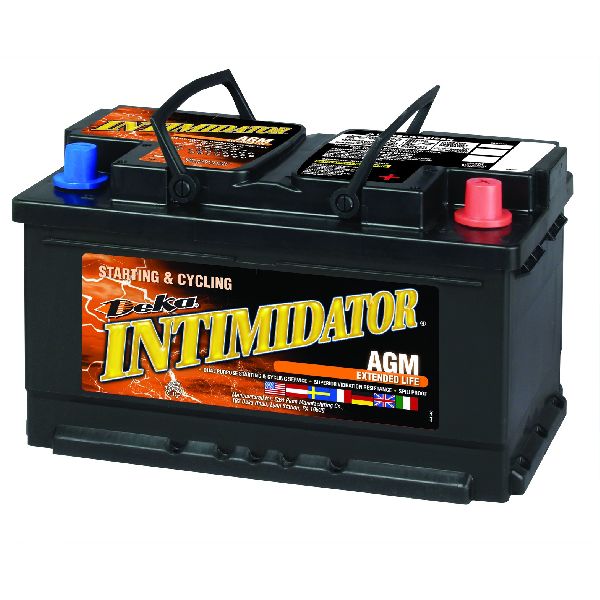
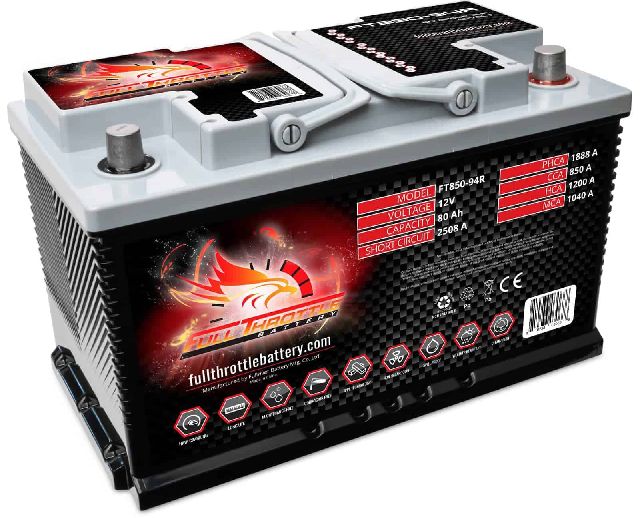
- Weak or Faulty Battery / Poor Connections 🔴 High Probability → Shop Vehicle Battery All modern vehicles are sensitive to low voltage, which can cause unpredictable communication errors between modules. Corrosion on battery terminals is also a common issue that can interrupt power. The battery in the 300 is located in the trunk, and the long cable run to the front of the car provides more opportunities for connection issues.
How to confirm: Test the battery voltage with a multimeter; it should be at least 12.4V with the engine off. Check that battery terminals and remote jump posts under the hood are clean and tight. Load test the battery to ensure it can hold a charge under load.
Typical fix: Clean the battery terminals and cable ends. Recharge or replace the battery if it fails a load test.
Est. part cost: $150-$300 - Corroded or Loose PCM/ECM Connectors 🔴 High Probability The PCM is located in the engine bay on the passenger side, where it is exposed to moisture and heat. Over time, the pins in the large electrical connectors can develop corrosion or lose tension, causing intermittent communication loss. This is a very common fix reported by owners.
How to confirm: With the battery disconnected, unplug the connectors from the PCM. Visually inspect the pins on both the module and the harness side for any green or white corrosion, or bent pins. The connection should be snug when re-seated.
Typical fix: Clean the connector pins thoroughly with an electrical contact cleaner and a small brush. Apply a thin layer of dielectric grease to the connector seal before reconnecting to prevent future moisture intrusion. This is often a successful, low-cost repair. 🎬 Watch this owner fix a U0100 code by cleaning PCM connectors.
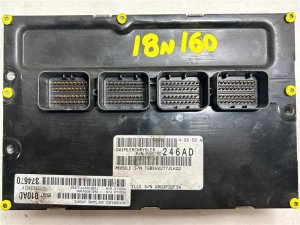
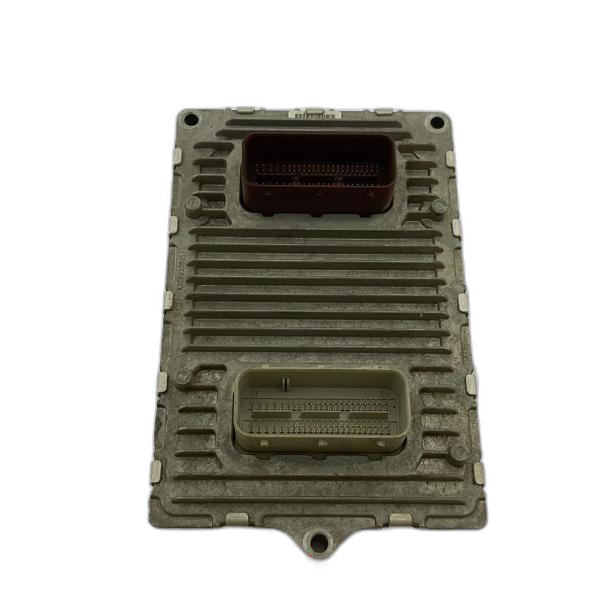
Est. part cost: $10-$20 - Faulty Powertrain Control Module (PCM) 🟡 Medium Probability → Shop Engine Control Module (ECM) The PCM can fail internally due to age, heat, or electrical stress, causing it to stop communicating on the network.
How to confirm: After confirming the PCM has proper power and ground and the connectors are clean, a technician will use an advanced scan tool to see if the PCM is active on the CAN bus. If it has power and ground but is not communicating, the module itself is condemned.
Typical fix: Replace the PCM. The new module must be programmed with the vehicle's VIN and configuration data.
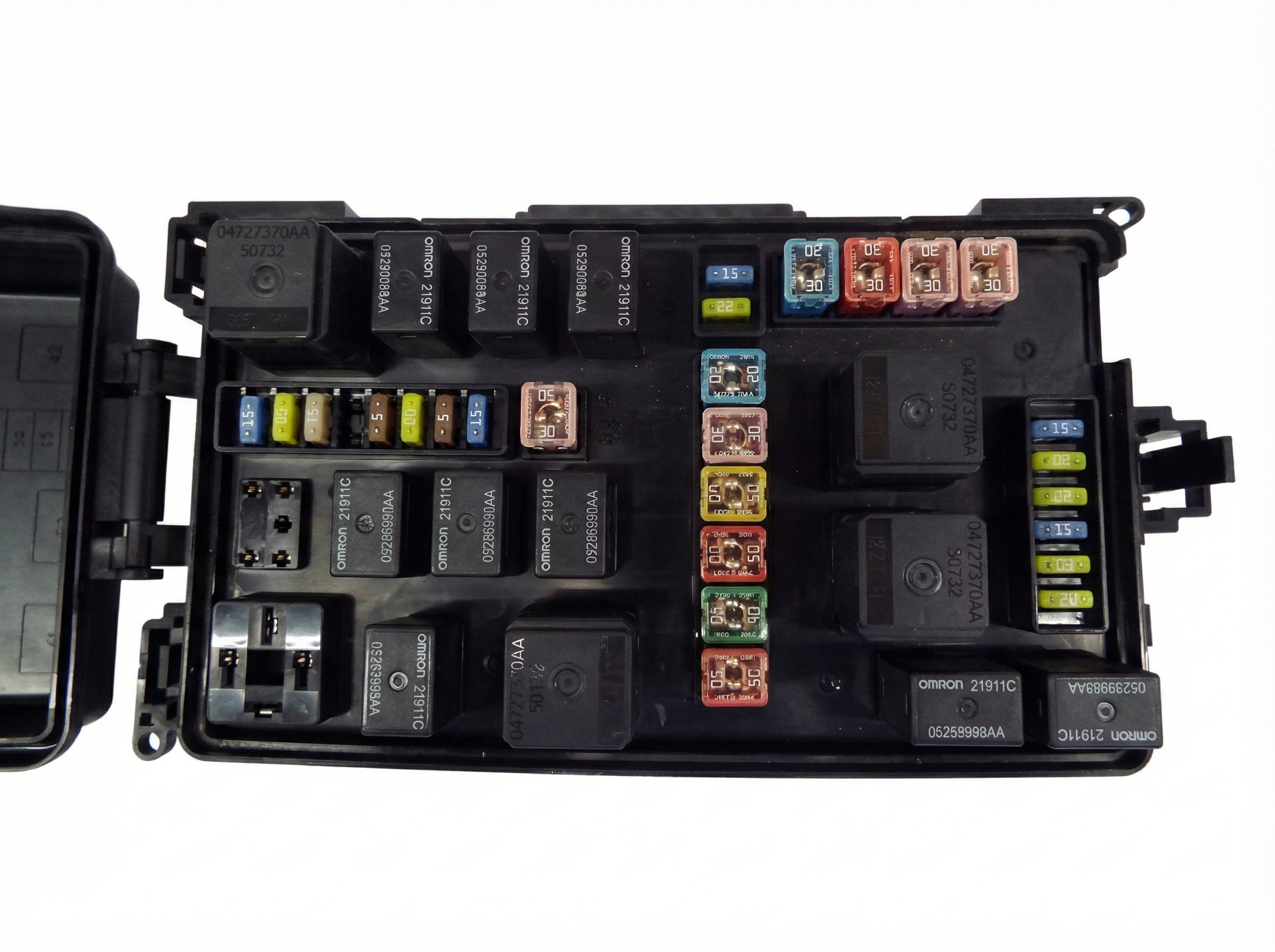
Est. part cost: $400-$1000 - Faulty Totally Integrated Power Module (TIPM) 🟡 Medium Probability → Shop Fuse Box The TIPM on this platform is a known failure point. It contains internal relays and logic that control power to many modules, including the PCM. A fault inside the TIPM can cut power to the PCM, causing the U0100 code.
How to confirm: A technician will check for power output from the TIPM on the specific circuits that feed the PCM using a wiring diagram. If there is no power coming out of the TIPM on these circuits, but the TIPM itself has power, it is faulty.
Typical fix: Replace the TIPM. This part may also require programming or configuration. 🎬 See this full tutorial on how to remove and install a TIPM.
Est. part cost: $300-$800 - Wiring Harness or Connector Issues ⚪ Low Probability Wires in the engine bay can become chafed, corroded, or damaged over time, leading to an open or short in the CAN bus or PCM power/ground circuits. Common chafe points are where the harness may rub against the engine block, firewall, or other components.
How to confirm: Visually inspect the wiring harness going to the PCM for any signs of damage. A multimeter is used to check for continuity and shorts on the CAN bus and power/ground wires between the TIPM and PCM.
Est. part cost: $20-$500
Diagnosis Steps
- Check Battery Health: Ensure the battery has a full charge (at least 12.4V) and that the terminals in the trunk and the remote posts under the hood are clean and tight. A weak battery is a very common cause of communication codes.
- Scan for All Codes: Use a scan tool capable of reading codes from all vehicle modules (not just the engine). Note which modules are reporting 'Lost Communication' with the PCM. This can help isolate the network fault.
- Inspect and Clean PCM Connectors: Disconnect the battery. Unplug the main electrical connectors from the PCM (located on the passenger side firewall). Inspect for corrosion or damage. Clean both sides of the connection with electrical contact cleaner and apply dielectric grease before reconnecting. This is a high-yield, low-cost step.
- Verify PCM Power and Ground: Check the fuses for the PCM in the TIPM (fuse box). Use a multimeter and a wiring diagram to confirm that the PCM is receiving battery voltage and has a solid ground connection at its connector.
- Inspect Wiring: Visually inspect the main engine wiring harness, especially the sections connecting the TIPM and the PCM. Look for any signs of chafing, melting, or corrosion, particularly where the harness routes near the engine.
- Check CAN Bus Network: With the battery disconnected, measure the resistance between the two CAN bus pins (Pin 6 and Pin 14) at the OBD-II port. It should be approximately 60 ohms. If it's 120 ohms, there's a break in the circuit or a missing terminating resistor; if it's near 0 ohms, the two wires are shorted together. 🎬 Watch this tech tip for a deep dive into CAN bus diagnostics.
- Isolate the Faulty Module: If wiring, power, and ground are all good, the issue is likely an internal failure of either the PCM or the TIPM. Professional diagnosis is typically required to definitively determine which one has failed.
Parts You'll Likely Need
- Powertrain Control Module (PCM)
(OEM #04606837AE (Example for 2005-2006 5.7L))— Internal failure of the PCM is a common cause, preventing it from communicating with the rest of the vehicle's network.
Trusted brands: Mopar, Cardone, Standard Motor Products
OEM price range: $600-$1000
Aftermarket price range: $300-$600 - Totally Integrated Power Module (TIPM) — The TIPM is a known weak point and is responsible for supplying power to the PCM. An internal fault can cut this power, triggering a U0100 code.
Trusted brands: Mopar, Dorman
OEM price range: $500-$800
Aftermarket price range: $300-$500 - Battery — Low system voltage from a weak or failing battery is a frequent cause of network communication errors across all modern vehicles.
Trusted brands: Mopar, Interstate, DieHard
OEM price range: $200-$350
Aftermarket price range: $150-$300
Related Codes That Often Appear With This One
- P0700 — This code means 'Transmission Control System Malfunction'. The Transmission Control Module (TCM) often sets this code when it loses communication with the PCM (U0100), as it relies on PCM data to function.
- U0101 — This code means 'Lost Communication with TCM'. If the network is unstable, multiple communication codes are common. A Reddit user with a 2007 300 reported this code appearing with others during a limp mode event.
- U0019 — This code indicates a problem on the CAN B bus. A fault on one of the vehicle's communication networks can cause cascading communication failures with critical modules like the PCM, leading to a U0100 code.
Technical Service Bulletins (TSBs) & Recalls
- TSB 08-024-08: While not directly for U0100, this TSB addresses software updates and recovery for the MYGIG radio system. Electrical issues with major components like the radio can sometimes interfere with CAN bus stability, so ensuring all module software is up-to-date is a relevant diagnostic consideration.
Platform-Specific Known Issues
- The 'NO BUS' message on the odometer is a classic symptom of this communication failure on Chrysler platforms of this era. It indicates a complete breakdown of communication between the instrument cluster and the PCM.
Mechanic-Grade Diagnostic Values
- CAN Bus Resistance — expected: ~60 Ohms between Pin 6 (CAN-C High) and Pin 14 (CAN-C Low) at the OBD-II port with the battery disconnected.. Failure: A reading of ~120 Ohms indicates an open circuit or a missing terminating resistor in one of the modules (e.g., PCM or ABS module). A reading near 0 Ohms indicates a short between the two CAN wires.
- CAN Bus Voltage (Key On, Engine Off) — expected: CAN High (Pin 6 to ground): ~2.6-2.7V. CAN Low (Pin 14 to ground): ~2.3-2.4V. The two voltages should add up to approximately 5V.. Failure: Voltages stuck high, low, or near zero indicate a short to power, short to ground, or an open circuit. The network bias voltage should rest at 2.5V.
- PCM Ground Circuit Resistance — expected: Less than 0.1 Ω between the PCM's ground pins (e.g., Pins 18 & 19 on some connectors) and a known good chassis ground.. Failure: High resistance indicates a poor ground connection at the module or at the chassis ground point (e.g., G100, G101).
- PCM Power Supply Voltage — expected: Battery voltage (~12.6V) should be present at the fused B(+) circuit pin(s) at the PCM connector with the key on.. Failure: Zero volts indicates a problem with the TIPM's power feed to the PCM, a blown fuse, or an open/short in the wiring harness between the TIPM and PCM.
Scan Tool Commands That Help
- wiTECH (Chrysler OEM Tool): Network Topology View — This provides a visual map of all modules on the CAN bus. Modules that are not communicating will be highlighted (often in red), immediately confirming that the PCM is offline and showing which other modules are logging the U0100 fault.
- wiTECH (Chrysler OEM Tool): Loss of Communication Test — This function acts as a real-time 'ping test' for all modules on the network. It's extremely useful for performing wiggle tests on wiring harnesses or tapping on modules to see if you can induce a communication failure, helping to pinpoint intermittent connection issues.
- wiTECH or high-level bidirectional scanner: TIPM Actuation Tests (e.g., 'PCM Power Relay Command') — If you suspect the PCM is not receiving power, this command forces the TIPM to activate the specific relay that powers the PCM. If the relay clicks and voltage appears at the PCM power wire, the TIPM and its relay are likely good, pointing the diagnosis towards the wiring. If it doesn't activate, the TIPM itself is likely the culprit.
Wiring & Ground Locations
- G100 — At the left front of the engine compartment.. This is a primary chassis ground point for several front-end components. A loose or corroded connection here can cause a variety of electrical issues, including communication faults.
- G101 — At the right front of the engine compartment, often near the TIPM/fuse box.. This is a critical ground point for modules located on the right side of the engine bay, including potentially the PCM and TIPM. Verifying this ground is clean and tight is essential.
- G104 — On the right side of the engine block (location can vary slightly by engine, e.g., top of cylinder head cover on 6.1L).. This is a primary engine ground. A poor connection here can prevent the PCM from grounding properly, leading to a no-communication state.
- Star Connector (CAN Bus Junction) — On later models, this junction block for the CAN bus is located in the trunk, behind the rear seat, near the battery. On earlier models, CAN bus connections are spliced within the harness.. This is a central hub where multiple CAN bus lines meet. A bad connection or corrosion in this connector can bring down the entire network, causing widespread communication codes.
Real Owner Repair Stories
- YouTube user 'Project 300c' (2006 Chrysler 300C 5.7 Hemi) — Car would stall intermittently and show code U0100 for lost communication with the ECM.
❌ Tried (didn't work) Replaced oil pump, Replaced fuel pump and filter, Replaced air filter, Replaced radiator, hoses, and thermostat, Replaced the PCM/ECM twice
✅ What actually fixed it The owner disconnected the battery and thoroughly cleaned all electrical harness connectors under the hood with electrical contact cleaner, including the main PCM connectors, throttle body connector, and MAF sensor connector. After cleaning and applying a connector protector (dielectric grease), the stalling and U0100 code were resolved. - ScannerDanner Forum user 'Dreamcatcher300' (Chrysler 300C (UK model)) — Scan tool stopped communicating with PCM, U0100 code present along with ABS and TCM communication codes. Car starts and stops randomly, speedometer works intermittently, transmission stuck in 2nd gear. Problem started after battery went dead.
❌ Tried (didn't work) Recharging the battery (read 14.7V at terminals but only 13.7V on dash EVIC).
✅ What actually fixed it The final fix was not posted in the thread, but the user was advised by forum experts to perform a CAN bus resistance check between pins 6 and 14 of the DLC, expecting a 60-ohm reading. This points the diagnosis toward a physical network layer fault (wiring, termination resistors) rather than just a bad module. - NHTSA ODI #10706654 — An owner reported that after taking the vehicle to the dealer three times for steering issues with no codes found, the fourth occurrence finally produced codes U0100 and P0700 on their own scan tool, though the dealer continued to claim they could not find any codes or problems.
Model Year Variations Within This Range
- 2005-2007 vs 2008-2010: Earlier LX platform vehicles (pre-2008) had different electrical designs and control systems. The Front Control Module (FCM) was a separate unit that was later integrated into the TIPM. A failing FCM on early models can cause U0100. Post-2008 models are generally considered to have more refined electrical systems, though TIPM issues persist.
Diagnostic Flowchart
Other Known Issues on This Vehicle
Issues unrelated to this code that are worth knowing about as an owner of this generation:
- NAG1 (W5A580) Transmission Conductor Plate Failure 🔴 High → Shop Transmission Assembly — Common after 80,000 miles. Causes limp mode (stuck in 2nd gear) and codes like P0715 or P2767.
- Front Suspension Tension Strut Failure 🟠 Medium — Very common. The fluid-filled bushings fail, causing a clunking or popping noise from the front suspension, especially when braking or turning.
- 5.7L HEMI Dropped Valve Seats (pre-2009) 🔴 High — A known, but not guaranteed, issue on 2003-2008 5.7L Hemi engines, typically over 100,000 miles. Can cause catastrophic engine failure.
- Shifter Stuck in Park 🟡 Low — A common annoyance where the gear shifter cannot be moved out of Park.
- Engine Oil Sludge (2.7L V6) 🔴 High — A notorious problem specific to the 2.7L V6 engine, often leading to complete engine failure.
Used vs. New Parts: Buying Guide for This Vehicle
When a used part is the smart pick: A used TIPM from a reputable salvage yard can be a cost-effective option, as many can be installed without dealer programming. However, it's crucial to match the part number exactly. Used PCMs are riskier due to the absolute need for VIN and security programming.
Donor-vehicle mileage cap: roughly under 80000 miles for the part to have meaningful remaining life.
What to inspect on the donor part:
- Match the OEM part number EXACTLY. Do not rely on year/model alone.
- Inspect the part for any signs of water damage, corrosion on the pins, or physical damage to the casing.
- If possible, get the VIN of the donor car to check for any history of major electrical problems.
- Buy from a seller that offers a warranty and a return policy.
OEM-only on this vehicle (don't cheap out):
- Powertrain Control Module (PCM): While aftermarket options exist, an OEM Mopar PCM (new or remanufactured) is strongly recommended for guaranteed compatibility. All replacements, new or used, require programming to the vehicle's VIN and options.
Aftermarket brands forum-validated for this vehicle:
- Dorman (for TIPM)
- Cardone (for remanufactured PCMs)
- Circuit Board Medics / GoECM (for TIPM repair services and remanufactured units)
Brands owners have reported issues with on this vehicle:
- Unbranded, no-name electronics from online marketplaces should be avoided, as they often lack quality control and can fail prematurely or cause further diagnostic issues.
Real Owner Stories
Aggregated from forums and TSBs cited above. Mileages and costs reflect what owners reported in those sources.
2006 Chrysler 300C 5.7L Hemi
Symptoms: Stalling issue and code U0100. The owner attempted to fix it by replacing the fuel pump, alternator, and two separate ECMs without success.
What fixed it: Unplugging the battery and thoroughly cleaning all main engine harness connectors, specifically the PCM connectors, with electrical contact cleaner.
Source hint: YouTube - '2006 Chrysler 300c 5.7 Hemi / ECM code FIX / Code U0100 / Stalling FIX'
2005 Chrysler 300C Hemi
Symptoms: 'No bus' message on the cluster, the transmission would not shift gears, and interior lights were non-functional.
What fixed it: Diagnosis of a CAN bus network failure, requiring a check of network voltages at the DLC (pins 6 and 14) to identify if the network was shorted or open.
Source hint: 2CarPros Forum - 'No Bus No Communication'
2006-2010 Dodge Charger (Platform Mate)
Symptoms: U0100 and P0700 codes accompanied by stalling.
What fixed it: Replacing the transmission's electrical connector plug adapter where it enters the transmission to stop fluid leaks from disrupting communication.
Source hint: YouTube - 'U0100/P0700 Stalling Problem Fixed (06-10 Dodge Charger)'
2006 Chrysler 300
Symptoms: Intermittent stalling while turning. A scan tool revealed codes U0100 and P0700.
What fixed it: While the dealer claimed no codes were present and could not find a problem, the owner documented the U0100 and P0700 codes using their own scan tool (NHTSA ODI #10706654).
Source hint: NHTSA ODI #10706654
Related OBD-II Codes
Frequently Asked Questions
What does it mean when my Chrysler 300 instrument cluster displays 'NO BUS'?
Could a bad battery in the trunk cause a U0100 code on my 2005-2010 Chrysler 300?
Is there a TSB for the radio affecting the CAN bus on this model?
Where is the PCM located on the Chrysler 300 for inspection?
Can a faulty TIPM cause my car to lose communication with the PCM?
How can I test if my Chrysler 300's CAN bus network is physically damaged?
Helpful Videos



Used OEM Parts in Stock

New Aftermarket Parts Available


The information in this article is provided for general reference and educational purposes only. Vehicle specifications, procedures, and part compatibility can vary by production date, trim level, and region. Always consult your vehicle's factory service manual and verify part numbers before purchasing or performing repairs. Safety-critical components such as airbags, seat belts, and braking systems should be installed by a qualified professional.
- Chrysler 300:
- 🧭 Diagnostic Flowchart
- 🎬 Helpful Videos
- 🛍️ Shop This Part
- What's Unique About the 2005-2010 Chrysler 300
- Symptoms You May Notice
- Most Likely Causes
- Diagnosis Steps
- Parts You'll Likely Need
- Related Codes That Often Appear With This One
- Technical Service Bulletins (TSBs) & Recalls
- Platform-Specific Known Issues
- Mechanic-Grade Diagnostic Values
- Scan Tool Commands That Help
- Wiring & Ground Locations
- Real Owner Repair Stories
- Model Year Variations Within This Range
- Other Known Issues on This Vehicle
- Used vs. New Parts: Buying Guide for This Vehicle
- Real Owner Stories
- 2006 Chrysler 300C 5.7L Hemi
- 2005 Chrysler 300C Hemi
- 2006-2010 Dodge Charger (Platform Mate)
- 2006 Chrysler 300
- Related OBD-II Codes
- Frequently Asked Questions
- 🎟️ Get 5% Off