

U0100 on 2015-2019 Hyundai Sonata: Lost Communication with ECM/PCM Causes and Fixes
On a 2015-2019 Hyundai Sonata, code U0100 is most often caused by a weak or failing battery, or corroded battery terminals and ground straps. Before suspecting an expensive computer failure, fully test the battery and clean all power and ground connections, as this platform is sensitive to voltage fluctuations.
- Code U0100 on a 2015-2019 Sonata indicates a critical communication failure with the engine's main computer, and the vehicle should not be driven.
- The most likely cause is not the computer itself, but a simple power supply issue. Always start by thoroughly testing the 12V battery and cleaning the battery terminals.
- Inspect the main engine and chassis ground connections for corrosion and tightness, as a bad ground can easily cause this code.
- If the battery and grounds are good, inspect the wiring harness for damage before assuming the ECM has failed.
- Due to the complexity of network diagnostics and the need for programming, final diagnosis and replacement of an ECM should be left to a professional.
What's Unique About the 2015-2019 Hyundai Sonata
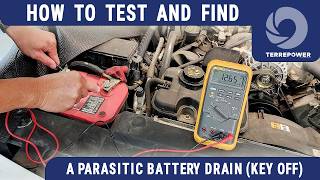
For the 2015-2019 (LF generation) Sonata, electrical issues like parasitic battery drain are a commonly discussed topic among owners. 🎬 Watch: How to find and test for parasitic battery drain. This makes starting with a thorough battery and charging system diagnosis even more critical than on other vehicles. While the U0100 code itself is generic, this platform's sensitivity to low voltage means a weak battery is a highly probable cause for the communication failure, often preceding a more complex wiring or module fault. Additionally, this generation falls within the timeframe of the massive Hyundai Theta II engine recalls for connecting rod bearing failure, which can cause catastrophic engine seizure. While not a direct cause of U0100, any engine-related drivability symptom on these cars warrants extreme caution.
Generation note: This guide covers the seventh generation (LF) of the Hyundai Sonata, which includes model years 2015, 2016, 2017, 2018, and 2019. A significant facelift occurred for the 2018 model year, but the underlying electrical architecture, powertrains, and common causes for a U0100 code remain consistent across this range.
Symptoms You May Notice
- Engine will not start (no-crank or cranks but won't fire).
- Check Engine Light is on, possibly with other warning lights (ABS, Traction Control, etc.).
- Engine stalls intermittently while driving.
- Vehicle enters 'limp mode' with severely reduced power.
- Poor or erratic automatic transmission shifting.
- Dashboard gauges may not work or behave erratically.
- Noticeably decreased fuel economy.
- Inability for a standard OBD-II scanner to connect to the ECM.
- Replacing the ECM without first thoroughly testing the battery and checking all ground connections. A simple power supply issue is far more common than a failed computer.
Most Likely Causes
- Weak or Failing Battery 🔴 High Probability → Shop Vehicle Battery The Sonata platform from this era is known for experiencing battery drain issues, and low system voltage is a primary trigger for communication codes. A voltage drop during cranking is enough to cause modules to lose communication.
How to confirm: Use a multimeter to test the battery voltage with the car off; it should be at least 12.4V-12.6V. Use a dedicated battery tester to check its health (cranking amps). A load test during cranking is crucial; voltage should not drop below 10.0V. Many auto parts stores offer this service for free.
Typical fix: Replace the 12V battery.
Est. part cost: $150-$250 - Corroded or Loose Battery Terminals/Grounds 🟡 Medium Probability → Shop Vehicle Battery Corrosion on terminals is a common issue on all vehicles and creates resistance that can mimic a weak battery, disrupting module power. The main engine-to-chassis ground strap is a known weak point that can corrode and cause intermittent electrical issues.
How to confirm: Visually inspect the battery terminals for white or blue-green crust. Trace the negative cable to its connection point on the chassis (driver's side inner fender) and check that it is clean and tight. Inspect the engine ground strap, which typically runs from the engine block or transmission to the frame rail.
Typical fix: Disconnect the battery and clean the terminals and cable ends with a wire brush. Unbolt, clean to bare metal, and re-secure the main chassis and engine ground straps.
Est. part cost: $5-$30 - Damaged Wiring Harness or Connectors 🟡 Medium Probability Wires can be damaged by chafing against engine components, heat, or rodents. This can cause a short or open in the CAN bus or power/ground circuits to the ECM. The ECM is located behind the battery, and its harness can be disturbed during battery service.
How to confirm: Visually inspect the wiring harness leading to the ECM for any signs of damage, melting, or rodent chew marks. Unplug the main connectors at the ECM (with battery disconnected) and check for corrosion, moisture, or bent pins.
Typical fix: Repair the damaged section of wire or replace the affected connector. Ensure the harness is properly routed and secured away from sharp edges or heat sources.
Est. part cost: $20-$200 - Faulty Engine Control Module (ECM) ⚪ Low Probability → Shop Engine Control Module (ECM) While not exceptionally common, internal failure of the ECM due to heat, vibration, or age can occur, causing it to stop communicating. This is a diagnosis of exclusion after all other possibilities are eliminated.
How to confirm: This is typically a last resort after all power, ground, and wiring tests have passed. A professional will use a scan tool to confirm no communication is possible with the ECM and verify all power and ground inputs are present at the module's connector pins.
Typical fix: Replace the ECM and have it professionally programmed to the vehicle's VIN.
Est. part cost: $800-$1200
Rare But Worth Checking
- Blown Fuse for ECM: A simple but sometimes overlooked cause. Check the main fuse box in the engine bay and the interior fuse panel for any fuses labeled 'ECM,' 'ECU,' 'PDM,' or 'Power Control.'
- Faulty Alternator: → Shop Alternator An alternator that is failing may not adequately charge the battery, leading to low system voltage that can trigger communication codes during operation.
- Aftermarket Electronics: A poorly installed remote starter, alarm system, or even a plug-in OBD-II device can interfere with the CAN bus network and cause communication errors by broadcasting improper signals or creating a short.
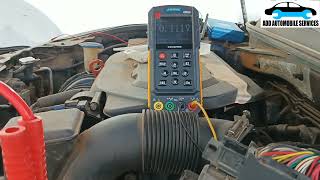
- Faulty CAN Gateway or Other Module: Sometimes, another module on the CAN bus (like the ABS or Transmission module) can fail and 'scream' on the network, preventing all other modules, including the ECM, from communicating. A technician found a 2016 Sonata with a U0100 code was caused by a faulty ABS module taking down the network; disconnecting it restored communication. Diagnosing this requires advanced network scanning tools. 🎬 See how a faulty ABS module can cause no communication.
Diagnosis Steps
- Check Battery Health: → Shop Vehicle Battery Start by testing the 12V battery. Ensure it has a full charge (12.4V-12.6V engine off) and can hold a load. A weak battery is the most common cause. Perform a load test while cranking; voltage should not dip below 10.0V.
- Inspect Battery Terminals and Grounds: → Shop Vehicle Battery Clean any corrosion from the battery posts and terminals. Trace the negative cable to its connection point on the vehicle's chassis (driver's side fender) and ensure it is clean and tight. Locate, unbolt, and clean the main engine-to-chassis ground strap.
- Check Fuses: Inspect all fuses related to the ECM/PCM in both the engine bay and interior fuse panels. Check for fuses labeled 'ECU', 'ECM', 'B+', or 'Power Control'.
- Scan for Other Codes: Use a quality OBD-II scanner to see if other modules are also reporting communication loss. If many modules are offline, it points to a network-wide issue rather than just the ECM.
- Visual Wiring Inspection: Carefully inspect the wiring harness going to the ECM, which is located behind the battery. Look for any signs of rubbing, melting, or animal damage. Unplug the ECM connectors (with the battery disconnected) and check for corrosion or bent pins.
- Check CAN Bus Resistance: With the battery disconnected, use a multimeter to measure the resistance between Pin 6 (CAN High) and Pin 14 (CAN Low) on the OBD-II port. A healthy network should read approximately 60 Ohms. A reading of 120 Ohms suggests an open circuit or a missing terminating resistor, while 0 Ohms indicates a short between the two lines.
- Verify Power and Ground at ECM: Using a vehicle-specific wiring diagram, check for proper battery voltage and ground signals at the ECM's main connector pins. Power ground pins should show less than 50 mV. This confirms the module is receiving the power it needs to operate. This step is for advanced DIYers or professionals.
- Professional Diagnosis: If all the above steps pass, the ECM itself is likely faulty. This requires professional confirmation and replacement, as the new module will need to be programmed to the vehicle.
Parts You'll Likely Need
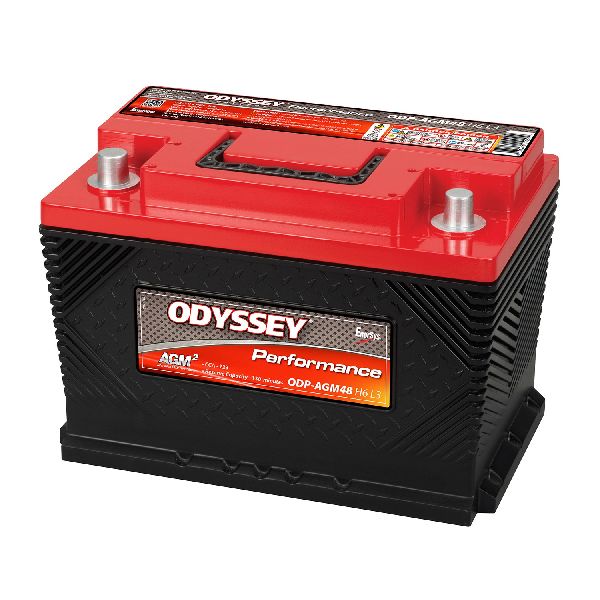
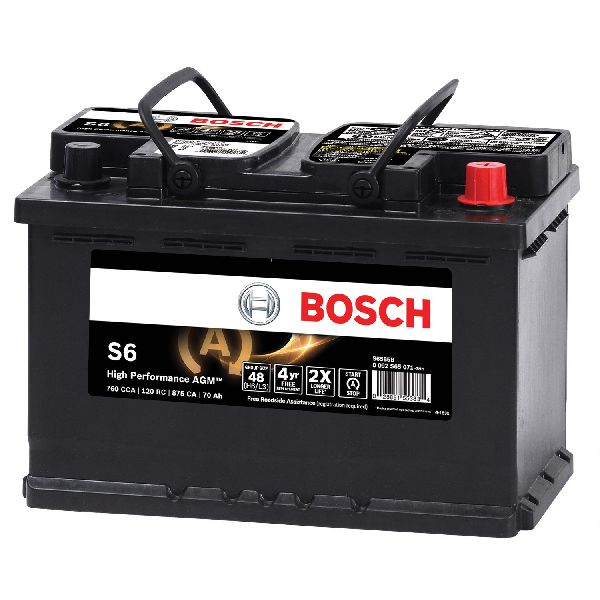
- 12V AGM Battery — A weak or failing battery is the most frequent cause of communication codes on this vehicle.
Trusted brands: Bosch, Duralast, DieHard, Interstate
OEM price range: $250-$350
Aftermarket price range: $150-$250 - Engine Control Module (ECM/PCM)
(OEM #Varies by year/engine/options (e.g., 39111-2GGK_ series, 39112-2GGJ5).)— If all power, ground, and network wiring checks out, the ECM itself may have failed. This part is VIN-specific and requires programming.
Trusted brands: Genuine Hyundai, Flagship One, Solo Auto Electronics
OEM price range: $800-$1200
Aftermarket price range: $200-$500 (remanufactured/programmed)
Related Codes That Often Appear With This One
- U0101 — Lost Communication with TCM (Transmission Control Module). Since the ECM and TCM work closely together on the same high-speed network, a network-wide problem will often cause both codes to appear.
- P0562 — System Voltage Low. This code is a strong indicator that the U0100 code is a symptom of a failing battery or charging system issue, which should be the primary area of investigation.
Technical Service Bulletins (TSBs) & Recalls
- TSB 22-AT-005H: While for transmission DTCs, this TSB details checking the wiring harness between the PCM and other modules, which is a relevant procedure for any communication code. It notes that most Sonatas in this range have an integrated PCM (ECU/TCU).
- Hyundai Service Campaign 953 (Knock Sensor Detection System Software Update): While not directly for U0100, this widespread update re-flashes the ECM. A failed or incomplete flash could potentially cause communication issues. It also highlights the sensitivity of the ECM on this platform.
Platform-Specific Known Issues
- Corroded Main Ground Straps: → Shop Engine Ground Strap Owners on forums frequently report that intermittent electrical issues, including U-codes, were solved by cleaning or replacing the main ground strap between the engine/transmission and the chassis. It's often overlooked but is a critical point of failure.
- Parasitic Battery Drain: → Shop Vehicle Battery This generation of Sonata is known for developing parasitic draws that can drain a battery overnight or over a few days. This leads to low voltage conditions that trigger the U0100 code on startup. Common culprits can be the factory amplifier or Body Control Module (BCM).
Mechanic-Grade Diagnostic Values
- CAN Bus Resistance (at OBD-II Port) — expected: ~60 Ohms. Failure: 120 Ohms indicates an open circuit or a missing terminating resistor. 0 Ohms indicates a short between CAN High and CAN Low lines.
- CAN High Voltage (Pin 6 to Ground, Key On) — expected: ~2.5V to 3.5V (average ~2.6V on a multimeter). Failure: Significant deviation or 0V indicates a short or open on the CAN High line.
- CAN Low Voltage (Pin 14 to Ground, Key On) — expected: ~1.5V to 2.5V (average ~2.4V on a multimeter). Failure: Significant deviation or 0V indicates a short or open on the CAN Low line.
- ECM Power Ground Pin to Chassis Ground — expected: < 50 mV. Failure: Higher voltage indicates a poor ground connection to the ECM.
Scan Tool Commands That Help
- Hyundai GDS (Global Diagnostic System): Vehicle S/W Management - Reset Adaptive Values — After replacing an ECM or if a software glitch is suspected. This function clears all learned engine parameters and forces the module to start fresh, which can sometimes resolve software-related communication faults.
- Hyundai GDS (Global Diagnostic System): CAN Line Diagnosis — To view the status of all modules on the network in real-time. This helps identify which specific module is not communicating or if the entire network is down, guiding the diagnostic path.
Wiring & Ground Locations
- Main Chassis Ground — On the driver's side inner fender, where the negative battery cable connects to the body.. This is the primary ground return path for many modules. Corrosion or looseness here can cause floating voltages and communication errors across the entire vehicle.
- Engine/Transmission Ground Strap — Typically runs from the engine block or transmission housing to the frame rail on the driver's side.. Provides the main ground path for the ECM and other engine-related sensors. A corroded or broken strap is a common cause of intermittent electrical issues, including U0100.
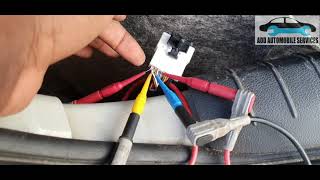
- CAN Junction Connector — Inside the driver's side of the cabin, often integrated into or located near the interior fuse box (Smart Junction Box).. This is a central point where the CAN bus lines from various modules meet. A poor connection or damage at this junction can take down the entire network. In one documented case on a 2016 Sonata, a missing connector socket at this junction was the root cause of the communication failure.
- Smart Junction Box (SJB) / BCM — Inside the cabin, under the driver's side dashboard, incorporating the interior fuse panel.. The SJB acts as a gateway module and a central hub for multiple networks. A failure within the SJB itself can disrupt communication with the ECM. Importantly, if the SJB is replaced, it MUST be programmed to the vehicle's VIN, or a no-start condition will occur.
Real Owner Repair Stories
- ADD AUTOMOBILE SERVICES YouTube Channel (2016 Hyundai Sonata) — No communication with PCM and ABS module, multiple warning lights on, RPM gauge not working.
❌ Tried (didn't work) Initial scanning showed no communication with key modules.
✅ What actually fixed it The technician diagnosed two separate faults. First, the ABS module was internally faulty and 'screaming' on the CAN bus, preventing communication; disconnecting it restored some network function. Second, the CAN junction connector inside the driver's side cabin was missing a socket, creating an open circuit. Bridging the CAN wires at the junction connector and addressing the faulty ABS module resolved the communication issue. - ADD AUTOMOBILE SERVICES YouTube Channel (2016 Hyundai Sonata) — Intermittent no communication with the PCM, vehicle would sometimes fail to communicate with the scan tool.
❌ Tried (didn't work) Initial inspection.
✅ What actually fixed it The technician found that the main connector at the PCM/ECM was not seated properly and had damaged/corroded pins. After repairing the wiring and properly seating the connector, stable CAN communication was restored and the vehicle started and ran normally.
OEM Part Supersession History
39101-2GGK0, 39111-2GGK0, 39111-2GGK1→39111-2GGK2, 39111-2GGK3, 39111-2GGK4— Standard hardware and software revisions by the manufacturer to improve reliability or address bugs.
Heads up: These part numbers are generally for the 2.4L engine with a conventional keyed ignition. They are NOT compatible with push-button start models or other engine sizes (e.g., 2.0L Turbo). Always match the part number from the original unit.
Model Year Variations Within This Range
- 2015-2019: While the core electrical architecture is similar, the 2018 facelift introduced different lighting and infotainment options, which can lead to variations in the Smart Junction Box (BCM/SJB) part numbers. When diagnosing network issues or replacing the SJB, it is critical to use a part number specific to the vehicle's exact year and trim level.
Diagnostic Flowchart
Other Known Issues on This Vehicle
Issues unrelated to this code that are worth knowing about as an owner of this generation:
- Theta II GDI Engine Failure (Rod Bearing Failure) 🔴 High — Widespread across 2.0L and 2.4L GDI engines. Led to multiple recalls and a class-action lawsuit. Can occur at various mileages, often starting with a knocking noise. (Ref: NHTSA Recalls 15V568000, 17V226000; Hyundai Service Campaign 953 (KSDS Update))
- Excessive Oil Consumption 🟠 Medium — Common on the 2.4L GDI engine, often becoming noticeable after 60,000 miles. Can be a precursor to or symptom of the larger engine failure issue.
- Steering Column Noise / Clicking 🟡 Low → Shop Steering Column — A clicking or popping noise from the steering column when turning is often caused by a worn flexible coupling in the steering motor assembly. It is a common annoyance but not typically a safety failure. (Ref: Hyundai extended the warranty for this part on some earlier models, but it remains a common repair on the LF generation.)
- Poor Acceleration / Limp Mode (P1326) 🔴 High — The Knock Sensor Detection System (KSDS) installed via recall can be overly sensitive, detecting vibrations it interprets as rod bearing failure and putting the car into limp mode, even if the engine is healthy. This is indicated by a flashing check engine light and code P1326. (Ref: Hyundai Service Campaign 953)
Used vs. New Parts: Buying Guide for This Vehicle
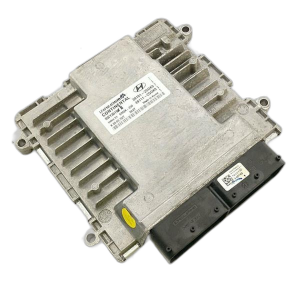
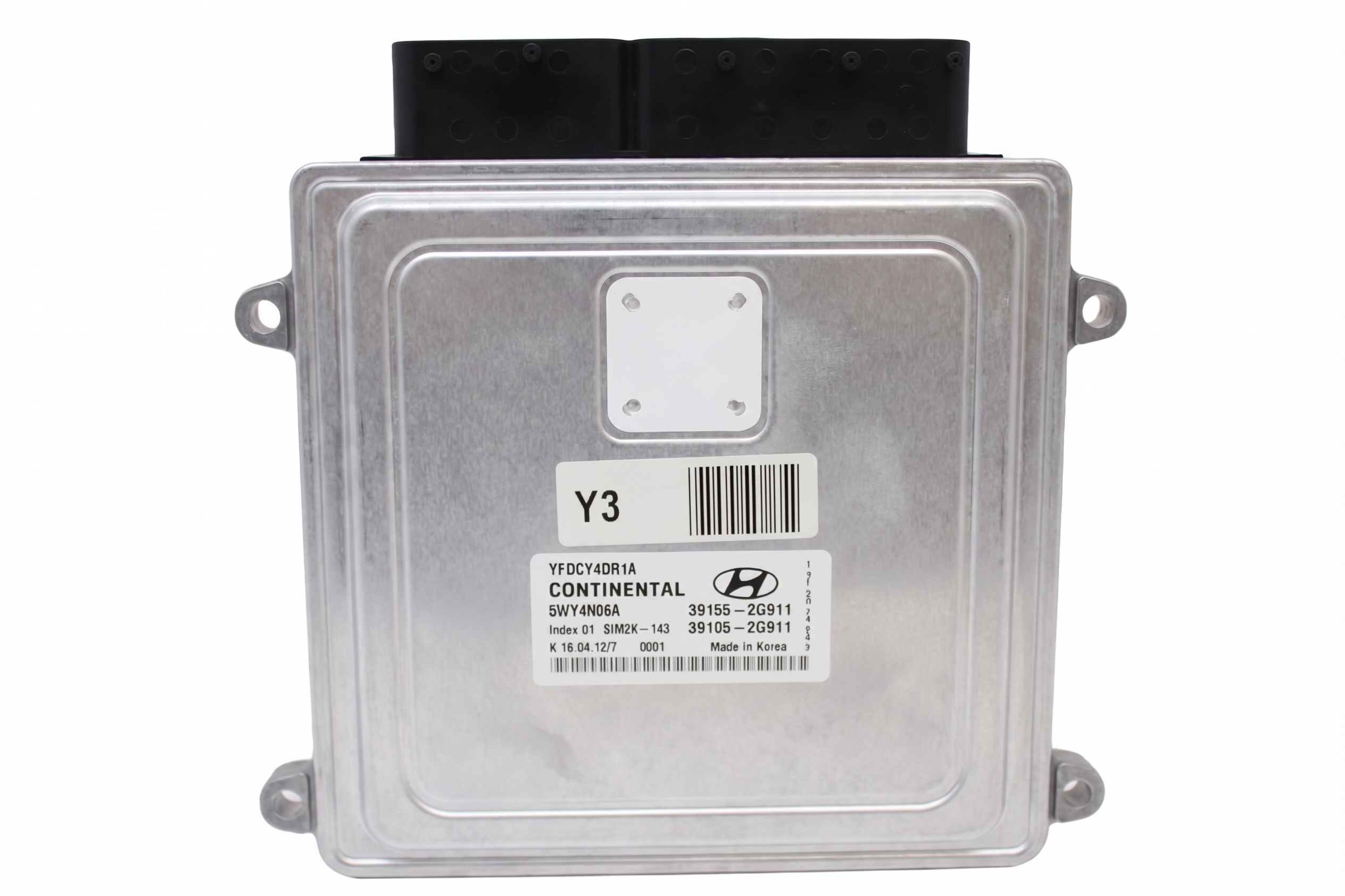
When a used part is the smart pick: A used OEM Engine Control Module (ECM) from a reputable salvage yard or recycler is an excellent, cost-effective alternative to a new dealer part. Since they are solid-state electronics, a unit from a low-mileage donor car is just as reliable as new, provided it is programmed correctly. Used wiring harnesses and connectors are also viable if the specific damaged section on your vehicle is not easily repairable.
Donor-vehicle mileage cap: roughly under 100000 miles for the part to have meaningful remaining life.
What to inspect on the donor part:
- For an ECM, ensure the donor vehicle was not in a flood or had fire damage.
- Verify the part number on the used ECM exactly matches your original unit.
- Check that the seller offers a VIN programming service or guarantee the module is 'unlocked' or able to be programmed.
- For wiring, inspect for any cuts, melted sections, or brittle insulation before purchasing.
OEM-only on this vehicle (don't cheap out):
- Engine Control Module (ECM/PCM): While a used OEM part is good, avoid no-name aftermarket ECMs. Stick with either a new Genuine Hyundai part or a remanufactured OEM unit from a specialist that provides VIN programming and a warranty.
Aftermarket brands forum-validated for this vehicle:
- Flagship One (For pre-programmed ECMs)
- Solo Auto Electronics (For pre-programmed ECMs)
Brands owners have reported issues with on this vehicle:
- Unbranded, 'clone' ECMs from online marketplaces that do not offer VIN-specific programming and a warranty.
Real Owner Stories
Aggregated from forums and TSBs cited above. Mileages and costs reflect what owners reported in those sources.
2015 Hyundai Sonata
Symptoms: Vehicle would not start and there was no communication with the ECM.
What fixed it: The root cause was a faulty ECM, which was replaced after ruling out the battery and wiring.
Source hint: Hyundai-Forums.com - '2015 Sonata No Start, No Communication with ECM'
2017 Hyundai Sonata
Symptoms: U0100 code present; technicians noted that low voltage is the most frequent cause for this on the platform.
What fixed it: A full battery and charging system test was performed, and the ground strap on the transmission was checked.
Source hint: Reddit r/MechanicAdvice - '2017 Hyundai Sonata U0100'
Related OBD-II Codes
Frequently Asked Questions
Could the Knock Sensor Detection System (KSDS) software update (Service Campaign 953) be related to my U0100 code?
I have a 2015 Sonata with a no-start and no communication with the ECM; what is the likely cause if the battery is good?
Where is the ECM located on the 2015-2019 Sonata, and why does it matter for this code?
Is there a specific ground point I should check on my Sonata for U0100?
Does TSB 22-AT-005H apply to my U0100 communication issue?
Can a parasitic drain cause this code on my Sonata?
Helpful Videos

Used OEM Parts in Stock
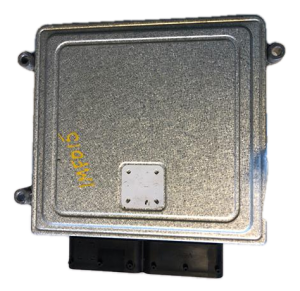
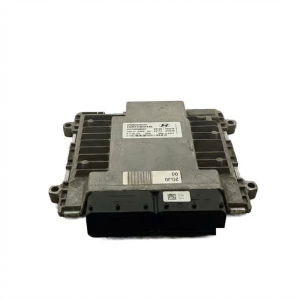
New Aftermarket Parts Available
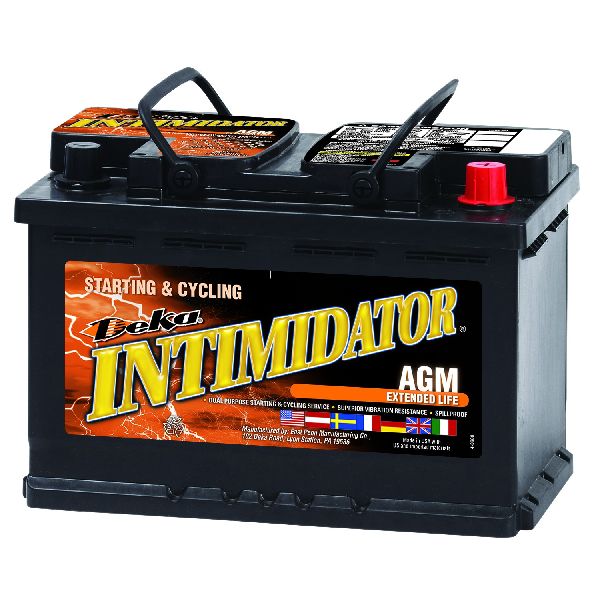


The information in this article is provided for general reference and educational purposes only. Vehicle specifications, procedures, and part compatibility can vary by production date, trim level, and region. Always consult your vehicle's factory service manual and verify part numbers before purchasing or performing repairs. Safety-critical components such as airbags, seat belts, and braking systems should be installed by a qualified professional.
- Hyundai Sonata:
- 🧭 Diagnostic Flowchart
- 🎬 Helpful Videos
- 🛍️ Shop This Part
- What's Unique About the 2015-2019 Hyundai Sonata
- Symptoms You May Notice
- Most Likely Causes
- Rare But Worth Checking
- Diagnosis Steps
- Parts You'll Likely Need
- Related Codes That Often Appear With This One
- Technical Service Bulletins (TSBs) & Recalls
- Platform-Specific Known Issues
- Mechanic-Grade Diagnostic Values
- Scan Tool Commands That Help
- Wiring & Ground Locations
- Real Owner Repair Stories
- OEM Part Supersession History
- Model Year Variations Within This Range
- Other Known Issues on This Vehicle
- Used vs. New Parts: Buying Guide for This Vehicle
- Real Owner Stories
- 2015 Hyundai Sonata
- 2017 Hyundai Sonata
- Related OBD-II Codes
- Frequently Asked Questions
- 🎟️ Get 5% Off