

U0100 on 2019-2021 Jeep Renegade: Lost Communication with ECM/PCM Causes and Fixes
This code means the Engine Control Module (ECM) has lost communication with other vehicle computers. The most common causes are a weak battery, a software glitch requiring a PCM update (especially on 1.3L Turbo engines), poor electrical connections, or a wiring harness issue. A faulty ECM is also possible but less common.
- U0100 is a critical code on your Renegade that indicates a loss of communication with the engine computer; do not drive the vehicle.
- Before suspecting an expensive ECM failure, thoroughly check the battery, its connections, and all related fuses. A simple voltage issue is a very common cause.
- This code frequently appears with other codes (P0456, P2110, P2173). This pattern is documented in manufacturer TSBs and may point to a complex electrical issue or the need for a software update.
- Due to the complexity of CAN bus network diagnostics, professional service is highly recommended to avoid replacing the wrong parts.
What's Unique About the 2019-2021 Jeep RENEGADE
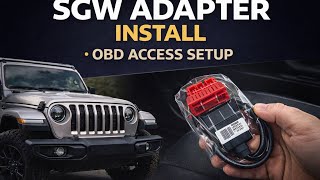
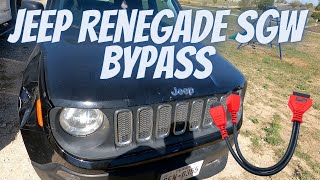
For the 2019-2021 Jeep Renegade, particularly those with the 1.3L Turbo engine, the U0100 code is frequently caused by a software issue within the Powertrain Control Module (PCM). Multiple Technical Service Bulletins (TSBs), such as 18-038-21 and 18-028-20 Rev. A, explicitly state that a PCM software update is the required fix for U0100, which may also be accompanied by a no-crank condition when the engine is hot (over 122°F/50°C). This indicates a known manufacturer defect that can be resolved without replacing hardware. The vehicle is also sensitive to battery voltage, and owners report that a proxy alignment procedure is sometimes necessary after a battery replacement to re-establish communication between modules. Additionally, these models are equipped with a Security Gateway Module (SGW) that can complicate diagnostics, often requiring a special bypass cable for aftermarket 🎬 Watch: How to install an SGW bypass for diagnostics. scan tools to perform advanced functions like a proxy alignment.
Diagnostic Flowchart
Tap your situation to follow the diagnostic path that matches what you're seeing on this vehicle.
Symptoms You May Notice
- Check Engine Light is on.
- Vehicle will not start or has a hard/delayed start.
- Intermittent no-crank condition, especially when the engine is hot.
- Engine stalls intermittently while driving.
- Reduced engine power or vehicle entering 'limp mode'.
- Erratic or fluctuating idle speed.
- Multiple warning lights on the instrument cluster may illuminate simultaneously (e.g., ABS, traction control).
- Blinking odometer (may indicate a proxy alignment issue).
- Replacing the ECM/PCM without first verifying proper battery voltage, ground connections, and wiring integrity. A weak battery is a very common and much cheaper cause of this code.
- Replacing the PCM on a 1.3L Turbo model when the actual required fix is a simple software update as outlined in TSB 18-038-21.
Most Likely Causes
- Software Glitch in Powertrain Control Module (PCM) 🔴 High Probability → Shop Engine Control Module (ECM) Specifically for the 1.3L Turbo engine, multiple TSBs (18-038-21, 18-028-20 Rev. A) were issued to fix U0100 and related hot no-start issues via a software update. This is a known bug from the manufacturer.
How to confirm: A Jeep dealership or a qualified shop with access to FCA's wiTECH software can check your vehicle's VIN against the TSBs. If applicable, they can verify the current software version on your PCM and see if an update is available.
Typical fix: Reprogram the PCM with the latest available software. This is often referred to as 'flashing' the module. The TSB repair procedure involves connecting a battery charger and using the wiTECH tool to install the update.
Est. part cost: $0 - $250 (Dealer labor for flashing) - Weak or Faulty Battery / Poor Connections 🔴 High Probability → Shop Vehicle Battery Modern vehicles like the Renegade are highly sensitive to voltage fluctuations. A battery with low voltage (below 12.4V) or corroded terminals can disrupt communication between modules, triggering a U0100 code. This is often the first thing to check.
How to confirm: Test the battery voltage with a multimeter when the vehicle is off; it should be at least 12.4V. A simple voltage test may not be enough; a load test is more definitive. Check the battery terminals and main ground connections for corrosion or looseness.
Typical fix: Clean the battery terminals and cable ends with a wire brush. If the battery is weak or fails a load test, replace it. Ensure the new battery is correctly registered if required, as some FCA vehicles need a 'proxy alignment' after a battery swap to prevent communication errors.
Est. part cost: $150-$350 - Damaged Wiring or Corroded Connectors 🟡 Medium Probability The CAN bus wiring harness can be susceptible to damage from vibrations, moisture, or rodent activity. Connectors to the ECM/PCM can also corrode, interrupting the signal. Poor grounds are a common point of failure.
How to confirm: Visually inspect the wiring harness leading to the ECM for any signs of chafing, breaks, or corrosion. Pay close attention to the main ground straps from the engine to the chassis. Disconnect the ECM connectors (with the battery disconnected) and check for bent, corroded, or water-damaged pins.
Typical fix: Repair the damaged section of the wiring harness. Clean corroded connectors with electrical contact cleaner and apply dielectric grease. Secure any loose ground connections.
Est. part cost: $20-$200 - Faulty Powertrain Control Module (PCM/ECM) ⚪ Low Probability → Shop Engine Control Module (ECM) While less common than software or battery issues, internal failure of the PCM can cause this code. A recall (U87) for a faulty voltage regulator chip on some 2018 models suggests a potential for hardware failure in this platform's era.
How to confirm: This is typically a last resort after all other possibilities (software, power, ground, wiring) have been ruled out. A professional shop will use advanced scan tools to try and communicate directly with the PCM. If it's unresponsive and has proper power and ground, it has likely failed.
Typical fix: Replace the Powertrain Control Module. The new module will require programming to the vehicle's VIN to function correctly ('plug and play' pre-programmed units are available).
Est. part cost: $800-$1200
Rare But Worth Checking
- Blown Fuse: A fuse that powers the ECM or another key module on the CAN network can fail, causing a loss of communication. Always check the relevant fuses in the fuse box (both engine bay and interior) before proceeding with more complex diagnostics.
- Faulty Terminating Resistor: The CAN bus network has terminating resistors at each end to prevent signal reflection. If one of these fails, it can disrupt all network communication. This requires advanced diagnostics to test the resistance of the CAN bus (should be around 60 ohms with the battery disconnected).
- Proxy Alignment Required: On some FCA vehicles, replacing the battery or another major module can cause the various computers to lose synchronization. This can trigger a U0100 code and a blinking odometer. The fix is a 'Proxy Alignment' procedure performed with an advanced scan tool to re-establish communication between all modules.
- Faulty Security Gateway Module (SGW): → Shop Body Control Module The SGW is the central hub for network traffic. A failure in this module can block communication between the ECM and the rest of the vehicle, directly causing a U0100 code. A technician may find that they can communicate with modules on one side of the SGW but not the other.
Diagnosis Steps
- Check Battery Health: Ensure the battery is fully charged (at least 12.4 volts) and that the terminals are clean and tight. Perform a load test for a definitive result.
- Scan for Other Codes: Use an OBD-II scanner to check for any other codes that may provide more context. Note if codes like P0456, P2110, or P2173 are present.
- Check for TSBs (Especially for 1.3L Engine): Have a dealer or qualified shop check your VIN for applicable TSBs like 18-038-21 or 18-028-20 Rev. A. A software update may be the entire fix.
- Inspect Fuses: Check all fuses related to the PCM/ECM and other control modules in the interior and engine bay fuse boxes.
- Inspect Wiring and Grounds: Visually inspect the main wiring harness to the ECM for any visible damage, chafing, or corrosion. Check that the main engine and chassis ground straps are secure and free of corrosion.
- Check ECM Connectors: With the battery disconnected, unplug the connectors from the ECM. Inspect for any bent, broken, or corroded pins. Ensure they are dry and clean.
- Check for Proxy Alignment Issue: If the battery was recently replaced or other work was done, check if the odometer is blinking. This is a strong indicator that a proxy alignment is needed.
- Test CAN Bus (Professional): A technician can test the CAN bus resistance with a multimeter (battery disconnected). It should read approximately 60 ohms. Readings of 120 ohms or infinite resistance indicate a break in the wiring or a faulty module/resistor.
- Verify Power and Ground at ECM (Professional): A technician will use a wiring diagram to confirm that the ECM is receiving proper power and has a solid ground connection at its connector pins.
- Suspect ECM: If all software, wiring, power, and ground checks are good, the ECM itself is the most likely culprit.
Parts You'll Likely Need
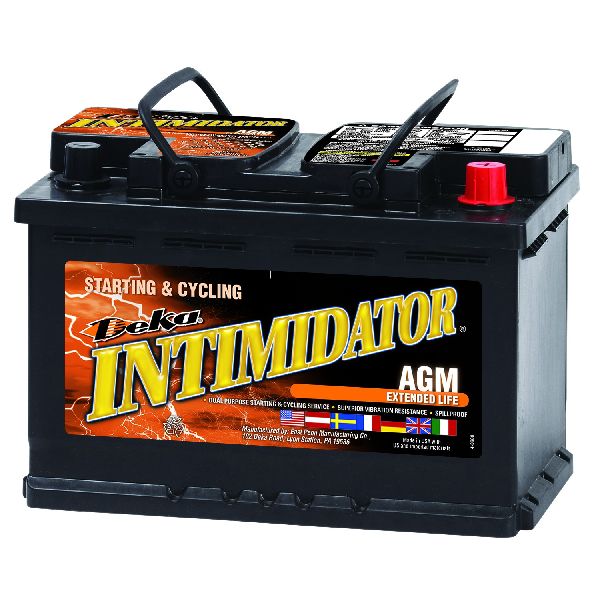
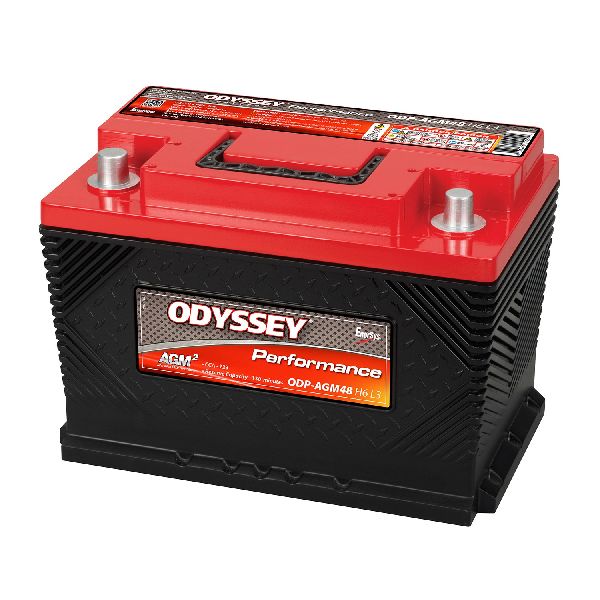
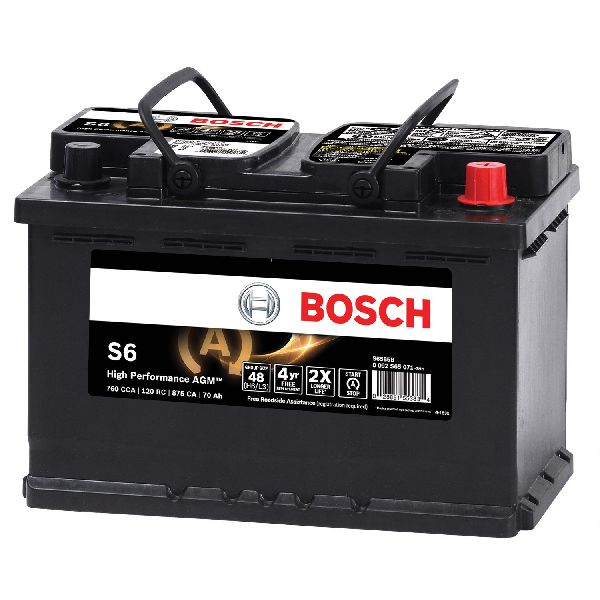
- Battery — A weak or failing battery is a leading cause of communication codes in modern vehicles due to voltage sensitivity.
Trusted brands: Mopar, Interstate, DieHard
OEM price range: $200-$350
Aftermarket price range: $150-$300 - Powertrain Control Module (PCM/ECM)
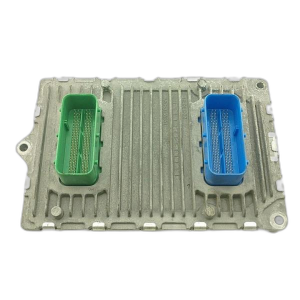
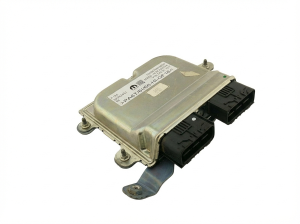
(OEM #68342094AA (Example for 2.4L), 68336181AA (Example for 1.3L))— If software, wiring, power, and grounds are confirmed to be good, the module itself has likely failed internally. This is the definitive fix when all other diagnostics pass. Note that a recall (U87) was issued for this part on some 2018 models.
Trusted brands: Mopar
OEM price range: $800-$1200
Aftermarket price range: $500-$900 (Remanufactured)
Related Codes That Often Appear With This One
- P0456 — As cited in TSBs #18-006-23, #18-038-21, and #18-028-20 REV. A, this EVAP system leak code often appears with U0100. The TSBs direct technicians to perform a software update, suggesting a software bug can trigger multiple, seemingly unrelated faults.
- P2110 — Mentioned in TSBs #18-006-23 and #18-038-21. This code for 'Throttle Actuator Control System - Forced Limited RPM' can be a direct result of the ECM losing communication and entering a fail-safe 'limp' mode.
- P2173 — Also seen in TSBs #18-006-23 and #18-038-21. 'High Airflow/Vacuum Leak Detected' can be triggered when the ECM cannot properly control the throttle due to communication loss, leading to incorrect airflow readings.
- U1701-87 — Cited in TSB #1809723, this code for 'Engine Control Module (ECM) - Missing message' is a more specific version of the U0100 fault, directly indicating the ECM is the source of the missing communication.
Technical Service Bulletins (TSBs) & Recalls
- 1809723
- 1800623
- 18-006-23
- 18-038-21
- 18-028-20 REV. A
- 18-028-20
Platform-Specific Known Issues
- TSB 18-038-21 & 18-028-20 Rev. A: These are critical TSBs for the 1.3L engine. They address U0100, often paired with other codes and a hot no-start condition, by reprogramming the PCM with updated software. This is a known software bug.
- Recall U87 / NHTSA 18V-524: While this recall was for 2018 model year Renegades, it addressed a faulty voltage regulator chip in the PCM that could cause a stall or no-start condition. This indicates a known potential for PCM hardware failure in this platform's era.
- Proxy Alignment Requirement: Owners on forums report that after replacing a battery or other major electrical components, the vehicle may not start and throw communication codes due to modules being out of sync. A 'Proxy Alignment' procedure with a capable scan tool is required to fix this. A blinking odometer is a key symptom.
Mechanic-Grade Diagnostic Values
- CAN Bus Network Resistance — expected: ~60 Ohms (± 1-2 Ohms). Failure: A reading of ~120 Ohms indicates one of the two terminating resistors (or the wiring to it) is offline. A reading near 0 Ohms indicates a short between CAN High and CAN Low wires. A reading significantly different from 60 or 120 Ohms may suggest a faulty module or wiring issue.
- Battery Voltage (Key Off) — expected: 12.4 - 12.6 Volts. Failure: Voltage below 12.4V indicates a discharged or weak battery, which is a primary cause of communication codes on this platform.
- CAN Bus Voltage (Key On, Engine Off) — expected: CAN High: ~2.5V to 3.5V; CAN Low: ~2.5V to 1.5V. The two voltages should mirror each other and add up to approximately 5V. This test is best performed with an oscilloscope.. Failure: A line stuck high or low, or no voltage activity, indicates a short to power/ground or an open circuit.
Hidden / Shadow Codes Worth Checking
- U1701-87 - Engine Control Module (ECM) - Missing message: → Shop Engine Control Module (ECM) This is a more specific fault code that can accompany U0100. It explicitly points to the ECM as the module that is not communicating, which helps narrow down the diagnosis. It is cited directly in manufacturer TSB #1809723. (see via A professional scan tool like FCA's wiTECH or an advanced aftermarket scanner capable of reading manufacturer-specific codes.)
Scan Tool Commands That Help
- wiTECH or equivalent (e.g., Appcar DiagFCA, Autel with SGW bypass): Proxy Configuration Alignment — This procedure is required if the odometer is flashing or after replacing a major module (like the BCM, Radio, or even the battery). It synchronizes the configuration data across all vehicle modules. Failure to perform this can leave a U0100 code stored.
- wiTECH or equivalent: Clear All DTCs — After a proxy alignment or any major repair, it's critical to clear faults from all modules. On FCA vehicles, this often requires the ignition to be cycled off and on. Some modules may require clearing codes in the ACC position.
- wiTECH or equivalent: ECU Reset / Radio Reset — After a proxy alignment, resetting the radio (also known as the ETM - Entertainment Telematic Module) or other modules can help ensure all settings are activated and working correctly.
Wiring & Ground Locations
- Security Gateway Module (SGW) — Typically located behind the instrument cluster or radio/center stack area. Access often requires removing trim panels.. The SGW is the gatekeeper for all diagnostic communications. To use an aftermarket scan tool for functions like proxy alignment, a 12+8 pin bypass cable must be connected directly to the SGW's connectors. A fault in the SGW itself can sever communication with the ECM.
- G100 - Main Engine Ground — On similar FCA engines, this is a critical ground strap from the engine block to the chassis/firewall.. A loose or corroded main engine ground can cause a voltage differential between modules, disrupting CAN communication and triggering a U0100 code.
- G101 - Main Battery Ground — The main negative battery cable connection point on the vehicle's chassis/fender.. Corrosion or looseness at this primary ground point can cause widespread electrical issues, including module communication failures.
- CAN Bus Terminating Resistors — These are 120-Ohm resistors located inside two different modules at the ends of the CAN bus network. On many FCA vehicles, the Body Control Module (BCM) and the Powertrain Control Module (PCM/ECM) are the terminating modules.. If one of these modules fails or has a bad connection, the network resistance will change from 60 Ohms to 120 Ohms, causing communication instability and the U0100 code.
Real Owner Repair Stories
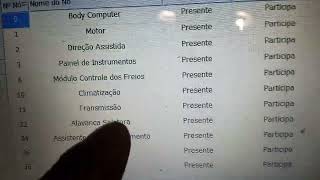
- Perfect Car Auto Elétrica e Mecânica YouTube Channel (Jeep Renegade (Diesel, year not specified but within the 2019-2021 body style)) — U0100 (CAN high and low failure), intermittent communication with scan tool, vehicle in emergency mode (no acceleration, no gear change).
❌ Tried (didn't work) Initially suspected the ABS or Airbag module was bringing down the network.
✅ What actually fixed it The Security Gateway Module (SGW) was faulty. It had been replaced previously with another used part that was also defective. Replacing the SGW with a known-good module resolved the communication failure.
Model Year Variations Within This Range
- 2018+: Vehicles from 2018 onwards are equipped with a Security Gateway Module (SGW). This module prevents unauthorized access to the vehicle's CAN bus via the OBD-II port. For any advanced diagnostics (like proxy alignment) or programming with aftermarket tools, a specific 12+8 pin SGW bypass adapter is required. This complicates diagnosis for DIYers and independent shops compared to pre-2018 models.
Helpful Videos



Used OEM Parts in Stock
New Aftermarket Parts Available



The information in this article is provided for general reference and educational purposes only. Vehicle specifications, procedures, and part compatibility can vary by production date, trim level, and region. Always consult your vehicle's factory service manual and verify part numbers before purchasing or performing repairs. Safety-critical components such as airbags, seat belts, and braking systems should be installed by a qualified professional.
- Jeep RENEGADE:
- 🧭 Diagnostic Flowchart
- 🎬 Helpful Videos
- 🛍️ Shop This Part
- What's Unique About the 2019-2021 Jeep RENEGADE
- Symptoms You May Notice
- Most Likely Causes
- Rare But Worth Checking
- Diagnosis Steps
- Parts You'll Likely Need
- Related Codes That Often Appear With This One
- Technical Service Bulletins (TSBs) & Recalls
- Platform-Specific Known Issues
- Mechanic-Grade Diagnostic Values
- Hidden / Shadow Codes Worth Checking
- Scan Tool Commands That Help
- Wiring & Ground Locations
- Real Owner Repair Stories
- Model Year Variations Within This Range
- 🎟️ Get 5% Off