

U0100 on 2018-2023 Subaru Crosstrek: Lost Communication With ECM Causes and Fixes
On a 2018-2019 Crosstrek, code U0100 is very likely caused by a known software issue covered by recall WRE-21, which can cause stalling. For all years, also check for a weak battery or bad grounds before suspecting a failed ECM. The recall fix is a free dealer software update.
- If you have a 2018-2019 Crosstrek, your first step must be to check the status of recall WRE-21.
- Never assume the ECM is bad. Always start diagnostics with the simplest and most common causes: the battery, its terminals, and main ground connections.
- This code indicates a critical fault that can cause the engine to stall while driving. Do not drive the vehicle until it is repaired.
- Multiple warning lights appearing at once with a Check Engine Light is a strong sign of a network communication failure like U0100.
- Repairing CAN bus wiring or replacing an ECM is not a beginner-friendly task and typically requires professional service.
What's Unique About the 2018-2023 Subaru Crosstrek
For 2018-2019 Crosstreks specifically, this code is often linked to a major safety recall (WRE-21 / NHTSA 21V264000). The original ECM software could keep the ignition coils powered after the engine was shut off, leading to a short circuit, a blown fuse, a no-start condition, or sudden stalling while driving. This event directly causes a loss of communication with the ECM, triggering the U0100 code. This recall superseded a previous, less comprehensive recall (WUQ-02), so even if a vehicle had the first fix, it needs the WRE-21 repair. Therefore, checking the recall status is the most important first step for these model years.
Symptoms You May Notice
- Engine will not start (cranks but does not fire)
- Engine stalls unexpectedly while driving
- Check Engine Light is on
- Multiple other warning lights may appear simultaneously (e.g., AT Oil Temp, ABS, Vehicle Dynamics Control)
- Temperature gauge may flash between red and blue
- Rough or erratic idling
- Poor acceleration and reduced engine power
- Incorrect or erratic automatic transmission shifting
- Replacing the ECM without first checking for the WRE-21 recall, testing the battery, and inspecting all grounds. An ECM is expensive and often not the root cause.
- Replacing the battery without checking for a parasitic draw. If a module is staying awake and draining the battery, a new battery will eventually fail as well.
Most Likely Causes
- ECM Software Fault (Recall WRE-21) 🔴 High Probability Affects 2018-2019 models. The original ECM software could keep ignition coils powered after engine shutdown, causing them to overheat, short circuit, and blow a fuse, cutting power to the ECM.
How to confirm: Check the vehicle's VIN for open recalls on the NHTSA website or by contacting a Subaru dealer. A dealer can confirm if the WRE-21 recall is open or has been completed. This recall also applies to 2017-2019 Impreza models.
Typical fix: Subaru dealer performs a free ECM software update and replaces all four ignition coils. If a specific DTC is present, they will also replace the front exhaust pipe/catalytic converter at no cost.
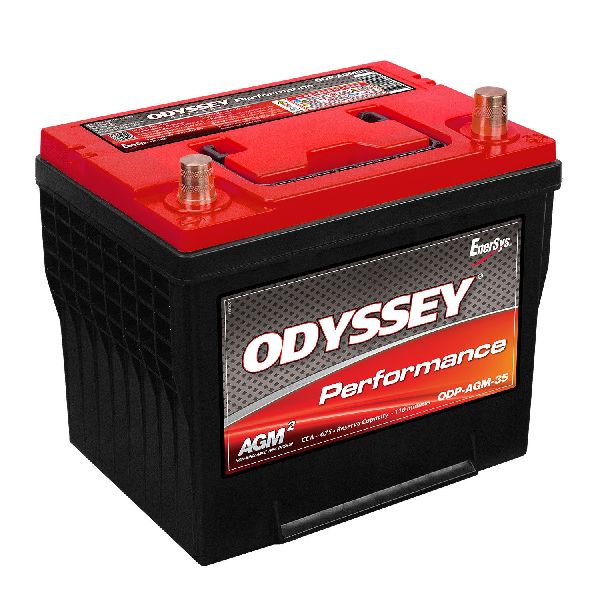
Est. part cost: $0 (if covered by recall) - Weak or Failing Battery 🟡 Medium Probability → Shop Vehicle Battery Modern vehicles are highly sensitive to voltage. A battery providing less than 12.4 volts, or with a bad cell, can cause unpredictable communication errors between modules. This platform is also known for having parasitic drain issues that can prematurely weaken the battery.
How to confirm: Test the battery voltage with a multimeter when the car is off. A healthy battery should read ~12.6 volts. A reading below 12.4V is a sign of a weak battery. Have the battery load-tested at an auto parts store to check its health under load.
Typical fix: Replace the vehicle's 12V battery. If the problem reoccurs, a parasitic draw test may be needed to find a module that isn't shutting down correctly.
Est. part cost: $150-$300 - Poor Battery Terminal Connection or Ground Strap 🟡 Medium Probability → Shop Engine Ground Strap
How to confirm: Visually inspect the battery terminals for corrosion (white or blue powder) and ensure they are tight. Inspect the main engine-to-chassis and battery-to-chassis ground straps for corrosion, looseness, or breakage.
Typical fix: Clean the battery terminals and cable ends with a wire brush. Tighten or replace corroded or broken ground straps.
Est. part cost: $10-$50 - Damaged Wiring Harness ⚪ Low Probability Soy-based wire insulation used in some modern cars can attract rodents, leading to chewed wires. Wires can also chafe against the chassis or engine components over time, particularly the CAN bus wiring which is a twisted pair of wires.
How to confirm: Visually inspect the wiring harness leading to the ECM for any signs of chewing, chafing, or corrosion. Pay close attention to where the harness bends or is secured by clips. Check for continuity on the CAN bus lines with a multimeter if damage is suspected.
Typical fix: Repair the damaged section of wire. This may involve soldering, heat-shrinking, or replacing a connector pigtail.
Est. part cost: $5-$100 (for repair materials)
Rare But Worth Checking
- Failed Engine Control Module (ECM): → Shop Engine Control Module (ECM) While this is the component the code points to, it's rarely the true cause. The ECM is a durable component; always exhaust all other possibilities (wiring, power, grounds, recalls) before condemning the ECM.
- Malfunctioning Infotainment Head Unit: The infotainment system is a major module on the CAN bus. An internal failure can cause it to flood the network with bad data ('babbling node'), disrupting communication. Subaru has faced class-action lawsuits and issued a warranty extension for widespread issues with the Harman Gen 3.0 head units in 2018 models, which can freeze, reboot, or malfunction.
Diagnosis Steps
- For 2018-2019 models, immediately check if recall WRE-21 is open for your vehicle's VIN. This is the most likely cause. If open, take it to a dealer for the free repair.
- Scan for any other DTCs. Codes from other modules (like U0101, U0122) can confirm a network-wide issue originating from the ECM.
- Check the battery. Use a multimeter to ensure it has at least 12.6 volts with the engine off. A reading below 12.4V indicates a weak battery that needs charging or replacement. Get the battery load tested.
- Inspect battery terminals for corrosion and ensure they are tight. Clean if necessary.
- Inspect all fuses related to the ECM and ignition system. The WRE-21 recall issue specifically can cause a blown fuse.
- Inspect the main engine and chassis ground connections. Ensure they are clean, tight, and free of corrosion.
- Carefully inspect the wiring harness connected to the ECM for any visible damage, such as chafing, melting, or signs of rodent damage.
- If the above steps do not reveal the cause, the issue is likely in the CAN bus wiring or the ECM itself. At this point, professional diagnosis with an oscilloscope and advanced scan tool is recommended.
Parts You'll Likely Need
- Engine Control Module (ECM) Software Update — The primary fix for the WRE-21 recall on 2018-2019 models.
Trusted brands: Subaru (Dealer Service)
OEM price range: $0
Aftermarket price range: N/A - 12V Battery — Low system voltage is a very common cause of network communication faults, and these vehicles are known for battery drain issues.
Trusted brands: Subaru (OEM), Interstate, DieHard
OEM price range: $200-$350
Aftermarket price range: $150-$300 - Engine Control Module (ECM)
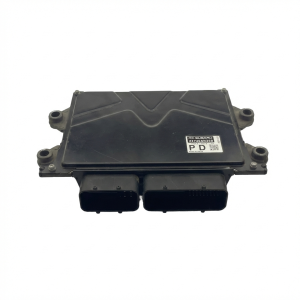
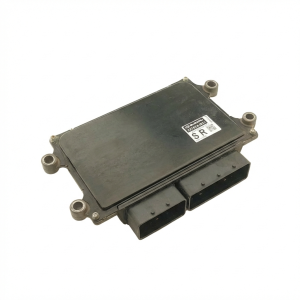
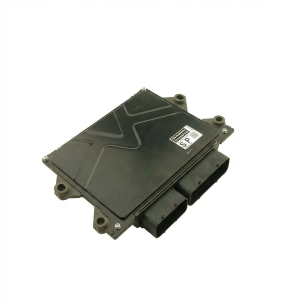
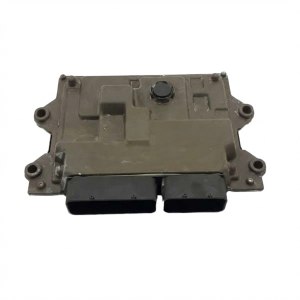
(OEM #Varies by year/trans. Ex: 22765AJ618 (2018-2020 M/T), 22765AS323 (2022), 8998166010 (2019-2020 Hybrid))— This is the last resort if all wiring, power, and ground checks pass. A replacement ECM will require programming by a dealer or specialized shop.
Trusted brands: Subaru (OEM)
OEM price range: $800-$1200
Aftermarket price range: $400-$800 (Remanufactured)
Related Codes That Often Appear With This One
- U0101 — Lost Communication with TCM. If the ECM is offline, the Transmission Control Module (TCM) will also report a communication loss.
- U0122 — Lost Communication with Vehicle Dynamics Control Module. The VDC/ABS module relies on engine data from the ECM and will set this code when it's unavailable.
- U0155 — Lost Communication with Instrument Panel Cluster. The instrument cluster gets engine speed, temperature, and warning light information from the ECM.
Technical Service Bulletins (TSBs) & Recalls
- WRE-21 / NHTSA 21V264000: Recall for ECM software causing potential ignition coil short circuit and engine stall. Supersedes recall WUQ-02.
- 15-251-19R: Addresses DTC B2A16 in the Data Communications Module (DCM) for 2019-2021 models. A software re-registration procedure can fix the issue without replacing the module.
- TSB Bulletin #09-128-24R: A manufacturer service bulletin notes that U0100 (Lost Communication with ECM/PCM "A") can appear alongside camshaft position timing codes P0011 and P0012.
- TSB Bulletin #09-128-24: This bulletin similarly documents the presence of U0100 in conjunction with timing over-advanced or system performance issues on Bank 1 and Bank 2.
Platform-Specific Known Issues
- Recall WRE-21 (NHTSA ID: 21V264000): Affects 2018-2019 Crosstreks and 2017-2019 Imprezas. An ECM software fault may cause a short circuit in the ignition coil circuit, leading to a blown fuse and engine stalling.
Mechanic-Grade Diagnostic Values
- CAN Bus Network Resistance — expected: ~60 Ohms. Failure: A reading of ~120 Ohms indicates one of the two terminating resistors is offline. A reading near 0 Ohms indicates a short between the CAN High and CAN Low wires.
- CAN Bus Voltage to Ground — expected: ~2.5 Volts on both CAN High and CAN Low. Failure: Significant deviation from 2.5V on either line with the key on indicates a bus problem, such as a short to power or ground.
- ECM Power/Ground Voltage Drop — expected: < 0.5 Volts. Failure: A voltage drop greater than 0.5V on either the main power feed or the ground circuit to the ECM indicates high resistance in the wiring or connections.
- Main Ground Strap Resistance — expected: < 0.1 Ohms. Failure: Higher resistance indicates a corroded or loose ground connection, which is a common cause of floating voltages and communication errors.
Hidden / Shadow Codes Worth Checking
- B2A16: Immobilizer Key Collation Diagnosis. This code is stored in the Data Communications Module (DCM) / Telematics unit, not the ECM. It indicates a security handshake failure between the Starlink system and the vehicle's immobilizer, often caused by a weak battery or voltage drop. (see via Requires a professional scan tool capable of reading codes from the Telematics module, such as the Subaru Select Monitor (SSM).)
Scan Tool Commands That Help
- Subaru Select Monitor (SSM): Immobilizer Re-registration — This is the specific software procedure required to fix DTC B2A16. It forces a new digital handshake between the DCM and the vehicle's immobilizer system, restoring communication without needing to replace the module. This is documented in TSB 15-251-19R.
- Subaru Select Monitor (SSM): All Systems Diagnosis / Communication Check — This is the first step to get a network-wide overview. It quickly shows which modules are online and which are not communicating, immediately confirming if the U0100 is isolated or part of a larger network failure.
Wiring & Ground Locations
- Fuse No. 21 (Engine Compartment) — In the main fuse box located in the engine compartment.. This is the 15A fuse for the Ignition Coil circuit. The WRE-21 recall for 2018-2019 models notes that a software fault can cause the ignition coils to short, blowing this specific fuse and cutting power, which triggers U0100.
- Fuse No. 27 (Engine Compartment) — In the main fuse box in the engine compartment, labeled 'E/G1'.. A documented owner fix for a no-start/stalling condition with flashing dash lights (classic U0100 symptoms) traced the cause to this 15A fuse being blown. This can occur after a battery replacement.
- Fuse No. 7 (Passenger Compartment) — In the interior fuse panel, typically behind a cover on the driver's side dash.. This 7.5A fuse powers the Data Communications Module (DCM)/Telematics unit. A faulty DCM can cause parasitic battery drain or network flooding. Pulling this fuse is a key diagnostic step to see if the U0100 code disappears or if communication is restored.
- Driver's Side Engine Ground Strap — Connects from the engine block to the chassis frame rail on the driver's side, just in front of the tire.. Owners have reported this specific ground strap breaking or becoming disconnected on 2018 models, leading to various electrical issues that can trigger communication faults like U0100.
Real Owner Repair Stories
- YouTube user video (Subaru Crosstrek, likely 2018+) — Car stalled while driving, then no-crank no-start. All dash lights were on, and the temperature gauge was flashing from blue to red.
❌ Tried (didn't work) Replacing the 12V battery.
✅ What actually fixed it Replacing a blown 15A fuse in the engine compartment fuse box. The fuse was the 4th one down in a row of black fuses, corresponding to the 'E/G1' (Engine 1) fuse, position #27 in the diagram. - Reddit user @StockTrue7378 (2018 Subaru Crosstrek) — Persistent TPMS light and other unspecified electrical issues.
✅ What actually fixed it The user discovered a disconnected ground wire on the driver's side, just in front of the tire. Another user confirmed this is a ground strap that connects to the engine block and that replacing it is a common fix.
OEM Part Supersession History
22765AJ610, 22765AJ611, 22765AJ612, 22765AJ613, 22765AJ614, 22765AJ615, 22765AJ616, 22765AJ617→22765AJ618— Iterative revisions by the manufacturer to address hardware or software issues.
Heads up: Applies to Manual Transmission models. Using an incorrect ECM will result in a no-start condition or other critical failures.
Model Year Variations Within This Range
- 2018-2019: These years are specifically affected by the WRE-21 recall, where an ECM software fault can short the ignition coil circuit. This is the highest probability cause for U0100 on these two model years.
- 2019-2021: These years are covered by TSB 15-251-19R for the B2A16 telematics communication fault. While the issue can occur on other years, the TSB specifically calls out this range.
Diagnostic Flowchart
Other Known Issues on This Vehicle
Issues unrelated to this code that are worth knowing about as an owner of this generation:
- Premature Rear Wheel Bearing Failure 🟠 Medium — Commonly reported between 60,000 and 130,000 miles. Characterized by a howling or grinding noise from the rear that increases with speed. (Ref: TSB 05-70-19 points to an uneven brake backing plate surface causing stress on the hub. The fix requires replacing the hub and backing plate together. A newer TSB (03-96-25) introduces redesigned hubs with better seals to reduce water intrusion.)
- Defective Starlink Infotainment System 🟡 Low — Widespread issue affecting many 2018+ models. Symptoms include freezing, phantom touches, random reboots, and unresponsive screens. (Ref: Subject of multiple class-action lawsuits. Subaru extended the warranty to 5 years/100,000 miles for affected Gen 3.0 head units in 2018 models.)
- Failing A/C Compressor Clutch 🟠 Medium — An issue primarily on earlier models (up to 2016) but still reported on newer ones. Symptoms include intermittent or no cooling, especially when hot, and sometimes loud noises. (Ref: TSB 10-84-16R was issued for 2014-2016 models due to a faulty A/C compressor clutch, often requiring replacement of the whole compressor assembly.)
- Parasitic Battery Drain 🟠 Medium → Shop Vehicle Battery — Numerous owner reports of batteries dying after the vehicle sits for several days. Diagnosis can be difficult, with some owners suspecting various modules not going to sleep properly.
- Rear Differential Hum/Whine 🟡 Low — Some 2018-2021 models may develop a humming sound from the rear differential due to abnormal gear wear. (Ref: Subaru addressed this by recommending a higher viscosity differential fluid to reduce wear.)
Used vs. New Parts: Buying Guide for This Vehicle
When a used part is the smart pick: For this specific code, sourcing used parts is generally not recommended for the primary electronic modules. A used wiring harness can be a cost-effective option ONLY if it is meticulously inspected for any cuts, corrosion, or previous repairs, as a bad harness can introduce new, hard-to-diagnose problems. Simple mechanical parts like ground straps are perfectly fine to source from a donor vehicle.
Donor-vehicle mileage cap: roughly under 80000 miles for the part to have meaningful remaining life.
What to inspect on the donor part:
- For a wiring harness, check every connector for bent or corroded pins.
- Look for any non-factory tape or splices in the harness loom.
- Ensure the donor vehicle shows no signs of flood or fire damage.
- Verify the part number on the donor part exactly matches the required part for your vehicle's VIN.
OEM-only on this vehicle (don't cheap out):
- Engine Control Module (ECM): A used ECM is not plug-and-play. It contains the vehicle's immobilizer data and VIN. It MUST be programmed by a Subaru dealer or a specialist with Subaru-specific tools.
- Data Communications Module (DCM) / Telematics: Similar to the ECM, the DCM is tied to the vehicle's security and immobilizer system. A used unit will not function until it is registered to the vehicle using the Subaru Select Monitor tool.
Brands owners have reported issues with on this vehicle:
- Generic remanufactured ECMs without a lifetime warranty and a guarantee of being pre-programmed to your vehicle's VIN should be avoided. The programming is critical.
Real Owner Stories
Aggregated from forums and TSBs cited above. Mileages and costs reflect what owners reported in those sources.
2018 Subaru Crosstrek
Symptoms: The car was running fine and then suddenly died. After replacing a dead battery, the car still wouldn't start, and the temperature gauge was flashing red and blue.
What fixed it: The symptoms pointed to a persistent electrical/communication fault (U0100), often resolved by addressing the ECM power supply or recall-related ignition short.
Source hint: reddit.com/r/Crosstrek - U0100 code
2018-2019 Subaru Crosstrek
Symptoms: Engine stalls unexpectedly while driving; ignition coils overheating and short circuiting, leading to a blown fuse and loss of communication with the ECM.
What fixed it: Subaru dealer performed a free ECM software update and replaced all four ignition coils under recall.
Cost: $0-$0
Source hint: Recall WRE-21 / NHTSA ID: 21V264000
Related OBD-II Codes
Frequently Asked Questions
My 2018 Crosstrek stalled and won't restart; could this be related to the WRE-21 recall?
What does the dealer actually do to fix the WRE-21 recall issue on a 2019 Crosstrek?
My temperature gauge is flashing red and blue and the car won't start. Is my engine overheating?
Can a weak battery cause a U0100 code on a 2021 Subaru Crosstrek?
I have a 2019 Crosstrek with code B2A16; is there a TSB for this?
Does the ignition coil recall apply to the Subaru Impreza as well?
Used OEM Parts in Stock
New Aftermarket Parts Available


The information in this article is provided for general reference and educational purposes only. Vehicle specifications, procedures, and part compatibility can vary by production date, trim level, and region. Always consult your vehicle's factory service manual and verify part numbers before purchasing or performing repairs. Safety-critical components such as airbags, seat belts, and braking systems should be installed by a qualified professional.
- Subaru Crosstrek:
- 🧭 Diagnostic Flowchart
- 🛍️ Shop This Part
- What's Unique About the 2018-2023 Subaru Crosstrek
- Symptoms You May Notice
- Most Likely Causes
- Rare But Worth Checking
- Diagnosis Steps
- Parts You'll Likely Need
- Related Codes That Often Appear With This One
- Technical Service Bulletins (TSBs) & Recalls
- Platform-Specific Known Issues
- Mechanic-Grade Diagnostic Values
- Hidden / Shadow Codes Worth Checking
- Scan Tool Commands That Help
- Wiring & Ground Locations
- Real Owner Repair Stories
- OEM Part Supersession History
- Model Year Variations Within This Range
- Other Known Issues on This Vehicle
- Used vs. New Parts: Buying Guide for This Vehicle
- Real Owner Stories
- 2018 Subaru Crosstrek
- 2018-2019 Subaru Crosstrek
- Related OBD-II Codes
- Frequently Asked Questions
- 🎟️ Get 5% Off