

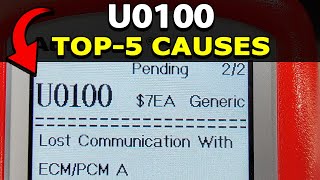
U0100 on 2007-2011 Toyota Camry: Lost Communication with ECM Fixes and Causes
On a 2007-2011 Toyota Camry, code U0100 almost always points to a basic electrical problem, not a failed main computer. Before suspecting the expensive Engine Control Module (ECM), check for a weak battery, a failing alternator, corroded terminals, or bad ground connections, which are the most common and cheapest fixes.
- U0100 means the Engine Control Module (ECM) has lost communication. This is a critical fault that can cause a no-start or stalling condition.
- Do not immediately assume the ECM has failed. The most common cause is a simple electrical issue like a weak battery, bad connection, or poor ground strap.
- Always start diagnosis by fully charging and testing the battery, then cleaning and inspecting the battery terminals and main ground wires.
- Driving with this code is unsafe due to the high risk of the engine shutting off unexpectedly.
- If the ECM does need to be replaced, the part number must be an exact match, and it will require professional programming to work with your car's security system.
What's Unique About the 2007-2011 Toyota Camry
For the XV40 generation Camry, there are no widespread, unique design flaws that trigger a U0100 code. The experience is typical for most modern vehicles: the issue is far more likely to be in the foundational electrical system than the Engine Control Module (ECM) itself. Owners and technicians report that low battery voltage is a very common trigger, so it should always be the first thing you check. A failing alternator can also cause voltage drops or electrical noise that disrupts the CAN bus. Always perform a full charging and grounding system check before beginning a more complex and expensive diagnosis.
Symptoms You May Notice
- Engine will not start, or cranks for a long time before starting.
- Engine stalls intermittently while driving, especially at idle or red lights.
- Check Engine Light is on.
- Multiple other warning lights (ABS, VSC, TRAC, Battery) may illuminate at the same time.
- Transmission may not shift properly or may feel stuck in one gear (limp mode).
- Noticeable decrease in engine performance and fuel economy.
- Dimming headlights and interior lights, or slow power windows, suggesting an alternator issue.
- Whining or grinding noise from the engine bay, often indicating a failing alternator.
- Replacing the Engine Control Module (ECM) without proper diagnosis. Many owners or shops replace the expensive ECM only to find the problem persists because the actual fault was a simple wiring, power, or ground issue. Always confirm the ECM is receiving proper power and ground before condemning it.
Most Likely Causes
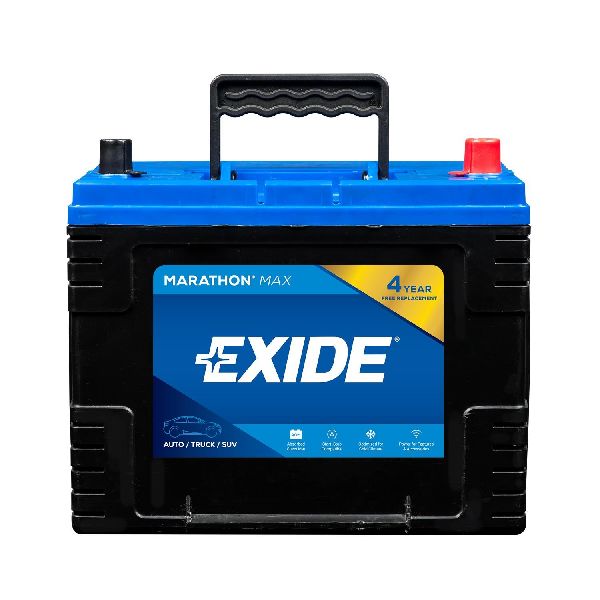
- Weak or Faulty Battery 🔴 High Probability → Shop Vehicle Battery Modern vehicle electronics are highly sensitive to voltage. A battery that is old or failing may not provide the stable 12.6 volts needed for all modules to communicate properly, even if it has enough power to crank the engine.
How to confirm: With the vehicle off, use a multimeter to test the battery voltage. A healthy battery should read at least 12.6 volts. If it's below 12.4 volts, it's low and needs charging. If it's below 12.0 volts after charging, it may be unable to hold a charge and should be replaced.
Typical fix: Recharge or replace the battery.
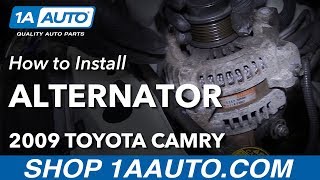
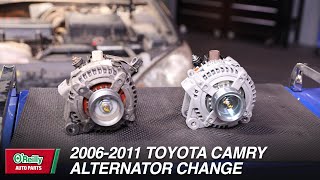
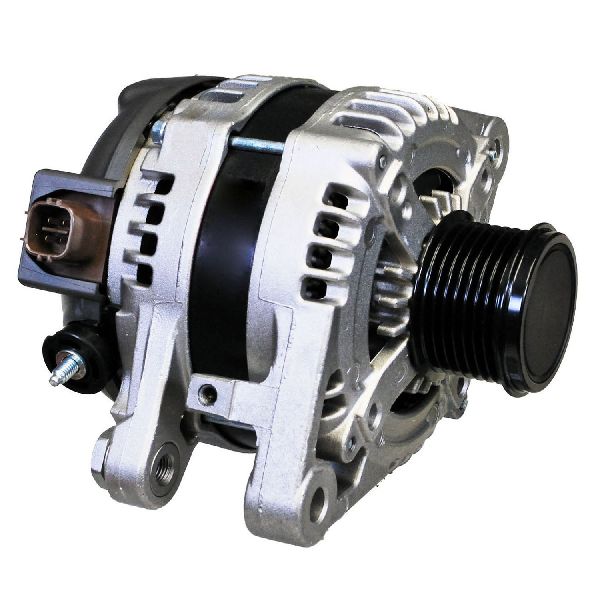
Est. part cost: $150-$300 - Failing Alternator 🔴 High Probability → Shop Alternator A failing alternator can cause unstable voltage or introduce electrical 'noise' into the system, disrupting CAN bus communication and triggering a U0100 code. Symptoms often include dimming lights or a whining sound.
How to confirm: With the engine running, test the battery voltage. A healthy alternator should maintain a voltage between 13.5 and 14.5 volts. If the voltage is below 13.2V or fluctuates wildly, the alternator is likely failing. Many auto parts stores offer free alternator testing.
Typical fix: Replace the alternator.
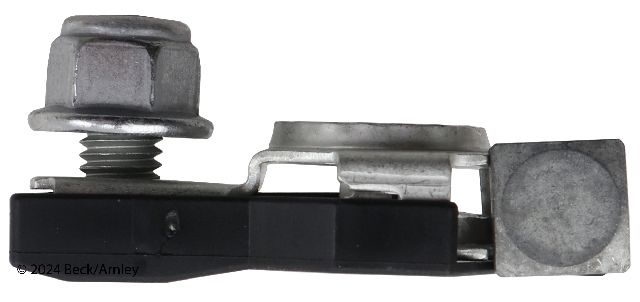
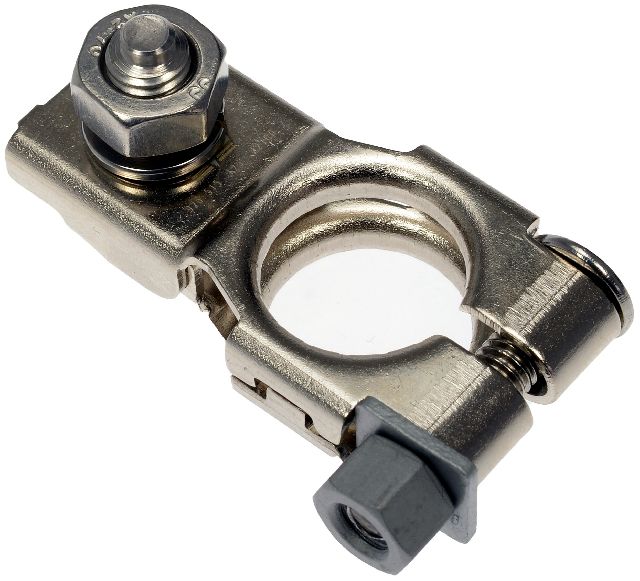
Est. part cost: $350-$550 (OEM), $200-$450 (Aftermarket) - Corroded Battery Terminals or Poor Ground Connections 🟡 Medium Probability → Shop Vehicle Battery Corrosion on battery terminals or a loose/corroded main engine or chassis ground strap can restrict current flow, mimicking the effect of a weak battery and causing communication dropouts.
How to confirm: Visually inspect battery terminals for buildup. On the XV40 Camry, the negative battery cable has two main ground points: one bolts directly to the chassis under the battery tray, and the other runs to a bracket on top of the transmission housing. Check that these are clean, tight, and free of corrosion.
Typical fix: Clean the battery terminals and posts with a wire brush. Unbolt, clean, and re-tighten any corroded ground connections.
Est. part cost: $5-$20 - Damaged CAN Bus Wiring or Connectors ⚪ Low Probability Wiring can be damaged by rodents, previous repair work, or chafing against vehicle components over time, causing a short or open circuit in the network. A manufacturer service bulletin for other Toyota models, TSB #T-SB-0072-19, notes that U0100 can be caused by corrosion or water intrusion in the ECM connector.
How to confirm: Visually inspect the wiring harnesses leading to the ECM (located behind the glove box) for any signs of damage. This is a complex task that may require a professional to test the CAN bus resistance (should be 60 ohms with ignition off across pins 6 and 14 of the OBD-II port) and check for proper voltage (around 2.5V on CAN High and CAN Low with ignition on).
Typical fix: Repair the damaged section of the wiring harness.
Est. part cost: $10-$100 for wiring repair supplies
Rare But Worth Checking
- Failed Engine Control Module (ECM): → Shop Engine Control Module (ECM) While this is often the first part people suspect, it is one of the least likely causes. Internal failure of the ECM's processor or communication chip can cause a U0100, but all other possibilities must be exhausted first.
- Blown Fuse: A blown fuse for the ECM or related systems can interrupt power and communication. Specifically check fuses labeled 'EFI', 'ECU-B', and 'IGN' in the under-hood and interior fuse panels. It's a quick and easy check to perform before more complex diagnostics.
- Brake ECU Programming: Manufacturer bulletins #23TC02 and #23TC02a indicate that due to specific programming in the brake ECU, a U0100 code may be stored and become impossible to clear even if vehicle operation is unaffected.
Diagnosis Steps
- Check Battery and Charging System Health: Use a multimeter to ensure the battery has at least 12.6 volts with the car off. With the engine running, check that the voltage is stable and between 13.5-14.5V to verify alternator function. Charge or replace the battery if necessary.
- Inspect Battery Terminals and Grounds: Clean any corrosion from the battery posts and terminals. Trace the negative cable to its connection points on the chassis (under the battery tray) and the transmission housing, ensuring they are clean, tight, and free of rust.
- Check Fuses: Inspect all fuses related to the engine controls, specifically 'EFI', 'ECU-B', and 'IGN' in the under-hood and interior fuse panels.
- Scan for Other Codes: Use an OBD-II scanner to check for other codes. Codes like P0562 (low voltage) can point you toward the root cause.
- Visually Inspect Wiring: Carefully inspect the wiring harness leading to the ECM (located behind the glove box) for any visible signs of damage, such as chewed wires, chafing, or heat damage.
- Professional Diagnosis: If the steps above do not resolve the issue, the vehicle should be taken to a qualified technician. They can perform advanced tests, such as checking for 60-ohm resistance across the CAN bus (pins 6 & 14 at OBD-II port) and verifying power/ground signals at the ECM connector pins.
Parts You'll Likely Need
- Battery — A weak or failing battery is the most frequent cause of communication codes like U0100 on modern vehicles.
Trusted brands: Toyota TrueStart, Interstate, DieHard
OEM price range: $200-$350
Aftermarket price range: $150-$300 - Alternator
(OEM #27060-0H100 (Example for 2.4L, verify by VIN))— A failing alternator providing unstable voltage is another very common cause of network communication faults on this platform.
Trusted brands: Denso (OEM), Bosch, CarQuest
OEM price range: $350-$550
Aftermarket price range: $200-$450 - Engine Control Module (ECM)
(OEM #89661-06B50 (Example, varies significantly))— This is the last resort if all wiring, power, and ground issues have been ruled out. The part number MUST be matched exactly to the original unit in the vehicle, as it varies by engine, build date, and features. A replacement ECM will require programming to the vehicle's VIN and immobilizer system.
Trusted brands: Denso (OEM), Cardone, Flagship One
OEM price range: $800-$1200
Aftermarket price range: $250-$700 (Remanufactured)
Related Codes That Often Appear With This One
- U0073 — This code means 'Control Module Communication Bus 'A' Off', which is a more general network failure code that often accompanies a specific module communication loss like U0100.
- P0562 — This code for 'System Voltage Low' directly points to a common root cause of U0100: a failing battery or alternator that is not providing enough voltage for the modules to communicate.
Platform-Specific Known Issues
- Owner Experience: No Crank, No Start, U0100: A user on 2CarPros.com described a 2007 Camry that eventually failed to crank or start, displaying only a U0100 code. The symptoms leading up to the failure included sluggish starting, stalling at red lights, and a whistling sound, all of which point towards a progressive electrical system failure, likely the alternator or a bad ground connection, rather than a sudden ECM death.
- Forum Consensus: Check Electricals First: Across multiple forums, including Reddit and CamryForums, the overwhelming advice from owners who have fixed a U0100 code on this generation Camry is to thoroughly test the battery, alternator, and all major ground connections before considering more complex diagnostics. This approach resolves the vast majority of U0100 issues on this platform.
Mechanic-Grade Diagnostic Values
- CAN Bus Resistance (Ignition Off, Battery Disconnected) — expected: Approximately 60 ohms. Failure: A reading of ~120 ohms indicates one of the two terminating resistors (or the wiring to it) is open. A reading of ~0 ohms indicates a short circuit between the CAN High and CAN Low wires.
- CAN Bus Voltage (Key On, Engine Off) — expected: CAN High (Pin 6 to Ground): ~2.5V to 3.5V. CAN Low (Pin 14 to Ground): ~1.5V to 2.5V. The sum of both voltages should be ~5V.. Failure: Voltages that are stuck high, low, or at 0V indicate a short to power, short to ground, or an open circuit.
Scan Tool Commands That Help
- Toyota Techstream: Health Check — This is the first step with a professional scan tool. It polls all modules on the network and provides a clear list of which modules are communicating and which are not. A 'No Response' from the ECM confirms the U0100 fault from the perspective of other modules.
- Toyota Techstream: CAN Bus Check — This utility function checks the communication status of all modules connected to the CAN bus. It can help visualize the network layout and pinpoint which specific modules are offline, confirming the U0100 and checking for other 'U' codes that may not have illuminated the MIL.
- Toyota Techstream: Active Test — While you cannot perform an active test on the non-communicating ECM, you can command other modules (like the Body Control Module or ABS module) to perform functions. If they respond, it helps confirm that the CAN bus itself is at least partially functional and the problem is isolated to the ECM or its direct branch of the network.
Real Owner Repair Stories
- YouTube video by 'SuperMarioDiagnostics' (2010 Toyota Corolla (similar CAN architecture)) — Intermittent no-start, multiple warning lights (Check Engine, ABS, Power Steering), tachometer and coolant temp gauges inoperative, U0100 code stored.
❌ Tried (didn't work) Disconnecting the PCM (ECM), Disconnecting the ABS module
✅ What actually fixed it The technician found that moving the driver's seat caused the fault to appear and disappear. The metal crossbar of the seat adjustment mechanism had chafed through the carpet and into the main wiring harness that runs along the floor, shorting the CAN bus wires. Repairing the damaged wires resolved all symptoms. - NHTSA ODI #10967916 — An owner reported failing a smog check due to an OBDII failure with code U0100 (Lost Communication with ECM/PCM "A") and U0111 (Lost Communication with Battery Energy Control Module "A").
- NHTSA ODI #11376111 — A report describes a vehicle that would not respond to the accelerator; the owner pulled codes U0001 and U0100 during the first occurrence, though subsequent failures showed no codes.
OEM Part Supersession History
89661-06B50→89661-06B51— Standard part revision by the manufacturer, likely for minor internal component or software updates.
Heads up: While this specific part number is for a previous generation, the principle is critical for the 2007-2011 models: always match the part number exactly or use a verified supersession. Using an ECM from a different year, engine, or even emissions standard (Federal vs. California) will not work.
Model Year Variations Within This Range
- 2007-2009: These years used a 158-hp 2.4L 4-cylinder engine (2AZ-FE) with a 5-speed automatic transmission. This engine was known for potential oil consumption issues.
- 2010-2011: Following a 2010 model year refresh, these Camrys received a new, more reliable 169-hp 2.5L 4-cylinder engine (2AR-FE) paired with a 6-speed automatic transmission. The V6 engine option remained the same 3.5L (2GR-FE) throughout the 2007-2011 range.
Diagnostic Flowchart
Other Known Issues on This Vehicle
Issues unrelated to this code that are worth knowing about as an owner of this generation:
- Excessive Oil Consumption (2AZ-FE Engine) 🔴 High — Very common in 2007-2009 models with the 2.4L 4-cylinder engine. Caused by defective piston ring design. Can begin as early as 60,000 miles. (Ref: Toyota issued TSB T-SB-0094-11 and later a warranty enhancement program to address this, but these have since expired.)
- Melting/Sticky Dashboard 🟡 Low — Widespread issue on 2007-2011 models, especially in hot, humid climates. The dashboard material degrades and can become shiny, sticky, or cracked. (Ref: Toyota initiated Warranty Enhancement Program ZE6 to replace affected dashboards, though the program had primary and secondary coverage periods that have now passed.)
- Transmission Shift Flare or Hesitation (U660E) 🟠 Medium → Shop Transmission Assembly — Common on early V6 models (2007-2008) with the U660E 6-speed automatic. Symptoms include harsh shifts when cold or a noticeable hesitation. (Ref: Toyota released TSBs like TC007-07 and T-SB-0287-10 to address shift quality issues with software updates.)
Used vs. New Parts: Buying Guide for This Vehicle
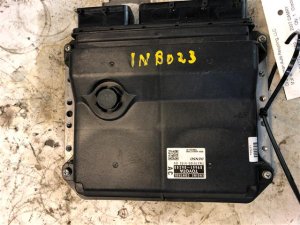
When a used part is the smart pick: For major electronic components like the Engine Control Module (ECM) or ABS module, a used part from a reputable salvage yard can offer significant savings. Used alternators are also a viable option, provided they come from a low-mileage donor.
Donor-vehicle mileage cap: roughly under 100000 miles for the part to have meaningful remaining life.
What to inspect on the donor part:
- For an ECM, match the part number EXACTLY. Even one digit off can mean incompatibility.
- Check the VIN of the donor car to determine if it was US-built (VIN starts with 1, 4, or 5) or Japan-built (VIN starts with J) and match it to your vehicle.
- Inspect the part for any signs of physical damage, corrosion, or water intrusion on the casing and connector pins.
- Ask for a warranty, even if it's only 30-90 days. This provides some protection against receiving a dead-on-arrival part.
OEM-only on this vehicle (don't cheap out):
- Engine Control Module (ECM) - While a used OEM part is fine, avoid non-reputable aftermarket or 'repaired' modules without a strong warranty and clear programming requirements. A new OEM part is the safest but most expensive option.
Aftermarket brands forum-validated for this vehicle:
- Denso (OEM supplier for Toyota, excellent for alternators and sensors)
- Bosch (Good quality for alternators and other electrical components)
Brands owners have reported issues with on this vehicle:
- No-name, deeply discounted online sellers of ECMs or alternators. The failure rate is high, and programming support is often non-existent.
Real Owner Stories
Aggregated from forums and TSBs cited above. Mileages and costs reflect what owners reported in those sources.
2007 Toyota Camry
Symptoms: The vehicle experienced sluggish starting, stalling at red lights, and a whistling sound from the engine bay before eventually failing to crank or start at all with code U0100.
What fixed it: The symptoms indicated a progressive electrical failure, specifically pointing toward the alternator or a bad ground connection.
Source hint: 2CarPros.com owner experience: 'No Crank, No Start, U0100'
2009 Toyota Corolla — ~125000 miles
Symptoms: Crank but no start condition with code U0100 stored.
What fixed it: The diagnostic path required checking fuses, relays, and ensuring proper power and ground were reaching the ECM.
Source hint: r/MechanicAdvice - 'Toyota corolla 2009 crank no start. Code U0100'
Documented NHTSA Reports
NHTSA ODI #10967916
Symptoms: An owner reported that their vehicle failed a smog check due to an OBD bulb check failure and an OBDII failure. The specific service fault codes stored were U0100 (Lost Communication with ECM/PCM "A") and U0111 (Lost Communication with Battery Energy Control Module "A").
NHTSA ODI #11376111
Symptoms: A driver reported multiple instances where the vehicle would not respond to the accelerator. During the first occurrence, the owner was able to pull codes U0001 and U0100 from a code reader, though subsequent events did not always trigger codes.
Related OBD-II Codes
Frequently Asked Questions
My 2007 Camry is stalling at red lights and making a whistling sound; is my ECM dead?
Where are the main ground points I should check on my XV40 Camry to fix a U0100?
Is the excessive oil consumption on my 2008 Camry 2.4L related to the U0100 code?
Can I check the CAN bus health myself through the OBD-II port?
What fuses should I check on my Camry if I have a U0100 code?
Does the 2007-2011 Camry have a program for the melting dashboard issue?
Helpful Videos


Used OEM Parts in Stock
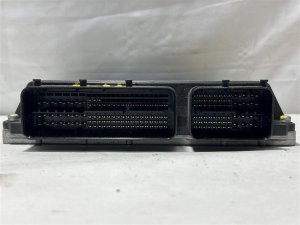
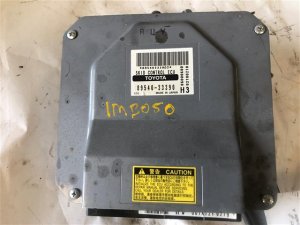
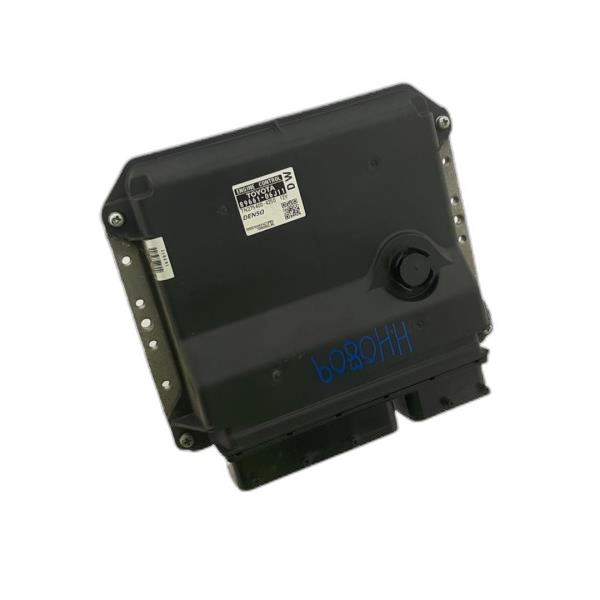
New Aftermarket Parts Available


The information in this article is provided for general reference and educational purposes only. Vehicle specifications, procedures, and part compatibility can vary by production date, trim level, and region. Always consult your vehicle's factory service manual and verify part numbers before purchasing or performing repairs. Safety-critical components such as airbags, seat belts, and braking systems should be installed by a qualified professional.
- Toyota Camry:
- 🧭 Diagnostic Flowchart
- 🎬 Helpful Videos
- 🛍️ Shop This Part
- What's Unique About the 2007-2011 Toyota Camry
- Symptoms You May Notice
- Most Likely Causes
- Rare But Worth Checking
- Diagnosis Steps
- Parts You'll Likely Need
- Related Codes That Often Appear With This One
- Platform-Specific Known Issues
- Mechanic-Grade Diagnostic Values
- Scan Tool Commands That Help
- Real Owner Repair Stories
- OEM Part Supersession History
- Model Year Variations Within This Range
- Other Known Issues on This Vehicle
- Used vs. New Parts: Buying Guide for This Vehicle
- Real Owner Stories
- 2007 Toyota Camry
- 2009 Toyota Corolla — ~125000 miles
- Documented NHTSA Reports
- NHTSA ODI #10967916
- NHTSA ODI #11376111
- Related OBD-II Codes
- Frequently Asked Questions
- 🎟️ Get 5% Off