

U0101 on 2007-2013 BMW M3: Lost Communication with TCM Causes and Fixes
On a 2007-2013 BMW M3 with the M-DCT transmission, code U0101 indicates a loss of communication with the Transmission Control Module (TCM). This is often caused by a failing Mechatronics unit within the transmission, but can also stem from low battery voltage or wiring issues. This is a serious code that requires immediate attention as it can lead to limp mode or a complete loss of drive.
- U0101 on an M-DCT equipped E9x M3 is a critical code indicating a loss of communication with the transmission's brain, the TCM.
- Do not continue to drive the vehicle, as it can result in a sudden loss of power or inability to shift, creating a dangerous situation.
- While the most likely cause is an expensive internal Mechatronics failure, always diagnose the cheapest and easiest things first: check the battery, charging system, and fuses.
- Diagnosis and repair are not DIY-friendly and require a professional shop with BMW-specific diagnostic tools and experience with DCT transmissions.
- This code does not apply to M3 models with a 6-speed manual transmission.
What's Unique About the 2007-2013 BMW M3
The E9x generation M3 (2007-2013) uses a Getrag-sourced 7-speed Dual-Clutch Transmission (M-DCT), model GS7D36SG, which is a highly complex system. The Transmission Control Module (TCM) is integrated into the 'Mechatronics' unit, which lives inside the transmission itself, bathed in transmission fluid. This makes diagnosis and repair significantly more involved and costly than on vehicles with an externally mounted TCM. Failures often point towards the entire Mechatronics unit, which is a known issue on this platform, especially as the vehicles age and are exposed to heat cycles.
Symptoms You May Notice
- Transmission warning light (often a yellow or red cog symbol) on the dashboard.
- Vehicle enters 'limp mode,' limiting speed and engine RPM.
- Harsh, erratic, or delayed shifting.
- Inability to select gears, or getting stuck in Park or Neutral.
- Loss of gear indicator display on the dashboard.
- Sudden loss of power while driving.
- Inability to engage odd or even numbered gears.
- Drivetrain Malfunction message on the iDrive screen.
- Vehicle will not crank or start.
- Replacing the clutch packs. While clutch wear is an issue, it typically causes slipping or shuddering, not a total loss of communication with the control module.
- Replacing the entire transmission without first confirming the fault lies with the internal Mechatronics unit. Sometimes a wiring or power supply issue is the root cause.
Most Likely Causes
- Failing DCT Mechatronics Unit (Internal TCM) 🔴 High Probability → Shop Transmission Valve Body The TCM is integrated into the Mechatronics unit inside the transmission. Over time, heat, vibration, and fluid contamination can cause the internal electronics, circuit board, or solenoids to fail. This is a well-documented issue on the E9x M3 DCT.
How to confirm: A professional-grade scan tool is needed to attempt direct communication with the TCM. If the module is completely offline and power/ground/CAN wiring are confirmed to be good, the Mechatronics unit is the likely culprit. Faults related to specific solenoids or pressure sensors also point to an internal Mechatronics failure.
Typical fix: Replacement of the entire Mechatronics unit or, in some cases, the complete transmission. This is a very expensive repair that requires coding the new unit to the vehicle. Some specialized shops offer Mechatronics repair or cloning services.
Est. part cost: $2500-$5000 - Low Battery Voltage or Failing Alternator 🟡 Medium Probability → Shop Alternator BMWs are notoriously sensitive to battery voltage. A weak or dying battery can cause numerous, seemingly unrelated electronic modules to drop off the CAN bus, triggering communication codes like U0101. This should always be the first check.
How to confirm: Test the battery voltage with the car off (should be >12.4V) and while running (should be 13.7V-14.7V). A load test is the most definitive way to check battery health. Check the battery's age, as they typically last 3-5 years in these vehicles.
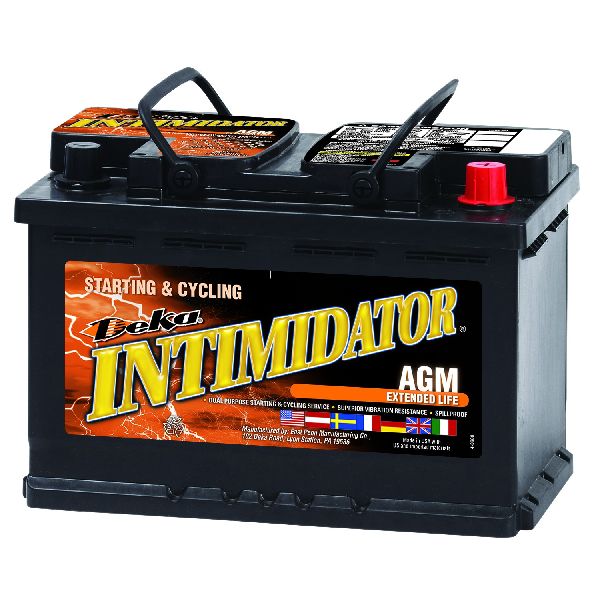
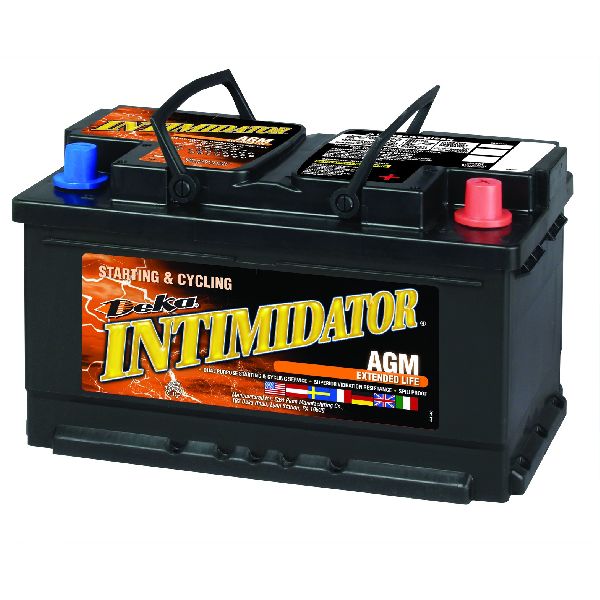
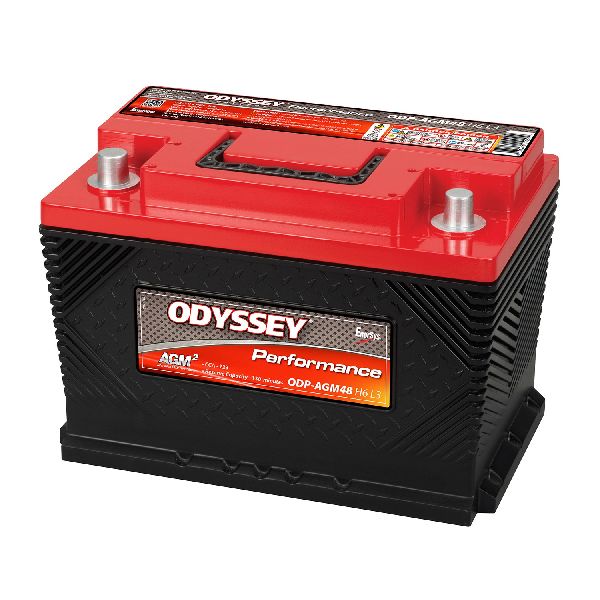
Typical fix: Replace the battery (an AGM type is required) and register the new battery with the vehicle's computer system using a BMW-specific scan tool. If the alternator is faulty, it will need to be replaced.
Est. part cost: $200-$400 - Damaged Wiring Harness or Connectors ⚪ Low Probability The wiring harness leading to the transmission can become brittle and cracked over time due to heat and exposure. The main round connector to the transmission is a common point of failure where pins can get pushed back or corrosion can form. Insulation can crack near the connector, leading to shorts.
How to confirm: Visually inspect the wiring harness from the main vehicle harness down to the transmission. Disconnect the main connector (with battery disconnected) and check for corrosion, moisture, or pushed/damaged pins. Perform continuity and resistance checks on the CAN bus wires.
Typical fix: Repair the damaged section of the harness or replace the affected connector. In severe cases, the entire harness segment may need replacement.
Est. part cost: $50-$500
Rare But Worth Checking
- Corrupted DCT Software: In some cases, particularly after aftermarket tuning (e.g., GTS DCT flash), the DCT software can become corrupted or cause communication conflicts. A reflash to the stock software or an updated tune has been reported to solve the issue for some owners.
- Blown Fuse for TCM: While less common, a blown fuse supplying power to the TCM will cause it to go offline and trigger a U0101 code. Always check the fuse box as a basic first step.
- Corroded or Failed Engine Ground Strap: → Shop Engine Wiring Harness The main engine-to-chassis ground strap can corrode or break, leading to unstable voltage and communication dropouts across various modules, including the TCM. This can cause intermittent and hard-to-diagnose U-codes.
Diagnosis Steps
- Check Battery Voltage: Ensure the battery is a healthy AGM type, fully charged (>12.4V) and the charging system is working correctly (13.7-14.7V while running). Address any power supply issues first.
- Perform a Full Vehicle Scan: Use a BMW-specific scan tool (like ISTA/D) to check for codes in all modules. Note if other modules are also offline, which could indicate a broader CAN bus issue.
- Check Fuses: Inspect all fuses related to the transmission and engine control modules in the glove box fuse panel.
- Inspect Wiring: Visually inspect the wiring harness leading to the transmission, paying close attention to the large round connector for any signs of damage, corrosion, or moisture. Check for brittle or cracked insulation near the connector.
- Test CAN Bus and Power at the TCM: This is an advanced step. If the wiring appears okay, a technician will need to access the TCM connector to test for proper power, ground, and CAN bus signal. With the ignition on, CAN High (K-CAN H) should be ~2.7V and CAN Low (K-CAN L) should be ~2.3V. With the battery disconnected, resistance across the two CAN lines should be ~60 ohms.
- Isolate the TCM: If all wiring, power, and grounds are good, but the TCM will not communicate, the module itself (within the Mechatronics unit) has likely failed.
Parts You'll Likely Need
- DCT Mechatronics Unit
(OEM #28607842860)— This is the most common point of failure for a U0101 code on this platform, as it contains the Transmission Control Module (TCM) that has lost communication.
Trusted brands: BMW (OEM)
OEM price range: $3500-$5600
Aftermarket price range: $1500-$2500 (Remanufactured/Repair Service) - AGM Battery — Low system voltage is a frequent cause of communication faults on BMWs. An aging battery should be the first suspect.
Trusted brands: Varta, Bosch, Interstate, Duralast
OEM price range: $300-$450
Aftermarket price range: $200-$300 - DCT Wiring Harness
(OEM #61119156893)— If the communication loss is traced to damaged wiring, this harness connecting the vehicle to the transmission may need to be replaced.
Trusted brands: BMW (OEM)
OEM price range: $250-$500
Aftermarket price range: N/A
Platform-Specific Known Issues
- The integration of the TCM inside the Mechatronics unit, located within the transmission housing, is the primary vehicle-specific issue. This design makes it vulnerable to heat and fluid contamination and significantly increases the labor and cost of replacement compared to an external module.
- Owner Experience: Sudden Failure on Track: A user on M3Post, 'mikerunt', reported their Mechatronics failed with no warning signs during a track day at Big Willow, resulting in a complete loss of power and drive. This highlights how the failure can be sudden and catastrophic.
- Owner Experience: Intermittent Faults When Cold: Another M3Post user described initial symptoms as odd shifting when cold (2nd to 3rd gear), which later escalated to a transmission malfunction error and loss of even-numbered gears. This indicates the failure can sometimes begin intermittently before becoming permanent.
Mechanic-Grade Diagnostic Values
- CAN Bus Resistance — expected: ~60 Ohms. Failure: A reading of ~120 Ohms indicates a missing terminating resistor or a break in one of the CAN lines. A reading near 0 Ohms indicates a short between CAN High and CAN Low.
- DCT Oil Temperature via Scan Tool — expected: Should read ambient temperature when cold and rise to operating temp (~70-90°C) when running.. Failure: A static reading of 108°C, even when the car is cold, often indicates an internal TCU error code is present and the module is in a fault state.
Hidden / Shadow Codes Worth Checking
- 4FA0: Clutch position deviation. This code often points to a mechanical or hydraulic issue within the clutch actuation system, but can be triggered by the Mechatronics unit losing control or providing incorrect commands. It's frequently seen alongside communication errors. (see via BMW-specific diagnostic tools like ISTA, INPA, or high-end aftermarket scanners.)
- 5073 / 5074: Supply of Valve Group 2 / 3: Faulty. These codes indicate a power supply problem to specific solenoid groups within the Mechatronics unit. (see via BMW-specific diagnostic tools like ISTA, INPA, or high-end aftermarket scanners.)
- 5A48 / 5A55: Control Valve PV6 / PV7: Short Circuit/Winding Fault. These are highly specific codes pointing directly to a failure of individual pressure control valves (solenoids) inside the Mechatronics unit. (see via BMW-specific diagnostic tools like ISTA, INPA, or high-end aftermarket scanners.)
- 5A62 / 5A63: DCT Faults related to internal transmission logic. These codes often lead dealers to open a PUMA case with BMW AG and may result in a software reflash or full Mechatronics replacement. (see via Dealer-level diagnostic tools (ISTA).)
Scan Tool Commands That Help
- ISTA: Vehicle Management -> Service function -> Power train -> Transmission control -> Adjustment -> Resetting adaption functions — This procedure is required after replacing the Mechatronics unit, transmission fluid, or solenoids to clear learned values and allow the TCM to relearn clutch engagement points and shift pressures. It can sometimes resolve shifting issues but will not fix a hardware failure causing U0101.
- ISTA: Teach-in clutch slipping point — A specific sub-function within the adaptation reset process. It forces the Mechatronics to find and store the exact bite point of the clutches, which is critical for smooth engagement from a stop.
- ISTA: Complete Identification (Read Out Vehicle Data) — This is the first step in any diagnosis. It polls all control units on the vehicle's networks. For a U0101, the DCT/TCM module will likely show up as red (no communication) or yellow (faults stored), confirming it is the source of the problem.
Wiring & Ground Locations
- Engine Ground Strap — Connects the engine to the chassis. On the E9x M3, a primary ground strap is located on the driver's side, connecting the engine block/oil pan area to the chassis near the header-to-x-pipe connection. It is accessible from underneath the car after removing a metal undertray.. A corroded or broken ground strap creates an unstable ground reference for all electronics, including the DME and TCM. This can cause intermittent communication dropouts, voltage spikes, and seemingly random U-codes. The TCM is particularly sensitive to this.
- Mechatronics Connector (X8500) — This is the large, round, main electrical connector on the side of the DCT transmission housing. The vehicle wiring harness connects here.. This is the single point of failure for all communication and power to the TCM. Physical inspection for corrosion, pushed pins, or fluid intrusion is a critical diagnostic step. The harness near the connector can also become brittle from heat cycles.
- Engine Lift Eye (Alternate Ground) — The metal loop on top of the S65 engine, used for lifting the engine out of the car.. In an emergency or as a diagnostic test, a temporary ground cable can be run from the engine lift eye (sanded to bare metal) to a chassis ground point (like the one near the coolant reservoir) to bypass a faulty primary ground strap.
Real Owner Repair Stories
- M3Post user 'F18 Hornet' (2011 E92 M3, ~75k miles) — Transmission malfunction light, car would not shift out of Park. The issue only occurred on hot days (>80°F) after the car had been restarted 5+ times in one day. Fault codes stored were 5A48, 5A55, 5073, 5074, pointing to internal valve body faults.
❌ Tried (didn't work) Checking battery (was new and voltage was good)., Clearing codes (they would return under the specific conditions).
✅ What actually fixed it The user's mechanic diagnosed a failing Mechatronics unit. While the final post doesn't explicitly state the repair was done, the diagnosis was firm based on the specific shadow codes and symptoms, and is the standard resolution for this fault pattern. - M3Post user 'SVH' (E9x M3, failure at 53,498 miles in 2013) — Car stalled in 1st gear at a stop light, would not reset into Park, and therefore would not restart. After 20 minutes, it finally reset and started. The issue reoccurred at the repair shop.
❌ Tried (didn't work) Extensive electrical checks for shorts in wiring., Replacement of the CAS (Car Access System) module ($383 part) as a precautionary step.
✅ What actually fixed it Replacement of the Mechatronics unit (part #243020, $3953.97 at the time) and installation kit. The total repair bill was $7,587. This confirms a complete communication loss can prevent the car from starting.
OEM Part Supersession History
Unknown/Early Revisions→28607842860— Likely internal revisions to improve reliability of electronics and solenoids.
Heads up: Part number 28607842860 is the widely recognized replacement unit for the E9x M3 and other models using the GS7D36SG transmission. Always verify with the dealer using the vehicle's VIN, but this part is the standard service replacement.
Model Year Variations Within This Range
- 2010-2013 (LCI): The E92/E93 M3 received a Life Cycle Impulse (LCI) update for the 2010 model year (the E90 sedan was updated earlier). While the DCT transmission itself (GS7D36SG) did not change mechanically, LCI cars feature the updated CIC iDrive system and different LED taillights. This is primarily a cosmetic/infotainment difference and does not change the diagnosis of U0101, but it's a key identifier for the vehicle's production date. Some sources suggest software updates were rolled out over the production run, but the core hardware failure remains the same.
Diagnostic Flowchart
Other Known Issues on This Vehicle
Issues unrelated to this code that are worth knowing about as an owner of this generation:
- S65 Rod Bearing Wear 🔴 High — Considered a preventative maintenance item. Risk increases significantly after 60,000-80,000 miles, especially on cars with original bearings and long oil change intervals.
- Throttle Body Actuator Failure 🔴 High — Very common failure. Can occur at any mileage, often between 40,000-80,000 miles. Causes limp mode and multiple fault codes (e.g., 2B15, 2B16).
- Idle Control Valve (ICV) Failure 🟠 Medium — Common as cars age. Symptoms include rough/fluctuating idle, stalling when coming to a stop, and potential limp mode.
- Leaking Valve Cover Gaskets 🟡 Low — Common oil leak point on higher mileage S65 engines.
Used vs. New Parts: Buying Guide for This Vehicle
When a used part is the smart pick: A complete used transmission assembly can be a cost-effective alternative to replacing just the Mechatronics unit, especially if the donor vehicle has low mileage and a verifiable history. However, buying a used Mechatronics unit by itself is highly risky due to its electronic complexity and the need for vehicle-specific coding.
Donor-vehicle mileage cap: roughly under 60000 miles for the part to have meaningful remaining life.
What to inspect on the donor part:
- Verify the donor car was not in a major accident.
- Obtain the VIN of the donor car to check its service history if possible.
- Look for evidence of leaks around the transmission pan and connectors.
- If possible, get a warranty from the salvage yard.
OEM-only on this vehicle (don't cheap out):
- Mechatronics Unit (if buying new). While remanufacturing services exist, a new OEM unit from BMW is the most reliable, albeit expensive, option.
Aftermarket brands forum-validated for this vehicle:
- For repair, not replacement: Specialized ECU/TCM repair services (e.g., Bimmerscan) that can test and rebuild the original Mechatronics unit are a viable, forum-recommended option. This often avoids the need for complex recoding.
Brands owners have reported issues with on this vehicle:
- Unknown sellers on platforms like eBay or Alibaba offering 'remanufactured' units without a clear warranty or testing protocol should be avoided.
Real Owner Stories
Aggregated from forums and TSBs cited above. Mileages and costs reflect what owners reported in those sources.
2008-2013 BMW M3 (S65 Engine)
Symptoms: Mechatronics failed with no warning signs during a track day, resulting in a complete loss of power and drive.
What fixed it: Replacement of the Mechatronics unit or complete transmission.
Source hint: M3Post user 'mikerunt' in vehicle_specific_issues
2008-2013 BMW M3 (S65 Engine)
Symptoms: Odd shifting when cold (2nd to 3rd gear), which later escalated to a transmission malfunction error and loss of even-numbered gears.
What fixed it: Mechatronics unit repair or replacement.
Source hint: M3Post user report in vehicle_specific_issues
2008-2013 BMW M3 (S65 Engine)
Symptoms: DCT faults caused by electrical shorts due to brittle wiring insulation near the transmission connector.
What fixed it: Repairing the damaged section of the harness or replacing the affected connector.
Source hint: Bimmerpost (M3Post) thread titled 'brittle wiring insulation near the transmission connector'
Related OBD-II Codes
Frequently Asked Questions
My E92 M3 is showing a red cog symbol and won't select gears. Is this likely the Mechatronics unit?
Can a weak battery really cause a U0101 communication code on my BMW M3?
I'm losing even-numbered gears on my DCT-equipped M3. Is this related to U0101?
Is the TCM a separate module I can replace easily on the E9x M3?
Could a software flash or tune cause a U0101 code on my M3?
What should the CAN bus voltage be when diagnosing U0101 on my BMW?
We Have This Part in Stock



The information in this article is provided for general reference and educational purposes only. Vehicle specifications, procedures, and part compatibility can vary by production date, trim level, and region. Always consult your vehicle's factory service manual and verify part numbers before purchasing or performing repairs. Safety-critical components such as airbags, seat belts, and braking systems should be installed by a qualified professional.
- BMW M3:
- 🧭 Diagnostic Flowchart
- 🛍️ Shop This Part
- What's Unique About the 2007-2013 BMW M3
- Symptoms You May Notice
- Most Likely Causes
- Rare But Worth Checking
- Diagnosis Steps
- Parts You'll Likely Need
- Platform-Specific Known Issues
- Mechanic-Grade Diagnostic Values
- Hidden / Shadow Codes Worth Checking
- Scan Tool Commands That Help
- Wiring & Ground Locations
- Real Owner Repair Stories
- OEM Part Supersession History
- Model Year Variations Within This Range
- Other Known Issues on This Vehicle
- Used vs. New Parts: Buying Guide for This Vehicle
- Real Owner Stories
- 2008-2013 BMW M3 (S65 Engine)
- 2008-2013 BMW M3 (S65 Engine)
- 2008-2013 BMW M3 (S65 Engine)
- Related OBD-II Codes
- Frequently Asked Questions
- 🎟️ Get 5% Off