

U0101 on 2012-2017 Buick Verano: Lost Communication with TCM Causes and Fixes
On a 2012-2017 Buick Verano, code U0101 almost always points to a poor electrical connection at the transmission connector or a wiring issue, not a failed Transmission Control Module (TCM). Inspecting and cleaning connector pins, checking grounds, and examining the underhood fuse block as per GM service bulletins is the most likely fix and costs very little.
- U0101 on a Buick Verano means the Transmission Control Module (TCM) is offline.
- Before suspecting a bad TCM, ALWAYS check the battery, fuses, and especially the transmission wiring connector for loose pins or corrosion, as per GM service bulletins.
- Symptoms are serious and include poor acceleration and the transmission being stuck in gear.
- Do not replace the expensive TCM until all cheaper electrical possibilities have been exhausted.
- If the TCM does need replacement, it must be programmed to your vehicle's VIN.
What's Unique About the 2012-2017 Buick VERANO

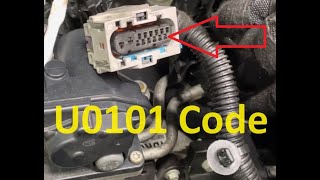
For this generation of Verano and its platform-mates like the Chevy Cruze, the U0101 code is very frequently caused by electrical connection problems rather than an actual failed TCM. 🎬 Watch: A breakdown of the U0101 code and how to fix it. General Motors issued Technical Service Bulletins (TSBs), like PIP4990D, specifically advising technicians to check for poor terminal pin fit at the main transmission connector, the underhood fuse block (a bent pin was found to be the cause in one documented case on a Cruze), and TCM grounds (G106, G107) before replacing any parts. An owner complaint to the NHTSA also reported that simply touching the TCM connection temporarily resolved the issue, highlighting the sensitivity of these connections.
Diagnostic Flowchart

Tap your situation to follow the diagnostic path that matches what you're seeing on this vehicle.
Symptoms You May Notice

- Check Engine Light is on
- Vehicle enters "limp mode" with reduced power and speed
- Harsh, erratic, or delayed shifting
- Transmission may not shift out of a specific gear
- Poor or slow acceleration, as described by an owner whose vehicle was "going extremely slower than applied pressure".
- Service StabiliTrak warning message may appear
- Service Power Steering and/or Service Parking Assist messages may appear.
- Gear position indicator on the dashboard may go blank.
- Door locks may cycle on and off erratically.
- Replacing the Transmission Control Module (TCM) without first thoroughly inspecting all related wiring, connectors, fuses, and grounds as specified in GM service bulletins.
- Replacing the entire transmission when the fault is purely electrical or communication-based.
- Replacing the battery without checking the alternator's output, as a bad alternator can cause the same low-voltage issues.
Most Likely Causes

- Poor Connection or Corrosion at Transmission Connector 🔴 High Probability → Shop Transmission Assembly GM TSBs PIP4990C and PIP4990D specifically identify poor terminal pin fit (fretting corrosion) at the transmission connector as a primary cause. An owner complaint also corroborates this.
How to confirm: With the battery disconnected, visually inspect the main transmission electrical connector for loose pins, corrosion, or moisture. Check for a secure fit. Use a set of terminal test probes to check for proper pin tension.
Typical fix: Clean the connector terminals with an appropriate electrical contact cleaner and apply a small amount of dielectric grease. If terminals are bent or damaged, the connector pigtail may need to be replaced.
Est. part cost: $0-$50 - Damaged Wiring Harness 🟡 Medium Probability The TSBs mention checking for the harness rubbing through on sharp objects, particularly on top of the transmission where it can contact the engine block or other brackets.
How to confirm: Visually inspect the wiring harness leading from the TCM connector back toward the fuse block for any signs of chafing, melting, or breaks. Pay close attention to where the harness bends or is secured.
Typical fix: Repair the damaged section of wire and protect it from future damage using loom or re-routing.
Est. part cost: $5-$25 - Poor Connection at Underhood Fuse Block or Bad Ground 🟡 Medium Probability → Shop Fuse Box TSB PIP4990C/D explicitly calls out checking for poor terminal fit at the underhood fuse block and verifying the TCM ground connection (e.g., G106, G107). A detailed diagnostic video for a Chevy Cruze with U0101 found a bent pin at terminal 37 of connector X3 in the underhood fuse block.
How to confirm: Check fuses related to the TCM (e.g., fuse F1 in the underhood block). Inspect the fuse block terminals for corrosion. Locate and test the TCM ground points (G106/G107, often on the strut tower or frame rail) for a clean, tight connection to bare metal.
Typical fix: Clean corroded terminals, replace blown fuses (after diagnosing the cause), or clean/tighten the ground connection. In the case of a bent pin, it must be carefully straightened or the connector replaced.
Est. part cost: $0-$20 - Failed Transmission Control Module (TCM) ⚪ Low Probability → Shop Transmission Assembly While possible, GM bulletins strongly suggest this is the least likely cause and should only be considered after all wiring and connection issues are ruled out.
How to confirm: This is a diagnosis of last resort. If all wiring, connectors, power, and grounds to the TCM test perfectly (using a multimeter to verify voltage and ground at the connector pins), the module itself is suspect. This requires professional diagnostic tools.
Typical fix: Replace the TCM. On the Verano, the TCM is integrated into the valve body (TEHCM) inside the transmission pan, requiring its removal. The new module must be programmed to the vehicle's VIN.
Est. part cost: $250-$750
Rare But Worth Checking
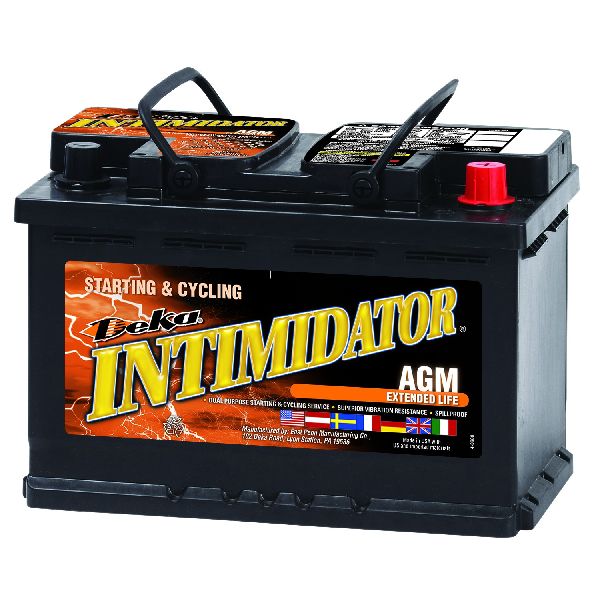
- Low Battery Voltage or Failing Alternator: → Shop Alternator Control modules can behave erratically when system voltage is low. Before complex diagnostics, ensure the battery is healthy (at least 12.6V with engine off) and the alternator is charging correctly (13.8-14.5V with engine on). A Reddit user with a 2016 Verano traced their U0101 and other electrical issues to a failing alternator causing voltage drops.
- Failing Ignition Coil: → Shop Ignition Coil In a forum discussion for the related Chevy Cruze, an owner reported that a failing ignition coil caused intermittent misfires and electrical noise, which led to the U0101 code and StabiliTrak errors. Replacing the ignition coil resolved the issue.
- Faulty Engine Control Module (ECM): → Shop Engine Control Module (ECM) It's possible, though rare, for the fault to lie with the module initiating the communication (the ECM) rather than the one that isn't responding (the TCM). This is more likely if other U-codes, like U0100, are also present.
Diagnosis Steps
- Scan for all diagnostic trouble codes in all vehicle modules. Note if U0101 is alone or present with other communication (U-prefix) codes.
- Check the battery and charging system. Ensure battery voltage is ~12.6V+ (engine off) and alternator output is 13.8-14.5V (engine on).
- Inspect all fuses related to the TCM and ECM in the underhood fuse block. Check for pushed-out or mis-seated fuses.
- Following TSB guidance, locate the main transmission electrical connector. Disconnect it and inspect for any corrosion, moisture, or damaged/pushed-out pins.
- Trace the wiring harness from the connector, especially over the top of the transmission, looking for any signs of chafing or heat damage where it might contact the engine block.
- Locate and verify the TCM ground connections (G106/G107) are clean and tight. This may require removing the ground bolt and cleaning the contact surface to bare metal.
- If accessible, inspect the connectors at the bottom of the underhood fuse block (e.g., connector X3 on the Cruze) for bent or loose pins.
- If all wiring, power, and grounds are confirmed to be good, the issue may be an internal failure of the TCM. This step is best performed by a professional.
- If the TCM is replaced, it will require programming to your vehicle's VIN.
Parts You'll Likely Need
- Transmission Control Module (TCM/TEHCM)
(OEM #24268164)— This is the part to replace if all wiring and connection checks fail. It is the module that has lost communication. Other compatible part numbers include 24265992, 24268169, 24275864, and 24287425.
Trusted brands: ACDelco, Dorman
OEM price range: $500-$750
Aftermarket price range: $250-$500 - Transmission Connector Pigtail — If the connector itself is damaged or corroded beyond cleaning, replacing the pigtail is necessary to ensure a solid connection. A generic pigtail may need to be spliced in.
Trusted brands: ACDelco, Dorman, NAPA Echlin
OEM price range: $40-$80
Aftermarket price range: $20-$50 - Negative Battery Cable
(OEM #22754271)— On platform-mate Chevy Cruzes, a corroded or high-resistance negative battery cable is a known cause of various electrical and communication faults, including U0101.
Related Codes That Often Appear With This One
- U0100 — Lost Communication with ECM/PCM. If both codes are present, it may indicate a more widespread network problem affecting multiple modules.
- U0121 — Lost Communication With Anti-Lock Brake System (ABS) Control Module. Multiple U-codes suggest a systemic CAN bus failure, a bad ground, or a problem at a central communication point like the BCM or fuse block.
- U0140 — Lost Communication With Body Control Module (BCM). This can point to a broader network issue, as the BCM often acts as a gateway for communication between different modules.
Technical Service Bulletins (TSBs) & Recalls
- PIP4990D: Advises technicians to check for U0101 and gather all other codes, pointing to potential causes in wiring, fuse block, grounds (G106, G107), and connectors before replacing the TCM. Supersedes PIP4990C.
- PIP4990C: An earlier version of the bulletin with similar advice, specifically calling out checking terminal pin fit at the transmission connector and underhood fuse block. It lists a wide range of affected GM vehicles including the Verano, Cruze, Sonic, and Malibu.
Platform-Specific Known Issues
- This platform is known for communication issues stemming from poor terminal fit at connectors, as documented in GM TSBs PIP4990C and PIP4990D.
- A real-world owner complaint to the NHTSA for a 2016 Verano with code U0101 was temporarily resolved by physically manipulating the TCM connection, confirming the likelihood of a connection fault.
- A 2016 Verano owner on Reddit experienced a host of issues including U0101, 'service stabilitrak', and 'service power steering' messages, which were ultimately resolved by replacing a failing alternator that was causing low voltage.
Mechanic-Grade Diagnostic Values
- High-Speed CAN Bus Voltage (Key On) — expected: CAN High: ~2.5V (recessive) to ~3.5V (dominant). CAN Low: ~2.5V (recessive) to ~1.5V (dominant).. Failure: Voltages stuck high, low, or at 0V. Voltages that don't mirror each other. CAN Low reading significantly higher than 2.5V can indicate a bad ground at a module.
- CAN Bus Network Resistance (Battery Disconnected) — expected: Approximately 60 Ω between CAN High and CAN Low pins (e.g., pins 6 and 14 at DLC).. Failure: 120 Ω may indicate one terminating resistor is offline or a break in one CAN line. 0 Ω indicates a short between the high and low lines. Infinite resistance indicates an open circuit on both lines.
- TEHCM Pressure Control Solenoid Resistance — expected: 3 - 5 Ω. Failure: Readings significantly outside this range indicate a faulty solenoid.
- TEHCM Shift Solenoid Resistance — expected: 16 - 20 Ω. Failure: Readings significantly outside this range indicate a faulty solenoid.
- TCM Ground Circuit Resistance — expected: Below 0.5 Ω. Failure: Higher resistance indicates a poor ground connection, which can cause communication errors.
Scan Tool Commands That Help
- GDS2 (GM Tech Tool): Automated Solenoid Cleaning — If shifting issues or solenoid performance codes accompany U0101, this function can be used before disassembly. It cycles the solenoids under pressure to attempt to clear debris.
- GDS2 (GM Tech Tool): Transmission Adaptive Values Learn — This procedure MUST be performed after replacing the TEHCM or performing major transmission repairs to ensure proper shift quality and prevent future codes.
- Professional Bidirectional Scanner: Communication Test / Request Data — To confirm the U0101 fault. The tool sends a direct request to the TCM. If no response is received, it confirms the module is offline and the fault is active, not just a stored history code.
Wiring & Ground Locations
- G106 / G107 — In the engine compartment, typically on the frame rail or strut tower area.. These are the primary ground points for the Transmission Control Module. A poor connection here is a common cause of U0101, as specified by GM TSBs.
- 14-Pin Transmission Connector (X1) — On the transmission case where the main vehicle harness connects.. This is the single point of connection for all power, ground, and communication to the TCM. Key pins for testing are: Pin 1 (Battery+), Pin 2 (Ground), Pin 6 (HS GMLAN +), Pin 14 (HS GMLAN -).
- Underhood Fuse Block (X3 Connector, Pin 37 on Cruze) — The fuse block is next to the battery. The specific connector and pin are on the underside of the block.. The fuse block is a central hub for power and data. A bent or corroded pin on a connector underneath the block can interrupt the TCM's power or communication circuit, causing U0101. This is a known, though difficult to spot, failure point.
Real Owner Repair Stories
- YouTube channel 'Pine Hollow Auto Diagnostics' (2014 Chevy Cruze (platform mate)) — Limp mode, will not go over 30-40 mph, multiple warning lights, no communication with TCM on scan tool.
❌ Tried (didn't work) Initial visual inspection found nothing obvious., Confirmed TCM fuse F1 was good.
✅ What actually fixed it A bent pin (terminal 37) was discovered in connector X3 on the underside of the underhood fuse block. Straightening the pin restored communication and fixed the issue. - Reddit user in r/cruze (2014 Chevy Cruze (platform mate)) — Car shifted to 1st gear on the freeway, struggled to move, U0101 code present. Later lost complete power.
❌ Tried (didn't work) Replacing the TCM did not solve the problem.
✅ What actually fixed it The mechanic replaced the entire underhood fuse box. The belief was that there was internal damage or bent pins within the fuse box that was cutting power/communication. This resolved all issues. - Reddit user in r/cruze (Chevy Cruze (platform mate)) — Intermittent StabiliTrak error, blinking check engine light, very rare misfire sensations.
❌ Tried (didn't work) Replacing spark plugs., Cleaning ECM harness connectors.
✅ What actually fixed it Replacing the ignition coil. The failing coil was likely creating electrical interference (noise) on the CAN bus, disrupting communication and causing the U0101 code intermittently.
When the Usual Fixes Don't Work
- While Pass 2 correctly identifies wiring and connectors as the most common cause over a failed TCM, real-world mechanic reports provide a crucial counterpoint to where that wiring fault may be. Instead of being near the transmission itself, multiple documented fixes for the Verano's platform-mate (Chevy Cruze) pinpoint the underhood fuse block as the root cause. In one case, a single bent pin on an underside connector was the culprit, and in another, replacing the entire fuse box was required after a new TCM failed to fix the issue. This suggests that if initial checks at the transmission connector and grounds don't resolve the U0101 code, the next point of inspection should be the fuse block connections before condemning the TCM.
OEM Part Supersession History
Gen 1 TEHCM→Gen 2 TEHCM— Major revision of the 6T40 transmission to improve reliability. Gen 2 TEHCMs do not use pressure switches and instead use a 'Clutch Pulse Learning' strategy.
Heads up: Gen 1 and Gen 2 TEHCMs are NOT interchangeable, even if they physically fit. Installing the wrong generation will result in communication failures (U0101) and shifting problems. Identification is critical: the 8th digit on the TEHCM barcode is a number for Gen 1 and a letter for Gen 2.
Model Year Variations Within This Range
- 2012: The 2012 model year was a transition period for the 6T40 transmission's control module (TEHCM). Early 2012 models may have a 'Gen 1' TEHCM, while models built after mid-2012 (approx. July/August) have a 'Gen 2' TEHCM. The two parts are not interchangeable and have different internal logic and components (Gen 1 has pressure switches, Gen 2 does not). This is a critical distinction when diagnosing or replacing the TCM.
Helpful Videos

We Have This Part in Stock




The information in this article is provided for general reference and educational purposes only. Vehicle specifications, procedures, and part compatibility can vary by production date, trim level, and region. Always consult your vehicle's factory service manual and verify part numbers before purchasing or performing repairs. Safety-critical components such as airbags, seat belts, and braking systems should be installed by a qualified professional.
- Buick VERANO:
- 🧭 Diagnostic Flowchart
- 🎬 Helpful Videos
- 🛍️ Shop This Part
- What's Unique About the 2012-2017 Buick VERANO
- Symptoms You May Notice
- Most Likely Causes
- Rare But Worth Checking
- Diagnosis Steps
- Parts You'll Likely Need
- Related Codes That Often Appear With This One
- Technical Service Bulletins (TSBs) & Recalls
- Platform-Specific Known Issues
- Mechanic-Grade Diagnostic Values
- Scan Tool Commands That Help
- Wiring & Ground Locations
- Real Owner Repair Stories
- When the Usual Fixes Don't Work
- OEM Part Supersession History
- Model Year Variations Within This Range
- 🎟️ Get 5% Off