

U0101 on 2006-2016 Chevrolet Impala: Lost Communication with TCM Causes and Fixes
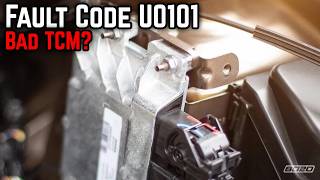
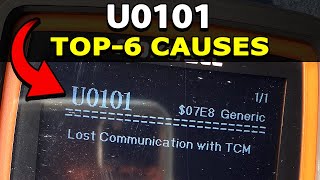
Code U0101 on a 2006-2016 Impala means the car's computers can't talk to the Transmission Control Module (TCM). This often results in limp mode, harsh shifting, and a blank gear indicator. On models with 6-speed automatics, the most common cause is a faulty internal TCM (called a TEHCM), but damaged wiring and corroded connectors are also frequent culprits that should be checked first.
- U0101 on an Impala means the Transmission Control Module (TCM) is offline.
- This is a serious code that makes the vehicle unsafe to drive; expect limp mode and harsh shifting.
- The most likely cause, especially on models with a 6-speed transmission, is a failed TCM located inside the transmission oil pan.
- Before condemning the TCM, always check fuses, battery voltage, and the main transmission wiring connector for damage or corrosion.
- This is not a beginner-friendly DIY repair. Replacing the internal TCM is a complex job that requires special programming.
What's Unique About the 2006-2016 Chevrolet Impala
The 2006-2016 Impala range covers two distinct generations with different transmission setups. The 9th generation (2006-2016 Impala Limited) uses transmissions like the 4T65-E where the TCM is often a separate unit. Later 9th gen and all 10th gen (2014-2016) models use 6-speed automatic transmissions (like the 6T70) where the TCM is integrated into the valve body inside the transmission pan. This internal TCM design, called a TEHCM (Transmission Electro-Hydraulic Control Module), makes it highly susceptible to heat, vibration, and fluid contamination, leading to a high failure rate. This design is shared across many GM platforms of the era, making it a well-documented weak point.
Generation note: This guide covers the 9th generation (2006-2013, and sold as 'Impala Limited' through 2016) and the 10th generation (2014-2016). While the U0101 code has the same meaning, the specific location of the TCM and common failure points differ. On many 9th gen and all 10th gen models with 6-speed transmissions, the TCM is located inside the transmission, making diagnosis and repair more difficult. Early 9th gen models with the 4-speed 4T65-E have an externally accessible TCM.
Symptoms You May Notice
- Check Engine Light is on
- Transmission warning light is on
- Vehicle enters 'limp mode,' limiting speed.
- Harsh or erratic shifting, sometimes with a hard clunk when shifting into reverse.
- Transmission may not shift at all, or get stuck in one gear.
- Gear position indicator (PRNDL) on the dashboard may be blank or incorrect.
- Service StabiliTrak and Traction Control warning lights may appear simultaneously.
- Scan tool is unable to communicate with the TCM.
- Replacing the entire transmission. While the faulty part is *in* the transmission, the transmission's mechanical components are usually fine. Only the control module needs replacement.
- Replacing the ECM. While the ECM will log the U0101 code, it's usually reporting a problem with the TCM, not itself.
Most Likely Causes
- Failed Transmission Control Module (TCM/TEHCM) 🔴 High Probability → Shop Transmission Assembly On models with 6-speed transmissions, the TCM is located inside the transmission (as a TEHCM), where it is exposed to constant heat, vibration, and potentially contaminated fluid, leading to a higher failure rate of its internal electronics. Aftermarket replacements sometimes feature upgraded plastics to better resist these conditions.
How to confirm: After confirming power, ground, and communication wires to the transmission connector are good, the TCM is the likely culprit. A professional scan tool will be unable to communicate with the TCM. A diagnostic technique involves using jumper wires at the transmission connector to bypass the TEHCM; if communication between other modules is restored, the TEHCM is confirmed faulty. As noted in NHTSA ODI #11689100, an owner was advised the TCM was faulty after the car stopped receiving signals to the engine.
Typical fix: Replace the TCM/TEHCM assembly inside the transmission. The new module must be programmed to the vehicle's VIN. Some owners have had success with remanufactured units.
Est. part cost: $300-$700 - Damaged Wiring or Corroded Connector 🟡 Medium Probability The main transmission harness connector is located on the outside of the transmission, exposed to road debris, moisture, and heat. Wires can chafe, and pins in the connector can suffer from fretting corrosion or become contaminated with fluid. GM has issued TSBs for other models, like #08-07-30-021H, which details how fretting corrosion in harness connectors can cause communication codes like U0101.
How to confirm: Visually inspect the main round connector at the transmission for damage, corrosion, or fluid intrusion. Use a multimeter to test for proper power, ground, and continuity on the CAN bus wires between the TCM connector and the ECM. The CAN bus wires should have a resistance of approximately 60 ohms between them (with the battery disconnected).
Typical fix: Clean the connector with electrical contact cleaner and ensure all pins are seated correctly. If pins are damaged, the connector pigtail may need to be replaced. Repair any broken or chafed wires in the harness.
Est. part cost: $20-$150 - Blown Fuse or Power Supply Issue ⚪ Low Probability
How to confirm: Check the vehicle's fuse boxes (both under the hood and inside the cabin) for any fuses labeled TCM, TRANS, or ECM. Use a test light or multimeter to verify the fuses are good and have power.
Typical fix: Replace the blown fuse. If the fuse blows again immediately, it indicates a short circuit in the wiring or the TCM itself that needs to be diagnosed.
Est. part cost: $1-$5 - Low Battery Voltage ⚪ Low Probability → Shop Vehicle Battery
How to confirm: Test the battery voltage with a multimeter. A healthy battery should show approximately 12.6 volts with the engine off and 13.7-14.7 volts with the engine running. Low or unstable voltage can cause unpredictable communication errors between modules.
Typical fix: Charge or replace the battery.
Est. part cost: $150-$250
Rare But Worth Checking
- Faulty Engine Control Module (ECM): → Shop Engine Control Module (ECM) While rare, the ECM is a central node in the communication network. If it fails, it can disrupt communication with other modules, including the TCM.
- CAN Bus Network Fault: A short or open circuit in the CAN bus wiring anywhere in the vehicle can bring down the entire network, causing multiple 'U' codes. This is complex to diagnose and usually requires a professional to trace the wiring between modules.
Diagnosis Steps
- Scan for Codes: Use a quality OBD-II scanner to confirm the U0101 code and see which other modules are reporting it. Note any other 'U' codes, as this can help pinpoint the location of the network failure.
- Check Fuses: Inspect all fuses related to the transmission (TCM, TRANS) and engine control modules (ECM) in both the under-hood and interior fuse panels.
- Check Battery: Verify the battery has a full charge (12.6V+ engine off) and the charging system is working correctly (13.7-14.7V engine on). Low voltage is a common cause of communication faults.
- Inspect Transmission Connector: Locate the main electrical connector on the transmission case. Disconnect it and inspect for bent or corroded pins, and any signs of fluid contamination. Clean with electrical contact cleaner and apply dielectric grease if necessary.
- Test Power and Ground at TCM Connector: Using a wiring diagram for your specific year and model, use a multimeter to check for battery voltage and good ground at the appropriate pins on the transmission connector. Without proper power and ground, the module cannot operate.
- Test CAN Bus Wires: With the battery disconnected, check for resistance between the two CAN bus wires at the TCM connector. It should be around 60 ohms. An open (infinite resistance) or shorted (near zero) reading indicates a wiring problem.
- Professional Diagnosis: If all wiring, power, and grounds are good, the TCM itself is the most likely failure. At this point, professional service is recommended for replacement and programming.
Parts You'll Likely Need
- Transmission Electro-Hydraulic Control Module (TEHCM)
(OEM #e.g., ACDelco 24256861 (Note: This specific P/N is for Allison transmissions but represents the type of component; exact Impala P/N varies by year))— This is the combined Transmission Control Module and valve body solenoid assembly located inside the transmission. It is the most common point of failure for this code on 6-speed models.
Trusted brands: ACDelco (Genuine GM), Dorman (often with upgraded materials)
OEM price range: $500-$700
Aftermarket price range: $300-$500 - Transmission Connector Pigtail — If the external connector is found to be damaged or corroded beyond cleaning, replacing the connector pigtail is necessary to ensure a solid connection.
Trusted brands: ACDelco, Dorman
OEM price range: $50-$100
Aftermarket price range: $25-$60
Related Codes That Often Appear With This One
- U0100 — Lost Communication with ECM/PCM. This can appear in other modules (like ABS or BCM) if the TCM is disrupting the entire network or if there is a general CAN bus fault.
- U0140 — Lost Communication with Body Control Module. This often appears alongside U0101, indicating a wider network communication problem, often originating from the faulty TCM or a shared wiring issue.
- P0700 — Transmission Control System (MIL Request). This is a generic code set by the ECM when the TCM has requested the check engine light to be turned on. It confirms the fault is transmission-related.
Technical Service Bulletins (TSBs) & Recalls
- GM TSB #08-07-30-021H: While not specific to Impala, this bulletin addresses various communication codes, including U0101, caused by fretting corrosion on harness connector terminals across multiple GM vehicles. The diagnostic principles apply directly.
Platform-Specific Known Issues
- On 6-speed automatic models, transmission fluid can sometimes leak past the connector pins and contaminate the harness, causing intermittent connection issues.
- The placement of the TCM inside the transmission (TEHCM) is a known weak point across many GM platforms from this era, not just the Impala. Vehicles like the Acadia, Enclave, and Traverse share this design and failure mode.
Mechanic-Grade Diagnostic Values
- High-Speed GMLAN Bus Resistance — expected: 60 ohms (+/- 5 ohms) when measured across Pins 6 and 14 of the DLC with the battery disconnected.. Failure: A reading of 120 ohms indicates an open in the bus or one of the two terminating resistors has failed. A reading near 0 ohms indicates the CAN High and CAN Low wires are shorted together.
- CAN Bus Voltage (Key On, Engine Off) — expected: CAN High (Pin 6 at DLC) should be ~2.5-3.5V. CAN Low (Pin 14 at DLC) should be ~1.5-2.5V.. Failure: Voltages at 0V or 5V on either line indicate a short or open circuit.
- TCM Power Supply — expected: 12.0 - 12.6V at the TCM power supply pin with the ignition on.. Failure: Significantly lower or no voltage indicates a blown fuse, relay issue, or wiring fault.
- TCM Ground Resistance — expected: Less than 0.5 ohms between the TCM ground pin and the battery negative terminal.. Failure: Higher resistance indicates a poor ground connection, which is a common cause of intermittent communication issues.
Scan Tool Commands That Help
- GDS2 / Tech2: SPS (Service Programming System) — This is required after replacing the TEHCM. The new module must be programmed with the correct software and vehicle VIN for it to function.
- GDS2 / Tech2: Transmission Adaptive Learning Reset — After a new TEHCM is installed and programmed, this function should be performed to allow the new module to learn the specific characteristics of the transmission for optimal shifting.
- Professional Bidirectional Scanner: Module Communication Test / Ping — Used to actively request a response from the TCM. If the scanner can't get a response but all wiring, power, and grounds are confirmed good, it strongly points to an internal TCM/TEHCM failure.
Wiring & Ground Locations
- G101 — Located at the left front of the engine, on the lower block.. This is a primary ground point for the Engine Control Module (ECM) and the Transmission Control Module (TCM). A loose or corroded connection here can directly cause a U0101 code by interrupting the TCM's ground path.
- G111 — Located on the lower left rear of the engine.. This is another critical engine block ground. On some Impala configurations, this ground is shared by control modules, and corrosion or looseness can lead to various electrical faults, including communication codes.
- X500 / X600 Connectors — Located in the driver and passenger side 'A' hinge pillars, connecting the door harnesses to the main body harness.. While not directly for the TCM, water leaks past body plugs can cause corrosion in these major pass-through connectors, potentially disrupting CAN bus signals that run through them and causing widespread communication issues. GM TSB 23-NA-046 discusses this issue.
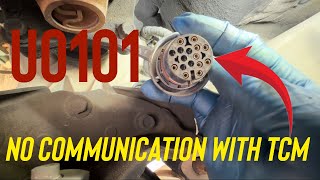
- Transmission Harness Connector — A large, round connector on the outside of the transmission case where the main vehicle harness connects.. This is the single most important connector to inspect. It is exposed to the elements and is a common point for corrosion, pin damage, or fluid intrusion that will sever communication with the internal TEHCM.
Real Owner Repair Stories
- Chevrolet Forum user (2003 Chevrolet Impala (4T65-E Transmission)) — Harsh shifting, transmission going into high-pressure mode.
❌ Tried (didn't work) Initial diagnosis was inconclusive.
✅ What actually fixed it The user identified the EPC (Electronic Pressure Control) solenoid as a common failure point on the 4T65-E that causes similar symptoms. Another user confirmed that solenoid problems were the cause of their identical issue, leading them to replace the vehicle rather than repair it. - NHTSA ODI #11532193 — An owner reported that the car feels like it is accelerating and then jerks, slows down, and makes a "big sound" when putting it into gear, accompanied by code U0101.
- NHTSA ODI #11469509 — A driver experienced simultaneous service StabiliTrak, power steering, and check engine lights with code U0101.
Model Year Variations Within This Range
- 2006-2011: These models primarily used the 4-speed 4T65-E automatic transmission. On these, the TCM is typically a separate, externally mounted module. While the module itself can fail, diagnosis often points to wiring, connectors, or specific internal components like the EPC solenoid.
- 2012-2016: These models transitioned to 6-speed automatic transmissions like the 6T70/6T75. The key difference is the use of an internal TEHCM (Transmission Electro-Hydraulic Control Module), which combines the TCM and valve body solenoids into one unit inside the transmission. This design is known for a higher failure rate due to heat and vibration, making the TEHCM itself the most probable cause for U0101.
Diagnostic Flowchart
Other Known Issues on This Vehicle
Issues unrelated to this code that are worth knowing about as an owner of this generation:
- HVAC Blend Door Actuator Failure 🟠 Medium — Very common across the 9th generation (2006-2013). Owners report a loud clicking or ticking sound from the dashboard as the plastic gears inside the actuator strip. Failure can occur as early as 75,000 miles and may be a recurring issue.
- Intermediate Steering Shaft Clunk 🟡 Low — A common issue on the 9th generation where a clunking noise is heard or felt in the steering wheel, especially during low-speed turns. It is caused by a stick-slip condition in the shaft's sliding joint. (Ref: GM TSB #00-02-35-003E, #01-02-32-001P)
- Excessive Oil Consumption 🔴 High — Primarily affects 9th generation models with the 3.5L and 3.9L V6 engines. Can be caused by worn piston rings or valve seals, leading to engine damage if not monitored closely.
- Transmission Pressure Control Solenoid (PCS) Failure 🔴 High → Shop Transmission Valve Body — Common in early 9th generation models (especially 2006) with the 4T65-E transmission, causing harsh shifting, slipping, and potential transmission failure.
- PassLock Security System Fault 🟠 Medium — A recurring problem where the PassLock anti-theft system malfunctions, preventing the car from starting. This can be intermittent and is a known issue on many GM vehicles of this era.
- Stalling and Power Loss (10th Gen) 🟠 Medium — Some 2014 models have been reported to shudder, lose power, and stall unexpectedly.
Used vs. New Parts: Buying Guide for This Vehicle
When a used part is the smart pick: For early models (2006-2011) with the 4T65-E transmission, a used external TCM from a low-mileage donor vehicle can be a cost-effective option, as it is a simple plug-in replacement and does not always require programming.
Donor-vehicle mileage cap: roughly under 80000 miles for the part to have meaningful remaining life.
What to inspect on the donor part:
- Check for no visible corrosion on connector pins.
- Ensure the part comes from a vehicle that was not involved in a flood.
- Verify the donor vehicle's year and engine match exactly to ensure compatibility.
OEM-only on this vehicle (don't cheap out):
- Transmission Electro-Hydraulic Control Module (TEHCM) for 6-speed models. A used TEHCM is a significant gamble. It is a high-failure-rate part, may have the same internal flaws as the one being replaced, and absolutely requires vehicle-specific programming (SPS) to function, which many shops cannot or will not do on a used part.
Aftermarket brands forum-validated for this vehicle:
- ACDelco (Genuine GM) - The safest, albeit most expensive, option for a TEHCM.
- Dorman - Offers remanufactured TEHCMs, sometimes with design improvements over the original.
- Sonnax - A well-regarded brand that offers remanufactured TEHCMs for GM 6-speed transmissions.
Brands owners have reported issues with on this vehicle:
- Unnamed, no-brand TEHCMs from online marketplaces. These often fail to communicate for programming, arriving 'dead on arrival' and wasting significant time and labor costs for dropping the transmission pan.
Real Owner Stories
Aggregated from forums and TSBs cited above. Mileages and costs reflect what owners reported in those sources.
2013 Chevrolet Impala LTZ
Symptoms: Service StabiliTrak and Service Traction lights appeared, the gear indicator (PRNDL) went blank, and the car experienced a hard clunk when shifting into reverse before entering limp mode.
What fixed it: Diagnosis confirmed a loss of communication with the TCM.
Source hint: Reddit: r/MechanicAdvice - 2013 Impala LTZ U0101 Experience
2016 Chevrolet Impala
Symptoms: TEHCM failure resulting in loss of communication (U0101).
What fixed it: Replacement of the TEHCM assembly with a unit from a remanufacturer (streetsmarttransmission.com).
Source hint: Reddit: r/Chevy - TCM Issues on 2016 Impala
2013 Chevrolet Impala LT
Symptoms: While pulling out of a parking lot, the car went into limp mode and displayed StabiliTrak warnings.
What fixed it: A mechanic diagnosed and repaired a bad TCM wiring harness.
Source hint: Reddit: r/AskMechanics - 2013 Impala U0101 Diagnosis Story
Documented NHTSA Reports
NHTSA ODI #11532193
Symptoms: An owner reported that the car feels like it is accelerating and then jerks, slows down, and makes a "big sound" when putting it into gear.
What fixed it: The vehicle was found to have code U0101.
NHTSA ODI #11689100
Symptoms: The vehicle was not getting any signal to the engine.
What fixed it: The owner was advised that the TCM was faulty after a code of U0101 was found.
NHTSA ODI #11469509
Symptoms: Service StabiliTrak, power steering, and check engine lights appeared simultaneously.
What fixed it: Diagnostic scanning revealed code U0101.
Related OBD-II Codes
Frequently Asked Questions
Why does my 2006-2016 Impala's gear indicator (PRNDL) go blank when the Check Engine Light comes on?
Does GM TSB #08-07-30-021H apply to my Impala's communication issues?
Is the TCM located in the same place on all 2006-2016 Impalas?
Can I replace the TEHCM in my Impala myself, or does it require professional tools?
Why did my Impala suddenly enter 'limp mode' with StabiliTrak and Traction Control lights on?
Helpful Videos

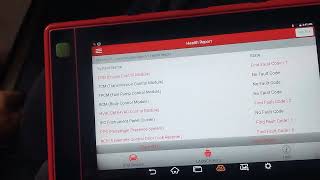
We Have This Part in Stock




The information in this article is provided for general reference and educational purposes only. Vehicle specifications, procedures, and part compatibility can vary by production date, trim level, and region. Always consult your vehicle's factory service manual and verify part numbers before purchasing or performing repairs. Safety-critical components such as airbags, seat belts, and braking systems should be installed by a qualified professional.
- Chevrolet Impala:
- 🧭 Diagnostic Flowchart
- 🎬 Helpful Videos
- 🛍️ Shop This Part
- What's Unique About the 2006-2016 Chevrolet Impala
- Symptoms You May Notice
- Most Likely Causes
- Rare But Worth Checking
- Diagnosis Steps
- Parts You'll Likely Need
- Related Codes That Often Appear With This One
- Technical Service Bulletins (TSBs) & Recalls
- Platform-Specific Known Issues
- Mechanic-Grade Diagnostic Values
- Scan Tool Commands That Help
- Wiring & Ground Locations
- Real Owner Repair Stories
- Model Year Variations Within This Range
- Other Known Issues on This Vehicle
- Used vs. New Parts: Buying Guide for This Vehicle
- Real Owner Stories
- 2013 Chevrolet Impala LTZ
- 2016 Chevrolet Impala
- 2013 Chevrolet Impala LT
- Documented NHTSA Reports
- NHTSA ODI #11532193
- NHTSA ODI #11689100
- NHTSA ODI #11469509
- Related OBD-II Codes
- Frequently Asked Questions
- 🎟️ Get 5% Off