

U0101 on 2008-2014 Dodge Challenger: Lost Communication With TCM Causes and Fixes
This code means your Challenger's main computer has lost contact with the Transmission Control Module (TCM). The most likely causes are a faulty main fuse box (TIPM), a blown fuse, or a wiring issue. Expect to start with simple electrical checks before suspecting a bad module.
- U0101 on a 2008-2014 Challenger is a critical code that makes the car unsafe to drive.
- Before suspecting expensive modules, always check the simple things first: battery voltage and all TCM-related fuses in both the engine bay and trunk.
- The main fuse box (TIPM) is a known weak point. Gently wiggling the module with the key on can be a quick way to see if it's the source of the problem.
- The TCM is located under the driver's side dash, not on the transmission itself, which is important for visual wiring inspections.
- Due to the need for potential programming, replacing the TIPM or TCM is a job best left to a professional.
What's Unique About the 2008-2014 Dodge Challenger
On this generation of Dodge Challenger, and its platform-mates (Dodge Charger, Chrysler 300), a common culprit for electrical and communication codes like U0101 is the Totally Integrated Power Module (TIPM). This unit, which is the main fuse and relay center under the hood, is a well-documented failure point known for internal faults that can cut power or communication to the TCM. While wiring or the TCM itself can be at fault, many owners have traced the problem back to a failing TIPM, making it a key area to investigate. The issue was so widespread across Chrysler vehicles that it resulted in a class-action lawsuit.
Symptoms You May Notice
- Check Engine Light is on
- Transmission warning light is illuminated
- Vehicle is stuck in 'limp mode' (usually 2nd or 3rd gear)
- Harsh, erratic, or no shifting
- Inability to shift out of Park
- The gear position indicator (PRNDL) on the dash is blank or incorrect
- Vehicle may not start (no crank)
- ESP/BAS warning lights may illuminate
- Replacing the entire transmission when the fault is purely electrical.
- Replacing the TCM module when the actual problem is a bad fuse, faulty TIPM, or a simple wiring issue.
Most Likely Causes
- Faulty Totally Integrated Power Module (TIPM) 🔴 High Probability → Shop Fuse Box The TIPM on this era of Chrysler/Dodge vehicle is a well-documented failure point, leading to a class-action lawsuit (Velasco et al. v. Chrysler Group LLC). Internal circuit board issues or relay failures can interrupt power or communication signals to various modules, including the TCM.
How to confirm: With the key on, gently wiggle or tap the TIPM and its connectors in the engine bay. If this action causes the symptoms to appear/disappear, or if you hear clicking from transmission solenoids, the TIPM is likely faulty. A technician can also perform a voltage drop test on the power feeds from the TIPM to the TCM circuit. A complete inability for a scan tool to see multiple modules often points to the TIPM.
Typical fix: Replacement of the TIPM. This part is VIN-specific and typically requires programming by a dealership. Some aftermarket companies offer repair services or more robust replacement units.
Est. part cost: $400-$1200 - Blown Fuse or Faulty Relay 🟡 Medium Probability Electrical spikes or shorts can cause fuses to blow, cutting power to the TCM. This is a common and simple failure point in any modern vehicle.
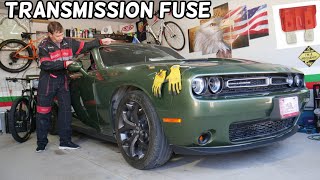
How to confirm: Visually inspect and test the fuses related to the TCM. In the under-hood fuse box (TIPM), check fuses #29 and #37. In the trunk fuse box (located next to the battery), check fuse #26, though its presence may vary by model and options. Use a multimeter to ensure they have continuity. If a fuse is good, 🎬 See this video for a quick TCM fuse location guide. swap the TCM relay with a known good one.
Typical fix: Replace the blown fuse. If the fuse blows again immediately, it indicates a short circuit in the wiring that needs to be diagnosed.
Est. part cost: $1-$10 - Wiring or Connector Issue 🟡 Medium Probability The wiring harness can be subject to damage from heat, vibration, or abrasion. Connectors can also become loose or corroded over time, especially those exposed to the elements.
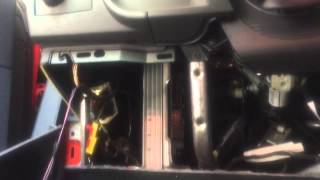
How to confirm: Visually inspect the wiring harness leading to the Transmission Control Module. On these Challengers, the TCM is located under the driver's side dashboard, above the knee bolster. 🎬 Watch: How to access the TCM under the dashboard. Check for any signs of chafing, melting, or corrosion on the pins of the TCM connectors and the main TIPM connectors. Pay close attention to the CAN bus wires (often a twisted pair) for any damage.
Typical fix: Repair the damaged section of wiring or replace the corroded connector pigtail. Cleaning corroded pins with an electrical contact cleaner can sometimes resolve the issue.
Est. part cost: $10-$150 - Failed Transmission Control Module (TCM) ⚪ Low Probability → Shop Transmission Assembly While less common than TIPM or wiring faults, the TCM can fail due to internal electronic issues, sometimes exacerbated by cold weather as reported by some owners.
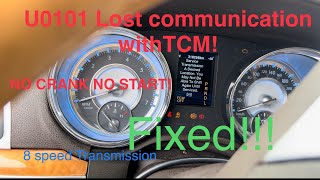
How to confirm: This is typically diagnosed by exclusion. If the TIPM, all fuses, and all wiring (power, ground, and CAN bus lines) have been tested and confirmed to be good, the TCM itself is the likely point of failure. 🎬 Watch: Troubleshooting a no-start condition caused by U0101 codes. A professional scan tool will be unable to establish communication with the TCM, even when directly connected.
Typical fix: Replace the Transmission Control Module. The new module will require programming to the vehicle's VIN.
Est. part cost: $300-$900
Rare But Worth Checking
- Low Battery Voltage or Failing Alternator: → Shop Alternator Control modules can malfunction and stop communicating if system voltage drops too low. Before diving into complex diagnostics, ensure the battery is fully charged (above 12.4V with engine off) and the alternator is charging correctly (13.5-14.5V with engine on). Failing alternators are a noted issue on 2011-2013 Challengers.
Diagnosis Steps
- Check Battery Health: Using a multimeter, verify the battery has at least 12.4 volts with the engine off and that the alternator is charging between 13.5 and 14.5 volts with the engine running.
- Scan for All Codes: Use an OBD-II scanner to check for any other 'U' codes. Multiple communication codes point towards a network-wide issue (like the TIPM) rather than just a TCM problem.
- Inspect Fuses: Check the TCM-related fuses. In the under-hood TIPM, inspect fuses #29 and #37. In the trunk fuse box, inspect fuse #26. Replace if blown.
- Perform TIPM 'Wiggle Test': With the ignition on, carefully wiggle the TIPM module and its large electrical connectors. Listen for any clicking from the transmission or watch for the check engine light to flicker. If wiggling causes a change, the TIPM is likely faulty.
- Inspect TCM Connectors: Access the TCM by removing the panel under the steering column. Disconnect the TCM connectors and inspect for any corrosion, moisture, or bent/damaged pins.
- Test TCM Power and Ground: With the help of a wiring diagram for your specific year and engine, use a multimeter to verify that the TCM is receiving proper power and has a solid ground connection at its connector.
- Professional Diagnosis: If the above steps do not identify the fault, the issue is likely a failed TCM or a complex break in the CAN bus wiring, which requires professional diagnostic tools (like an oscilloscope) to trace.
Parts You'll Likely Need
- Totally Integrated Power Module (TIPM)
(OEM #68244884AA, 04692322 (Varies significantly by year/options, must verify with VIN))— This is a common failure point on 2008-2014 Challengers that can cause a loss of communication with the TCM.
Trusted brands: Mopar (OEM)
OEM price range: $700-$1200
Aftermarket price range: $400-$800 (Remanufactured) - Transmission Control Module (TCM)
(OEM #Varies by year and transmission type, must verify with VIN.)— If all power, ground, and network wiring checks out, the module itself may have failed internally.
Trusted brands: Mopar (OEM)
OEM price range: $500-$900
Aftermarket price range: $300-$600 (Remanufactured) - Fuses — A simple blown fuse can cut power to the TCM, causing a total loss of communication.
Trusted brands: Bussmann, Littlefuse
OEM price range: $1-$5
Aftermarket price range: $1-$5
Related Codes That Often Appear With This One
- U0100 — Lost Communication with ECM/PCM. If both the engine and transmission modules are losing communication, it points more strongly to a network-wide issue, such as a faulty TIPM or a problem on the main CAN bus wiring.
- U0140 — Lost Communication with Body Control Module. The presence of multiple 'U' codes suggests a systemic network problem rather than an isolated TCM failure.
- U0002 — CAN C Bus Off Performance. This code indicates a high error rate on the main communication network, which can cause other modules like the TCM to lose communication. This should be diagnosed first.
Technical Service Bulletins (TSBs) & Recalls
- While no TSB is a direct fix for U0101 on this specific platform, TSB 08-021-08 was released for earlier LX-platform vehicles for reprogramming modules to address CAN bus communic
- Manufacturer TSB Bulletin #1801122 notes that a technician may find U0101 (Lost Communication With TCM) along with other communication codes like U0102 or U0103 during investigation of Malfunction Indicator Lamp (MIL) illumination.
Platform-Specific Known Issues
- The Totally Integrated Power Module (TIPM) is a known weak point and can fail internally, leading to a U0101 code by cutting power or communication to the TCM. This was the subject of a major class-action lawsuit against Chrysler (FCA).
Mechanic-Grade Diagnostic Values
- CAN Bus Network Resistance — expected: Approximately 60 Ohms with the battery disconnected.. Failure: A reading of 120 Ohms indicates one of the two terminating resistors (or the wiring to it) is offline. A reading significantly less than 60 Ohms suggests a short between the CAN high and CAN low wires.
- CAN Bus Voltage (Key On, Engine Off) — expected: CAN High (D64) and CAN Low (D65) should both show approximately 2.5V. When communicating, CAN High will toggle up to ~3.5V and CAN Low will toggle down to ~1.5V.. Failure: Voltages stuck high or low, or no voltage, indicates a short to power or ground on the bus.
- NAG1 Transmission Solenoid Resistance (from TCM connector) — expected: Line Pressure Solenoid (Pins 38 to 36): ~5.5 Ohms. Shift Solenoids (e.g., 2-3 shift, pins 38 to 16): ~4.5 Ohms. Lock-up Clutch Solenoid (Pins 38 to 17): ~2.7 Ohms.. Failure: Readings that are open (infinite resistance) or shorted (zero resistance) indicate a failed solenoid or wiring issue in the conductor plate.
- TCM Ground Circuit Resistance — expected: Less than 5.0 Ohms between the TCM ground pin and a known good chassis ground.. Failure: High resistance indicates a corroded or loose ground connection, which can cause the module to malfunction.
Scan Tool Commands That Help
- WiTech (Chrysler/Dodge Dealer Tool): Network View / Topology — This function shows all modules on the CAN bus and their communication status (active, inactive, missing). For a U0101, it can instantly confirm if the TCM is the *only* module offline, or if multiple modules are down, which would point to a network-wide issue like a bad TIPM or wiring fault.
- WiTech (Chrysler/Dodge Dealer Tool): Restore Vehicle Configuration — After replacing a major module like the TIPM or TCM, this function is used to program the new module with the vehicle's specific options and VIN. A used module may not function correctly or at all until this is performed.
- High-end OBD-II Scanner: Clear Adaptive Memory / Transmission Reset — After a repair, this can be used to reset the transmission's learned shift patterns. While not a direct fix for a U0101, it's a necessary step after resolving the communication issue to ensure proper shifting. Some non-dealer tools offer this.
Wiring & Ground Locations
- TCM (Transmission Control Module) — Located under the driver's side dashboard, typically above the pedals and knee bolster.. This is the module that has lost communication. Checking its connectors for corrosion, damage, or being unplugged is a primary diagnostic step.
- CAN Bus Splice Pack / Star Connector — There are multiple. A key one is located behind the glove box. Another may be found in the passenger side kick panel area. These blocks are where the CAN bus wires from various modules join together.. A loose connection, corrosion, or wiring fault at this central junction can take down the entire network or specific segments, causing codes like U0101. Technicians often isolate modules here to find the source of a network fault.
- G100 / G101 — G100 is on the left front of the engine compartment; G101 is on the right front.. These are major engine compartment grounds. A loose or corroded ground here can cause unstable voltage to critical modules like the TIPM and PCM, leading to communication errors.
- TIPM (Totally Integrated Power Module) — The main fuse box located on the passenger side of the engine compartment.. This module powers the TCM. A failure inside the TIPM is a very common cause of U0101 on this platform.
Real Owner Repair Stories
- ScannerDanner Forum user (Vehicle with no-crank, no communication with ECM or TCM.) — No crank, no communication with engine or transmission modules.
❌ Tried (didn't work) Initial checks showed abnormal CAN bus resistance readings when the TCM was connected.
✅ What actually fixed it The problem was confirmed to be an internal failure of the TCM. The user disconnected the suspect (used) transmission's TCM, temporarily connected the vehicle's old TCM, and the network resistance returned to a normal 60 ohms and the engine started. This proved the replacement TCM was faulty. - 2CarPros Forum user (2009 Dodge Challenger, 5.7L V8) — Limp mode, U0101 code returned shortly after clearing.
❌ Tried (didn't work) Swapping the auto shutdown relay multiple times did not resolve the issue.
✅ What actually fixed it The final advice from the expert, after confirming the relevant fuse had power, was to suspect the TCM itself. The recommended action was to unplug, inspect the connector for corrosion, and if clean, replace the TCM.
OEM Part Supersession History
68105528AA→68105528AB, 68105528AC, 68105528AD— Revisions and updates to the TIPM for the 2013 model year.
Heads up: Part numbers for TIPMs are extremely specific to the vehicle's year and options. Using the wrong part number can lead to features not working or the vehicle not starting. Always verify the correct part number with the VIN.
Model Year Variations Within This Range
- 2011-2014: The 2011 model year received a significant interior and electrical refresh. While the core issue of TIPM failures persists, wiring diagrams and some module locations may differ from the 2008-2010 models. The V6 engine was updated to the 3.6L Pentastar, which uses different engine control logic compared to the earlier 3.5L.
- 2008-2014 (NAG1 Transmission): Most V8 models in this range used the Mercedes-designed NAG1 (W5A580) 5-speed automatic. The TCM for this transmission is a separate module located inside the cabin. Diagnostics can involve checking the conductor plate and solenoids within the transmission, which can be tested from the TCM connector.
Diagnostic Flowchart
Other Known Issues on This Vehicle
Issues unrelated to this code that are worth knowing about as an owner of this generation:
- Front Tension Strut Failure 🔴 High — Very common, often failing around 50,000-100,000 miles. Symptoms include a clunking or knocking noise from the front suspension when going over bumps.
- Water Leak into Trunk 🟠 Medium — Commonly reported issue where water enters the trunk, often pooling in the spare tire well. Caused by bad taillight seals, trunk lid seals, or failed body seams. Can damage the battery and rear fuse box.
- Alternator Failure 🔴 High → Shop Alternator — A widely reported problem, especially on 2011-2013 models, where the alternator can fail prematurely, sometimes causing the vehicle to stall while driving. (Ref: Recall P60 (NHTSA 14V-634) was issued for some models.)
- HEMI Lifter/Camshaft Failure ('Hemi Tick') 🔴 High — Applies to V8 models. A ticking noise from the engine, especially at idle, can be a sign of a failing lifter roller, which can then damage the camshaft. Can be caused by extended oil change intervals or periods of inactivity.
- Cracked Exhaust Manifold Bolts 🟠 Medium — Common on 5.7L HEMI engines. The bolts, particularly on the passenger side, can break, causing an exhaust leak. This results in a ticking noise at startup that may go away as the engine warms up.
Used vs. New Parts: Buying Guide for This Vehicle
When a used part is the smart pick: A used TIPM from a reputable salvage yard can be a cost-effective option, as they are often plug-and-play if the part number is an exact match. However, given the high failure rate of the original units, you risk buying a part that has the same inherent defect. A used TCM is generally not recommended unless you have access to dealer-level programming tools.
Donor-vehicle mileage cap: roughly under 80000 miles for the part to have meaningful remaining life.
What to inspect on the donor part:
- For a TIPM, ensure the part number is an exact match to your original.
- Inspect all connector pins for corrosion, discoloration, or damage.
- Check the plastic housing for any signs of melting, cracking, or water intrusion.
- Ask for the donor vehicle's VIN to verify its options and build date if possible.
OEM-only on this vehicle (don't cheap out):
- Transmission Control Module (TCM) - While remanufactured units exist, a new OEM module programmed by a dealer offers the highest chance of success. Used TCMs almost always require VIN programming with a WiTech tool to function, and may not be flashable to the correct software version for your vehicle.
Aftermarket brands forum-validated for this vehicle:
- Circuit Board Medics (Repair Service for TIPM)
- TIPM Rebuilders (Remanufactured TIPMs)
Brands owners have reported issues with on this vehicle:
- Dorman (for TIPM) - While a major brand, owner reviews are mixed. Some report success, while others experience premature failure or issues with features not working correctly after installation. It is often a remanufactured OEM unit, but quality control can be inconsistent.
Real Owner Stories
Aggregated from forums and TSBs cited above. Mileages and costs reflect what owners reported in those sources.
2009 Dodge Challenger
Symptoms: Vehicle entered limp mode with code U0101. Discussion suggested checking the ASD relay and fuse #2 in the TIPM.
What fixed it: The diagnosis highlighted that if the fuse and relay are good, the TIPM itself is the common root cause of the communication failure.
Source hint: 2CarPros forum discussion titled '2009 Dodge Challenger Code U0101, TCM Lost Communication'
2012 Chrysler 300 (LX Platform)
Symptoms: No-start condition and U0101 code (Lost Communication with TCM).
What fixed it: Traced to a break in the power wire between the front fuse box (TIPM) and the TCM. The owner ran a new wire to bypass the break.
Source hint: YouTube video 'No Crank No Start! U0101 FIX! Lost Communication with TCM Chrysler 300'
3.5L V6 LX Platform Car
Symptoms: Intermittent U0101 code occurring only in cold weather (below 50°F), resulting in no throttle response while in gear.
What fixed it: The owner suspected an internal TCM fault sensitive to temperature after performing detailed voltage and resistance checks on the TCM harness.
Source hint: DodgeForum.com thread 'U0101 - Lost Communication With TCM'
Related OBD-II Codes
Frequently Asked Questions
Where is the Transmission Control Module (TCM) located on my 2008-2014 Dodge Challenger?
Which fuses should I check for a U0101 code on this vehicle?
Is there a known issue with the TIPM causing communication codes like U0101?
Can cold weather cause my Challenger to throw a U0101 code?
Does TSB 08-021-08 apply to my Challenger's U0101 issue?
What is the 'Wiggle Test' for the TIPM?
Related OBD-II Codes
Frequently Asked Questions
Where is the Transmission Control Module (TCM) located on my 2008-2014 Dodge Challenger?
Which fuses should I check for a U0101 code on this vehicle?
Is there a known issue with the TIPM causing communication codes like U0101?
Can cold weather cause my Challenger to throw a U0101 code?
Does TSB 08-021-08 apply to my Challenger's U0101 issue?
What is the 'Wiggle Test' for the TIPM?
Helpful Videos
Used OEM Parts in Stock
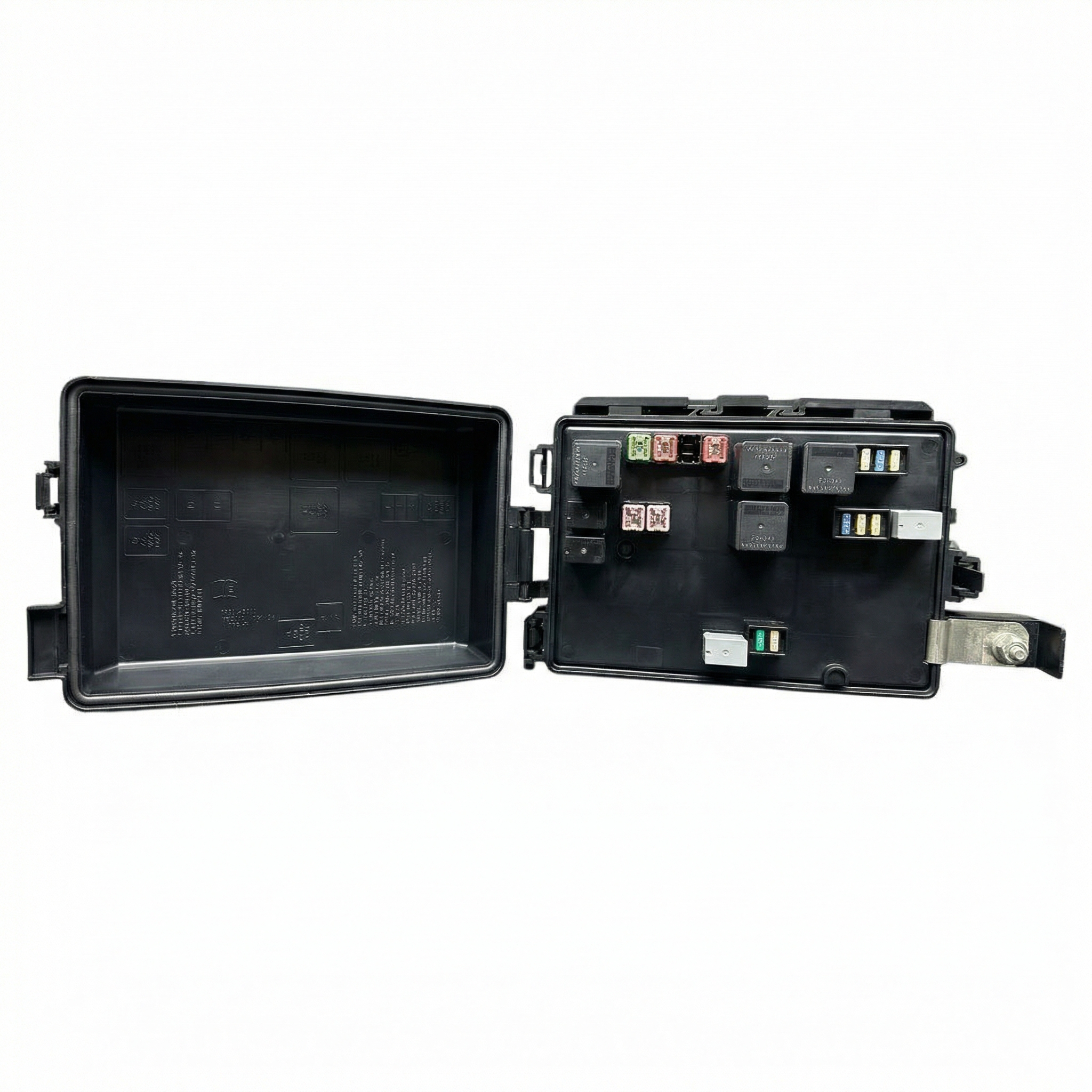
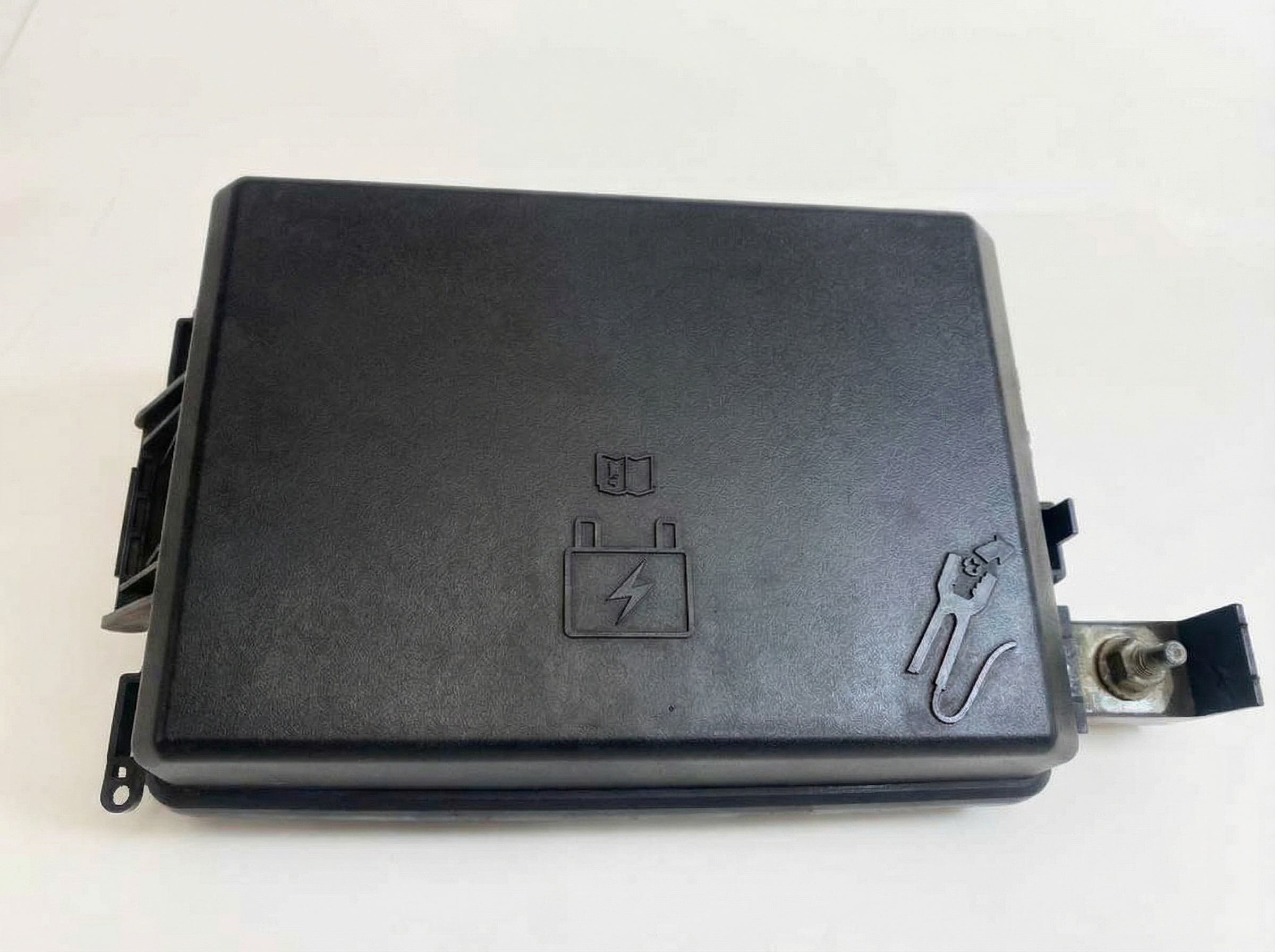
New Aftermarket Parts Available

The information in this article is provided for general reference and educational purposes only. Vehicle specifications, procedures, and part compatibility can vary by production date, trim level, and region. Always consult your vehicle's factory service manual and verify part numbers before purchasing or performing repairs. Safety-critical components such as airbags, seat belts, and braking systems should be installed by a qualified professional.
- Dodge Challenger:
- 🧭 Diagnostic Flowchart
- 🎬 Helpful Videos
- 🛍️ Shop This Part
- What's Unique About the 2008-2014 Dodge Challenger
- Symptoms You May Notice
- Most Likely Causes
- Rare But Worth Checking
- Diagnosis Steps
- Parts You'll Likely Need
- Related Codes That Often Appear With This One
- Technical Service Bulletins (TSBs) & Recalls
- Platform-Specific Known Issues
- Mechanic-Grade Diagnostic Values
- Scan Tool Commands That Help
- Wiring & Ground Locations
- Real Owner Repair Stories
- OEM Part Supersession History
- Model Year Variations Within This Range
- Other Known Issues on This Vehicle
- Used vs. New Parts: Buying Guide for This Vehicle
- Real Owner Stories
- 2009 Dodge Challenger
- 2012 Chrysler 300 (LX Platform)
- 3.5L V6 LX Platform Car
- Related OBD-II Codes
- Frequently Asked Questions
- Related OBD-II Codes
- Frequently Asked Questions
- 🎟️ Get 5% Off