

U0101 on 2009-2016 Mercedes-Benz E-Class: Lost Communication With TCM Causes and Fixes
On a 2009-2016 E-Class, code U0101 almost always points to a failure of the transmission conductor plate, which houses the Transmission Control Module (TCM). This is a well-documented issue on the 7G-Tronic (722.9) transmission. The repair requires removing the transmission's valve body to replace the conductor plate. Expect costs to range from $700 for a repair service to over $2,200 for a dealer replacement, as the new part requires special online SCN programming.
- U0101 on a 2009-2016 E-Class is a serious code indicating a loss of communication with the transmission's control module.
- The most probable cause is a failed electronic conductor plate inside the transmission, a known weak point on these models.
- Symptoms are severe and include the vehicle going into 'limp mode' or not shifting at all, making it unsafe to drive.
- Repair requires removing the transmission pan and valve body, replacing the conductor plate, and programming the new part to the car, making it a job for a professional shop.
- Before condemning the conductor plate, always check the battery voltage and TCM-related fuses first, as these are simpler potential causes.
What's Unique About the 2009-2016 Mercedes-Benz E-Class
The 2009-2016 E-Class primarily uses the 7G-Tronic (722.9) automatic transmission. A widespread and well-documented issue with this transmission is the failure of the electronic conductor plate. This component, located inside the transmission on top of the valve body, contains the entire Transmission Control Module (TCM) and various speed sensors. Due to constant heat cycles and vibration, the delicate electronics on this plate, particularly the plastic-molded turbine and internal speed sensors (Y3/8n1 and Y3/8n2), are prone to failure. This makes conductor plate failure the most common reason for a U0101 code on this specific vehicle, far more so than simple wiring or fuse issues.
Generation note: The 2009-2016 range covers the end of the W211 generation (2009) and the entire W212/C207 generation (2010-2016). Both generations can be equipped with transmissions (like the 722.6 and 722.9) known for conductor plate issues, so the primary cause is relevant to the full year range. The 722.9 transmission was used extensively from 2004 through the 2010s.
Symptoms You May Notice
- Vehicle enters "limp mode," getting stuck in a single gear (often 2nd gear).
- Check Engine Light is illuminated.
- Transmission warning message appears on the dashboard, e.g., "Transmission Malfunction – Visit Workshop" or "Drive to Workshop Without Changing Gear".
- Harsh, erratic, or delayed shifting.
- Extremely hard engagement when shifting from Park to Drive or Reverse.
- Inability to shift out of Park or Neutral.
- Gear selector indicator on the dash may go blank or show incorrect information.
- Vehicle may crank but fail to start because the engine computer can't confirm the transmission is in Park or Neutral.
- Replacing the entire transmission. The U0101 code is an electrical communication fault, not a mechanical failure. While the fix is internal to the transmission, the transmission itself is usually mechanically sound.
- Replacing the valve body. While the conductor plate is attached to the valve body, the valve body itself is a mechanical-hydraulic unit and is typically not the cause of a U0101 code. The fault is in the electronic plate on top of it. However, for some early VGS1 conductor plates, Mercedes requires replacement of the valve body and conductor plate as a single assembly.
Most Likely Causes
- Failed Transmission Conductor Plate (TCM) 🔴 High Probability → Shop Transmission Assembly The TCM is integrated into the conductor plate (also known as the VGS), which lives inside the hot transmission fluid. Constant exposure to heat and vibration causes internal electronic components, particularly the plastic-molded speed sensors (Y3/8n1 and Y3/8n2), to fail and break contact. This is a very common failure on the 7G-Tronic (722.9) transmission. There are multiple versions (VGS1, VGS2, VGS3), but all are susceptible.
How to confirm: A Mercedes-specific scan tool (like DAS/Xentry) is needed to check for communication with the TCM. If the tool cannot communicate with the TCM at all, it's a strong indicator. Often, specific fault codes for internal speed sensors (e.g., 0717, 0718, 2767, 2768) will be present alongside the U0101, directly pointing to conductor plate failure.
Typical fix: The transmission fluid pan and valve body must be removed to access and replace the conductor plate. The new conductor plate must be SCN-coded (programmed) to the vehicle's VIN. This can be done by a dealer or a specialized independent shop with a VSP license. Alternatively, the original unit can be sent to a specialist for repair (e.g., replacing the faulty sensors), which often doesn't require re-coding.
Est. part cost: $250-$1200 - Low Battery Voltage or Faulty Charging System 🟡 Medium Probability → Shop Vehicle Battery Complex electronic modules in Mercedes-Benz vehicles are sensitive to voltage fluctuations. A weak battery or failing alternator can cause intermittent communication dropouts between modules, triggering U-codes, especially during engine cranking.
How to confirm: Test the battery voltage with the engine off (should be >12.4V) and with the engine running (should be 13.7V-14.5V). Check battery terminals for corrosion and tightness. Perform a load test on the battery.
Typical fix: Charge or replace the battery. If the charging voltage is low, diagnose and replace the alternator.
Est. part cost: $150-$400 - Damaged Wiring or Contaminated Connector ⚪ Low Probability The main transmission harness connector at the bell housing can sometimes leak transmission fluid up into the pins, causing corrosion and poor connections. This was more common on the older 722.6 transmission but can still occur on the 722.9, leading to communication issues.
How to confirm: Visually inspect the main round electrical connector on the transmission. Disconnect it and check for any signs of red transmission fluid, moisture, or corroded pins. Trace the harness for any signs of physical damage or chafing.
Typical fix: If fluid is present, replace the connector's O-rings and thoroughly clean the connector pins and harness plug with electrical contact cleaner. If the harness is saturated, it may need replacement.
Est. part cost: $15-$50
Rare But Worth Checking
- Blown Fuse for TCM: Always a simple first check. A blown fuse will completely cut power to the module, causing a total loss of communication. Check the fuse charts for your specific model year.
- Faulty Engine Control Module (ECM) or Central Gateway Module (CGW): → Shop Engine Control Module (ECM) While rare, the fault could lie with the module that is trying to communicate with the TCM, not the TCM itself. This is unlikely and should only be considered after all other possibilities are exhausted and confirmed with advanced diagnostics.
Diagnosis Steps
- Check Battery Health: First, ensure the battery voltage is stable and correct (>12.4V engine off, >13.7V engine on). A low or unstable voltage is a common cause for communication codes.
- Scan with a Mercedes-Specific Tool: Use a diagnostic tool like Xentry/DAS to attempt communication with the Transmission Control Module. A generic OBD-II scanner will only show the U0101 code, but a specific tool can confirm if the TCM is truly offline and check for other revealing fault codes.
- Check Fuses: Locate and inspect the fuses related to the Transmission Control Module in the vehicle's fuse boxes (engine bay and trunk).
- Inspect Transmission Electrical Connector: Locate the main harness connector on the transmission housing. Disconnect it and carefully inspect for any signs of oil contamination, moisture, or corrosion on the pins.
- Confirm Conductor Plate Failure: If the battery, fuses, and connector are good, and the specialized scan tool shows speed sensor faults (like 0717, 0718, 2767, 2768) or cannot communicate with the TCM at all, the conductor plate has almost certainly failed.
- Test CAN Bus Wires: For advanced diagnosis, a technician can check for correct voltage (approx. 2.5V on each CAN line) and resistance (approx. 60 ohms between CAN High and CAN Low) at the TCM connector to rule out a wiring break.
Parts You'll Likely Need
- Transmission Conductor Plate / TCM
(OEM #A0034460310 (VGS3), A0335457332 (VGS2))— This is the electronic 'brain' of the transmission and the most common failure point for this code on the 722.9 transmission. It contains the speed sensors that typically fail. There are multiple versions (VGS1, VGS2, VGS3); the correct part depends on the vehicle's VIN.
Trusted brands: Mercedes-Benz (OEM), Bosch, Refurbished/Repair Service (e.g., UpFix, The ECU Pro)
OEM price range: $600-$1200
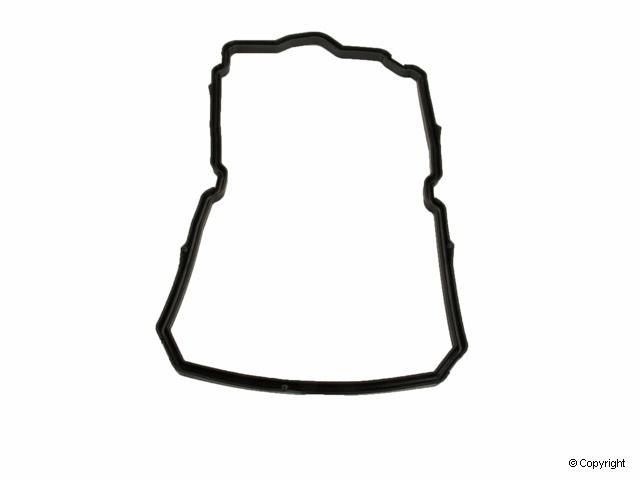
Aftermarket price range: $250-$700 (Includes repair services) - Transmission Filter and Pan Gasket Kit — These must be replaced whenever the transmission pan is removed to access the conductor plate. Often included in service kits.
Trusted brands: Mercedes-Benz (OEM), Febi Bilstein, Vaico, FCP Euro Kit
OEM price range: $50-$100
Aftermarket price range: $30-$70 - 7G-Tronic Transmission Fluid (ATF)
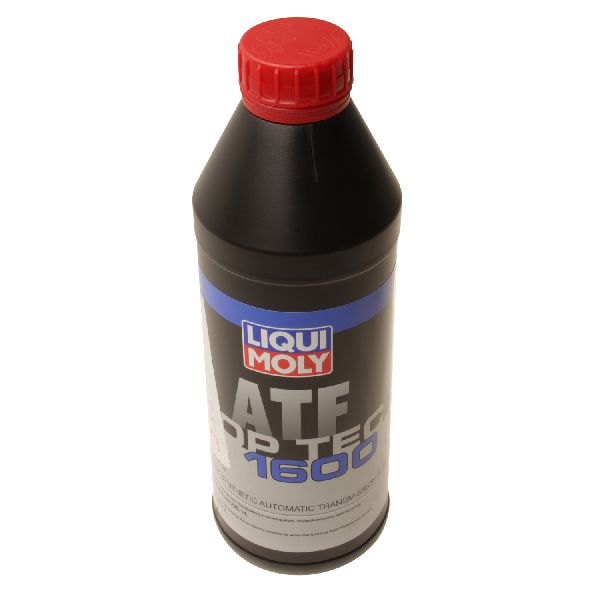
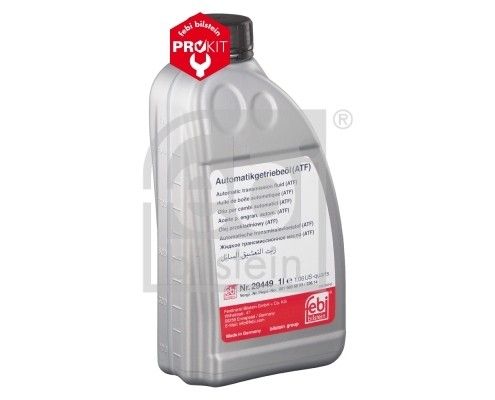
(OEM #ATF 134 FE (Blue, MB 236.15) or ATF 134 (Red, MB 236.14))— The correct fluid must be replenished after dropping the pan. The type depends on the specific transmission version (A89 option code). Using the wrong fluid can cause damage.
Trusted brands: Mercedes-Benz (OEM), Fuchs Titan, Shell, Liqui Moly
OEM price range: $20-$30 per liter
Aftermarket price range: $10-$20 per liter
Related Codes That Often Appear With This One
- 0717 — This code means 'The signal from component Y3/8n1 (Turbine speed sensor (VGS)) is not available,' directly indicating a common internal failure of the conductor plate.
- 0718 — This code means 'Component Y3/8n1 (Turbine speed sensor (VGS)) is defective,' another specific code pointing to a failed conductor plate.
- 2767 — This code means 'The signal from component Y3/8n2 (Internal speed sensor (VGS)) is not available,' pointing to the failure of another sensor integrated into the conductor plate.
- 2768 — This code means 'Component Y3/8n2 (Internal speed sensor (VGS)) is defective,' another specific code pointing to a failed conductor plate.
Technical Service Bulletins (TSBs) & Recalls
- LI27.19-P-055397 - While not directly for U0101, this TSB addresses issues with the 722.9 transmission related to the electrohydraulic controller (conductor plate), often involving software updates or replacement for shifting complaints that are precursors or related to the electronic failure.
Mechanic-Grade Diagnostic Values
- CAN Bus Resistance (Powertrain CAN-C) — expected: Approximately 60 Ω. Failure: A reading of 120 Ω indicates a break in the bus or a missing terminating resistor. A reading near 0 Ω indicates a short between CAN High and CAN Low. A very high reading (Megaohms) indicates an open circuit.
- CAN Bus Voltage (CAN High and CAN Low) — expected: CAN High: ~2.7V, CAN Low: ~2.3V (Key On, Engine Off). Both voltages should mirror each other during data transmission.. Failure: A line stuck high (e.g., 5V) or low (0V) indicates a short to power or ground. No voltage indicates an open circuit.
- ATF Temperature Sensor Resistance (on Conductor Plate) — expected: 800-1200 Ω at 20°C (68°F). Failure: A reading significantly outside this range indicates a faulty temperature sensor within the conductor plate.
Hidden / Shadow Codes Worth Checking
- 1994, 1974, 1922, C103: These are codes related to the Intelligent Servo Module (ISM / A80). While not directly TCM codes, a failing ISM can disrupt the drivetrain CAN bus, potentially leading to a U0101 code being logged by other modules. They indicate internal faults or communication loss with the ISM itself. (see via A Mercedes-specific diagnostic tool like Xentry/DAS is required to read codes from the ISM and other chassis modules.)
Scan Tool Commands That Help
- Xentry/DAS: Initial start-up of control module — This function is required after installing a new or virginized conductor plate. It writes the vehicle's VIN to the module, allowing it to be recognized on the CAN bus.
- Xentry/DAS (with online connection): SCN Coding (Software Calibration Number) — After the initial start-up, SCN coding must be performed. This downloads vehicle-specific software and coding from Mercedes' servers to the new conductor plate, personalizing it to the car's exact configuration. This is a mandatory step for a new OEM part to function.
- Xentry/DAS: Read event memory — Before condemning the conductor plate, reading the event memory in the TCM (if accessible) can reveal specific internal faults, like those for speed sensors (0717, 2767, etc.), which confirm the diagnosis.
Wiring & Ground Locations
- X30/5 and X30/19 — In the W212 E-Class, these CAN C (Drivetrain CAN) distribution blocks are located in the passenger side footwell, under the carpet along the door sill.. These blocks are central connection points for the drivetrain CAN bus, which the TCM uses to communicate. Corrosion from water intrusion in this area or a loose connection can interrupt communication for all connected modules, including the TCM, causing a U0101.
- A80 (Intelligent Servo Module - ISM) — Bolted to the driver's side of the transmission housing.. The ISM is another critical node on the drivetrain CAN bus. A failure of this module can disrupt the entire network, causing other modules like the ECU to lose communication with the TCM and log a U0101 code.
- Y3/8n4 (VGS / Conductor Plate) — Inside the transmission, bolted to the top of the valve body.. This is the location of the TCM itself. The main 13-pin electrical connector passes through the transmission case to connect the internal VGS to the vehicle's main wiring harness.
Real Owner Repair Stories
- MBWorld.org Forums user 'a2j' (Mercedes-Benz GL-Class (X164) with 7G-Tronic) — Engine would crank but not start after towing on a warm day. U0101 code was present. Problem was intermittent.
❌ Tried (didn't work) Focusing on the U0101 and other transmission-related codes (0513 - no communication with transfer case).
✅ What actually fixed it The actual cause was a failing fuel pump. Although the pump was running and making noise, it was not delivering fuel. The U0101 code was a misleading symptom. The user advised to always perform basic troubleshooting (check for air, spark, and fuel) before chasing electronic codes.
OEM Part Supersession History
VGS1 (e.g., A2202701206)→VGS2 (e.g., A0335457332) or VGS3 (e.g., A0034460310)— High failure rates of early VGS1 units led to redesigned VGS2 and VGS3 plates with more robust electronics and sensors.
Heads up: If a vehicle has a VGS1 conductor plate, Mercedes requires that both the conductor plate AND the valve body be replaced as a matched set. For VGS2 and VGS3, the conductor plate can be replaced separately from the valve body.
Model Year Variations Within This Range
- 2009-2010 (Early W212): Early models in this range are more likely to have the VGS2 conductor plate. While the failure mode is the same, the specific part number (e.g., A0335457332) is different from the later VGS3.
- 2011-2016: These later models predominantly use the VGS3 conductor plate (e.g., A0034460310). Some vendors offer pre-programmed VGS3 plates where you provide your VIN, potentially avoiding the need for dealer SCN coding.
Diagnostic Flowchart
Other Known Issues on This Vehicle
Issues unrelated to this code that are worth knowing about as an owner of this generation:
- Fading Burl Walnut Wood Trim 🟡 Low — Extremely common on 2010-2016 models with burl walnut trim (option code 731). Caused by inadequate UV protection from the factory. A class-action lawsuit was settled regarding this issue. (Ref: Multiple TSBs issued instructing dealers to replace faded trim under warranty.)
- Airmatic / Rear Air Spring Failure 🟠 Medium — Common on vehicles equipped with Airmatic suspension, especially the rear air springs on wagon models. The rubber bellows crack or get punctured, causing leaks and suspension sagging.
- OM642 (V6 Diesel) Oil Cooler Leaks 🔴 High — Very common on E350 BlueTEC models. The oil cooler seals, located deep in the 'V' of the engine, degrade and leak oil. The oil runs down the back of the engine, often being misdiagnosed as a rear main seal leak. It is a labor-intensive, 10+ hour job to replace inexpensive seals.
- M276 (V6 Gasoline) Timing Chain Tensioner Rattle 🟠 Medium — Affects earlier M276 engines (approx. 2011-2014). A brief rattling noise on cold startup is caused by insufficient oil pressure at the secondary timing chain tensioners. Mercedes issued updated check valves and tensioners to resolve this. (Ref: Service bulletins were issued to address this.)
- OM651 (4-Cyl Diesel) Injector & Water Pump Failures 🟠 Medium — Early W212 models with the OM651 engine were known for premature failure of the piezo-electric fuel injectors and plastic-impeller water pumps. (Ref: Recalls and service campaigns were initiated for the injector issues.)
Used vs. New Parts: Buying Guide for This Vehicle
When a used part is the smart pick: A used conductor plate is almost never a smart choice. Mercedes classifies the part as 'theft-related,' and each unit is coded to a specific vehicle's VIN. A used unit will not work in a different car unless it is first sent to a specialist to be 'virginized' (wiped clean of the original VIN), and then programmed to your vehicle via SCN coding. This multi-step process often negates any cost savings and adds significant complexity.
What to inspect on the donor part:
- Not applicable due to VIN-locking.
OEM-only on this vehicle (don't cheap out):
- Transmission Conductor Plate (TCM/VGS). While repair services are a viable alternative to buying new OEM, installing a used, non-virginized part is not feasible.
Aftermarket brands forum-validated for this vehicle:
- For repair/refurbishment of your original unit: Circuit Board Medics, The ECU Pro, and various eBay services have established reputations for successfully repairing the common speed sensor faults.
- For pre-programmed new units: Some online vendors offer new VGS3 plates that are pre-programmed to your VIN before shipping, potentially simplifying installation.
Brands owners have reported issues with on this vehicle:
- Unnamed, no-brand 'virgin' conductor plates from marketplaces without a clear warranty or return policy should be avoided due to the high risk of programming and compatibility issues.
Real Owner Stories
Aggregated from forums and TSBs cited above. Mileages and costs reflect what owners reported in those sources.
2010 Mercedes-Benz E350
Symptoms: The vehicle triggered a U0101 code and experienced transmission communication issues.
What fixed it: A technician confirmed it was a classic 722.9 conductor plate failure requiring replacement.
Source hint: https://mbworld.org/forums/e-class-w212/849926-transmission-communication.html
2012 Mercedes-Benz E-Class
Symptoms: Owner faced a conductor plate failure and was researching repair vs. replacement options.
What fixed it: Replacement of the transmission conductor plate.
Cost: $1170-$1170
Source hint: https://mbworld.org/forums/e-class-w211/488799-transmission-conductor-plate-replacement.html
2014 Mercedes-Benz C-Class (7G-Tronic)
Symptoms: The vehicle threw a U0101 trouble code.
What fixed it: An independent mechanic identified the issue as the conductor plate on the 7G transmission.
Source hint: https://mbworld.org/forums/c-class-w204/557452-u0101-trouble-code.html
Related OBD-II Codes
Frequently Asked Questions
My 2010 E350 is showing U0101; is this a known issue with the 7G-Tronic transmission?
Does TSB LI27.19-P-055397 apply to my E-Class shifting issues?
Can I fix the U0101 code on my Mercedes without paying for SCN coding?
Why does my E-Class crank but fail to start when the U0101 code is present?
Is it possible that a simple battery issue is causing my 'Transmission Malfunction' message?
I see oil near my transmission connector; could this be causing the communication loss?
Helpful Videos
We Have This Part in Stock



The information in this article is provided for general reference and educational purposes only. Vehicle specifications, procedures, and part compatibility can vary by production date, trim level, and region. Always consult your vehicle's factory service manual and verify part numbers before purchasing or performing repairs. Safety-critical components such as airbags, seat belts, and braking systems should be installed by a qualified professional.
- Mercedes-Benz E-Class:
- 🧭 Diagnostic Flowchart
- 🎬 Helpful Videos
- 🛍️ Shop This Part
- What's Unique About the 2009-2016 Mercedes-Benz E-Class
- Symptoms You May Notice
- Most Likely Causes
- Rare But Worth Checking
- Diagnosis Steps
- Parts You'll Likely Need
- Related Codes That Often Appear With This One
- Technical Service Bulletins (TSBs) & Recalls
- Mechanic-Grade Diagnostic Values
- Hidden / Shadow Codes Worth Checking
- Scan Tool Commands That Help
- Wiring & Ground Locations
- Real Owner Repair Stories
- OEM Part Supersession History
- Model Year Variations Within This Range
- Other Known Issues on This Vehicle
- Used vs. New Parts: Buying Guide for This Vehicle
- Real Owner Stories
- 2010 Mercedes-Benz E350
- 2012 Mercedes-Benz E-Class
- 2014 Mercedes-Benz C-Class (7G-Tronic)
- Related OBD-II Codes
- Frequently Asked Questions
- 🎟️ Get 5% Off