

U0111 on 2011-2013 Chevrolet Volt: Lost Communication With Battery Module Fixes
On a 2011-2013 Volt, U0111 almost always indicates a software glitch. The primary fix is a software update for the Battery Energy Control Module (BECM) performed by a dealer, as specified in GM Technical Service Bulletin PIC5829. Do not replace the module before performing the update. The dealer-performed software update typically costs between $150 and $260.
- For a 2011-2013 Volt, U0111 is almost certainly a software problem, not a failed part.
- The official fix is a software update for the Battery Energy Control Module (BECM) via TSB PIC5829.
- Do not replace the BECM module before the software update is performed.
- If the software update does not work, the next most likely cause is a weak 12V AGM battery, which should be load-tested, not just voltage-checked.
What's Unique About the 2011-2013 Chevrolet VOLT
As a range-extended electric vehicle, the first-generation Volt's entire operation depends on the complex interplay between its high-voltage battery and various control modules. For the 2011-2013 models, GM identified a specific software issue that could cause this communication loss. Unlike many other vehicles where this code points to wiring or hardware failure, the most common cause on this specific Volt is a software bug that requires a dealership-level reflash to fix, as explicitly stated in TSB PIC5829.
Diagnostic Flowchart
Tap your situation to follow the diagnostic path that matches what you're seeing on this vehicle.
Symptoms You May Notice
- Service Engine Soon (SES) or Malfunction Indicator Lamp (MIL) on the dashboard.
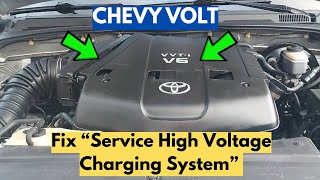
- "Service High Voltage Charging System" message may ap 🎬 See how to address the Service High Voltage Charging System warning.pear.
- Vehicle may not start or power on.
- Problems charging the high-voltage battery; charging may be disabled.
- Reduced power or vehicle entering a 'limp mode'.
- Inaccurate battery range display, such as showing a full battery bar but 0 miles of range.
- Replacing the Battery Energy Control Module (BECM) before performing the software update. GM issued TSB PIC5829 specifically to prevent this unnecessary and expensive repair.
Most Likely Causes
- Outdated Battery Energy Control Module (BECM) Software 🔴 High Probability → Shop Vehicle Battery A specific software calibration issue was identified by GM for this model year range, as documented in TSB PIC5829. A new calibration was released specifically to address this DTC.
How to confirm: A GM dealer or a shop with a high-level scan tool can check the current software calibration version of the BECM and compare it to the latest version available on TIS-2-Web.
Typical fix: Reprogram the BECM with the latest software update. The TSB explicitly states not to replace the module for this condition. The labor time for this reprogramming is listed as 0.4 hours under warranty. Owners on forums report dealer costs for this service ranging from $150 to $260.
Est. part cost: $0
Rare But Worth Checking
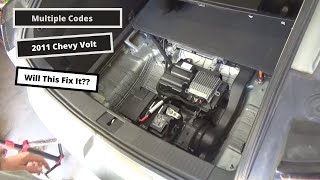
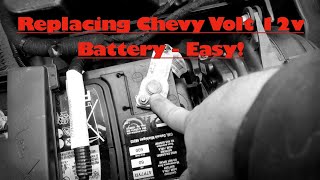
- Weak or Failing 12V AGM Battery: → Shop Vehicle Battery Like many modern EVs, the Volt can exhibit numerous strange electronic issues, including module communication errors, when the 12V auxiliary battery is weak. This battery powers the vehicle's control modules before the high-voltage system engages. If the software update doesn't resolve the code, this is the next logical item to test. A failing 12V battery can cause a host of random communication codes, especially after the vehicle has been parked for an extended period. 🎬 Watch: How a new 12V battery can clear multiple communication codes.
- Wiring Harness or Connector Issue: While less common than the software issue on this specific vehicle, a damaged wire or corroded connector pin in the CAN bus wiring leading to the BECM can still cause communication loss. The BECM is located within the high-voltage battery pack, making a visual inspection of its connectors a labor-intensive job that requires dropping the battery.
- Failed Battery Energy Control Module (BECM): → Shop Vehicle Battery Actual hardware failure of the BECM is rare for this code on these model years but possible if the software update does not work and all wiring is confirmed to be intact. TSB PIC5829 specifically advises against replacing the module as the first step. BECM failure is a more common issue on second-generation Volts.
Diagnosis Steps
- Verify the presence of code U0111 with an OBD-II scanner capable of reading GM-specific codes.
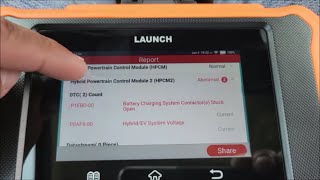
- Check for GM Technical Service Bulletin PIC5829. 🎬 Watch this guide on clearing stubborn high voltage diagnostic codes. This is the most critical step and points directly to the most likely solution.
- Take the vehicle to a Chevrolet dealer or qualified independent shop to have the BECM software updated to the latest calibration. The TSB warranty labor operation is N9703 and is listed at 0.4 hours.
- If the code returns after the software update, perform a comprehensive test of the 12V AGM battery located in the trunk. A simple voltage check is not enough; it should be load-tested, as a weak battery can cause communication faults after the vehicle sits unused.
- If the 12V battery is healthy, a more advanced diagnosis is needed. This involves checking the CAN bus wiring for proper resistance (typically ~60 ohms between CAN_H and CAN_L) and checking for shorts to power or ground.
- Visually inspect wiring harnesses for damage. The BECM itself is inside the main battery pack, so direct connector inspection requires removing the high-voltage battery, a complex and dangerous procedure.
- If all wiring, connections, and power sources are good, the BECM itself may have an internal hardware fault, but this is the least likely scenario for these model years.
Parts You'll Likely Need
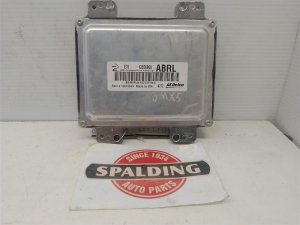
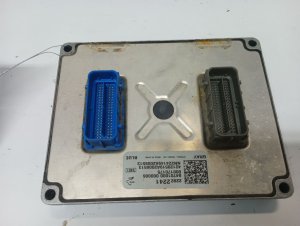
- Battery Energy Control Module (BECM) Software Update — This is not a physical part, but a software re-calibration that is the official fix per GM TSB PIC5829.
Trusted brands: ACDelco (GM)
OEM price range: $150-$260 (Labor for programming)
Aftermarket price range: N/A - 12V AGM Battery
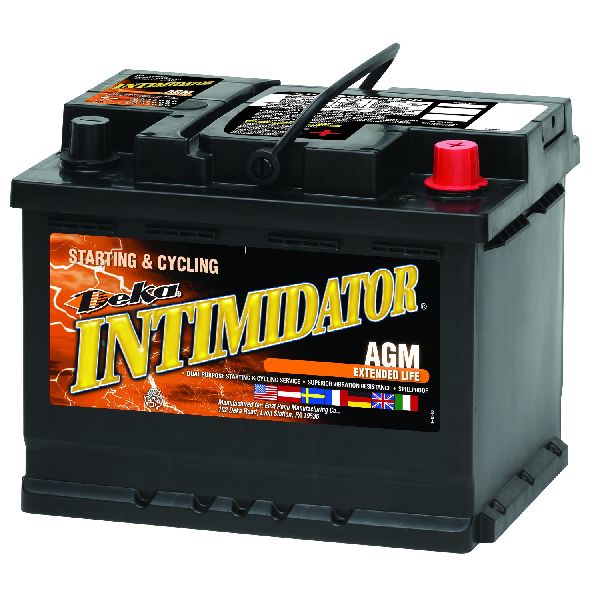
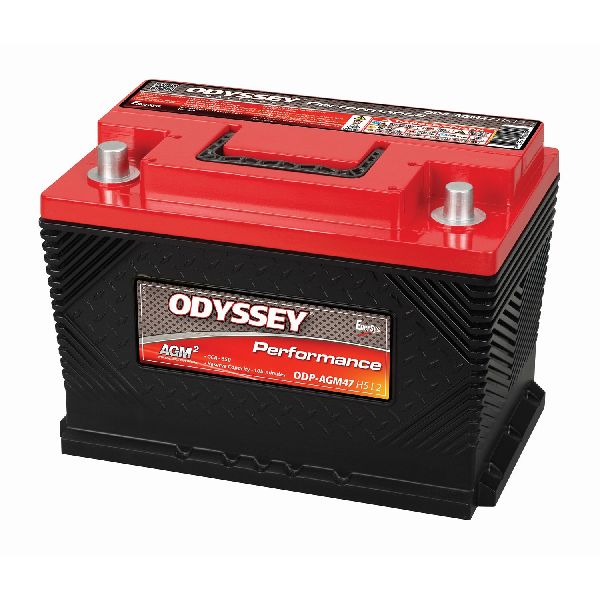
(OEM #24447229 (ACDelco))— A weak 12V battery is a common cause of various communication codes on the Volt and should be checked if the software update does not resolve the issue.
Trusted brands: ACDelco, Odyssey, Duralast
OEM price range: $200-$300
Aftermarket price range: $150-$250
Related Codes That Often Appear With This One
- P1E00 - Hybrid/EV Powertrain Control Module Requested MIL Illumination
- P1FFE - Hybrid/EV Battery Pack State of Charge Low
- P1FFF - Hybrid/EV Battery Pack Voltage Instability
- U0121 - Lost Communication with Electronic Brake Control Module
Technical Service Bulletins (TSBs) & Recalls
- PIC5829: States that a Service Engine Soon lamp with DTC U0111 should be resolved by updating the Battery Energy Control Module (BECM) with the latest calibrations, not by replacing the module. The labor operation is listed as 0.4 hours.
Platform-Specific Known Issues
- TSB PIC5829 was released by GM specifically for the 2011-2013 Volt to address code U0111. The bulletin instructs technicians to update the Battery Energy Control Module (BECM) with a new calibration and explicitly warns against replacing the module as a first step.
- Owner experiences on forums confirm the software update is the primary fix. One Reddit user noted a dealer quoted them for reprogramming the HPCM2 and BECM for related codes, confirming this is a common dealer procedure.
Mechanic-Grade Diagnostic Values
- CAN Bus Termination Resistance — expected: ~60 Ω (measured across CAN_H and CAN_L pins with battery disconnected). Failure: A reading of ~120 Ω indicates one of the two terminating resistors is offline. An open or shorted reading indicates a wiring fault.
- CAN Bus Voltage (Recessive/Idle State) — expected: CAN_H ≈ 2.5 V, CAN_L ≈ 2.5 V (measured to a known good ground). Failure: Significant deviation from 2.5V on either line indicates a short to power, short to ground, or a faulty module pulling the bus voltage.
- CAN Bus Voltage (Dominant/Data State) — expected: CAN_H ≈ 3.5–3.9 V, CAN_L ≈ 1.1–1.5 V (requires an oscilloscope to view). Failure: Waveforms that do not reach these approximate levels or are noisy indicate a bus health problem.
- 12V AGM Battery Voltage (Cranking) — expected: >10 V. Failure: A drop below 10V while starting indicates a weak 12V battery that may not be able to power all modules correctly during vehicle startup.
Scan Tool Commands That Help
- GDS2 / TIS-2-Web: Reprogram Battery Energy Control Module — This is the primary fix for DTC U0111 on 2011-2013 Volts, as specified by TSB PIC5829. It updates the module's software to a new calibration that resolves the communication glitch.
Wiring & Ground Locations
- BECM — Inside the high-voltage T-shaped battery pack, which is located under the center console and rear seats.. This is the module that communication is lost with. Its location makes direct inspection of its connectors a very labor-intensive process requiring the battery pack to be dropped.
- G103 — On the cowl at the left rear of the engine compartment, above the brake booster.. This ground serves multiple modules, including the Body Control Module (BCM), which is a central hub for the vehicle's data networks. A poor connection here could cause widespread communication issues.
- 14V Power Module (APM) — In the center of the luggage compartment (trunk), beneath the load floor.. This module, also known as the Accessory Power Module, is responsible for charging the 12V battery and is also a module on the CAN bus. A fault with this module or its connections could disrupt network traffic.
Real Owner Repair Stories
- YouTube channel 'The Disgruntled Mechanic' (2011 Chevrolet Volt) — Multiple communication codes, including U0121, would appear after the car was parked for a week or two.
❌ Tried (didn't work) Clearing the codes would work temporarily, but they would always return after the car sat unused.
✅ What actually fixed it Replacing the original, 10-year-old 12V AGM battery. A load test showed the old battery was bad, even though its resting voltage was 12.3V. The new battery resolved the recurring communication codes.
Model Year Variations Within This Range
- 2013: The High Voltage Interlock Circuit (HVIC) system was changed for the 2013 model year. It eliminates the direct HVIC connections to peripheral components like the cabin heater and A/C compressor that were present on 2011-2012 models.
Helpful Videos
Used OEM Parts in Stock
New Aftermarket Parts Available


The information in this article is provided for general reference and educational purposes only. Vehicle specifications, procedures, and part compatibility can vary by production date, trim level, and region. Always consult your vehicle's factory service manual and verify part numbers before purchasing or performing repairs. Safety-critical components such as airbags, seat belts, and braking systems should be installed by a qualified professional.
- Chevrolet VOLT:
- 🧭 Diagnostic Flowchart
- 🎬 Helpful Videos
- 🛍️ Shop This Part
- What's Unique About the 2011-2013 Chevrolet VOLT
- Symptoms You May Notice
- Most Likely Causes
- Rare But Worth Checking
- Diagnosis Steps
- Parts You'll Likely Need
- Related Codes That Often Appear With This One
- Technical Service Bulletins (TSBs) & Recalls
- Platform-Specific Known Issues
- Mechanic-Grade Diagnostic Values
- Scan Tool Commands That Help
- Wiring & Ground Locations
- Real Owner Repair Stories
- Model Year Variations Within This Range
- 🎟️ Get 5% Off