

U0111 on 2019 Chrysler Pacifica Hybrid: Lost Communication With BPCM Causes & Fixes
On a 2019 Chrysler Pacifica Hybrid, code U0111 indicates a loss of communication with the Battery Energy Control Module (BPCM). This is often caused by a wiring issue, a software glitch requiring an update, or an internal BPCM failure, especially in very cold weather. This is a serious issue that requires professional diagnosis as it can lead to a no-start or stall condition.
- U0111 on a 2019 Pacifica is specific to the Hybrid model and points to a communication failure with the high-voltage Battery Energy Control Module (BPCM).
- This is a critical fault that can leave the vehicle unable to start or drive. Do not ignore it.
- Diagnosis and repair are not DIY-friendly due to the extreme danger of the high-voltage system. Professional service is required.
- Common causes include faulty wiring/connectors, internal BPCM failure (especially in the cold), or a software issue requiring an update from a dealer.
- Always check for relevant TSBs and recalls, as Chrysler has issued several documents related to the BPCM and its wiring.
What's Unique About the 2019-2019 Chrysler PACIFICA
This code is unique to the Chrysler Pacifica Hybrid because only this version has the high-voltage battery pack and the corresponding Battery Energy Control Module (BPCM). Unlike generic engine codes, U0111 points directly to a fault within the sophisticated electronics that manage the plug-in hybrid system. Chrysler has also noted in STAR Case S2108000056 that some BPCM circuit boards are susceptible to failure in very low ambient temperatures (single digits or below), causing them to not 'wake up' and trigger this code. Once the module enters this state, it will remain offline until all power is removed from it.
Diagnostic Flowchart
Tap your situation to follow the diagnostic path that matches what you're seeing on this vehicle.
Symptoms You May Notice
- "Service Hybrid System" or other charge warning light on the instrument panel.
- Vehicle will not start or enter "Ready" mode.
- Engine may stall while driving.
- Check Engine Light (MIL) is illuminated.
- Inability to charge the high-voltage battery.
- Depletion of the 12V battery as other modules search for the BPCM and remain active.
- Vehicle may not shift out of Park.
- Replacing the 12V battery without testing it first. While a bad 12V battery can be a cause, it's often just a symptom of being drained by the primary fault (e.g., the BPCM not going to sleep).
- Replacing the Powertrain Control Module (PCM) or Hybrid Control Processor (HCP) without verifying the BPCM is the module that is offline.
Most Likely Causes
- Wiring Harness or Connector Fault 🔴 High Probability NHTSA documents indicate issues with incorrect harness routing causing tension on BPCM connectors, leading to high resistance or an open circuit. General corrosion or damage to CAN bus wiring is also a common cause for communication codes.
How to confirm: Visually inspect the wiring harness and connectors going to the BPCM for tension, chafing, corrosion, or loose pins. Perform a continuity and resistance test on the CAN bus wires between the BPCM and a known-good point on the network. A healthy CAN bus should have a resistance of approximately 60 Ω.
Typical fix: Repair the damaged section of the wiring harness or replace the affected connector pigtail. Reroute the harness to eliminate stress.
Est. part cost: $20-$150 - BPCM Internal Failure 🟡 Medium Probability A Stellantis STAR Case (S2108000056) explicitly states that a percentage of BPCM circuit boards are susceptible to failure in single-digit or below-freezing ambient temperatures, preventing the module from waking up. A revised BPCM was planned to rectify this issue.
How to confirm: After confirming wiring and power/ground to the BPCM are good, and if a software update doesn't resolve the issue, the module itself is suspect. This is especially true if the failure occurred during very cold weather. Diagnosis requires a dealer-level scan tool to confirm the BPCM is offline and then follow the specific diagnostic flowchart for U0111.
Typical fix: Replace the Battery Energy Control Module (BPCM). This must be done by a qualified technician and will require programming to the vehicle.
Est. part cost: $800-$2000 - Software Glitch 🟡 Medium Probability Modern vehicles, including the Pacifica Hybrid, often have software updates to fix communication and diagnostic logic errors. Several TSBs exist for reprogramming the BPCM and other related hybrid modules (HCP, AHCP) for various issues, including communication loss.
How to confirm: A dealership or qualified shop with a wiTECH scan tool can check the current software calibration of the BPCM and compare it to the latest version available from Chrysler. TSBs like 08-114-22 list U0111 as a code that may be addressed by software updates.
Typical fix: Reprogram or 'flash' the BPCM and potentially other related modules like the HCP/AHCP with the latest software version.
Est. part cost: $0-$250
Rare But Worth Checking
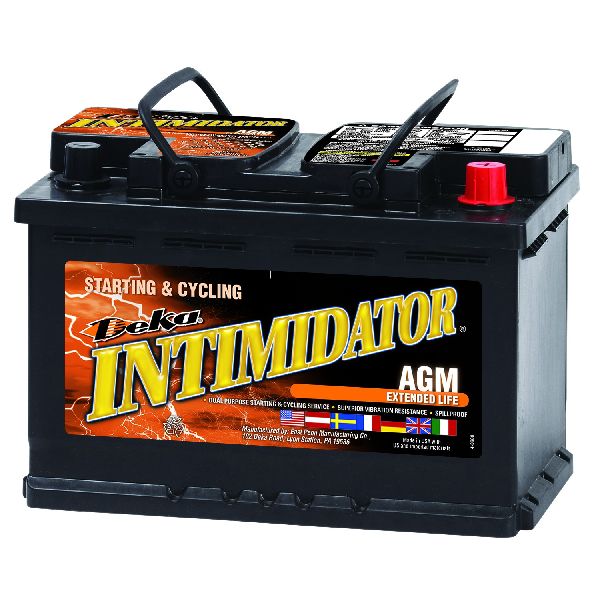
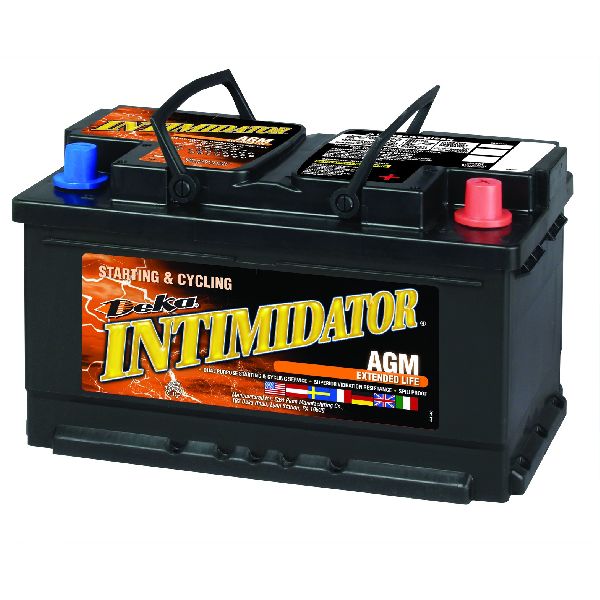
- Weak or Failing 12V Battery: → Shop Vehicle Battery A failing 12V battery can cause low voltage across the vehicle's electrical system, leading to unpredictable communication errors between modules. Before diving into complex diagnostics, ensure the 12V battery is fully charged and healthy. Forum users on Reddit frequently advise checking the auxiliary battery first for many electrical issues.
- High Resistance at 12V Isolator Post: A recall (W46 / NHTSA 20V-334) was issued for 2017-2020 Pacifica Hybrids for high resistance at the 12V isolator post, which could lead to overheating, fire risk, and various electrical issues, potentially including module communication loss. The recall involves inspecting the post for corrosion and installing a gasket to prevent liquid intrusion.
Diagnosis Steps
- Verify the health of the 12V battery. A weak 12V battery can cause numerous communication codes.
- Connect a professional scan tool (like wiTECH) capable of reading all vehicle modules. Confirm U0111 is present and see which module reported the code (likely the Hybrid Control Processor). Note all other codes.
- Check for applicable TSBs and Recalls. Key items include TSB 08-114-22, STAR Case S2108000056, and Recall W46 (NHTSA 20V-334).
- Ask the customer about the conditions when the fault occurred. If it was during single-digit or colder temperatures, suspect an internal BPCM failure as described in STAR Case S2108000056.
- Locate the BPCM (part of the high-voltage battery assembly) and visually inspect its connectors and the surrounding wiring harness for signs of damage, corrosion, or tension.
- Following all high-voltage safety procedures, verify that the BPCM has proper power and ground.
- Use the scan tool to check the CAN bus network status. Attempt to communicate directly with the BPCM. If it's offline, the problem is likely isolated to the module or its direct wiring/power/ground.
- If wiring, power, and ground are confirmed good, check for available software updates for the BPCM. Flashing the module may resolve the issue.
- If the code persists after all other steps, especially if the failure occurred in very cold weather, the BPCM is likely faulty and requires replacement as per the diagnostic logic in the STAR case.
Parts You'll Likely Need
- Battery Energy Control Module (BPCM)
(OEM #68307396AH)— Internal failure of the module's circuit board, especially in cold weather, is a documented cause of this code. Replacement is the only fix for this internal hardware fault.
Trusted brands: Mopar
OEM price range: $800-$2000 - Wiring Harness Connector — Improper harness routing can cause stress and damage to the BPCM connector, leading to a loss of communication.
Trusted brands: Mopar
OEM price range: $50-$150
Aftermarket price range: $20-$75
Related Codes That Often Appear With This One
- U0412 — This code means "Invalid Data Received From Battery Energy Control Module". It often appears with U0111 because if communication is intermittent, the data that does get through may be flagged as implausible by other modules. [TSB #08-114-22]
- U11C5 — A similar communication code, "BCPM Lost Communication with On Board Charging Module," indicating a network problem within the hybrid charging system.
Technical Service Bulletins (TSBs) & Recalls
- 08-114-22: Lists U0111-00 - Lost Communication With Battery Energy Control Module (BPCM) as a potential code.
- S2108000056 (STAR Case): Discusses BPCM failure in very low ambient temperatures (single digits or below) leading to U0111. Confirms this is due to a variation in some circuit boards and that replacement is the likely remedy.
Platform-Specific Known Issues
- A known issue exists where some BPCM circuit boards fail to 'wake up' in single-digit ambient temperatures, causing code U0111 to set.
- TSB #08-114-22 lists U0111-00 - Lost Communication With Battery Energy Control Module (BPCM) as a potential trouble code for the 2019 Pacifica.
- An NHTSA communication mentions that incorrect BPCM harness routing can cause tension on the connector, leading to an open circuit and setting U0111.
- Recall W46 (NHTSA 20V-334) for the 12V isolator post can cause widespread electrical issues due to high resistance, potentially contributing to communication faults.
Mechanic-Grade Diagnostic Values
- CAN Bus Network Resistance — expected: Approximately 60 Ω. Failure: A reading of 120 Ω indicates an open in the circuit or a missing terminating resistor. A reading near 0 Ω indicates a short between the CAN High and CAN Low wires.
- CAN High Voltage (Bus Active) — expected: Approximately 2.6V - 2.7V. Failure: Significant deviation from this voltage can indicate a short to power/ground or a faulty module pulling the voltage down.
- CAN Low Voltage (Bus Active) — expected: Approximately 2.3V - 2.4V. Failure: Significant deviation from this voltage can indicate a short to power/ground or a faulty module pulling the voltage up.
Scan Tool Commands That Help
- wiTECH: Reprogram the BPCM — Used when a TSB or software update is available to fix known bugs, including communication logic faults that can set U0111. This is a primary step after verifying wiring.
- wiTECH: HV battery insulation test — This is a routine found in the Miscellaneous Functions menu for the BPCM, used to force a test of the high-voltage battery's insulation integrity, which can help diagnose underlying battery faults.
- wiTECH: High-Voltage Power Down / Power Up — These are standard procedures that must be performed before and after certain diagnostic tests or when replacing/reprogramming the BPCM to ensure the high-voltage system is safely de-energized and properly re-initialized.
- wiTECH: Enable HV battery contactors for maintenance — This function is used to manually close the HV contactors if a diagnostic procedure (like the insulation test) is interrupted, which can leave the contactors open and prevent the vehicle from starting.
Wiring & Ground Locations
- Battery Energy Control Module (BPCM) — Located inside the high-voltage (HV) battery assembly, which is situated under the floor of the vehicle.. This is the module that has lost communication. Accessing it requires following high-voltage safety procedures and often involves lowering the HV battery pack.
- High Voltage Service Disconnect — Located in the center of the floor, under an access panel.. This disconnect must be pulled to de-energize the high-voltage system before any physical work is done on the BPCM or its wiring, which is a critical safety step.
- Main Chassis/Engine Grounds — Key ground points are typically located from the battery negative terminal to the chassis, from the chassis to the engine block, and from the chassis to the transmission. On older Pacificas, a main ground from the fuse box to the chassis is also critical.. A poor ground connection for any module on the CAN bus, including the BPCM or the module that detects the communication loss (like the HCP), can cause voltage offsets and communication errors like U0111.
"I Checked Everything" — The Actual Cause
- The electrical equivalent of a 'smoke test clean' scenario for code U0111 is when all wiring and module checks pass in the service bay, but the fault persists for the customer. The documented cause for this is the BPCM failing to 'wake up' in very cold temperatures (single digits or below). When the vehicle is brought into a heated shop, the module warms up and begins functioning normally, hiding the root cause from the technician. The diagnosis requires specifically asking the customer about weather conditions when the fault occurred.
OEM Part Supersession History
Unknown→Unknown— To correct a susceptibility in some circuit boards that caused the BPCM to fail to wake up in very low ambient temperatures.
Heads up: Chrysler's STAR Case S2108000056, which identified the cold-weather failure, noted that a revised BPCM was planned. This implies that newer part numbers for the BPCM are designed to be more robust against this specific failure mode. When replacing a BPCM for this code, ensuring the latest part number is used is critical.
Helpful Videos
![How To Test CAN BUS With A Multimeter [CAN Bus Resistance Check] Mechanic Mindset](https://img.youtube.com/vi/JPE42HSJxAk/mqdefault.jpg)
Used OEM Parts in Stock
New Aftermarket Parts Available


The information in this article is provided for general reference and educational purposes only. Vehicle specifications, procedures, and part compatibility can vary by production date, trim level, and region. Always consult your vehicle's factory service manual and verify part numbers before purchasing or performing repairs. Safety-critical components such as airbags, seat belts, and braking systems should be installed by a qualified professional.
- Chrysler PACIFICA:
- 🧭 Diagnostic Flowchart
- 🎬 Helpful Videos
- 🛍️ Shop This Part
- What's Unique About the 2019-2019 Chrysler PACIFICA
- Symptoms You May Notice
- Most Likely Causes
- Rare But Worth Checking
- Diagnosis Steps
- Parts You'll Likely Need
- Related Codes That Often Appear With This One
- Technical Service Bulletins (TSBs) & Recalls
- Platform-Specific Known Issues
- Mechanic-Grade Diagnostic Values
- Scan Tool Commands That Help
- Wiring & Ground Locations
- "I Checked Everything" — The Actual Cause
- OEM Part Supersession History
- 🎟️ Get 5% Off