

U0126 on 2011-2015 Chevrolet Camaro: StabiliTrak & Power Steering Fault Causes
This code means the Steering Angle Sensor has stopped communicating, disabling StabiliTrak and power steering. The most common causes are a weak battery or a wiring issue on the chassis CAN bus network. Always check the battery and wiring before replacing the sensor. Melted wiring from aftermarket headers is a known culprit.
- U0126 means a loss of communication with the Steering Angle Sensor, which will disable StabiliTrak and power steering.
- Before suspecting any parts, fully charge and test your battery. A weak battery is the most common simple fix.
- If the battery is good, the problem is most likely in the CAN bus wiring or a ground connection. Inspect harnesses around the steering column and any aftermarket parts.
- Do not replace the Steering Angle Sensor unless you have ruled out all power, ground, and network wiring issues.
- This fault disables key safety systems; drive with caution and have it repaired promptly.
What's Unique About the 2011-2015 Chevrolet CAMARO
On the 5th generation Camaro, U0126 is often part of a larger network communication problem rather than an isolated sensor failure. GM Technical Service Bulletin PIT5076E groups U0126 with a cluster of other U-codes, pointing technicians to diagnose the entire 'Chassis bus' for faults. Owner experiences confirm that this code frequently appears with other communication codes after the vehicle has been sitting (suggesting a battery issue) or after modifications like aftermarket headers, which can melt nearby wiring harnesses. This highlights the sensitivity of the Camaro's electrical network.
Diagnostic Flowchart
Tap your situation to follow the diagnostic path that matches what you're seeing on this vehicle.
Symptoms You May Notice
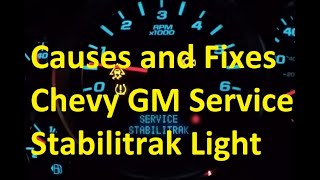
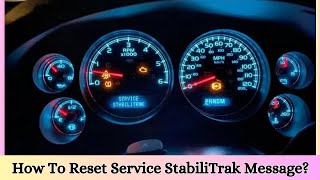
- "Service StabiliTrak" message on the driver information center (DIC)
- "Service Power Steering" message on the DIC
- ABS and Traction Control warning lights are illuminated
- Loss or reduction of power steering assist, making the wheel feel heavy
- Traction control system is disabled
- Tachometer gauge stops working or drops to zero intermittently
- Replacing the Steering Angle Sensor without first testing the battery and checking the CAN bus wiring. A wiring or voltage issue is more likely and much cheaper to fix, especially if aftermarket headers are installed.
Most Likely Causes
- Low Battery Voltage or Failing Alternator 🔴 High Probability → Shop Vehicle Battery Modern vehicle modules are sensitive to voltage. If the battery is weak, especially after sitting for a couple of weeks, modules can fail to initialize correctly, causing communication codes. Many owners on Camaro5 forums report these exact symptoms appearing after a slow crank.
How to confirm: Test the battery with a digital multimeter or a load tester. A healthy battery should read ~12.6V with the engine off and 13.7V-14.7V with the engine running. A Camaro owner noted codes appeared when voltage dropped to 12V while driving, and another fixed the issue by replacing a failing alternator.
Typical fix: Recharge or replace the battery. If the voltage is low while running, diagnose the alternator and charging system.
Est. part cost: $150-$300 - Chassis CAN Bus Wiring Fault (Melted/Chafed) 🟡 Medium Probability Aftermarket headers are a very common modification and a frequent cause of this issue. The engine wiring harness on the passenger side can rest on or be too close to a header tube, melting the insulation and causing wires to short together. Stock vehicles can also suffer from chafing where the harness is secured to the engine block with metal brackets.
How to confirm: Perform a thorough visual inspection of the main engine harness that runs along the passenger side of the engine, near the cylinder head and exhaust manifold/header. Look for melted plastic loom, exposed wires, 🎬 Watch: How to fix melted wiring causing StabiliTrak issues. or signs of heat damage. A professional will check for ~60 ohms of resistance between pins 6 and 14 on the OBD-II port (key off, battery disconnected) to test network integrity.
Typical fix: Repair the damaged section of the wiring harness. This involves separating fused wires, repairing each one individually with solder and heat shrink, and re-wrapping the harness in high-temperature protective loom. Secure the repaired harness away from the heat source with zip ties.
Est. part cost: $20-$100 - Poor Power or Ground Connection to a Module 🟡 Medium Probability Engine swaps or other major work can lead to forgotten or loose ground straps. Forum members specifically mention checking grounds on the cylinder heads and the main ground on the passenger side block. One user on Camaro5 fixed persistent electrical issues by cleaning and relocating a main ground to a better position on the block.
How to confirm: Visually inspect all major chassis and engine ground straps for tightness and corrosion. On the V8 models, there are key grounds on the back of each cylinder head, near the water pump, and on the side of the block. Check for power and ground at the Steering Angle Sensor and Electronic Brake Control Module (EBCM) connectors with a multimeter.
Typical fix: Clean all ground connection points to bare metal and tighten securely. Repair any broken or corroded ground wires.
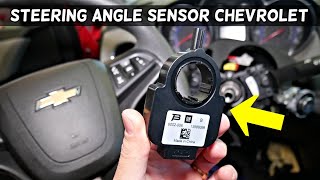
Est. part cost: $1-$20 - Faulty Steering Angle Sensor (SAS) Module ⚪ Low Probability → Shop Steering Angle Sensor While the sensor itself can fail, it's much less common than wiring or voltage issues. It is located within the steering column, often integrated with the clock spring assembly. 🎬 Watch: How to remove and replace the steering angle sensor.
How to confirm: This is a process of elimination. If the battery, charging system, and all related CAN bus wiring/grounds are confirmed to be good, the SAS module itself becomes the primary suspect. A scan tool may show the module as completely offline.
Typical fix: Replace the Steering Angle Sensor. The new sensor must be calibrated using a compatible professional scan tool. Disconnecting the battery with the wheels not straight ahead may cause the calibration to be lost, requiring a relearn procedure.
Est. part cost: $50-$250
Rare But Worth Checking
- Faulty Electronic Brake Control Module (EBCM): → Shop ABS Control Module The EBCM is a primary node on the chassis bus. If it fails internally, it can disrupt communication and cause other modules to set 'lost communication' codes. This is often accompanied by code U0121 (Lost Communication with EBCM).
- Interference from Aftermarket Electronics: Poorly installed aftermarket stereos, remote starters, or OBD-II port plug-in devices (like AFM disablers) can interfere with the CAN bus network and cause communication faults.
Diagnosis Steps
- Check Battery and Charging System: Ensure battery voltage is above 12.4V with the car off and 13.7-14.7V while running. A weak battery or slow crank is a primary cause of these communication codes.
- Scan for All Codes: Use a full-featured scan tool to check for codes in ALL modules (EBCM, BCM, PSCM, etc.). Multiple U-codes strongly suggest a network or power/ground issue, not a single bad part.
- Inspect Wiring Harnesses (Especially with Headers): Visually inspect the main engine harness on the passenger side for signs of melting or chafing against the exhaust manifold/header or engine block brackets. This is a very common failure point.
- Inspect Grounds: Check the main battery ground and engine-to-chassis ground straps. On V8 models, pay special attention to grounds on the rear of the cylinder heads and the main block ground on the passenger side. Ensure they are clean and tight.
- Check CAN Bus Integrity (Professional): With the battery disconnected, measure the resistance between Pin 6 (CAN High) and Pin 14 (CAN Low) at the OBD-II port. A healthy network should read approximately 60 ohms.
- Check Power/Ground at the SAS Module: If the network wiring seems intact, access the SAS module connector at the steering column and verify it is receiving proper power and has a good ground connection.
- Isolate the Module: If all wiring, power, and grounds are good, the SAS module itself is the likely culprit. Replacing it will require a calibration procedure with a scan tool.
Parts You'll Likely Need
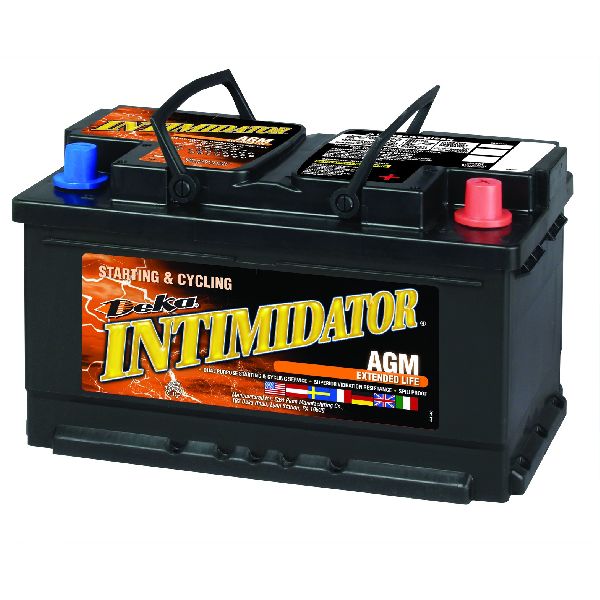
- Battery — A weak or failing battery is a very common trigger for this and other communication fault codes on modern vehicles.
Trusted brands: ACDelco, DieHard, Optima
OEM price range: $200-$300
Aftermarket price range: $150-$250 - Steering Angle Sensor
(OEM #13589991 (supersedes 13513905, 13579709, 13584209, 13589257, 20959922), 25849366)— If all power, ground, and network tests pass, the sensor module itself has likely failed internally. It often comes as part of the clock spring assembly and requires programming after installation.
Trusted brands: ACDelco (OEM), Dorman
OEM price range: $50-$120
Aftermarket price range: $40-$90
Related Codes That Often Appear With This One
- U0125 — Lost Communication with Multi-Axis Acceleration Sensor Module. This sensor is also on the chassis CAN bus, and a network-wide fault will often take both modules offline simultaneously.
- U0077 — High Speed Communication Bus. This is a general network fault code mentioned in TSB PIT5076E, confirming a broader communication issue on the chassis bus.
- U0121 — Lost Communication with Electronic Brake Control Module (EBCM). Since the EBCM relies on SAS data, a network fault can cause them to lose communication with each other.
Technical Service Bulletins (TSBs) & Recalls
- PIT5076E: Advises diagnosing the entire 'Chassis bus' when U0126 is found with other communication codes like U0077, U0125, etc., before suspecting an individual module. Suggests checking the diagnostic tool and cable if no bus fault is found.
Platform-Specific Known Issues
- Intermittent Faults After Vehicle Sits: A common complaint on the Camaro5 forum is that the 'Service StabiliTrak' and other warnings appear after the car has been parked for an extended period, especially with a slow crank. This almost always points to a weak battery causing modules to initialize incorrectly, rather than a permanent hardware fault. A full charge or new battery often resolves the issue.
- Melted Harness from Aftermarket Headers: The most notorious issue for modified 5th Gen Camaros. The main engine wiring harness on the passenger side, near the coolant reservoir, is routed very close to the exhaust. Aftermarket headers run hotter and can easily melt the harness loom and the insulation of the CAN bus wires inside, causing them to short together. This triggers a flood of communication codes, including U0126. The fix requires repairing the wires and securing the harness away from the heat source.
Mechanic-Grade Diagnostic Values
- Chassis CAN Bus Voltage (Key On, Engine Off) — expected: CAN High (Pin 6 at DLC) should be ~2.6V; CAN Low (Pin 14 at DLC) should be ~2.4V.. Failure: Voltages stuck at 0V, 5V, or battery voltage indicate a short to ground, short to power, or an open circuit.
- Steering Angle Sensor Module Ground Resistance — expected: Less than 0.5 Ω. Failure: Higher resistance indicates a poor ground connection, which can cause the module to drop offline intermittently.
Hidden / Shadow Codes Worth Checking
- U0126 with Symptom Byte 71: Indicates 'Invalid Serial Data Received'. This is highly specific and points away from a simple 'lost communication' scenario. It means the EBCM is receiving data packets from the SAS, but the data is corrupted or nonsensical. This strongly suggests a wiring integrity problem (like chafing or interference) rather than a completely dead sensor or a total network break. (see via Requires a professional GM diagnostic tool like a Tech 2 or GDS2 (Global Diagnostic System 2) that can read manufacturer-specific symptom codes.)
Scan Tool Commands That Help
- GDS2 / Professional Aftermarket Scanner: Steering Angle Sensor Calibration / Learn — This procedure is mandatory after replacing the Steering Angle Sensor or the steering column. It is also required after performing a wheel alignment. The function teaches the EBCM the new 'zero' or straight-ahead position of the steering wheel. Failure to perform this calibration will result in a persistent U0126 code and disabled StabiliTrak, as the system cannot trust the sensor's readings.
Wiring & Ground Locations
- Passenger-Side Engine Harness — Runs along the passenger side of the engine bay, near the coolant reservoir and cylinder head.. This is the most common failure point on Camaros with aftermarket headers. The harness contains the CAN bus wires and is routed close to the exhaust, where it can melt, causing shorts and a flood of communication codes including U0126.
- G110 (V8) — Attached to the rear of the driver's side cylinder head.. This is a critical engine and PCM ground. A loose or corroded connection here can cause a wide range of bizarre electrical issues and communication faults across the vehicle.
- G105 / G106 — Attached to the top right and top left sides of the radiator support, respectively.. These are primary front-end body grounds. While they primarily serve lighting, a poor connection can introduce electrical noise that may affect sensitive module communications on nearby harnesses.
- X115 Connector — The main body-to-engine harness inline connector, located in the engine bay.. This is a major junction where many data lines pass from the engine harness to the main body harness. Corrosion or pin tension issues in this large connector can cause network-wide communication failures.
Real Owner Repair Stories
- Camaro6 Forum user reports (2020 ZL1 1LE (Applies to 5th Gen as well)) — Service Rear Axle, Stabilitrak, ABS, and Parking Brake lights all on. Power steering assist turns off. Codes U0077, U0121, U0126 present.
❌ Tried (didn't work) Dealer replaced the Body Control Module (BCM), but the problem persisted immediately.
✅ What actually fixed it Another user with identical symptoms confirmed the cause was the main wiring harness on the passenger side touching their aftermarket header. Securing the harness away from the header with zip ties resolved the issue completely. The original poster noted their harness was also very close to the header. - Camaro5 Forum user 'TheBonfiggy' (2013 Camaro 1LE) — Car randomly goes into 'Engine Power Reduced' mode and won't restart for 10 minutes. Service Stabilitrak messages appear.
❌ Tried (didn't work) Taping up the melted section of the harness provided a temporary fix but issues returned.
✅ What actually fixed it The user's engine harness fastener came loose, allowing the harness to drop onto the headers and melt. The ultimate fix was a complete replacement of the engine harness (P/N 22897085). This story highlights that a simple repair may not be sufficient if the internal wire damage is severe.
OEM Part Supersession History
13513905, 13579709, 13584209, 13589257, 20959922→13589991— Part consolidation and potential design revisions for improved reliability.
Heads up: The replacement part (13589991) requires programming and calibration using a professional scan tool after installation. It is not a plug-and-play part.
Model Year Variations Within This Range
- 2013-2015 (SS Models): Starting in 2013, the Camaro SS models adopted the electric power steering (EPS) system that was previously on the ZL1. This adds the Power Steering Control Module (PSCM) as another key player that relies on the steering angle sensor data. Faults on these models may more frequently present with a 'Service Power Steering' message and a heavy steering feel compared to earlier V8s with hydraulic steering.
Helpful Videos
We Have This Part in Stock


The information in this article is provided for general reference and educational purposes only. Vehicle specifications, procedures, and part compatibility can vary by production date, trim level, and region. Always consult your vehicle's factory service manual and verify part numbers before purchasing or performing repairs. Safety-critical components such as airbags, seat belts, and braking systems should be installed by a qualified professional.
- Chevrolet CAMARO:
- 🧭 Diagnostic Flowchart
- 🎬 Helpful Videos
- 🛍️ Shop This Part
- What's Unique About the 2011-2015 Chevrolet CAMARO
- Symptoms You May Notice
- Most Likely Causes
- Rare But Worth Checking
- Diagnosis Steps
- Parts You'll Likely Need
- Related Codes That Often Appear With This One
- Technical Service Bulletins (TSBs) & Recalls
- Platform-Specific Known Issues
- Mechanic-Grade Diagnostic Values
- Hidden / Shadow Codes Worth Checking
- Scan Tool Commands That Help
- Wiring & Ground Locations
- Real Owner Repair Stories
- OEM Part Supersession History
- Model Year Variations Within This Range
- 🎟️ Get 5% Off