

U0126 on 2015-2019 Chevrolet Silverado 2500: Causes and Fixes for Lost Communication
On a 2015-2019 Silverado 2500, code U0126 almost always points to a wiring problem, not a failed part. The most common causes are a pinched wire harness near the driver's side dash (specifically behind the instrument panel mounting bracket), chafing under the door sill plates, or a poor ground for the Body Control Module (BCM) at location G218. These issues disrupt communication with the Steering Angle Sensor (SAS), disabling StabiliTrak and ABS. Repairing the wiring is often a low-cost fix requ
- For a U0126 code on a 2015-2019 Silverado 2500, always suspect a wiring or ground issue before considering replacing any parts.
- The most likely problem areas for wiring are behind the driver's side dash, under the door sill plates, and at the BCM ground point.
- This code disables important safety features like ABS and stability control, so it should be addressed promptly.
- Multiple GM Technical Service Bulletins (TSBs) exist for this exact problem, providing a clear diagnostic path for technicians.
What's Unique About the 2015-2019 Chevrolet SILVERADO 2500
The 2015-2019 Silverado 2500 (K2XX platform) is well-documented by GM to have specific vulnerabilities in its wiring harnesses. Multiple Technical Service Bulletins (TSBs) point to harnesses being pinched in the instrument panel, chafing under the door sill plates, or suffering from poor ground connections. TSB PIT5288H specifically identifies a pinch point behind the left I/P mounting bracket. TSB PIT5457D calls out chafing on the communication enable circuit (5986) under the driver and passenger sill plates. These known issues make wiring faults the primary suspect for a U0126 code, far more so than an actual failure of the steering angle sensor module itself.
Diagnostic Flowchart
Tap your situation to follow the diagnostic path that matches what you're seeing on this vehicle.
Symptoms You May Notice
- "Service StabiliTrak" or "Service Suspension System" message on the dash.
- ABS and Traction Control warning lights are on.
- Steering feels heavy or "Steering Assist is Reduced Drive with Care" message appears.
- In some cases, other electrical issues like an inoperative rear wiper, flickering dash lights, radio/display blanking out, or a dead battery may occur if the fault is part of a larger wiring problem.
- Replacing the Steering Angle Sensor module without first inspecting for wiring damage or poor grounds. The TSBs and owner forums strongly indicate that wiring is the more probable cause.
Most Likely Causes
- Pinched or Damaged Wiring Harness 🔴 High Probability Multiple TSBs confirm specific problem areas. TSB #PIT5288H points to the harness being pinched between the left Instrument Panel (I/P) dash mounting bracket and the body. TSB #PIT5457D identifies chafing of the Communication Enable Circuit (5986) under the driver and passenger sill plates. Other TSBs like 21-NA-149 note general harness chafing issues against the frame or engine components on this platform.
How to confirm: Visually inspect the wiring harnesses in the known trouble spots: from under the dash, look for the harness being crushed by the metal I/P mounting bracket near the parking brake pedal. Remove the driver and passenger door sill trim and inspect the wiring channel for chafed or corroded wires. A low voltage reading on circuit 5986 at the EBCM or SAS module connector can confirm this issue.
Typical fix: Repair the damaged section of the wire harness using approved wire-to-wire repair techniques. Reroute the harness or protect it with anti-abrasion tape to prevent future damage.
Est. part cost: $5-$25 - Poor Body Control Module (BCM) Ground (G218) 🟡 Medium Probability → Shop Body Control Module TSB #PIT5405C specifically calls out checking the BCM ground (G218) when a cluster of communication codes, including U0126, are present, especially if symptoms worsen when turning the wheel at low speeds. The design allows for the dash insulator mat to get trapped under the ground terminal, or for the nut to loosen over time.
How to confirm: Locate ground G218 on the left side of the instrument panel support, often behind the speaker or dash end panel. Check if the nut is loose or if the sound-deadening insulation is caught between the ground eyelet and the body stud.
Typical fix: Remove the nut, cut away any interfering insulation mat, clean the contact surfaces of the terminal and body with a wire brush or sandpaper, and securely retighten the ground nut.
Est. part cost: $0-$5 - Low Battery Voltage or Bad Battery ⚪ Low Probability → Shop Vehicle Battery
How to confirm: Test the battery voltage with the engine off. It should be above 12.4 volts. A load test is recommended. Check the charging system to ensure the alternator is producing approximately 14 volts with the engine running. A weak battery can cause random communication codes across multiple modules.
Typical fix: Recharge or replace the vehicle's battery.
Est. part cost: $150-$350
Rare But Worth Checking
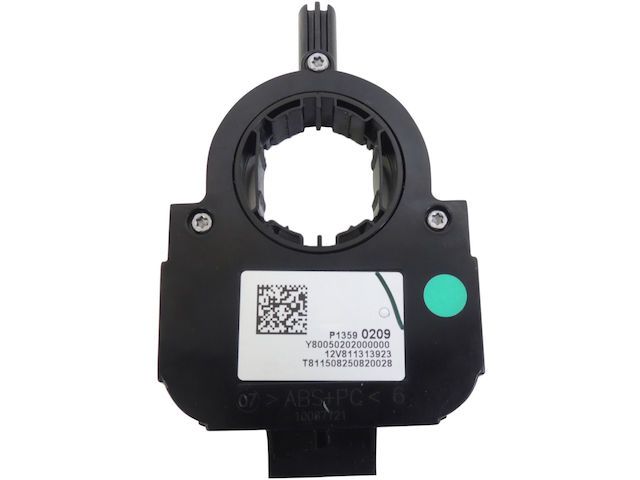
- Failed Steering Angle Sensor (SAS) Module: → Shop Steering Angle Sensor While possible, this is much less common than wiring issues on this platform. This should only be considered after all wiring and ground connections have been thoroughly inspected and confirmed to be good. The OEM part number is often 13590209.
- Failed Electronic Brake Control Module (EBCM): → Shop ABS Control Module The EBCM is a primary user of the SAS data. In rare cases, an internal failure in the EBCM can disrupt the network and cause communication codes with other modules. This is a last resort after checking all wiring.
- Power Steering Control Module (PSCM) Calibration Error: TSB #21-NA-099 describes a condition where a PSCM calibration error can cause DTCs like U0126 to remain current even after the initial fault is gone. The fix is to reprogram the PSCM with the latest software.
Diagnosis Steps
- Scan all vehicle modules for DTCs and record them. Note which other modules are setting communication codes.
- Check for and perform any open recalls or TSBs. Specifically reference TSBs #PIT5288H, #PIT5405C, and #PIT5457D.
- Test the vehicle's battery and charging system to rule out low voltage as a cause.
- Inspect the BCM ground connection (G218) on the left side of the instrument panel support. Remove, clean, and secure the connection, ensuring no insulation is trapped underneath.
- Remove the driver and passenger sill plates and inspect the wiring harnesses for chafing, corrosion, or damage, paying close attention to the Communication Enable circuit (5986) as per TSB #PIT5457D.
- Inspect the wiring harness at the left instrument panel for pinching, specifically where it passes the I/P mounting bracket, as described in TSB #PIT5288H.
- If codes persist after clearing but no physical fault is found, check for a PSCM calibration update per TSB 21-NA-099.
- If all wiring, grounds, and calibrations are confirmed good, use a scan tool to check for live data from the Steering Angle Sensor. If there is no data, the sensor module itself may have failed.
Parts You'll Likely Need
- Wiring Repair Supplies — The most common cause is a damaged wire that needs to be repaired, not a part that needs to be replaced.
Trusted brands: 3M, Woven Polyester Electrical Tape (as specified in TSBs)
OEM price range: $5-$25
Aftermarket price range: $5-$20 - Steering Angle Sensor
(OEM #13590209)— This part is only replaced if all wiring and ground issues have been ruled out, and the module is confirmed to be faulty.
Trusted brands: ACDelco (Genuine GM), Dorman
OEM price range: $80-$150
Aftermarket price range: $60-$120
Related Codes That Often Appear With This One
- U0121 — Lost Communication With Anti-Lock Brake System (ABS) Control Module. Both the SAS and ABS modules are on the same high-speed data bus and are often affected by the same wiring issues under the sill plates or a bad BCM ground.
- U0415 — Invalid Data Received From Anti-Lock Brake System Control Module. This indicates the data being received is corrupt, often due to the same network instability causing the U0126 code, such as a pinched harness.
- U0073 — Control Module Communication Bus "A" Off. This is a general network code indicating a major disruption on the high-speed CAN bus, which would affect the SAS module. It is frequently cited alongside U0126 in TSBs related to bad grounds or calibration issues.
- C0544 — Steering Wheel Angle Sensor. This code is often logged alongside U0126 and points to an issue with the sensor or its communication. TSBs PIT5288H and PIT5405C both list this code in conjunction with U0126.
Technical Service Bulletins (TSBs) & Recalls
- PIT5288H: Addresses various electrical issues stemming from a pinched harness in the left instrument panel.
- PIT5405A/C: Points to a poor BCM ground (G218) causing multiple communication codes.
- PIT5457D: Details wire harness chafing under the sill plates, specifically affecting the Communication Enable Circuit (5986).
- 21-NA-099: Describes a PSCM calibration error that can keep communication DTCs current after a fault is resolved.
Platform-Specific Known Issues
- TSB #PIT5288H: Notes that a pinched wire harness in the left instrument panel, specifically behind the I/P mounting bracket, can cause U0126 along with a host of other electrical faults like a blank radio screen or dead battery.
- TSB #PIT5405C: Points to a poor Body Control Module (BCM) ground (G218) as a cause for multiple communication DTCs, including U0126. It highlights that insulation can get trapped under the ground terminal, causing a poor connection.
- TSB #PIT5457D: Warns of wire harness damage under the driver and passenger sill plates leading to loss of communication. It specifically identifies the Communication Enable Circuit (5986) as a common point of failure due to chafing or corrosion.
Mechanic-Grade Diagnostic Values
- High-Speed CAN Bus Resistance — expected: ~60 Ω (with vehicle power off). Failure: A reading of ~120 Ω indicates an open circuit or a missing termination resistor. A reading significantly less than 60 Ω (e.g., 40 Ω or 30 Ω) suggests extra termination resistors or a short between the CAN lines.
- High-Speed CAN Bus Voltage (Key-On, Engine-Off) — expected: CAN High (Pin 6 at DLC): ~2.6V to 3.5V. CAN Low (Pin 14 at DLC): ~1.5V to 2.4V.. Failure: Voltages stuck near 0V or 5V, or no differential swing between the two lines, indicates a hard fault on the bus.
- Communication Enable Circuit (5986) Voltage — expected: Approximately 12V (battery voltage) when the key is in ACC, ON, or START.. Failure: Low or no voltage indicates an open, short, or high resistance in the circuit, often under the sill plates. The BCM will shut down this circuit if it draws more than 0.88 amps (e.g., a short to ground).
- Steering Angle Sensor (SAS) Module Ground Resistance — expected: Less than 0.1 Ω. Failure: Higher resistance indicates a poor ground connection, which can cause intermittent communication dropouts.
Scan Tool Commands That Help
- GDS2 / Professional Scan Tool: Steering Angle Sensor Reset / Calibration — Required after replacing the steering angle sensor, EBCM, or performing a wheel alignment. The procedure involves centering the steering wheel, then using the scan tool to command the reset and learn functions.
- GDS2 / Professional Scan Tool: Reprogram Power Steering Control Module (PSCM) — Use when DTCs like U0126 remain current and will not clear, even after a fix. TSB 21-NA-099 notes a calibration error can prevent DTCs from transitioning to history. Reprogramming the PSCM with the latest software via TIS2WEB is the specified fix.
Wiring & Ground Locations
- G218 — Left side of the instrument panel support structure, often behind the driver's side dash end panel or speaker.. This is the primary ground for the Body Control Module (BCM). TSB PIT5405C identifies a poor connection here (often due to trapped insulation) as a direct cause for a cluster of communication codes, including U0126.
- Splice J365 — Located in the wiring harness under the passenger front sill plate.. TSB PIT5457 identifies this splice as a known area where the Communication Enable Circuit (5986) can develop high resistance or an open, leading to communication loss with the SAS and other modules.
- Communication Enable Circuit (5986) — Runs from the BCM through harnesses under both the driver and passenger sill plates to various modules, including the EBCM and PSCM.. This circuit acts as a 'wake-up' signal for modules on the CAN bus. If it's damaged (a common issue under the sill plates), modules like the SAS won't activate, causing a U0126 code.
- DLC (Data Link Connector) Pins — Under the driver's side dashboard.. Pin 6 (CAN High) and Pin 14 (CAN Low) are used for network diagnostics. Measuring resistance and voltage here is the first step in checking the overall health of the high-speed CAN bus.
Real Owner Repair Stories
- iATN (International Automotive Technicians Network) (2007 Cadillac DTS (similar GM CAN bus architecture)) — Multiple communication codes including U0126 (lost comm with steering angle sensor), U0001 (CAN C bus), and U0401 (implausible data from ECM).
❌ Tried (didn't work) Initial diagnosis was unclear due to the number of communication codes.
✅ What actually fixed it The problem was a faulty junction block located behind the glove box, which housed the gateway ECU and a body control module in the same unit. Replacing this assembly restored all communication.
Model Year Variations Within This Range
- 2015-2019: The 2015-2019 Silverado 2500 is part of the K2XX platform. While the core wiring issues causing U0126 are common across these years, there was a facelift for the 2016 model year which primarily involved exterior styling and infotainment updates, but did not significantly alter the underlying electrical architecture related to this code. The platform was replaced by the T1XX starting in the 2019 model year for the 1500, and 2020 for the 2500/3500, so fixes for T1XX trucks may not apply.
Helpful Videos
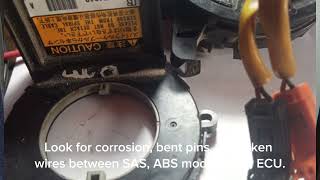
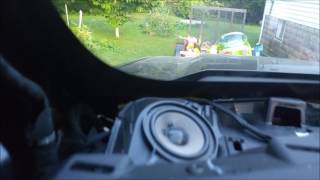
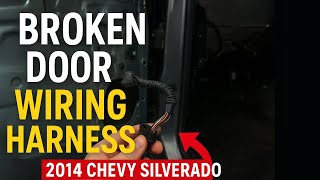

We Have This Part in Stock

The information in this article is provided for general reference and educational purposes only. Vehicle specifications, procedures, and part compatibility can vary by production date, trim level, and region. Always consult your vehicle's factory service manual and verify part numbers before purchasing or performing repairs. Safety-critical components such as airbags, seat belts, and braking systems should be installed by a qualified professional.
- Chevrolet SILVERADO 2500:
- 🧭 Diagnostic Flowchart
- 🎬 Helpful Videos
- 🛍️ Shop This Part
- What's Unique About the 2015-2019 Chevrolet SILVERADO 2500
- Symptoms You May Notice
- Most Likely Causes
- Rare But Worth Checking
- Diagnosis Steps
- Parts You'll Likely Need
- Related Codes That Often Appear With This One
- Technical Service Bulletins (TSBs) & Recalls
- Platform-Specific Known Issues
- Mechanic-Grade Diagnostic Values
- Scan Tool Commands That Help
- Wiring & Ground Locations
- Real Owner Repair Stories
- Model Year Variations Within This Range
- 🎟️ Get 5% Off