

U0128 on 2019 Jeep Cherokee: Lost Communication With Park Brake Control Module Fixes
This code means the Electronic Parking Brake Module is offline. The most common cause on 2014-2020 Jeep Cherokees is water leaking into the module and corroding the connector. Inspect the module, located in the left side of the spare tire area, for water damage from sources like failed taillight seals. A software update (for 3.2L V6 only), module replacement, and sealing the water leak are the common fixes.
- U0128 on a 2019 Jeep Cherokee means the Park Brake Control Module (PBCM) has stopped communicating with the rest of the vehicle.
- The most likely cause is water leaking into the rear cargo area and corroding the PBCM and its connector.
- Symptoms include a "Service Electronic Parking Brake" warning and the brake being stuck on or off.
- Diagnosis involves checking for water damage first, then verifying wiring and power before condemning the module.
- Due to the safety-critical nature of the braking system and the need for special tools, professional diagnosis is strongly recommended.
What's Unique About the 2019-2019 Jeep CHEROKEE

The 2014-2020 Jeep Cherokee (KL generation) is known for issues with its electronic parking brake system. A significant number of owner complaints led to a NHTSA investigation (PE22-010), which found that water can leak into the rear of the vehicle and damage the electronic parking brake module, causing it to malfunction. This vulnerability is amplified because the EPB module is located next to the power liftgate module, which was previously recalled (15V-393) for a similar water intrusion issue that posed a fire risk. This can lead to the parking brake getting stuck or, in some reported cases, activating while driving.
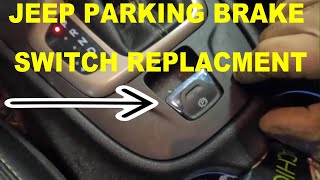
🎬 Watch: How to replace a faulty parking brake switch.Diagnostic Flowchart

Tap your situation to follow the diagnostic path that matches what you're seeing on this vehicle.
Symptoms You May Notice

- "Service Electronic Parking Brake" message on the instrument cluster.
- Electronic parking brake warning light is illuminated or flashing.
- Inability to engage or release the electronic parking brake.
- The vehicle may not shift out of Park.
- In some cases, the parking brake may engage unexpectedly while driving.
- Replacing the electronic parking brake switch without checking for codes or water intrusion at the module.
- Replacing the rear brake calipers/actuators without verifying that the control module is the source of the problem.
- Performing a software update (TSB 18-077-22) without first inspecting the module for water damage, as the flash will not fix a corroded module.
Most Likely Causes

- Water Intrusion at the Park Brake Control Module (PBCM) 🔴 High Probability → Shop Parking Brake Control Module A NHTSA investigation (PE22-010) and a class-action lawsuit for 2014-2020 models highlight a design vulnerability where water can leak into the area where the EPB module is located. Common leak points include failed taillight housing seals and unsealed body seams in the cargo area. TSB 08-060-16 was issued for earlier models specifically for 'Electronic Parking Brake Module Connector Water Intrusion'.
How to confirm: Visually inspect the PBCM and its electrical connector for signs of moisture, rust, or green/white corrosion. The module is located in the back left side of the cargo area, near the spare tire. Check for dampness or standing water in the spare tire well. Trace water stains from the taillight area or body seams.
Typical fix: If corrosion is found, the connector pigtail and the module itself will likely need to be replaced. The source of the water leak (e.g., taillight seals, body seams) must be identified and repaired using automotive-grade sealant to prevent recurrence.
Est. part cost: $50-$250 - Faulty Park Brake Control Module (PBCM) 🟡 Medium Probability → Shop Parking Brake Control Module Internal failure of the module can occur, most often as a direct result of water damage causing an internal short, or less commonly from electronic component failure.
How to confirm: After confirming the wiring, power, and ground to the module are good, a professional scan tool will be unable to communicate with it, pointing to an internal fault.
Typical fix: Replace the Park Brake Control Module. The new module may require a PROXI Alignment procedure to be programmed to the vehicle. The latest Mopar part number is 68438393AA.
Est. part cost: $150-$300 - Wiring Harness or Connector Damage 🟡 Medium Probability The wiring connector is the primary victim of water intrusion, leading to corroded pins that can no longer transmit power or data.
How to confirm: Inspect the wiring harness leading to the PBCM for any signs of chafing, breaks, or corrosion. TSB 08-060-16 specifically instructs technicians to inspect the connector for corrosion. Check for power, ground, and CAN bus signal integrity at the module connector using a multimeter.
Typical fix: Repair the damaged section of the wiring harness or replace the corroded connector pins by splicing in a new connector pigtail. TSB 08-060-16 cautions that the CAN bus wires (orange and yellow) are a twisted pair and the twist must be maintained during repair to provide shielding.
Est. part cost: $20-$100 - Software Glitch ⚪ Low Probability This is only a potential cause for vehicles with the 3.2L V6 engine, as specified in the relevant TSB.
How to confirm: Check for any available Technical Service Bulletins (TSBs) related to the PCM or PBCM. A dealership can verify the current software version.
Typical fix: For 2019 models with the 3.2L V6 engine, TSB 18-077-22 addresses U0128 (among other codes) and calls for reprogramming the Powertrain Control Module (PCM). This will not fix a hardware failure from water damage.
Est. part cost: $0-$200
Rare But Worth Checking
- Low Battery Voltage: → Shop Vehicle Battery Low battery voltage can cause unpredictable communication errors between various modules on the CAN network. Before diving into complex diagnostics, ensure the battery is fully charged and the charging system is working correctly.
- Faulty Parking Brake Switch: While less common for a U-code, a faulty switch in the center console, often due to spilled liquids, can cause erratic behavior and communication faults. This would more typically set a 'C' code, but it's a possibility if other causes are ruled out.
Diagnosis Steps
- Check and charge the battery. Ensure battery voltage is stable and above 12.4 volts.
- Scan for all DTCs in all modules using a professional-grade scan tool. Note any other communication codes.
- Attempt to directly communicate with the Park Brake Control Module (PBCM) using the scan tool.
- If communication fails, locate the PBCM in the rear left cargo/spare tire area. Inspect the module and its connector for any signs of water damage, corrosion, or physical damage.
- Inspect the spare tire well for standing water. Check taillight seals and surrounding body seams for evidence of water tracks or poor sealing.
- If no water damage is visible, disconnect the connector and check for power, ground, and CAN bus network wires using a multimeter and wiring diagram.
- Test the CAN bus resistance. With the battery disconnected, the resistance between the two CAN lines at the diagnostic port should be approximately 60 ohms.
- If wiring, power, and ground are confirmed to be good, the PBCM is likely faulty and requires replacement.
- If other communication codes are present, it may indicate a wider network problem or a failing gateway module (like the BCM or PCM).
Parts You'll Likely Need
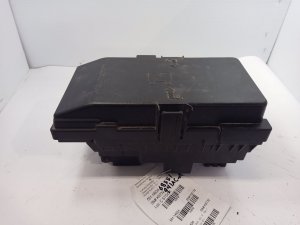
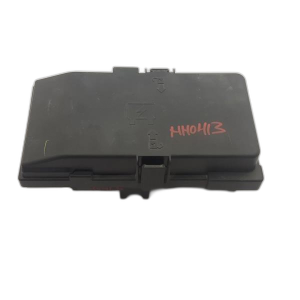
- Park Brake Control Module (PBCM)
(OEM #68438393AA (supersedes 68340867AC, 68340867AD, 68340867AE))— This module is the most common point of failure for this code, often due to water intrusion causing internal shorts or corrosion.
Trusted brands: Mopar
OEM price range: $150-$300
Aftermarket price range: $100-$200 - PBCM Wiring Connector Pigtail — If the module has suffered water damage, the connector is almost always corroded and must be replaced by splicing in a new pigtail, as instructed in TSB 08-060-16.
Trusted brands: Mopar, Dorman
OEM price range: $40-$80
Aftermarket price range: $25-$50
Related Codes That Often Appear With This One
- U0151 — Lost Communication With Occupant Restraint Controller. TSB 18-077-22 lists these codes together, suggesting a broader network or module issue could be the root cause that a PCM flash might address.
- C008E-00 — ECU Internal Performance. TSB 08-060-16 for 2014-2016 Cherokees lists this code as a direct symptom of water intrusion in the EPB module connector.
- C10ED-00 — Electronic Park Brake Switch LED. Also mentioned in TSB 08-060-16 related to water intrusion issues, indicating a problem detected at the user-interface level.
Technical Service Bulletins (TSBs) & Recalls
- 18-077-22: For 2019 3.2L V6 models, suggests a PCM software update may resolve the fault if no hardware damage is present.
- 08-060-16: For 2014-2016 models, details the inspection and repair process for water intrusion at the EPB module connector.
Platform-Specific Known Issues
- NHTSA Investigation PE22-010: An investigation was opened in July 2022 for 1.3 million 2014-2020 Jeep Cherokees regarding the electronic parking brake activating while driving. The suspected cause is water damage to the EPB module, which is located near the power liftgate module that was previously recalled for a similar water intrusion defect.
- Class-Action Lawsuit: A class-action lawsuit was filed for 2014-2020 Jeep Cherokees, alleging that FCA was aware of the water intrusion issue since at least 2016 (due to TSB 08-060-16) and that it causes the parking brake to fail or get stuck.
- TSB 18-077-22: For the 2019 Jeep Cherokee with the 3.2L engine, this TSB lists U0128 as one of several codes that can be resolved by reprogramming the Powertrain Control Module (PCM). This is a software fix and will not repair a water-damaged module.
- TSB 08-060-16: For 2014-2016 models, this TSB directly addresses 'Electronic Parking Brake Module Connector Water Intrusion,' instructing dealers to inspect for corrosion and replace the connector if needed. This bulletin confirms the manufacturer's early awareness of the defect.
Mechanic-Grade Diagnostic Values
- CAN C Bus High Voltage — expected: 2.5V - 3.5V (Key On, Engine Off). Failure: Voltage outside of this range, or shorted to power/ground.
- CAN C Bus Low Voltage — expected: 1.5V - 2.5V (Key On, Engine Off). Failure: Voltage outside of this range, or shorted to power/ground.
- CAN C Bus Termination Resistance — expected: ~60 Ohms (measured between CAN High and CAN Low pins with battery disconnected). Failure: Significantly higher or lower resistance (e.g., 120 Ohms indicates a break in the circuit or a missing module).
- PBCM Power Supply Pin — expected: 12.0V - 12.8V (Key On). Failure: Low or no voltage indicates a fuse or wiring issue before the module.
- PBCM Ground Pin Resistance — expected: Less than 0.1 Ohms. Failure: High resistance indicates a poor ground connection, which can cause communication faults.
Hidden / Shadow Codes Worth Checking
- C008E-00: ECU Internal Performance. This code is specifically mentioned in TSB 08-060-16 as a direct result of water intrusion in the EPB module. (see via Professional scan tool like wiTECH.)
- C10ED-00: Electronic Park Brake Switch LED. Also listed in TSB 08-060-16, indicating a fault related to the switch/indicator light, often triggered by the underlying module failure from water damage. (see via Professional scan tool like wiTECH.)
Scan Tool Commands That Help
- wiTECH or equivalent (Appcar DiagFCA): PROXI Configuration Alignment — Required after replacing the Park Brake Control Module to synchronize it with the Body Control Module (BCM) and other vehicle systems. A flashing odometer is a primary symptom that this procedure is needed.
- wiTECH: EPB VERIFICATION TEST — After a repair, such as replacing the module or connector, to confirm the entire electronic parking brake system is functioning correctly as per TSB 08-060-16.
- Uconnect System / wiTECH: Brake Service Mode — To retract the rear electronic parking brake calipers for performing brake service, such as replacing pads and rotors. This can be accessed by the owner through the vehicle's settings screen.
- wiTECH: Reprogram EPB Module — Used to flash the module with updated software as instructed by a TSB, such as 08-038-16 for earlier models, to fix specific software-related bugs.
Wiring & Ground Locations
- Park Brake Control Module (PBCM) — In the back left side of the cargo area interior, near the spare tire.. This is the physical location of the module that loses communication. It is highly susceptible to water intrusion from leaking taillight seals or body seams in this area.
- CAN C Wires (Twisted Pair) — Within the harness leading to the PBCM connector.. TSB 08-060-16 specifically cautions that the CAN bus wires (typically orange and yellow) are a twisted pair. This twist provides shielding from electromagnetic interference. When repairing these wires, the twist must be maintained to ensure stable communication and prevent future U-codes.
Real Owner Repair Stories
- YouTube channel "Diagnosing the EPB (electronic brake) on a Jeep Cherokee." (Jeep Cherokee (KL generation)) — Flashing parking brake light, "Service Park Brake" message, inability to activate the parking brake.
❌ Tried (didn't work) Checking fuses, which were all good.
✅ What actually fixed it Technician located the PBCM in the rear cargo area and found significant moisture in the spare tire well. The module's connector terminals were completely sulfated/corroded from water damage. The module itself was also damaged by water. The final fix was replacing the faulty module and likely the connector. - YouTube channel "Electronic parking brake problem on a Jeep Cherokee | Solution" (2015 Jeep Cherokee) — Flashing "BRAKE" light on the dash, EPB would not activate or deactivate.
✅ What actually fixed it The owner found the PBCM in the rear cargo area was wet and the connector was corroded. They replaced the module with a new Mopar part and applied dielectric grease to the connector to repel future moisture. The fix did not require any programming.
OEM Part Supersession History
68340867AC, 68340867AD, 68340867AE→68438393AA— Part revision and consolidation by the manufacturer.
Model Year Variations Within This Range
- 2014-2016: TSB 08-060-16 was issued specifically for these years to address water intrusion at the EPB module connector, instructing dealers to inspect for corrosion and replace the connector pigtail if needed.
- 2019 (with 3.2L Engine): TSB 18-077-22 applies to this specific configuration, suggesting a Powertrain Control Module (PCM) software update may resolve U0128 if no hardware damage (like water intrusion) is present.
Helpful Videos
We Have This Part in Stock

The information in this article is provided for general reference and educational purposes only. Vehicle specifications, procedures, and part compatibility can vary by production date, trim level, and region. Always consult your vehicle's factory service manual and verify part numbers before purchasing or performing repairs. Safety-critical components such as airbags, seat belts, and braking systems should be installed by a qualified professional.
- Jeep CHEROKEE:
- 🧭 Diagnostic Flowchart
- 🎬 Helpful Videos
- 🛍️ Shop This Part
- What's Unique About the 2019-2019 Jeep CHEROKEE
- Symptoms You May Notice
- Most Likely Causes
- Rare But Worth Checking
- Diagnosis Steps
- Parts You'll Likely Need
- Related Codes That Often Appear With This One
- Technical Service Bulletins (TSBs) & Recalls
- Platform-Specific Known Issues
- Mechanic-Grade Diagnostic Values
- Hidden / Shadow Codes Worth Checking
- Scan Tool Commands That Help
- Wiring & Ground Locations
- Real Owner Repair Stories
- OEM Part Supersession History
- Model Year Variations Within This Range
- 🎟️ Get 5% Off