

U0129 on 2021 Dodge Challenger: Lost Communication With Brake Module Fixes
This code means your Challenger has lost communication with the Brake System Control Module, disabling ABS and stability control. The most common causes are a weak battery, a software glitch needing a PCM update per TSB #18-011-22, or a wiring issue. A faulty ABS module is also possible but less common. Start by checking the battery and TSBs before replacing expensive parts.
- U0129 on a 2021 Challenger means the Brake System Control Module is offline, disabling ABS and stability control.
- Before replacing any parts, check if TSB #1801122 applies, as a simple PCM software update may fix the issue.
- Always test the battery and check related fuses before beginning a more complex diagnosis.
- Inspect the wiring and connector at the ABS module for any signs of corrosion or damage.
- Replacing the ABS module is expensive and requires special programming, so it should be the last resort after all other possibilities are ruled out.
What's Unique About the 2021-2021 Dodge CHALLENGER
On the 2021 Challenger, this code is specifically called out in Technical Service Bulletin (TSB) #18-011-22. The TSB notes that U0129 can appear with a host of other communication loss codes (U0101, U0140, etc.), suggesting a known software calibration issue from the factory that can be resolved by reprogramming the Powertrain Control Module (PCM) with the latest software. This indicates that before suspecting a major hardware failure, a software update should be the first diagnostic step.
Diagnostic Flowchart
Tap your situation to follow the diagnostic path that matches what you're seeing on this vehicle.
Symptoms You May Notice
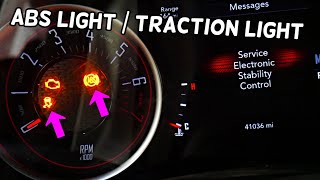
- ABS warning light illuminated
- Traction Control (ESC/BAS) warning light illuminated
- Brake warning light illuminated
- Check Engine Light (Malfunction Indicator Lamp) may be on 🎬 See why your ABS and traction control lights are on.
- Loss of cruise control function
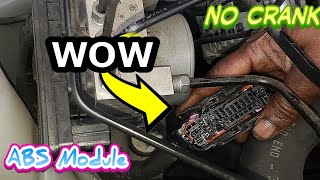
- In some cases, a no-crank, no-start condition if the ABS module is shorting the entire CAN bus network. 🎬 Watch: Diagnosing a no-start condition caused by ABS communication codes.
- Replacing the ABS module immediately without first checking for software updates (TSB #18-011-22), battery health, or wiring issues. The TSB for this vehicle makes a software update a critical first step.
Most Likely Causes
- Software Glitch in Powertrain Control Module (PCM) 🔴 High Probability A specific TSB (#18-011-22) was issued by Dodge for 2021 Challengers with the 3.6L engine, indicating that a software update is a known fix for a flurry of communication codes, including U0129.
How to confirm: A dealership or qualified shop can check the current PCM software version against the latest version available from Dodge using their diagnostic tool.
Typical fix: Reprogramming (flashing) the PCM with the updated software. This is typically a 0.3-0.5 hour labor operation.
Est. part cost: $0-$0 - Low Battery Voltage or Failing Battery 🟡 Medium Probability → Shop Vehicle Battery Modern vehicles with many electronic modules are sensitive to voltage. A weak battery can cause modules to drop off the network during startup, triggering communication codes. This is a very common issue across all modern Dodge/Chrysler platforms.
How to confirm: Test the battery voltage with a multimeter. It should be above 12.4V with the engine off. A load test at an auto parts store is the most definitive way to check battery health. Check for corroded or loose terminals.
Typical fix: Recharge or replace the vehicle's battery.
Est. part cost: $150-$350 - Damaged Wiring or Loose/Corroded Connector 🟡 Medium Probability The ABS module is located in the engine bay, typically on the driver's side near the shock tower, where it's exposed to heat, moisture, and vibration. The large connector can get water intrusion, 🎬 Watch this guide on fixing lost communication with the ABS module. and the pins can corrode, or the harness can chafe against other components, causing a short or open circuit.
How to confirm: Visually inspect the wiring harness and the large electrical connector at the ABS module for any signs of damage, corrosion, pushed-out pins, or looseness. In extreme cases, the connector itself can disintegrate.
Typical fix: Repair the damaged section of the harness or clean/replace the connector. A pigtail connector may be available for repairs.
Est. part cost: $20-$200 - Faulty ABS Module (Brake System Control Module) ⚪ Low Probability → Shop ABS Control Module While less common than software or wiring issues, internal failure of the electronic module is a known issue on some Challenger/Charger platforms. The module can fail internally, causing it to stop communicating or, in severe cases, short out the CAN bus, preventing the car from starting.
How to confirm: This is a process of elimination. If the software is up to date, the battery is good, and all wiring, power, and grounds to the module test correctly, the module itself is the likely culprit. A scan tool may show the module as 'offline'.
Typical fix: Replace the ABS module. This requires programming/initialization to the vehicle's VIN using a capable scan tool.
Est. part cost: $500-$1500
Rare But Worth Checking
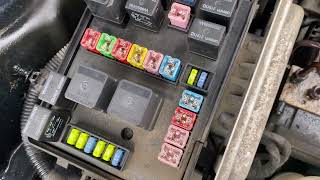
- Blown Fuse: A simple but often overlooked cause. The ABS module has dedicated power fuses in the front power distribution center. A blown fuse will take the module offline, causing a U0129 code.
- CAN Bus Network Fault: An issue elsewhere on the vehicle's data network, such as a short in a different module's wiring or a failed terminating resistor, can disrupt communication for the entire network, leading to multiple 'U' codes. Diagnosis involves checking for 60 ohms of resistance between pins 6 (CAN-H) and 14 (CAN-L) on the OBD-II port with the battery disconnected.
Diagnosis Steps
- Check for any Technical Service Bulletins (TSBs) related to your vehicle's VIN. Specifically, reference TSB #18-011-22 for PCM updates on 3.6L models.
- Use a high-quality OBD-II scanner to read codes from ALL vehicle modules, not just the engine computer. Note all active and stored codes and view the network topology to see which modules are offline.
- Check the battery. Ensure it is fully charged (>12.4V) and passes a load test. Clean any corrosion from the terminals and ensure connections are tight.
- Inspect the fuses related to the ABS / Brake System Control Module in the engine bay fuse box.
- Locate the ABS module in the engine bay, on the driver's side. Carefully inspect the main electrical connector for corrosion, moisture, or pushed-out pins. Check the surrounding wiring harness for any signs of chafing, melting, or physical damage.
- If wiring appears intact, use a multimeter to verify that the ABS module is receiving proper power and ground at the connector.
- With the battery disconnected, check the CAN bus integrity. Measure the resistance between Pin 6 (CAN-H) and Pin 14 (CAN-L) at the OBD-II port. A healthy network should read approximately 60 Ohms. A reading of 120 Ohms indicates an open circuit or a missing terminating resistor. A reading near 0 Ohms indicates a short between the two lines.
- If all other steps pass, the issue likely lies with either the PCM software (requiring a flash update) or an internal failure of the ABS module itself.
Parts You'll Likely Need
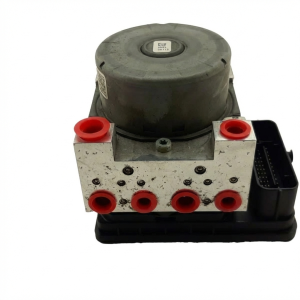
- ABS Control Module
(OEM #68399772AG (supercedes 68258645AA, 68266996AA - verify with VIN))— This is the module that has lost communication. If software, power, and wiring are all confirmed to be good, the module itself has likely failed internally.
Trusted brands: Mopar
OEM price range: $800-$1500
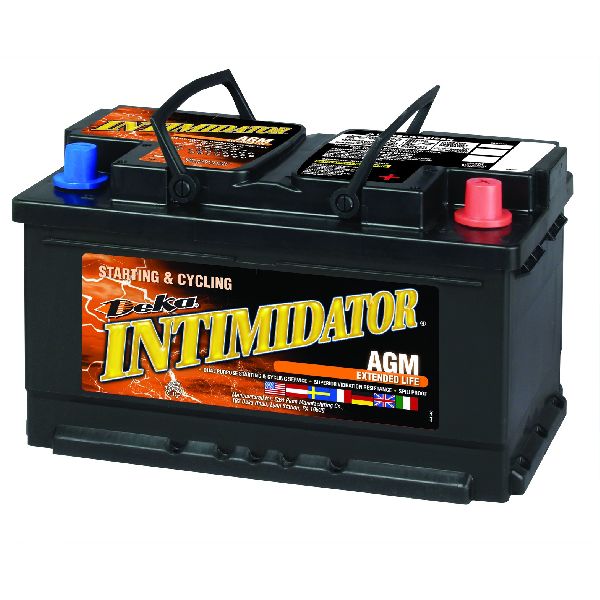
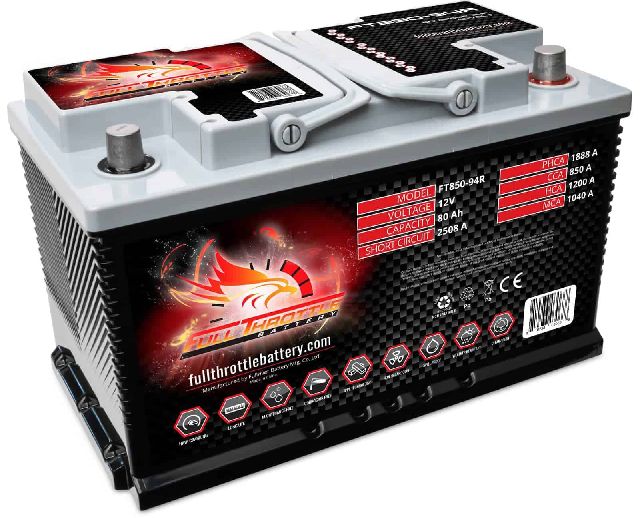
Aftermarket price range: $400-$900 - Battery — A weak or failing battery is a very common cause of network communication codes on modern vehicles.
Trusted brands: Mopar, Interstate, DieHard
OEM price range: $200-$350
Aftermarket price range: $150-$250
Related Codes That Often Appear With This One
- U0101 — Lost Communication With TCM. Both are listed in TSB 18-011-22, suggesting a common software or network issue.
- U0140 — Lost Communication With Body Control Module. Also listed in TSB 18-011-22.
- U0418 — Implausible Data Received From Brake System Control Module 1. This is also listed in TSB 18-011-22 and is directly related to the brake module.
- C2200 — Anti-Lock Brake Module Internal. This code points more directly to a failed module, whereas U0129 is a communication loss that could have other causes.
Technical Service Bulletins (TSBs) & Recalls
- 18-011-22: Flash: Powertrain Control Module (PCM) Updates. Addresses a long list of U-codes, including U0129, that may be resolved with a software update for vehicles built on or before Oct 14, 2021 with the 3.6L engine.
Platform-Specific Known Issues
- Dodge issued TSB #18-011-22 for 2021 Challengers (3.6L), which involves reprogramming the PCM to fix a list of communication DTCs, including U0129. This suggests a known software issue from the factory.
- The ABS module connector is in a location prone to moisture and heat, which can lead to corrosion and connection failure over time, as documented by owners and mechanics.
Mechanic-Grade Diagnostic Values
- CAN C Bus Resistance — expected: ~60 Ohms. Failure: A reading of ~120 Ohms indicates an open circuit or a missing terminating resistor. A reading near 0 Ohms indicates a short between the CAN High and CAN Low wires.
- CAN C High (CAN+) Bus Voltage (Key On) — expected: ~2.6 Volts (recessive state) to ~3.5 Volts (dominant state). Failure: Voltage significantly outside this range, or stuck at one level, indicates a bus fault.
- CAN C Low (CAN-) Bus Voltage (Key On) — expected: ~2.4 Volts (recessive state) to ~1.5 Volts (dominant state). Failure: Voltage significantly outside this range, or stuck at one level, indicates a bus fault.
Scan Tool Commands That Help
- wiTECH: Proxy Configuration Alignment — This procedure is required after replacing the ABS module (or other major network modules) to make the new module recognized by the vehicle's network. Failure to perform this can result in a flashing odometer and persistent communication codes.
- wiTECH: Brake Pedal Calibration — This is an ABS post-flash or post-replacement routine found under the ABS module's 'Miscellaneous Functions' tab.
- wiTECH: Longitudinal G-Sensor Calibration — Another routine required after flashing or replacing the ABS module, located under the 'Miscellaneous Functions' tab.
- wiTECH / Autel: ABS Initialization / Assembly Check — After installing a new module, this routine is used to initialize it. It may involve a specific driving procedure to calibrate sensors.
Wiring & Ground Locations
- ABS Module Connector — In the engine bay, typically on the driver's side, mounted to the hydraulic control unit near the shock tower.. This is the primary connection point for all power, ground, and CAN bus signals to the module. It is a common failure point due to corrosion from moisture and heat exposure.
- CAN C Bus Wires — A twisted pair of wires (typically White/Light Blue for CAN+ and White/Orange for CAN-) running in the main harness to the ABS module connector.. These two wires are the data lines for the high-speed network. A short or open in either wire will sever communication with the ABS module, directly causing U0129.
- ABS Module Ground — The module is grounded through specific pins in its electrical connector, which lead to a chassis ground point. While specific 2021 Challenger ground points like G905A are documented for other systems, the primary check for the ABS module is for a clean, tight ground connection at its harness connector.. A poor or missing ground will prevent the module from powering on and communicating, triggering a U0129 code.
Real Owner Repair Stories
- RamForum.com user Bennyhonda (2003 Dodge Ram 2500 (Similar platform issue)) — ABS and Parking Brake lights on.
❌ Tried (didn't work) Initial diagnosis pointed towards a faulty module.
✅ What actually fixed it The electrical connector on top of the ABS module was severely corroded. Two pins were completely rotted off. The fix was to replace the module (to get clean pins) and splice in a new connector pigtail from a junkyard unit, then seal it with dielectric grease and silicone tape.
OEM Part Supersession History
68399772AA, 68399772AB, 68399772AC, 68399772AD, 68399772AE, 68399772AF→68399772AG— Part revisions for hardware or software updates.
Heads up: When replacing, it is critical to use the latest part number specified for the vehicle's VIN. Using a used module from another vehicle will require a 'Proxy Alignment' procedure to be performed by a dealer or a properly equipped shop.
Model Year Variations Within This Range
- 2021 (build date on or before Oct 14, 2021): Vehicles with the 3.6L engine built on or before this date are specifically covered by TSB #18-011-22, which calls for a PCM software update to resolve U0129 and other communication codes. Vehicles built after this date should already have the updated software from the factory.
Helpful Videos
Used OEM Parts in Stock
New Aftermarket Parts Available


The information in this article is provided for general reference and educational purposes only. Vehicle specifications, procedures, and part compatibility can vary by production date, trim level, and region. Always consult your vehicle's factory service manual and verify part numbers before purchasing or performing repairs. Safety-critical components such as airbags, seat belts, and braking systems should be installed by a qualified professional.
- Dodge CHALLENGER:
- 🧭 Diagnostic Flowchart
- 🎬 Helpful Videos
- 🛍️ Shop This Part
- What's Unique About the 2021-2021 Dodge CHALLENGER
- Symptoms You May Notice
- Most Likely Causes
- Rare But Worth Checking
- Diagnosis Steps
- Parts You'll Likely Need
- Related Codes That Often Appear With This One
- Technical Service Bulletins (TSBs) & Recalls
- Platform-Specific Known Issues
- Mechanic-Grade Diagnostic Values
- Scan Tool Commands That Help
- Wiring & Ground Locations
- Real Owner Repair Stories
- OEM Part Supersession History
- Model Year Variations Within This Range
- 🎟️ Get 5% Off