

U0131 on 2015-2019 Cadillac Escalade ESV: Power Steering Communication Loss Causes and Fixes
This code indicates a loss of communication with the Power Steering Control Module (PSCM). On the 2015-2019 Escalade ESV, this is most often caused by specific wiring or grounding issues, not a failed module. Check the BCM ground at G218 and the wiring harness in the driver's sill plate before replacing any parts. These are well-documented issues in GM TSBs and owner forums for the entire K2XX platform.
- U0131 on a 2015-2019 Escalade ESV is almost always an electrical fault, not a component failure.
- Before considering any part replacement, you must inspect the G218 ground under the driver's dash.
- The second most likely cause is corroded wiring under the driver's side door sill plate.
- Driving with this code is unsafe due to the loss of power steering assist.
- A large number of other communication codes appearing alongside U0131 strongly points towards a common ground or wiring problem.
What's Unique About the 2015-2019 Cadillac ESCALADE ESV
For this specific generation of Cadillac Escalade and its GM K2XX platform siblings (Tahoe, Yukon, Silverado, Sierra), the U0131 code is very frequently linked to two well-documented electrical issues. Manufacturer Technical Service Bulletins (TSBs) point directly to a poor Body Control Module (BCM) ground (G218) under the dash and to damaged wiring in the harness that runs along the driver's side door sill. These known weak points should be the primary focus of your diagnosis, as they are far more common than an actual failure of the Power Steering Control Module itself.
Diagnostic Flowchart
Tap your situation to follow the diagnostic path that matches what you're seeing on this vehicle.
Symptoms You May Notice
- Complete loss of power steering assist (steering becomes very heavy)
- "Service Power Steering" message on the instrument cluster.
- StabiliTrak or traction control warning lights
- Steering wheel jerks or kicks back when turning.
- In some cases, other electrical issues like a blank instrument panel or radio, or even a no-start condition.
- Alarm sounding when locking doors or door locks cycling randomly.
- Intermittent failure where power steering works after the vehicle has been running for a while.
- Replacing the Power Steering Control Module or the entire steering rack assembly before thoroughly checking the G218 ground and the sill plate wiring. These electrical checks are critical and often reveal the true, much cheaper, cause of the problem.
- Replacing the battery without testing the battery cables. A high-resistance cable can mimic the symptoms of a weak battery and will cause the problem to return.
Most Likely Causes
- Poor Body Control Module (BCM) Ground at G218 🔴 High Probability TSB #PIT5405C and its successor #18-NA-161 specifically call out this issue. The dash insulator mat can get trapped under the ground eyelet during assembly, preventing a solid connection and causing widespread communication issues, especially when the electrical system is loaded (like turning the wheel at low speeds).
How to confirm: Visually inspect the G218 ground stud, located in the driver's footwell, up and to the left near the A-pillar and dash speaker. Remove the 10mm nut and ground eyelet. Check if the black dash insulator is pinched under the connector, or if the nut is loose.
Typical fix: Remove the 10mm nut and ground eyelet. Trim away the interfering insulator mat. Clean the contact surfaces of the stud and the eyelet to ensure bare metal contact, then securely retighten the nut. 🎬 Watch: Step-by-step guide to fixing the G218 ground issue. Many owners on forums have confirmed this simple fix resolves the issue.
Est. part cost: $0-$5 - Damaged Wiring in Driver's Side Sill Plate Harness 🔴 High Probability TSB #PIT5457D notes that the wiring harness running in the channel under the driver's door sill plate is susceptible to moisture intrusion, chafing, and corrosion, leading to open circuits. The Communication Enable circuit (5986) is often the specific wire that gets damaged.
How to confirm: Remove the driver's side plastic sill plate and peel back the carpet to expose the wiring channel. Carefully inspect the wires (especially any with splices or the twisted CAN bus pairs) for signs of green or white corrosion, swelling, or breaks. Water intrusion from clogged drains or bad seals is a common cause.
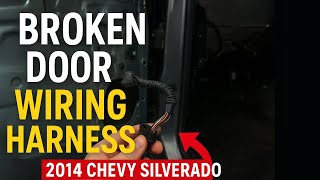
Typical fix: Cut out the corroded section of wire and splice in a new piece using weather-proof heat-shrink butt connectors. 🎬 Watch this video for tips on troubleshooting door wiring harnesses. Ensure the repaired area is sealed against future moisture. GM provides specific wire repair instructions for technicians.
Est. part cost: $5-$25 - Failed Power Steering Control Module (PSCM) ⚪ Low Probability → Shop Power Steering Control Module While any electronic module can fail, on this platform it is much less common than the wiring and ground issues. Many modules are replaced unnecessarily.
How to confirm: This should only be suspected after all wiring, power, and ground circuits to the PSCM have been thoroughly tested and confirmed to be good. A professional scan tool is needed to verify if the module is truly offline when all its inputs are correct. If the module has power and ground but does not communicate, it has likely failed.
Typical fix: Replace the Power Steering Control Module. The PSCM is integrated into the electric power steering rack itself. After replacement, the new module must be programmed and calibrated to the vehicle using GM's Service Programming System (SPS).
Est. part cost: $400-$1200
Rare But Worth Checking
- Poor Power/Ground Connection at Steering Rack: TSB #PIT5405C also mentions checking the main 2-way power and ground connector for the power steering rack (X183 or X133) for loose or backed-out terminals.
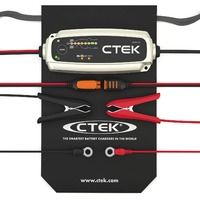
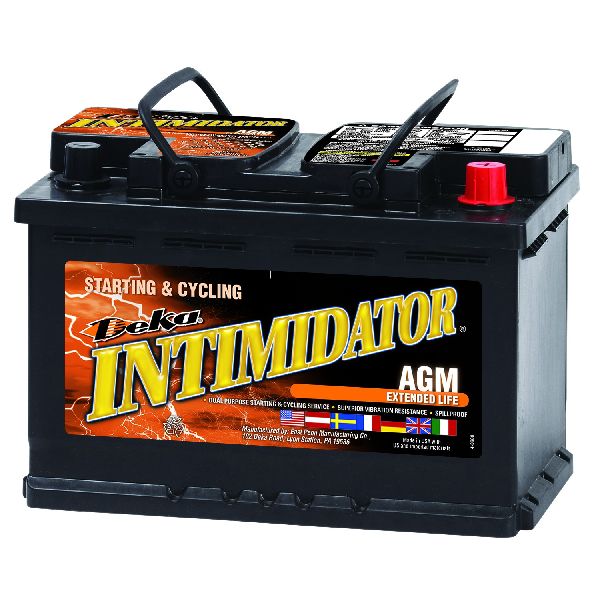
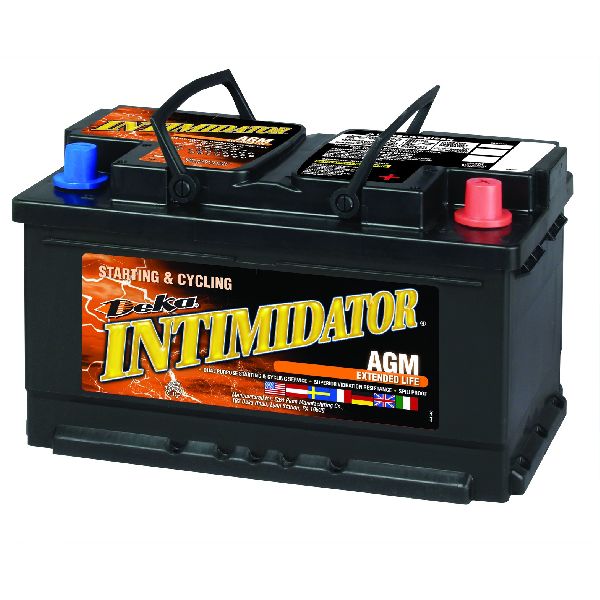
- Low System Voltage / Faulty Battery Cables: → Shop Vehicle Battery A failing battery, alternator, or high-resistance battery cables can cause low voltage, leading to unpredictable behavior from various electronic modules, including the PSCM. TSB #PIT5405C recommends checking battery cable torque and performing a loaded voltage drop test. Some owners have found that replacing the negative battery cable, which can corrode internally, permanently fixed the issue after the G218 ground fix failed.
- Corroded Frame to Body Ground Strap: On the K2XX platform, a braided, uninsulated ground strap connects the body to the frame and is exposed to the elements. In salt-belt regions, this strap can corrode and break, causing 🎬 See how to identify and repair common GM ground issues. a major voltage drop and leading to power steering failure and other codes.
Diagnosis Steps
- Scan all vehicle modules for stored trouble codes. Note all 'U' (communication) codes present, as multiple codes strongly suggest a network-wide issue like a ground fault.
- Begin by inspecting the BCM ground at location G218 under the driver's side dash, as detailed in TSB #PIT5405C. Check for a loose 10mm nut or a trapped insulator mat. Disassemble, clean, and re-secure the connection.
- If the ground is good, proceed to inspect the wiring harness under the driver's side door sill plate, as per TSB #PIT5457D. Look for any signs of water damage, chafing, or corrosion, paying close attention to the Communication Enable circuit (5986) and CAN bus wires.
- Verify battery health and charging system voltage. Perform a loaded voltage drop test on both positive and negative battery cables to check for internal resistance, as noted in TSB #PIT5405C.
- If the above steps do not resolve the issue, check the main power and ground connections at the power steering rack itself (connector X183 or X133) for tightness and corrosion.
- Check the integrity of the CAN bus. With the battery disconnected, measure resistance between Pin 6 and Pin 14 of the OBD-II port. A reading of ~60 ohms is normal.
- If all wiring, grounds, and power inputs are confirmed to be good, the Power Steering Control Module itself may be faulty. This requires advanced diagnostics with a scan tool to confirm before ordering a replacement.
Parts You'll Likely Need
- Wiring Repair Supplies — Used to fix corroded or broken wires in the sill plate harness, a very common cause.
Trusted brands: 3M
Aftermarket price range: $5-$25 - Power Steering Gear (includes PSCM)
(OEM #84441229, 84446361 (ACDelco Remanufactured))— This is only needed if the module itself has failed after all wiring and ground faults have been ruled out. The control module is integrated into the steering gear assembly. Part number may vary by specific year and options, always verify with VIN.
Trusted brands: ACDelco, Bosch
OEM price range: $800-$1500
Aftermarket price range: $400-$900 - Negative Battery Cable
(OEM #22846471 (ACDelco))— Can corrode internally, causing high resistance and a variety of electrical faults that mimic a bad battery or other module failures.
Trusted brands: ACDelco
OEM price range: $80-$120
Aftermarket price range: $50-$90
Related Codes That Often Appear With This One
- U0077 — Another CAN bus communication code often triggered by the same wiring issue in the sill plate harness, as noted in TSB #PIT5457D.
- U0121 — Lost Communication with ABS Control Module. This often appears with U0131 due to the shared wiring and ground points, especially the G218 ground.
- U0428 — Invalid Data Received From Steering Angle Sensor Module. This code is also cited in TSB #PIT5405C and points to the same G218 ground fault.
- U0140 — Lost Communication with Body Control Module. Since the faulty G218 is a primary ground for the BCM, this code is a strong indicator that G218 is the root cause.
Technical Service Bulletins (TSBs) & Recalls
- PIT5457D: Addresses loss of communication with various modules, including the PSCM (U0131), due to open/damaged wiring in the sill plate harnesses, specifically mentioning the Communication Enable circuit 5986.
- PIT5405C: Points to a poor BCM ground at G218 as a cause for U0131 and numerous other electrical symptoms like steering kickback, stalling, and blank displays. Also advises checking battery cable connections.
- 18-NA-161: A later TSB that supersedes PIT5405C, reiterating the G218 ground issue and other power/ground connection checks.
Platform-Specific Known Issues
- TSB #PIT5405C documents that a poor ground at G218, often due to an interfering dash insulator mat, can cause U0131 and a host of other electrical problems.
- TSB #PIT5457D identifies that a damaged Communication Enable circuit (5986) in the sill plate harness is a common cause for U0131.
Mechanic-Grade Diagnostic Values
- High-Speed CAN Bus Resistance — expected: ~60 Ω (ohms) ± 5 Ω, measured between Pin 6 and Pin 14 of the OBD-II port with the battery disconnected.. Failure: A reading of ~120 Ω indicates an open circuit or a missing terminating resistor. A reading near 0 Ω indicates a short between the CAN High and CAN Low wires. A reading around 40 Ω could indicate an unintended third terminating resistor on the network.
- Communication Enable Circuit (5986) Voltage — expected: Approximately 12V with key in ACC, ON, or START.. Failure: Low or no voltage when the BCM is awake. A load test using a 194 bulb (~250mA draw) should maintain at least 11V across the bulb; less indicates high resistance in the circuit. The BCM will disable the circuit if the draw exceeds 0.88 amps (short to ground).
- High-Speed CAN Bus Voltage (Key-On, Engine-Off) — expected: Both CAN High and CAN Low wires should read approximately 2.5V when the bus is at rest (recessive state).. Failure: When active (dominant state), CAN High should be ~3.5V and CAN Low ~1.5V. Voltages stuck high or low, or not mirroring each other, indicate a bus fault or a module pulling the bus down.
Scan Tool Commands That Help
- GM GDS2 / SPS2 (or equivalent professional scanner): Power Steering Control Module Programming/Setup — This is required after replacing the Power Steering Control Module (steering rack assembly). The new module must be programmed to the vehicle's VIN and calibrated.
- GM GDS2 (or equivalent professional scanner): Steering Angle Sensor Calibration — Required after replacing the steering angle sensor, steering rack, or performing a wheel alignment. The scan tool guides the user to center the wheel and then learns the new sensor's position.
Wiring & Ground Locations
- G218 — In the driver's footwell, up and to the left near the A-pillar and dash speaker.. This is a primary ground for the Body Control Module (BCM). When faulty, it causes widespread communication issues, including U0131, as documented in TSB #PIT5405C.
- PSCM Connector X1 (12-pin) — On the Power Steering Control Module, which is integrated into the electric power steering rack assembly.. This connector contains the critical communication wires. Pin 2 (WH/L-BU) is the Communication Enable Circuit 5986. The High-Speed GMLAN serial data lines are also in this connector.
- PSCM Connector X2 (2-pin) — On the Power Steering Control Module, part of the steering rack assembly.. This is the main high-current power and ground feed for the electric steering assist motor. A poor connection here will cause the module to shut down.
- Splice J365 — Located in the wiring harness under the passenger front sill plate.. This is a known failure point for the Communication Enable Circuit 5986, which can cause an open circuit and lead to U0131.
Model Year Variations Within This Range
- 2015: GM issued recall #14V719000 for some 2015 models due to a potential sudden loss of power steering assist. The fix was to replace the power steering assist motor kit, which contains the PSCM. Owners of 2015 models should check if their VIN was affected by this recall.
Helpful Videos

We Have This Part in Stock


The information in this article is provided for general reference and educational purposes only. Vehicle specifications, procedures, and part compatibility can vary by production date, trim level, and region. Always consult your vehicle's factory service manual and verify part numbers before purchasing or performing repairs. Safety-critical components such as airbags, seat belts, and braking systems should be installed by a qualified professional.
- Cadillac ESCALADE ESV:
- 🧭 Diagnostic Flowchart
- 🎬 Helpful Videos
- 🛍️ Shop This Part
- What's Unique About the 2015-2019 Cadillac ESCALADE ESV
- Symptoms You May Notice
- Most Likely Causes
- Rare But Worth Checking
- Diagnosis Steps
- Parts You'll Likely Need
- Related Codes That Often Appear With This One
- Technical Service Bulletins (TSBs) & Recalls
- Platform-Specific Known Issues
- Mechanic-Grade Diagnostic Values
- Scan Tool Commands That Help
- Wiring & Ground Locations
- Model Year Variations Within This Range
- 🎟️ Get 5% Off