

U0131 on 2014-2016 Jeep Cherokee: Lost Communication With Power Steering Fixes
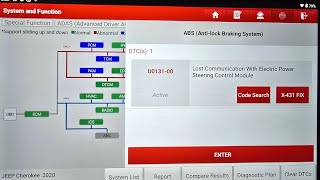
This code means the Power Steering Control Module (PSCM) has lost communication. The most common causes are poor electrical grounds (specifically G908A), a blown main fuse block on the battery, or a chafed wiring harness. Loss of power steering assist is the primary symptom, and the issue is a known problem.
- U0131 on a 2014-2016 Jeep Cherokee means a loss of communication with the electric power steering module, resulting in a sudden and total loss of steering assist.
- Before suspecting the expensive steering rack, thoroughly inspect the simple, high-probability causes: the main power steering fuse on the battery, and all related ground connections for cleanliness and tightness.
- Jeep has documented issues with both wiring harnesses rubbing through (TSB 08-039-16) and poor ground connections from the factory (STAR Case S1919000004).
- This is a critical safety issue. Do not drive the vehicle until it is repaired.
- Diagnosis can be complex and is best left to a professional if the initial checks of fuses and grounds do not solve the problem.
What's Unique About the 2014-2016 Jeep CHEROKEE

The 2014-2016 Jeep Cherokee (KL generation) uses a fully electric power steering (EPS) system that is highly dependent on the Controller Area Network (CAN bus) for operation. This platform is notoriously sensitive to electrical issues. Manufacturer documents specifically point to poor grounds (weld spatter on studs), chafed wiring harnesses, and faulty battery fuse blocks as known causes for this code on these vehicles. The problem is so well-documented that multiple STAR cases and TSBs have been issued to help technicians diagnose the root cause, which is rarely the expensive steering rack itself.
Diagnostic Flowchart

Tap your situation to follow the diagnostic path that matches what you're seeing on this vehicle.
Symptoms You May Notice

- Complete loss of power steering assist, making the steering wheel very heavy and difficult to turn.
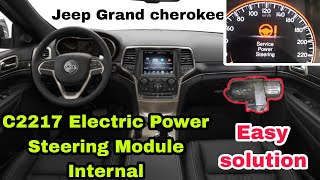
- "Service Power Steering" message or warning light on the instrument cluster.
- Malfunction Indicator Lamp (Check Engine Light) is illuminated.
- Flashing odometer mileage.
- Multiple other warning lights may appear, such as for the ABS, traction control, or 4x4 systems, due to the network disruption.
- In some cases, a no-start condition may occur alongside the U0131 code.
- Replacing the power steering rack without first thoroughly checking the main battery fuse, grounds, and wiring harness. Many owners and shops have replaced expensive racks only to find the issue was a simple bad ground or a relatively inexpensive blown fuse block.
Most Likely Causes

- Poor Ground Connection for the PSCM (G908A) 🔴 High Probability Jeep has issued multiple documents (STAR Cases S1919000004 Rev.A and S2208000063 Rev. A) noting that poor ground connections are a primary cause. Issues like weld spatter, paint, or glue from heat-shrink tubing on ground studs prevent a solid connection. STAR case S2208000063 specifically identifies ground G908A, located behind the passenger side headlight, as a frequent culprit where the wire is not properly secured to the eyelet.
How to confirm: Locate ground G908A behind the passenger headlight assembly. Disassemble the connection and inspect the stud for weld spatter or other contaminants. Inspect the wire eyelet for a bent shape or poor crimp/solder to the wire itself, sometimes hidden under heat shrink. Clean all contact surfaces to bare metal.
Typical fix: Clean the ground stud and eyelet with a wire brush or emery paper to ensure bare metal contact. If the eyelet is bent, carefully straighten it. If the wire-to-eyelet connection is poor, it may need to be re-crimped or soldered. 🎬 See how cleaning your grounds can fix electrical issues. Reassemble and torque the ground nut to 15 N-m (11 ft-lbs).
Est. part cost: $0-$10 - Blown Main Fuse for Power Steering 🔴 High Probability The electric power steering motor draws significant current through a dedicated high-amperage fuse located in a fuse block on the positive battery terminal. A voltage spike, short circuit, or internal fault in the steering rack can cause this fuse to blow, cutting all power to the PSCM and triggering the U0131 code. This is a very common point of failure. 🎬 Watch: How to locate and replace the power steering fuse.
How to confirm: Locate the main fuse block (often called a Z-Case Fuse Array or fusible link block) attached to the positive battery terminal. The fuse for the EPS is typically the first one (F1 position). With the engine running, carefully test for voltage on the metal posts on both sides of the fuse. A good fuse will show battery voltage (approx. 14V+) on both sides; a blown fuse will show voltage on one side but not the other.
Typical fix: Replace the entire battery fuse block assembly. The main fuses are integrated and not individually replaceable. The Mopar part number is often 68365044AA for 2019+ models, but verify the correct part for your specific year and engine.
Est. part cost: $50-$150 - Damaged or Chafed Wiring Harness 🟡 Medium Probability TSB 08-039-16 REV.A specifically addresses wiring harnesses that can rub through, causing shorts or open circuits that lead to lost communication with the PSCM and other modules. Another TSB, 08-120-15, points to chafing near the transmission shift cable bracket on 2.4L models.
How to confirm: Visually inspect the wiring harness leading from the battery, under the PDC, and down to the electric power steering rack. Pay close attention to areas where the harness is clipped to the chassis or routed near brackets and engine components, as identified in TSBs. Look for any signs of rubbing, chafing, melting, or corrosion.
Typical fix: If damage is minor, repair the affected wires and protect the harness with anti-abrasion tape or loom. If damage is severe (multiple broken or corroded wires), the entire harness section may need to be replaced.
Est. part cost: $10-$800 - Faulty Power Steering Control Module (PSCM) ⚪ Low Probability → Shop Power Steering Control Module While less common than wiring or ground issues, the internal electronics of the PSCM can fail. However, STAR Case S2019000005 Rev B notes that returned parts often show no failures upon analysis, strongly suggesting that external power, ground, or network faults are the real issue. Misdiagnosing a bad PSCM is common.
How to confirm: This should only be considered after confirming all power (fuse), ground (G908A), and CAN bus wiring to the module are intact and functioning correctly. A professional scan tool is needed to verify the PSCM is offline while all its inputs are good.
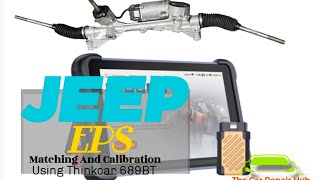
Typical fix: Replace the electric power steering rack assembly, as the control module is integrated into it. The new module will require programming and calibration to the vehicle. 🎬 Watch: How to perform VIN writing and steering calibration.
Est. part cost: $1500-$3800
Rare But Worth Checking
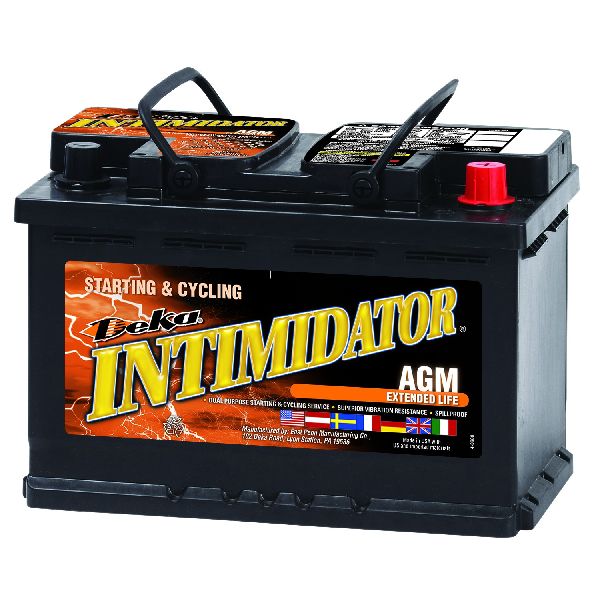
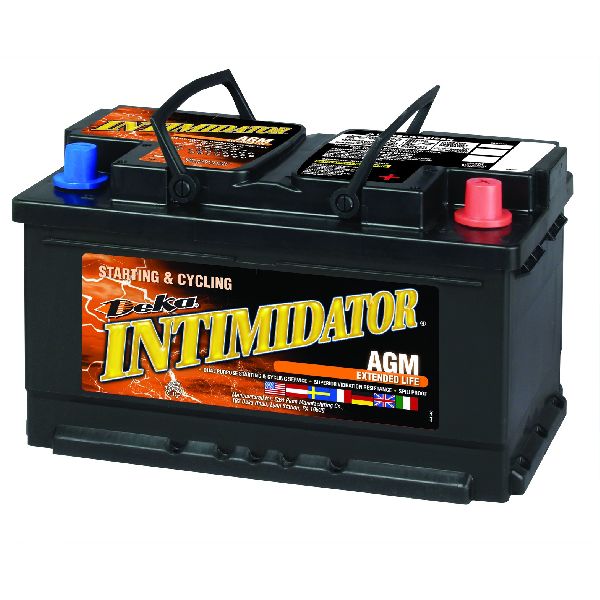
- Low Battery Voltage or Failing Battery: → Shop Vehicle Battery The EPS system is highly sensitive to system voltage. A weak or failing battery can cause a variety of seemingly unrelated electronic issues, including module communication loss. Always test the battery and charging system early in the diagnostic process.
- CAN Bus Network Fault: A fault elsewhere on the CAN C bus can disrupt communication with the PSCM. This is usually accompanied by a flood of other U-codes from various modules and may point to a different module or wiring section being the true cause.
Diagnosis Steps
- Check Battery Health: Ensure the battery is fully charged (12.4V+ with engine off) and the charging system is working correctly (13.5V-14.5V with engine running).
- Scan for All Codes: Use a professional-grade OBD-II scanner to read codes from all vehicle modules. Note all communication (U-prefix) codes and which modules are not communicating.
- Inspect Main EPS Fuse: This is a critical first step. Locate the fuse block on the positive battery terminal. Visually inspect and test the first large fuse (F1) for continuity or voltage on both sides. A blown fuse here is a very common fix.
- Inspect PSCM Ground (G908A): Locate the G908A ground stud behind the passenger side headlight. Disassemble, clean all contact surfaces (stud and eyelet) to bare metal, check for a bent eyelet, and ensure the wire is secure in the eyelet. Re-torque to 15 N-m (11 ft-lbs).
- Inspect Wiring Harness: Following the path from the PSCM (on the steering rack) towards the main fuse block, carefully inspect the entire wiring harness for signs of chafing, melting, or physical damage, as highlighted in TSBs 08-039-16 and 08-120-15.
- Test CAN Bus Circuits: If wiring appears intact, use a multimeter to check for proper voltage on the CAN High and CAN Low wires at the PSCM connector (C2). With the key on, CAN C+ (Pin 7) should be approx. 2.6V and CAN C- (Pin 8) should be approx. 2.4V.
- Confirm PSCM Failure: Only after all power, ground, and communication lines to the PSCM are verified to be good, should the PSCM (and thus the steering rack assembly) be considered faulty.
Parts You'll Likely Need
- Battery Fuse Block Assembly
(OEM #68365044AA (verify by VIN))— A very common failure point is the integrated main fuse for the EPS system. If this fuse blows, the entire block must be replaced. This part is sometimes called a 'Z Case Fuse Array'.
Trusted brands: Mopar
OEM price range: $80-$150
Aftermarket price range: $50-$120 - Electric Power Steering Rack Assembly — This is the fix if the Power Steering Control Module (PSCM), which is integrated into the rack, has failed internally. This should only be replaced after all external wiring, power, and ground issues have been ruled out.
Trusted brands: Mopar
OEM price range: $1500-$3800
Aftermarket price range: $500-$1200
Related Codes That Often Appear With This One
- U0100-00 — This code for 'Lost Communication with ECM/PCM' often appears with U0131, as documented in TSB 08-039-16, indicating a broader network or wiring harness issue affecting multiple modules.
- P0512-00 — Also mentioned in TSB 08-039-16, this 'Starter Request Circuit' code can be set alongside the communication codes when a wiring harness fault is present, sometimes resulting in a no-start condition.
- U0002-00 — This code for 'CAN C Bus Off Performance' indicates a more severe network shutdown. If this code is present with U0131, it points towards a major wiring short or a faulty module bringing down the entire network.
Technical Service Bulletins (TSBs) & Recalls
- TSB 08-039-16 REV.A: Addresses a chafed transmission wiring harness that can cause U0131, U0100, and P0512 codes.
- TSB 08-120-15: Points to wire harness chafing near the transmission shift cable bracket on 2.4L models.
- STAR Case S1919000004 Rev.A: Details issues with weld spatter or glue on ground studs causing poor connections.
- STAR Case S2208000063 Rev. A: Specifically identifies ground G908A behind the passenger headlight as a key failure point for U0131.
- STAR Case S2019000005 Rev B: Notes that U0131 often occurs without other CAN bus codes and that replaced PSCMs frequently test as 'No Fault Found', pointing to external issues.
Platform-Specific Known Issues
- TSB 08-039-16 REV.A: Notes that U0131 can be caused by a chafed wiring harness, which may also cause a no-start condition. The fix involves inspecting and repairing or replacing the harness.
- NHTSA STAR Case S1919000004 Rev.A: Specifically calls out poor ground connections due to weld spatter or glue on the ground stud as a cause for intermittent 'Service Electric Power Steering' messages and code U0131.
- NHTSA Owner Complaint #11374896: An owner reported recurring U0131 codes even after servicing, highlighting that the issue can be persistent if the root cause (like a wiring or ground fault) is not properly identified. [OWNER COMPLAINT]
Helpful Videos
We Have This Part in Stock



The information in this article is provided for general reference and educational purposes only. Vehicle specifications, procedures, and part compatibility can vary by production date, trim level, and region. Always consult your vehicle's factory service manual and verify part numbers before purchasing or performing repairs. Safety-critical components such as airbags, seat belts, and braking systems should be installed by a qualified professional.
- Jeep CHEROKEE:
- 🧭 Diagnostic Flowchart
- 🎬 Helpful Videos
- 🛍️ Shop This Part
- What's Unique About the 2014-2016 Jeep CHEROKEE
- Symptoms You May Notice
- Most Likely Causes
- Rare But Worth Checking
- Diagnosis Steps
- Parts You'll Likely Need
- Related Codes That Often Appear With This One
- Technical Service Bulletins (TSBs) & Recalls
- Platform-Specific Known Issues
- 🎟️ Get 5% Off