

U0140 on 2014 Cadillac ELR: Lost Communication With BCM Causes and Fixes
For a 2014 Cadillac ELR, code U0140 almost always points to a poor ground connection for the Body Control Module (BCM), as detailed in a manufacturer TSB. Before replacing any parts, find and clean the BCM ground (G218); this is often a no-cost fix that resolves a host of electrical issues.
- U0140 on a 2014 ELR means the Body Control Module (BCM) is offline.
- The most common cause is a poor BCM ground connection (G218) under the driver's dash, a known issue identified in TSB #PIT5405B. Check and clean this ground before any other repairs.
- Symptoms are widespread and electrical in nature, including blank displays, non-working lights, and malfunctioning locks.
- The Chevrolet Volt is a platform mate and suffers from the same U0140 ground issue.
- If the BCM must be replaced, it requires professional programming (or cloning) to sync with your vehicle's VIN and security systems.
What's Unique About the 2014-2014 Cadillac ELR
The Cadillac ELR, based on the complex Chevrolet Volt plug-in hybrid platform, has a dense and sensitive electrical architecture. Manufacturer service bulletins for this platform, like TSB #PIT5405B, specifically note that a flood of seemingly unrelated communication codes, including U0140, often trace back to a single poor ground connection (G218) rather than a failed module. This makes checking grounds the most critical first step, more so than on many other vehicles. The issue is so common that the TSB describes dash insulator material getting trapped under the ground terminal during factory assembly.
Diagnostic Flowchart
Tap your situation to follow the diagnostic path that matches what you're seeing on this vehicle.
Symptoms You May Notice
- Instrument panel, radio, or A/C display goes blank or flickers.
- Multiple warning lights on the dashboard, such as 'Service Stabilitrak'.
- Power windows, door locks, or mirrors stop working or work erratically.
- Interior or exterior lights work erratically or not at all.
- Keyless entry or push-to-start system fails.
- Wipers behave abnormally, may continue to run after being turned off.
- Check Engine Light is on.
- Vehicle may not start or may stall.
- Alarm may sound randomly when locking doors.
- Replacing other control modules (like the ECM or ABS module) that have stored the U0140 code. These modules are correctly reporting that they cannot hear the BCM; the fault lies with the BCM or its connections. 🎬 Watch: Understanding U0140 causes and how to fix them.
- Replacing the Body Control Module without first thoroughly inspecting and cleaning its power and ground connections at G218 as per TSB #PIT5405B.
Most Likely Causes
- Poor Body Control Module (BCM) Ground Connection at G218 🔴 High Probability → Shop Body Control Module Manufacturer TSB #PIT5405B/C directly identifies a poor BCM ground as the primary cause for U0140 and related communication failures on this vehicle platform. The dash insulator mat can get trapped under the ground terminal from the factory, preventing a solid connection. This is the most common point of failure.
How to confirm: Locate ground G218, which is typically found under the driver's side dashboard, behind the kick panel near the A-pillar and emergency brake pedal. Disconnect the battery, remove the 10mm ground nut, and visually inspect for the black insulation mat being pinched under the eyelet. A voltage drop test on the ground circuit should read less than 0.2 volts; a resistance test from the BCM ground pin to the chassis should be less than 0.1 ohms.
Typical fix: Clean the ground eyelet and the body stud to bare metal, cut away any interfering insulation material, and securely retighten the connection.
Est. part cost: $0-$10 - Faulty Body Control Module (BCM) 🟡 Medium Probability → Shop Body Control Module While less common than the ground issue, internal BCM failure can occur, especially after voltage spikes or water intrusion.
How to confirm: After confirming the BCM has good power and ground connections (at G218) and the network wiring is intact, a failure to communicate points to an internal BCM fault. This requires a professional scan tool (like GDS2) to attempt communication and run bidirectional controls.
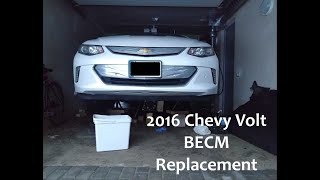
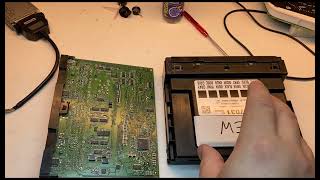
Typical fix: Replace the Body Control Module. The new module must be programmed to the vehicle's VIN and specific options. Mail-in cloning services are an alternative to dealer programming, where data from the old module is transferred to the replacement. 🎬 See how BCM cloning works to avoid dealer programming.
Est. part cost: $300-$600 - Low Battery Voltage or Charging System Issue ⚪ Low Probability → Shop Vehicle Battery The ELR's complex electrical system, with its multiple control modules, is sensitive to voltage fluctuations. TSBs for related issues often recommend checking the 12V battery and connections first. A weak 12V battery can cause modules to drop off the network, as they typically require at least 9V to operate correctly.
How to confirm: Test the 12V battery's health (voltage should be ~12.6V engine off, 13.7-14.7V running) and the charging system's output. Ensure battery terminals are clean and tight. Perform a voltage drop test on the battery cables as recommended in TSB PIT5405C.
Typical fix: Recharge or replace the 12V battery and clean the terminals.
Est. part cost: $150-$300 - Damaged Wiring Harness ⚪ Low Probability
How to confirm: Visually inspect the wiring harness leading to the BCM for any signs of chafing, breaks, or corrosion, particularly where it passes through the firewall or near door hinges. Check for continuity and resistance on the CAN bus wires (pins 6 and 14 at the OBD-II port) with a multimeter; resistance between them should be approximately 60 ohms with the battery disconnected.
Typical fix: Repair the damaged section of the wiring harness using solder and heat shrink.
Est. part cost: $10-$50
Diagnosis Steps
- Check and record all diagnostic trouble codes from all vehicle modules using a scan tool capable of accessing all systems.
- Verify the 12V battery is fully charged (~12.6V) and the terminals are clean and secure. Test the charging system (should be 13.7-14.7V running).
- Follow the guidance of TSB #PIT5405B/C: This is the most critical step.
- Disconnect the negative battery terminal.
- Locate the BCM ground connection G218. It is under the driver's side dash, typically behind the kick panel near the A-pillar.
- Disassemble the G218 ground connection (usually a 10mm nut). Inspect for and cut away any interfering dash insulation mat that is trapped under the terminal eyelet.
- Clean the terminal eyelet, the chassis stud, and the nut to bare, shiny metal.
- Securely reinstall the ground connection and reconnect the battery.
- Clear all codes and re-test the system. If the code returns, proceed with further diagnostics.
- Using a multimeter, verify that the BCM connector has consistent battery voltage (12.2-12.8V) and a solid ground (less than 0.1 ohms resistance to chassis).
- With the battery disconnected, measure the resistance between Pin 6 (CAN High) and Pin 14 (CAN Low) at the DLC. A reading of approximately 60 ohms indicates the terminating resistors and the bus wiring between them are intact. A reading of 120 ohms indicates an open in the bus, and a reading near 0 ohms indicates a short between the two lines.
- Inspect the BCM wiring harness connectors for any visible damage, corrosion, or loose pins.
- If all wiring, power, and grounds are confirmed good, the BCM is likely faulty and requires replacement and programming.
Parts You'll Likely Need
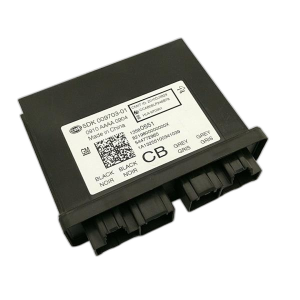
- Body Control Module (BCM)
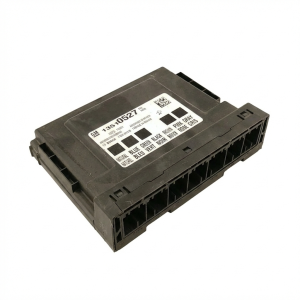
(OEM #13593775)— If the ground connection and wiring are confirmed to be good, the BCM itself has likely failed internally and is the part that needs to be replaced. 🎬 Watch: A walkthrough of the module replacement process.
Trusted brands: ACDelco (Genuine GM)
OEM price range: $300-$600
Aftermarket price range: $200-$400
Related Codes That Often Appear With This One
- U0073 — A general network communication failure code ('Control Module Communication Bus A Off') that often accompanies U0140, indicating a widespread problem. It is listed in TSB PIT5405B.
- U0100 — Lost Communication with the Engine Control Module (ECM). This can be set if the BCM acts as a gateway or if a shared network wire is compromised. It is also listed in TSB PIT5405B.
- U0101 — Lost Communication with the Transmission Control Module (TCM). Often set alongside BCM communication codes due to network disruption, as noted in TSB PIT5405B.
- U0121 — Lost Communication with the Anti-Lock Brake System (ABS) Module, indicating the network fault is affecting safety systems. This code is also part of the group in TSB PIT5405B.
Technical Service Bulletins (TSBs) & Recalls
- PIT5405B: Addresses multiple DTCs, including U0140, and points to a faulty Body Control Module ground connection (G218) as a primary cause due to trapped dash insulation. Also lists other potential causes like shorted starter cables.
- PIC5988: Lists U0140 among a large group of potential codes related to widespread electrical communication issues, reinforcing the idea of a central fault.
- PIT5405C: A superseding bulletin to PIT5405B that adds more models and symptoms, but reiterates that the G218 ground is a primary cause of the electrical issues.
Platform-Specific Known Issues
- TSB #PIT5405B specifically calls out that on the 2014 ELR platform, the front dash insulator mat can become trapped between the BCM ground eyelet (G218) and the body stud, causing a poor connection that leads to U0140 and numerous other communication DTCs.
Mechanic-Grade Diagnostic Values
- High-Speed GMLAN Bus Resistance — expected: ~60 Ohms (± 5 ohms). Failure: A reading of ~120 Ohms indicates an open circuit in the bus or a missing termination resistor. A reading near 0 Ohms indicates the CAN High and CAN Low wires are shorted together.
- High-Speed GMLAN Bus Voltage (Key On, Bus Active) — expected: CAN High (Pin 6 at DLC) toggles between 2.5V and 3.5V. CAN Low (Pin 14 at DLC) toggles between 2.5V and 1.5V. A multimeter will show an average of ~2.6V for CAN High and ~2.4V for CAN Low.. Failure: Voltages stuck high (near battery voltage) or low (near 0V) indicate a short to power or ground.
- BCM Ground Circuit Resistance — expected: < 0.1 Ohms. Failure: A reading higher than 0.1 Ohms indicates high resistance in the ground circuit, which is the primary fault described in TSB PIT5405C.
- BCM Power Supply Voltage — expected: 12.2V - 12.8V (Key On). Failure: Low or no voltage indicates a problem with the fuse, relay, or power feed wire to the BCM.
Scan Tool Commands That Help
- GM GDS2 (Global Diagnostic System 2): Module Diagnostics > BCM > Control Functions — After verifying power and ground are good but symptoms persist. This allows a technician to command BCM-controlled outputs (e.g., headlights, door locks, wipers) to activate. If the command is sent but the component doesn't work, it confirms the BCM is trying to function but the fault is downstream. If the BCM doesn't respond to commands, it points towards an internal failure of the module.
- GM GDS2 (Global Diagnostic System 2): Vehicle DTC Information > Display DTCs — This is the initial step to see which modules are setting the U0140 code. Seeing the code in multiple modules (ECM, TCM, ABS) confirms they have lost communication with the BCM and that the BCM is the focus of the diagnosis.
Wiring & Ground Locations
- G218 — Under the driver's side dashboard, behind the plastic kick panel, attached to the A-pillar body structure.. This is the primary ground for the Body Control Module. TSB PIT5405C identifies a poor connection at this specific point as the most common cause of U0140 and a host of other electrical issues on this platform.
- Body Control Module (BCM) — In the right-hand (passenger side) cowl area. The trim panel may need to be removed for access.. This is the physical location of the module itself. It's necessary for visual inspection, testing connector pins for power/ground/data, and for replacement.
- Data Link Connector (DLC) Pins 6 & 14 — The standard OBD-II port under the driver's side dashboard.. Pin 6 is the CAN High (+) wire and Pin 14 is the CAN Low (-) wire for the High-Speed GMLAN bus. These pins provide the most accessible point to test the resistance and voltage of the entire communication network.
OEM Part Supersession History
13593775→This part number is part of an interchangeable group.— Standard part revisions and supplier changes.
Heads up: Interchangeable part numbers for the 2014 ELR BCM include 13580698, 13578458, 13589115, 13590173, 13592376, and 13594564. All require programming (cloning) to the vehicle's VIN and options.
Helpful Videos
We Have This Part in Stock

The information in this article is provided for general reference and educational purposes only. Vehicle specifications, procedures, and part compatibility can vary by production date, trim level, and region. Always consult your vehicle's factory service manual and verify part numbers before purchasing or performing repairs. Safety-critical components such as airbags, seat belts, and braking systems should be installed by a qualified professional.
- Cadillac ELR:
- 🧭 Diagnostic Flowchart
- 🎬 Helpful Videos
- 🛍️ Shop This Part
- What's Unique About the 2014-2014 Cadillac ELR
- Symptoms You May Notice
- Most Likely Causes
- Diagnosis Steps
- Parts You'll Likely Need
- Related Codes That Often Appear With This One
- Technical Service Bulletins (TSBs) & Recalls
- Platform-Specific Known Issues
- Mechanic-Grade Diagnostic Values
- Scan Tool Commands That Help
- Wiring & Ground Locations
- OEM Part Supersession History
- 🎟️ Get 5% Off