

U0140 on 2007-2014 GMC Yukon: Lost Communication With Body Control Module (BCM) Causes and Fixes
U0140 on a 2007-2014 GMC Yukon means the Body Control Module (BCM) has stopped communicating on the vehicle's network. This is often caused by wiring issues under the driver's side dash near the parking brake, corroded ground connections (especially G201), or a faulty BCM. Expect a shop repair cost of $300-$800, as a replacement BCM requires programming.
- U0140 on a 2007-2014 Yukon means the Body Control Module (BCM) is offline.
- Check for simple causes first: battery health and BCM-related fuses.
- The most common causes are wiring problems under the driver's dash or a failed BCM.
- Diagnosis is complex and best left to a professional with network diagnostic tools.
- If the BCM is replaced, it MUST be programmed to the vehicle to function correctly.
What's Unique About the 2007-2014 Gmc YUKON

On this generation of GMC Yukon (GMT900 platform), the BCM is a critical hub located under the driver's side of the dashboard, integrated with the interior fuse panel. These trucks are known for complex electrical systems, and a communication failure like U0140 can stem from issues anywhere on the network. A key failure point is water intrusion from clogged sunroof drains or leaking windshield seals, which can drip directly onto the BCM and its connectors, causing corrosion and failure. The provided NHTSA Technical Service Bulletin (TSB) #08-07-30-021H confirms that communication DTCs like U0140 can appear with a variety of seemingly unrelated symptoms, including transmission shifting problems.
Diagnostic Flowchart
Tap your situation to follow the diagnostic path that matches what you're seeing on this vehicle.
Symptoms You May Notice

- Multiple warning lights on the instrument panel (Check Engine, ABS, Traction Control, Stabilitrak).
- Transmission may not shift properly or may be stuck in one gear.
- Power windows, door locks, or mirrors not working.
- Interior or exterior lights malfunctioning or staying on.
- Remote keyless entry fails to operate.
- Wipers operate erratically or not at all.
- Vehicle may not crank or start.
- Instrument panel gauges or information display are dead or flickering.
- Radio displays "Locked" or is inoperative.
- HVAC (climate control) system is unresponsive.
- Replacing the ECM or TCM when they are simply reporting the U0140 code, which originates from the BCM's lack of communication.
- Replacing individual components like window motors or light switches when the root cause is the BCM that controls them.
- Replacing the battery without addressing an underlying parasitic drain caused by a faulty BCM or shorted wire.
Most Likely Causes

- Wiring Harness Damage or Corrosion 🔴 High Probability Wiring harnesses routed under the driver's side dash, especially near the parking brake mechanism, can chafe over time, leading to shorts or open circuits on the CAN bus lines. Water intrusion from clogged sunroof drains or bad windshield seals can also corrode connectors, particularly the large inline harness connectors in the driver's footwell.
How to confirm: Visually inspect wiring harnesses connected to the BCM for chafing, breaks, or corrosion. Pay close attention to the harness near the parking brake pedal assembly. Check for water intrusion near the BCM and interior fuse block. Use a multimeter to check for continuity and shorts on the CAN bus wires (typically Tan and Tan/Black wires) at the BCM connectors and the OBD-II port (pins 6 and 14).
Typical fix: Repair the damaged section of the wiring harness. This involves cutting out the bad section, splicing in new wire, and protecting it with heat shrink tubing and loom. Clean any corroded connectors with a specialized contact cleaner.
Est. part cost: $10-$50 - Failed Body Control Module (BCM) 🟡 Medium Probability → Shop Body Control Module Internal failure of the BCM due to vibration, age, or voltage spikes can cause it to stop communicating. Water intrusion from a leaking windshield, cowl seal, or clogged sunroof drains is a very common cause of BCM failure on this platform.
How to confirm: After confirming power, ground, and network wiring to the BCM are good, the module itself is the likely culprit. A high-end scan tool will be unable to communicate with the BCM. A visual inspection may reveal corrosion or burn marks on the BCM circuit board.
Typical fix: Replace the Body Control Module. The new module must be programmed by a dealer or a qualified shop with the correct software for the vehicle's VIN. Some aftermarket suppliers offer pre-programmed BCMs that are plug-and-play. 🎬 Watch: How to replace and program a new BCM.
Est. part cost: $250-$500 - Poor Power or Ground Connection to BCM 🟡 Medium Probability
How to confirm: Check for blown fuses related to the BCM in the interior fuse panel. Use a multimeter to verify a stable 12V+ supply and a solid ground connection at the BCM's electrical connectors. A critical ground to check is G201, located on the driver's side A-pillar, which is a known failure point. Other frame grounds behind the front wheels are also susceptible to corrosion.
Typical fix: Clean and tighten ground connections, particularly G201 and any chassis grounds under the hood and dash. This involves removing the bolt, sanding the contact surfaces to bare metal, and re-securing it tightly. Replace any blown fuses after diagnosing the cause of the overcurrent.
Est. part cost: $1-$20 - Low Battery Voltage or Failing Alternator ⚪ Low Probability → Shop Vehicle Battery
How to confirm: Test the battery voltage with the engine off (should be ~12.4V or higher) and while running (should be ~13.7-14.7V). A voltage drop below 9-10V can cause modules to shut down randomly and set communication codes.
Typical fix: Charge or replace the battery. If the charging voltage is low, the alternator needs to be tested and likely replaced.
Est. part cost: $150-$400
Rare But Worth Checking
- Faulty Aftermarket Accessory: Poorly installed remote starters, alarms, or stereo equipment can interfere with the CAN bus network, causing communication errors. If you have any aftermarket electronics, they should be inspected first, as they are often tapped into BCM wiring.
- Another Faulty Module on the Network: Rarely, another module on the same CAN bus (like the ABS, TCM, or even the radio) can fail in a way that it 'shouts' on the network, preventing all other modules, including the BCM, from communicating. Diagnosis involves unplugging modules one by one to see if communication is restored.
- Failed Terminating Resistor: The CAN bus has two 120-ohm terminating resistors. If one fails, the total network resistance will read 120 ohms instead of the correct 60 ohms, causing communication issues. On these trucks, one resistor is often located in the engine control module (ECM) and the other is located after the electronic brake control module (EBCM) or suspension control module.
Diagnosis Steps
- Check Battery Health: Ensure the battery has a full charge (12.4V+) and the charging system is working correctly (13.7-14.7V while running). Low voltage is a common cause for network communication codes.
- Scan All Modules: Use a professional scan tool to check which modules are reporting the U0140 code and which modules are offline. Confirm if the BCM is not communicating.
- Check BCM Fuses: Inspect all fuses related to the Body Control Module in both the interior and under-hood fuse panels. 🎬 See this guide to locating all your BCM fuses.
- Inspect BCM and Wiring: Locate the BCM under the driver's side dash. Visually inspect its connectors and the surrounding wiring harness for signs of water damage, corrosion, or physical damage (chafing, pinching), especially near the parking brake pedal.
- Verify Power and Ground: With the key on, use a multimeter to confirm the BCM has proper power (multiple 12V+ feeds) and ground at its main connectors. Specifically check the integrity of ground G201 at the driver's A-pillar. Ground resistance should be less than 0.1 Ω.
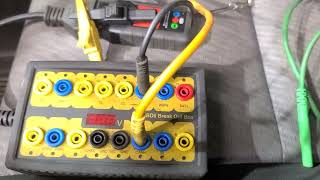
- Check CAN Bus Resistance: With the battery disconnected, measure the resistance between Pin 6 (CAN High) and Pin 14 (CAN Low) of the OBD-II port. A healthy network should read approximately 60 ohms. A reading of 120 ohms indicates an open circuit or a missing termination resistor, while a reading near 0 ohms indicates a short circuit between the two CAN wires.
- Isolate the Fault: If wiring, power, and grounds are good, the BCM is the most likely failed component. If the CAN bus resistance is incorrect, you may need to disconnect modules on the high-speed network (TCM, ABS, etc.) one by one to see if the 60-ohm reading returns, which would indicate a faulty module or terminating resistor.
- Replace and Program: If the BCM is confirmed to be faulty, replace it and have it programmed to your vehicle's VIN by a qualified technician.
Parts You'll Likely Need
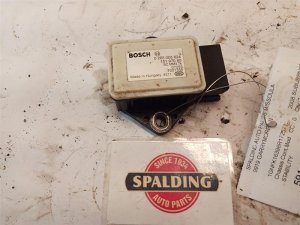
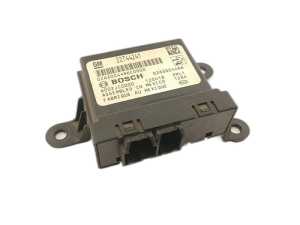
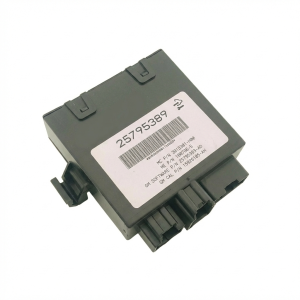
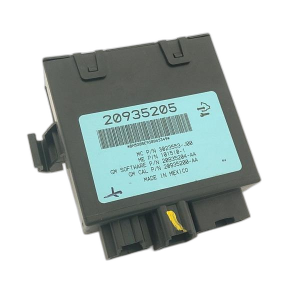
- Body Control Module (BCM)
(OEM #25835966, 15926094, 20939138 (Part numbers vary by year and options, always verify with VIN))— This module is the central hub for body electronics and can fail internally, causing a total loss of communication. It is the most common part replaced after wiring and ground issues are ruled out.
Trusted brands: ACDelco GM Genuine Parts, Dorman (Remanufactured)
OEM price range: $250-$450
Aftermarket price range: $200-$350
Related Codes That Often Appear With This One
- U0073 — Control Module Communication Bus 'A' Off. This is a general network failure code that often appears with more specific codes like U0140, indicating a high-speed CAN bus problem.
- U0100 — Lost Communication with ECM/PCM. If the BCM acts as a gateway or if the network is down, communication with the engine computer can be lost.
- U0101 — Lost Communication with TCM. Similar to the U0100, the BCM failure can interrupt the signal path to the transmission controller, often resulting in shifting problems.
- U0121 — Lost Communication With Anti-Lock Brake System (ABS) Control Module. Another module on the high-speed network that will report a loss of communication if the BCM or the bus itself fails.
Technical Service Bulletins (TSBs) & Recalls
- 08-07-30-021H
- PIT4730B
- 23-NA-087
- 20-NA-219
- PIT5562
Platform-Specific Known Issues
- A known GM issue involves water leaks from clogged front sunroof drains. The drain tubes can become detached or overwhelmed, allowing water to run down the A-pillar and drip onto the BCM and its connectors, causing corrosion and failure. Several TSBs exist for later models addressing this drain design.
- The main ground point for the BCM, G201, located inside the cab on the driver's side A-pillar near the speaker, is a frequent source of problems. It can become loose or corroded, causing intermittent communication loss.
- The wiring harness that runs near the emergency brake pedal assembly is prone to chafing. The movement of the pedal mechanism can wear through the harness insulation over many years, shorting out the CAN bus wires and bringing the network down.
Mechanic-Grade Diagnostic Values
- CAN Bus Network Resistance — expected: ~60 Ohms (±5 Ohms). Failure: A reading of ~120 Ohms indicates an open circuit or a missing terminating resistor. A reading near 0 Ohms indicates a short between the CAN High and Low wires. A reading of ~40 Ohms could indicate a third, unwanted resistor on the network.
- CAN Bus Voltage (Key On, Engine Off) — expected: CAN High (Pin 6 to Ground): 2.5V to 3.0V. CAN Low (Pin 14 to Ground): 2.5V to 2.0V.. Failure: Significant deviation from these voltages, or voltages that don't mirror each other around the 2.5V center point, indicate a network problem like a short to power or ground.
- BCM Power Supply Voltage — expected: 12.2V - 12.8V. Failure: Voltage below 9V can cause the module to drop off the network.
- BCM Ground Resistance — expected: < 0.1 Ohms. Failure: Higher resistance indicates a poor ground connection, which can cause intermittent communication.
Scan Tool Commands That Help
- GDS2 (GM Global Diagnostic System 2) / Tech2: BCM Programming & Setup — This is required after installing a new BCM. The 'Programming' step flashes the correct firmware for the vehicle's VIN, while the 'Setup' step configures options and learns related components.
- GDS2 / Tech2: Set SDM Primary Key in BCM — This is a critical 'Setup' function after BCM programming. It synchronizes the new BCM with the Sensing and Diagnostic Module (Airbag Controller) to enable vehicle starting and clear airbag system DTCs.
- GDS2 / Tech2: Brake Pedal Position Sensor (BPP) Relearn — This is another required 'Setup' function after BCM replacement. The BCM needs to learn the calibrated position of the brake pedal sensor to ensure proper brake light and cruise control operation.
Wiring & Ground Locations

- G201 — Behind the upper left (driver's side) of the dashboard, near the A-pillar.. This is a primary interior ground point. A poor connection here is a well-documented cause of BCM communication failure and other electrical issues on GMT900 trucks.
- G103 — On the front of the right (passenger side) cylinder head.. This is a major engine and chassis ground. While not directly for the BCM, a poor connection here can introduce electrical noise and voltage stability problems that affect the entire vehicle network.
- G303 — Located on the frame, typically under the driver's side door area.. This is another chassis ground point that can become corroded, especially in regions with road salt, leading to various intermittent electrical faults.
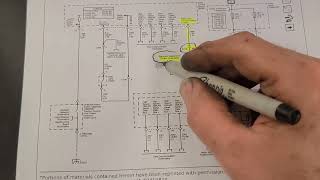
- BCM Connector X1 (Light Green) — One of the seven main connectors on the BCM.. Contains critical inputs like Ignition Voltage (Pin 16), Dimmer Switch signals, and Wiper Switch signals. A loose connection or corroded pin here can cause many BCM-related symptoms.
- BCM Connector X2 (Natural/White) — One of the seven main connectors on the BCM.. This connector carries the High Speed GMLAN (+) and (-) wires (Pins 11 & 12, Tan/Black and Tan) which are the primary communication lines. It also has multiple power and ground pins essential for the BCM's operation.
- Accessory Wakeup Serial Data Circuit — A light blue wire that runs from the BCM to other modules like the EBCM (ABS) and Suspension Control Module.. This circuit is used by the BCM to 'wake up' other modules. A short to ground on this wire can prevent the BCM from initializing communication and may cause a no-start condition.
Real Owner Repair Stories
- YouTube video by 'SuperMarioDiagnostics' (2007 GMC Yukon) — No crank, no start, multiple network communication codes including U2099 in the BCM.
❌ Tried (didn't work) Initial diagnosis pointed towards a faulty BCM due to the number of communication codes.
✅ What actually fixed it The 'Accessory Wakeup Serial Data' wire was shorted to ground by a faulty Electronic Suspension Control Module. Unplugging the suspension module restored voltage to the wakeup circuit, allowing the BCM to communicate and the vehicle to crank. The terminating resistor for the CAN bus was inside the faulty suspension module, so a jumper had to be installed on the connector to restore the 60-ohm network resistance before the vehicle would run properly.
OEM Part Supersession History
Multiple, including 15926004, 20839063, 20939137, 22860591→23242609, 84922494 (among others)— Hardware revisions and software updates by GM over the production run.
Heads up: While many part numbers have been superseded, it is critical to use a BCM programmed for the specific vehicle VIN and RPO codes. A BCM from a different vehicle (e.g., a Cadillac Escalade) may physically fit a Yukon but will not function correctly due to different option configurations. Always order based on VIN.
Model Year Variations Within This Range
- 2007-2009 vs 2010-2014: While the core GMT900 platform is very similar, there can be minor wiring and module differences between the earlier (2007-2009) and later (2010-2014) models. For example, some part numbers for BCMs are specific to the 2007-2009 range. However, for diagnosing a U0140, the fundamental approach to checking power, grounds, and CAN bus integrity remains the same across the entire generation.
Helpful Videos

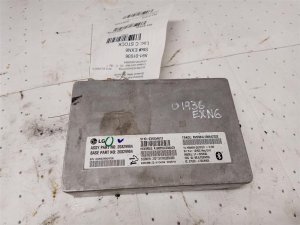
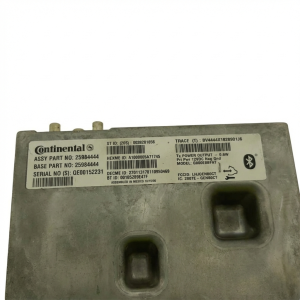
We Have This Part in Stock

The information in this article is provided for general reference and educational purposes only. Vehicle specifications, procedures, and part compatibility can vary by production date, trim level, and region. Always consult your vehicle's factory service manual and verify part numbers before purchasing or performing repairs. Safety-critical components such as airbags, seat belts, and braking systems should be installed by a qualified professional.
- Gmc YUKON:
- 🧭 Diagnostic Flowchart
- 🎬 Helpful Videos
- 🛍️ Shop This Part
- What's Unique About the 2007-2014 Gmc YUKON
- Symptoms You May Notice
- Most Likely Causes
- Rare But Worth Checking
- Diagnosis Steps
- Parts You'll Likely Need
- Related Codes That Often Appear With This One
- Technical Service Bulletins (TSBs) & Recalls
- Platform-Specific Known Issues
- Mechanic-Grade Diagnostic Values
- Scan Tool Commands That Help
- Wiring & Ground Locations
- Real Owner Repair Stories
- OEM Part Supersession History
- Model Year Variations Within This Range
- 🎟️ Get 5% Off