

U0140 on 2014-2021 Jeep Grand Cherokee: Lost BCM Communication Causes & Fixes
On a 2014-2021 Jeep Grand Cherokee, code U0140 means the Body Control Module (BCM) has stopped communicating on the vehicle's network. The most common fix is a software update performed by a Jeep dealer, as indicated by multiple Technical Service Bulletins. Other frequent causes include a weak or failing battery providing unstable voltage, and less commonly, a faulty BCM or wiring issue.
- U0140 on a WK2 Grand Cherokee means the Body Control Module (BCM) is offline.
- Before replacing any parts, check with a Jeep dealer for available software updates, as this is the most common fix documented in TSBs.
- A weak or dying battery is the second most likely cause and should be tested early in the diagnostic process.
- Symptoms are typically electrical: malfunctioning lights, locks, windows, or even a no-start condition.
- This is not a DIY-friendly repair; diagnosis and repair (software flash or BCM replacement) require professional tools.
What's Unique About the 2014-2021 Jeep GRAND CHEROKEE

For the WK2 generation Grand Cherokee and its platform-mate, the Dodge Durango, U0140 is frequently a software-related issue rather than a hard part failure. 🎬 Watch: A quick overview of U0140 causes and common fixes. Jeep has issued several Technical Service Bulletins (TSBs) for this exact code, indicating that a dealer-installed software update is often the required fix to address communication glitches between modules. These TSBs were released to correct issues like the check engine light illuminating with U0140 after a cold start, especially if the vehicle is shifted into gear within 3 seconds.
Diagnostic Flowchart

Tap your situation to follow the diagnostic path that matches what you're seeing on this vehicle.
Symptoms You May Notice

- Check Engine Light (Malfunction Indicator Lamp) is on.
- Malfunctioning interior or exterior lights (flickering, staying on, or not working at all).
- Power windows or door locks not working or working erratically.
- Remote start system fails to operate.
- Erratic wiper operation or wipers won't turn off.
- Multiple warning lights on the dashboard (e.g., ABS, traction control, airbag).
- Vehicle may not start or may stall.
- Steering wheel locked on startup.
- Parasitic battery drain leading to a dead battery overnight or after a few days.
- Radio or infotainment system randomly rebooting.
- Replacing the BCM when only a software update is needed. This is a costly mistake, as the new BCM will still have the old software and won't fix the problem. Always check for TSBs first.
- Replacing the battery without confirming it has failed a load test. While a weak battery is a common cause, other issues like a parasitic drain can mimic a bad battery.
Most Likely Causes

- BCM Software Requires Update 🔴 High Probability Jeep has released multiple TSBs (e.g., #1805616, #18-082-15, #18-063-14) specifically to resolve U0140 with a software flash. This indicates a known history of logic errors in the module's programming that can be triggered by events like cold starts. The existence of these bulletins for this specific platform makes it the most likely cause.
How to confirm: A Jeep dealership or a properly equipped independent shop must check the vehicle's VIN for open campaigns or available software updates for the BCM using the wiTECH diagnostic tool.
Typical fix: Flashing the Body Control Module (BCM) or Powertrain Control Module (PCM) with the latest software version. This is a 1-2 hour labor job. Out of warranty, this service can cost between $200-$400.
Est. part cost: $0 - Weak or Failing Battery 🟡 Medium Probability → Shop Vehicle Battery The numerous electronic modules in the Grand Cherokee are highly sensitive to voltage. A battery that provides low or unstable voltage, especially during engine cranking, can cause random communication faults between modules as they temporarily drop offline and fail to report on the CAN bus.
How to confirm: Test the battery voltage with a multimeter. It should be approximately 12.6 volts with the engine off and 13.7-14.7 volts with the engine running. A load test is the most definitive way to confirm battery health, as a battery can show good voltage but fail under load.
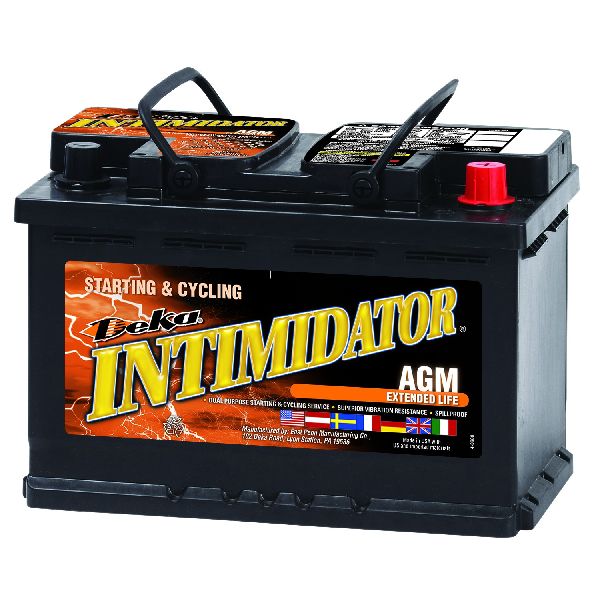
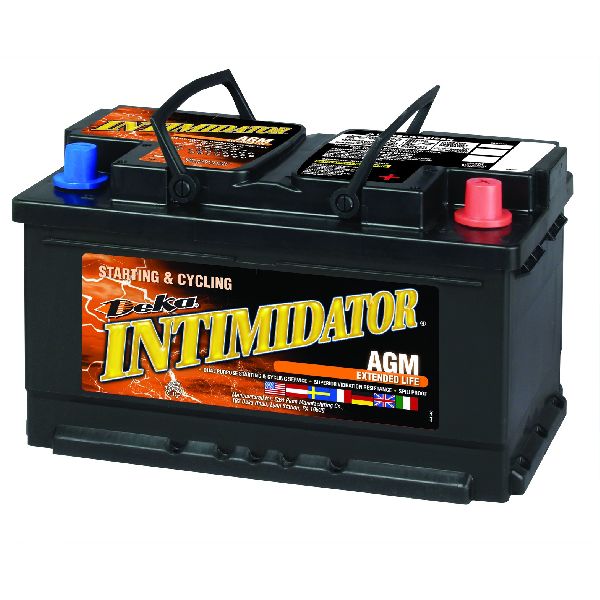
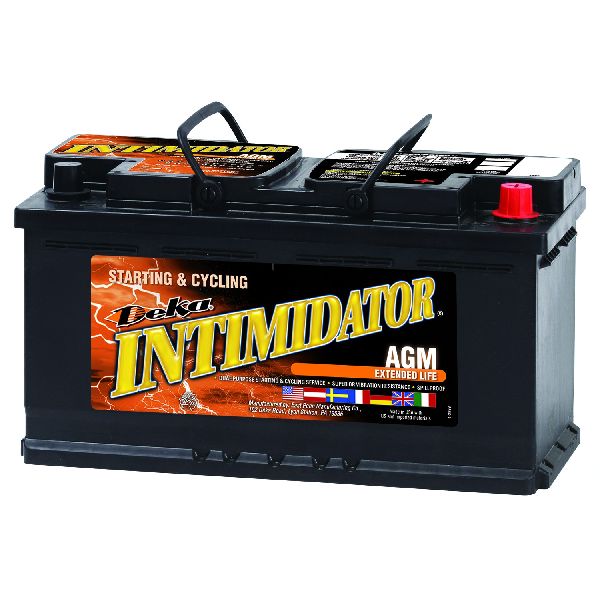
Typical fix: Replace the vehicle's battery. The Grand Cherokee typically uses an AGM battery, which is more expensive than a conventional flooded battery.
Est. part cost: $200-$400 - Faulty Body Control Module (BCM) ⚪ Low Probability → Shop Body Control Module While less common than software issues, the BCM itself can fail internally due to component fatigue, moisture intrusion, or corrosion. The BCM is located in the driver's footwell area, and while generally protected, water leaks from the cowl or sunroof can potentially reach it.
How to confirm: This is a process of elimination. If the battery is good, all wiring and connections are intact, and all software is up to date, the BCM is the likely culprit. A dealership scan tool can attempt to communicate directly with the BCM; if it's unresponsive despite having good power and ground, it has failed.
Typical fix: Replace the Body Control Module and program the new unit to the vehicle's VIN. A new OEM Mopar BCM is required, as dealers cannot program used modules.
Est. part cost: $300-$600 - Wiring or Connection Issue ⚪ Low Probability CAN bus network wiring can become damaged, corroded, or loose, interrupting communication. This is more common on vehicles in harsh climates (salt corrosion) or with high mileage. A common failure point is the main BCM connector; pins can become loose or corroded.
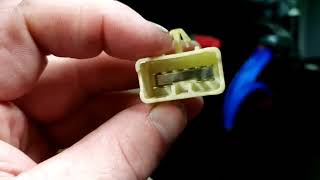
How to confirm: Visually inspect the wiring harness and connectors at the BCM for damage, corrosion, or loose pins. Wiggling the connector while the vehicle is on may trigger the symptoms. A multimeter can be used to check for continuity and for 60 ohms of resistance across the CAN bus pins (typically pins 6 and 14 at the OBD-II port) with the battery disconnected. This is an advanced diagnostic step.
Typical fix: Repair the damaged section of the wiring harness or clean/replace the faulty connector. Applying dielectric grease to the connector can prevent future moisture intrusion.
Est. part cost: $20-$200
Rare But Worth Checking
- Blown Fuse: The BCM is protected by one or more fuses. While not a common failure point, it's a simple and quick check. A blown fuse often indicates a deeper electrical problem, such as a short in a component controlled by the BCM.
- Aftermarket Device Interference: Improperly installed aftermarket accessories like remote starters, alarms, or audio equipment can interfere with the CAN bus network and cause communication codes. These devices can introduce electrical noise or draw too much power, disrupting module communication.
- Parasitic Drain from Another Module: A different faulty module (e.g., radio, amplifier) can sometimes stay 'awake' when the vehicle is off, causing a continuous battery drain. This can lower system voltage enough to trigger the U0140 code on the next startup, even if the BCM itself is fine.
Diagnosis Steps
- Check for Technical Service Bulletins (TSBs): This is the most critical first step. Contact a Jeep dealer with your VIN or use an online service to see if any software updates (like TSBs 18-082-15 or 18-063-14) are available for the BCM or PCM to address U0140.
- Test the Battery and Charging System: Ensure the battery voltage is stable and within the correct range (12.6V+ engine off, 13.7-14.7V engine on). Perform a load test to be certain.
- Scan All Modules: Use a professional-grade scanner to check for trouble codes in all other vehicle modules. Note which other modules have lost communication with the BCM. A long list of 'U' codes points to a network or power supply issue.
- Inspect BCM Fuses and Connections: Check the fuses related to the BCM in the under-hood fuse box (often F10, F12, F14). Disconnect the BCM connectors (located in the driver's footwell) and inspect for corrosion, moisture, or pushed-out pins.
- Check for Parasitic Drain: If the battery is frequently weak, perform a parasitic draw test with an ammeter to see if a module is staying on after the vehicle is shut down.
- Perform Network Diagnostics: If the above steps don't reveal the cause, advanced diagnostics are needed. This involves checking for 60 Ohms of resistance across the CAN bus and checking for proper voltage signals on the CAN high and low wires. This is best left to a professional.
- Diagnose the BCM: If all other possibilities are ruled out (software, power, ground, wiring), the BCM itself is likely faulty and requires replacement and programming.
Parts You'll Likely Need
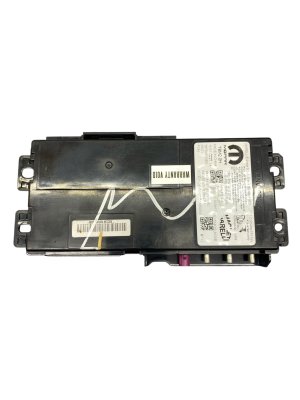
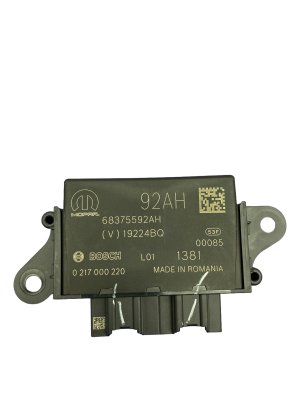
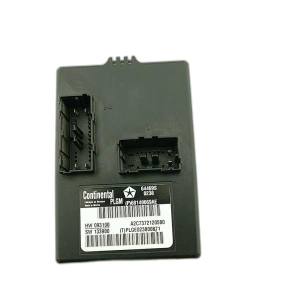
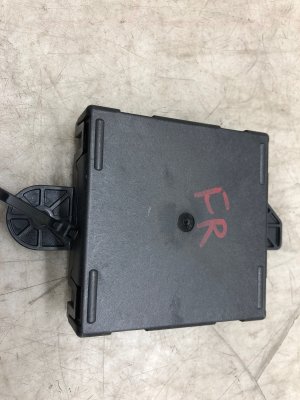
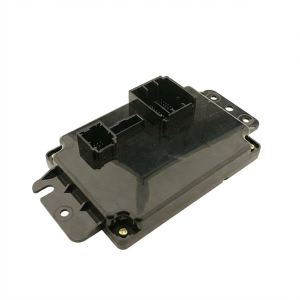
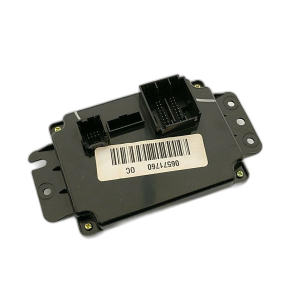
- Body Control Module (BCM)
(OEM #68236139AC (superseded by 68236139AH for 2015 models; varies by year/options))— This module is the root of the communication loss. It may be replaced if it has failed internally after software and wiring issues have been ruled out.
Trusted brands: Mopar
OEM price range: $400-$600
Aftermarket price range: $250-$450 - AGM Battery — A weak or failing battery is a common cause of random communication codes in modern vehicles that are highly sensitive to voltage.
Trusted brands: Duralast, DieHard, Interstate
OEM price range: $250-$350
Aftermarket price range: $150-$250
Related Codes That Often Appear With This One
- P0300 — TSB #18-096-15 notes that U0140 can appear alongside P0300 (Multiple Cylinder Misfire), suggesting a related software issue or a cascading electrical fault affecting engine systems.
- P0456 — TSB #1805616 lists a software update that addresses both U0140 and P0456 (EVAP System Small Leak), indicating they can be triggered by the same software glitch in the PCM/BCM logic.
- U0010 — This code, 'CAN Interior Bus', frequently appears with U0140. It indicates a general communication problem on the network that the BCM uses to talk to other interior modules like the radio and door modules, pointing towards a network-wide fault rather than just the BCM.
- U0001 — This code indicates a fault on the High-Speed CAN Communication Bus. It often appears with other U-codes like U0140 when there is a network-wide problem affecting critical powertrain modules.
Technical Service Bulletins (TSBs) & Recalls
- 1805616: Addresses U0140-00 and other codes with software enhancements for 2015 models.
- 18-096-15: Notes that U0140 may be impossible to clear without performing the proper diagnosis and fix.
- 18-082-15: Links U0140-00 to cold start conditions (shifting within 3 seconds) and specifies a software update for 2014-2015 models.
- 18-063-14: Also links U0140-00 to cold start conditions and recommends a software update for 2014-2015 models.
Platform-Specific Known Issues
- TSB #18-063-14 and #18-082-15 mention that the Malfunction Indicator Lamp can illuminate with DTC U0140-00 if the vehicle is shifted into reverse or drive within 3 seconds of a cold start. A software update is the specified fix.
- TSB #18-096-15 notes that attempting to clear DTC U0140 may be unsuccessful until the underlying issue (often requiring a software update) is resolved, which can frustrate DIY repair attempts.
- Owners of the 2021 Grand Cherokee L have reported a sudden occurrence of U0140 accompanied by multiple warning lights and a locked steering wheel on startup, which sometimes resolves itself after a few hours or restarts, suggesting a transient software glitch or voltage issue.
Mechanic-Grade Diagnostic Values
- CAN Bus Resistance — expected: Approximately 60 Ω. Failure: A reading of 120 Ω indicates an open circuit or a missing terminating resistor. A reading near 0 Ω indicates a short between the CAN High and CAN Low wires. A reading of 40-45 Ω might suggest a third, unintended terminating resistor on the network.
- CAN Bus Voltage (Active Bus) — expected: CAN High (Pin 6 to ground): ~2.6V to 3.0V. CAN Low (Pin 14 to ground): ~2.4V to 2.0V.. Failure: Voltages that are stuck high, stuck low, or do not mirror each other (one high, one low) indicate a bus fault, short, or failed module transceiver.
- BCM Power Supply Voltage — expected: 12.2V - 12.8V. Failure: Voltage significantly below 12V indicates a power supply issue to the module, which could be a bad wire, fuse, or TIPM/fuse box fault.
- BCM Ground Resistance — expected: < 0.1 Ω. Failure: High resistance on the ground circuit indicates a corroded or loose ground connection, which can cause floating voltages and communication errors.
Scan Tool Commands That Help
- wiTECH: View Network Topology — This is a critical first step with a dealer-level tool. It provides a visual map of all modules on the network and shows which ones are online (green), offline (red), or intermittent. If the BCM is red, it confirms it's not communicating. If many other modules are also red, it points to a network-wide issue rather than just a faulty BCM.
- wiTECH: BCM Flash/Update — Used after confirming with Jeep's database that a software update is available for the vehicle's VIN to address U0140 or related symptoms. This is the direct fix for the software-related issues described in the TSBs.
Wiring & Ground Locations
- BCM (Body Control Module) — Located in the driver's side footwell, typically up under the dashboard to the left of the steering column.. This is the module that has lost communication. All power, ground, and network wires connect here. Physical inspection for corrosion or loose connectors is a key diagnostic step.
- Star Connector (CAN Bus Junction) — The WK2 Grand Cherokee has two primary star connector locations. The easiest to access is on the passenger side, behind the kick panel and by pulling down the carpet. A second location is on the driver's side, at the edge of the dash, but it is harder to reach. They can be green or black.. The star connector is a central hub where the CAN bus wires from many different modules meet. Corrosion or a loose pin in this connector can take down the entire network or isolate the BCM, causing a U0140 code. It's a critical point for network diagnostics.
- G108 (Ground) — On the passenger side inner fender, near the power distribution block (fuse box).. This ground point is listed as serving the Body Control Module and Transmission Control Module on the WJ platform, and similar locations are used on the WK2. A loose or corroded G108 can cause a loss of ground to the BCM, leading to communication failure.
- Main Engine-to-Chassis Ground — A large braided strap typically located near the alternator on the passenger side, connecting the engine block to the frame.. While not a direct BCM ground, a poor main ground can introduce electrical noise and voltage instability across the entire vehicle, leading to random communication codes like U0140.
Real Owner Repair Stories
- Go-Parts.com owner repair story compilation (Dodge Charger (platform mate)) — U0140, multiple modules offline on scan tool, CAN C and IHS bus down.
❌ Tried (didn't work) Initial scans showed no communication with multiple modules.
✅ What actually fixed it A technician disconnected modules one by one at the Star Connector. When the Electronic Shifter Module (ESM) was disconnected, network communication was restored. The faulty ESM was shorting the entire CAN bus, causing the U0140. Replacing the shifter assembly fixed the issue. - Reddit user discussion (2021 Jeep Grand Cherokee L) — Multiple warning lights on dash, steering wheel locked on startup, U0140 code stored.
❌ Tried (didn't work) Dealer could not replicate the issue after it resolved itself.
✅ What actually fixed it The issue resolved on its own after a few hours and did not return immediately. This points to an intermittent software glitch or a temporary voltage drop that caused modules to crash, a common scenario described in the TSBs. No definitive repair was made, but the behavior aligns with a temporary communication loss rather than a hard part failure.
OEM Part Supersession History
68210531AC→68239475AA— Part revision or update by manufacturer.
Heads up: Using the wrong part number, even if it physically fits, may result in features not working or immediate communication codes. Always verify the correct, latest part number for the specific vehicle VIN before ordering.Multiple PNs ending in AH, AI, AJ, AK, AL, AM, AN→68374988AO— Represents a long series of revisions for later model year BCMs.
Heads up: This highlights the frequent updates to this module. A dealer or reputable Mopar parts supplier must match the VIN to the latest compatible part number to ensure proper function.
Model Year Variations Within This Range
- 2014-2021: While the core issue of U0140 remains consistent, the specific software TSBs are often year-and-engine specific. For example, TSB #18-082-15 applies to 2015 models with the 5.7L engine. Furthermore, BCM part numbers have been revised multiple times throughout this generation. It is critical to use the vehicle's VIN to identify the correct TSBs and replacement parts.
Helpful Videos

Used OEM Parts in Stock
New Aftermarket Parts Available


The information in this article is provided for general reference and educational purposes only. Vehicle specifications, procedures, and part compatibility can vary by production date, trim level, and region. Always consult your vehicle's factory service manual and verify part numbers before purchasing or performing repairs. Safety-critical components such as airbags, seat belts, and braking systems should be installed by a qualified professional.
- Jeep GRAND CHEROKEE:
- 🧭 Diagnostic Flowchart
- 🎬 Helpful Videos
- 🛍️ Shop This Part
- What's Unique About the 2014-2021 Jeep GRAND CHEROKEE
- Symptoms You May Notice
- Most Likely Causes
- Rare But Worth Checking
- Diagnosis Steps
- Parts You'll Likely Need
- Related Codes That Often Appear With This One
- Technical Service Bulletins (TSBs) & Recalls
- Platform-Specific Known Issues
- Mechanic-Grade Diagnostic Values
- Scan Tool Commands That Help
- Wiring & Ground Locations
- Real Owner Repair Stories
- OEM Part Supersession History
- Model Year Variations Within This Range
- 🎟️ Get 5% Off