

U0141 on 2021 Dodge Challenger: Causes and Fixes for Lost BCM Communication
This code means the Body Control Module (BCM) has lost communication. The most common causes are a weak battery, a software glitch needing an update, or a wiring issue. Start by testing the battery and checking for any available software updates before inspecting wiring or replacing the BCM.
- U0141 means the Body Control Module (BCM) is offline.
- For the 2021 Challenger, the first step should be checking for a software update per TSB #1801122, which can fix the issue without replacing parts.
- Always test the battery thoroughly before any other diagnosis; low voltage is a very common trigger for this code.
- If software and battery are good, inspect wiring harnesses for chafing or damage, especially in the engine bay and at the BCM under the passenger dash.
- Replacing the BCM is the last resort and requires professional programming to your vehicle.
What's Unique About the 2021-2021 Dodge CHALLENGER
On the 2021 Dodge Challenger, the U0141 code is often not an isolated event. It frequently appears alongside a host of other 'U' (network) codes, as documented in Dodge's own Technical Service Bulletins (TSBs). This indicates that the problem is often a broader network communication failure rather than just a single faulty module. In many cases for this platform, the root cause is a software issue that can be resolved with a PCM update, making it crucial to check for TSBs before beginning expensive hardware replacements. This platform is also known for CAN bus wiring being routed close to other components in the engine bay, which can lead to intermittent communication issues from electrical interference or chafing, even without visible wire damage.
Diagnostic Flowchart
Tap your situation to follow the diagnostic path that matches what you're seeing on this vehicle.
Symptoms You May Notice
- Multiple warning lights on the instrument cluster (Check Engine, ABS, security, etc.).
- Interior or exterior lights not working correctly or behaving erratically (e.g., horn honking when using turn signal).
- Power windows, door locks, or remote keyless entry failing to operate.
- Instrument cluster gauges behaving erratically or freezing.
- Vehicle not starting or stalling, sometimes intermittently.
- Parasitic battery drain, leading to a dead battery.
- Loss of cruise control or ABS/Traction Control functionality.
- Replacing the BCM without first checking for software updates or thoroughly testing the battery and its connections. Many owners might assume the module is bad when the fix is a simple battery replacement or a software flash.
Most Likely Causes
- Software Glitch Requiring PCM Update 🔴 High Probability TSB #18-011-22 explicitly lists U0141 along with numerous other communication codes. It applies to 2021 models with the 3.6L engine built on or before October 14, 2021, and states the fix is to reprogram the PCM with the latest software.
How to confirm: A dealer or a qualified shop with access to OEM service information (like DealerCONNECT) can check if your vehicle's VIN is covered by TSB #18-011-22 or other relevant software updates.
Typical fix: Reprogramming the Powertrain Control Module (PCM) with the updated software. The TSB notes that a battery charger must be connected to ensure voltage does not drop below 13.2 volts during the flash process.
Est. part cost: $0 - Low Battery Voltage or Failing Battery 🔴 High Probability → Shop Vehicle Battery Modern vehicles like the Challenger are extremely sensitive to voltage. A weak or failing AGM battery can cause modules to randomly drop off the communication network, triggering a cascade of 'U' codes.
How to confirm: Test the battery with a multimeter or electronic battery tester. Voltage should be above 12.4V with the engine off. A load test is the most definitive way to confirm battery health. Even if the voltage seems okay, an aging battery can cause these issues.
Typical fix: Recharge or replace the battery. Ensure battery terminals are clean and tight. Many owners on forums have resolved a cluster of communication codes simply by replacing an aging battery.
Est. part cost: $150-$350 - Poor Connection or Damaged Wiring 🟡 Medium Probability CAN bus wiring harnesses in the engine bay can rub against other components like A/C lines or metal pipes, causing chafing and intermittent shorts or electrical interference. Connectors at the BCM (under the passenger-side dashboard) can also become loose or corroded.
How to confirm: Visually inspect wiring harnesses and connectors at the BCM. Pay close attention to the twisted pairs of CAN bus wires in the engine bay for any signs of rubbing against other components. A technician can also check the CAN bus network for proper resistance (should be 60 ohms between CAN High and CAN Low at the OBD-II port with the battery disconnected).
Typical fix: Repair the damaged wires or clean/replace the corroded connector. Secure harnesses away from sharp edges or hot components using zip ties or re-routing.
Est. part cost: $10-$100 - Failed Body Control Module (BCM) ⚪ Low Probability → Shop Body Control Module While less common than software or wiring issues, the BCM can fail internally due to voltage spikes, moisture intrusion, or component age.
How to confirm: This is typically a diagnosis of exclusion. If the battery is good, software is up-to-date, and all wiring/connections are verified to be intact, the BCM itself is the likely culprit. A high-end scan tool that cannot establish communication with the BCM points to a failed module.
Typical fix: Replace the Body Control Module. The new module must be programmed by a dealer or a qualified independent shop with the vehicle's VIN and specific configuration.
Est. part cost: $290-$950
Rare But Worth Checking
- Blown Fuse: The BCM is protected by one or more fuses. A simple blown fuse can take the entire module offline. Always check the fuse boxes in the trunk and engine bay before proceeding with more complex diagnostics.
- Aftermarket Electronics: Improperly installed aftermarket accessories (like remote start, alarms, or lighting) that tap into the CAN bus system can introduce noise or voltage irregularities, causing communication failures. A Reddit user installing an electronic exhaust system noted the difficulty in finding the correct CAN wires, highlighting the risk of incorrect splicing.
Diagnosis Steps
- Check for Technical Service Bulletins (TSBs): Contact a Dodge dealer or use an online service to see if TSB #18-011-22 or any other software update applies to your vehicle's VIN. This is the most critical first step for this specific vehicle and code.
- Test Battery and Charging System: Ensure the battery voltage is above 12.4V (engine off) and that the charging system is working correctly. Modern AGM batteries can fail in ways that cause intermittent electronic issues even with acceptable static voltage. A load test is recommended. Clean any corrosion from the battery terminals.
- Inspect Fuses: Check all fuses related to the BCM and other non-communicating modules. Fuse boxes are typically located in the engine bay and trunk.
- Scan for All Codes: Use a professional-grade scan tool capable of reading codes from all modules (not just the engine). Note all communication ('U') codes present to understand the scope of the failure.
- Inspect BCM Wiring: Visually inspect the connectors and wiring harness at the BCM, located under the passenger-side dashboard, for any signs of damage, moisture, or loose connections.
- Inspect CAN Bus Harness: Carefully inspect the twisted pairs of CAN bus wires in the engine bay. A known issue on similar platforms involves the harness rubbing against A/C lines or other metal components, causing interference or shorts. Also check the star connectors (junction blocks for the CAN bus) which can be located under the dash.
- Test CAN Bus Network: If wiring appears intact, a professional may need to test the CAN bus. With the battery disconnected, measure resistance between Pin 6 (CAN-H) and Pin 14 (CAN-L) on the OBD-II port. A healthy network should read approximately 60 ohms. With the ignition on, voltage should be ~2.6V on CAN-H and ~2.4V on CAN-L.
- Isolate the Faulty Module: If the CAN bus resistance is incorrect (e.g., 120 ohms or near 0), a module or wiring segment is faulty. A technician can unplug modules one by one at the star connector to see when the network resistance returns to 60 ohms, thereby isolating the source of the problem.
- Diagnose BCM: If all other steps fail to identify a problem, the BCM is the likely cause and should be tested 🎬 Watch: A mechanic diagnoses a faulty Challenger BCM or replaced by a professional.
Parts You'll Likely Need
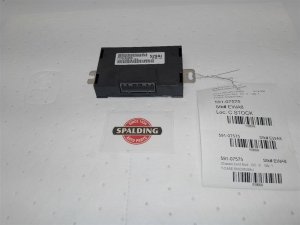
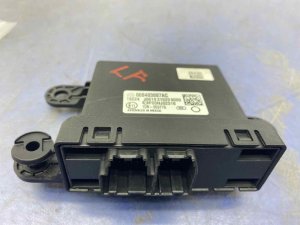
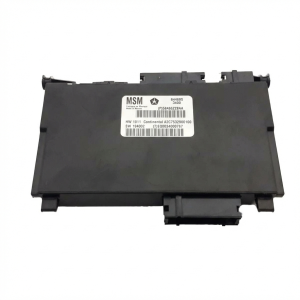
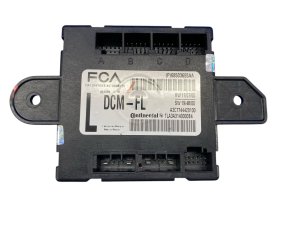
- Body Control Module (BCM)
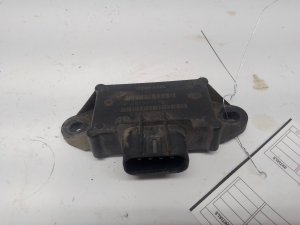
(OEM #68500894AB, 68525718AB)— If the module has failed internally after all other causes are ruled out, it will need to be replaced. This part controls numerous vehicle functions and requires VIN programming.
Trusted brands: Mopar
OEM price range: $290-$450
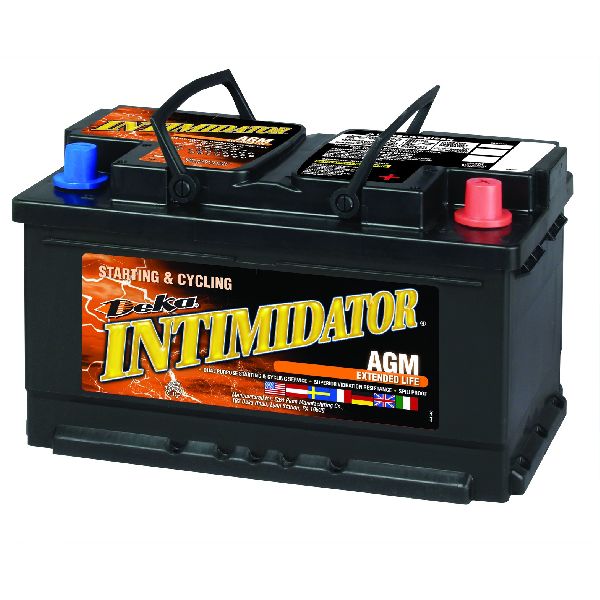
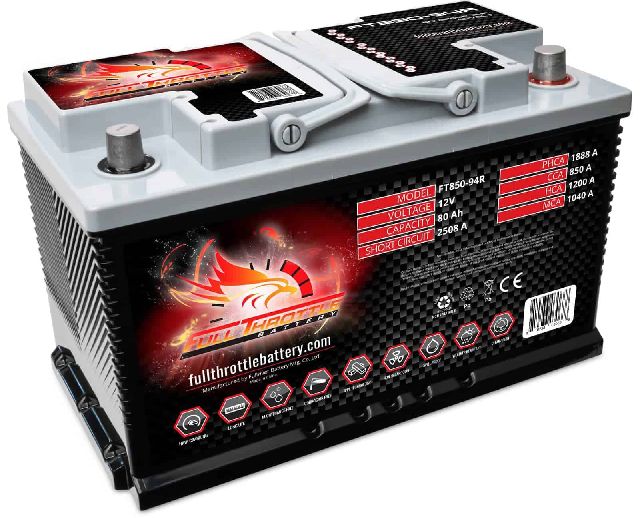
Aftermarket price range: $250-$700 - Automotive Battery — A weak or failing battery is a very common cause of multiple communication codes, including U0141, due to voltage instability.
Trusted brands: Mopar, Interstate, DieHard
OEM price range: $200-$350
Aftermarket price range: $150-$300
Related Codes That Often Appear With This One
- U0140 — This is a nearly identical code for 'Lost Communication With Body Control Module'. The specific TSB for the 2021 Challenger, 18-011-22, lists both U0140 and U0141.
- U0101 — Lost Communication With TCM. This and other codes like U0129 (Brake System), U0155 (Instrument Cluster), and U0159 (Parking Assist) are often triggered together with U0141 due to a network-wide communication failure, as noted in TSB #18-011-22.
- U0100 — Lost Communication with ECM/PCM. This code frequently appears with U0141 when a network-wide issue is present, such as a wiring fault or major voltage drop.
Technical Service Bulletins (TSBs) & Recalls
- 18-011-22: Flash: Powertrain Control Module (PCM) Updates. Addresses U0141 and many other communication codes, recommending a software update as the solution for specific 2021 3.6L models.
Platform-Specific Known Issues
- TSB for PCM Software Update: TSB #18-011-22, dated January 20, 2022, indicates that a Malfunction Indicator Lamp (MIL) and a cluster of communication codes, including U0141, can be caused by a software issue. The prescribed fix is to reprogram the Powertrain Control Module (PCM) with the latest software. This applies to 2021 models with the 3.6L engine built on or before October 14, 2021.
- CAN Bus Harness Interference: In a detailed video, a Dodge owner with multiple 'U' codes, including U0141, traced the intermittent problem to a CAN bus wiring loom rubbing against a metal coolant pipe in the engine bay. The electrical interference, not a direct short, was enough to disrupt communication and put the car in limp mode. Moving the harness away from the pipe resolved the issue completely.
Mechanic-Grade Diagnostic Values
- CAN Bus Resistance — expected: Approximately 60 Ω. Failure: A reading of 120 Ω indicates an open circuit or a missing terminating resistor. A reading near 0 Ω indicates a short between CAN High and CAN Low wires.
- CAN Bus Voltage (with Multimeter) — expected: CAN-H (Pin 6) should be ~2.6V. CAN-L (Pin 14) should be ~2.4V.. Failure: Significant deviation from these voltages, or voltages that are stuck high or low, indicate a bus fault. For example, both lines reading 2.6V could indicate an idle bus.
- BCM Ground Resistance — expected: Less than 1.0 Ω. Failure: A high resistance reading (e.g., over 5-10 Ω) indicates a poor ground connection, which can cause module malfunction.
- CAN C Bus at BCM C5 Connector — expected: CAN C (+) is Pin 25 (Brown wire), CAN C (-) is Pin 26 (Yellow wire).. Failure: Testing voltage and resistance at these specific pins can help determine if the fault is at the BCM connector itself.
Scan Tool Commands That Help
- wiTECH (Dodge Dealer Tool): Proxy Configuration Alignment — This procedure is mandatory after replacing the BCM or other major network modules. It synchronizes the vehicle's configuration across all modules. A flashing odometer is a key indicator that a proxy alignment is needed.
- wiTECH (Dodge Dealer Tool): Restore BCM Proxi Configuration — This is a diagnostic procedure available under the 'Vehicle Preparations' tab used to troubleshoot configuration issues before performing a full alignment.
- wiTECH (Dodge Dealer Tool): Clear All DTCs — After performing a flash or proxy alignment, the tool will automatically present all resulting DTCs from the procedure, which must be cleared to finalize the repair.
- Aftermarket (e.g., AlfaOBD): Proxy Alignment — Advanced aftermarket tools like AlfaOBD can also perform the proxy alignment procedure, which is necessary if any CAN bus module has been added, removed, or replaced.
Wiring & Ground Locations
- Star Connector (CAN Bus Junction) — Located behind the glove box on the passenger side. The glove box must be lowered by pressing in the side tabs to access it.. This is a central diagnostic point. All CAN bus modules connect here. A technician can disconnect modules one by one at this connector to isolate which one is bringing the network down, which is a highly efficient diagnostic strategy for 'U' codes.
- BCM (Body Control Module) — Located behind/under the passenger side of the dashboard, accessible after removing the glove box.. This is the module that has lost communication. All diagnosis of its power, ground, and network connections happens at this location.
- BCM Connector C5 — One of the main connectors at the Body Control Module.. This connector contains the CAN C bus wires (Pin 25 and 26). Probing these specific pins is essential for confirming if the communication signal is reaching the BCM.
- Chassis Ground Points — Factory ground points often look like bolts or studs attached to the bare metal chassis. Common locations are behind kick panels or near the dashboard structure.. A poor ground to the BCM can cause intermittent operation and communication faults. Verifying a low-resistance path to the chassis is a critical diagnostic step.
Real Owner Repair Stories
- YouTube channel 'JT the Car Guy' (Dodge Charger (similar platform)) — No crank, no start, no key functions. The scan tool showed almost all modules on the CAN C and IHS bus were red (offline).
❌ Tried (didn't work) Initial diagnosis focused on the RF Hub (RFH) module because key functions were lost. Power and ground to the RFH module were confirmed good, but it had no bus communication.
✅ What actually fixed it Using the Star Connector behind the glove box, the technician unplugged modules one by one. The network voltage returned to normal after unplugging the Electronic Power Steering (EPS) module. The EPS module had failed internally, shorting the CAN bus and bringing the entire network down. Replacing the EPS module and performing a proxy alignment resolved all communication codes, including those related to the BCM.
Model Year Variations Within This Range
- 2021 models built on or before October 14, 2021: Vehicles with the 3.6L engine built before this date may be subject to TSB #18-011-22, which resolves a cluster of communication codes (including U0141) with a PCM software update. Vehicles built after this date should already have the updated software from the factory.
Helpful Videos
Used OEM Parts in Stock
New Aftermarket Parts Available


The information in this article is provided for general reference and educational purposes only. Vehicle specifications, procedures, and part compatibility can vary by production date, trim level, and region. Always consult your vehicle's factory service manual and verify part numbers before purchasing or performing repairs. Safety-critical components such as airbags, seat belts, and braking systems should be installed by a qualified professional.
- Dodge CHALLENGER:
- 🧭 Diagnostic Flowchart
- 🎬 Helpful Videos
- 🛍️ Shop This Part
- What's Unique About the 2021-2021 Dodge CHALLENGER
- Symptoms You May Notice
- Most Likely Causes
- Rare But Worth Checking
- Diagnosis Steps
- Parts You'll Likely Need
- Related Codes That Often Appear With This One
- Technical Service Bulletins (TSBs) & Recalls
- Platform-Specific Known Issues
- Mechanic-Grade Diagnostic Values
- Scan Tool Commands That Help
- Wiring & Ground Locations
- Real Owner Repair Stories
- Model Year Variations Within This Range
- 🎟️ Get 5% Off