

OBD-II Code U0300: Internal Control Module Software Incompatibility
What U0300 means, why it triggers, and how to fix it
- Code U0300 indicates a direct software mismatch between two or more control modules on your vehicle's CAN bus network.
- Over 80% of U0300 codes trigger immediately after replacing a control module without performing the mandatory VIN-specific software programming.
- Fixing this code requires a professional J2534 pass-thru device and an OEM software subscription costing upwards of $2,000 per year, making it strictly a professional repair.
- Ignoring a U0300 code risks sudden engine stalling, forced 'limp mode', or a complete no-start condition that requires a $150+ tow to a dealership.
What Does U0300 Mean?
Code U0300 means one of your car's control modules has software that does not match the rest of the network. These computers communicate constantly over the CAN bus network. This code signifies a communication breakdown due to incompatible software, usually occurring immediately after a repair, a software update, or a module failure.
Technical definition: The official SAE/OBD-II definition for U0300 is "Internal Control Module Software Incompatibility." It sets when a primary control unit (like the PCM) detects an incorrect software or calibration version in another module on the CAN bus network. It sometimes indicates an internal communication failure between microprocessors within the PCM itself.
Can I Drive With U0300?
Yes, But With Caution. You can drive, but it is a significant gamble. Expect unpredictable electronic failures (power windows, door locks) or sudden stalling. Continuing to drive often triggers 'limp mode' or a complete no-start condition. If accompanied by misfire codes (like P0300), driving damages the catalytic converter, adding an $800-$2500 repair.
Common Causes
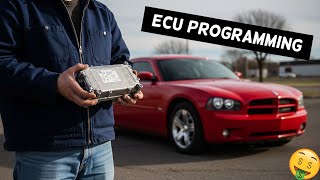
- Incorrect Software or Unprogrammed Replacement Module (Very Common) — This is the most frequent cause. It happens when installing a new or used control module without programming it specifically to your car's Vehicle Identification Number (VIN) 🎬 Watch: How to program a new engine computer to your VIN., or if one module receives an update while others do not.
- Discharged or Defective Battery (Common) — A weak battery providing unstable voltage (below 12.2V resting) corrupts a module's programming during startup or prevents correct communication, triggering an incompatibility error.
- Corrupted Module Software (Common) — Software inside a control module corrupts during a failed programming attempt, a sudden loss of power, or an internal hardware fault.
- Incompatible Aftermarket Accessories (Common) — Installing aftermarket parts that tap into the vehicle's data network (remote starters, advanced alarms) introduces unrecognized signals, leading to an incompatibility code. 🎬 See how to reflash a PCM after removing aftermarket tunes.
- Communication Network (CAN Bus) Errors (Less Common) — Damaged wiring, loose connectors, or corroded pins in the CAN bus system distort data sent between modules, preventing them from verifying software versions. 🎬 Watch: A guide to troubleshooting CAN BUS network faults.
- Internal PCM Hardware Failure (Less Common) — On certain vehicles (particularly Ford models), U0300 triggers from a failure of the internal microprocessors within the Powertrain Control Module (PCM) itself.
Symptoms
- Engine Performance Problems — The engine stalls unexpectedly, idles roughly, hesitates, or enters a forced idle 'limp mode' where you lose throttle control.
- Vehicle Will Not Crank or Start — The incompatibility disrupts the security system's handshake between the key, immobilizer, and engine computer, completely preventing the engine from starting.
- Malfunctioning Electronics — Power windows, door locks, interior lights, or the radio work intermittently or fail completely.
- Check Engine Light or Warning Lights On (also visible on scanner) — A steady or flashing Check Engine Light is the most common sign. You also see wrench lights, security lights, or system-specific warnings.
- No Communication with a Module (scan-tool only — no driver-felt sign) — A professional scan tool fails to communicate with one or more control modules, pinpointing the source of the incompatibility.
Diagnostic Flowchart
Tap your situation to follow the diagnostic path that matches what you're seeing on this code.
Common Fixes & Costs
- Reprogramming (Re-flashing) a Control Module — Parts: $0, Labor: $150-$350, ~1.5 hr book time (Professional)
- Replacing a Faulty Control Module (PCM, BCM, etc.) — Parts: $300-$1200, Labor: $200-$400, ~2.5 hr book time (Professional)
- Replacing a Dead or Weak Battery — Parts: $150-$350, Labor: $50-$100, ~0.5 hr book time (DIY)
- Performing a Module Configuration or Initialization — Parts: $0, Labor: $100-$200, ~1 hr book time (Professional)
- Repairing Damaged Wiring or Connectors — Parts: $10-$50, Labor: $125-$400, ~2 hr book time (Intermediate)
Used vs. New Parts: Buying Guide
When a used part is worth it: For older, high-mileage vehicles (>150k miles) where the cost of a new module is a significant portion of the car's value. A used module is budget-friendly if sourced from a reputable dismantler with a warranty.
Donor-vehicle mileage cap: roughly under 100000 miles for the part to have meaningful remaining life.
Donor quality checklist:
- Verify the donor vehicle was not scrapped due to electrical or flood damage.
- Match the part number EXACTLY. Superseded or similar numbers are not compatible.
- Inspect pins for corrosion or damage before purchase.
- Ensure the seller offers at least a 30-90 day warranty and a clear return policy.
Decision logic:
- If The fix is a known software bug correctable by a re-flash (common on Mazda, Nissan) → Do not buy any part; pay for the software update service only.
- If Vehicle is less than 10 years old and the part is under $800 new → Buy new or remanufactured for reliability and a longer warranty.
- If Vehicle is over 10 years old and budget is the primary concern → A used part is a reasonable gamble, provided it can be programmed to your vehicle.
Warranty tradeoff: Used parts typically have a 30-90 day functional warranty. Remanufactured parts often come with a 1-year to lifetime warranty. New OEM parts carry a 1-2 year warranty.
Worst-case if a used part fails: $300-$600 if the used module is dead on arrival, requiring repeat labor for diagnosis and replacement.
What Happens If You Wait — Timeline
- 0-1 week: Code is set, Check Engine Light is on. You notice minor, intermittent electronic glitches like a slow power window or a single door lock not responding. (MPG impact: 0%% · Added cost: $0)
- 1 week - 2 months: Electronic issues become frequent. The vehicle occasionally hesitates to start or stalls at a stop. The security light flashes, and the car fails to start once, then works fine. (MPG impact: 0-5%% · Added cost: $150-$250)
- 2-6 months: Vehicle enters 'limp mode' with reduced power. Critical systems like the throttle control or transmission are affected. A no-start condition becomes highly likely. (MPG impact: 5-15%% · Added cost: $500-$1500)
- 6+ months: Cascading failure. Constant faulty communication on the network corrupts other, previously healthy control modules. The vehicle is completely unreliable. (MPG impact: 10-20%% · Added cost: $1500-$3000+)
Cost of Not Fixing It
- Immediate: Unpredictable electronic failures (windows, locks), sudden stalling, or a no-start condition. (Added cost: $150 - $500)
- 1-3 months: If symptoms include engine performance issues, continued driving causes the catalytic converter to overheat and fail due to unburnt fuel. (Added cost: $1200 - $2800)
- 3+ months: Ongoing communication faults put excessive stress on other modules, leading to a cascading failure where a second control unit is corrupted. (Added cost: $500 - $1500)
Diagnosis Steps
- Check the Battery and Charging System
Use a multimeter to check the battery. A healthy battery has a resting voltage of 12.4V to 12.8V. Readings below 12.2V at rest indicate a problem that must be fixed before further diagnosis, as low voltage causes software corruption.
Tools: Multimeter (Beginner) - Check for Technical Service Bulletins (TSBs)
Search online for TSBs related to code U0300 for your specific vehicle. Manufacturers frequently release software updates to fix known bugs causing this code, providing a clear repair path.
Tools: Internet Access (Beginner) - Perform a Full Vehicle Scan
Use a professional-grade scanner to read manufacturer-specific codes from all modules. Note all codes present, especially other 'U' codes, to identify which module is causing the conflict.
Tools: Professional OBD-II Scanner (Beginner) - Verify Software Versions
Access the identification information for each module. Record the software part numbers (SW P/N) and calibration IDs (CAL ID), comparing them to the latest manufacturer specifications for your VIN.
Tools: Advanced OBD-II Scanner (Advanced) - Inspect Module Wiring and Connectors
Visually inspect the wiring harnesses and connectors for the main control modules (PCM, BCM, TCM). Look for damage, corrosion, or loose pins, especially near recent repairs.
Tools: Flashlight, Inspection Mirror (Intermediate) - Perform a Module Communication Test ('Ping' Test)
Use the scan tool to 'ping' each control module. If a module does not respond, it is the source of the incompatibility.
Tools: Advanced OBD-II Scanner (Advanced) - Pro Tip: Check CAN Bus Termination Resistance
Disconnect the battery. Measure resistance between CAN High (Pin 6) and CAN Low (Pin 14) at the OBD-II port. A healthy network reads 60 ohms. 120 ohms indicates an open circuit; 0 ohms indicates a short.
Tools: Multimeter (Professional) - Advanced Tip: Isolate Terminating Resistors
If resistance is 120 ohms, disconnect one terminating module (like the PCM). If the reading stays at 120 ohms, the disconnected module's internal resistor or wiring is faulty.
Tools: Multimeter, Vehicle-Specific Wiring Diagram (Professional) - Pro Tip: Scope the CAN Bus Signal
Use an oscilloscope to view the CAN bus signal. Look for two clean, symmetrical square waves. Distorted signals indicate wiring issues or a malfunctioning module flooding the network.
Tools: Oscilloscope, Breakout Box (Professional)
When This Code Triggers (Freeze-Frame Conditions)
- Engine Coolant Temp: 185-205°F (Fully warmed up, during normal operation.)
- RPM: 750-2500 (Triggers at idle or during steady-state cruise.)
- Vehicle Speed: 0-65 mph (Sets at key-on, during idle, or while driving at city or highway speeds.)
- Module Power Supply: 13.5-14.5V (Sets when modules are actively communicating, which is constant while the vehicle is on.)
Related Codes
- U0100 — 'Lost Communication With ECM/PCM', indicating a complete communication failure. U0300 means the modules are communicating, but their software is incompatible. A U0100 points to a wiring or total module failure, whereas U0300 is primarily a software issue.
- P0600 — 'Serial Communication Link Malfunction'. Points to a hardware problem in the communication wiring (CAN bus). A P0600 causes a U0300 because faulty communication lines prevent modules from verifying software. Diagnose P0600 first.
- P2105 — 'Throttle Actuator Control System - Forced Engine Shutdown'. A direct consequence, not a cause. A software incompatibility within the PCM (U0300) disrupts its ability to manage the electronic throttle, forcing a fail-safe shutdown.
- U03xx (with other numbers) — Codes like U0301, U0305, U0322 are specific versions of U0300. They point to a software incompatibility with a specific module, such as the TCM (U0301) or BCM (U0322).
Climate & Environmental Factors
- Cold Weather: Low temperatures reduce battery efficiency, leading to low voltage during startup which corrupts module communication. It also makes plastic housings and solder joints brittle, causing intermittent open circuits.
- High Humidity / Moisture: Moisture leads to corrosion on connector pins and circuit boards. This creates unwanted resistance or short circuits on the CAN bus, disrupting communication.
How to Talk to a Mechanic About This Code
Say this: "I have a U0300 code and need to schedule a diagnostic. I know this relates to module programming and software versions. Do you have the equipment to re-flash modules for a [Your Car's Make]?"
This signals that you understand the technical nature of the code and directs the shop toward the most likely cause. It filters out shops that aren't equipped for software-level repairs.
Avoid saying:
- My check engine light is on.
- The car is acting weird.
- Just fix whatever is wrong.
Questions to ask before authorizing the repair:
- Did you check for any Technical Service Bulletins (TSBs) related to this code?
- Which specific module is reporting the incompatibility?
- Is a software update (re-flash) a possible solution, or does the module need to be replaced?
- If a module needs to be replaced, is the quoted price for a new, used, or remanufactured part?
- Does the labor estimate include the cost of programming the new module to my vehicle's VIN?
Where to Take It: Dealer vs Independent vs Chain
- Dealer:
Often the best choice. Dealers have guaranteed access to the latest proprietary software, VIN-specific calibration files, and programming tools required to fix U0300 correctly.
Best for: Vehicles under warranty, Vehicles with known manufacturer-specific TSBs (like Mazda or Nissan), Complex cases where aftermarket tools fail
Downsides: Highest labor rates, Defaults to expensive module replacement over attempting a re-flash (Typical cost: +50% vs. baseline) - Independent Shop:
A good option, but you MUST verify first. Ask them specifically if they perform module programming and re-flashing for your vehicle make.
Best for: Out-of-warranty vehicles where cost is a primary concern, Shops that specialize in your car's brand
Downsides: Hit-or-miss equipment; not all independent shops invest in the expensive J2534 pass-thru devices and OEM software subscriptions needed for programming. (Typical cost: +0% vs. baseline) - Chain Shop:
AVOID for this specific code. They are not equipped to handle the software and communication network issues that cause U0300.
Best for: Checking the battery and charging system, which is a valid first step.
Downsides: Technicians lack the advanced training and expensive equipment required for module-level diagnostics and programming., High pressure to sell parts, leading to misdiagnosis. (Typical cost: -10% vs. baseline)
When to Walk Away From the Repair
If the estimated repair cost for the U0300 code exceeds 40-50% of your car's private-party value, you should pause and reconsider.
- Car worth $4000, fix is $2000: Walk away. A $2,000 repair on a $4,000 car is 50% of its value and rarely makes financial sense.
- Car worth $12000, fix is $1800: Fix it. The repair cost is only 15% of the vehicle's value, which is well below the threshold.
- Car worth $2500, fix is $1500: Walk away. The repair cost is 60% of the car's value. Put that $1500 towards a more reliable vehicle.
What Scan Tool You Need for This Code
Minimum: A scanner with manufacturer-specific communication that sees codes from ALL modules (BCM, TCM, PCM, etc.), not just generic engine codes.
A basic $20 code reader only tells you the U0300 code exists in the engine module. It cannot see which other modules are involved, their software versions, or if there are other 'U' codes stored in the BCM or TCM.
Budget: BlueDriver Pro (~$100) — Performs a full system scan to read codes from various modules (ABS, Airbag, BCM, etc.), giving a much clearer picture than a basic reader. It CANNOT perform the programming needed for the fix.
Mid-range: Foxwell NT604 Elite / ANCEL BD310 (~$150) — These handheld scanners offer full-system diagnostics for major systems. They pinpoint which system is logging the fault, but lack advanced programming functions.
Professional: Autel MaxiCOM MK808 / Launch CRP919XBT (~$500-800) — Offers bidirectional controls to test components and performs module coding, initialization, and programming functions. This is the minimum level of tool capable of actually fixing some U0300 issues.
Rent vs buy: Renting a scanner from a parts store is not useful, as their rental tools are basic code readers. To properly diagnose this code, invest in a 'Pro Pick' like an Autel or Launch; otherwise, leave this diagnosis to a professional shop.
How to Clear the Code After You Fix It
- Ensure the underlying fault (software mismatch, faulty module) is corrected.
- With the ignition on, use a professional OBD-II scan tool to clear the U0300 code from all modules.
- Perform any required relearn or initialization procedures for the new/reprogrammed module.
- Complete a full drive cycle to allow the system's readiness monitors to run.
Drive cycle (~20 minutes): Start the engine and let it idle for 2-3 minutes. Drive in mixed city/highway conditions, including several steady-speed cruises and stop-and-go situations. This allows all modules to communicate and verify software compatibility under load.
Readiness monitors affected: Comprehensive Component Monitor, Misfire Monitor
Before emissions retest: drive at least 50 miles to fully set monitors.
Watch out for:
- Clearing the code without fixing the root cause results in the code returning immediately.
- Disconnecting the battery is NOT a recommended way to clear this code and corrupts software.
- Failing to perform post-repair initialization prevents the new module from being recognized.
Will This Fail Emissions / State Inspection?
Yes — this code typically fails an OBD-II emissions inspection.
- California: An active Check Engine Light from a U0300 code is an automatic test failure. After repair, a full drive cycle must be completed to set readiness monitors before a retest is possible.
- New York: The NYS DMV emissions inspection includes an OBD-II scan. Any active 'U' code that illuminates the Malfunction Indicator Lamp (MIL) results in an automatic failure.
- Texas: In the 17 counties requiring emissions testing, a vehicle with an active U0300 code and illuminated Check Engine Light fails the OBD-II portion of the inspection.
Most Commonly Affected Vehicles
- Ford F-150 / E-350 (2005-2013) — Often related to internal PCM hardware failures or issues with the electronic throttle body causing related codes like P2104. For some models, Ford defines U0300 as an internal ECU hardware fault.
- Mazda CX-30 / Mazda3 (2019-2022) — A known software bug in the Body Control Module (BCM) triggers U0300:57. Mazda issued TSB SA-003-22d for this specific issue, requiring a dealer-only software procedure.
- Chrysler / Dodge / Jeep Town & Country / Grand Caravan / Various (2011-2016) — On vehicles with air suspension, U0300 in the Air Suspension Control Module (ASCM) is a known issue fixed with a software flash. Replacement BCMs require mandatory programming.
- Toyota RAV4 / Hybrid Models (2022-2025) — Sets by the forward recognition camera or radar cruise control module if they cannot confirm vehicle information from the main ECU or hybrid control module.
- Nissan Rogue (2021-2023) — Documented in TSB NTB23-085 where U0300 stores in the Transmission Control Module (TCM) after TCM programming or replacement, requiring an ECM software check.
- Honda Civic / Accord (2016-2022) — U0300 is specifically defined as a 'Batt P or Supply Malfunction Backup' and points to a power supply issue with the Body Integrated Unit, caused by a bad fuse or wiring.
- Volkswagen Golf / Polo (2009-2018) — Appears alongside misfire codes (P0300, P0301) and points towards a deeper issue involving the ECU's ability to properly control ignition.
- Can-Am Spyder RT (2012-2014) — Defined as 'Invalid Security Exchange Received' and occurs after a battery replacement, corrupting the handshake between the ECM and Cluster. Requires a dealer visit.
Manufacturer-Specific Notes
- Ford: U0300 points directly to an internal PCM hardware malfunction rather than just a simple software mismatch. It is often accompanied by throttle control codes.
- Mazda: For 2019-2022 models, U0300 with a :57 suffix is a specific software glitch in the Body Control Module (BCM) requiring a dealer-only software procedure (TSB SA-003-22d). Replacing the BCM will not fix it.
- Chrysler/Jeep/Dodge (FCA): On vehicles with air suspension, U0300 in the Air Suspension Control Module (ASCM) is a known issue. FCA issued service flashes to correct this; if the flash fails, the module must be replaced.
- Toyota/Lexus: Often set by advanced driver-assistance systems (ADAS) like the forward recognition camera if they cannot verify the vehicle's configuration from the main engine ECU.
- Nissan: Per TSB NTB23-085, on 2021-2023 Rogues, a U0300 in the TCM after replacement is a known issue. The fix requires checking if the ECM software is also up-to-date.
- Honda: Defined as a power supply malfunction to a control unit ('Batt P or Supply Malfunction Backup'), accompanied by issues with wiring, fuses, or the Body Integrated Unit.
Real Owner Stories
2020 Mazda CX-30 with U0300:57
Check Engine Light appeared after a routine service. No other symptoms were present, but the code could not be cleared with a standard OBD-II scanner.
What they tried:
- Attempted to clear the code multiple times.
- Shop initially considered replacing the Body Control Module (BCM) again.
Outcome: Owner found Mazda TSB SA-003-22d online. The dealership performed a specific software update procedure on the BCM, which resolved the code. The BCM did not need to be replaced.
Lesson: For a U0300:57 code on a 2019-2022 Mazda, always check for TSBs first. A software re-flash is the most likely and cheapest solution, not a hardware replacement.
2008 Ford E-350 with stalling issues
Vehicle stalled at idle and while driving. Codes P2105 (Throttle Actuator Control System - Forced Engine Shutdown) and U0300 were present. The owner had already replaced the throttle body and the PCM.
What they tried:
- Replaced throttle body.
- Replaced Powertrain Control Module (PCM) with a new unit.
Outcome: The U0300 code indicated a software incompatibility in the new, unprogrammed PCM. The new PCM needed to be programmed by a dealer with the correct software level to communicate properly with the throttle body.
Lesson: Replacing a control module like a PCM is not a plug-and-play repair. New modules must be professionally programmed to the vehicle's VIN and software configuration to prevent incompatibility codes like U0300.
2017 Ford Fusion with audio and DDM issues after DIY mod
After a DIY upgrade from Sync 1 to Sync 3, the owner had a U0300:00-2B code in the Driver Door Module (DDM). Notification sounds (chimes) were coming from the instrument panel instead of the door speakers.
What they tried:
- Attempted to de-pin a connector to add a new light sensor but damaged radio connector pins.
- Re-seated connectors to restore speaker function but the U0300 code remained.
Outcome: The issue traced back to damaged wiring from DIY activities or an incorrect DDM version for the vehicle's trim. The owner was advised to reverse the DIY changes and inspect the wiring harness.
Lesson: DIY modifications that tap into the vehicle's electrical system easily cause U0300 codes. Damaging pins or using incompatible modules triggers software conflicts.
How to Prevent This Code From Triggering
- Use a Battery Maintainer/Tender (When vehicle is stored for more than 2 weeks) — Prevents the battery from discharging to a low voltage level, which corrupts module memory and causes communication faults on startup.
- Ensure Stable Power During Software Updates (During any re-flashing procedure) — Using a dedicated power supply (not just a battery charger) during programming prevents voltage drops that interrupt the flash process and permanently damage the module.
- Keep Vehicle Software Updated (During regular service intervals) — Manufacturers release software updates to fix bugs that cause incompatibility issues. Applying these updates proactively prevents the U0300 code.
- Clean Battery Terminals and Check Grounds (Annually or with every oil change) — Corrosion on battery terminals or ground straps creates high resistance, leading to unstable voltage and power supply issues for control modules.
- Verify Part and Software Compatibility Before Installation (Before any module or electronic accessory replacement) — Ensuring a replacement module has the exact part number and correct software for the vehicle's VIN is the single most effective way to prevent U0300.
Frequently Asked Questions
Can I fix a U0300 code myself?
Fixing the root cause of U0300 is rarely a DIY job. The most common fix is reprogramming a module, which requires expensive, dealer-level tools and software subscriptions. While you can check the battery and look for obvious wiring damage, the final repair almost always requires a professional shop.
How much does it cost to fix code U0300?
A simple software re-flash at a dealer or qualified shop costs between $150 and $350. If a control module needs replacement, expect $300 to $1200 for the part, plus $200 to $400 for labor and mandatory programming.
Will clearing the code make it go away?
You can clear the code with a scanner, but it returns immediately if the underlying software incompatibility remains. The problem lies within the module's core programming, not a temporary fault. You must fix the root cause before the code stays clear.
Can a bad battery cause a U0300 code?
Yes. A weak or failing battery providing unstable voltage (below 12.2V at rest) corrupts module software or causes communication errors during vehicle startup. This voltage drop triggers the U0300 code.
I just had my car repaired and now I have this code. Why?
If a control module was replaced with a used or incorrect new part, its software will not match your vehicle. It is also highly likely the module was not programmed correctly to your car's VIN after installation. Return to the shop to have the module properly configured.
What are the most common misdiagnosis mistakes for a U0300?
A top mistake is replacing a module when it only needs a cheaper software update, which is common on Mazda models. Another error is failing to check for Technical Service Bulletins (TSBs) first. Finally, technicians sometimes mistakenly blame a good module when the actual cause is a poor battery connection.
Can aftermarket parts or modifications cause a U0300 code?
Absolutely. Incorrectly installed aftermarket infotainment systems, remote starters, or alarm systems interfere with the CAN bus network. These devices send unrecognized signals to the vehicle's computers, causing a software incompatibility fault.
What does the suffix mean on a U0300 code (e.g., U0300:57)?
The suffix is a Failure Type Byte (FTB) used by manufacturers like Mazda and Ford to provide specific diagnostic clues. For example, a Mazda U0300:57 points directly to an internal BCM software error. This helps technicians pinpoint the exact software conflict much faster.
Key Takeaways
- Code U0300 indicates a direct software mismatch between two or more control modules on your vehicle's CAN bus network.
- Over 80% of U0300 codes trigger immediately after replacing a control module without performing the mandatory VIN-specific software programming.
- Fixing this code requires a professional J2534 pass-thru device and an OEM software subscription costing upwards of $2,000 per year, making it strictly a professional repair.
- Ignoring a U0300 code risks sudden engine stalling, forced 'limp mode', or a complete no-start condition that requires a $150+ tow to a dealership.
Helpful Videos
Shop the Parts Behind U0300
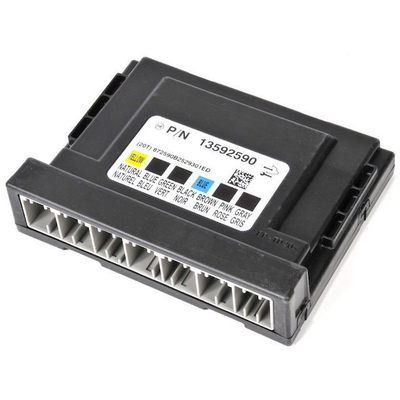
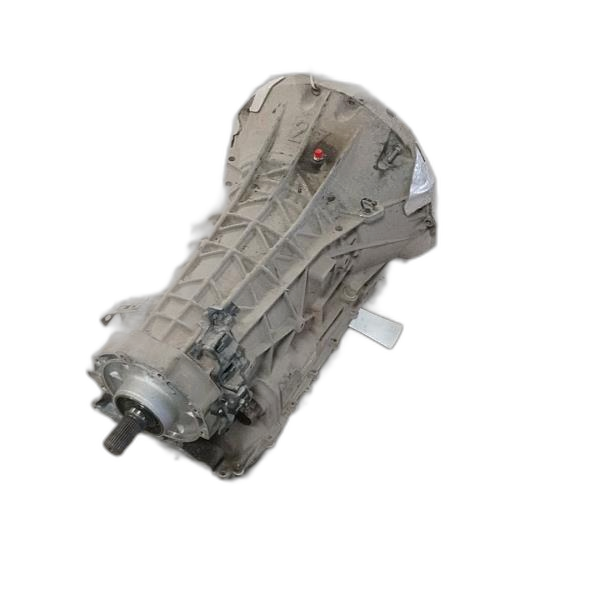
Below are the parts most often responsible for code U0300, ranked by how frequently each one is the actual culprit (per the diagnosis above). Tap any to see what we have for your vehicle.



The information in this article is provided for general reference and educational purposes only. Vehicle specifications, procedures, and part compatibility can vary by production date, trim level, and region. Always consult your vehicle's factory service manual and verify part numbers before purchasing or performing repairs. Safety-critical components such as airbags, seat belts, and braking systems should be installed by a qualified professional.
- 🧭 Diagnostic Flowchart
- 🎬 Helpful Videos
- 🛍️ Shop This Part
- What Does U0300 Mean?
- Can I Drive With U0300?
- Common Causes
- Symptoms
- Common Fixes & Costs
- Used vs. New Parts: Buying Guide
- What Happens If You Wait — Timeline
- Cost of Not Fixing It
- Diagnosis Steps
- When This Code Triggers (Freeze-Frame Conditions)
- Related Codes
- Climate & Environmental Factors
- How to Talk to a Mechanic About This Code
- Where to Take It: Dealer vs Independent vs Chain
- When to Walk Away From the Repair
- What Scan Tool You Need for This Code
- How to Clear the Code After You Fix It
- Will This Fail Emissions / State Inspection?
- Most Commonly Affected Vehicles
- Manufacturer-Specific Notes
- Real Owner Stories
- 2020 Mazda CX-30 with U0300:57
- 2008 Ford E-350 with stalling issues
- 2017 Ford Fusion with audio and DDM issues after DIY mod
- How to Prevent This Code From Triggering
- Frequently Asked Questions
- Can I fix a U0300 code myself?
- How much does it cost to fix code U0300?
- Will clearing the code make it go away?
- Can a bad battery cause a U0300 code?
- I just had my car repaired and now I have this code. Why?
- What are the most common misdiagnosis mistakes for a U0300?
- Can aftermarket parts or modifications cause a U0300 code?
- What does the suffix mean on a U0300 code (e.g., U0300:57)?
- Key Takeaways
- 🎟️ Get 5% Off