

OBD-II Code U0323: Instrument Panel Software Problem
What U0323 means, why it triggers, and how to fix it
- Code U0323 indicates a software version mismatch, meaning the physical instrument cluster rarely needs replacement.
- Over 80% of U0323 cases occur on 2014-2019 Mazda and Scion iA models immediately following a battery replacement or low voltage event.
- Never replace the instrument cluster without first checking for Technical Service Bulletins (TSBs), as a simple software reset often fixes the issue.
- Fixing this code typically costs $100 to $250 for a dealer-level software reflash, though DIYers can sometimes resolve it using a $50 FORScan tool and specific TSB reset procedures.
What Does U0323 Mean?
U0323 means your car's main computers detected a software version mismatch with the instrument panel cluster. The instrument panel module cannot communicate correctly with other modules on the CAN bus network. This is a communication error, not a mechanical failure.
Technical definition: The official SAE/OBD-II definition is 'Software Incompatibility with Instrument Panel Control Module'. This indicates a control module on the vehicle's communication network determined the software within the Instrument Panel Control Module (IPCM) is incompatible with its own.
Can I Drive With U0323?
Yes, But With Caution. Yes, but with significant risks. While core engine and braking functions remain operational, your speedometer and odometer often freeze or go blank, making speed judgment impossible. Crucially, safety systems like Traction Control (TCS) and Dynamic Stability Control (DSC) are usually disabled, drastically increasing the risk of losing control in adverse weather or emergency maneuvers.
Common Causes
- Software Glitch After Low Battery or Battery Change (Very Common) — On many modern cars, especially Mazda and Scion models, a low battery, replacing the battery, or a quick ignition cycle triggers a software glitch. This causes the U0323 code to get 'latched' in the car's memory, where it cannot be erased with a standard code reader.
- Failed or Incomplete Software Update (Common) — If a software update on the instrument cluster or a related computer is interrupted (for example, if battery voltage drops too low during the update), the software becomes corrupted. This directly leads to a version mismatch between modules.
- Incorrect or Used Instrument Panel Cluster Installed (Less Common) — Installing a used instrument cluster from another vehicle or a new one that isn't programmed for your specific car's Vehicle Identification Number (VIN) causes an immediate software mismatch. The new cluster's software is incompatible with the rest of your car's systems.
- Water Intrusion into Connectors or Modules (Less Common) — On vehicles like Ford F-Series trucks, water leaking into the Battery Junction Box (BJB) or other key network connectors causes corrosion and short circuits. This scrambles communication signals, leading other modules to flag a software incompatibility error.
- Improper Jump-Starting or Voltage Spikes (Less Common) — Connecting jumper cables incorrectly or experiencing a significant voltage spike corrupts the flash memory on sensitive electronics like the Instrument Panel Control Module. This data corruption is interpreted by other modules as a software incompatibility.
- Aftermarket Accessories or Performance Tunes (Rare) — Installing aftermarket electronics that tap into the vehicle's CAN bus network, such as remote starters or performance tuners, interferes with communication. These devices alter bus timing or send unexpected messages, causing other modules to flag a software error.
- Wiring or Connector Issues (Rare) — Damaged wires or corroded, loose pins on the connector at the back of the instrument cluster garble the communication signals. Other modules on the network see this garbled data as a software incompatibility.
Symptoms
- Multiple Warning Lights Are On — The Check Engine Light illuminates alongside the Tire Pressure Monitoring System (TPMS) and Traction Control (TCS/DSC) warning lights.
- Instrument Cluster is Blank, Flickering, or has Erratic Gauges — The entire dashboard display goes dark, flashes on and off, or the needles on the speedometer and fuel gauge jump wildly or freeze.
- Odometer Reading is Blank or Frozen — The digital odometer display shows nothing, dashes, or freezes on a specific mileage. The communication fault prevents the cluster from updating the mileage.
- Advanced Driver-Assistance Systems Are Disabled — Features like radar cruise control, smart braking systems, or lane departure warnings turn off because they rely on information from the instrument cluster.
- Code Cannot Be Cleared With a Standard Scanner (also visible on scanner) — When you try to erase the U0323 code, it returns immediately. This indicates the code is 'latched' and requires a special manufacturer procedure to clear.
Diagnostic Flowchart
Tap your situation to follow the diagnostic path that matches what you're seeing on this code.
Common Fixes & Costs
- Perform Manufacturer-Specific Software Reset Procedure — Parts: $0, Labor: $100-$250, ~1.5 hr book time (Professional)
- Reprogram/Update Control Module Software — Parts: $0, Labor: $150-$400, ~1.5 hr book time (Professional)
- Replace and Program Instrument Panel Control Module
— Parts: $600-$900, Labor: $200-$300, ~3 hr book time
(Professional)
2014-2016 Mazda 3: OEM BHP5-55-471C (Alt: Dorman (remanufactured, VIN-programmed service))
2021 Ford F-150: OEM ML3Z-10849-L (Alt: Dorman (remanufactured, VIN-programmed service))
2017-2018 Hyundai Elantra: OEM 94001-F2060 (Alt: Various remanufacturing services available online) - Repair Wiring or Connector to Instrument Cluster or BCM — Parts: $10-$50, Labor: $150-$300, ~2.5 hr book time (Intermediate)
Used vs. New Parts: Buying Guide
When a used part is worth it: Buying a used instrument cluster from a salvage yard is never recommended. The cluster is a complex computer module programmed to the original vehicle's VIN. Installing a used cluster causes a software mismatch (triggering code U0323), displays the wrong mileage, and disables the anti-theft system.
Donor-vehicle mileage cap: roughly under 200000 miles for the part to have meaningful remaining life.
Donor quality checklist:
- The only viable 'used' option is a professionally remanufactured cluster from a reputable supplier.
- Ensure the supplier pre-programs the remanufactured cluster to your vehicle's specific VIN and current mileage before shipping.
- Match the part number exactly. Do not rely on visual appearance.
- Avoid clusters from vehicles with flood or fire damage.
Decision logic:
- If The problem is the common Mazda software glitch → Do not buy any part. The fix is a software procedure.
- If The original cluster has a repairable fault (bad gauge motor, failing backlight) → Send the original cluster to a specialty repair service. This is the most cost-effective option and avoids all programming issues.
- If The original cluster is physically destroyed or non-repairable → Buy a remanufactured, pre-programmed cluster from a specialist or a new OEM part from the dealer.
Warranty tradeoff: Used/salvage parts typically have a 30-day warranty at best. Remanufactured clusters from reputable companies often come with a 1-year to a lifetime warranty. New OEM parts carry a manufacturer's warranty, typically 1 year.
Worst-case if a used part fails: $500-$800 if a used, unprogrammed cluster is installed — cost of the bad part plus labor to install and then remove it, followed by the cost of the correct repair.
What Happens If You Wait — Timeline
- 0-1 month: Code is set, and MIL/warning lights (TCS/DSC, TPMS) are on. Speedometer and/or odometer may be inoperative. The core drivability is unaffected, but safety systems are disabled. (MPG impact: 0%% · Added cost: $0, but safety risk is high.)
- 1-6 months: The odometer reading, if frozen, becomes significantly inaccurate. This creates a legal issue and begins to impact the vehicle's resale value. Continued driving without stability control increases the risk of an accident in an emergency maneuver. (MPG impact: 0%% · Added cost: $500-$2,000 in diminished resale value due to odometer discrepancy.)
- 6-12 months: The odometer discrepancy becomes a major legal and financial problem. Selling the vehicle privately without disclosure constitutes fraud. The title may need to be branded as 'Not Actual Mileage' (NAM), severely reducing the vehicle's worth. (MPG impact: 0%% · Added cost: Significant legal liability and value loss.)
- 12+ months: The vehicle's value is permanently and significantly damaged. The cost to repair the original U0323 fault is now compounded by the thousands of dollars in lost value. The vehicle becomes difficult to sell at any reputable dealership or to a private party, with its value potentially reduced by 40-60%. (MPG impact: 0%% · Added cost: 40-60% of the vehicle's potential market value.)
Cost of Not Fixing It
- 0-1 month: Increased safety risk due to disabled Traction/Stability Control and a non-functional speedometer. Inaccurate odometer logging begins, which is a legal issue. (Added cost: Negligible, unless an accident occurs.)
- 1-6 months: The odometer discrepancy grows, significantly impacting the vehicle's resale value and creating legal liability. The vehicle becomes unsellable without costly repairs and documentation. (Added cost: $2000-$4000+ in lost resale value.)
- 6+ months: The vehicle's title is permanently branded as 'Not Actual Mileage' (NAM) or similar, causing a severe and permanent loss of value. The car becomes difficult to sell at any price. (Added cost: 40-60% of the vehicle's potential market value.)
Diagnosis Steps
- Check for Technical Service Bulletins (TSBs)
Search online for 'TSB' along with your car's make, model, year, and the code U0323. Manufacturers like Mazda and Toyota have released specific instructions for a software glitch that causes this code.
Tools: Internet access (Beginner) - Verify Battery and Charging System Health
A low or failing battery is a primary trigger. Use a multimeter to check the battery with the car off; it must be above 12.4V. With the engine running, check alternator output at the battery terminals; it must be between 13.2V and 14.8V.
Tools: Multimeter (Beginner) - Attempt to Clear the Code
Using an OBD-II scanner, try to clear the code. If the code (along with U0423 and U3000) immediately returns, it strongly points to the common software glitch that requires a special procedure to fix.
Tools: OBD-II Scanner (Beginner) - Perform a Hard Reset (If Applicable TSB Exists)
If a TSB exists for your vehicle, follow the 'hard reset' procedure exactly. This often involves a specific sequence of disconnecting the battery, pulling a certain fuse (like the 'ROOM' fuse on Mazdas), and waiting before reconnecting everything.
Tools: Basic hand tools (Intermediate) - Initiate Instrument Cluster Self-Test/Gauge Sweep
Access the hidden diagnostic mode for the instrument cluster, often done by holding the tripmeter reset button while turning the ignition on. If the cluster powers up, lights all icons, and sweeps the gauges, the cluster's processor is functional, ruling out a hardware failure.
Tools: None (Intermediate) - Inspect Instrument Cluster and BCM Connectors
Visually inspect the main electrical connector on the back of the instrument cluster and the Body Control Module (BCM). Look for corrosion (green or white powder), bent pins, or damaged wires.
Tools: Trim removal tools, flashlight (Intermediate) - Check CAN Bus Network Resistance
With the battery disconnected, use a multimeter to measure the resistance between Pin 6 (CAN High) and Pin 14 (CAN Low) on the OBD-II port. A healthy network reads approximately 60 Ohms. A reading of 120 Ohms suggests a missing termination resistor or broken wire, while 0 Ohms indicates a short circuit.
Tools: Multimeter (Advanced) - Analyze CAN Bus Signal with an Oscilloscope
Connect probes to CAN High (Pin 6) and CAN Low (Pin 14). With the ignition on, you must see a 'mirror image' square wave pattern. Any distortion, noise, or a flat line signal points to a wiring issue or a faulty module corrupting the network.
Tools: Oscilloscope (Advanced) - Check Module Internal Resistance
Disconnect the battery and the module in question. Measure the resistance between the CAN High and CAN Low pins on the module itself. The resistance must be very high (mega-ohm range or OL). A low resistance reading indicates internal damage to the module's CAN transceiver chip.
Tools: Multimeter, Service Manual (for pinouts) (Advanced)
When This Code Triggers (Freeze-Frame Conditions)
- Fault Trigger: Low Voltage Event or Ignition Cycle (This code sets during vehicle startup, especially after the battery has been low, disconnected, or if the ignition is cycled on and off quickly.)
- Battery Voltage: < 11.8V (A low voltage condition during the initial module 'handshake' process is a primary trigger for the software glitch that causes U0323.)
- Time Since Ignition On: < 20 seconds (On affected Mazda models, turning the ignition off within 20 seconds of turning it on interrupts module synchronization and latches the code in memory.)
- Freeze Frame Data Availability: Not Available (Unlike most engine (P-series) codes, many control modules do not store traditional freeze frame data for this type of communication fault.)
Related Codes
- U0423 — Means 'Invalid Data Received From Instrument Panel Control Module'. It almost always appears with U0323. U0323 is set by the PCM detecting a software mismatch, while U0423 is set by a different module (like ABS) flagging the cluster's data as invalid.
- U3000 — A general 'Control Module Internal Failure' code. When paired with U0323 on Mazdas, it often has a sub-code like :41-8A ('general checksum failure'), pointing directly to internal software corruption, not a true hardware failure.
- U0100 — Means 'Lost Communication With ECM/PCM'. If you see U0100 alongside U0323, you have a major network failure (like a wiring break or a dead PCM) that is the root cause, and the U0323 is just a symptom.
- U0073 — Means 'Control Module Communication Bus 'A' Off'. Indicates a general failure of the primary CAN bus network, such as a short in the CAN wiring or a failure of a critical gateway module.
Climate & Environmental Factors
- Cold Weather: Low ambient temperatures (below 32°F / 0°C) significantly reduce a battery's capacity. This increases the likelihood of a low voltage event, which is the primary trigger for the software glitch on affected Mazda and Toyota/Scion models.
- High Humidity / Rain: On vehicles like the Ford F-Series, high humidity or heavy rain leads to water intrusion into poorly sealed electrical components like the Battery Junction Box (BJB). The moisture causes corrosion and shorts communication lines, leading to U0323.
How to Talk to a Mechanic About This Code
Say this: "I have a U0323 code on my [Year, Make, Model] and the code won't clear. I believe this may be the common software glitch related to a low battery. I'd like to schedule a diagnostic to confirm, and I'd like you to check for any Technical Service Bulletins for this code before quoting a replacement instrument cluster."
This signals you are an informed customer. It directs the shop toward the most likely and least expensive fix (a software procedure), sets a clear diagnostic path, and prevents them from immediately suggesting an unnecessary and costly hardware replacement.
Avoid saying:
- 'My check engine light is on, can you look at it?'
- 'My dashboard is acting weird.'
- 'Just fix whatever is wrong.'
Questions to ask before authorizing the repair:
- Did you find a Technical Service Bulletin (TSB) for the U0323 code on this vehicle?
- If you are recommending a software reflash, what is the cost, and what is the next step if it doesn't work?
- If you are recommending replacing the instrument cluster, how did you definitively rule out the software glitch, a wiring issue, and a network problem?
- Does the quoted price for a replacement cluster include VIN and mileage programming?
Where to Take It: Dealer vs Independent vs Chain
- Dealer:
Recommended. The dealer is the most reliable choice for the common software-based fixes for U0323, as they have proprietary tools and direct access to manufacturer software updates.
Best for: Vehicles under warranty., The common Mazda/Scion software glitch, as they have the specific tools (M-MDS) and are familiar with the TSBs., Any repair that requires programming or flashing a new control module.
Downsides: Typically the highest labor rates., May be quick to replace a module rather than diagnose a more complex wiring or software issue. (Typical cost: +50% vs. baseline) - Independent Shop:
Viable, but with caution. A well-equipped independent shop with advanced diagnostic tools (like Autel or Launch) and experience with communication issues is a cost-effective option. However, if the fix requires a dealer-only software update, you must visit a dealership.
Best for: Out-of-warranty vehicles where the cause is suspected to be wiring or a non-software issue., Shops that specialize in your vehicle's make and own manufacturer-level diagnostic tools.
Downsides: May not have the expensive, subscription-based tools needed for software reflashing or module programming., Quality and expertise vary widely; vetting is crucial. (Typical cost: +0% vs. baseline) - Chain Shop:
AVOID. Chain shops lack the tools and training for complex electrical and module programming tasks. They are highly likely to misdiagnose this code and recommend expensive, incorrect repairs.
Best for: Simple, routine maintenance like oil changes, tires, and brakes.
Downsides: Almost never have the tools or training for complex electrical and module programming tasks., High pressure to upsell and may misdiagnose the issue, leading to unnecessary parts replacement. (Typical cost: -10% vs. baseline)
When to Walk Away From the Repair
If the estimated repair cost for the worst-case scenario (cluster replacement) exceeds 50% of your car's current private-party market value, you should seriously consider selling the car as-is or trading it in.
- Car worth $8000, fix is $350: Fix it. A software reflash is a minor cost relative to the car's value.
- Car worth $4000, fix is $1200: Borderline. The repair is a significant percentage of the car's value. Get a firm diagnosis to ensure it's not just the cheaper software glitch before proceeding.
- Car worth $3000, fix is $1200: Walk away. The repair cost is too high relative to the vehicle's value, especially considering the potential for an inaccurate odometer to complicate the sale.
What Scan Tool You Need for This Code
Minimum: A tool that can read codes from ALL vehicle modules (ABS, BCM, IPC, etc.), not just the engine. For the common Mazda glitch, a tool that can perform special functions or module resets is required.
A basic $20 scanner only reads generic engine codes (P-codes). It cannot see the U0323, U0423, and U3000 codes stored in different modules, nor can it perform the special reset procedures needed for the common software glitch. You will be unable to diagnose the problem correctly.
Budget: FORScan software with compatible OBD adapter (for Ford/Mazda) (~$50) — This is the most powerful DIY option for the Mazda glitch. It reads manufacturer-specific codes (like U3000:41-8A), accesses all modules, and performs the module reset procedures required by the TSB to clear the latched codes.
Mid-range: Autel MaxiCOM MK808S / Launch Creader CRP919X (~$350-400) — These are full-tablet, all-system scan tools. They provide access to all modules and perform many special reset functions. They are excellent for diagnosing the scope of the problem and may be able to perform the final 'clear codes' step of the TSB procedure.
Professional: Autel MaxiSys MS906 Pro / Launch X431 Series (~$1200-1600) — These professional tools offer full bidirectional control, module configuration, and programming. This level of tool is required if you need to replace and program a new instrument cluster. They also offer advanced network topology mapping to help diagnose complex wiring issues.
Rent vs buy: Renting a tool is not recommended for this code. The free rental scanners at auto parts stores are basic readers that are insufficient. If you own an affected Mazda, buying a FORScan-compatible adapter is a wise, low-cost investment. For all other makes, diagnosis likely requires a professional shop.
How to Clear the Code After You Fix It
- For the Mazda glitch, perform the specific TSB reset procedure involving unit changes, fuse removal, and trip button press.
- For all other repairs, use a professional-grade scan tool to clear codes from all modules.
- Perform a complete OBD-II drive cycle to ensure the fault does not return and to set readiness monitors.
Drive cycle (~30 minutes): A generic drive cycle includes a cold start (sit overnight), a 2-3 minute idle, 5-10 minutes of mixed stop-and-go city driving, and 15 minutes of steady-state highway driving between 50-60 mph.
Readiness monitors affected: This is a communication code, not a direct emissions fault. It does not directly affect a specific monitor like 'Catalyst' or 'O2 Sensor'., However, clearing any codes resets ALL readiness monitors to 'Not Ready'.
Before emissions retest: drive at least 100 miles to fully set monitors.
Watch out for:
- Using a standard scanner will not clear the 'latched' version of this code on affected models.
- Simply disconnecting the battery will not clear the code and is a common cause of it in the first place.
- The code returns immediately if the root cause (e.g., faulty wiring, unprogrammed cluster) is not fixed before clearing.
Will This Fail Emissions / State Inspection?
Yes — this code typically fails an OBD-II emissions inspection.
- California: An active U-code, especially if the Malfunction Indicator Lamp (Check Engine Light) is on, causes an automatic failure of the smog check. Clearing the code resets readiness monitors, and the test cannot be completed until they are set again.
- New York: The NYS inspection includes an OBD-II scan. Any active code that illuminates the MIL is an automatic failure. A vehicle with recently cleared codes and incomplete readiness monitors also fails.
- Texas: In the 17 counties requiring emissions testing, an illuminated Check Engine Light from any DTC, including U0323, results in a failed inspection.
Most Commonly Affected Vehicles
- Mazda 3 (2014-2018) — Highly prone to a software glitch documented in TSBs MT-010-18 and MTI_1137, occurring after a battery change. The recommended MAZDA CONNECT software version to fix this is 74.00.324A or later.
- Mazda CX-5 (2016-2019) — Affected by the same MAZDA CONNECT software bug as other models, causing non-deletable codes U0323, U0423, and U3000. The fix is a specific reset procedure or a dealer software update.
- Mazda CX-3 (2016-2019) — This issue is well-documented in TSB MT-010-18, triggered by low voltage events. The TSB outlines a specific reset procedure involving the infotainment settings and 'ROOM' fuse.
- Mazda MX-5 Miata (2016-2018) — The MAZDA CONNECT system is susceptible to the software lock-up that triggers U0323, U0423, and U3000, as noted in TSB MT-010-18. It is not a hardware failure.
- Mazda CX-9 (2016-2019) — Suffers from the software glitch that requires a special reset procedure or dealer reflash per TSB MT-010-18. The 'ROOM' fuse for the reset is 15A or 25A depending on trim.
- Scion / Toyota iA / Yaris iA (2016-2017) — Built on a Mazda2 platform, this vehicle suffers from the identical software glitch. Toyota TSB S-SB-0018-17 addresses the non-deletable U0323, U0423, and U3000 codes using a procedure via the infotainment screen.
- Ford F-Series Trucks (F-150, Super Duty) (2020-2023) — Exhibits communication DTCs due to water intrusion into the Battery Junction Box (BJB), often from an improperly seated cover. See TSB 22-2443.
- Hyundai / Kia Elantra, Sonata (2012-2023) — Replacing the instrument cluster requires mandatory VIN programming and configuration by a dealer. Installing a used or incorrectly programmed cluster immediately causes U0323.
Manufacturer-Specific Notes
- Mazda: On many 2014-2019 models with MAZDA CONNECT, a low battery or a quick ignition cycle causes U0323, U0423, and U3000 to become 'latched' in memory. They cannot be cleared with a standard scanner and require a special reset procedure outlined in TSBs MT-010-18 or MTI_1137. Replacing parts will not fix this issue.
- Toyota / Scion: The 2016-2017 Scion iA and Toyota Yaris iA are mechanically Mazdas and are affected by the exact same software glitch. Toyota issued TSB S-SB-0018-17 to address the condition where U0323, U0423, and U3000 cannot be deleted after a battery disconnect.
- Ford: On F-Series trucks (2020-2023), U0323 is often a symptom of water intrusion into the Battery Junction Box (BJB) under the hood due to an improperly installed cover. TSB 22-2443 provides the diagnostic and repair procedure.
- Hyundai / Kia: U0323 on many Hyundai and Kia models commonly appears after an instrument cluster is replaced. These clusters are not plug-and-play; they must be programmed with the vehicle's VIN and configured to the car's specific options.
Real Owner Stories
2016 Mazda CX-5 with TPMS and TCS lights on
After replacing the car battery, the TPMS and TCS/DSC warning lights came on and would not go away. The owner could not clear codes U0323, U0423, and U3000:41-8A with a FORScan tool.
What they tried:
- Disconnecting the battery overnight.
- Attempting standard TPMS reset procedures.
- Trying to clear the codes with a standard scanner, which failed repeatedly.
Outcome: The owner found Mazda TSB MT-010-18 online and performed the specific reset procedure: changing units in the MAZDA CONNECT settings, turning the ignition off, pulling the 'ROOM' fuse, holding the trip meter button, reinstalling the fuse, and then clearing the codes. This successfully cleared all codes and extinguished the warning lights.
Lesson: On affected Mazda models, do not assume a hardware failure. This exact scenario is a well-documented software glitch. Following the specific TSB reset procedure saves a trip to the dealer and prevents unnecessary parts replacement.
2016 Scion iA (Toyota Yaris iA) with multiple warning lights
A Scion iA owner experienced multiple warning lights and stored DTCs U0323, U0423, and U3000 that could not be deleted after a battery-related event.
What they tried:
- Using a standard scan tool (Techstream) to clear the codes, which did not work.
Outcome: The owner discovered that the Scion iA is built on a Mazda platform and is susceptible to the same software glitch. The fix was nearly identical to the Mazda TSB: change system units (miles to km) in the infotainment settings, turn ignition off, pull the 'ROOM' fuse, press the tripmeter button, reinstall the fuse, and then clear the codes with a capable scan tool. This confirmed the issue was with the software architecture, not the parts.
Lesson: Recognize that platform sharing is common. If you have a rebadged vehicle (like a Scion iA, which is a Mazda 2), TSBs and known issues from the original manufacturer are often the key to solving mysterious problems.
Ford F-150 with various communication codes, including U0323
The owner of a newer Ford F-150 began experiencing a host of intermittent electrical issues and communication (U-prefix) codes, including U0323, after a period of heavy rain.
What they tried:
- Clearing the codes, but they would return intermittently.
- Checking the battery and alternator, which tested fine.
Outcome: A mechanic familiar with Ford trucks immediately checked the Battery Junction Box (BJB) under the hood. They found the cover was not fully seated, allowing water to enter and cause corrosion on the connectors. After cleaning the connectors with electrical contact cleaner and properly securing the BJB cover, all communication codes, including U0323, were cleared and did not return. This was identified as a known issue per Ford TSB 22-2443.
Lesson: On certain vehicles, look for model-specific, non-software root causes. For Ford trucks, water intrusion into the BJB is a common culprit for a wide range of electrical and communication DTCs that might otherwise seem like a module failure.
How to Prevent This Code From Triggering
- Maintain battery health and connections (Annually) — A low voltage event is the primary trigger for the U0323 software glitch. Regularly test your battery, ensure terminals are clean and tight, and replace aging batteries (typically 3-5 years) proactively to prevent the voltage drops that corrupt module communication during startup.
- Use proper jump-starting procedures (Every time you jump-start) — Incorrectly connecting jumper cables causes voltage spikes that damage sensitive electronics, including the Instrument Panel Control Module's memory. Always connect the final negative (black) cable to a chassis ground away from the battery to prevent sparks and surges.
- Protect against moisture and corrosion (Periodically) — On vehicles with known water-entry points like the Ford F-Series BJB, periodically check that covers and seals are secure. In humid climates, applying dielectric grease to critical electrical connectors creates a barrier against moisture that leads to corrosion and short circuits on the CAN bus.
- Avoid quick ignition cycles (Daily habit) — On affected Mazda models, turning the ignition off within 20 seconds of turning it on interrupts the module synchronization process and latches the U0323 code in memory. Allowing the car to run for at least a minute after starting ensures all modules properly initialize.
Frequently Asked Questions
What is the most common mistake when trying to fix U0323?
The most expensive mistake is replacing the instrument cluster. The root cause is almost always a software glitch that latches the code in memory. Replacing the hardware will not fix the software glitch.
Why can't I clear code U0323 with my personal OBD-II scanner?
The code is latched by a software bug and ignores standard 'Clear DTCs' commands. You must perform a specific reset sequence to un-latch the error or use a professional-grade scan tool.
Will replacing the battery make U0323 go away?
No, replacing the battery is actually one of the most common triggers for this code. The temporary power loss during the swap causes the software synchronization error that latches the code.
Does code U0323 affect the odometer reading?
Yes. The instrument cluster stores and displays the odometer reading, so a communication fault often freezes the mileage. This causes an inaccurate total mileage reading until the issue is fixed.
What is a gateway module and could it cause U0323?
A gateway module acts as a router connecting different vehicle networks. While a faulty gateway causes widespread communication issues, U0323 specifically points to the instrument cluster. However, if you have multiple unrelated communication codes, a faulty gateway is a likely root cause.
How much does it cost to fix U0323?
A dealer software reflash or reset procedure typically costs $150 to $400 in labor. If the instrument cluster requires replacement and programming, the total cost ranges from $800 to $1,200.
Is it safe to drive with code U0323?
The engine and brakes function normally, making short trips possible. However, driving without a functional speedometer or active traction control is a significant safety risk. You should repair the vehicle immediately.
Key Takeaways
- Code U0323 indicates a software version mismatch, meaning the physical instrument cluster rarely needs replacement.
- Over 80% of U0323 cases occur on 2014-2019 Mazda and Scion iA models immediately following a battery replacement or low voltage event.
- Never replace the instrument cluster without first checking for Technical Service Bulletins (TSBs), as a simple software reset often fixes the issue.
- Fixing this code typically costs $100 to $250 for a dealer-level software reflash, though DIYers can sometimes resolve it using a $50 FORScan tool and specific TSB reset procedures.
Shop the Parts Behind U0323
Below are the parts most often responsible for code U0323, ranked by how frequently each one is the actual culprit (per the diagnosis above). Tap any to see what we have for your vehicle.

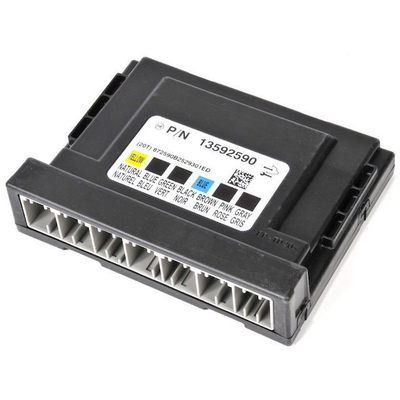

The information in this article is provided for general reference and educational purposes only. Vehicle specifications, procedures, and part compatibility can vary by production date, trim level, and region. Always consult your vehicle's factory service manual and verify part numbers before purchasing or performing repairs. Safety-critical components such as airbags, seat belts, and braking systems should be installed by a qualified professional.
- 🧭 Diagnostic Flowchart
- 🛍️ Shop This Part
- What Does U0323 Mean?
- Can I Drive With U0323?
- Common Causes
- Symptoms
- Common Fixes & Costs
- Used vs. New Parts: Buying Guide
- What Happens If You Wait — Timeline
- Cost of Not Fixing It
- Diagnosis Steps
- When This Code Triggers (Freeze-Frame Conditions)
- Related Codes
- Climate & Environmental Factors
- How to Talk to a Mechanic About This Code
- Where to Take It: Dealer vs Independent vs Chain
- When to Walk Away From the Repair
- What Scan Tool You Need for This Code
- How to Clear the Code After You Fix It
- Will This Fail Emissions / State Inspection?
- Most Commonly Affected Vehicles
- Manufacturer-Specific Notes
- Real Owner Stories
- 2016 Mazda CX-5 with TPMS and TCS lights on
- 2016 Scion iA (Toyota Yaris iA) with multiple warning lights
- Ford F-150 with various communication codes, including U0323
- How to Prevent This Code From Triggering
- Frequently Asked Questions
- What is the most common mistake when trying to fix U0323?
- Why can't I clear code U0323 with my personal OBD-II scanner?
- Will replacing the battery make U0323 go away?
- Does code U0323 affect the odometer reading?
- What is a gateway module and could it cause U0323?
- How much does it cost to fix U0323?
- Is it safe to drive with code U0323?
- Key Takeaways
- 🎟️ Get 5% Off