

U0401 on 2015-2019 Chevrolet Tahoe: Invalid ECM Data Causes and Fixes
Code U0401 on a 2015-2019 Tahoe means a control module received invalid data from the Engine Control Module (ECM). The most likely cause is a damaged or corroded wiring harness under the driver or passenger sill plates, specifically affecting the Communication Enable Circuit 5986, as noted in GM Technical Service Bulletin #PIT5457D. Repairing the affected wires is the most common fix, costing between $100 and $400.
- U0401 on a 2015-2019 Tahoe means the Engine Control Module is sending bad data to other modules.
- Before suspecting expensive control modules, inspect the wiring harness under the driver and passenger sill plates for damage or corrosion, as this is a known issue (TSB #PIT5457D).
- Check your battery and charging system, as low or unstable voltage is a common cause of data communication errors.
- Driving is not recommended as safety systems like StabiliTrak and power steering may be compromised.
- This code often appears with other communication codes (U0077, U0121, etc.), reinforcing the likelihood of a network-wide wiring or power issue.
What's Unique About the 2015-2019 Chevrolet TAHOE
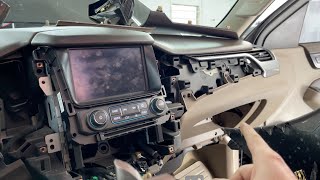
For this specific generation of Chevrolet Tahoe and other related GM K2XX platform trucks/SUVs, the U0401 code is frequently linked to a known wiring issue. A General Motors TSB (#PIT5457D) points directly to the wiring harness located under the driver and passenger side sill plates as a common point of failure. This harness, specifically the Communication Enable Circuit (wire 5986), can become damaged, corroded, or develop high resistance, leading to a host of communication codes, including U0401. Another known issue is a splice point, J365, under the passenger front sill plate 🎬 See how to find and fix common GM sill wiring issues that is also prone to corrosion. This makes a physical wiring inspection a top priority over immediately suspecting a failed control module.
Diagnostic Flowchart
Tap your situation to follow the diagnostic path that matches what you're seeing on this vehicle.
Symptoms You May Notice
- Check Engine Light is on.
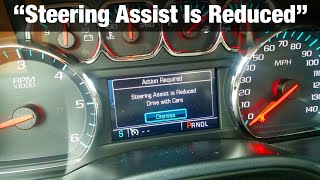
- "Service Power Steering" or "Steering Assist is Reduced" message on the driver information center (DIC).
- Service ABS, StabiliTrak, or Traction Control warning lights.
- Intermittent loss of engine power or hesitation.
- Transmission shifting problems or refusal to shift into overdrive.
- Vehicle enters "limp mode" with reduced power.
- Backup reverse camera inoperative.
- Erratic or jumping tachometer readings.
- Replacing the module that *set* the code (e.g., the Power Steering Control Module or Brake Control Module) without first thoroughly inspecting the wiring harness under the sill plates and checking power/grounds.
- Replacing the ECM without first ruling out the much more common wiring harness failure.
Most Likely Causes
- Damaged Wiring Harness Under Sill Plates 🔴 High Probability As documented in TSB #PIT5457D, the wiring harness routed under the sill plates is susceptible to water intrusion, leading to corrosion, chafing, or high resistance. This specifically affects the communication enable circuit (5986) and splice J365 under the passenger sill plate. This is a well-documented failure point on the K2XX platform.
How to confirm: Remove the driver and passenger front sill plates and kick panels to physically inspect the wiring harness. Peel back the carpet and look for signs of corrosion (green/white crust), chafing, or broken wires, particularly around splice points. A multimeter can be used to perform a voltage drop or load test on circuit 5986 as described in TSB PIT5457D.
Typical fix: Repair the damaged section of the wiring harness. This involves cutting out the corroded or broken section, splicing in new wire (preferably with solder), and protecting the repair with adhesive-lined heat shrink tubing to prevent future moisture intrusion.
Est. part cost: $5-$25 - Low or Unstable Battery Voltage 🟡 Medium Probability → Shop Vehicle Battery Modern control modules are highly sensitive to voltage fluctuations. A weak battery, failing alternator, or poor battery cable connections can cause modules to boot up improperly or send corrupt data, triggering a U0401 code.
How to confirm: Test the battery and charging system. A battery at rest should be above 12.4V. With the engine running, the alternator should produce a stable voltage between 13.5V and 14.5V. Check battery terminals for corrosion and ensure connections are tight.
Typical fix: Charge or replace the battery. Clean or replace battery terminals/cables. If the charging system is at fault, the alternator may need to be replaced.
Est. part cost: $150-$400 - PSCM Calibration Error ⚪ Low Probability A specific calibration error in the Power Steering Control Module (PSCM) can cause U0401 and other DTCs to remain current even after the root cause is fixed. This is documented in GM Preliminary Information bulletin #PIT5593A (and referenced in 20-NA-113). The error prevents the PSCM from clearing the code to history after a fault is resolved.
How to confirm: If U0401 is present in the PSCM and won't clear to history after fixing other issues (like a wheel speed sensor code or the sill plate wiring), this calibration issue is the likely cause.
Typical fix: The PSCM needs to be reprogrammed with the latest software calibration by a GM dealership or a qualified shop with a J2534 pass-thru device and access to GM's TIS2WEB service.
Est. part cost: $100 - $250 - Faulty Engine Control Module (ECM) ⚪ Low Probability → Shop Engine Control Module (ECM)
How to confirm: This is typically diagnosed by exclusion. If all wiring (especially under the sill plates), connections, and power/ground supplies to the ECM are confirmed to be good, the module itself becomes the primary suspect. A dealership may use advanced scan tools to attempt to communicate directly with the module and check for internal faults.
Typical fix: Replace the ECM. The new module will require programming to the vehicle's VIN and specific configuration. This is not a plug-and-play part.
Est. part cost: $800-$1500
Rare But Worth Checking
- Aftermarket Electronics: Poorly installed aftermarket devices like remote starters, alarms, or audio equipment can interfere with the CAN bus network by tapping into the wrong circuits or introducing electrical noise, causing communication errors.
- Pinched Harness Near Spare Tire: An earlier version of the TSB, PIT5457B, noted that on short wheelbase utilities (Tahoe, Yukon, Escalade), the chassis harness could be cut or pinched between the body and the spare tire crossmember, also affecting circuit 5986.
Diagnosis Steps
- Check for other DTCs. Scan all modules in the vehicle to see which ones are reporting communication issues. Note which module is setting the U0401 code, as it is the 'victim' of the invalid data.
- Check Battery and Charging System. Ensure battery voltage is stable and above 12.4V with the engine off, and that the alternator is charging correctly (13.5V-14.5V) when running. Clean any corrosion from battery terminals.
- Inspect Sill Plate Harness (Per TSB #PIT5457D). This is the most critical step. Remove the driver and passenger front sill plates and kick panels. Carefully peel back the carpet and inspect the large wiring harnesses that run along the floor for any signs of water intrusion, corrosion (green/white powder), or physical damage. Pay close attention to any factory splices, which are often taped over.
- Test Communication Enable Circuit (5986). TSB PIT5457D recommends a specific test. At a module that is setting a code (like the PSCM or EBCM), use a multimeter to check for voltage on circuit 5986. It should have ~12V when the vehicle is awake. The TSB also suggests a load test using a small 194 bulb to ensure the circuit can carry the necessary current. If the bulb doesn't light or the voltage drops below 11V, there is high resistance in the circuit that must be found and repaired.
- Check for TSBs and Recalls. Specifically check for TSBs #PIT5457D, #PIT5593A, and #20-NA-113, which directly address this code and its common causes on this platform.
- Isolate the ECM. If all wiring, splices, and connections are confirmed to be good, the final step is to suspect the ECM itself. This step is best left to a professional as it requires advanced diagnostics and module programming for replacement.
Parts You'll Likely Need
- Wiring Repair Supplies — This is needed to fix the most common cause: a damaged wiring harness under the sill plates. Includes wire, solder, and adhesive-lined heat shrink.
Trusted brands: 3M
OEM price range: $10-$30
Aftermarket price range: $5-$20 - Engine Control Module (ECM)
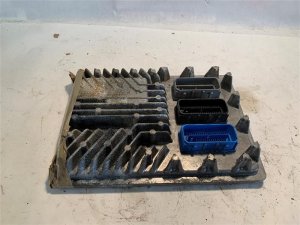
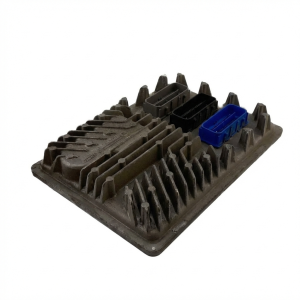
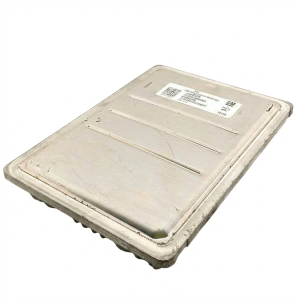
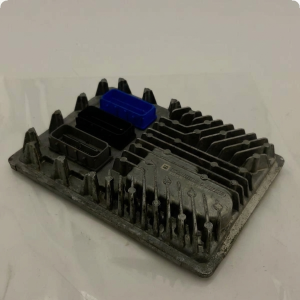
(OEM #12656993 (ACDelco GM OE - Service Number for the E92 ECM family, check specific VIN for exact match and supersessions like 12673676 or 12663437))— If the wiring and other components are good, the ECM itself may have failed and is sending corrupt data. This is a less common but possible cause. The 2015-2019 Tahoe uses an ACDelco E92 ECM, which requires programming.
Trusted brands: ACDelco
OEM price range: $800-$1200
Aftermarket price range: $400-$700
Related Codes That Often Appear With This One
- U0077 — Often caused by the same wiring harness issue under the sill plates, as noted in TSB PIT5457D.
- U0121 — Indicates a loss of communication with the EBCM (ABS module), which can also be triggered by the sill plate wiring problem affecting circuit 5986.
- U0126 — Loss of communication with the Steering Angle Sensor Module, often related to the same harness issue.
- U0131 — Loss of communication with the Power Steering Control Module, also linked in TSB PIT5457D.
- U0415 — Invalid Data Received from EBCM. This often appears with U0401 when network communication is unstable.
- U0428 — Invalid Data Received From Steering Angle Sensor Module, another code linked in TSB PIT5457D.
Technical Service Bulletins (TSBs) & Recalls
- PIT5457D: Mentions U0401 in a list of communication codes that can be caused by an open, damaged, or high-resistance wire in the harness under the driver and passenger sill plates, specifically circuit 5986.
- 18-NA-193: This TSB number was cited in Pass 1 but search results point to other TSBs for the PSCM calibration issue, specifically PIT5593A and 20-NA-113. TSB 18-NA-193 seems unrelated based on search results.
- PIT5593A: Describes a condition where a PSCM calibration error causes U0401 and/or U0415 to remain as current DTCs. The fix is to reprogram the PSCM.
- 20-NA-113: Also describes the PSCM calibration error where DTCs like U0401 will not transition to history, requiring a reprogram.
Platform-Specific Known Issues
- TSB #PIT5457D explicitly calls out the potential for open or damaged wiring under the driver and passenger sill plates causing U0401 and other communication codes. It specifically identifies the Communication Enable circuit 5986 as the culprit.
- TSB #PIT5457B (an earlier version) also identified splice J365 under the passenger sill plate as a known corrosion point and a potential for the harness to be pinched near the spare tire.
- TSB #PIT5593A and #20-NA-113 note a PSCM calibration error that can cause U0401 to stay as a current code even when the original fault is gone. The fix is a software update for the Power Steering Control Module.
Mechanic-Grade Diagnostic Values
- Communication Enable Circuit (5986) Voltage — expected: ~12 Volts when the BCM is awake (ignition in ACC, ON, or START).. Failure: Low or no voltage present at an affected module (e.g., EBCM, PSCM).
- Communication Enable Circuit (5986) Load Test — expected: A 194 bulb (~250mA draw) connected between circuit 5986 and a good ground should light brightly, with at least 11.0 Volts measured across the bulb.. Failure: The bulb does not light, or voltage drops below 11.0V, indicating high resistance in the circuit.
- CAN Bus Network Resistance — expected: Approximately 60 Ω measured between CAN_High and CAN_Low pins at the DLC (with battery disconnected).. Failure: A reading of ~120 Ω suggests an open circuit or a missing terminating resistor. A reading of 0 Ω indicates a short between the two CAN lines.
Hidden / Shadow Codes Worth Checking
- U0401 (as a 'Current' DTC that won't clear): A PSCM calibration error can cause DTCs, including U0401, to remain in 'Current' status even after the original fault is repaired. The module fails to transition the code to 'History,' leading a technician to believe the fault is still present. (see via This behavior is observed with a professional scan tool (like GM's GDS2) when a code immediately returns as 'Current' after being cleared, despite the underlying issue being resolved.)
Scan Tool Commands That Help
- GM TIS2WEB / Techline Connect: Reprogram the PSCM — Use this function when a U0401 or other communication DTCs are stored in the Power Steering Control Module and will not clear to history after other repairs are complete, as per TSB 20-NA-113.
- GM TIS2WEB / Techline Connect: Update the Engine Control Module (ECM) — Per TSB 18-NA-038, if U0401 is found in the PSCM along with P111E in the ECM, an ECM software update is required to correct a calibration issue that causes the codes to set.
- GM TIS2WEB / Techline Connect: Theft Deterrent Relearn / Setup Procedures — This is required after installing a new or reprogrammed ECM (E92). The vehicle may not start until the security password from the BCM is learned by the replacement ECM.
Wiring & Ground Locations
- Splice J365 — Under the passenger front sill plate, within the main wiring harness.. This splice is part of the Communication Enable Circuit (5986) and is a known point of corrosion and high resistance, directly causing communication DTCs like U0401.
- Sill Plate Harness Chafe Point — The main wiring harness running under both the driver's and passenger's front door sill plates.. This area is prone to water intrusion from wet shoes or clogged sunroof drains, causing corrosion, opens, or shorts in multiple circuits, including the communication enable circuit.
- Spare Tire Crossmember Chafe Point — On short wheelbase models like the Tahoe, the chassis harness can be pinched or cut between the body and the spare tire crossmember.. This is another documented failure point for the Communication Enable Circuit (5986) as noted in TSB PIT5457B.
- BCM Ground — Inside the cabin, beside the front left (driver's side) speaker. Access requires removing the A-pillar trim and pulling up the front dash trim.. The Body Control Module (BCM) is the source of the Communication Enable signal. A poor ground for the BCM can cause erratic behavior and communication faults across the vehicle.
- Forward Frame Grounds — On the frame, located right behind both front wheels.. These grounds are in a terrible location prone to road splash, salt, and corrosion. A poor ground connection here can affect numerous modules and cause intermittent, hard-to-diagnose electrical issues.
Real Owner Repair Stories
- TahoeYukonForum.com user TCOLL5830 (2015 Tahoe) — Rear object detection system failure.
❌ Tried (didn't work) Dealer was unable to source individual pins for the damaged connector and quoted over $1600 for a full harness replacement.
✅ What actually fixed it The owner sourced a used connector from a junkyard and spliced it into the body harness. The root cause was a failed plastic retainer allowing the rear bumper harness connector to drop onto the hot exhaust pipe, melting it completely. - ChevroletForum.com user discussion (2016 Tahoe LT) — No start condition with multiple communication codes (U0100, U0101, U0073) and messages for 'Service 4WD', 'Service Trailer Brake', 'Service Power Steering', and 'Engine Power Reduced'.
✅ What actually fixed it Experienced forum members immediately advised the owner to check the battery voltage first. They noted that if the battery was dead or low, modules cannot communicate properly and can set numerous communication codes. The primary advice was to fully charge and test the battery before beginning any complex wiring diagnostics.
Model Year Variations Within This Range
- 2015-2019: The TSBs covering the primary wiring fault have been updated over the years (e.g., PIT5457B to PIT5457D) to include the newer model years in the range, confirming the issue is present across the entire generation.
Helpful Videos
We Have This Part in Stock

The information in this article is provided for general reference and educational purposes only. Vehicle specifications, procedures, and part compatibility can vary by production date, trim level, and region. Always consult your vehicle's factory service manual and verify part numbers before purchasing or performing repairs. Safety-critical components such as airbags, seat belts, and braking systems should be installed by a qualified professional.
- Chevrolet TAHOE:
- 🧭 Diagnostic Flowchart
- 🎬 Helpful Videos
- 🛍️ Shop This Part
- What's Unique About the 2015-2019 Chevrolet TAHOE
- Symptoms You May Notice
- Most Likely Causes
- Rare But Worth Checking
- Diagnosis Steps
- Parts You'll Likely Need
- Related Codes That Often Appear With This One
- Technical Service Bulletins (TSBs) & Recalls
- Platform-Specific Known Issues
- Mechanic-Grade Diagnostic Values
- Hidden / Shadow Codes Worth Checking
- Scan Tool Commands That Help
- Wiring & Ground Locations
- Real Owner Repair Stories
- Model Year Variations Within This Range
- 🎟️ Get 5% Off