

U0401 on 2011-2012 Dodge Charger: Implausible Data from ECM/PCM Causes and Fixes
On a 2011-2012 Dodge Charger, the U0401 code is most often caused by a software glitch in the Powertrain Control Module (PCM). The primary fix is a software update from a Dodge dealer, as documented in Technical Service Bulletin (TSB) #18-067-15 REV A. This issue is also common on its platform mates, the Chrysler 300 and Dodge Challenger. The dealer reflash typically costs between $125 and $250.
- For a 2011-2012 Dodge Charger, U0401 is most likely a software problem, not a failed part. The first step should always be to check if TSB #18-067-15 REV A applies and has been performed.
- This issue is often accompanied by codes P0340, P0441, and U0140. Seeing this combination strongly indicates the software fix is needed.
- Do not replace the camshaft position sensor, PCM, or other components before ruling out the software update, as this is the most common and cheapest solution.
- The problem is also prevalent on the 2011-2012 Chrysler 300 and Dodge Challenger.
What's Unique About the 2011-2012 Dodge CHARGER
For this specific generation of Dodge Charger (and its Chrysler 300 and Dodge Challenger siblings), the U0401 code is very frequently a software issue rather than a hardware failure. Dodge released a Technical Service Bulletin acknowledging that a glitch in the PCM software can cause this code to appear, often alongside other seemingly unrelated codes like P0340 (Camshaft Position Sensor) and P0441 (EVAP System). This makes checking for an available PCM software update a critical first step, which can prevent unnecessary replacement of sensors or other components that are not actually faulty.
Diagnostic Flowchart
Tap your situation to follow the diagnostic path that matches what you're seeing on this vehicle.
Symptoms You May Notice
- Check Engine Light (Malfunction Indicator Lamp) is on
- Vehicle may stall, especially when coming to a stop or during low-speed maneuvers
- Intermittent loss of engine power or poor acceleration
- Erratic or delayed transmission shifting
- Traction control or stability control lights may illuminate
- Vehicle may have trouble starting
- Vehicle may enter a reduced power 'limp mode'
- Replacing the Body Control Module (BCM) when U0140 is present with U0401, without first checking for the PCM software update.
- Replacing EVAP system components for code P0441 without realizing it's part of the TSB-related software glitch.
- Replacing the PCM without first attempting the software reflash.
- Replacing the camshaft position sensor without first verifying if the PCM software is up to date, as the TSB is the most likely fix.
Most Likely Causes
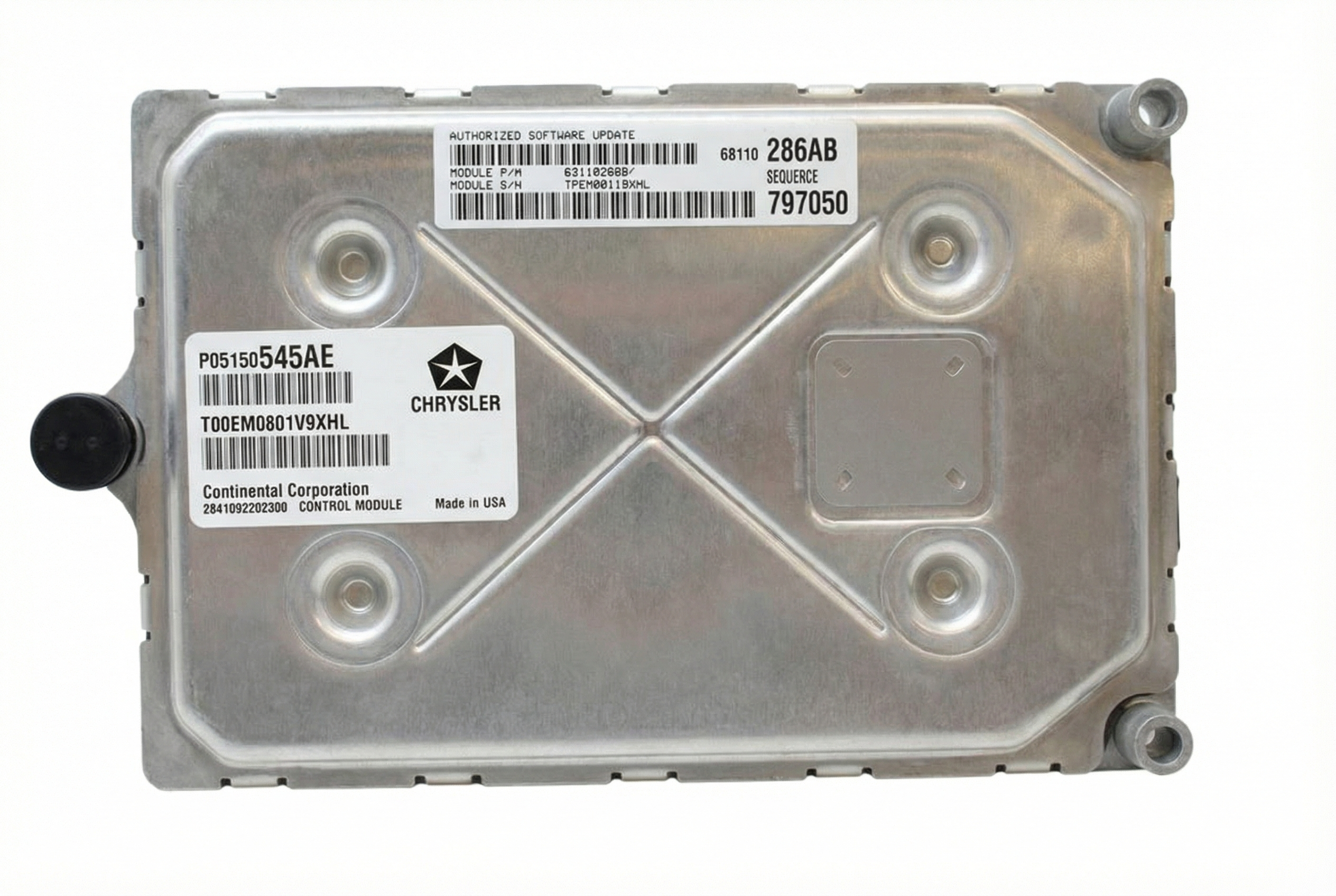
- Outdated Powertrain Control Module (PCM) Software 🔴 High Probability → Shop Engine Control Module (ECM) A known software glitch was identified by the manufacturer and addressed in TSB #18-067-15 REV A. This is the most common root cause for this specific vehicle and code combination.
How to confirm: A Dodge dealer or a qualified shop with a wiTECH scan tool can check the current PCM software calibration ID against the latest version specified in the TSB.
Typical fix: Reprogramming (flashing) the PCM with the updated software. Owners on forums report this one-hour dealer service resolves the issue completely.
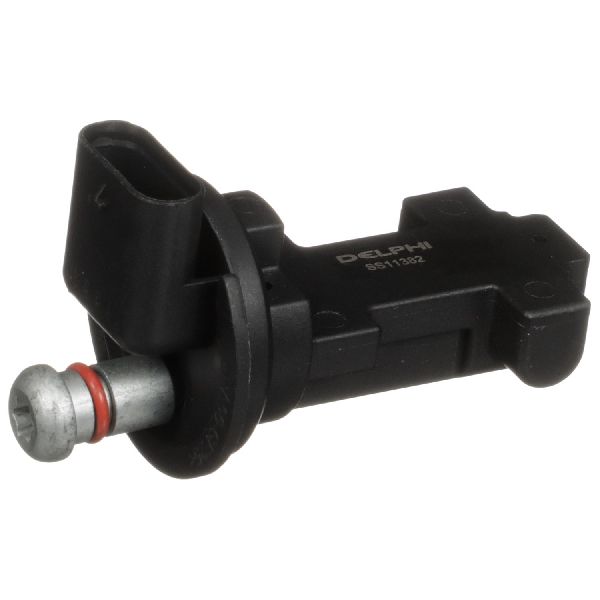
Est. part cost: $0 - Failing Camshaft Position Sensor 🟡 Medium Probability → Shop Engine Camshaft Position Sensor The camshaft position sensor is explicitly mentioned in TSB #18-067-15 as a related code (P0340) that can be triggered by the same PCM software glitch. However, a failing sensor can also send implausible data to the PCM independently, causing the U0401 code if the software is already up to date.
How to confirm: Scan for code P0340. If present, and the PCM software is current, test the sensor's signal with an oscilloscope or replace it as a likely culprit.
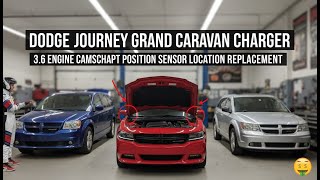
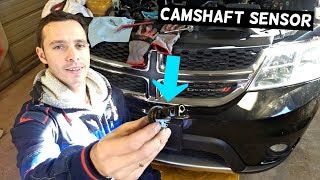
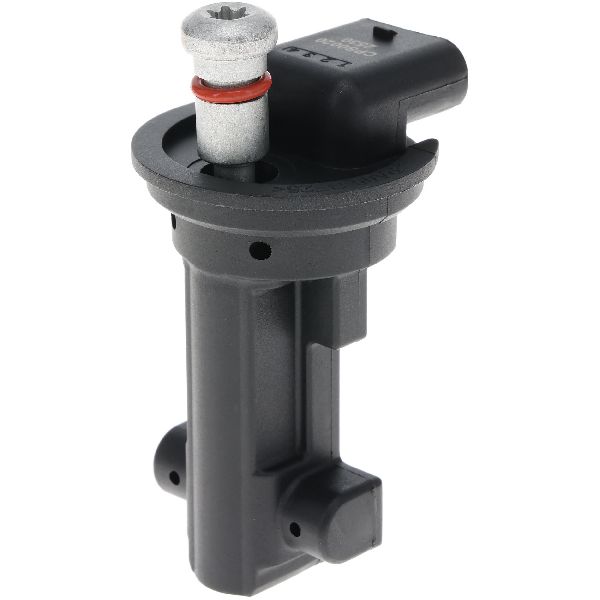
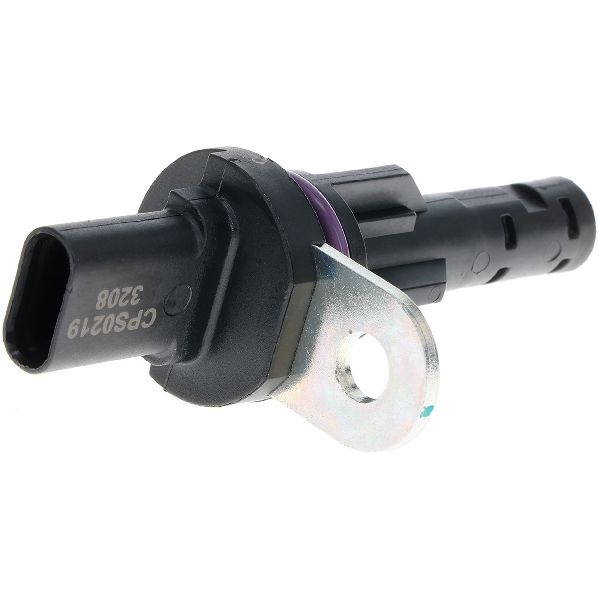
Typical fix: Replace the faulty camshaft position sensor. Note that the part is different for V6 and V8 engines. 🎬 See this walkthrough for replacing the 3.6L camshaft sensor.
Est. part cost: $40-$100 - Low Battery Voltage or Charging System Issue ⚪ Low Probability → Shop Vehicle Battery Modern Mopar vehicles are notoriously sensitive to voltage fluctuations. A weak battery or failing alternator can cause modules to receive inconsistent power, leading to communication errors like U0401 before other symptoms appear.
How to confirm: Test the battery voltage with a multimeter when the car is off (should be >12.4V) and while running (should be 13.5V-14.5V). Check for loose or corroded battery terminals.
Typical fix: Charge or replace the battery, clean terminals, or repair the alternator/charging system.
Est. part cost: $150-$400
Rare But Worth Checking
- Wiring Harness or Connector Issue: A damaged wire or corroded pin in the CAN bus network can corrupt data between modules. This is less common than the software issue but should be checked if a PCM update doesn't solve the problem. Check harnesses near the PCM and ABS module for chafing or corrosion.
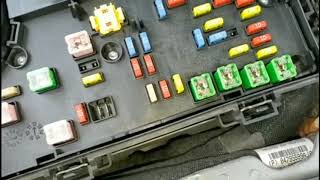
- Failing Totally Integrated Power Module (TIPM): The TIPM on this platform is a known failure point that acts as the central hub for the vehicle's electrical system. A faulty TIPM can cause a wide range of bizarre electrical issues, including setting network codes like U0401 by disrupting power and communication signals to various modules. 🎬 Watch: How to remove and troubleshoot a faulty TIPM.
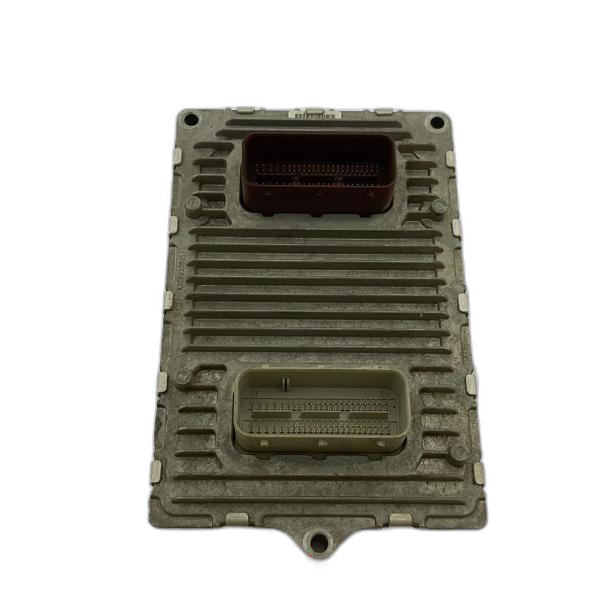
- Failing Powertrain Control Module (PCM): → Shop Engine Control Module (ECM) While the software is the most common issue, outright hardware failure of the PCM can occur. This is usually the last thing to suspect after all other possibilities, including software, wiring, and the TIPM, have been eliminated.
Diagnosis Steps
- Check Battery Health First: Before diving into complex diagnostics, ensure the battery is fully charged (>12.4V) and the charging system is working correctly (13.5-14.5V while running). Clean any corrosion from the terminals.
- Scan for all DTCs in all vehicle modules. Note if P0340, P0441, or U0140 are present alongside U0401, as this strongly points to the TSB.
- Check for Technical Service Bulletins: Specifically, reference TSB #18-067-15 REV A for this vehicle. Contact a Dodge dealer with your VIN to see if this update is open for your car.
- Verify PCM Software Version: Have a dealer or equipped independent shop connect a wiTECH scan tool to determine if the PCM software is outdated.
- Perform PCM Update: If the software is old, perform the reflash procedure as described in the TSB. This is the most likely fix and should be done before replacing parts.
- Inspect Camshaft Position Sensor: If U0401 persists after the update (or if P0340 was the primary code and the software was already current), inspect the sensor and its wiring for damage or oil contamination.
- Inspect CAN Bus Wiring: If the code persists, visually inspect the main wiring harnesses between the PCM, BCM, and TIPM for any signs of damage, corrosion, or loose connections.
- Test PCM: As a final step, if all else fails, the PCM itself may need to be tested for hardware failure.
Parts You'll Likely Need
- PCM Software Update — This is not a physical part, but a service. It is the most common fix documented by the manufacturer in TSB #18-067-15 REV A to resolve a known software glitch.
OEM price range: $125-$250
Aftermarket price range: N/A - Camshaft Position Sensor (3.6L V6)
(OEM #5149141AF)— For V6 models, this is the most likely hardware failure associated with the U0401 code, often setting a P0340 code alongside it.
Trusted brands: Mopar, NGK, Dorman
OEM price range: $50-$100
Aftermarket price range: $30-$70 - Camshaft Position Sensor (5.7L V8)
(OEM #5149054AC)— For V8 models, this is the correct sensor to replace if a hardware fault is suspected after the PCM software has been ruled out.
Trusted brands: Mopar
OEM price range: $50-$80
Aftermarket price range: $30-$60
Related Codes That Often Appear With This One
- P0340 — Camshaft Position Sensor Circuit fault, which is explicitly linked to the same PCM software issue in TSB #18-067-15 REV A.
- P0441 — EVAP Purge System Performance fault, also linked to the PCM software glitch in TSB #18-067-15 REV A.
- U0140 — Lost Communication With Body Control Module, another code mentioned in TSB #18-067-15 REV A that can be resolved by the PCM software update.
Technical Service Bulletins (TSBs) & Recalls
- 18-067-15 REV A: Addresses MIL illumination with DTCs U0401, U0140, P0441, or P0340 by reprogramming the PCM with new software. This revision expanded the model years to include 2011 vehicles.
- 18-067-15: The original version of the bulletin with similar information, which initially focused more on 2012 models.
Platform-Specific Known Issues
- A software glitch in the PCM is a well-documented issue causing U0401, often accompanied by P0441, P0340, and U0140. The official fix is a software update per TSB #18-067-15 REV A.
Mechanic-Grade Diagnostic Values
- CAN C Bus Resistance — expected: Approximately 60 Ohms between CAN C High and CAN C Low pins at the DLC with the battery disconnected.. Failure: A reading of 120 Ohms may indicate an open circuit or a module with a terminating resistor is offline. A reading near 0 Ohms indicates a short between the high and low lines. Readings significantly different from 60 Ohms (e.g., 45 Ohms) could suggest a faulty module or additional unintended resistance on the network.
- CAN C Bus Voltage (Key On, Engine Off) — expected: CAN High line should be approximately 2.6V. CAN Low line should be approximately 2.4V. These are best measured with an oscilloscope but a multimeter can give a general idea.. Failure: Voltages that are stuck high (e.g., 5V or 12V) or low (0V) indicate a short to power or ground. For example, finding nearly 10 volts on a communication line is a clear sign of a fault.
- PCM Power and Ground Check — expected: With the ignition on, the Fused Ignition Switch Output circuit at the PCM connector should show battery voltage when checked with a test light connected to ground. Ground circuits at the PCM connector should illuminate a test light connected to 12V.. Failure: If the test light does not illuminate, it indicates an open or high resistance in the respective power or ground circuit, which must be repaired.
Hidden / Shadow Codes Worth Checking
- U0401-00: The '-00' suffix is a Failure Type Code (FTC) used by Chrysler/Dodge. While not a 'hidden' code, it specifies 'No Sub Type Information' or a general component failure. In the context of the TSB, it confirms the implausible data is the primary fault type being reported, strengthening the case for the software glitch. (see via A professional scan tool like Autel, Snap-on, or the dealer wiTECH tool will display the code with its FTC suffix.)
Scan Tool Commands That Help
- wiTECH: Network Review Screen — This function provides a high-level view of the entire vehicle network. Modules with communication faults or problems appear in red, allowing a technician to quickly identify which network (e.g., CAN C) and which modules are affected, which is critical for diagnosing a U0401.
- wiTECH: PCM Reprogramming/Flash — This is the specific service function required to apply the software update from TSB #18-067-15 REV A. It involves connecting to FCA's servers to download the latest calibration file and write it to the PCM. This should be the first step if the TSB applies and the software is outdated.
- wiTECH or advanced scan tool: Bidirectional Communication Test / Live Data Request — After confirming the software is up-to-date, a technician can use this to actively request data from the PCM. If the PCM fails to return values or the data is erratic for key parameters (engine speed, sensor inputs), it points towards a hardware issue with the PCM or its inputs, rather than another module misinterpreting good data.
Wiring & Ground Locations
- Star Connector (CAN C Bus) — On many Chrysler/Dodge vehicles of this era, the star connectors (also called diagnostic can bus connectors) are located behind the driver's side dash, often accessible by removing the headlight switch panel. They act as a central hub for the CAN bus wires.. A faulty star connector itself (due to a failing internal capacitor) or a single bad module connected to it can bring down the entire network, causing codes like U0401. Technicians can unplug modules one by one from the star connector to isolate the source of the network disruption.
- G300 — Located below the driver's side 'B' pillar.. This is a major chassis ground point. While not directly for the PCM, many interior modules that communicate with the PCM use this ground. A poor connection here can cause intermittent communication issues across the network.
- PCM Ground — The PCM has several dedicated ground circuits in its main harness connectors. The physical ground points are typically on the engine block or cylinder heads. For example, a primary ground point is often found underneath the air intake box, attached to the engine.. A loose or corroded PCM ground is a critical failure point. Without a solid ground reference, the PCM cannot function correctly and will send out corrupt or invalid data, directly causing a U0401 code.
- Battery Ground — The main battery is in the trunk, next to the spare tire. There is a positive jump post under the hood, and the chassis serves as the negative ground point for jumping.. While the battery is in the rear, the entire vehicle's electrical system relies on its main ground connection to the chassis in the trunk. Corrosion or a loose connection here can cause system-wide low voltage and communication faults.
Real Owner Repair Stories
- Rob The Mechanic, YouTube (Ram Truck (similar Chrysler CAN-C architecture)) — Massive number of 'lost communication' codes across the CAN-C network after driving for exactly 33 miles. The issue would reset after shutting the vehicle off for a period.
❌ Tried (didn't work) Initial checks of wiring and modules were inconclusive because the fault was intermittent and required a long drive cycle to appear.
✅ What actually fixed it The CAN-C Star Connector itself was faulty. An internal capacitor was failing when the network became busy during driving, corrupting all communication. Replacing the star connector resolved the issue completely.
OEM Part Supersession History
5149141AE (and earlier revisions)→5149141AF— Standard part revision by the manufacturer to improve reliability or sourcing.
Heads up: Part 5149141AF is the current recommended OEM replacement for the 3.6L V6 engine in this vehicle. Using older stock or certain aftermarket versions may lead to premature failure.
Model Year Variations Within This Range
- 2011: The original TSB #18-067-15 primarily covered 2012 models. Revision A (TSB #18-067-15 REV A) was issued to explicitly include 2011 model year vehicles for the same PCM software update fix, indicating the problem spanned both years.
Helpful Videos
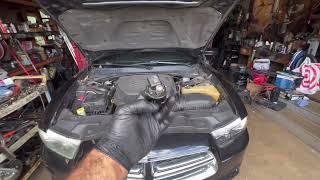
![TIPM [Dodge, Chrysler, Jeep] Removal and Solution](https://img.youtube.com/vi/qea1H85HBwU/mqdefault.jpg)
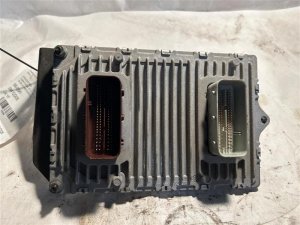
Used OEM Parts in Stock
New Aftermarket Parts Available


The information in this article is provided for general reference and educational purposes only. Vehicle specifications, procedures, and part compatibility can vary by production date, trim level, and region. Always consult your vehicle's factory service manual and verify part numbers before purchasing or performing repairs. Safety-critical components such as airbags, seat belts, and braking systems should be installed by a qualified professional.
- Dodge CHARGER:
- 🧭 Diagnostic Flowchart
- 🎬 Helpful Videos
- 🛍️ Shop This Part
- What's Unique About the 2011-2012 Dodge CHARGER
- Symptoms You May Notice
- Most Likely Causes
- Rare But Worth Checking
- Diagnosis Steps
- Parts You'll Likely Need
- Related Codes That Often Appear With This One
- Technical Service Bulletins (TSBs) & Recalls
- Platform-Specific Known Issues
- Mechanic-Grade Diagnostic Values
- Hidden / Shadow Codes Worth Checking
- Scan Tool Commands That Help
- Wiring & Ground Locations
- Real Owner Repair Stories
- OEM Part Supersession History
- Model Year Variations Within This Range
- 🎟️ Get 5% Off