

OBD-II Code U0412: Invalid Data From Battery Control Module
What U0412 means, why it triggers, and how to fix it
- Code U0412 flags a communication failure in the Battery Energy Control Module (BECM), meaning the 'brain' is malfunctioning, not the $5,000+ high-voltage battery itself.
- Test the 12V auxiliary battery before authorizing any major repairs; a voltage drop below 12.0V corrupts network data and triggers U0412.
- Check your VIN for Technical Service Bulletins (TSBs), as 1 to 2 hours of dealer software reprogramming resolves this code on most Chrysler Pacifica and Ford hybrid models.
- Stop DIY diagnosis after testing the 12V battery and checking wiring; replacing or reprogramming the BECM requires OEM scan tools and high-voltage safety certification.
What Does U0412 Mean?

U0412 is a communication error code found exclusively on hybrid and electric vehicles. It means the car's main computer received illogical or corrupt information from the Battery Energy Control Module (BECM). The BECM is the 'brain' for the high-voltage battery, and this code points to a communication failure, not a failure of the expensive high-voltage battery itself.
Technical definition: The official SAE/OBD-II definition is 'Invalid Data Received From Battery Energy Control Module A'.
Can I Drive With U0412?
Yes, But With Caution. You can drive the vehicle short distances to a repair facility, but do so with extreme caution. The primary risk is a sudden loss of power in traffic. On models like the Ford Fusion under recall 23S33, this code links to a vehicle fire risk, making it unsafe to ignore. Continued driving disables critical safety systems like Adaptive Cruise Control. Ignoring the code leads to being stranded or catastrophic thermal events.
Common Causes

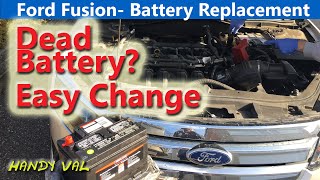
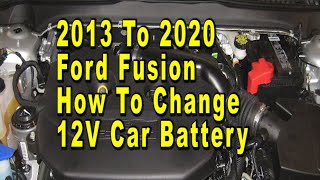
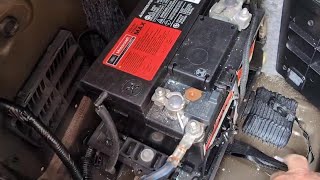
- Weak or Failing 12V Auxiliary Battery (Very Common) — A weak 12-volt auxiliary battery causes widespread communication failures by sending unstable voltage to the network. 🎬 Watch: How to replace the 12V battery on a Ford Fusion. Low voltage creates random, illogical data packets, triggering the U0412 code.
- Control Module Software Glitch (Very Common) — Outdated software or a bug in the Battery Energy Control Module (BECM) corrupts data. Manufacturers frequently release Technical Service Bulletins (TSBs) with software updates to fix these communication issues, especially on Chrysler and Ford models.
- Failing Battery Energy Control Module (BECM) (Common) — The BECM fails internally due to age, voltage spikes, or faulty microprocessors. This is a known pattern failure on the Chevrolet Volt and Chrysler Pacifica Hybrid, leading to warranty extensions or recalls.
- Wiring, Connector, or Ground Fault (Less Common) — Corroded wiring harnesses, loose pins, or broken ground wires physically disrupt data flow. On Chrysler vehicles, a faulty 'star connector' behind the glovebox is a known weak point that corrupts CAN bus signals.
- Incomplete or Improper Service Procedures (Less Common) — Recalls or TSBs require specific, multi-step software flashes. Service centers skipping steps or performing them incorrectly causes codes like U0412 to appear weeks later, frequently noted by Chrysler Pacifica owners.
- Aftermarket Device Interference (Rare) — Poorly installed aftermarket accessories, remote starters, or OBD-II insurance dongles interfere with the CAN bus network. This interference corrupts data packets, triggering a U0412 code.
- Another Failing Control Module on the Network (Rare) — A different computer module on the Controller Area Network (CAN bus) malfunctions and floods the network with bad data. Other modules misinterpret this and incorrectly blame the BECM.
- Improper Battery Coolant System Service (Rare) — Failing to properly bleed air from the battery's cooling system after a replacement leads to localized overheating. This overheating causes communication faults and battery-related codes.
Symptoms

- Check Engine Light is On — This is the most common and often the first sign of a problem.
- Battery System Warning Lights — A battery-shaped light or messages like 'Service Charging System' or 'Stop Safely Now' appear on the dash.
- Reduced Power or 'Limp Mode' — The vehicle exhibits noticeably poor acceleration or limits speed to 35 mph to prevent damage.
- Hybrid/EV Battery Won't Charge — The high-voltage battery refuses to charge when plugged in, or charging disables as a protective measure.
- Vehicle Won't Start — The communication failure prevents the vehicle from starting or entering 'Ready' mode entirely.
- Malfunction of Other Systems — Features like Adaptive Cruise Control, auto start-stop, or the power shifter act erratically or stop working.
Diagnostic Flowchart
Tap your situation to follow the diagnostic path that matches what you're seeing on this code.
Common Fixes & Costs
- Replace 12V Auxiliary Battery
— Parts: $150-$350, Labor: $50-$100, ~0.8 hr book time
(DIY)
Chrysler Pacifica Hybrid: OEM Mopar BB34F101AA, BA48A650AB (Alt: Duralast Gold H6-AGM, DieHard Platinum AGM H6)
Chevrolet Volt: OEM ACDelco LN2AGM (GM P/N: 88865524) (Alt: Duralast Platinum AGM H5-AGM, Optima YELLOWTOP DH6)
Ford Fusion Energi: OEM Motorcraft BAGM-96R-590 (Alt: Duralast Gold 96R-DLG, DieHard Gold 96R) - Reprogram Control Module(s) with Updated Software — Parts: $0, Labor: $150-$300, ~2 hr book time (Professional)
- Replace Battery Energy Control Module (BECM)
— Parts: $700-$1,500, Labor: $400-$1,000, ~8 hr book time
(Professional)
Chrysler Pacifica Hybrid: OEM Mopar 68528343AA (Note: Often part of the entire battery pack assembly 68429967AE) (Alt: Not commonly available due to programming requirements.)
Chevrolet Volt: OEM GM 24299923 (Supersedes previous versions) (Alt: Not available. Must use OEM part.)
Ford Fusion Energi: OEM Motorcraft F1PZ-10C652-A (Note: Often replaced with the entire battery pack under recall 23S33) (Alt: Not available. Must use OEM part.) - Repair Damaged Wiring, Connectors, or Grounds — Parts: $10-$100, Labor: $150-$500, ~2.5 hr book time (Intermediate)
DIY vs Professional
- Reprogram Control Module(s) — Beginner: No
Tools: Manufacturer-specific scan tool (e.g., wiTECH, GDS2), subscription to OEM service information, stable power supply. - Replace 12V Auxiliary Battery — Beginner: Yes
Tools: Basic hand tools (socket set, wrench), battery terminal cleaner, safety glasses. - Replace Battery Energy Control Module (BECM) — Beginner: No
Tools: High-voltage safety gear (insulated gloves, safety glasses), specialized diagnostic tools, vehicle-specific service manuals. - Repair Damaged Wiring or Connectors — Beginner: No (for CAN bus wiring)
Tools: Multimeter, wiring diagrams, depinning tools, quality wire strippers and crimpers, heat shrink tubing.
Used vs. New Parts: Buying Guide
When a used part is worth it: Buying a used Battery Energy Control Module (BECM) is never recommended. Many modules are VIN-locked to the original vehicle and cannot be reprogrammed. A used part carries a high risk of failure with no warranty.
Donor-vehicle mileage cap: roughly under 40000 miles for the part to have meaningful remaining life.
Donor quality checklist:
- Verify the exact part number matches; superseded parts are incompatible.
- Avoid parts from vehicles with flood, fire, or major electrical damage.
- Confirm with a specialized programmer if the donor module can be unlocked and reprogrammed for your VIN. For JLR and GM, this is impossible.
Decision logic:
- If The part is a complex, programmable control module like a BECM. → Buy a new OEM part or a professionally refurbished unit with a programming service and warranty.
- If The vehicle manufacturer has issued a warranty extension for the part (e.g., GM for the Chevy Volt BECM). → Use a new OEM part installed by a dealer to ensure warranty coverage.
- If Budget is the absolute primary concern and you accept the risk. → A used part is a gamble; factor in the cost of repeat labor if it fails.
Warranty tradeoff: Used parts offer a 30-day warranty covering the part only, not expensive labor. New OEM parts installed by a dealer carry a 1-2 year warranty on parts and labor. Refurbished units offer a 1-year to lifetime warranty.
Worst-case if a used part fails: $1000-$2000 if a used BECM fails after install, requiring repeat labor costs plus the purchase of a new module.
What Happens If You Wait — Timeline
- 0-1 month: Intermittent Check Engine Light and/or 'Service Charging System' message. Code appears and disappears on its own. No noticeable driving issues. (MPG impact: 0%% · Added cost: $0)
- 1-3 months: Warning lights become persistent. The high-voltage battery intermittently refuses to charge. Features like remote start or adaptive cruise control disable automatically. (MPG impact: 5-10% (as the system becomes less reliable)% · Added cost: $50 in wasted fuel and high inconvenience.)
- 3-6 months: Vehicle enters 'limp mode' with severely restricted power (limited to 35 mph). The risk of a no-start condition increases significantly, stranding the driver. (MPG impact: 20-40% (electric drive is unavailable)% · Added cost: $200+ for a tow.)
- 6+ months: The BECM fails completely. The vehicle will not start or enter 'Ready' mode. For recalled models (e.g., Ford Fusion), the risk of a thermal event (fire) increases with continued use. (MPG impact: 100% (vehicle is undrivable)% · Added cost: $2,100-$17,000+ depending on whether the BECM or the entire HV battery pack requires replacement.)
Cost of Not Fixing It
- 0-1 month: Intermittent warning lights, potential charging issues, and disabled features like remote start or adaptive cruise control. The vehicle becomes unreliable. (Added cost: Negligible, but high inconvenience.)
- 1-6 months: Increased risk of being stranded due to a no-start condition or the vehicle entering a severe 'limp mode'. On models like the Ford Fusion Energi, continued operation increases the risk of a thermal event or fire. (Added cost: $200+ for towing, plus potential for catastrophic damage.)
- 6+ months: Prolonged network instability damages other sensitive electronic modules. The vehicle fails state emissions inspections. The BECM fails completely, leaving the vehicle inoperable. (Added cost: $2500+ for replacing the BECM and potentially other modules damaged by the cascading failure.)
Diagnosis Steps
- Read All Trouble Codes from All Modules
Use an advanced OBD-II scanner to read manufacturer-specific codes from all vehicle modules (ABS, BCM, etc.). Note all codes and freeze-frame data. Related codes like P0BBE or U0111 are critical for an accurate diagnosis.
Tools: Advanced OBD-II Scanner (e.g., Autel, BlueDriver) (Beginner) - Test the 12V Auxiliary Battery
Thoroughly test the standard 12V battery before complex diagnostics. Use a digital multimeter to check voltage (must be above 12.4V with the car off) and perform a load test. A reading below 12.0V confirms a discharged battery causing network issues.
Tools: Digital Multimeter, Battery Load Tester (Beginner) - Check for Technical Service Bulletins (TSBs)
Search online for TSBs and recalls related to code U0412 for your specific VIN. Manufacturers release software updates to fix this exact problem, requiring a dealer repair.
Tools: Internet Access (Beginner) - Inspect Wiring, Grounds, and Connectors
Visually inspect the wiring harness connected to the BECM for damage, corrosion, or loose connections. Check central network connectors (like the Chrysler star connector) and main module ground points.
Tools: Flashlight, Inspection Mirror, Socket Set (Intermediate) - Pro Tip: Analyze Scan Tool Live Data
Monitor PIDs from the BECM using an advanced scan tool. Look for illogical data like a State of Charge (SOC) reading 0% or 255%, or one cell group reading 0V while others read 3.7V. This confirms the BECM is online but sending corrupt information.
Tools: Advanced OBD-II Scanner with Live Data (Advanced) - Pro Tip: Perform CAN Bus Resistance Test
Disconnect the 12V battery. Measure resistance between Pin 6 (CAN-H) and Pin 14 (CAN-L) at the OBD-II port. A healthy CAN bus reads 60 Ω. A reading of 120 Ω confirms an open circuit. A reading near 0 Ω confirms a short.
Tools: Digital Multimeter (Advanced) - Pro Tip: Perform Live CAN Bus Voltage Check
With the vehicle on (Engine OFF), check voltage on the CAN lines. CAN High (Pin 6) should hold steady at 2.5V to 2.7V. CAN Low (Pin 14) should hold steady at 2.3V to 2.5V. A steady 0V or 5V confirms a short or open circuit.
Tools: Digital Multimeter, Oscilloscope (optional) (Advanced) - Isolate the Faulty Module (Advanced)
If CAN bus resistance is incorrect, disconnect modules one by one from the network and re-test resistance. When resistance returns to 60Ω, the last module disconnected contains the internal fault.
Tools: Digital Multimeter, Vehicle-specific wiring diagrams (Advanced) - Diagnose the Battery Energy Control Module (BECM)
If all network tests pass, the BECM is the culprit. A professional technician uses a manufacturer-specific scan tool to communicate directly with the module and run internal tests. Replacement is the only fix for a failed module.
Tools: Manufacturer-Specific Scan Tool (e.g., wiTECH, GDS2) (Advanced)
When This Code Triggers (Freeze-Frame Conditions)
- Vehicle Speed: 30-55 mph (The code sets during steady-state cruising or light acceleration, not typically during heavy acceleration or deceleration.)
- Engine/Motor RPM: 1200-2500 RPM (Occurs during normal driving RPMs, indicating the fault is not tied to high-stress conditions.)
- State of Charge (SOC): Varies widely (Occurs at any state of charge, but is more frequent when the system transitions between charging, discharging, or engine-on modes.)
- Engine Coolant Temp: 170-210°F (The fault appears after the vehicle reaches normal operating temperature, confirming it is not a cold-start issue.)
Related Codes
- U0111 — 'Lost Communication With Battery Energy Control Module'. Appears with U0412 and indicates a severe communication failure where the module is completely offline.
- P0BBE — 'Hybrid Battery Pack Voltage Variation'. Suggests a problem with the high-voltage battery cells themselves. Appearing alongside U0412 indicates a complex issue requiring battery pack replacement.
- P0A0D — 'High Voltage System Interlock Circuit'. Indicates a safety circuit tripped. A fault in the BECM triggers this as a precaution, appearing with U0412.
- U2603-U2624 — On Chevrolet Volts, this range indicates a loss of communication with specific battery interface control modules, a classic sign of a failing BECM.
Climate & Environmental Factors
- Cold Weather: Extreme cold significantly reduces the chemical efficiency and available power of the 12V auxiliary battery. A weak 12V battery struggling in cold temperatures triggers communication codes like U0412 as modules fail to receive stable power during startup.
- High Humidity / Moisture: Prolonged exposure to high humidity or road salt spray leads to moisture ingress in wiring connectors. This causes corrosion on CAN bus network pins, increasing resistance and corrupting data signals.
How to Talk to a Mechanic About This Code
Say this: "I have a check engine light and my scanner shows code U0412. I'd like to book a diagnostic appointment. Based on my research, please start by checking for any available TSBs or software updates for the battery control module, and perform a load test on the 12V auxiliary battery before diagnosing more expensive components."
This signals you are an informed customer. It directs the technician to check the most common and least expensive fixes first (software and 12V battery), saving hundreds in diagnostic time and preventing a premature recommendation to replace the expensive BECM.
Avoid saying:
- 'My hybrid battery is failing.'
- 'Just fix the check engine light.'
- 'My car won't start, do whatever it takes.'
Questions to ask before authorizing the repair:
- Did you find any open recalls or TSBs related to the BECM or software for my VIN?
- What were the results of the 12V battery load test?
- Were there any other codes stored along with U0412, specifically U0111 or P0BBE?
- If the BECM needs replacement, is the part covered under the federal emissions warranty, a hybrid component warranty, or a special manufacturer program?
- Does the quoted price for the BECM replacement include the necessary programming and calibration?
Where to Take It: Dealer vs Independent vs Chain
- Dealer:
Highly Recommended. The most common fixes (software updates, warranty claims for the BECM) can only be performed at a dealership. This is your first stop for a U0412 code.
Best for: Vehicles under warranty (emissions, hybrid, or extended)., Repairs requiring manufacturer-specific software updates (TSBs)., Known pattern failures with special coverage programs (e.g., Chevy Volt BECM).
Downsides: Highest labor rates., Defaults to module replacement without thorough wiring or network diagnosis. (Typical cost: +50% vs. baseline) - Independent Shop:
Acceptable with caution. Only use an independent shop if they explicitly specialize in hybrid/EV diagnostics and have the tools to program modules.
Best for: Out-of-warranty vehicles where the cause is a simple 12V battery or a known wiring issue., Shops specializing in hybrid and EV repair.
Downsides: General independent shops lack the expensive, subscription-based tools to perform software updates or program a new BECM., High-voltage systems require specialized training and safety equipment. (Typical cost: +0% vs. baseline) - Chain Shop:
AVOID for diagnosis. A chain shop tests or replaces the 12V battery as a first step, but they cannot diagnose or repair the root cause of a U0412 code.
Best for: Performing a load test on the 12V battery or replacing it.
Downsides: Technicians lack the training for high-voltage or complex network diagnostics., High pressure to sell parts leads to misdiagnosis. (Typical cost: -10% vs. baseline)
When to Walk Away From the Repair
If the estimated repair cost exceeds 50% of the car's private-party value, seriously consider selling or trading it in.
- Car worth $8000, fix is $2500: Fix it. A $2,500 BECM replacement on a 2017 Chevy Volt worth $8,000 is well below the threshold, especially since it is a known failure point.
- Car worth $15000, fix is $17000: Walk away. If a U0412 code on a 2018 Pacifica Hybrid is accompanied by other codes requiring a full high-voltage battery replacement for $17,000, the repair cost exceeds the vehicle's value.
- Car worth $4000, fix is $3300: Walk away. A $3,300 repair on an older Ford Fusion Energi worth only $4,000 is not a sound financial decision.
What Scan Tool You Need for This Code
Minimum: A scanner that reads manufacturer-specific codes from ALL vehicle systems (ABS, BCM, Transmission, Hybrid Controller), not just generic engine codes.
A $20 code reader only shows generic powertrain codes and misses crucial codes from the hybrid control modules. To diagnose U0412, you must see the full network picture, including related codes from the BECM itself.
Budget: BlueDriver Pro (~$100) — Reads codes from multiple modules, provides freeze-frame data, and allows viewing of live data to confirm if the 12V system is stable or if there are obvious data glitches.
Mid-range: Innova 5610 or Foxwell NT510 Elite (~$300) — Offers bidirectional controls to test specific components, accesses manufacturer-specific PIDs (like individual battery cell voltages), and performs service functions like battery registration.
Professional: Autel MaxiCOM MK808 / MS906BT or Launch X431 series (~$500-1500) — Provides full bidirectional control, ECU coding/programming capabilities, and network topology mapping. These tools perform the software updates required by TSBs and program a new BECM.
Rent vs buy: For a one-time check, auto parts stores offer free code reading, but their tools are too basic. Investing in a 'budget pick' like BlueDriver is a smart choice for any hybrid owner for ongoing health monitoring. Professional-level tools are only for serious DIYers or shop owners.
How to Clear the Code After You Fix It
- Perform the specified repair (e.g., software update, BECM replacement).
- Use a quality OBD-II scan tool to attempt to clear the code. 'Permanent' codes cannot be manually erased.
- Disconnecting the 12V battery will NOT clear a permanent U0412 code.
- Perform the specific manufacturer drive cycle to allow the onboard computer to verify the repair and clear the permanent code itself.
Drive cycle (~30 minutes): A general drive cycle includes a cold start (sit for 8+ hours), 5-10 minutes of idling, 15-20 minutes of mixed city/highway driving (including steady speeds between 45-65 mph), and at least four 30-second idle periods.
Readiness monitors affected: This communication code doesn't directly affect emissions monitors, but the underlying fault or clearing codes resets all monitors to 'Not Ready'.
Before emissions retest: drive at least 100 miles to fully set monitors.
Watch out for:
- Clearing the code with a scanner will not fix a 'Permanent' DTC; the vehicle must verify the fix through a drive cycle.
- Not driving long enough or under the correct conditions causes readiness monitors to remain 'Incomplete'.
- Assuming the code is gone after a short drive. Intermittent issues cause the code to reappear after several days.
Will This Fail Emissions / State Inspection?
Yes — this code typically fails an OBD-II emissions inspection.
- California: An active Check Engine Light results in an automatic failure. A 'Permanent' code must be cleared by the vehicle's computer after a proper drive cycle before passing a smog check.
- New York: An illuminated Check Engine Light for code U0412 is an automatic failure. All required readiness monitors must be in the 'Ready' state.
- Texas: An illuminated Check Engine Light is an automatic failure. Inspectors check for active and permanent codes, and the vehicle fails if U0412 is present.
Most Commonly Affected Vehicles
- Chrysler Pacifica Hybrid (2017-2023) — Very common issue requiring a multi-module software update per TSB 08-114-22. Also caused by a faulty CAN 'star connector' behind the glove box or improper recall work.
- Chevrolet Volt (2016-2019) — Widespread BECM failures prompted GM to issue special warranty extension N232432680 covering the module for 15 years or 150,000 miles.
- Ford Fusion Energi / C-Max Energi (2017-2020) — Often caused by a weak 12V battery. Safety recall 23S33 (NHTSA 23V440) replaces the BECM and high-voltage battery on 2019-2020 models due to fire risk.
- Ford Escape Hybrid (2010-2013) — Appears due to issues within the high-voltage battery system, including the BECM or related wiring.
- Hyundai Sonata Hybrid / Ioniq Hybrid (2016-2020) — Triggered by wiring harness issues (corrosion, broken wires) or an internal fault in the Battery Management System (BMS).
- Kia Niro Hybrid / Optima Hybrid (2017-2021) — Triggered by internal BMS/BECM faults or issues with the 12V auxiliary battery.
- Honda Insight / Civic Hybrid (2002-2014) — Older Honda hybrids with the IMA system experience battery module communication failures, presenting as a failure of the Battery Control Module (BCM).
- Range Rover PHEV (Plug-in Hybrid) (2019-2022) — BECM failure is a costly repair requiring specialist labor. Used modules are VIN-locked and cannot be reprogrammed, requiring a new genuine part.
Manufacturer-Specific Notes
- Chrysler/Stellantis: Frequently caused by software issues. TSB 08-114-22 requires flashing the HCP, AHCP, PCM, ABS, and EBBM modules to resolve. A faulty CAN bus 'star connector' behind the glovebox is a known physical weak point.
- General Motors (Chevrolet): Widespread BECM failures on the 2016-2018 Volt prompted GM special coverage program N232432680, extending the BECM warranty to 15 years/150,000 miles. Vehicles in CARB states may fall under a separate PZEV emissions warranty.
- Ford: Linked to a weak 12V battery on Fusion and C-Max hybrids. Safety recall 23S33 (NHTSA 23V440) replaces the BECM and high-voltage battery on 2019-2020 Fusion Energi models due to fire risk. Ford advises owners NOT to charge vehicles until repaired.
- Jaguar Land Rover (JLR): BECM failure on Range Rover PHEV models is costly because the module is inside the HV battery pack. Used or salvaged BECMs cannot be used as they are VIN-locked and cannot be reprogrammed.
Real Owner Stories
2017 Chevrolet Volt at 57K miles - Warranty Success Story
Check engine light came on one week after purchasing the used vehicle. Error codes pointed to the BECM.
What they tried:
- Took the car to the nearest Chevrolet dealer.
- Dealer confirmed the BECM failure and that the vehicle was covered under GM's special extended warranty (N232432680).
Outcome: The dealer replaced the BECM at no cost to the owner. The repair took about a week after diagnosis, as parts were readily available. The owner also had the separate 'Shift to Park' issue fixed at the same time, which they had to pay for.
Lesson: If you own a 2016-2019 Chevy Volt, check your VIN for coverage under the 15-year/150,000-mile BECM warranty first. Do not assume a dealer knows about it; provide the special coverage number (N232432680).
2018 Chrysler Pacifica Hybrid at 72K miles - A Story of Misdiagnosis & Anxiety
Check engine light appeared with code U0412. The vehicle drove normally, but the owner worried about long-term reliability.
What they tried:
- Brought the van to the Chrysler dealership.
- The dealer was uncertain of the direct cause and consulted the manufacturer's engineering team ('STAR').
- The owner learned the U0412 code alone has no definitive fix, but appearing with code P0BBE requires a full high-voltage battery replacement.
Outcome: The vehicle remained at the dealership for over two weeks with no clear resolution. The code cleared on its own after a few drive cycles, only to return later.
Lesson: On Pacifica Hybrids, U0412 is frequently a software issue fixed by a TSB, but acts as a precursor to battery failure if codes like P0BBE are present. Thorough diagnosis of all related codes is critical before authorizing expensive repairs.
2017 Ford Fusion Energi - The Simple Fix That Was Almost Missed
While backing out of a driveway, the car suddenly lost all motive power. The dashboard lit up with 'Stop Safely Now' and 'Battery Fault' messages. An OBD-II scanner revealed code U0412.
What they tried:
- The owner initially suspected a major failure of the high-voltage system.
- After consulting online forums, the focus shifted to the 12-volt auxiliary battery.
- The 12-volt battery failed a load test.
Outcome: Replacing the conventional 12V battery resolved the communication error and cleared the U0412 code. The car returned to normal operation.
Lesson: Before assuming a catastrophic failure of expensive hybrid components, test the 12V auxiliary battery. A weak 12V battery is the most common and inexpensive root cause for communication error codes on Ford hybrids.
How to Prevent This Code From Triggering
- Maintain the 12V Auxiliary Battery (Test annually after 3 years; use a battery tender for long-term storage.) — A weak 12V battery provides unstable voltage to vehicle modules during startup, directly causing data corruption and communication codes like U0412.
- Request TSB Checks During Service (At every routine dealer service visit.) — Manufacturers constantly release software updates to fix communication bugs. Checking your VIN for new TSBs prevents software-related faults.
- Clean Hybrid Battery Air Vents (Inspect every 6-12 months.) — The HV battery cooling fan pulls air from the cabin. Clogged vents cause the battery and its control module to run hotter, accelerating degradation and electronic failure.
- Avoid Long-Term Inactivity (Drive vehicle for at least 30 minutes every 2-4 weeks.) — Letting a hybrid sit for months causes both the 12V and high-voltage batteries to discharge unevenly, stressing the cells and the control module.
Frequently Asked Questions
Can I fix code U0412 myself?
You can perform initial checks like testing and replacing the 12V battery, which is DIY-friendly. However, common fixes like software updates and BECM replacement require specialized tools and professional training due to high-voltage dangers.
Will U0412 go away on its own?
Sometimes the code disappears temporarily if caused by a momentary network glitch or a dying 12V battery. However, it almost always returns until the underlying problem is fixed.
What happens if I ignore code U0412?
Ignoring this code is dangerous. Your vehicle enters a low-power 'limp mode' or shuts down completely while driving, increasing accident risk. For models like the 2019-2020 Ford Fusion Energi, continued driving causes a vehicle fire.
What are the most common misdiagnosis mistakes for U0412?
A common mistake is replacing the expensive BECM without checking for software updates (TSBs) or thoroughly testing the 12V battery. Another pitfall is performing an incomplete software update, which causes the code to return immediately.
My mechanic says U0412 isn't a 'real' code. What does that mean?
This means U0412 is an 'informational' code set by one module when it receives bad data from the BECM. It tells you what is happening but not why. The 'real' diagnostic codes are set within the BECM itself or point to the root cause.
Is a U0412 repair covered by warranty?
Hybrid-specific components like the BECM are covered under a federal emissions warranty for 8 years/80,000 miles or a longer state-specific hybrid warranty. GM specifically extended the warranty for the Chevy Volt's BECM to 15 years/150,000 miles. Always check with your dealer, as coverage varies by VIN and state.
Does U0412 mean I need a new expensive hybrid battery?
No, U0412 specifically points to a problem with the control module's data, not the battery cells themselves. While it sometimes appears alongside codes indicating a battery problem, the fix for U0412 alone is typically a software update, a 12V battery, or the BECM module.
My scanner says the code is 'Permanent'. Can it still be cleared?
Yes, but a 'Permanent' DTC cannot be cleared by a generic scanner or by disconnecting the battery. The code clears only after the vehicle's computer runs internal self-tests and confirms the fault is gone. After the correct repair, the code clears itself after a specific number of drive cycles.
Can a bad ground cause code U0412?
Yes, a poor ground connection on the BECM introduces electrical noise and unstable voltages on the CAN bus network. This corrupts data packets, causing other modules to set a U0412 code because they receive illogical information.
Key Takeaways
- Code U0412 flags a communication failure in the Battery Energy Control Module (BECM), meaning the 'brain' is malfunctioning, not the $5,000+ high-voltage battery itself.
- Test the 12V auxiliary battery before authorizing any major repairs; a voltage drop below 12.0V corrupts network data and triggers U0412.
- Check your VIN for Technical Service Bulletins (TSBs), as 1 to 2 hours of dealer software reprogramming resolves this code on most Chrysler Pacifica and Ford hybrid models.
- Stop DIY diagnosis after testing the 12V battery and checking wiring; replacing or reprogramming the BECM requires OEM scan tools and high-voltage safety certification.
Helpful Videos


Shop the Parts Behind U0412
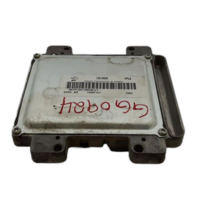
Below are the parts most often responsible for code U0412, ranked by how frequently each one is the actual culprit (per the diagnosis above). Tap any to see what we have for your vehicle.


The information in this article is provided for general reference and educational purposes only. Vehicle specifications, procedures, and part compatibility can vary by production date, trim level, and region. Always consult your vehicle's factory service manual and verify part numbers before purchasing or performing repairs. Safety-critical components such as airbags, seat belts, and braking systems should be installed by a qualified professional.
- 🧭 Diagnostic Flowchart
- 🎬 Helpful Videos
- 🛍️ Shop This Part
- What Does U0412 Mean?
- Can I Drive With U0412?
- Common Causes
- Symptoms
- Common Fixes & Costs
- DIY vs Professional
- Used vs. New Parts: Buying Guide
- What Happens If You Wait — Timeline
- Cost of Not Fixing It
- Diagnosis Steps
- When This Code Triggers (Freeze-Frame Conditions)
- Related Codes
- Climate & Environmental Factors
- How to Talk to a Mechanic About This Code
- Where to Take It: Dealer vs Independent vs Chain
- When to Walk Away From the Repair
- What Scan Tool You Need for This Code
- How to Clear the Code After You Fix It
- Will This Fail Emissions / State Inspection?
- Most Commonly Affected Vehicles
- Manufacturer-Specific Notes
- Real Owner Stories
- 2017 Chevrolet Volt at 57K miles - Warranty Success Story
- 2018 Chrysler Pacifica Hybrid at 72K miles - A Story of Misdiagnosis & Anxiety
- 2017 Ford Fusion Energi - The Simple Fix That Was Almost Missed
- How to Prevent This Code From Triggering
- Frequently Asked Questions
- Can I fix code U0412 myself?
- Will U0412 go away on its own?
- What happens if I ignore code U0412?
- What are the most common misdiagnosis mistakes for U0412?
- My mechanic says U0412 isn't a 'real' code. What does that mean?
- Is a U0412 repair covered by warranty?
- Does U0412 mean I need a new expensive hybrid battery?
- My scanner says the code is 'Permanent'. Can it still be cleared?
- Can a bad ground cause code U0412?
- Key Takeaways
- 🎟️ Get 5% Off