

OBD-II Code U0429: Invalid Data From Steering Column Control Module
What U0429 means, why it triggers, and how to fix it
- A failed clockspring or Steering Column Control Module (SCCM) causes over 80% of U0429 codes.
- Do not drive normally with a U0429 code; it disables the driver's airbag and prevents deployment in a frontal collision.
- Expect the airbag warning light, a dead horn, and disabled steering wheel buttons to accompany this code.
- Replacing the clockspring or SCCM costs between $225 and $1,400 and requires professional scan tool calibration to clear the code permanently.
- U0429 is a secondary 'informational' code, meaning you must scan the SCCM or ABS module directly to find the primary fault code (like C0051).
What Does U0429 Mean?
Your car's main computer detects scrambled or missing signals from the Steering Column Control Module (SCCM). The SCCM routes data for the airbag, horn, turn signals, and steering angle sensor. Because the data is invalid, other systems (like ABS and SRS) reject it and disable related safety features.
Technical definition: Invalid Data Received From Steering Column Control Module.
Can I Drive With U0429?
No — Do Not Drive. No. This is a critical safety failure. The U0429 code disables the driver's airbag, meaning it will NOT deploy in a frontal collision. The horn and stability control systems are also disabled, drastically increasing the risk of serious injury. Drive only a short, low-speed trip directly to a repair shop.
Common Causes
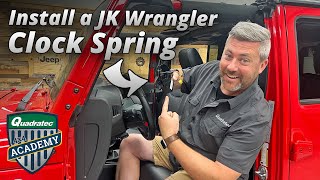
- Faulty Clockspring (Very Common) — The clockspring is a coiled ribbon of wires inside the steering column that allows the steering wheel to turn while maintaining electrical connections. It wears out from constant turning, causing internal wires to break. This is the most frequent cause of U0429. 🎬 Watch: How to replace a faulty Jeep Wrangler clockspring
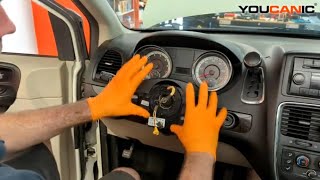
- Faulty Steering Column Control Module (SCCM) (Common) — The electronic module fails due to internal circuit board degradation, software corruption, or age. In modern cars, the clockspring and steering angle sensor are integrated into the SCCM, requiring replacement of the entire unit. 🎬 See this step-by-step clockspring removal for Dodge Grand Caravans
- Faulty Steering Angle Sensor (SAS) (Common) — The SAS tells the stability control system which way you are steering. If it sends bad data or loses calibration after an alignment, it triggers this code. The sensor is usually built into the clockspring or SCCM assembly.
- Damaged Wiring or Water Intrusion (Less Common) — Water leaks from windshield seals or roof seams drip onto critical wiring connectors (like A-pillar junctions), causing corrosion and shorting out CAN bus communication lines. Wires leading to the SCCM also fray or short over time.
- Low Battery Voltage or Unstable Power (Less Common) — Control modules require stable voltage. A weak battery or failing alternator causes modules to send erratic data or reboot unexpectedly, triggering communication codes like U0429.
- Software Glitch or Firmware Corruption (Less Common) — A failed over-the-air (OTA) update, an interrupted reprogramming session, or a low-voltage event corrupts the SCCM's software. The module then sends malformed messages that other modules reject.
- Improper Aftermarket Modifications (Very Rare) — Installing aftermarket steering wheels, remote starters, or audio controls without proper CAN bus integration introduces electrical noise. The SCCM misinterprets these signals and sends invalid data.
Symptoms
- Airbag / SRS Warning Light On — The code indicates a communication failure with the driver's airbag control module, disabling the airbag system as a precaution.
- Traction or Stability Control (ESC/ESP) Light On — The stability control system disables itself and illuminates a warning light when it receives invalid steering angle data.
- Horn Not Working — Pressing the horn does nothing because the electrical connection running through the broken clockspring is severed.
- Steering Wheel Buttons Not Working — Cruise control, radio volume, and phone buttons on the steering wheel stop working completely or operate intermittently.
- Turn Signals Not Working Correctly — Turn signals fail to activate or do not cancel automatically after completing a turn.
- Forward Collision Warning (FCW) Disabled Message — Advanced driver-assistance systems relying on steering angle data disable themselves and display a warning message.
Diagnostic Flowchart
Tap your situation to follow the diagnostic path that matches what you're seeing on this code.
Common Fixes & Costs
- Replace Clockspring
— Parts: $75-$500, Labor: $150-$300, ~1.5 hr book time
(Intermediate)
Jeep Wrangler (JK, 2007-2018): OEM Mopar 5156106AG (Alt: {'Dorman': '525-161', 'Standard Motor Products': 'CSP661'})
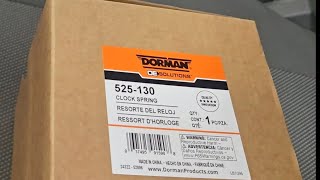
Dodge Grand Caravan (2011-2019): OEM Mopar 56046241AC (Alt: {'Dorman': '525-130', 'Standard Motor Products': 'CSP225'}) - Replace Steering Column Control Module (SCCM)
— Parts: $300-$950, Labor: $150-$450, ~2 hr book time
(Professional)
Chrysler 300 / Dodge Charger (2015-2023): OEM Mopar 7HJ35LC5AA (Alt: {'Dorman': 'Not widely available', 'Standard Motor Products': 'Not widely available'}) - Replace Steering Angle Sensor (SAS) — Parts: $100-$250, Labor: $100-$500, ~1.5 hr book time (Intermediate)
- Software Update / Reprogramming — Parts: $0, Labor: $100-$250, ~1 hr book time (Professional)
- Repair Wiring/Connectors — Parts: $10-$50, Labor: $120-$350, ~2 hr book time (Professional)
DIY vs Professional
- Replace Clockspring 🟢 Beginner
Tools: Steering wheel puller, torque wrench, socket set, trim removal tools, screwdriver set. - Replace SCCM 🟢 Beginner
Tools: Professional scan tool for programming, socket set, torque wrench, trim removal tools. - SAS Calibration 🟢 Beginner
Tools: Professional bi-directional scan tool with manufacturer-specific software. - Wiring Repair 🟢 Beginner
Tools: Multimeter, wire strippers, soldering iron or quality crimp connectors, heat shrink tubing.
Used vs. New Parts: Buying Guide
When a used part is worth it: For a simple clockspring on an older vehicle (>150k miles) where budget is the primary concern, a used OEM part from a low-mileage donor is viable. Never buy a used SCCM due to VIN-locking and programming complexities.
Donor-vehicle mileage cap: roughly under 80000 miles for the part to have meaningful remaining life.
Donor quality checklist:
- Verify the donor vehicle was not scrapped due to a frontal collision or electrical fire.
- Match the part number exactly; a single digit difference means incompatibility.
- Inspect connectors for corrosion or bent pins. Avoid parts from flood-damaged vehicles.
Decision logic:
- If The part is a complex electronic module like an SCCM → Buy new OEM. A used module is often VIN-locked and unprogrammable.
- If The part is a clockspring for a vehicle you plan to keep long-term → Buy a new OEM or high-quality aftermarket part. The labor cost is too high to risk doing it twice.
- If Budget is extremely tight and the car is old → A used OEM clockspring is preferable to a cheap, no-name aftermarket part, but carries a shorter lifespan risk.
Warranty tradeoff: Used parts typically have a 30-90 day warranty covering the part only. New OEM parts offer the best guarantee, especially if installed by a dealer.
Worst-case if a used part fails: $300-$600 if a used part fails shortly after installation, requiring a second labor charge and a new part.
What Happens If You Wait — Timeline
- Immediately: Code sets, airbag/SRS light comes on. The driver's airbag, horn, and stability control (ESC) are disabled. (MPG impact: 0%% · Added cost: $0 (but safety risk is extremely high))
- 0-1 month: An intermittent fault becomes a permanent 'hard fault' that is always present. (MPG impact: 0%% · Added cost: $0)
- 1-3 months: Continued use with a shorting clockspring overloads and damages the logic board of the integrated Steering Column Control Module (SCCM). (MPG impact: 0%% · Added cost: $400-$800 (Repair escalates to a full SCCM assembly replacement).)
- 3+ months: Vehicle automatically fails state safety inspections. The risk of an accident occurring with disabled safety systems grows with every trip. (MPG impact: 0%% · Added cost: Potentially infinite in the event of an accident where the airbag fails to deploy.)
Cost of Not Fixing It
- Immediately: Critical safety systems are disabled. The driver's airbag will not deploy in an accident. Stability control (ESC) and the horn are inoperative, significantly increasing crash risk. (Added cost: Potentially infinite in case of an accident.)
- 1-3 months: Continued flexing of a shorting wire in the clockspring damages sensitive electronics within the SCCM, turning a simple clockspring job into an expensive module replacement. (Added cost: $300-$1000+)
- 3+ months: The vehicle fails any state safety inspection checking for an active airbag/SRS light. A persistent wiring short risks further electrical issues or blown fuses. (Added cost: $0 to $200)
Diagnosis Steps
- Read All Trouble Codes from All Modules
Use an advanced OBD-II scanner to read codes from all modules (ABS, SRS, BCM). U0429 is a secondary code; the primary fault code (like C0051) is stored in the SCCM or ABS module.
Tools: OBD-II Scanner (all-module capable) (Beginner) - Check All Steering Wheel Functions
Systematically test every steering wheel button, the horn, paddle shifters, and turn signals. Note which functions fail to pinpoint the break within the column.
Tools: None (Beginner) - Inspect the Battery and Fuses
Verify battery voltage is above 12.4V (engine off) and 13.2-14.5V (engine running). Inspect fuses related to the SCCM, SRS, and instrument panel using the owner's manual diagram.
Tools: Multimeter (Beginner) - Analyze Live Data Stream & Perform 'Wiggle Test'
View live data for the Steering Wheel Angle PID. Turn the wheel slowly; the angle must change smoothly (±360° to ±720° lock-to-lock). If the value freezes or jumps, the sensor/SCCM is faulty. Wiggle the wiring harness at the steering column base to check for loose connections.
Tools: Advanced Scan Tool (Intermediate) - Visually Inspect Wiring and Connectors
Remove the steering column shrouds to inspect connectors at the clockspring and SCCM. Look for loose connections, pinched wires, or green corrosion. Check the driver's footwell and A-pillars for water intrusion.
Tools: Screwdriver set, Trim removal tools (Intermediate) - Perform CAN Bus Health Check (Voltage & Resistance)
With the battery disconnected, measure resistance between Pin 6 (CAN High) and Pin 14 (CAN Low) at the OBD-II port. A healthy network reads ~60 Ohms. With the battery reconnected (key on), measure voltage: Pin 6 should be ~2.5-3.5V, and Pin 14 should be ~1.5-2.5V.
Tools: Multimeter (Advanced) - Scope the CAN Bus Signal
Use an oscilloscope to probe CAN High and CAN Low lines. A healthy signal shows clean, mirrored square waves. A distorted or absent signal pinpoints whether a bad module is pulling the network down or a wire is broken.
Tools: Oscilloscope, Back-probe pins (Professional) - Isolate the Faulty Component
If only the airbag light is on and the horn fails, replace the clockspring. If multiple unrelated systems fail and other modules log communication codes, replace the entire SCCM.
Tools: Bi-directional Scan Tool, Service Manual (Advanced)
When This Code Triggers (Freeze-Frame Conditions)
- Vehicle Speed: 0 mph (During initial key-on, engine-off self-test. The code sets immediately upon startup as modules check in.)
- System Voltage: 11.8-12.5V or 13.5-14.5V (Triggers during a low voltage event (engine off) or normal running voltage if the hardware fault is persistent.)
- Steering Angle: Any (Logs while driving straight or during a turn when the clockspring flexes and a broken wire loses contact.)
- Module Status: No Communication or Implausible Data (Network status indicates the SCCM sent the invalid data.)
Related Codes
- C0051 — 'Steering Wheel Position Sensor Signal.' This specific code is often the root cause of U0429. C0051 is set by the ABS module detecting a direct sensor problem. U0429 is the resulting 'invalid data' code set by other modules. Focus on diagnosing the SAS/SCCM.
- U0126 — 'Lost Communication With Steering Angle Sensor (SAS) Module.' U0126 means the SAS module is completely offline. U0429 means the SCCM is online but sending irrational data.
- C121C — 'Torque Request Signal Denied.' U0429 is the cause, C121C is the effect. The ABS module logs C121C because it receives bad data (U0429) and cannot trust the steering input signal.
- U0141 — 'Lost Communication With Body Control Module (BCM/TIPM).' If U0429 appears alongside U0141 and multiple other 'U' codes, the root cause is a failing BCM, a network-wide power issue, or a main CAN bus wiring fault, not just the SCCM.
Climate & Environmental Factors
- Dust and Debris: Extremely dusty environments compromise internal electrical circuits in the clockspring, leading to airbag faults and communication codes. This prompted several NHTSA recalls for Jeep Wranglers.
- Humidity and Water Intrusion: Water leaks corrode pins in SCCM connectors or CAN bus junctions, causing high resistance or short circuits. GM vehicles frequently suffer from roof seam leaks dripping onto A-pillar connectors.
- Cold Weather: Cold temperatures make aging plastics and wire insulation brittle. The physical stress of turning the steering wheel in extreme cold snaps fatigued wires inside the clockspring.
How to Talk to a Mechanic About This Code
Say this: "I have a U0429 code with the airbag and stability control lights on. Please check for specific primary fault codes in the Steering Column Control Module and ABS module before recommending any part replacement."
This signals that you understand U0429 is a general communication code. It directs the technician to diagnose the source module (SCCM) instead of mistakenly replacing the module that received the bad data.
Avoid saying:
- 'My airbag light is on, can you just fix it?'
- 'My car has a U0429 code, please replace the steering module.'
- 'Just do whatever you think is necessary.'
Questions to ask before authorizing the repair:
- Did you find a more specific code in the SCCM, SRS, or ABS module that points to the exact failure?
- Does the replacement part require programming and Steering Angle Sensor calibration?
- Is the cost of the calibration included in your labor quote?
- Is the part you're quoting an OEM part or an aftermarket brand?
Where to Take It: Dealer vs Independent vs Chain
- Dealer:
Recommended. The dealer is the safest choice due to the high likelihood of needing manufacturer-specific software updates, programming, and calibration.
Best for: Vehicles under warranty or covered by a recall/TSB (common for Chrysler/Jeep/Dodge)., Newer vehicles (2015+) requiring VIN-locked module programming and specific calibration.
Downsides: Highest labor and parts cost, typically 1.5-2x an independent shop., Defaults to replacing the entire expensive SCCM assembly when only a clockspring is needed. (Typical cost: +50% vs. baseline) - Independent Shop:
Good Alternative. A well-equipped independent shop specializing in your vehicle's brand performs this repair correctly for less money. Verify they can perform SAS calibration before committing.
Best for: Out-of-warranty vehicles where the cause is a known mechanical failure (e.g., a simple clockspring on an older Jeep)., Getting a second opinion on a high dealership quote.
Downsides: Must be vetted to ensure they own a professional, bi-directional scan tool capable of SAS calibration for your specific make., Lacks access to the latest TSBs or VIN-locked module programming. (Typical cost: +0% vs. baseline) - Chain Shop:
AVOID. This repair is outside the scope of most chain shops. They cannot complete the mandatory calibration step, forcing you to visit another shop.
Best for: Simple jobs like battery replacement or alignments.
Downsides: Lacks the necessary tools or expertise for module programming or SAS calibration., High risk of misdiagnosis, leading to unnecessary parts replacement. (Typical cost: -10% vs. baseline)
When to Walk Away From the Repair
If the estimated repair cost for the U0429 fault exceeds 40-50% of your car's private-party value, seriously consider selling or trading it in.
- Car worth $3500, fix is $1500: Walk Away. A $1,500 repair on a $3,500 car is a poor investment. Consider selling as a 'mechanic's special'.
- Car worth $15000, fix is $900: Fix It. The repair cost is well under the threshold and restores a critical safety system.
- Car worth $6000, fix is $2500: Borderline. Get a second opinion from an independent shop. If the cost is firm, it approaches the 'walk away' point.
What Scan Tool You Need for This Code
Minimum: A scanner that reads and clears codes from ABS and SRS (Airbag) systems, and features the special function for Steering Angle Sensor (SAS) calibration.
A basic $20 engine code reader cannot see codes in the ABS/SRS modules to find the root cause, nor can it perform the mandatory SAS calibration required after replacing the clockspring or SCCM.
Budget: Autel MaxiAP AP200 or Topdon Topscan (~$60) — These app-based dongles offer full system scanning and service functions, including SAS calibration, for one vehicle make. They are the cheapest entry point for this job.
Mid-range: Foxwell NT630 Plus or NT510 Elite (~$150) — These handheld scanners provide strong ABS, SRS, and SAS calibration capabilities. They are faster and more reliable than dongles.
Professional: Autel MaxiCOM MK808 / Launch CRP919E (~$500-700) — Professional-grade tablet scanners with full bi-directional control, all-system access, SAS calibration, module programming, and live data graphing.
Rent vs buy: Buy. Auto parts store rental tools are basic engine code readers insufficient for this repair. You must purchase a scanner with ABS/SRS and SAS calibration capabilities.
How to Clear the Code After You Fix It
- Reconnect the battery if disconnected for the repair.
- Use an OBD-II scan tool to clear all Diagnostic Trouble Codes (DTCs) from all modules.
- Perform the Steering Angle Sensor (SAS) calibration procedure using a capable scan tool.
- Start the engine and turn the steering wheel fully left, fully right, and back to center to initialize the system.
- Drive the vehicle for 15-20 minutes, including turns, to confirm the warning lights do not return.
Drive cycle (~20 minutes): Start the vehicle and idle for 2 minutes. Drive for 15 minutes at city and highway speeds, executing several turns. Park, shut off, and restart to confirm the repair.
Readiness monitors affected: None directly, All monitors if battery is disconnected or codes are cleared
Before emissions retest: drive at least 50 miles to fully set monitors.
Watch out for:
- Forgetting to perform the Steering Angle Sensor (SAS) calibration causes the code to return immediately.
- Clearing the code without fixing the underlying hardware (e.g., broken clockspring) results in the code returning quickly.
- Disconnecting the battery resets all emissions readiness monitors, causing a failed emissions test if not followed by a proper drive cycle.
Will This Fail Emissions / State Inspection?
Yes — this code typically fails an OBD-II emissions inspection.
- California: An active U0429 code or an illuminated airbag/SRS warning light causes an automatic failure of the smog inspection.
- New York: An active trouble code fails the OBD-II inspection. While the NYS DMV states an illuminated airbag light is an advisory item, individual shops often reject the vehicle.
- Texas: Any active DTC commanding the Malfunction Indicator Lamp (MIL) on is an automatic failure. Clearing codes requires a full drive cycle to reset readiness monitors.
Most Commonly Affected Vehicles
- Jeep Wrangler (JK) (2007-2018) — Clockspring failure is extremely common. Covered by NHTSA recalls 16V-290 and 16V-288 due to dust intrusion causing airbag circuit failure.
- Dodge / Chrysler Grand Caravan, Town & Country (2011-2019) — Known for clockspring and SCCM failures. Recall T33 (NHTSA 17V-376) addressed steering wheel wiring shorts causing airbag issues.
- Dodge Journey (2013-2020) — The clockspring with an integrated angle sensor is a common failure point, triggering U0429.
- Chrysler / Dodge 300, Charger (2015-2023) — Failure of the integrated SCCM is a known issue. The Mopar part has been revised over 10 times. TSB #18-012-22 suggests a software fix for some models.
- Chrysler Pacifica, Voyager (2017-2024) — Subject to NHTSA recalls 24V-196 and others for SCCM failures causing airbag deactivation and setting this code.
- Ford Fusion (2013-2020) — SCCM failures occur frequently. Dealership repair costs average $600 for parts, labor, and diagnosis.
- Chevrolet Equinox, Cruze (2010-2017) — TSB PI1090B describes water leaks from roof seams corroding critical connectors in the A-pillar, causing this and other communication codes.
- Volkswagen Golf, GTI (Mk6) (2010-2014) — This code appears intermittently, causing loss of cruise control. It is often a temporary glitch resolved by restarting the vehicle, but indicates impending SCCM failure.
- Hyundai Sonata, Elantra (2011-2019) — Errors during steering coupler replacement or a separate failure of the steering angle sensor trigger U0429 and related stability control faults.
Manufacturer-Specific Notes
- Chrysler / Dodge / Jeep: The clockspring, steering angle sensor, and stalks are sold as one large 'Steering Column Control Module' assembly. A simple clockspring failure requires replacing the entire expensive unit. The part number for the Charger/300 has been revised over 10 times.
- General Motors (Chevrolet/GMC): Water intrusion is a known culprit. TSB PI1090B describes water leaks from the roof or liftgate hinges traveling down pillars and corroding network connectors, causing U0429 and other communication faults.
- Ford: U0429 has different definitions depending on the specific module that stored it. If logged by the PCM, it means 'A/C Compressor Torque Implausible.' Always check the code definition within the specific module that set it.
- Volkswagen / Audi: The Ross-Tech VCDS tool specifies U0429 is purely informational. Technicians must ignore U0429 and immediately check for specific fault codes stored within the Steering Column Control Module (J527) to find the actual problem.
Real Owner Stories
2010 Dodge Charger with intermittent ESP/BAS lights
Every time the owner started the car and made a left turn, the ESP BAS and traction control lights illuminated and stayed on. No other driveability issues were noted.
What they tried:
- An auto parts store pulled the code U0429.
- Attempted to reset the Steering Angle Sensor manually, but the lights and code returned.
Outcome: The intermittent nature, tied to turning left, strongly pointed to a failing clockspring making and breaking contact. The final fix was replacing the clockspring assembly.
Lesson: An intermittent fault occurring only when turning the wheel is a classic symptom of a failing clockspring. Resetting the code will not fix the underlying physical break in the wiring.
VW Golf GTI (Mk6) with sudden loss of cruise control
While driving, the cruise control suddenly would not engage. A scan tool revealed code U0429: 'invalid data received from steering control module'.
What they tried:
- Flipping the cruise control stalk on and off multiple times during the drive did not solve the problem.
Outcome: After stopping, turning the car completely off, and restarting, the issue resolved and did not return. This indicated a temporary software glitch.
Lesson: Before assuming a costly hardware failure, perform a full vehicle power cycle. Communication codes are sometimes temporary glitches cleared by a system reboot.
2012 Chevy Equinox with U0429 and other communication codes
The airbag and stability control lights were on, and steering wheel buttons failed. The owner noticed a damp smell and wet carpet in the driver's side footwell after heavy rain.
What they tried:
- A mechanic initially suspected a faulty SCCM.
- Scanning revealed U0429 along with other 'U' (communication) codes.
- The mechanic found corrosion on a large connector in the A-pillar.
Outcome: The root cause was a known water leak from a bad windshield seal (GM TSB PI1090B). Water dripped onto a major CAN bus connector, disrupting network communication. Repairing the wiring and resealing the windshield cost $400, avoiding an expensive SCCM replacement.
Lesson: If U0429 appears with other communication codes after rain, check for water intrusion in A-pillars and footwells before replacing expensive modules.
How to Prevent This Code From Triggering
- Address Water Leaks Immediately (As needed) — Water from leaking windshield seals drips onto CAN bus junction connectors, causing corrosion that leads to communication codes like U0429.
- Protect Vulnerable Electrical Connectors (During other maintenance) — Applying a thin layer of dielectric grease to exposed connector housings prevents moisture intrusion and corrosion.
- Maintain a Healthy Battery & Charging System (Annually) — Low voltage or voltage spikes from a failing battery corrupt the memory of sensitive modules like the SCCM, triggering communication faults.
- Minimize Interior Dust (Especially in Jeeps) (Regularly) — Excessive dust from off-roading is a primary cause of clockspring failure. Regularly cleaning the interior and replacing the cabin air filter reduces abrasive dust.
Frequently Asked Questions
Can I just reset the U0429 code?
You can clear the code, and it might stay off temporarily if it was a one-time glitch. However, because a broken wire in the clockspring usually causes it, the code will return until the part is replaced.
Why did U0429 appear after a wheel alignment or battery replacement?
A wheel alignment changes steering geometry, requiring a Steering Angle Sensor (SAS) recalibration to prevent conflicting data. A battery replacement causes voltage fluctuations that corrupt module memory, also requiring recalibration.
My U0429 code is intermittent. What does that mean?
An intermittent code points to a failing component or poor electrical connection. A wire inside the clockspring makes and breaks contact as you turn the wheel. It is a strong warning sign that a hard failure is imminent.
What is a common misdiagnosis mistake with U0429?
A common mistake is replacing the module that logged the U0429 code (like the ABS or PCM). This code only indicates the module received bad data. You must scan the source module (SCCM) for specific codes to find the root cause.
Is it safe to drive with the U0429 code?
No. The vehicle is not safe for normal use because the driver's airbag is disabled and will not deploy in a crash. You also lose the horn and stability control.
Why did my airbag light come on with this code?
The SCCM and clockspring are the critical link to the driver's airbag. When the main computer cannot get a valid signal, it assumes the connection is faulty and disables the airbag system as a precaution.
What is a clockspring and why does it break?
A clockspring is a tightly wound ribbon of wires connecting the steering wheel's electronics to the car. It winds and unwinds as you turn the wheel. Over thousands of turns, the wires fatigue and break.
Do I need to calibrate the new part after replacement?
Yes. If the replacement part contains the Steering Angle Sensor, it must be calibrated with a professional scan tool. This procedure tells the computer the 'straight-ahead' position, which is critical for stability control.
Key Takeaways
- A failed clockspring or Steering Column Control Module (SCCM) causes over 80% of U0429 codes.
- Do not drive normally with a U0429 code; it disables the driver's airbag and prevents deployment in a frontal collision.
- Expect the airbag warning light, a dead horn, and disabled steering wheel buttons to accompany this code.
- Replacing the clockspring or SCCM costs between $225 and $1,400 and requires professional scan tool calibration to clear the code permanently.
- U0429 is a secondary 'informational' code, meaning you must scan the SCCM or ABS module directly to find the primary fault code (like C0051).
Helpful Videos

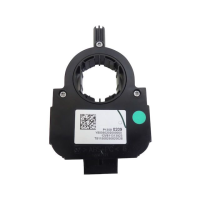
Shop the Parts Behind U0429
Below are the parts most often responsible for code U0429, ranked by how frequently each one is the actual culprit (per the diagnosis above). Tap any to see what we have for your vehicle.



The information in this article is provided for general reference and educational purposes only. Vehicle specifications, procedures, and part compatibility can vary by production date, trim level, and region. Always consult your vehicle's factory service manual and verify part numbers before purchasing or performing repairs. Safety-critical components such as airbags, seat belts, and braking systems should be installed by a qualified professional.
- 🧭 Diagnostic Flowchart
- 🎬 Helpful Videos
- 🛍️ Shop This Part
- What Does U0429 Mean?
- Can I Drive With U0429?
- Common Causes
- Symptoms
- Common Fixes & Costs
- DIY vs Professional
- Used vs. New Parts: Buying Guide
- What Happens If You Wait — Timeline
- Cost of Not Fixing It
- Diagnosis Steps
- When This Code Triggers (Freeze-Frame Conditions)
- Related Codes
- Climate & Environmental Factors
- How to Talk to a Mechanic About This Code
- Where to Take It: Dealer vs Independent vs Chain
- When to Walk Away From the Repair
- What Scan Tool You Need for This Code
- How to Clear the Code After You Fix It
- Will This Fail Emissions / State Inspection?
- Most Commonly Affected Vehicles
- Manufacturer-Specific Notes
- Real Owner Stories
- 2010 Dodge Charger with intermittent ESP/BAS lights
- VW Golf GTI (Mk6) with sudden loss of cruise control
- 2012 Chevy Equinox with U0429 and other communication codes
- How to Prevent This Code From Triggering
- Frequently Asked Questions
- Can I just reset the U0429 code?
- Why did U0429 appear after a wheel alignment or battery replacement?
- My U0429 code is intermittent. What does that mean?
- What is a common misdiagnosis mistake with U0429?
- Is it safe to drive with the U0429 code?
- Why did my airbag light come on with this code?
- What is a clockspring and why does it break?
- Do I need to calibrate the new part after replacement?
- Key Takeaways
- 🎟️ Get 5% Off