

OBD-II Code U0438: Invalid Data Received From Trailer Brake Control Module
What U0438 means, why it triggers, and how to fix it
- Code U0438 indicates invalid data from the Trailer Brake Control Module, disabling trailer brakes and making towing unsafe and illegal.
- A free software update (NHTSA Recall 24V104000) fixes this code on millions of 2021-2026 Ford F-150s, Expeditions, and Super Duty trucks.
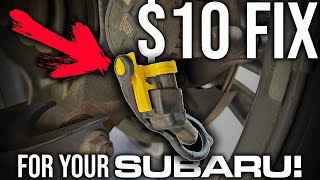
- On 2015-2018 Subarus, U0438 is a known misdiagnosis for a cracked Electronic Parking Brake connector covered by a 15-year warranty extension (TSB 06-87-22R).
- Never install a replacement Trailer Brake Control Module yourself; it requires professional OEM software programming to sync with your vehicle's VIN.
What Does U0438 Mean?
The U0438 code means your vehicle's main computer detects invalid data from the Trailer Brake Control Module (TBCM). This module operates the lights and brakes on a connected trailer. The data is nonsensical, corrupt, or missing, prompting the computer to flag it. This fault occurs even if you never tow a trailer, as the TBCM remains active on the vehicle's communication network.
Technical definition: The official SAE/OBD-II definition is 'Invalid Data Received From Trailer Brake Control Module'. This indicates that another control module on the Controller Area Network (CAN) bus determined that the data packets sent by the TBCM are invalid, failed an integrity check, or fall out of specification.
Can I Drive With U0438?
Yes, But With Caution. You can drive the vehicle normally, but towing a trailer is unsafe and illegal. The trailer's brake lights, turn signals, and electric brakes do not work, dramatically increasing stopping distances and creating a significant risk of a crash. While the code itself does not affect the vehicle's primary braking or engine systems, ignoring it is dangerous because it is often an early indicator of a broader network or battery issue.
Common Causes
- Corrupted or outdated module software (Very Common) — A software glitch is the most frequent cause, especially on late-model Ford and GM trucks. Manufacturers release software updates to fix these communication bugs, including a massive recall for millions of 2021-2026 Ford vehicles.
- Corroded or damaged trailer wiring connector (Very Common) — The rear 7-pin trailer connector is exposed to moisture, road salt, and physical damage. Corrosion, bent pins, or water intrusion distorts or blocks data signals, triggering this code.
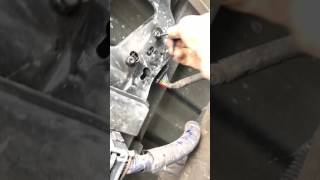
- Damaged wiring harness or poor connection (Common) — Wiring running to the TBCM or rear connector frequently frays, pinches, or breaks. This occurs often on trucks where the harness routes near the spare tire or along the frame rail.
- Shared Network Fault (4WD/ABS/EPB System) (Common) — On 4WD trucks, a fault in an unrelated system triggers U0438. For example, a loose 4WD transfer case actuator connector on Ram trucks, or a faulty Electronic Parking Brake (EPB) connector on Subarus disrupts the CAN bus and flags the TBCM.
- Low battery voltage or poor ground connection (Less Common) — Control modules require stable voltage. A weak battery, failing alternator, or corroded ground strap forces the TBCM to send garbled data.
- Faulty Trailer Brake Control Module (TBCM) (Less Common) — The module fails internally from moisture intrusion or electronic component fatigue over time.
- Aftermarket Accessory Interference (Less Common) — Improperly installed aftermarket brake controllers or OBD-II accessories cause data conflicts on the CAN bus.
- Faulty CAN Bus Termination Resistor (Rare) — If one of the network's two 120-ohm terminating resistors fails, total network resistance shifts to 120 ohms, causing widespread communication errors.
Symptoms
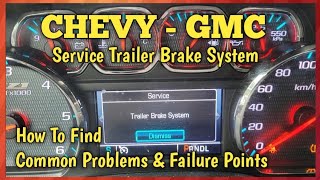
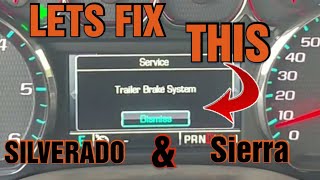
- Trailer Brake System Fault message — A warning message appears on the instrument cluster display, such as 'Trailer Brake Module Fault' or 'Service Trailer Brake System'.
- Trailer lights and/or brakes not working — When a trailer is connected, its brake lights, turn signals, or electric brakes do not function.
- Rapidly flashing turn signal indicator ('hyper-flash') — The dashboard turn signal indicator flashes much faster than normal, indicating a trailer bulb is out or not communicating.
- Check Engine Light or other warning lights are on — The Check Engine Light, ABS light, traction control light ('Service AdvanceTrac'), or 4WD service light illuminates on the dashboard.
- Parasitic Battery Drain (also visible on scanner) — A faulty TBCM or a network that refuses to go to 'sleep' causes the battery to drain overnight or after a few days of sitting.
Diagnostic Flowchart
Tap your situation to follow the diagnostic path that matches what you're seeing on this code.
Common Fixes & Costs
- Software Update/Reprogramming — Parts: $0, Labor: $0 - $250, ~1.5 hr book time (Professional)
- Clean or Replace Trailer Connector
— Parts: $20 - $70, Labor: $50 - $150, ~1.5 hr book time
(DIY)
: OEM 5L3Z-13A576-BA, XL3Z-14489-BA, FU5Z-14489-A (Alt: CURT 56413, Hopkins 40955)
: OEM 15173141 (harness), 84955755 (Alt: Hopkins 40955, Dorman 924-611)
: OEM 05035725AA (Alt: CURT 55774, Hopkins 40955) - Repair Damaged Wiring — Parts: $5 - $20, Labor: $120 - $360, ~2 hr book time (Intermediate)
- Repair Shared Network Fault — Parts: $10 - $150, Labor: $120 - $400, ~1.5 hr book time (Intermediate)
- Replace Trailer Brake Control Module (TBCM)
— Parts: $75 - $650, Labor: $120 - $250, ~2 hr book time
(Professional)
: OEM ML3Z-19H332-AB, ML3Z-19H332-J (Alt: N/A (OEM often required for new models))
: OEM JL3Z-2C006-AA (Alt: Dorman 601-027, Standard Motor Products TBM006)
: OEM 84109433 (Alt: AC Delco 84109433, Dorman 601-237)
: OEM 82215278AF (Alt: Dorman 601-233, Evan-Fischer (Kit))
Used vs. New Parts: Buying Guide
When a used part is worth it: A used Trailer Brake Control Module (TBCM) makes sense for older, high-mileage vehicles where the cost of a new OEM module is prohibitive. It is a viable option if you have access to a shop that clones the programming from your old module to the used one, or if you accept the cost of dealer programming.
Donor-vehicle mileage cap: roughly under 100000 miles for the part to have meaningful remaining life.
Donor quality checklist:
- Match the part number exactly; superseded numbers are often incompatible.
- Source from a vehicle of the same model year and trim level to increase the chance of software compatibility.
- Inspect the used module's connectors for any signs of corrosion, moisture, or physical damage.
Decision logic:
- If Vehicle is under warranty or subject to a software recall → Use new OEM part at the dealer; the repair is free.
- If The cost of a used module plus professional programming is close to the cost of a new, pre-programmed aftermarket module → Buy the new aftermarket part for its warranty and plug-and-play convenience.
- If Budget is the primary concern and you can find a specialist to clone your old module → A used part offers the most savings, but carries the highest risk.
Warranty tradeoff: Used parts typically have a 30-90 day warranty, which does not cover programming costs. New aftermarket parts often carry a 1-year to limited lifetime warranty. New OEM parts installed by a dealer are usually covered for 1-2 years.
Worst-case if a used part fails: $300-600 if a used module fails after programming, requiring repeat labor for diagnosis, removal, and programming of another replacement part.
What Happens If You Wait — Timeline
- Immediate: Code sets and 'Service Trailer Brake System' message appears. Trailer lights and electric brakes do not function when connected. Vehicle fails OBD-II emissions inspection. (MPG impact: 0%% · Added cost: $0 (Potential traffic fines of $150-$500 if caught towing))
- 1-3 months: If the fault causes a parasitic drain, the vehicle's battery struggles to start after sitting for a few days. The constant drain reduces the battery's overall lifespan. (MPG impact: 0%% · Added cost: $20-$50 (for jump starts or battery charging))
- 3-9 months: The parasitic drain sulfates and permanently damages the battery, requiring premature replacement. Intermittent communication faults cause other seemingly unrelated warning lights (ABS, 4WD) to flicker on and off. (MPG impact: 0-2%% · Added cost: $200 - $450 (for a new battery and installation))
- 9+ months: The persistent network fault masks other developing problems or causes cascading failures in other modules. Diagnostic time increases significantly. The original, simple fault is now accompanied by a failed battery and other stored communication codes. (MPG impact: 0-2%% · Added cost: $500 - $1200+ (Cost of new battery plus 2-4 hours of additional diagnostic labor at $150-$200/hr).)
Cost of Not Fixing It
- Immediate: Inability to legally and safely tow a trailer. Failure to have working trailer brakes and lights results in traffic citations and dramatically increases the risk of a crash. (Added cost: $150 - $500+ (in fines, depending on jurisdiction))
- 1-6 months: If the fault causes a parasitic battery drain, it weakens and eventually destroys the vehicle's battery, requiring premature replacement. (Added cost: $150 - $400 (for a new battery and potential tow/jump start))
- 6+ months: An unresolved network communication fault masks or leads to other, more complex electrical issues, making future diagnosis more difficult and costly. (Added cost: $200 - $1000+ (in additional diagnostic labor for cascading electrical problems))
Diagnosis Steps
- Check for Recalls and TSBs
Before any other step, check if your vehicle has an open recall or Technical Service Bulletin (TSB) for this issue. Many Ford and GM vehicles have software updates that fix this code for free. Check the NHTSA website or call a dealer with your VIN.
Tools: Vehicle Identification Number (VIN) (Beginner) - Inspect the Trailer Connector
Thoroughly inspect the 7-pin trailer connector at the back of your vehicle. Look for green or white crusty corrosion, bent or broken pins, and any signs of water intrusion. Apply dielectric grease to a clean connector to prevent future corrosion. Wiggle the connector and harness to see if the fault message flickers.
Tools: Flashlight, small pick or brush, dielectric grease (Beginner) - Check Fuses and Battery Voltage
Using the owner's manual, locate and check the fuses related to the trailer brake control module. Use a multimeter to ensure your vehicle's battery voltage is above 12.2 volts with the engine off and between 13.2-14.5 volts with the engine running.
Tools: Owner's manual, fuse puller, multimeter (Intermediate) - Test with a Known-Good Trailer (or a Tester)
Connect your vehicle to a different trailer that you know works correctly. If the code disappears, the problem is with your original trailer's wiring, not your vehicle. If the code remains, the fault is on the truck's side. A 7-pin circuit tester simulates a trailer connection for testing.
Tools: A known-good trailer or a 7-pin circuit tester (Beginner) - Inspect the TBCM and its Wiring
Locate the TBCM, often under the dash near the driver's right leg or mounted on the frame rail near the spare tire. Visually inspect its connector for corrosion and check the nearby wiring for obvious damage, like chafing or breaks. Gently wiggle the harness while monitoring the scan tool to see if communication restores.
Tools: Flashlight, trim removal tools (if needed) (Intermediate) - Scan for Related Codes and Test Network
Use a capable OBD-II scanner to check for other network codes (U-codes) or ABS codes. A professional scanner attempts to communicate directly with the TBCM. If other modules also report communication loss, it points to a wider network problem rather than just the TBCM.
Tools: Advanced OBD-II scan tool (Advanced) - [PRO TIP] Perform a CAN Bus Resistance Test
This test verifies the health of the entire communication network. First, disconnect the vehicle's battery. Then, set a multimeter to Ohms (Ω) and measure the resistance between Pin 6 (CAN High) and Pin 14 (CAN Low) on the vehicle's OBD-II port. A healthy network reads approximately 60 Ω. A reading of 120 Ω indicates an open circuit or a faulty terminating resistor. A reading near 0 Ω indicates a short circuit between the high and low lines.
Tools: Multimeter, OBD-II port pinout diagram (Advanced) - [PRO TIP] Check for Voltage at the TBCM Connector
Using a multimeter and the TBCM connector pinout diagram, check for proper power and ground. With the ignition on, voltage at the power pin must be between 12.0-14.5 V. Resistance from the ground pin to the chassis must be less than 1 ohm. Also, check the CAN High and CAN Low wires; with the network active, CAN High averages ~2.6V and CAN Low averages ~2.4V relative to ground. Incorrect voltages point to a wiring or power supply issue, not a faulty module.
Tools: Multimeter, TBCM connector pinout diagram (Advanced) - [PRO TIP] Test Trailer Brake Magnet Resistance
To rule out a trailer-side fault, test the resistance of the trailer's brake magnets. Set a multimeter to Ohms (Ω). At the trailer's 7-pin plug, measure between the brake pin (typically at the 7 o'clock position) and the ground pin. Each individual brake magnet has a resistance of about 3.0-4.0 Ω. Since they are wired in parallel, the total resistance is lower. A trailer with four 4-ohm magnets reads ~1.0 Ω. A reading of 1.3 Ω indicates one faulty magnet, while 2.0 Ω indicates two are bad. An open circuit (infinite resistance) or a short (near 0 Ω) indicates a definite trailer wiring or magnet problem.
Tools: Multimeter, 7-pin trailer plug diagram (Advanced) - [PRO TIP] Measure Trailer Brake Circuit Amperage
This test checks if the brake magnets draw the correct amount of current. With a trailer connected, use a clamp-on ammeter on the brake controller output wire (blue wire). Manually activate the trailer brakes to their maximum setting. The amperage draw must match specifications. For a trailer with two brakes (1 axle), the draw is 7.5-8.2 amps. For four brakes (2 axles), it is 15.0-16.3 amps. A significantly lower reading indicates high resistance (bad wiring/magnets), while a much higher reading suggests a short circuit.
Tools: Clamp-on DC ammeter, advanced scan tool or brake controller with manual activation (Advanced)
When This Code Triggers (Freeze-Frame Conditions)
- Battery Voltage: 11.8 - 12.5V (During engine crank or initial module power-up)
- Engine Coolant Temp: 180-210°F (Fully warmed up during normal operation)
- RPM: 700 - 2000 (Idle or steady-state driving)
- Vehicle Speed: 0 - 65 mph (Code sets at key-on, or during city/highway driving)
Related Codes
- U0137 — This code means 'Lost Communication With Trailer Brake Control Module'. While U0438 means the data is present but corrupt, U0137 means the data is missing entirely. Diagnostically, U0137 points more strongly to a complete severance of communication like a broken wire, unplugged module, or a blown fuse.
- U0140 — This code means 'Lost Communication With Body Control Module'. It often appears with U0438 on Ford vehicles because the TBCM communicates through the Body Control Module (BCM), and a software fault disrupts them both. A specific TSB for 2023 F-150s notes U0140:87 appearing with U0438.
- C0265 — This code indicates a fault in the 'EBCM Relay Circuit'. On some GM trucks, a fault in the main Electronic Brake Control Module (EBCM) causes communication issues that also trigger trailer brake system warnings. The root cause is the main ABS module, not the TBCM.
- P0602 — This code means 'Control Module Programming Error'. It appears if a new Trailer Brake Control Module is installed but not correctly programmed to the vehicle's VIN. This is a direct indicator that the final, critical step of the replacement was missed and causes a U0438 code to persist.
Climate & Environmental Factors
- Road Salt / De-icing Agents: Common in snowbelt regions, these corrosive materials are a primary cause of failure for the rear 7-pin trailer connector and any exposed wiring harnesses along the frame rail. The corrosion creates high resistance or short circuits, corrupting data signals.
- High Humidity / Water Intrusion: In humid climates or areas with heavy rainfall, moisture penetrates non-sealed connectors or damaged wire insulation. This leads to corrosion of copper wires and connector pins, causing intermittent or total loss of communication with the TBCM.
How to Talk to a Mechanic About This Code
Say this: "I have a U0438 code and a 'Service Trailer Brake System' message. Before quoting a module replacement, please check for open recalls or software updates for the TBCM. Also, perform a visual inspection of the wiring harness to the rear 7-pin connector and the module itself for corrosion."
This signals you know the most common causes are software or wiring, not a failed module. It directs the technician to perform the cheapest and most likely diagnostic steps first, preventing a premature and expensive module replacement quote.
Avoid saying:
- 'My trailer brake light is on, can you fix it?'
- 'Just replace the trailer brake module.'
- 'Do whatever it takes to fix it.'
Questions to ask before authorizing the repair:
- Did you check for software TSBs and recalls with my VIN? Was one found?
- What was the condition of the 7-pin trailer connector and the wiring harness above the spare tire?
- If you are recommending a module replacement, have you tested for power, ground, and CAN bus signals at the module's connector to confirm the module itself is the point of failure?
- Does your quoted price for module replacement include the cost of programming it to my vehicle?
Where to Take It: Dealer vs Independent vs Chain
- Dealer:
Best fit if your vehicle is a late-model Ford or Subaru with a known issue, as the fix is likely free. Also the best choice for complex, multi-module communication problems.
Best for: Vehicles under warranty or covered by a known recall/TSB (e.g., 2021+ Fords, 2015-2018 Subarus)., Complex network issues where manufacturer-specific diagnostic tools are required.
Downsides: Highest labor rates., May default to module replacement without thoroughly checking wiring first. (Typical cost: +50% vs. baseline) - Independent Shop:
Good fit if you vet the shop first. Ask if they have a J2534 Pass-Thru device and experience with CAN bus diagnostics. A good independent electrical specialist is more thorough and affordable than a dealer for wiring issues.
Best for: Out-of-warranty vehicles with common, well-documented issues (e.g., wiring repair on a GM truck)., Shops specializing in electrical diagnostics or specific truck brands.
Downsides: May lack the expensive, up-to-date OEM software needed for module programming on the newest models., Quality and diagnostic capability vary widely. (Typical cost: +0% vs. baseline) - Chain Shop:
AVOID. This is a complex electrical/network code that is far outside the scope of a typical chain repair shop.
Best for: Simple, unrelated maintenance like oil changes or tires.
Downsides: Technicians generally lack the specialized training for network diagnostics., Unlikely to have the tools required for module programming., High risk of misdiagnosis and unnecessary parts replacement. (Typical cost: -10% vs. baseline)
When to Walk Away From the Repair
If the estimated repair cost for the U0438 fault exceeds 40-50% of your vehicle's current private-party value, consider selling or trading it in.
- Car worth $25000, fix is $950: Fix it. The repair cost is well below the threshold and restores important functionality.
- Car worth $8000, fix is $1200: Borderline, but likely worth fixing. This is a significant repair relative to the truck's value, but still cheaper than replacing it. Get a second opinion before proceeding.
- Car worth $4000, fix is $1500: Walk away. The repair cost is approaching half the vehicle's value, and a truck this age likely has other pending issues.
What Scan Tool You Need for This Code
Minimum: A scanner that reads manufacturer-specific codes (for ABS, BCM, TBCM) beyond just generic engine codes.
A basic $20 reader only checks for engine codes (P-codes) and likely shows 'No Codes Found' for U0438. You need a tool that scans the other modules on the vehicle's network to see the actual fault.
Budget: BlueDriver Pro (~$90) — Connects to your smartphone and reads enhanced codes (ABS, Airbag, Transmission, etc.) for most major brands like Ford, GM, and Toyota. It confirms the U0438 code and any related network codes, which is essential for diagnosis.
Mid-range: Foxwell NT510 Elite (~$180) — Offers full-system diagnostics and bidirectional control. This allows you to not only read the code from the TBCM but also command the module to perform active tests, which helps determine if the module is responding or if the wiring is at fault.
Professional: Autel MaxiCOM MK808BT / Launch X431 CRP919XBT (~$450-700) — Provides full bidirectional control, ECU coding, and access to OEM-level diagnostics. These tools are necessary if you plan to replace and program a new module yourself, as they perform the VIN programming and initialization procedures required.
Rent vs buy: For a one-time diagnosis, many auto parts stores like AutoZone offer a free loaner tool program that reads codes. However, these tools do not always read manufacturer-specific U-codes. If you plan to do your own diagnostics, buying a tool like the BlueDriver or Foxwell NT510 is a worthwhile investment.
How to Clear the Code After You Fix It
- Ensure all repairs are complete and connectors are secure
- Reconnect the vehicle's battery if it was disconnected
- Use an OBD-II scan tool to erase the U0438 fault code from all modules
- Perform the drive cycle to ensure the code does not return
Drive cycle (~20 minutes): After clearing the code, start the engine and let it idle for 2-3 minutes. Drive the vehicle for 15-20 minutes with a mix of city (stop-and-go) and highway (steady speed over 45 mph). If a trailer is available, connect it and test trailer light and brake functions. The warning message should not reappear.
Readiness monitors affected: This is a network code and does not directly affect emissions readiness monitors like Catalyst or O2 sensors.
Before emissions retest: drive at least 50 miles to fully set monitors.
Watch out for:
- Simply disconnecting the battery does not clear the code from all modules and is not the recommended procedure.
- The code returns instantly if the root cause of the invalid data is not properly repaired.
- Forgetting to have a new module programmed guarantees the code returns.
Will This Fail Emissions / State Inspection?
Yes — this code typically fails an OBD-II emissions inspection.
- California: An illuminated dashboard warning light related to a control module fault causes the vehicle to fail the OBD-II portion of the smog check.
- New York: The NYS inspection includes scanning for trouble codes. Any active code that illuminates a malfunction indicator on the dash results in an automatic failure.
- Texas: In counties requiring emissions testing, the OBD-II scan detects the U0438 code. If it commands the Check Engine Light or another universal malfunction indicator, it results in a test failure.
Most Commonly Affected Vehicles
- Ford F-150 (2021-2026) — Subject to a massive software recall (NHTSA Campaign ID: 24V104000) where a software glitch in the Integrated Trailer Module (ITRM) is the most common cause. Some 2023 PowerBoost models had a specific IPC configuration issue causing U0438:82.
- Ford Expedition / Lincoln Navigator (2022-2026) — Included in the same major software recall as the F-150 (NHTSA 24V104000). The trailer module loses communication at startup.
- Ford Super Duty (F-250/F-350) (2022-2026) — Also part of the large-scale software recall affecting the Integrated Trailer Module (ITRM) (NHTSA 24V104000).
- Chevrolet / GMC Silverado 1500 / Sierra 1500 (2016-2022) — Prone to broken power wires at the TBCM connector, which is located above the spare tire and exposed to the elements. Water intrusion into the transfer case actuator connector also sets communication codes.
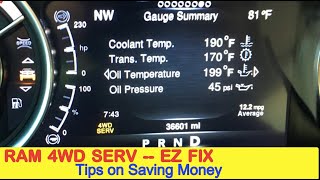
- Ram 1500 (2011-2024) — Often experiences this code alongside 'Service 4WD' and 'Service ESC' messages, frequently caused by a poor connection or faulty wiring at the 4WD actuator or rear wheel speed sensors. TSB 08-237-23 addresses a loose transfer case shift motor connector on some 2023 models causing related U-codes. Some 2023+ models experience battery drain from the TBM fuse due to Uconnect app issues.
- Toyota Tundra / Sequoia (2014-2021) — While less common than on domestic trucks, these models experience failures of the trailer brake controller ECU. Some 2019-2020 models also had a known parasitic battery drain issue related to the Data Communications Module (DCM) that required a firmware update (TSB-0089-21).
- Nissan Titan (2016-2023) — Suffers from similar issues as other trucks, primarily related to corrosion in the rear 7-pin connector or damage to the wiring harness that runs along the frame.
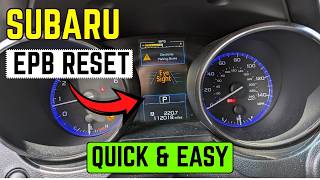
- Subaru Outback / Legacy / WRX (2015-2018) — These vehicles display a cluster of warnings including 'Electronic Parking Brake Fault' and 'Eyesight Disabled'. The cause is almost always a faulty EPB wiring pigtail with a cracked connector tab. Subaru issued TSB 06-87-22R and extended the warranty to 15 years / unlimited miles to fix this known issue.
Manufacturer-Specific Notes
- Ford: A software glitch is the most likely cause on 2021-2026 models. A free recall update (NHTSA 24V104000) is your first step. On some Rangers, enabling the 'off-road gauge' with the FORScan diagnostic tool triggers a false U0438 code as a known firmware bug.
- General Motors (Chevy/GMC): On many GM trucks, the TBCM is mounted on the frame above the spare tire. The wiring harness in this location is highly susceptible to corrosion and broken wires, especially the main power wire to the module.
- Ram (Dodge): This code is often accompanied by 'Service 4WD' and stability control warnings. The issue is frequently traced back to wiring problems with the 4WD system. TSB 08-237-23 for 2023 Ram 1500s points to a transfer case shift motor connector not being fully seated. Some models also have a known parasitic drain issue related to the Uconnect app keeping the TBM active.
- Subaru: This code is almost always a misdiagnosis. The real problem is usually a cracked connector on the Electronic Parking Brake (EPB) actuator wiring. This triggers multiple warnings. Subaru has TSB 06-87-22R and a warranty extension to 15 years/unlimited miles for this known issue.
Real Owner Stories
2019 Ram 1500 with 60k miles gets multiple warning lights at once.
While driving on the freeway, the 'Service Trailer Brakes', 'Service ESC', and 'Service 4WD' messages all appeared simultaneously. The truck refused to shift into 4HI or 4LO.
Outcome: The issue was a loose connection at the 4WD front axle actuator. Oil from a previous oil change dripped into the connector, causing a poor connection. Re-seating it restored all functions instantly.
Lesson: On Ram trucks, a cluster of seemingly unrelated warning lights (Trailer, ESC, 4WD) points to a single wiring issue on the shared data network, frequently at the 4WD actuator.
2023 Ford F-150 Platinum PowerBoost with under 10k miles displays 'Trailer Brake Module Fault'.
The 'Trailer Brake Module Fault' message appeared at every startup. When a trailer was connected, it had no lights or brakes.
Outcome: The dealership confirmed a known issue with the trailer module. They replaced the faulty module under warranty, and all functions returned.
Lesson: For late-model Ford trucks, a 'Trailer Brake Module Fault' is almost always a known hardware or software issue covered by warranty or recall. Always check for recalls (like NHTSA 24V104000) before paying for a diagnosis.
2016 Subaru Outback throws 'Electronic Parking Brake Fault' and other warnings.
A cluster of warnings appeared on the dash, including 'Electronic Parking Brake Fault', 'Eyesight Disabled', and the ABS light. The U0438 code was stored in the background.
Outcome: The problem was a cracked plastic connector tab on the Electronic Parking Brake (EPB) actuator pigtail. The dealer installed a new retaining clip kit (Part X9904AL110) under Subaru's 15-year extended warranty, resolving all errors for free.
Lesson: On 2015-2018 Subarus, multiple dashboard warnings are almost always caused by the known EPB connector fault, not the trailer module. This is a misdiagnosis, and the repair is covered by a warranty extension.
2014 F-150 EcoBoost shows 'Trailer brake module fault' intermittently at startup.
A fault message appeared on the dash within a few minutes of starting the truck, even with no trailer connected.
Outcome: Reseating the fuse reset the system and cleared the fault message permanently. The issue was a minor, intermittent glitch or a slightly loose fuse.
Lesson: Before diving into complex wiring or module replacement, locate and reseat the relevant fuse. It is a quick, free troubleshooting step that resolves intermittent communication faults.
How to Prevent This Code From Triggering
- Apply Dielectric Grease to Trailer Connector (Once per year or after cleaning) — Dielectric grease is a non-conductive, silicone-based grease that seals electrical connections from moisture, oxygen, and road salt, preventing corrosion on the 7-pin connector pins.
- Use a Protective Cover on the Trailer Connector (Always when not in use) — A simple plastic or rubber cover keeps dirt, water, and road debris from getting inside the 7-pin connector, preventing physical damage and corrosion.
- Perform Regular Wiring Harness Inspections (Every oil change) — Visually inspect the wiring harnesses running along the vehicle's frame, especially near the spare tire and rear axle. Look for areas where the plastic loom rubs against the frame, as this chafes through and causes a short circuit.
- Maintain Battery Health (Ongoing) — Ensure battery terminals are clean and tight. A weak battery provides unstable voltage to control modules during startup, causing them to send corrupt data and trigger communication codes like U0438.
- Stay Current on Vehicle Software Updates (Annually or when notified) — Manufacturers frequently release software updates to fix communication bugs between modules. A significant percentage of U0438 faults, especially on newer vehicles, result from software, not a physical part failure.
Frequently Asked Questions
What are common misdiagnosis mistakes for U0438?
The biggest mistake is replacing the Trailer Brake Control Module (TBCM) prematurely without checking for free software recalls. Always inspect the entire wiring harness and the 7-pin connector for corrosion before assuming the module has failed. A corroded connector or broken frame-rail wire is a much cheaper and more common fix.
Can an aftermarket trailer brake controller cause a U0438 code?
Yes. Incorrectly installed aftermarket controllers interfere with the vehicle's data network. Splicing into the wrong wires or using incompatible communication protocols prevents the main computers from receiving expected signals, triggering U0438.
Can I fix U0438 myself?
Yes, DIYers can perform basic checks like verifying recalls, cleaning the trailer connector, and inspecting fuses. However, module replacement, reprogramming, or advanced network diagnostics require a professional with specialized OEM tools.
Will clearing the code make it go away?
Clearing the code with a scanner temporarily removes the warning, but it returns immediately if the underlying problem remains. The fault must be physically repaired or patched via software update to keep the code away permanently.
My truck has this code but I've never towed a trailer. Why?
The Trailer Brake Control Module remains active on the vehicle's data network, constantly communicating with other modules even without a trailer attached. A software glitch, wiring fault, low battery, or internal failure triggers the code regardless of your towing history.
Is it safe to tow with a U0438 code?
No, towing is unsafe and illegal with this code. U0438 indicates your trailer's brakes and signal lights are disabled. Towing without these functions dramatically increases stopping distances and crash risk.
The repair shop wants to replace the module for $900. Should I let them?
First, verify they checked for software recalls, as a free update fixes this on millions of Ford trucks. If the software is current and they confirmed the wiring is intact, module replacement is the correct next step. Ensure their quote includes the mandatory OEM programming required to sync the new module to your VIN.
Can a weak battery cause a U0438 code?
Yes. Control modules require stable voltage to function correctly. A weak battery causes voltage drops during startup, forcing modules to send corrupt data and triggering communication codes like U0438. Always verify battery health before starting complex diagnostics.
Key Takeaways
- Code U0438 indicates invalid data from the Trailer Brake Control Module, disabling trailer brakes and making towing unsafe and illegal.
- A free software update (NHTSA Recall 24V104000) fixes this code on millions of 2021-2026 Ford F-150s, Expeditions, and Super Duty trucks.
- On 2015-2018 Subarus, U0438 is a known misdiagnosis for a cracked Electronic Parking Brake connector covered by a 15-year warranty extension (TSB 06-87-22R).
- Never install a replacement Trailer Brake Control Module yourself; it requires professional OEM software programming to sync with your vehicle's VIN.
Helpful Videos


Shop the Parts Behind U0438
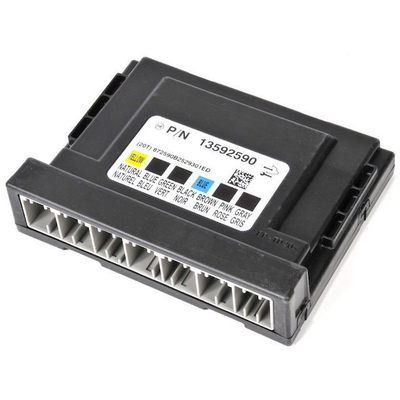
Below are the parts most often responsible for code U0438, ranked by how frequently each one is the actual culprit (per the diagnosis above). Tap any to see what we have for your vehicle.


The information in this article is provided for general reference and educational purposes only. Vehicle specifications, procedures, and part compatibility can vary by production date, trim level, and region. Always consult your vehicle's factory service manual and verify part numbers before purchasing or performing repairs. Safety-critical components such as airbags, seat belts, and braking systems should be installed by a qualified professional.
- 🧭 Diagnostic Flowchart
- 🎬 Helpful Videos
- 🛍️ Shop This Part
- What Does U0438 Mean?
- Can I Drive With U0438?
- Common Causes
- Symptoms
- Common Fixes & Costs
- Used vs. New Parts: Buying Guide
- What Happens If You Wait — Timeline
- Cost of Not Fixing It
- Diagnosis Steps
- When This Code Triggers (Freeze-Frame Conditions)
- Related Codes
- Climate & Environmental Factors
- How to Talk to a Mechanic About This Code
- Where to Take It: Dealer vs Independent vs Chain
- When to Walk Away From the Repair
- What Scan Tool You Need for This Code
- How to Clear the Code After You Fix It
- Will This Fail Emissions / State Inspection?
- Most Commonly Affected Vehicles
- Manufacturer-Specific Notes
- Real Owner Stories
- 2019 Ram 1500 with 60k miles gets multiple warning lights at once.
- 2023 Ford F-150 Platinum PowerBoost with under 10k miles displays 'Trailer Brake Module Fault'.
- 2016 Subaru Outback throws 'Electronic Parking Brake Fault' and other warnings.
- 2014 F-150 EcoBoost shows 'Trailer brake module fault' intermittently at startup.
- How to Prevent This Code From Triggering
- Frequently Asked Questions
- What are common misdiagnosis mistakes for U0438?
- Can an aftermarket trailer brake controller cause a U0438 code?
- Can I fix U0438 myself?
- Will clearing the code make it go away?
- My truck has this code but I've never towed a trailer. Why?
- Is it safe to tow with a U0438 code?
- The repair shop wants to replace the module for $900. Should I let them?
- Can a weak battery cause a U0438 code?
- Key Takeaways
- 🎟️ Get 5% Off