

OBD-II Code U0566: Invalid Data From Front Camera
What U0566 means, why it triggers, and how to fix it
- Code U0566 disables critical safety systems like Automatic Emergency Braking due to corrupt data from the forward-facing windshield camera.
- Always check for manufacturer Technical Service Bulletins (TSBs) first; software updates fix this code on many 2020+ GM and Ford vehicles without replacing parts.
- If you recently replaced your windshield, return to the glass shop for a mandatory $250-$600 ADAS camera recalibration.
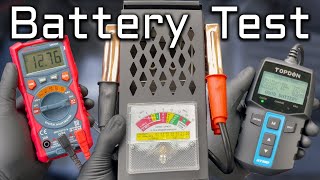
- Test your battery before authorizing expensive diagnostics, as voltage drops below 12.4V frequently trigger false U0566 communication errors.
What Does U0566 Mean?
The U0566 code indicates the main computer received faulty or nonsensical data from 'Image Processing Sensor A,' the forward-facing windshield camera. This camera drives your Advanced Driver-Assistance Systems (ADAS). When triggered, these safety systems shut down.
Technical definition: Invalid Data Received From Image Processing Sensor A.
Can I Drive With U0566?
Yes, But With Caution. Yes, but with extreme caution. Driving with this code disables critical safety systems like automatic emergency braking, forward collision warning, and lane-keeping assist. This significantly increases the risk of rear-end collisions. While the vehicle remains mechanically operational, its safety integrity is compromised.
Common Causes
- Control module software glitch or outdated firmware (Very Common) — The ADAS or front camera module software contains bugs causing it to misinterpret data. Manufacturers frequently release Technical Service Bulletins (TSBs) with software updates to fix this exact issue.
- Improper calibration after windshield replacement (Very Common) — The front camera requires millimeter-perfect alignment. If a glass shop replaces the windshield and skips or fails the recalibration, 🎬 Watch: Why calibration is mandatory after a windshield replacement. the camera sends data the system flags as invalid.
- Low battery voltage or unstable power supply (Common) — A weak battery, recent jump-start, or faulty alternator causes power fluctuations. This triggers temporary data glitches in sensitive electronic modules, setting the U0566 code even if the camera hardware is perfect.
- Wiring or connector issues (Common) — The wiring harness connecting the camera to the control module suffers from damage, corrosion, or loose connections. On 2021+ Ford F-150s, condensation causes corrosion on a specific coaxial connector. 🎬 Watch: How to fix Ford front camera and wiring malfunctions.
- Faulty image processing sensor (camera) (Common) — The camera itself fails due to physical damage, moisture intrusion, or internal hardware degradation.
- Obstructed or dirty camera lens (Less Common) — A dirty windshield, debris, or poorly installed decal blocks the camera's view. While this usually triggers a 'camera blocked' message, adverse weather sometimes results in a U0566 data error.
- Corrupted CAN bus signal (Rare) — Electrical noise from failing components or grounding issues on the Controller Area Network (CAN) bus corrupts the data packets sent by the camera.
Symptoms
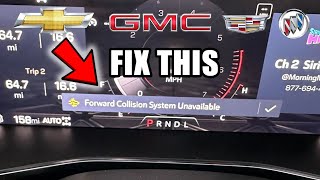
- ADAS warning light and disabled features — Dashboard displays 'ADAS unavailable' or 'Front Camera Unavailable.' Features like lane-keep assist, automatic emergency braking, and adaptive cruise control immediately stop working.
- Check Engine Light (Malfunction Indicator Lamp) is on — The brake system control module requests the Check Engine Light to illuminate because it can no longer perform emergency braking functions.
- Blank or flickering camera display — The camera's view on the infotainment display for features like parking assist appears black, distorted, or flickers.
Diagnostic Flowchart
Tap your situation to follow the diagnostic path that matches what you're seeing on this code.
Common Fixes & Costs
- Reprogramming the ADAS/Front Camera Module — Parts: $0, Labor: $150-$250, ~1.0 hr book time (Professional)
- Calibrating the Forward-Facing Camera — Parts: $0, Labor: $250-$600, ~2.0 hr book time (Professional)
- Repairing Damaged Wiring or Connectors — Parts: $10-$50, Labor: $150-$400, ~2.0 hr book time (Intermediate)
- Replacing a Weak Battery — Parts: $150-$300, Labor: $50-$100, ~0.5 hr book time (Beginner)
- Replacing the Forward-Facing Camera — Parts: $300-$800, Labor: $400-$900 (includes calibration), ~2.5 hr book time (Professional)
Used vs. New Parts: Buying Guide
When a used part is worth it: Buying a used ADAS front camera is never recommended. The risk of receiving a damaged, misaligned, or incompatible part is extremely high.
Donor-vehicle mileage cap: roughly under 10000 miles for the part to have meaningful remaining life.
Donor quality checklist:
- Avoid parts from any vehicle involved in a front-end collision.
- Verify the exact OEM part number, as identical-looking cameras have different software revisions.
- Ensure zero cracks, moisture intrusion, or corrosion on connector pins.
Decision logic:
- If The part is a safety-critical ADAS camera. → Always buy a new OEM part. The risk of a used part failing calibration is too great.
- If You want to save money with a used camera. → Factor in the high probability of paying for labor and calibration twice when the used part fails.
Warranty tradeoff: Salvage yards offer 30-90 day warranties that exclude labor. New OEM parts installed by a certified shop include 1-2 year warranties covering both parts and labor.
Worst-case if a used part fails: $500-$1200 if a used camera fails calibration, requiring you to buy a new part and pay for labor twice.
What Happens If You Wait — Timeline
- Immediate: Code sets, ADAS warning lights illuminate. All dependent safety features (AEB, LKA, ACC) are immediately disabled. (MPG impact: 0%% · Added cost: $0. The cost is the immediate loss of safety functions.)
- 1-3 months: The fault becomes permanent. The vehicle automatically fails state emissions/safety inspections. (MPG impact: 0%% · Added cost: $50-$200 in inspection failure fees.)
- 3-12 months: If caused by moisture intrusion, corrosion worsens. An intermittent 'Invalid Data' fault degrades into a permanent 'Lost Communication' fault. (MPG impact: 0%% · Added cost: $200-$400 for expanded wiring harness repairs.)
- 12+ months: No further mechanical damage occurs. The primary consequence remains the ongoing safety hazard of operating without safety systems. (MPG impact: 0%% · Added cost: High potential cost from an at-fault accident.)
Cost of Not Fixing It
- Immediate: All associated safety features (Automatic Emergency Braking, Lane-Keep Assist) are disabled. The risk of a rear-end or lane-departure accident increases significantly. (Added cost: High potential cost from a preventable accident.)
- 1-6 Months: If the Check Engine Light is illuminated, the vehicle automatically fails state safety and emissions inspections. (Added cost: $50-$200 in inspection failure fees or fines.)
- 6+ Months: If caused by moisture intrusion in wiring, corrosion spreads, turning a repairable connector issue into a full harness replacement. (Added cost: $200-$400 for expanded wiring repairs.)
Diagnosis Steps
- Check for Obstructions
Clean the windshield area in front of the forward-facing camera. Remove dirt, bugs, or debris. Ensure windshield wipers are not leaving streaks in the camera's line of sight.
Tools: Glass cleaner, microfiber cloth (Beginner) - Read Codes and Check TSBs
Use an advanced OBD-II scanner to confirm U0566 and note related codes (like U0265 or P25A2). Search online for Technical Service Bulletins (TSBs) for your specific year/make/model. Software updates fix this code frequently.
Tools: Advanced OBD-II Scanner, Internet access (Beginner) - Check Battery Voltage
Measure battery voltage with the engine off. A reading below 12.4V indicates a weak battery causing module glitches. Start the engine; voltage must be 13.7-14.7V.
Tools: Multimeter (Beginner) - Inspect Wiring and Perform Wiggle Test
Visually inspect the camera wiring harness for damage or corrosion, especially at the A-pillar and camera connectors. Gently wiggle the connectors while monitoring the camera feed or live codes to expose loose connections.
Tools: Flashlight, Trim removal tools (Intermediate) - Test Circuit Continuity
Check for continuity and proper voltage/ground at the camera's connector. Resistance greater than 0.5 Ω on a power or ground wire indicates a damaged wire or corroded connection.
Tools: Multimeter, vehicle-specific wiring diagram (Advanced) - Analyze Live Camera Data
Access the live data stream from the front camera module. Monitor frame rate and error rate. A frame rate below 30 fps or an error rate above 5% indicates corrupt data transmission.
Tools: Professional Bi-Directional Scan Tool (Advanced) - Test CAN Bus Resistance
With the battery disconnected, measure resistance between Pin 6 and Pin 14 at the OBD-II port. A healthy network reads exactly 60 Ω. Readings of 120 Ω or 0 Ω indicate severe network wiring faults.
Tools: Multimeter (Advanced) - Perform Module Reprogram or Replacement
If a TSB exists, have a dealer reprogram the ADAS module. If wiring and software pass, replace the camera module. You must perform a professional ADAS calibration immediately after replacement.
Tools: Professional diagnostic and programming tools, ADAS calibration targets (Professional)
When This Code Triggers (Freeze-Frame Conditions)
- Vehicle Speed: 35-55 mph (Sets during steady highway driving when systems like lane-keeping assist actively process data.)
- ADAS System Status: Active/Engaged (Logs when the ADAS module actively attempts to process camera data to perform a safety function.)
- Battery Voltage: 13.7-14.7V (Typically sets when the charging system is operational, though a history of voltage drops below 12.4V is a primary root cause.)
Related Codes
- U0265 — 'Lost Communication with Front View Camera.' Indicates a total communication failure (severed wire, dead module), whereas U0566 means the module communicates but sends corrupt data.
- P25A2 — 'Brake System Control Module Requested MIL Illumination.' Confirms the brake module detected the camera fault (U0566) and disabled emergency braking.
- U1962 — A communication error code set alongside U0566 in GM vehicles, reinforcing the need for the software reprogram outlined in TSB N202305180.
Climate & Environmental Factors
- Humidity and Condensation: High humidity causes moisture inside connectors, leading to corrosion. This directly causes intermittent signal loss on Ford F-150 coaxial camera cables.
- Extreme Cold: Low temperatures reduce battery voltage, causing electronic modules to glitch and throw data-related fault codes like U0566.
- Direct Sun Glare: Intense sun glare directly into the camera lens overwhelms the sensor, causing it to output invalid data.
- Heavy Rain, Snow, or Ice: Physical blockages usually trigger a 'sensor blocked' message, but occasionally result in the system flagging incoming data as invalid.
How to Talk to a Mechanic About This Code
Say this: "I have a U0566 code and my ADAS warning lights are on. Please check for any software-related Technical Service Bulletins and inspect the camera wiring before recommending a camera replacement."
Directs the technician to check for the most common and least expensive fixes first (software and wiring), preventing them from defaulting to a costly camera replacement.
Avoid saying:
- 'My ADAS light is on, can you fix it?'
- 'Just replace the front camera.'
- 'Do whatever you think is best.'
Questions to ask before authorizing the repair:
- Did you check for TSBs? Was a software update available?
- What tests did you perform to rule out a wiring or power supply issue?
- Does your estimate include the cost of the mandatory ADAS calibration?
- What is your warranty on the part and the labor, including the calibration?
Where to Take It: Dealer vs Independent vs Chain
- Dealer:
Highly Recommended. The dealer is the most reliable choice due to the frequent need for proprietary software updates and guaranteed calibration equipment.
Best for: Vehicles under warranty., Performing software updates specified in Technical Service Bulletins (TSBs)., Complex cases requiring manufacturer-specific diagnostic tools.
Downsides: Highest labor rates., Geographically inconvenient. (Typical cost: +40% vs. baseline) - Independent Shop:
Use with caution. Only choose an independent shop if you verify they have modern ADAS calibration equipment and experience with your vehicle's brand.
Best for: Out-of-warranty vehicles., Shops that specifically advertise ADAS calibration services.
Downsides: Many lack expensive ADAS calibration equipment., May not have access to the latest OEM programming tools. (Typical cost: +0% vs. baseline) - Chain Shop:
AVOID. Chain shops are not equipped to handle the complex electronics, software, and calibration procedures required to fix a U0566 code.
Best for: Simple maintenance like oil changes and battery replacements.
Downsides: Lack tools and training for ADAS diagnostics or calibration., High potential for misdiagnosis. (Typical cost: -15% vs. baseline)
When to Walk Away From the Repair
If the total estimated repair cost for the U0566 code exceeds 40-50% of your vehicle's current private-party market value, consider your options.
- Car worth $25000, fix is $1200: Fix it. The repair cost is less than 5% of the vehicle's value and restores critical safety features.
- Car worth $8000, fix is $2500: Borderline. The repair is over 30% of the car's value. Get a second opinion to confirm the diagnosis.
- Car worth $4000, fix is $2800: Walk away. The repair cost is 70% of the car's value. It is not economically sensible to invest this much into a low-value vehicle.
What Scan Tool You Need for This Code
Minimum: A scanner that reads codes from modules beyond the engine, specifically the BCM (Body Control Module), ABS, and ADAS/camera modules.
A standard $20 code reader shows 'No Codes' because U0566 is a communication code that doesn't reside in the primary engine computer.
Budget: BlueDriver Pro (~$99) — Performs an 'all system scan' to read codes from ADAS and ABS modules, helping confirm the code before visiting a shop.
Mid-range: Foxwell NT510 Elite (~$180) — Provides full system diagnostics, reads live data from ADAS modules, and offers bi-directional 'Active Test' functions.
Professional: Autel MaxiCOM MK808S (~$450) — Offers comprehensive diagnostics and performs the 'Image Processing Module Camera Alignment' function necessary for ADAS calibration.
Rent vs buy: Buy. Free rental scanners at auto parts stores only read basic engine codes and cannot diagnose U0566.
How to Clear the Code After You Fix It
- Perform the required repair (reprogram module, repair wiring, or replace camera).
- Perform mandatory ADAS calibration if the camera or windshield was disturbed.
- Use an OBD-II scan tool to clear the Diagnostic Trouble Codes (DTCs).
- Perform a drive cycle to confirm the fix.
Drive cycle (~30 minutes): Start cold, idle for 5 minutes, drive 15 minutes in mixed city traffic with stops, then drive 10 minutes at steady highway speeds (above 50 mph) to allow the ADAS system to verify lane markings and operation.
Readiness monitors affected: Catalyst Monitor, Evaporative System Monitor, Oxygen Sensor Monitor
Before emissions retest: drive at least 100 miles to fully set monitors.
Watch out for:
- Clearing the code without performing a repair guarantees it returns immediately.
- Disconnecting the battery erases all readiness monitors, causing an automatic emissions test failure.
- Skipping the calibration step after a camera replacement causes the code to persist permanently.
Will This Fail Emissions / State Inspection?
Yes — this code typically fails an OBD-II emissions inspection.
- California: An illuminated Check Engine Light is an automatic failure. After repair, all OBD readiness monitors must be set to 'Ready'.
- New York: A U0566 code that triggers the Malfunction Indicator Lamp results in an automatic failure during the OBD-II scan.
- Texas: In emissions-testing counties, an active Check Engine Light causes an automatic inspection failure.
Most Commonly Affected Vehicles
- Cadillac CT4, CT5 (2020-2021) — TSB N202305180 identifies a software glitch causing this code alongside U0265 and P25A2. The fix is a module reprogram, not replacement.
- Chevrolet Corvette (2020-2021) — Shares the GM Vehicle Intelligence Platform with affected Cadillacs, requiring the same software update per TSB N202305180.
- Ford F-150 (2021-2023) — TSB 23-2146 addresses poor connections in the coaxial camera cable between the camera and IPMA module. Fix involves repairing the connection.
- Hyundai Sonata, Elantra, Tucson (2019-2025) — Prone to 'Check Forward Safety System' warnings. Often requires software updates or recalibration after minor bumper impacts.
- Nissan Rogue, Altima, Sentra (2017-2025) — Frequently experience 'Forward Driving Aids Temporarily Disabled' warnings due to sensor misalignment from minor impacts.
- Honda Clarity, Accord, CR-V (2018-2022) — Experience internal failures of the multipurpose camera unit, requiring replacement and professional calibration.
- Kia Sorento, Telluride, K5 (2020-2025) — Display 'Check Forward Collision-Avoidance Assist System' warnings. Check for front radar sensor blockages before suspecting the camera.
- Mazda CX-5, Mazda3, Mazda6 (2019-2025) — i-Activsense is highly sensitive to sensor alignment. U0566 triggers easily from dirty windshields or the need for recalibration.
Manufacturer-Specific Notes
- General Motors: For 2020-2021 Cadillac CT4/CT5 and Corvette, TSB N202305180 dictates reprogramming the front camera module to fix a software bug. Do not replace the camera.
- Ford: On 2021-2023 F-150s, TSB 23-2146 identifies condensation in the coaxial camera cable as the culprit. The fix involves securing connectors and overlaying a new cable.
- Subaru: EyeSight is extremely sensitive to windshield replacements. Aftermarket glass lacking correct optical properties causes U0566. Recalibration is mandatory.
- Hyundai/Kia: Integrated systems mean a damaged front radar sensor in the lower bumper triggers codes pointing to the windshield camera. Inspect the radar bracket first.
Real Owner Stories
2020 Cadillac CT4 with multiple ADAS warnings
Owner experienced 'Service Driver Assist' messages and an illuminated MIL. Codes P25A2, U0265, and U0566 were present.
Outcome: A dealer identified a known software glitch and reprogrammed the front camera module per GM TSB N202305180. No parts were replaced.
Lesson: For 2020+ GM models, a software update is the first fix. Do not replace the camera until a dealer checks for TSBs.
2021 Ford F-150 with intermittent 'Front Camera Malfunction' alerts
Random camera malfunction alerts disabled Pre-Collision Assist intermittently.
Outcome: The issue was a poor coaxial cable connection addressed by Ford TSB 23-2146. The shop repaired the connector, saving the cost of a new camera.
Lesson: On affected F-150s, insist the shop inspects the camera's coaxial cable connection before authorizing a camera replacement.
2020 Ram 1500 Rebel with ADAS errors after windshield replacement
Immediately after a windshield replacement, dash displayed errors for FCW and lane departure.
Outcome: A manager used specialized tools to perform the ADAS recalibration successfully, restoring all functions.
Lesson: If ADAS errors appear right after a windshield replacement, the cause is a failed calibration. Demand the shop perform it correctly.
2016 Ford F-150 with numerous random electrical faults
The truck experienced HVAC failures, power window issues, and multiple 'U' communication codes.
Outcome: The root cause was a weak factory battery causing voltage drops. Replacing the battery resolved all communication codes.
Lesson: Always test the battery and charging system first. A weak battery frequently causes multiple 'U' codes, including U0566.
How to Prevent This Code From Triggering
- Keep the windshield clean (Weekly or as needed) — Cleaning the area in front of the ADAS camera prevents dirt or road film from obstructing the lens and causing data errors.
- Maintain battery health (Every oil change) — Testing the battery ensures stable voltage. Low voltage is a primary cause of temporary glitches in sensitive electronic modules.
- Insist on ADAS calibration after windshield replacement (Per event) — Even minor changes in windshield position require camera recalibration. Making this non-negotiable prevents post-repair faults.
- Apply dielectric grease to connectors (When connectors are serviced) — Applying dielectric grease to pins prevents moisture intrusion and corrosion, a known failure point for camera harnesses.
Frequently Asked Questions
Can I fix the U0566 code myself?
You can perform initial checks like cleaning the windshield and testing battery voltage. However, the most common fixes—software reprogramming and camera calibration—require specialized professional tools. Stop DIYing and visit a shop if basic voltage and wiring checks pass.
Will a U0566 code clear itself?
Rarely. If a temporary low battery caused the glitch, it clears after several drive cycles with a healthy battery. Otherwise, you must fix the underlying software, wiring, or hardware issue permanently.
I just had my windshield replaced and now I have this code. What happened?
The glass shop likely failed to recalibrate the camera after installing the new windshield. The camera requires millimeter-perfect alignment to function. Return to the shop and insist they perform a proper ADAS calibration.
How much does it cost to fix a U0566 code?
Costs range from $150 for a simple software update to over $1,200 for a full camera replacement and calibration. A mandatory ADAS calibration alone costs $250-$600. Always check for software updates before authorizing hardware replacement.
What's the difference between U0566 (Invalid Data) and U0265 (Lost Communication)?
U0265 means the camera lost all power or communication, indicating a severed wire or dead module. U0566 means the camera still communicates, but sends corrupt or illogical data. This points directly to software bugs, network interference, or internal sensor faults.
My battery recently died and now I have a U0566 code. Are these related?
Yes, low voltage or jump-start spikes corrupt data communication between modules, triggering temporary U0566 errors. Ensure your battery is fully charged and tests above 12.4V. The code often clears after a few drive cycles once stable power is restored.
Is it okay to use an aftermarket camera to fix this code?
No. ADAS cameras are precision safety instruments that require exact optical quality and proprietary software. Aftermarket cameras frequently fail calibration or perform unreliably in emergencies. Always install a new OEM camera.
What are common misdiagnosis mistakes for a U0566 code?
The biggest mistake is replacing the expensive camera module before checking for manufacturer software updates (TSBs). Technicians also frequently overlook weak batteries causing voltage drops. Finally, shops sometimes skip the mandatory calibration step after a repair, causing the code to return immediately.
Key Takeaways
- Code U0566 disables critical safety systems like Automatic Emergency Braking due to corrupt data from the forward-facing windshield camera.
- Always check for manufacturer Technical Service Bulletins (TSBs) first; software updates fix this code on many 2020+ GM and Ford vehicles without replacing parts.
- If you recently replaced your windshield, return to the glass shop for a mandatory $250-$600 ADAS camera recalibration.
- Test your battery before authorizing expensive diagnostics, as voltage drops below 12.4V frequently trigger false U0566 communication errors.
Helpful Videos

Shop the Parts Behind U0566
Below are the parts most often responsible for code U0566, ranked by how frequently each one is the actual culprit (per the diagnosis above). Tap any to see what we have for your vehicle.



The information in this article is provided for general reference and educational purposes only. Vehicle specifications, procedures, and part compatibility can vary by production date, trim level, and region. Always consult your vehicle's factory service manual and verify part numbers before purchasing or performing repairs. Safety-critical components such as airbags, seat belts, and braking systems should be installed by a qualified professional.
- 🧭 Diagnostic Flowchart
- 🎬 Helpful Videos
- 🛍️ Shop This Part
- What Does U0566 Mean?
- Can I Drive With U0566?
- Common Causes
- Symptoms
- Common Fixes & Costs
- Used vs. New Parts: Buying Guide
- What Happens If You Wait — Timeline
- Cost of Not Fixing It
- Diagnosis Steps
- When This Code Triggers (Freeze-Frame Conditions)
- Related Codes
- Climate & Environmental Factors
- How to Talk to a Mechanic About This Code
- Where to Take It: Dealer vs Independent vs Chain
- When to Walk Away From the Repair
- What Scan Tool You Need for This Code
- How to Clear the Code After You Fix It
- Will This Fail Emissions / State Inspection?
- Most Commonly Affected Vehicles
- Manufacturer-Specific Notes
- Real Owner Stories
- 2020 Cadillac CT4 with multiple ADAS warnings
- 2021 Ford F-150 with intermittent 'Front Camera Malfunction' alerts
- 2020 Ram 1500 Rebel with ADAS errors after windshield replacement
- 2016 Ford F-150 with numerous random electrical faults
- How to Prevent This Code From Triggering
- Frequently Asked Questions
- Can I fix the U0566 code myself?
- Will a U0566 code clear itself?
- I just had my windshield replaced and now I have this code. What happened?
- How much does it cost to fix a U0566 code?
- What's the difference between U0566 (Invalid Data) and U0265 (Lost Communication)?
- My battery recently died and now I have a U0566 code. Are these related?
- Is it okay to use an aftermarket camera to fix this code?
- What are common misdiagnosis mistakes for a U0566 code?
- Key Takeaways
- 🎟️ Get 5% Off