

U0599 on 2019 Jeep Cherokee: Invalid DC-to-DC Converter Data Guide
On a 2019 Jeep Cherokee, code U0599 indicates invalid data from the DC-to-DC converter, often linked to the Engine Start-Stop (ESS) system. The most common causes are a weak main or auxiliary battery, a software glitch requiring a PCM update per TSB #18-077-22, or a faulty DC-to-DC converter module (also called a Power Inverter Module).
- Code U0599 on a 2019 Cherokee points to a communication problem with the DC-to-DC converter, which is vital for the Engine Start-Stop (ESS) system.
- Before replacing any parts, check for available software updates. TSB #18-077-22 indicates a PCM flash is a common fix for this code.
- Thoroughly test the 12V battery. A weak or failing battery is a very common trigger for this code and related ESS warnings.
- If software and the battery are good, the issue likely lies with the DC-to-DC converter module itself or its wiring.
- This repair is best left to a professional with the correct diagnostic tools to differentiate between software, module, and wiring faults.
What's Unique About the 2019-2019 Jeep CHEROKEE
On the 2019 Jeep Cherokee (KL generation), the U0599 code is frequently associated with the Engine Start-Stop (ESS) system, which uses both a main and a smaller auxiliary battery. Many owners report ESS warning messages in conjunction with this code. 🎬 Watch: Troubleshooting the Stop-Start Not Ready warning message. A failure in either battery can disrupt the sensitive electronics. Jeep has issued Technical Service Bulletins (TSBs), like #18-077-22, that group U0599 with other communication and sensor codes, often recommending a software update for the Powertrain Control Module (PCM) as the fix, indicating known software sensitivities.
Diagnostic Flowchart
Tap your situation to follow the diagnostic path that matches what you're seeing on this vehicle.
Symptoms You May Notice
- Malfunction Indicator Lamp (MIL) or other warning lights on the dashboard.
- "Service Start/Stop System" or "Start/Stop Unavailable" message displayed.
- Engine Start-Stop (ESS) system is disabled or not working.
- Engine doesn't restart after an ESS event.
- Intermittent dimming of headlights or interior lights.
- Erratic behavior from accessories like power windows or wipers.
- Vehicle may hesitate or stall when coming to a stop.
- Replacing the alternator when the battery (often the auxiliary one) or DC-to-DC converter is the actual cause of charging system warnings.
- Replacing only the main battery when the smaller, less obvious auxiliary battery is the true point of failure for the ESS system.
Most Likely Causes
- Software Glitch in Powertrain Control Module (PCM) 🔴 High Probability Manufacturer TSB #18-077-22 specifically calls out reprogramming the PCM to resolve a list of DTCs including U0599 on models with the 3.2L V6 engine, indicating a known software issue.
How to confirm: A Jeep dealership or a qualified shop with a wiTECH scan tool can check the current software version of the PCM and compare it against the latest available version mentioned in the TSB.
Typical fix: Reprogramming (flashing) the PCM with the latest software. The TSB also notes that the Transmission Control Module (TCM) should be updated at the same time.
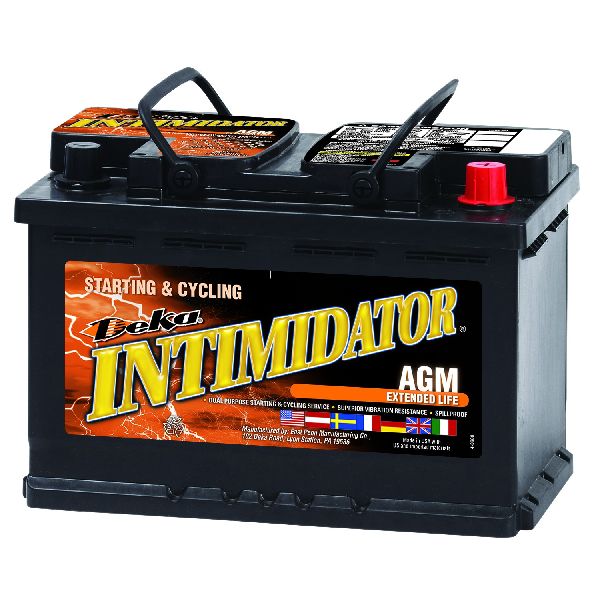
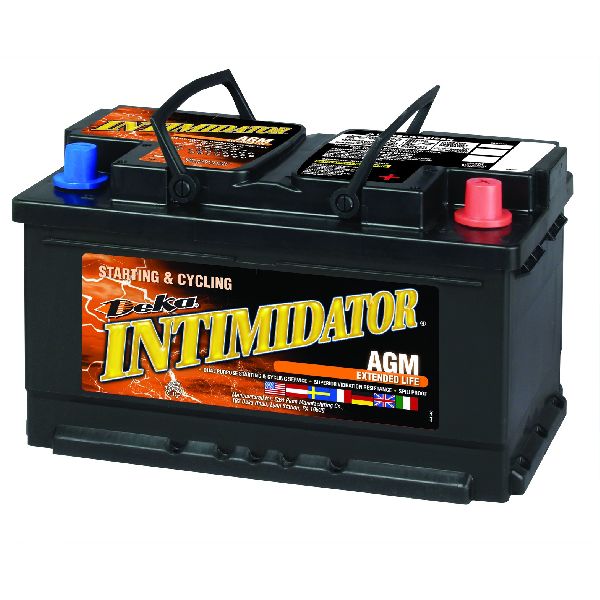
Est. part cost: $0 - Weak or Failing 12V Main or Auxiliary Battery 🔴 High Probability → Shop Vehicle Battery The ESS system places high demands on a dual-battery setup. A weak main AGM battery or a failing smaller auxiliary battery can cause low voltage conditions, leading to communication errors between modules. Many owners report that replacing the auxiliary battery resolves ESS issues.
How to confirm: Test both batteries independently with a digital multimeter or a professional battery load tester. A healthy battery should read above 12.4V when the engine is off. The auxiliary battery is often the first to fail and cause these specific symptoms.
Typical fix: Replace the faulty battery. The main is an AGM (Absorbent Glass Mat) type. If replacing the auxiliary, it's critical to also disconnect the main battery's negative terminal to reset the Intelligent Battery Sensor (IBS).
Est. part cost: $80-$150 (Auxiliary), $200-$350 (Main) - Faulty DC-to-DC Converter Module 🟡 Medium Probability → Shop Power Converter This module, also called the Power Inverter Module, is essential for managing the dual-battery ESS system. Internal failure of its electronics can cause it to send corrupt data onto the network.
How to confirm: After ruling out battery and software issues, a technician can use a scan tool to monitor the data stream from the converter. If the module is unresponsive or its data is erratic, and its power/ground circuits are good, the module is likely faulty.
Typical fix: Replace the DC-to-DC converter module. This may require programming to the vehicle.
Est. part cost: $250-$500 - Wiring or Connector Issues ⚪ Low Probability Vibration and exposure to the elements can lead to corrosion or damage to the wiring harness or connectors for the DC-to-DC converter module or battery sensors.
How to confirm: Visually inspect the wiring and connectors going to the DC-to-DC converter and both batteries. Check for corrosion, loose pins, or physical damage. A multimeter can be used to check for continuity and ensure proper ground.
Typical fix: Repair the damaged wiring or clean/replace the affected connector.
Est. part cost: $10-$100
Rare But Worth Checking
- Faulty Intelligent Battery Sensor (IBS): → Shop Vehicle Battery
Diagnosis Steps
- Scan all vehicle modules for stored trouble codes. Note all codes, especially those listed in TSB #18-077-22.
- Check the health of the main 12V AGM battery. Use a load tester for an accurate assessment. Ensure voltage is stable and above 12.4V.
- Check the health of the 12V auxiliary battery. This smaller battery is a very common failure point for ESS systems and can trigger the U0599 code.
- Inspect the battery terminals and main ground connections for corrosion or looseness. Pay close attention to the Intelligent Battery Sensor (IBS) on the negative terminal.
- If a capable scan tool is available, check for software updates for the Powertrain Control Module (PCM) by referencing TSB #18-077-22, especially if the vehicle has the 3.2L V6 engine. This is a very common fix.
- Locate the DC-to-DC converter module (Power Inverter Module) and inspect its electrical connector and wiring harness for any signs of damage, moisture, or corrosion.
- If both batteries, wiring, and software are all confirmed to be good, the DC-to-DC converter module is the most likely suspect.
Parts You'll Likely Need
- Auxiliary Battery — The smaller auxiliary battery is a frequent failure point in the ESS system and a primary cause of the 'Service Start/Stop' message and related communication codes.
Trusted brands: Mopar, Duralast, DieHard
OEM price range: $100-$150
Aftermarket price range: $80-$120 - AGM Battery (Main) — A weak main battery can also cause widespread communication codes and ESS system problems on these vehicles.
Trusted brands: Mopar, Duralast, DieHard
OEM price range: $250-$350
Aftermarket price range: $200-$300 - DC to DC Converter Module
(OEM #56029583AC)— If software and battery issues are ruled out, the module itself (also called a Power Inverter Module) may have failed internally, causing it to send invalid data.
Trusted brands: Mopar
OEM price range: $300-$500
Aftermarket price range: $200-$400
Related Codes That Often Appear With This One
- U0299 — Lost Communication With DC-DC Convertor 2. This code is listed alongside U0599 in TSB #18-077-22, indicating they are part of a common failure pattern.
- U0418 — Implausible Data Received From Brake System Control Module 1. Also listed in TSB #18-077-22, suggesting a broader network communication issue that can be triggered by the same software fault or low voltage condition.
- P0EA5 — DC/DC Converter 2 Performance. This code points to a performance issue with the secondary converter and is also mentioned in related TSBs.
- P06EF — Engine Restart Performance. This code is directly related to the ESS system failing to restart the engine and is often addressed by the same PCM software update mentioned in TSB #18-077-22.
Technical Service Bulletins (TSBs) & Recalls
- 18-077-22: Flash: Powertrain Control Module (PCM) Updates. Cites U0599 as one of several DTCs that may be resolved with a software update for the 3.2L V6 engine.
- 18-023-19 REV. B: Also mentions U0599 in a list of DTCs, pointing to a pattern
Platform-Specific Known Issues
- TSB #18-077-22, released in April 2022, specifically addresses U0599 among a list of other codes that can be resolved by reprogramming the PCM with updated software on 2019 Cherokees with the 3.2L V6 engine and ESS.
- The dual-battery system is a known weak point. Many owners on forums like jeepcherokeeclub.com report that the 'Service Start/Stop' message and associated codes like U0599 are their first indication that the smaller, auxiliary battery has failed.
Mechanic-Grade Diagnostic Values
- Intelligent Battery Sensor (IBS) Power Supply Voltage — expected: Should be above 11.8V when back-probing the 2-way connector (pin 2, 'RD' wire).. Failure: Voltage below 11.8V indicates a potential battery or wiring issue that needs to be addressed before suspecting the IBS itself.
Hidden / Shadow Codes Worth Checking
- U0599-86: Invalid Data Received From DC to DC Converter Control Module 'A' - Signal Invalid. This sub-code specifies that the data being received is outside the expected range or format. (see via A dealer-level scan tool like wiTECH is often required to see the two-digit failure type sub-code.)
Scan Tool Commands That Help
- wiTECH 2.0: PROXI Alignment — This procedure is required after replacing the DC-to-DC Converter Module (Voltage Stabilizer Module) to synchronize it with the vehicle's other electronic modules. Failure to perform a PROXI alignment can result in continued communication errors.
- wiTECH 2.0: IBS Power Reboot (Reset) — This function can be used to reset the Intelligent Battery Sensor after charging or replacing the batteries. It forces the sensor to recalibrate the battery's State of Charge (SOC) and State of Function (SOF). A manual reset can also be performed by disconnecting the IBS 2-way connector for several minutes.
- wiTECH 2.0: View Data - Bus Inputs — When diagnosing network codes, the wiTECH tool can show data PIDs that are 'Bus Inputs'. This confirms the module is receiving the information over the CAN bus network rather than from a directly wired sensor, which is useful for tracing communication faults.
Wiring & Ground Locations
- DC-to-DC Converter Module (Voltage Stabilizer Module) — On the 2019 Jeep Cherokee, this module is typically located in the passenger cabin, often under or behind the glove box area.. This is the module setting the U0599 code. Knowing its location is critical for visual inspection of its connector and wiring, and for replacement.
- Fuse F70 — Located in the main engine compartment fuse box (on the driver's side). It is a 5 Amp fuse.. This fuse provides power to the Intelligent Battery Sensor (IBS). A blown F70 fuse will cause the IBS to stop communicating, which can lead to various battery management and ESS-related codes, including network faults like U0599.
- Ground G906A — A key chassis ground point mentioned in service communications for ESS issues.. A loose or corroded G906A ground can cause intermittent electrical problems and communication faults across multiple systems, including the charging and ESS systems that rely on the DC-to-DC converter.
Real Owner Repair Stories
- Reddit user, r/Jeep (Jeep (model year not specified, but behavior is consistent with Cherokee KL)) — Engine fails to restart after an Auto Stop/Start event.
❌ Tried (didn't work) Constantly pressing the ESS disable button at every startup.
✅ What actually fixed it As a diagnostic step and temporary fix, the owner unplugged the Intelligent Battery Sensor (IBS) connector. This action disables the Auto Stop/Start system and prevents the code from being set, pointing towards a faulty IBS or a battery state-of-charge issue that the IBS was detecting.
OEM Part Supersession History
56029583AB→56029583AC— Revision and improvement of the Voltage Stabilizer Module.
Heads up: The 'AC' version is the newer, recommended replacement. While the 'AB' version may function, it is best practice to install the latest revision to benefit from any internal improvements.
Helpful Videos



We Have This Part in Stock


The information in this article is provided for general reference and educational purposes only. Vehicle specifications, procedures, and part compatibility can vary by production date, trim level, and region. Always consult your vehicle's factory service manual and verify part numbers before purchasing or performing repairs. Safety-critical components such as airbags, seat belts, and braking systems should be installed by a qualified professional.
- Jeep CHEROKEE:
- 🧭 Diagnostic Flowchart
- 🎬 Helpful Videos
- 🛍️ Shop This Part
- What's Unique About the 2019-2019 Jeep CHEROKEE
- Symptoms You May Notice
- Most Likely Causes
- Rare But Worth Checking
- Diagnosis Steps
- Parts You'll Likely Need
- Related Codes That Often Appear With This One
- Technical Service Bulletins (TSBs) & Recalls
- Platform-Specific Known Issues
- Mechanic-Grade Diagnostic Values
- Hidden / Shadow Codes Worth Checking
- Scan Tool Commands That Help
- Wiring & Ground Locations
- Real Owner Repair Stories
- OEM Part Supersession History
- 🎟️ Get 5% Off