

U1000 Code on 2008-2015 BMW 7 Series: Understanding This Vague Communication Error
The U1000 code on a BMW 7 Series is a generic error from non-specialized scanners indicating a communication failure between modules. It is not a specific BMW fault code. The most common underlying causes are a weak battery or water intrusion in the trunk. Diagnosis requires a BMW-specific scan tool like ISTA to find the true fault.
- U1000 is a generic code on a BMW. You MUST rescan with a BMW-specific tool to get the real fault codes.
- Before any complex diagnostics, fully test the battery and charging system. Low voltage is the #1 cause of communication errors on this car.
- Check for water leaks in the trunk and cabin, as this is a known issue that destroys expensive electronic modules.
- Do not replace any parts based only on a U1000 code. It will likely be a waste of money.
What's Unique About the 2008-2015 BMW 7 Series
The 2008-2015 BMW 7 Series (F01/F02 generation) has an extremely complex electrical system with dozens of control modules connected by multiple data networks (PT-CAN, K-CAN, MOST, FlexRay). A generic U1000 code is particularly unhelpful on this platform because it gives no clue as to which module or which of the several networks is experiencing a fault. Unlike some other brands where U1000 might point to a common, well-documented issue, on this 7 Series it is simply a vague signal of a deeper problem that demands advanced diagnostics with software like BMW's ISTA (Integrated Service Technical Application).
Symptoms You May Notice
- Multiple warning lights on the instrument cluster (e.g., ABS, DSC, Airbag, Check Engine).
- iDrive screen is black, flickering, or constantly rebooting.
- Loss of function in electronic accessories like power windows, climate control, or radio.
- Transmission may enter a 'limp mode' or fail to shift properly.
- Vehicle may not start or may stall unexpectedly.
- The scanner may fail to communicate with several control modules.
- "Drivetrain Malfunction" message displayed on the iDrive screen.
- Replacing a control module based solely on the U1000 code without performing a full diagnostic with a BMW-specific scanner. The U1000 code does not identify the faulty part.
- Replacing the battery but failing to register it with the vehicle's computer, leading to a quick return of the same electrical issues.
Most Likely Causes
- Weak or Failing Battery 🔴 High Probability → Shop Vehicle Battery The F01/F02 7 Series has a very high electrical demand and a sophisticated Intelligent Battery Sensor (IBS). A battery that is old, undercharged, or improperly registered after replacement can cause voltage to drop below the threshold required by sensitive modules, leading to random communication faults. This is the most common cause for network errors on this platform.
How to confirm: Test the battery voltage at rest (should be >12.6V for a healthy AGM) and while the engine is running (should be ~13.8-14.8V). Perform a professional load test. A simple voltage test is often insufficient; the battery must be tested for its Cold Cranking Amps (CCA) capacity. Ensure the battery is the correct AGM type and was registered to the vehicle if replaced, which is a required step.
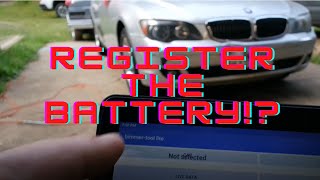
Typical fix: Replace the battery with a high-quality AGM battery and register it to the vehicle's power management system using a capable scan tool (like ISTA, BimmerLink, etc.). 🎬 Watch: How to register a new BMW battery Failure to register the new battery will lead to incorrect charging and premature failure.
Est. part cost: $250-$450 - Water Intrusion in Trunk or Cabin 🟡 Medium Probability Numerous critical control modules, including the Central Gateway Module (ZGW), amplifier (AMP), and others, are located in the trunk floor, typically on the left side. Clogged sunroof drains, failed taillight seals, or other body seal failures can allow water to accumulate, corroding connectors and shorting out modules on the MOST and CAN buses.
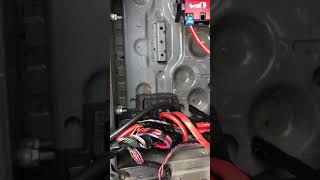
How to confirm: Inspect the trunk area, especially under the spare tire and behind the left-side trim panel, 🎬 See how water in the trunk ruins modules for any signs of dampness, mold, or corrosion on electrical connectors and modules. Also check the carpets in the front and rear footwells.
Typical fix: Dry out the affected area, clean or replace corroded connectors, and replace any damaged control modules. 🎬 Watch: How to repair a water-damaged control unit The source of the water leak must be identified and repaired to prevent a recurrence.
Est. part cost: $0 (for cleaning) - $1500+ (for module replacement) - Failed Control Module 🟡 Medium Probability A single module can fail internally and disrupt an entire data bus by shorting the communication lines or simply failing to respond. Common failure points on this platform include the Footwell Module (FRM), Junction Box Electronics (JBE), or infotainment modules.
How to confirm: Use a BMW-specific scan tool to perform a 'roll call' or read the module tree. The module that does not respond or shows consistent communication faults is the likely culprit. Further testing of power, ground, and network lines at the module connector is required, using a multimeter and wiring diagrams.
Typical fix: Replace the failed module. Most modules on this vehicle, including the FRM and JBE, require programming and coding to the specific car after installation.
Est. part cost: $300-$1200 - Damaged Wiring or Connectors ⚪ Low Probability While less common, wiring for the CAN bus can be damaged from chafing, previous improper repairs, or rodent activity. Connectors can also become loose or corroded, especially at major junction points or modules located in exposed areas. In some instances, a U1000 has been identified as a "ground harness problem" where cleaning battery terminals was insufficient to resolve the fault (NHTSA ODI #10681194).
How to confirm: Visually inspect harnesses in common problem areas (e.g., trunk, engine bay, under carpets). Use a multimeter to check for continuity and resistance on the CAN high and CAN low wires between modules. This requires vehicle-specific wiring diagrams to identify the correct pins and expected resistance values (typically 60 Ohms across the bus).
Typical fix: Repair the damaged section of the wiring harness using proper splicing techniques or replace the affected connector.
Est. part cost: $10-$100
Rare But Worth Checking
- Faulty Alternator: → Shop Alternator An alternator producing unstable voltage (AC ripple, or voltage that is too high or too low) can wreak havoc on sensitive electronics, causing communication errors. This should be checked as part of the initial charging system diagnosis.
- Aftermarket Electronics: Improperly installed aftermarket alarms, remote starters, or audio equipment can interfere with the CAN bus network and cause communication faults. This is especially true if they are tapped into CAN bus wires for signal.
Diagnosis Steps
- Acknowledge that U1000 is a generic, non-specific code. The first step is to have the vehicle scanned with a BMW-specific diagnostic tool (like ISTA, Autel with BMW software, or Foxwell for BMW).
- Check and verify the vehicle's battery and charging system health. Ensure voltage is stable and within the correct range (12.6V+ at rest, ~14.0V+ running). Perform a load test. A weak battery is a primary cause of communication faults.
- Review the fault codes from the BMW-specific scan. Use the tool to view the vehicle's module tree and identify which control module(s) are not communicating or are reporting bus-offline errors.
- Inspect the common areas for water intrusion, especially the trunk floor (left side behind the trim) and passenger footwells. Look for any signs of moisture or corrosion on modules and connectors.
- Using the specific fault codes as a guide, locate the non-communicating module. Check for power, ground, and secure connections at its electrical connector. A Reddit thread on BmwTech discusses probing DME pins for power on an F01.
- If wiring is suspected, consult a wiring diagram to test the resistance and continuity of the relevant CAN bus lines. A healthy CAN bus should have a resistance of approximately 60 Ohms between the CAN-High and CAN-Low lines when the battery is disconnected.
- If a module is confirmed to be faulty, replace it. Note that replacement modules will require programming and coding to the vehicle.
Parts You'll Likely Need
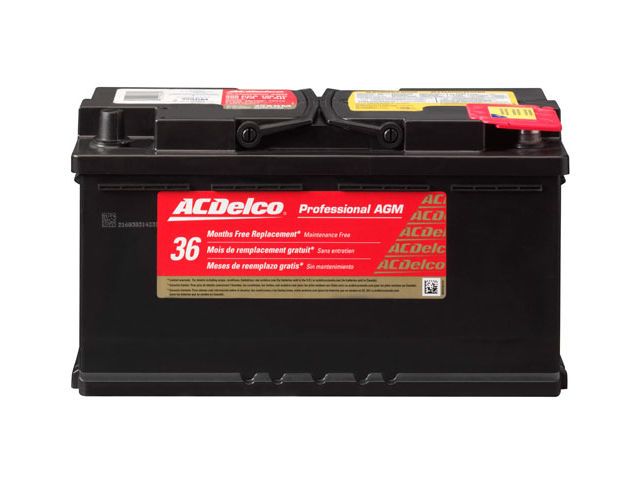
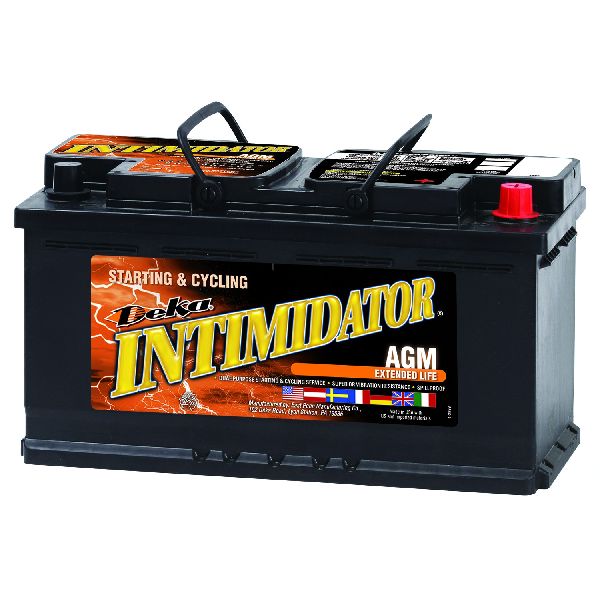
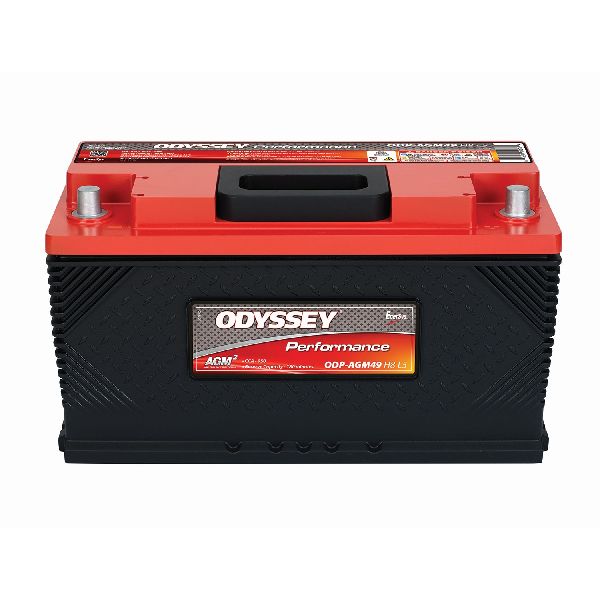
- AGM Battery — The high electrical load of the 7 Series makes the battery a common failure point leading to voltage-related communication errors.
Trusted brands: Varta, Bosch, Exide, Deka
OEM price range: $350-$500
Aftermarket price range: $250-$400 - Footwell Module (FRM3) — A known failure point on many BMWs of this era. Its failure, often triggered by low voltage, can disrupt network communication and cause loss of lighting and window functions.
Trusted brands: Genuine BMW
OEM price range: $500-$700
Aftermarket price range: $100-$200 (Repair Service) - Central Gateway Module (ZGW) — As the central hub for all data networks, a failure of the ZGW will cause a catastrophic loss of communication between most modules. It can be damaged by water or internal failure.
Trusted brands: Genuine BMW
OEM price range: $600-$900
Aftermarket price range: $150-$300 (Used, requires coding)
Related Codes That Often Appear With This One
- U01xx, U02xx, etc. — If the generic scanner is slightly more capable, it may accompany U1000 with codes like U0100 (Lost Communication with ECM) or U0121 (Lost Communication with ABS), which give a better clue as to which module is offline.
- Multiple BMW-specific codes — When read with a proper scanner, a single network fault will typically cause dozens of codes to be stored across all the other modules as they report their inability to communicate with the failed one. These are often 'no message received' or 'bus offline' faults.
Technical Service Bulletins (TSBs) & Recalls
- SIB 65 16 23 - While for a newer model, this SIB discusses diagnosing communication failures with modules (RAM in this case) and the procedure of checking Ethernet lines and performing battery resets, which is a relevant diagnostic pattern.
- B110815 - This SIB details the procedure for replacing N63 engine valve stem seals, a known issue on this platform.
Platform-Specific Known Issues
- Complex Network with FlexRay: The F01 was one of the first BMWs to heavily use FlexRay, a high-speed, fault-tolerant data bus for critical systems like chassis and powertrain control, in addition to the more common CAN and MOST buses. A fault on any of these can trigger a U1000 on a generic scanner.
- Trunk Module Location: Many critical electronic modules are located in the left side of the trunk, making them highly susceptible to damage from water ingress from clogged sunroof drains or failed taillight seals. This is a very common point of failure leading to communication issues.
- N63 Engine 'Hot-V' Design: On V8 models (750i), the N63 engine's 'hot-V' design places the turbochargers within the 'V' of the engine. This creates immense heat that can bake wiring, hoses, and electronic components in the engine bay, potentially leading to premature failure and electrical faults over time.
Mechanic-Grade Diagnostic Values
- CAN Bus Network Resistance — expected: ~60 Ohms. Failure: A reading of ~120 Ohms indicates a missing termination resistor or a break in the bus. A reading significantly below 60 Ohms (e.g., <50 Ohms) suggests a short between the CAN High and Low wires or a faulty module.
- LIN Bus Signal Voltage — expected: A square wave communicating between approximately 0.5V and battery voltage (~12V).. Failure: A flat line or a bus that is stuck high or low indicates a communication failure, often caused by one of the modules on the LIN circuit shorting the bus internally.
Hidden / Shadow Codes Worth Checking
- 801C20: Central fault memory full. This code from the ZGW (Central Gateway Module) indicates that so many communication errors have occurred that the module's memory is full and cannot log new faults. This is a strong indicator of a major network-wide communication breakdown. (see via BMW-specific diagnostic software like ISTA.)
- CD8F01: LIN, communication (intelligent battery sensor): missing. This DME code indicates a failure to communicate with the Intelligent Battery Sensor (IBS), which can lead to improper battery charging and subsequent voltage-related communication faults across the vehicle. (see via BMW-specific diagnostic software like ISTA.)
- CD944D: FlexRay, message (actual wheel speed, 46.0.1): Signal error. This indicates a communication problem on the high-speed FlexRay bus, which connects critical chassis and powertrain modules. (see via BMW-specific diagnostic software like ISTA.)
- Multiple 'No Communication' or 'Not Responding' faults: In ISTA, a communication failure will manifest as one or more modules being shown in red or yellow on the control unit tree, indicating they are offline. A service bulletin (SIB B63 05 13) specifically describes the FRM3 showing as 'not responding' during a vehicle test. (see via BMW ISTA diagnostic software.)
Scan Tool Commands That Help
- ISTA: Control Unit Tree View — This is the primary diagnostic screen to use when a U1000 code is present. It provides a visual map of all vehicle modules and color-codes the ones that are not communicating, immediately narrowing down the source of the network fault.
- ISTA: Calculate Test Plan — After identifying a non-communicating module from the control unit tree, running a test plan for that specific fault will guide the technician through a logical series of checks for power, ground, and bus signals.
- ISTA: Gateway Initialisation — This function may be required after replacing the ZGW or if FlexRay communication issues are present. However, it can also trigger new faults if underlying hardware problems exist.
- Esys / Tool32: STEUERN_VIN_SCHREIBEN (Write VIN) — When replacing a Central Gateway Module (ZGW) with a used unit, the vehicle's VIN must be written to the donor module before it can be properly coded and integrated into the vehicle network.
Wiring & Ground Locations
- Central Gateway Module (ZGW) — Located behind the glove compartment. Access requires removing the glove box assembly.. The ZGW is the central router for all data buses (CAN, MOST, FlexRay, LIN). Its failure or loss of power/ground will cause a catastrophic, vehicle-wide communication loss.
- Footwell Module (FRM3) — Located in the driver's side footwell, to the left of the pedals, behind a plastic trim panel.. The FRM is a major node on the K-CAN bus. A common failure point, its malfunction can take down communication for lighting, windows, and mirrors, and will show up as a communication fault in ISTA.
- Trunk Electronics Area — In the trunk, typically behind the left-side trim panel and under the floor. This area houses modules like the amplifier, PDC module, and others.. This area is highly susceptible to water damage from clogged sunroof drains or failed taillight seals. Corrosion on a single module or connector here can disrupt the MOST or K-CAN bus.
- Trunk Ground Points — Common chassis ground points can be found near the rear fuse box, on the bolts for the taillight assemblies, or using the substantial seat belt anchor bolts under the rear seat.. Modules located in the trunk rely on these local ground connections. Corrosion or looseness at these points can cause intermittent communication faults that are difficult to trace.
Real Owner Repair Stories
- Bimmerfest forum user (2013 BMW 740i (F01)) — After a failed programming attempt by a third party, the car had no communication with the DME, DSC, and ICM. 'Drivetrain malfunction' and 'SRS malfunction' messages were displayed.
❌ Tried (didn't work) Replacing the ICM/SRS module with a used one did not solve the problem.
✅ What actually fixed it A brand new Central Gateway Module (ZGW) had to be installed and programmed by a specialist to restore primary functions. The incident highlights how a failed programming session can 'brick' the ZGW, and how replacing other modules won't fix it if the central gateway is the root cause. - Reddit user in r/BmwTech (2014 BMW 535d (F10, similar architecture)) — Sudden onset of all dash warning lights (ABS, DSC, Restraint), wipers going crazy, limp mode, and no power to the OBD-II port.
❌ Tried (didn't work) Initially unable to diagnose due to no power at the OBD port.
✅ What actually fixed it The immediate problem was a blown fuse for the OBD port. Replacing the fuse restored power and allowed codes to be cleared, making the car drivable again. However, the root cause was a short on the D-CAN bus, with resistance measuring only 1.8 Ohms. This indicates a persistent wiring or module fault that caused the fuse to blow and will likely cause problems again. - YouTube video by BAVLOGIC LLC (BMW F01 7 Series) — Multiple system failures, wipers not turning off. The car had water in the battery compartment in the trunk.
❌ Tried (didn't work) Manually applying power to the dead systems.
✅ What actually fixed it The water had destroyed the DC-DC converter (start/stop) module located in the battery compartment. When power was applied, the damaged module caught fire, also destroying the navigation unit. The fix was to replace the water-damaged module and repair the source of the leak. This is a severe example of the consequences of water intrusion in the trunk.
Documented NHTSA Reports
- NHTSA ODI #10171770: An owner reported that when their vehicle stalled, it lost ignition input. Diagnostic scans revealed a cluster of communication codes including U1000, U1016, and U1152, which were resolved after the ignition switch was replaced.
- NHTSA ODI #10970695: A report describes a systemic failure where the instrument cluster had no communication despite power and ground being present. The diagnostic process involved replacing the cluster and retesting for BCM (Body Control Module) failure after U1000 and CAN system diagnostics failed.
- NHTSA ODI #11461728: An owner experienced delayed shifting and check engine lights associated with U1000. The report noted that the Transmission Control Module (TCM) was overheating due to its physical location directly on the transmission under the battery box, leading to lost communication.
- NHTSA ODI #11727548: A report details a "systemic U1000 Electrical Network Jam" caused by an obsolete or unconfigured telematics control unit (TCU). This network interference resulted in critical failures, including the disabling of the airbag system.
OEM Part Supersession History
ZGW (Pre-LCI, MOST Master)→ZGW-02 (LCI, MOST slave)— The introduction of the NBT head unit with the 2012+ LCI models shifted the role of MOST (media) bus master from the ZGW to the head unit itself.
Heads up: Cannot directly swap a pre-LCI ZGW with an LCI ZGW-02 without significant coding (updating vehicle order, flashing) and potentially wiring changes. Retrofitting an NBT head unit into a pre-LCI car often requires upgrading the ZGW to function correctly without unreliable emulators.
Model Year Variations Within This Range
- 2008-2012 (Pre-LCI): These models use the CIC infotainment system where the ZGW acts as the master for the MOST bus. The ICM (Integrated Chassis Management) module is a larger unit (ICM_QL). Electrical architecture is slightly less complex than LCI models.
- 2013-2015 (LCI): Introduced the NBT head unit, which became the new master of the MOST bus, demoting the ZGW to a gateway role on that network. This also brought changes to other modules, like a different, smaller ICM that is not backward compatible without rewiring. These models feature more integrated LED lighting systems.
Diagnostic Flowchart
Other Known Issues on This Vehicle
Issues unrelated to this code that are worth knowing about as an owner of this generation:
- N63 Engine: Excessive Oil Consumption & Valve Stem Seal Failure 🔴 High — Extremely common, often starting around 50,000-80,000 miles. Symptoms include blue/white smoke from the exhaust, especially after idling, and frequent 'low oil' warnings. (Ref: BMW issued SIB B11 08 15 and a Customer Care Package to address this, but it remains a major repair.)
- N63/N57 Engine: Timing Chain Stretch/Guide Failure 🔴 High — Common on both V8 gasoline (N63) and 6-cylinder diesel (N57) engines, typically after 80,000-100,000 miles. Symptoms include a rattling noise from the engine on cold starts. If the chain fails, it causes catastrophic engine damage.
- N63 Engine: Fuel Injector Failure 🟠 Medium — Early versions of the N63 had high rates of fuel injector failure, sometimes occurring as early as 20,000-30,000 miles. Symptoms include rough idle, engine misfires, and a check engine light. (Ref: BMW updated the injector design multiple times. The Customer Care Package often covered replacement.)
- N63 Engine: Turbocharger Coolant/Oil Line Leaks 🟠 Medium — The 'hot-V' engine design bakes the rubber and plastic lines that supply coolant and oil to the turbochargers, leading to leaks. This is a common source of oil and coolant loss.
Used vs. New Parts: Buying Guide for This Vehicle
When a used part is the smart pick: Used electronic modules like the ZGW, FRM, amplifiers, or other control units can be a cost-effective option, BUT ONLY if you have access to advanced BMW coding tools (ISTA, Esys) or a specialist who can perform the necessary programming. They are not plug-and-play.
Donor-vehicle mileage cap: roughly under 100000 miles for the part to have meaningful remaining life.
What to inspect on the donor part:
- Verify the donor car was not in a flood or had significant water damage. Ask for photos of the module's location in the donor car if possible.
- Check connectors for any signs of green or white corrosion.
- Source parts from a reputable salvage yard that offers a short warranty or return period.
- Match part numbers as closely as possible, but be aware of supersessions and LCI vs. pre-LCI differences.
OEM-only on this vehicle (don't cheap out):
- Battery: Always buy a new, high-quality AGM battery of the correct spec. The electrical sensitivity of the F01 makes a used or cheap battery a huge risk.
- Critical Sensors: While not a direct cause of U1000, sensors that feed the network (like wheel speed sensors) should be high-quality OEM or OE-supplier parts to ensure accurate data.
Aftermarket brands forum-validated for this vehicle:
- FRM3 Repair Services: Companies like DUDMD Tuning and others offer a mail-in repair service for corrupted FRM3 modules. This is often more reliable and cheaper than buying a used module, as the repaired unit is returned plug-and-play with original coding intact.
Brands owners have reported issues with on this vehicle:
- Unknown/unbranded CAN emulators: When retrofitting parts, cheap emulators used to bypass component protection or network mismatches are a frequent source of intermittent communication faults.
Real Owner Stories
Aggregated from forums and TSBs cited above. Mileages and costs reflect what owners reported in those sources.
2014 BMW 760i (N74 V12)
Symptoms: No communication with DMEII and low voltage issues reported on the network.
What fixed it: Diagnostic focus on probing DME pins for power and checking the integrity of the communication lines.
Source hint: Reddit r/BmwTech thread titled 'f01_760i_2014_no_communication_with_dmeii_and_low'
2009-2012 BMW 750i (N63 V8)
Symptoms: Drivetrain malfunction and multiple errors appearing immediately after a battery change.
What fixed it: Proper battery registration and ensuring the charging system is correctly calibrated to the new AGM battery.
Source hint: Bimmerfest forum thread 'f01-750i-drivetrain-malfunction-and-multiple-errors-after-battery-change'
Related OBD-II Codes
Frequently Asked Questions
Why does my 750i show a 'Drivetrain Malfunction' and U1000 after I just replaced the battery?
Could a leak in my sunroof cause the U1000 communication code?
Does the 'Hot-V' engine design on my 750i contribute to electrical communication errors?
My iDrive screen is flickering and I have a U1000 code; is my battery the problem?
What is FlexRay, and why does it matter for my U1000 diagnosis?
Is there a specific TSB for module communication failures on this platform?
Helpful Videos

We Have This Part in Stock


The information in this article is provided for general reference and educational purposes only. Vehicle specifications, procedures, and part compatibility can vary by production date, trim level, and region. Always consult your vehicle's factory service manual and verify part numbers before purchasing or performing repairs. Safety-critical components such as airbags, seat belts, and braking systems should be installed by a qualified professional.
- BMW 7 Series:
- 🧭 Diagnostic Flowchart
- 🎬 Helpful Videos
- 🛍️ Shop This Part
- What's Unique About the 2008-2015 BMW 7 Series
- Symptoms You May Notice
- Most Likely Causes
- Rare But Worth Checking
- Diagnosis Steps
- Parts You'll Likely Need
- Related Codes That Often Appear With This One
- Technical Service Bulletins (TSBs) & Recalls
- Platform-Specific Known Issues
- Mechanic-Grade Diagnostic Values
- Hidden / Shadow Codes Worth Checking
- Scan Tool Commands That Help
- Wiring & Ground Locations
- Real Owner Repair Stories
- Documented NHTSA Reports
- OEM Part Supersession History
- Model Year Variations Within This Range
- Other Known Issues on This Vehicle
- Used vs. New Parts: Buying Guide for This Vehicle
- Real Owner Stories
- 2014 BMW 760i (N74 V12)
- 2009-2012 BMW 750i (N63 V8)
- Related OBD-II Codes
- Frequently Asked Questions
- 🎟️ Get 5% Off