

U1000 on 2006-2010 Dodge Charger: Causes and Fixes for CAN Bus Failure
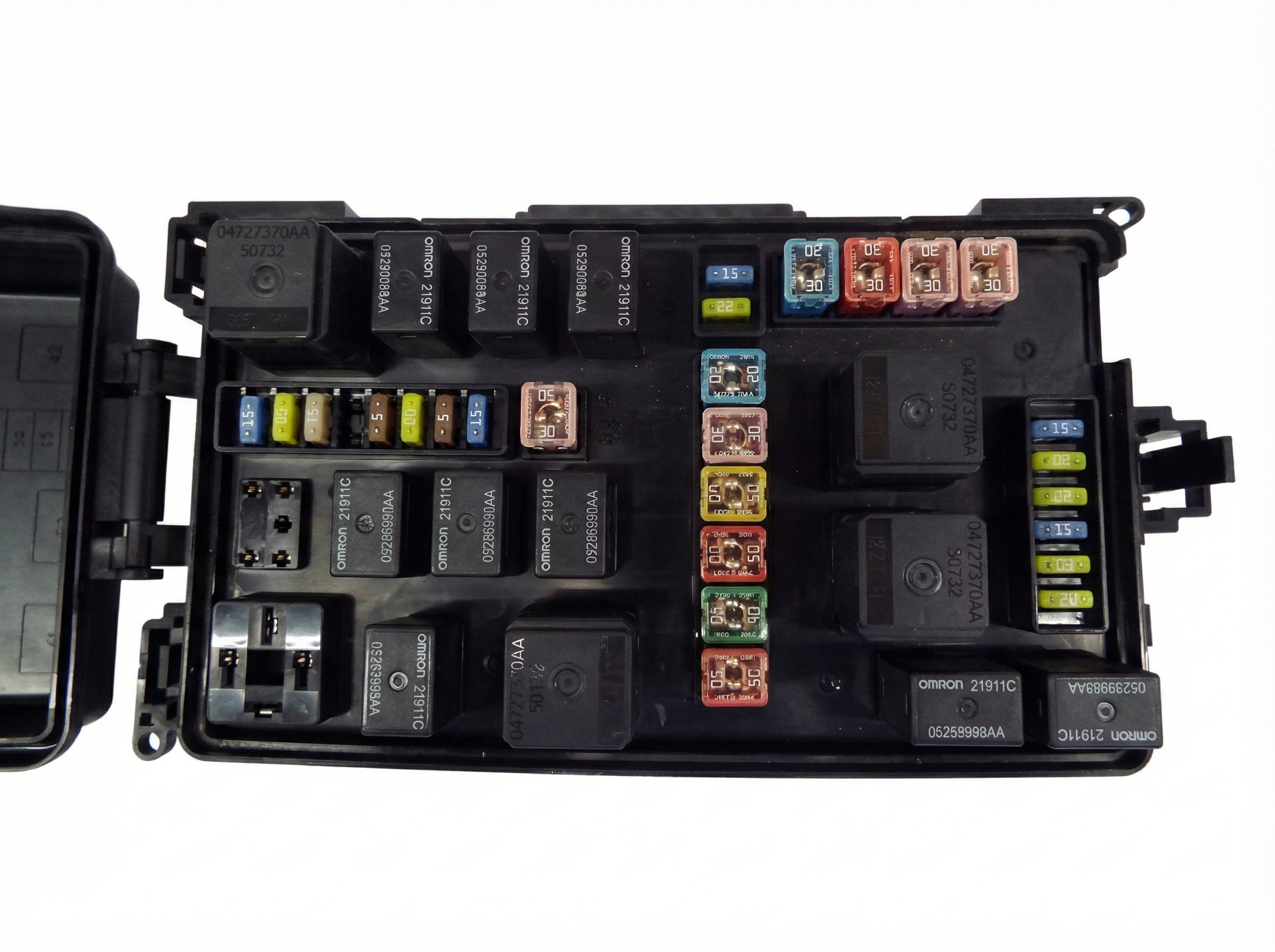
Code U1000 on a 2006-2010 Charger means a network communication failure, often showing a "no bus" error on the dash. Before replacing parts, check the battery and clean all ground connections. If those are good, the problem is very likely a faulty Totally Integrated Power Module (TIPM), which is the main fuse box.
- U1000 means your car's computers aren't talking to each other.
- Always start with the easiest and cheapest fixes: fully charge and test the battery, then clean all battery and chassis ground connections.
- The 'no bus' message on the dash is the classic symptom for this code on a Charger.
- If the battery and grounds are good, the problem is most likely a faulty TIPM (the main fuse box).
- When replacing the TIPM, you must match the part number from your old unit exactly.
What's Unique About the 2006-2010 Dodge Charger
The first-generation Dodge Charger (LX platform) has a well-documented weak point in its electrical architecture: the Totally Integrated Power Module (TIPM). This unit is more than just a fuse box; it's a central computer that acts as a gateway between different vehicle networks. Internal failures within the TIPM, often due to faulty relays or corrosion, are extremely common and are a leading cause of communication codes like U1000. These failures can result in a no-start condition, stalling while driving, or bizarre electrical behavior like wipers or the horn activating randomly. Therefore, any U1000 diagnosis on this platform should consider the TIPM a primary suspect after basic electrical checks are completed.
Symptoms You May Notice
- "no bus" message displayed on the instrument cluster
- Vehicle cranks but does not start
- No-crank, no-start condition
- Multiple warning lights on the dashboard (Check Engine, ABS, Traction Control, etc.)
- Instrument cluster gauges stop working or behave erratically
- Engine stalls while driving
- Electrical accessories (windows, radio, lights) work intermittently or not at all
- Horn or alarm may go off randomly
- Replacing the Powertrain Control Module (PCM) or Engine Control Module (ECM). The U1000 code is a network-wide error; it is almost never caused by the primary computer itself. The PCM is usually just one of the many victims of the network failure, often losing power due to a faulty TIPM.
Most Likely Causes
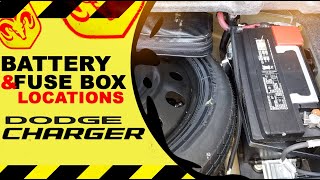
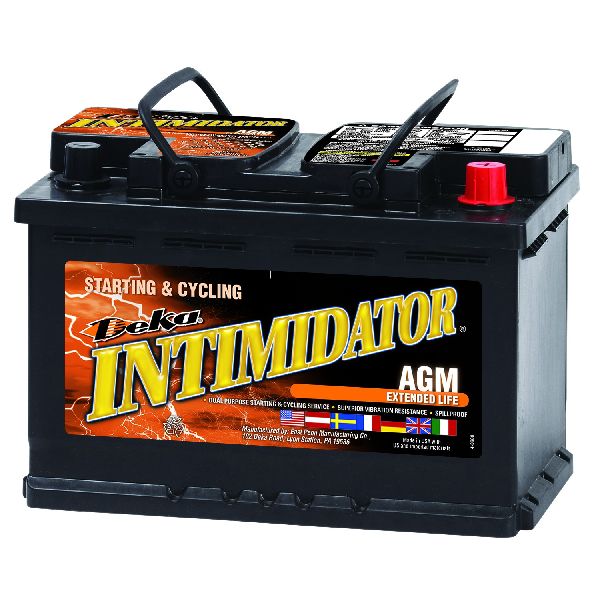
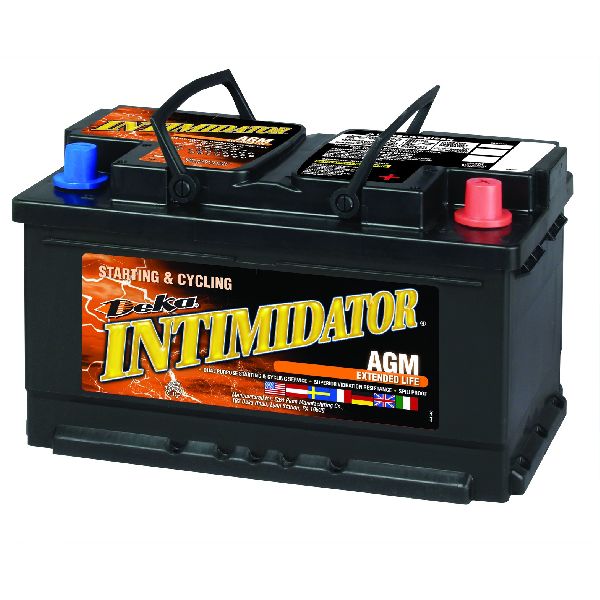
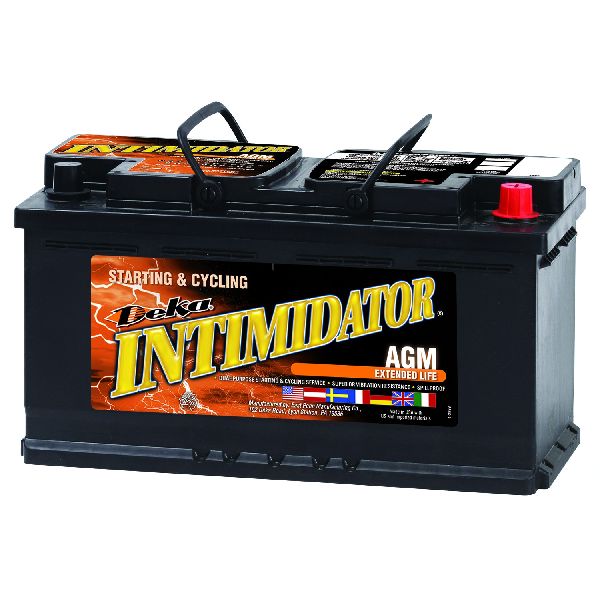
- Weak or Failing Battery 🔴 High Probability → Shop Vehicle Battery Low voltage is a universal cause of communication faults. If voltage drops below a certain threshold during cranking, modules can fail to initialize and communicate, triggering a U1000 code. The battery is located in the trunk, which can sometimes lead to overlooked corrosion.
How to confirm: Test the battery voltage with a multimeter. It should be above 12.4V with the engine off. Perform a load test to check the battery's health, as a battery can show good voltage but fail under load. Check both the trunk terminals and the remote jump-start posts under the hood for clean, tight connections.
Typical fix: Recharge or replace the battery.
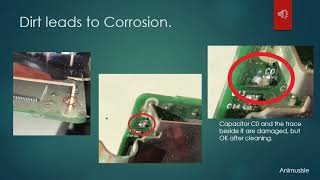
Est. part cost: $150-$250 - Faulty Totally Integrated Power Module (TIPM) 🔴 High Probability → Shop Fuse Box The TIPM on this platform is notoriously prone to internal failure from corrosion or faulty relays. It serves as the central gateway, and its failure can bring down the entire CAN bus network. This is the most common point of failure after basic electrical issues are ruled out. 🎬 Watch: How to diagnose and fix a TIPM 'No Bus' error
How to confirm: After ruling out battery and ground issues, this is diagnosed by exclusion. A mechanic may tap on the TIPM to see if it temporarily restores function. Advanced diagnostics involve checking for power and communication outputs from the TIPM to other modules, specifically the power feeds to the PCM.
Typical fix: Replace the TIPM with a new or remanufactured unit. This is a plug-and-play module but it is critical to match the part number exactly.
Est. part cost: $250-$600 - Poor Battery or Chassis Ground Connections 🟡 Medium Probability → Shop Vehicle Battery Corrosion on battery terminals or loose/corroded chassis ground straps can create high resistance, leading to voltage drops that disrupt module communication.
How to confirm: Visually inspect the battery terminals in the trunk for corrosion. Follow the main negative cable to its connection point on the chassis and check for tightness and corrosion. Inspect the main engine-to-chassis ground straps, typically found near the front of the engine and from the engine block to the firewall.
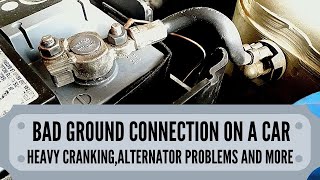
Typical fix: Disconnect the battery and thoroughly clean the terminals and cable ends with a wire brush. Clean and tighten all chassis and engine ground connections to bare metal. 🎬 Watch: How to diagnose and clean bad ground connections
Est. part cost: $5-$20 - Loose or Corroded Instrument Cluster Connector ⚪ Low Probability → Shop Instrument Cluster The instrument cluster is a key module on the CAN bus. Over time, the main connector behind it can become loose, causing intermittent loss of communication and the "no bus" error. This is a known quirk on the LX platform.
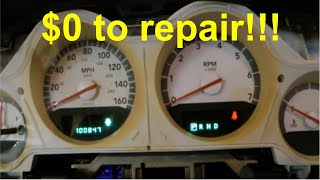
How to confirm: A common anecdotal test is to firmly press on or tap the dashboard above the cluster. If the gauges and communication return, it points to a loose connection. This is a well-known trick in owner forums. 🎬 See this quick video on fixing a dim or loose instrument cluster
Typical fix: Remove the instrument cluster, disconnect the main electrical connector, clean the pins with electrical contact cleaner, and reseat it firmly, ensuring the locking tab is engaged.
Est. part cost: $10-$20
Rare But Worth Checking
- Damaged CAN Bus Wiring: While less common than a faulty TIPM, wiring can be damaged from previous repairs, accidents, or rodent activity. A visual inspection of harnesses, especially near the TIPM and PCM, is worthwhile. The two CAN wires are twisted together; look for any breaks or shorts in this twisted pair.
- Faulty ABS or PCM Module: A single faulty module can sometimes short out the entire network, pulling it down. This is much harder to diagnose and usually requires unplugging modules one by one to see if communication is restored.
- Faulty Aftermarket Radio or Alarm: Improperly installed aftermarket electronics, especially radios or remote start systems, can backfeed voltage or create interference on the CAN bus, causing communication to drop. If the problems started after an accessory was installed, this is a primary suspect.
Diagnosis Steps
- Check Battery Health: Ensure the battery is fully charged (12.4V+ engine off) and passes a load test. A weak battery is the #1 cause of communication codes.
- Inspect Battery Terminals and Grounds: Check the battery terminals in the trunk for any corrosion or looseness. Follow the negative cable to the chassis and ensure the ground point is clean and tight. Inspect the main engine-to-chassis ground straps.
- Scan for All Codes: Use a high-quality OBD-II scanner that can read codes from all modules (ABS, BCM, TCM, etc.). Note which modules are not responding. This can help pinpoint the area of the fault.
- Check Fuses: Inspect all fuses in the TIPM (fuse box) related to the various control modules, especially those powering the PCM and other non-communicating modules.
- The "Tap Test": Gently tap on the TIPM with the handle of a screwdriver while an assistant tries to start the car. If the car starts or communication returns, the TIPM is almost certainly faulty.
- Inspect CAN Bus Wiring: Visually inspect the wiring harnesses going to and from the TIPM and PCM for any signs of chafing, melting, or rodent damage.
- Isolate Modules: This is an advanced step. By disconnecting modules one by one from the CAN bus network (often at a central 'star connector' located behind the dash), a technician can identify if a single module is shorting the network and bringing it down.
- Confirm TIPM Failure: If all other tests fail to find a cause, and especially if symptoms are intermittent and electrical in nature (e.g., horn honking, wipers activating on their own), the TIPM is the most likely culprit.
Parts You'll Likely Need
- Totally Integrated Power Module (TIPM)
(OEM #04692270, 04692170 (part numbers vary by year and options, e.g., 4692270AF, 4692170AG))— This is the most common point of failure on this platform for network communication issues. It's crucial to match the part number from your original unit, as several versions exist. The last two letters (e.g., AF, AG, AH) often denote revisions but are usually interchangeable.
Trusted brands: Mopar (OEM), Dorman (Aftermarket), MAKS TIPM Rebuilders (Remanufactured), GoECM (Remanufactured)
OEM price range: $500-$800
Aftermarket price range: $250-$600 - Battery — A weak or failing battery is the most common trigger for spurious communication codes. Always eliminate this possibility first.
Trusted brands: Interstate, DieHard, Optima
OEM price range: $200-$300
Aftermarket price range: $150-$250
Related Codes That Often Appear With This One
- U0100 — Lost Communication With ECM/PCM. This is a more specific code that often accompanies U1000, indicating the network has lost its connection specifically with the engine/powertrain computer.
- U0101 — Lost Communication with TCM. This indicates a loss of communication with the Transmission Control Module.
- U0121 — Lost Communication With Anti-Lock Brake System (ABS) Control Module. This is common when the ABS module is involved in the network failure.
Platform-Specific Known Issues
- The 'Pink Thingy' Shifter Lock Failure: A small pink plastic lever in the shift mechanism is famous for breaking, locking the car in Park. This is unrelated to the U1000 code but is the most well-known problem for this platform. Owners often get stranded. The fix is to replace the plastic part with a more durable metal aftermarket piece.
Mechanic-Grade Diagnostic Values
- CAN Bus Terminating Resistance — expected: 53.5 to 67 Ohms. Failure: A reading of ~120 Ohms indicates an open in the circuit or one of the two terminating resistors is offline. A reading below 53 Ohms indicates a short between the CAN High and CAN Low wires.
- CAN Bus Voltage — expected: CAN High (CAN H): ~2.5-3.5V. CAN Low (CAN L): ~1.5-2.5V. Both voltages should mirror each other around a 2.5V center point.. Failure: A voltage on either line that is stuck high (at 5V or 12V) or low (at 0V) indicates a short to power or ground. If both lines are at 0V, the module providing the bias may be offline or there's a major network short.
Scan Tool Commands That Help
- Chrysler wiTECH: View Network Topology / Roll Call — This is the primary function used by dealers to diagnose a U1000 code. The tool polls all expected modules on the network and displays a graphical map showing which modules are communicating (usually green) and which are offline (usually red). This instantly tells the technician where to begin checking for power, ground, and network wiring issues, preventing guesswork.
Wiring & Ground Locations
- Star Connector (CAN Bus Junction) — Located behind the glove box on the passenger side. You may need to remove the lower dash panel to access it.. This is the central hub where many CAN bus wires meet. It's a critical point for testing the network. A technician can disconnect branches of the network here to isolate a faulty module or wiring section that is bringing the whole network down.
- G300 — Below the driver's side 'B' pillar, near the floor.. This is a major chassis ground point. While not directly tied to a specific module in all cases, poor connection at a major ground like this can introduce electrical noise and voltage instability that leads to communication codes.
- G301 — Below the passenger's side 'B' pillar, near the floor.. This is the corresponding major chassis ground point on the passenger side. Like G300, ensuring it is clean and tight is a crucial basic step in diagnosing any electrical fault.
- Engine/Transmission Grounds — Multiple straps and wires connecting the engine block and transmission case to the chassis/frame rails. One key ground runs from the engine block to the K-member.. The PCM and TCM rely on a solid engine and transmission ground reference. A loose or corroded engine ground is a common cause of intermittent communication faults and no-start conditions.
Real Owner Repair Stories
- Forum user reports (2007 Dodge Charger) — Car would randomly stall, display 'no bus' on the dash, and all gauges would drop to zero. Multiple warning lights would illuminate. Sometimes would not restart for a period of time.
❌ Tried (didn't work) Replacing the battery, Cleaning battery terminals and chassis grounds, Tapping on the TIPM (sometimes worked temporarily)
✅ What actually fixed it Replacing the Totally Integrated Power Module (TIPM) with a remanufactured unit. The owner matched the part number exactly from the old unit. After replacement, all symptoms disappeared. - Anecdotal mechanic reports (2006-2010 Dodge Charger (multiple instances)) — U1000 code, 'no bus' error, intermittent no-start, and other random electrical issues appearing after a new aftermarket stereo was installed.
❌ Tried (didn't work) Checking fuses, Testing the battery
✅ What actually fixed it Disconnecting the aftermarket radio. The issue was traced to an improper wiring installation where the radio's harness was interfering with or shorting the CAN bus wiring. Re-wiring the stereo with the correct vehicle-specific adapter harness resolved the problem permanently. - NHTSA ODI #11562385 — An owner reported that their vehicle was stalling intermittently, a problem that became more frequent over time. Despite taking the car to three different repair shops, diagnostics only showed P0700 and U1000 codes, with technicians unable to identify the root cause of the stalling.
OEM Part Supersession History
04692270AE, 04692270AF, 04692270AG→04692270AH, 04692270AI, 04692270AJ— Internal revisions to improve reliability and address common failure points of the relays and circuit boards.
Heads up: Generally, a later revision (e.g., 'AJ') is backward-compatible with a vehicle that came with an earlier one (e.g., 'AF'). However, you must match the base part number (04692270). Using a TIPM from a different base number (e.g., 04692170) will not work due to different vehicle options.
Model Year Variations Within This Range
- 2009-2010: The 5.7L Hemi engine received updates in 2009, increasing horsepower. While this did not fundamentally change the U1000 diagnosis, some engine sensor inputs to the PCM are different, and the PCM software is not interchangeable with earlier models.
- 2006-2007 vs 2008-2010: There were running changes to the TIPM part numbers and internal designs throughout the generation. While the failure mode is the same, it is critical to order a replacement TIPM based on the specific part number on your car's original unit, not just the year.
Diagnostic Flowchart
Other Known Issues on This Vehicle
Issues unrelated to this code that are worth knowing about as an owner of this generation:
- Shifter Stuck in Park ('Pink Thingy' Failure) 🔴 High — Extremely common, especially on 2006-2007 models. The plastic interlock lever becomes brittle and breaks, preventing the shifter from moving out of Park. (Ref: No recall exists for this specific mechanical failure, though it is widely documented by owners.)
- Front Suspension Clunk/Rattle 🟠 Medium — Common issue where a clunking or rattling noise is heard from the front suspension, especially over bumps. Often caused by worn tension struts or sway bar bushings/end links. (Ref: TSB 02-007-14 addresses a clunk from tension strut bushings on police vehicles, but the issue is widespread on civilian models as well.)
- Premature Alternator Failure 🔴 High → Shop Alternator — Alternators on these vehicles, particularly the high-output units, are known to fail. Symptoms include dimming lights, battery warning light, whining noises, and eventual no-start conditions. (Ref: A recall was issued for faulty alternators on some models.)
- Transmission Shifting Problems 🟠 Medium → Shop Transmission Assembly — Owners report intermittent hard shifting, shuddering, and hesitation. These problems can sometimes be resolved with a PCM/TCM software update from a dealership. (Ref: Software updates were released to address shift quality.)
Used vs. New Parts: Buying Guide for This Vehicle
When a used part is the smart pick: For the Totally Integrated Power Module (TIPM), a used part from a junkyard can be a cost-effective option, BUT only if you can get the exact same part number and know it's from a vehicle that was not wrecked due to an electrical issue. A better option is a professionally remanufactured TIPM, which has been tested and had common failure points corrected.
Donor-vehicle mileage cap: roughly under 100000 miles for the part to have meaningful remaining life.
What to inspect on the donor part:
- For a TIPM, ensure the part number (including the final two letters) is an exact match or a known compatible supersession.
- Inspect the exterior for any signs of heat damage, melting, or cracks.
- Look at the fuse sockets and connector pins for any green or white corrosion, which indicates water damage.
- Ask the seller if the donor car was running before it was dismantled.
Aftermarket brands forum-validated for this vehicle:
- For TIPM replacement: Dorman (new aftermarket), GoECM (remanufactured), MAKS Enterprises (remanufactured/repair service).
Brands owners have reported issues with on this vehicle:
- Unbranded, no-name TIPMs from online marketplaces should be avoided due to a high risk of being untested or having incorrect programming.
Real Owner Stories
Aggregated from forums and TSBs cited above. Mileages and costs reflect what owners reported in those sources.
2006 Dodge Charger
Symptoms: The gear shift became stuck in Park, preventing the vehicle from being driven.
What fixed it: Replaced the broken internal plastic interlock lever (the 'pink thingy') with an aftermarket metal part.
Source hint: carcomplaints.com - 'Gear Shift Stuck in Park'
2006-2010 Dodge Charger
Symptoms: U1000 code and 'no bus' light appeared on the dash; gauges stopped working and the vehicle experienced electrical instability.
What fixed it: Diagnosed starting with battery and ground checks, eventually leading to TIPM inspection/replacement.
Source hint: chargerforums.com - 'U1000 code and no bus light on dash'
2005-2010 Chrysler 300
Symptoms: Experienced 'no bus' errors and U1000/U0100 codes identical to the Charger platform.
What fixed it: Addressed TIPM failure, battery issues, or ground problems to restore CAN bus communication.
Source hint: lxforums.com - Extensive discussions across the Charger, 300, and Magnum sections
2006 Dodge Charger
Symptoms: An owner reported frequent stalling and intermittent electrical issues. Diagnostics at multiple shops revealed P0700 and U1000 codes, but technicians were initially unable to determine the cause of the stalling.
What fixed it: NHTSA ODI #11562385 describes this ongoing struggle with stalling and communication codes that remained unresolved after multiple shop visits.
Source hint: NHTSA ODI #11562385
Related OBD-II Codes
Frequently Asked Questions
Why does my 2006-2010 Dodge Charger display a 'no bus' message on the instrument cluster?
Is there a recall for the shifter getting stuck in Park on my Charger?
Can a bad battery in the trunk cause a U1000 code?
Is there a TSB for the front suspension clunking on my Charger?
Why did my horn and wipers start acting on their own along with the U1000 code?
Does the Chrysler 300 have the same U1000 issues as my Dodge Charger?
Helpful Videos

Used OEM Parts in Stock
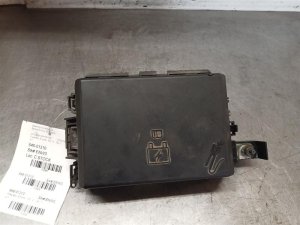

New Aftermarket Parts Available


The information in this article is provided for general reference and educational purposes only. Vehicle specifications, procedures, and part compatibility can vary by production date, trim level, and region. Always consult your vehicle's factory service manual and verify part numbers before purchasing or performing repairs. Safety-critical components such as airbags, seat belts, and braking systems should be installed by a qualified professional.
- Dodge Charger:
- 🧭 Diagnostic Flowchart
- 🎬 Helpful Videos
- 🛍️ Shop This Part
- What's Unique About the 2006-2010 Dodge Charger
- Symptoms You May Notice
- Most Likely Causes
- Rare But Worth Checking
- Diagnosis Steps
- Parts You'll Likely Need
- Related Codes That Often Appear With This One
- Platform-Specific Known Issues
- Mechanic-Grade Diagnostic Values
- Scan Tool Commands That Help
- Wiring & Ground Locations
- Real Owner Repair Stories
- OEM Part Supersession History
- Model Year Variations Within This Range
- Other Known Issues on This Vehicle
- Used vs. New Parts: Buying Guide for This Vehicle
- Real Owner Stories
- 2006 Dodge Charger
- 2006-2010 Dodge Charger
- 2005-2010 Chrysler 300
- 2006 Dodge Charger
- Related OBD-II Codes
- Frequently Asked Questions
- 🎟️ Get 5% Off