

U1000 on 2017-2022 Kia Sportage: Causes and Fixes for Network Communication Failure
Code U1000 on a 2017-2022 Kia Sportage indicates a network communication failure. Before suspecting expensive modules, check the battery, all ground connections, and any aftermarket electronics. The infotainment/radio system and related accessories like illuminated door sills are known sources of network issues and parasitic drain on this platform.
- U1000 is a network failure code, not a specific part failure. Diagnosis is key.
- Always check the battery, its connections, and chassis grounds first. These are the simplest and most common fixes.
- On the 2017-2022 Sportage, pay close attention to the infotainment system and any aftermarket electronics, as they are a known source of network problems.
- Do not replace any expensive control modules unless a thorough diagnostic process has proven it is the source of the fault.
- This is a difficult DIY repair. Professional help is strongly recommended due to the need for specialized tools and knowledge.
What's Unique About the 2017-2022 Kia Sportage
For the fourth-generation Kia Sportage (QL), there are no widespread, official TSBs for the U1000 code itself. However, owner experiences and technical articles point towards the infotainment system and connected accessories as a particularly sensitive area. Improperly installed aftermarket head units, dash cams, or even factory-installed accessories like illuminated door sills have been reported to cause CAN bus communication to stay active when the car is off, leading to parasitic battery drain and network fault codes. A Reddit user with a 2021 Sportage traced a persistent parasitic drain, which can cause communication codes, to the illuminated door sill plates. Therefore, any diagnosis of a U1000 on this vehicle should pay special attention to the radio and any connected aftermarket or dealer-installed electronic accessories.
Symptoms You May Notice
- Check Engine Light is on
- Multiple warning lights on the dashboard (e.g., ABS, Traction Control, Airbag)
- Vehicle may not start or may stall unexpectedly
- Transmission may shift erratically or enter 'limp mode'
- Electrical glitches, such as power windows, radio, or climate controls not working
- Loss of power steering or other safety features
- Battery drains overnight or after a short period of being parked
- Replacing the Engine Control Module (ECM) or other control modules without performing a full network diagnosis.
- Replacing sensors when the issue is a network-wide communication failure.
- Replacing the battery without checking for an underlying parasitic drain from an aftermarket accessory or faulty module.
Most Likely Causes
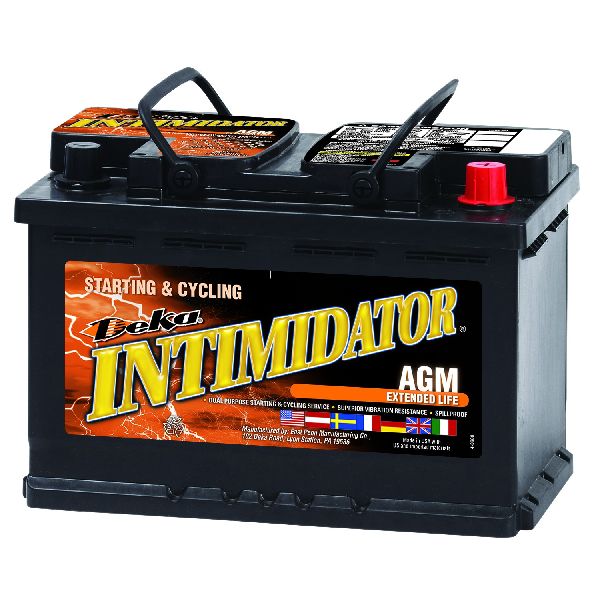
- Weak or Failing Battery 🔴 High Probability → Shop Vehicle Battery Modern vehicles are highly sensitive to voltage fluctuations. A battery that is even slightly weak can cause modules to fail to initialize correctly during startup, triggering communication codes.
How to confirm: Test the battery voltage with a multimeter. A healthy, fully charged battery should read approximately 12.6 volts with the engine off. With the engine running, it should be around 13.7 to 14.7 volts. A voltage drop during startup can trigger communication codes. Many auto parts stores will test your battery for free.
Typical fix: Recharge or replace the battery. Ensure the new battery meets or exceeds OEM specifications. In cross-manufacturer reports like NHTSA ODI #11653700, owners have noted that simply replacing the battery may not solve the issue if a deeper communication circuit problem exists.
Est. part cost: $150-$300 - Poor Ground Connections 🔴 High Probability Corrosion on main ground points is a common issue that can cause a wide range of electrical faults, including CAN bus errors. A common failure point is the main chassis ground near the strut tower or under the battery tray, which is exposed to the elements.
How to confirm: Visually inspect the main battery, chassis, and engine ground straps for corrosion, looseness, or damage. Key locations include the strap from the battery negative terminal to the chassis (often on the inner fender or strut tower) and the engine block to the chassis. Clean the contact points with a wire brush and re-secure the connections. A voltage drop test between the battery negative post and the chassis/engine block can confirm a bad ground. NHTSA ODI #10681194 highlights that the U1000 code is frequently associated with a "ground harness problem."
Typical fix: Clean, tighten, or replace the corroded ground straps or cables.
Est. part cost: $20-$60 - Faulty or Improperly Installed Aftermarket Electronics 🟡 Medium Probability The infotainment system is deeply integrated into the CAN bus. Improperly tapping into CAN wires for aftermarket radios, amplifiers, or dash cams is a common cause of network interference. Even some aftermarket LED bulbs without proper Canbus integration can cause electrical noise and faults.
How to confirm: Temporarily disconnect any aftermarket devices one by one, clear the codes, and see if the U1000 code returns. Pay close attention to the radio/head unit and any devices connected via the OBD-II port.
Typical fix: Remove the device or reinstall it using a proper CAN bus adapter harness, such as the CTSKI013.2 or similar.
Est. part cost: $50-$150 for a proper adapter - Damaged CAN Bus Wiring Harness 🟡 Medium Probability
How to confirm: Visually inspect wiring harnesses for chafing, breaks, or corrosion, especially in areas exposed to moisture or vibration, such as near the battery tray or in the engine bay. A professional will use a multimeter to check for correct resistance (approx. 60 ohms between CAN High and CAN Low at the OBD-II port with the battery disconnected) and check for shorts to power or ground.
Typical fix: Repair the specific section of damaged wire. This requires skill in soldering and insulating automotive wiring.
Est. part cost: $10-$50 for wiring repair supplies - Infotainment System Software Glitch or Accessory Fault ⚪ Low Probability Forum and TSB data suggest software issues in the factory navigation unit can cause the CAN bus to remain active, leading to faults and battery drain. TSB SA569 addresses software updates for the head unit to fix connectivity issues, which can be related. In one documented case, a factory-installed illuminated door sill was the source of a parasitic drain causing these issues.
How to confirm: Check with a Kia dealer for any available infotainment software updates (such as TSB SA569). As a temporary test, a technician might disconnect the radio or other accessories like door sills to see if the fault clears.
Typical fix: Update the head unit software at a Kia dealership or disconnect the faulty accessory.
Est. part cost: $0-$300 depending on warranty status and the specific fix
Rare But Worth Checking
- Faulty Control Module: A control module (like the BCM, ECM, or ABS module) can fail internally and either stop communicating or flood the network with bad data. This should be the last diagnosis after all wiring, power, and ground issues have been ruled out, as it is an expensive and often misdiagnosed problem. NHTSA ODI #10970695 describes a scenario where an instrument cluster failure prevented the BCM from communicating, leading to a U1000 code.
Diagnosis Steps
- Check Battery Health: Start with the simplest cause. Test the battery's state of charge and the alternator's output. Ensure battery terminals are clean and tight. A weak battery is a very common cause.
- Scan for All Codes: Use an advanced scan tool capable of reading codes from all modules (Engine, Transmission, ABS, Body, etc.). Note which modules are not responding—this is a critical clue. NHTSA ODI #10171770 notes that a U1000 may appear alongside other communication codes like U1016 or U1088 when a vehicle loses ignition input.
- Disconnect Aftermarket Devices: If any aftermarket electronics (radio, remote start, dash cam, OBD-II dongles) are installed, disconnect them completely. Clear the codes and see if the problem persists.
- Inspect Grounds: Visually inspect and test the main ground points from the battery to the chassis and from the chassis to the engine block. Look for corrosion or looseness. Clean and tighten as necessary.
- Check Fuses: Check all fuses related to the various control modules, including those in the interior and engine bay fuse boxes. A wiring diagram can help identify relevant fuses.
- Perform a Parasitic Draw Test: If the battery is draining, perform a parasitic draw test with a multimeter to see if a module is staying awake after the car is turned off. Isolate the circuit by pulling fuses one by one.
- Inspect CAN Bus Wiring: Perform a visual inspection of the CAN bus wiring harnesses for any obvious signs of damage, corrosion, or loose connectors. A wiring diagram is essential here.
- Test CAN Bus Resistance: With the battery disconnected, measure the resistance between Pin 6 (CAN High) and Pin 14 (CAN Low) on the OBD-II port. A healthy network should read approximately 60 ohms. A reading of 120 ohms suggests a missing terminating resistor or a break in the circuit. A reading near 0 ohms indicates a short circuit.
- Isolate the Faulty Module: If a specific module is suspected (e.g., from other U-codes), a technician may disconnect it from the network to see if communication is restored among the other modules. If the network comes back online, the disconnected module is likely the cause.
Parts You'll Likely Need
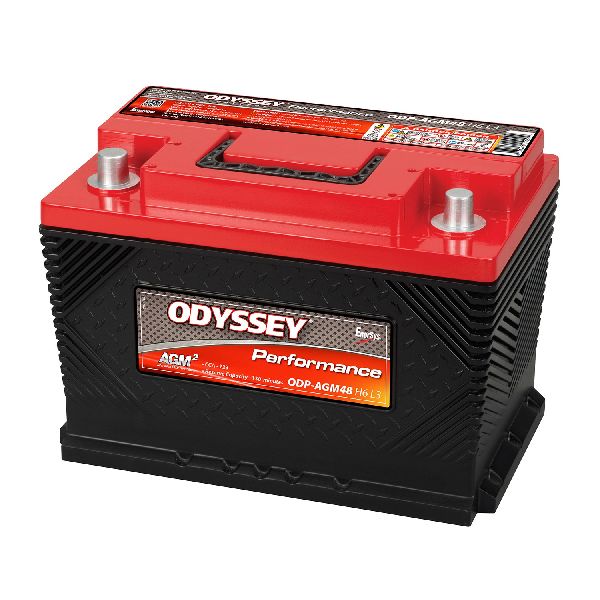
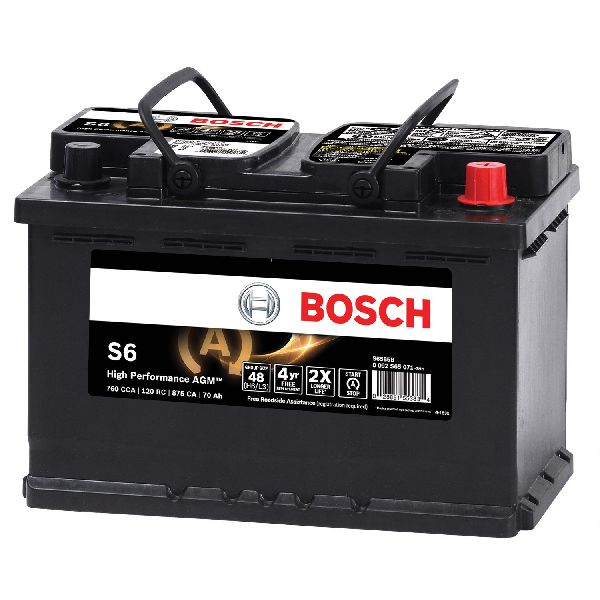
- Battery — Low system voltage from a weak or failing battery is one of the most common triggers for communication fault codes.
Trusted brands: Bosch, Duralast, Interstate
OEM price range: $200-$350
Aftermarket price range: $150-$300 - Ground Strap/Cable — Corroded or broken ground connections are a frequent cause of intermittent and widespread electrical faults, including CAN bus communication errors.
Trusted brands: Standard Motor Products, Dorman, Kia OEM
OEM price range: $40-$80
Aftermarket price range: $20-$60
Related Codes That Often Appear With This One
- U0100, U0101, U0121, etc. — These are specific 'Lost Communication' codes for the ECM, TCM, ABS module, etc. A U1000 often appears with one or more of these codes, which can help pinpoint which module is offline or where the network fault lies.
- P0562 — This code means 'System Voltage Low' and often accompanies network codes like U1000 because low battery voltage is a primary cause of communication failures.
Technical Service Bulletins (TSBs) & Recalls
- SA569: Addresses software updates for Display Audio 2.0 and AVN5W head units in 2022-2023 models to fix various connectivity concerns, which can be related to network stability.
Platform-Specific Known Issues
- Parasitic Drain from Accessories: This generation of Sportage is sensitive to parasitic battery drains caused by both aftermarket and factory-installed accessories. A documented case on Reddit identified the official illuminated door sills as the culprit for a drain that would kill the battery overnight. The Kia Connect app has also been implicated by some owners for causing drains by keeping the car's communication systems active.
Documented NHTSA Reports
- NHTSA ODI #11727548 describes a "systemic U1000 Electrical Network Jam" that occurred when a vehicle was stuck in a factory debug mode, which also resulted in critical failures such as disabled airbags.
- NHTSA ODI #10171770 reports that a vehicle stalling was linked to a loss of ignition input, triggering a U1000 code along with several other communication faults.
- NHTSA ODI #11653700 highlights a case where a U1000-01 code persisted even after a battery replacement, indicating the root cause was a communication circuit problem rather than a simple power issue.
Mechanic-Grade Diagnostic Values
- CAN Bus Resistance — expected: Approximately 60 Ω. Failure: A reading of 120 Ω indicates a break in the bus or a missing terminating resistor. A reading near 0 Ω indicates a short between CAN High and CAN Low wires.
- CAN Bus Baud Rate — expected: 500k. Failure: N/A (This is a configuration parameter, not a diagnostic reading).
- Ground Connection Resistance — expected: Less than 0.1 Ω. Failure: Any reading significantly higher than 0.1 Ω indicates a poor ground connection that needs to be cleaned or repaired.
Scan Tool Commands That Help
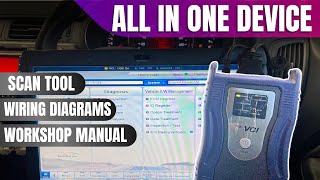
- Kia GDS (Global Diagnostic System): DTC Analysis — To perform a full network scan and identify which specific modules are reporting errors or are not communicating.
- Kia GDS (Global Diagnostic System): Actuation Test — To command specific components on a module to operate (e.g., commanding the throttle body motor). This helps verify if a module is online and capable of controlling its outputs, even if it has communication issues.
- Kia GDS (Global Diagnostic System): Vehicle S/W Management — Used for special functions like resetting adaptive values, writing a VIN to a new module, or performing software updates on control units like the BCM or ECM.
Wiring & Ground Locations
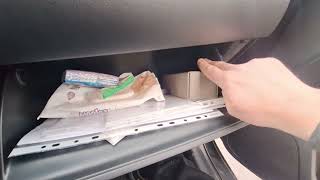
- Body Control Module (BCM) / Smart Junction Box (SJB) — Located behind the glove box on the passenger side of the dashboard.. The BCM on this platform acts as the Central Gateway (CGW) for the various CAN networks. A fault in the BCM or its connections can bring down the entire network, causing a U1000 code.
- Main Chassis Ground — Commonly located on the inner fender/strut tower area or under the battery tray in the engine compartment.. This is a primary ground point for many modules. Corrosion in this exposed area is a very common cause of high resistance, leading to intermittent voltage drops and communication failures across the network.
- Multipurpose Check Connector — Located inside the engine room fuse and relay box.. This is a diagnostic junction point where multiple CAN lines converge. A technician can use this point to isolate and test different segments of the CAN bus network without having to access each individual module.
- Instrument Cluster Fuse ('CLUSTER') — A 10-amp fuse located in the passenger compartment fuse box, on the dashboard next to the driver's door.. The instrument cluster is a major node on the CAN bus. A blown fuse can take the cluster offline, causing a communication fault. If the cluster is blank or malfunctioning along with a U1000 code, this fuse is a primary check.
OEM Part Supersession History
91950-D9650→91955-D9660— Part update for later model years.
Heads up: The Smart Junction Box (BCM) part number changed for the 2020 model year refresh. 91950-D9650 is listed for 2018-2019 models, while 91955-D9660 is for 2020-2022. Using the wrong part number may lead to incompatibility.
Model Year Variations Within This Range
- 2020-2022: The 2020 model year received a facelift that included technology updates, such as a standard 8-inch touchscreen, revised driver aids, and new 'GT-Line' trims. This also coincided with a change in the part number for the Smart Junction Box / BCM, suggesting potential electrical architecture differences from the 2017-2019 models.
Diagnostic Flowchart
Other Known Issues on This Vehicle
Issues unrelated to this code that are worth knowing about as an owner of this generation:
- Theta II Engine Failure and Fire Risk 🔴 High — Widespread across millions of Hyundai/Kia vehicles with 2.4L GDI and 2.0L Turbo GDI engines. Can occur at various mileages. (Ref: Multiple recalls (e.g., NHTSA 17V-224, 18V-907) and a major class-action settlement have been issued. The issue stems from manufacturing debris causing premature connecting rod bearing wear, which can lead to engine seizure and non-collision fires.)
- Excessive Oil Consumption 🟠 Medium — Commonly reported for the 2.4L GDI engine, often preceding engine failure. (Ref: Related to the broader Theta II engine issues and settlement.)
- Electrical System Complaints 🟠 Medium — The electrical system is the second most common source of NHTSA complaints for this generation, after the engine. Issues range from malfunctioning headlights to parasitic drains. (Ref: Recalls like 21V-137 for a potential short circuit in the HECU (Hydraulic Electronic Control Unit) can cause fire risk and may be related to electrical faults.)
- Transmission Problems 🟡 Low → Shop Transmission Assembly — Some owners report issues like delayed or rough shifting.
Used vs. New Parts: Buying Guide for This Vehicle
When a used part is the smart pick: A used Body Control Module (BCM) / Smart Junction Box (SJB) can be a cost-effective option, but only if the part number is an exact match to the original and you have access to a professional who can program it.
Donor-vehicle mileage cap: roughly under 100000 miles for the part to have meaningful remaining life.
What to inspect on the donor part:
- Verify the OEM part number on the used module's label matches your original module exactly.
- Inspect the module and its connectors for any signs of water damage, corrosion, or physical damage.
- Obtain the VIN of the donor vehicle if possible to cross-reference its original features and options.
OEM-only on this vehicle (don't cheap out):
- Body Control Module (BCM) / Smart Junction Box (SJB): While a used OEM part is viable, aftermarket BCMs are not recommended. All replacements, new or used, require VIN-specific programming by a Kia dealer or a qualified locksmith/technician with a GDS tool.
Brands owners have reported issues with on this vehicle:
- Generic, unbranded control modules.
Real Owner Stories
Aggregated from forums and TSBs cited above. Mileages and costs reflect what owners reported in those sources.
2021 Kia Sportage
Symptoms: Severe parasitic battery drain that would kill the battery overnight.
What fixed it: The diagnostic process identified the official illuminated door sill plates as the cause of the drain.
Source hint: Reddit r/kia thread titled 'Parasitic drain on a 2021 Kia Sportage'
2023 Kia Sportage
Symptoms: Frequent battery drain issues.
What fixed it: Suggestions included performing infotainment resets and addressing potential drains from dashcams or key fob proximity.
Source hint: Reddit r/kiasportage thread titled 'Frequent battery drain'
2022 Kia Sportage
Symptoms: Connectivity concerns and network instability related to the head unit.
What fixed it: Software update for Display Audio 2.0 / AVN5W head units per TSB SA569.
Source hint: TSB SA569
Owner Reported Electrical Failure
Symptoms: An owner reported that their vehicle lost ignition input when it stalled, showing codes U1000, U1016, U1152, B1372, and U1088.
What fixed it: The ignition switch was replaced with a new unit to resolve the loss of input.
Source hint: NHTSA ODI #10171770
Diagnostic Communication Failure
Symptoms: A technician found that the instrument cluster had no communication despite power and ground being present, resulting in a U1000 and CAN system diagnosis failure.
What fixed it: The instrument cluster required replacement and programming to restore BCM communication.
Source hint: NHTSA ODI #10970695
Related OBD-II Codes
Frequently Asked Questions
My 2022 Kia Sportage has connectivity issues; is there a software update for the head unit?
Can the Kia Connect app cause my Sportage battery to drain and trigger communication codes?
I have a 2021 Sportage with a battery that dies overnight. Could it be a factory accessory?
Where is the most common ground failure point on the 2017-2022 Sportage?
What is the correct CAN bus resistance reading for a Sportage at the OBD-II port?
Will an aftermarket radio cause a U1000 code in my Sportage?
Helpful Videos
We Have This Part in Stock


The information in this article is provided for general reference and educational purposes only. Vehicle specifications, procedures, and part compatibility can vary by production date, trim level, and region. Always consult your vehicle's factory service manual and verify part numbers before purchasing or performing repairs. Safety-critical components such as airbags, seat belts, and braking systems should be installed by a qualified professional.
- Kia Sportage:
- 🧭 Diagnostic Flowchart
- 🎬 Helpful Videos
- 🛍️ Shop This Part
- What's Unique About the 2017-2022 Kia Sportage
- Symptoms You May Notice
- Most Likely Causes
- Rare But Worth Checking
- Diagnosis Steps
- Parts You'll Likely Need
- Related Codes That Often Appear With This One
- Technical Service Bulletins (TSBs) & Recalls
- Platform-Specific Known Issues
- Documented NHTSA Reports
- Mechanic-Grade Diagnostic Values
- Scan Tool Commands That Help
- Wiring & Ground Locations
- OEM Part Supersession History
- Model Year Variations Within This Range
- Other Known Issues on This Vehicle
- Used vs. New Parts: Buying Guide for This Vehicle
- Real Owner Stories
- 2021 Kia Sportage
- 2023 Kia Sportage
- 2022 Kia Sportage
- Owner Reported Electrical Failure
- Diagnostic Communication Failure
- Related OBD-II Codes
- Frequently Asked Questions
- 🎟️ Get 5% Off