

U1000 on 2013-2017 Nissan Armada: Causes and Fixes for CAN Communication Failure
U1000 on a Nissan Armada signals a communication failure between the vehicle's computers. The most common causes are poor ground connections, a weak battery, or damaged wiring, not a failed computer. Start by testing the battery and cleaning all major ground points—specifically the negative cable's connections to the chassis and engine block—before considering expensive part replacements.
- U1000 is a network communication problem, not a specific part failure. Do not replace any computers until you have performed basic checks.
- The most likely and cheapest fixes are to test the battery and thoroughly clean all major ground connections, especially the main battery ground.
- This year range covers two completely different Armada generations (2013-2015 and 2017), which have different electrical layouts and potential failure points.
- Due to the complexity of network diagnostics, professional help is strongly recommended if the issue isn't a simple battery or ground problem.
What's Unique About the 2013-2017 Nissan ARMADA
This year range covers two completely different Armada generations: the first-generation TA60 (2013-2015), based on the Nissan Titan, and the second-generation Y62 (2017), based on the global Nissan Patrol. While the U1000 code's meaning is the same for both, the physical locations of wiring, grounds, and modules are entirely different. For the 2013-2015 (TA60) models, corroded grounds and failing Intelligent Power Distribution Modules (IPDM) are well-documented issues shared with the Titan. For the 2017 (Y62) model, a specific Technical Service Bulletin (NTB17-020) links the U1000 code to a P0090 fuel pressure fault, and technicians have reported issues with swapped connectors after major repairs.
Diagnostic Flowchart
Tap your situation to follow the diagnostic path that matches what you're seeing on this vehicle.
Generation note: The 2013-2017 range includes the first-gen TA60 (2013-2015) and the second-gen Y62 (2017). There was no 2016 US model. These generations share almost no parts, so causes and repair procedures are platform-specific. The TA60 shares its electrical architecture with the 2004-2015 Nissan Titan, while the Y62 is shared with the 2011+ Infiniti QX80/QX56.
Symptoms You May Notice
- Check Engine Light is on
- ABS, VDC, and/or SLIP warning lights are illuminated
- Erratic or non-functional gauges
- Engine stalling, hesitation, or lack of power
- Transmission shifting issues or getting stuck in a gear
- Electrical glitches (e.g., power windows, climate control, horn, wipers not working)
- In some cases, a no-start or intermittent no-start condition
- Automatic emergency braking system malfunction warning
- Hard steering feel (if power steering module loses communication)
- Replacing the Engine Control Module (ECM) or the module that stored the U1000 code. TSB NTB10066A explicitly warns that the module reporting the code is usually not the one that has failed. A user on Reddit described replacing an ECU only to have the U1000 code remain because the root cause was elsewhere.
Most Likely Causes
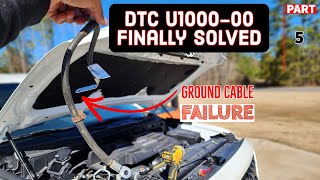
- Poor or Corroded Ground Connections 🔴 High Probability Nissan TSBs and extensive owner feedback for this platform and its mates (Titan/QX80) point to corroded or loose main battery and chassis grounds as a primary cause of intermittent network issues. The negative battery cable assembly, with its multiple connection points, is a known weak spot.
How to confirm: Visually inspect the main negative battery cable connections to the chassis (inner fender) and the engine block. A voltage drop test across the ground path is the definitive test. However, the most practical approach is to disconnect, use a wire brush to clean all contact points (cable eyelets, chassis, and block surfaces) to bare, shiny metal, and re-secure them tightly.
Typical fix: Clean and tighten all ground connection points. If the cable end or wire is heavily corroded, replace the entire negative battery cable assembly.
Est. part cost: $5-$125 - Weak or Failing Battery 🔴 High Probability → Shop Vehicle Battery Low system voltage (below 10V), especially during the high current draw of engine cranking, can cause multiple control modules to drop off the CAN network simultaneously, triggering a U1000 code. This often happens after a vehicle has been sitting or after a careless battery replacement.
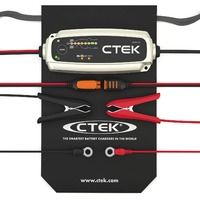
How to confirm: Perform a battery load test using a digital battery tester. A simple voltage check is insufficient, as a failing battery can show 12V at rest but collapse under load. The battery should maintain above 9.6V during a load test.
Typical fix: Replace the vehicle's 12V battery.
Est. part cost: $150-$350 - Damaged Wiring or Connectors 🟡 Medium Probability Wiring harnesses can be damaged by rodents, previous repairs, or chafing against chassis components. On the 2017 model specifically, two different module connectors (for the power steering control unit and tire pressure control unit) are physically identical and located next to each other. They can be swapped by mistake during repairs, causing U1000 codes and TPMS/steering issues.
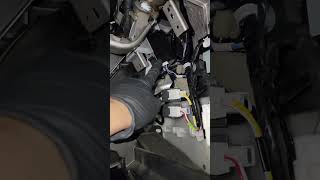
How to confirm: Visually inspect harnesses for damage. For 2017 models, if recent work was done, verify the power steering and tire pressure module connectors are not swapped. 🎬 Watch: Troubleshooting U1000 codes after a major harness replacement. The power steering connector has a red wire at pin 1, while the TPMS connector has a pink wire at pin 1.
Typical fix: Repair the damaged section of the wiring harness or correct swapped connectors.
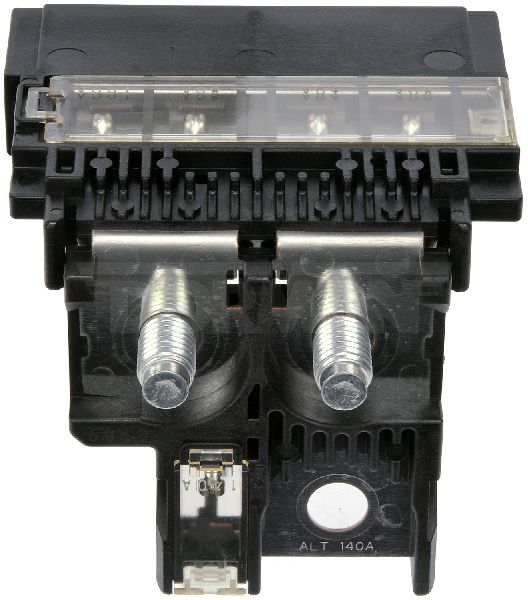
Est. part cost: $10-$500 - Failing Intelligent Power Distribution Module (IPDM E/R) 🟡 Medium Probability → Shop Fuse Box Especially on the TA60 (2013-2015) platform shared with the Titan, the IPDM is a known failure point. It's a 'smart' fuse/relay box prone to internal corrosion and relay failure, particularly the ECM relay. This can cut power to essential modules, causing them to drop off the network.
How to confirm: An advanced scan tool may show the IPDM itself is not detected. A common symptom is a crank-no-start where the fuel pump doesn't prime. The IPDM has a built-in self-test (Auto Active Test) 🎬 Watch: Pro tips for diagnosing Nissan IPDM and relay issues. that can be initiated to check its outputs. Visual inspection of the fuses and the underside of the module for corrosion is also recommended.
Typical fix: Replace the IPDM E/R. This is typically a plug-and-play part.
Est. part cost: $150-$400 - Failing Control Module ⚪ Low Probability Any module on the network (ECM, BCM, ABS, etc.) can fail internally, causing it to stop communicating or flood the network with corrupt data.
How to confirm: This requires an advanced scan tool to perform a network test or 'module roll-call' to see which specific module is not responding. After confirming the module has good power and ground, the module itself becomes the prime suspect.
Typical fix: Replace the failed control module and perform any necessary programming or configuration.
Est. part cost: $200-$1500
Rare But Worth Checking
- Faulty Aftermarket Electronics: Improperly installed remote starters, alarms, or stereos tapped into the CAN bus can disrupt communication and trigger a U1000 code.
- Blown Fuse: A fuse that powers a specific control module may be blown, causing that module to go offline and trigger a U1000 in other modules.
Diagnosis Steps
- Check and record all stored DTCs from all modules using an advanced scan tool. Note which modules have stored the U1000 code and, more importantly, which modules are not communicating at all.
- Perform a battery and charging system test. Ensure the battery is fully charged and passes a load test. A weak battery is a very common cause.
- Disconnect the battery. Inspect, clean, and tighten all main battery and chassis ground connections. This is the most common fix. For the TA60 (2013-2015), pay close attention to the negative cable assembly 🎬 See how a faulty ground cable causes communication errors. (Part #24080-ZR00A). For the Y62 (2017), check assembly #24080-1LA0A. Use a wire brush to clean all contact points to bare metal.
- Inspect all fuses related to control modules (ECM, BCM, TCM) in both the engine bay (IPDM) and interior fuse boxes.
- Reconnect the battery, clear all codes, and drive the vehicle to see if the code returns. If it does not, the issue was likely a poor connection or temporary glitch.
- If the code returns, use an advanced scan tool to perform a CAN network test to identify which specific module(s) are not communicating.
- Once the non-communicating module is identified, inspect its connectors for corrosion or damage and test its dedicated power and ground circuits using a multimeter.
- For 2017 models, if recent repairs were performed, physically verify the Power Steering and TPMS module connectors are not swapped. They are located next to each other.
- If wiring, power, and ground to the module are confirmed good, the module itself is the likely point of failure.
Parts You'll Likely Need
- Battery Ground Cable
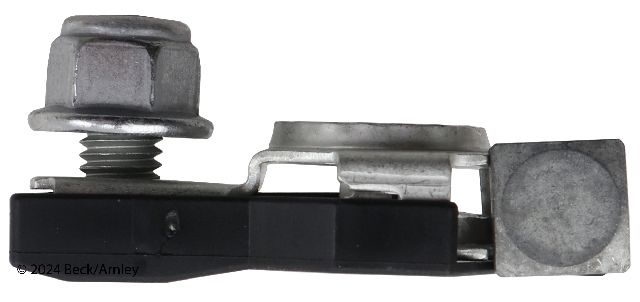
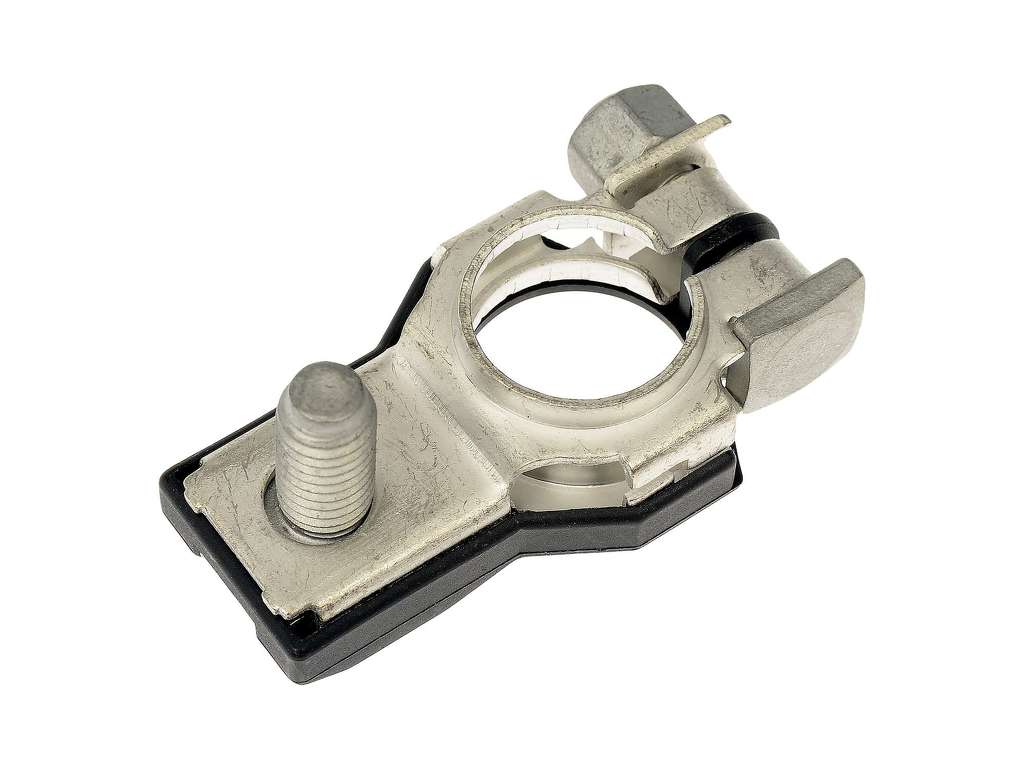
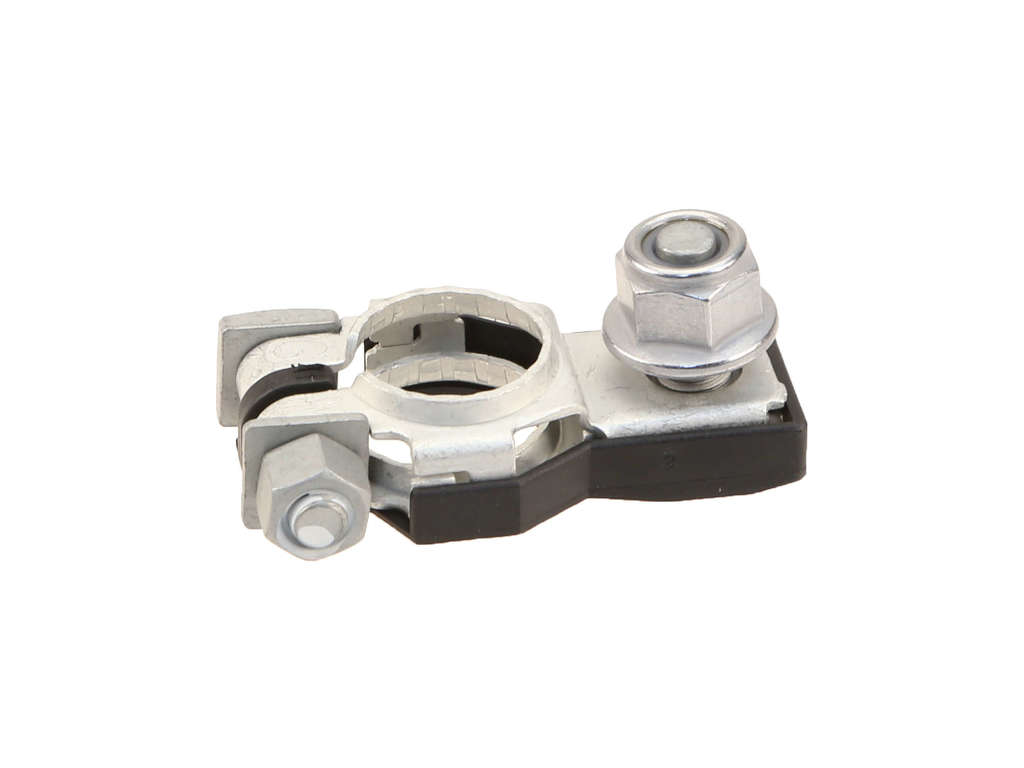
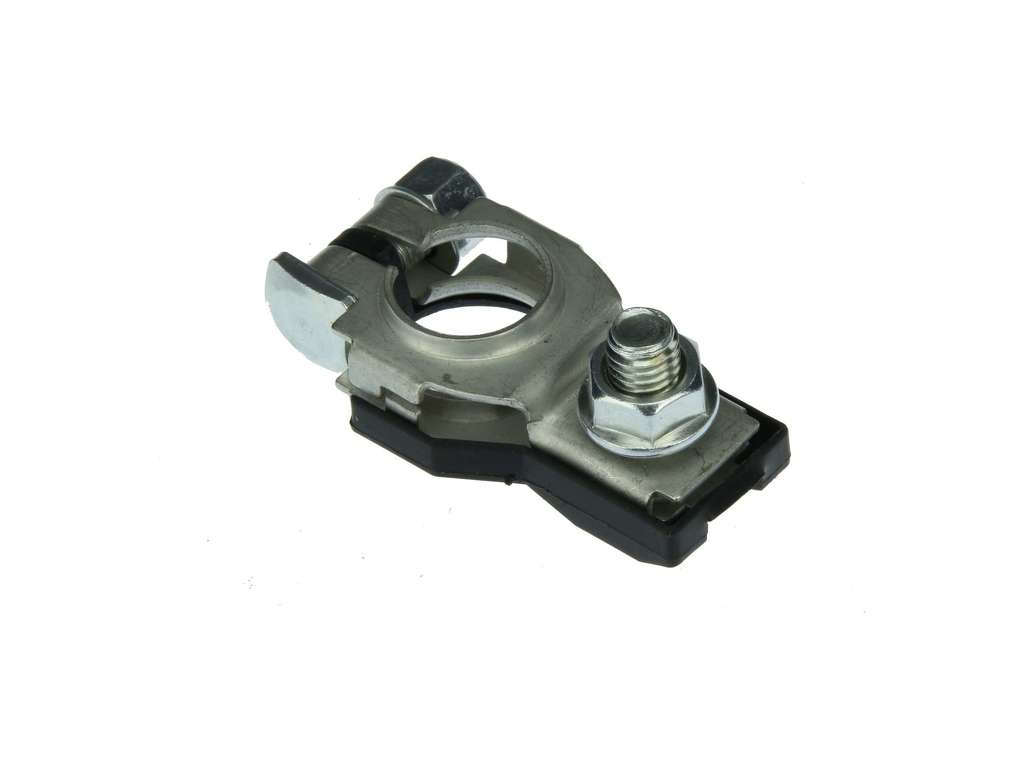
(OEM #24080-ZR00A (for 2013-2015 TA60 models) or 24080-1LA0A (for 2017 Y62 models))— The factory ground connections are a known weak point and can corrode, causing voltage drops that disrupt the CAN network
Related Codes That Often Appear With This One
- U1001 — This is another CAN communication code, often set alongside U1000, indicating a widespread network issue.
- P0090 — On the 2017 Armada, TSB NTB17-020 specifically notes that U1000 can be stored along with P0090 (Fuel Rail Pressure Control System), indicating the fuel pressure issue should be diagnosed first.
- P1610, P1614 — These are immobilizer (NATS) related codes. They can appear with U1000 during a no-start condition when the BCM, IPDM, and Immobilizer modules fail to communicate to authorize starting.
Technical Service Bulletins (TSBs) & Recalls
- NTB17-020: 2017 ARMADA; MIL ON WITH P0090 AND U1000 AND/OR U1001 STORED
- NTB10066A: SERVICE INFORMATION Related to communication codes U1000, U1001, U1002, U1010. States that the module reporting U1000 is typically operating normally.
Platform-Specific Known Issues
- On 2017 models, TSB NTB17-020 indicates that a U1000 code may appear with a P0090 code, pointing to a fuel pressure control system issue that should be diagnosed.
- A technician documented on YouTube that on a 2017 Armada, after a main harness replacement, U1000 codes were caused by swapping the identical connectors for the power steering control unit and the tire pressure control unit, which are located next to each other.
- On 2013-2015 models, the Intelligent Power Distribution Module (IPDM) in the engine bay is a common failure point that can cause a U1000 code along with a no-start condition.
Mechanic-Grade Diagnostic Values
- CAN Bus Network Resistance — expected: ~60 Ω (measured between CAN-H and CAN-L pins at the OBD-II port with battery disconnected). Failure: A reading of ~120 Ω indicates an open circuit or a missing terminating resistor. A reading near 0 Ω indicates a short between the CAN High and Low wires.
- Ground Cable Voltage Drop — expected: < 0.2 Volts. Failure: A voltage drop greater than 0.2V across a ground cable (e.g., from the battery negative post to the chassis) while the circuit is under load indicates excessive resistance from corrosion or a poor connection.
- CAN Bus Terminating Module Resistance — expected: ~120 Ω. Failure: When a terminating module (like the ECM or IPDM) is disconnected, its internal resistance across its CAN pins should be ~120 Ohms. A significantly different reading suggests a faulty module.
Scan Tool Commands That Help
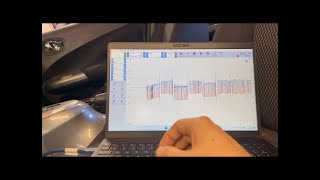
- Nissan CONSULT-III / CONSULT-III plus: CAN Diag Support Monitor — This is the primary dealership-level function to diagnose U1000. It displays a live network map showing which modules are communicating and which are offline, allowing the technician to quickly identify the source of the communication loss.
- Manual Procedure (No Scan Tool): IPDM E/R Auto Active Test — This built-in self-test confirms the IPDM's ability to communicate and control various systems (wipers, lights, A/C clutch). To initiate, turn the ignition ON, press the driver's door switch 10 times within 20 seconds, turn ignition OFF, then turn ignition back ON. A horn chirp confirms activation. If the test runs, it confirms the CAN communication between the BCM and IPDM is likely functional.
Wiring & Ground Locations
- TA60 Main Ground Points — On the first generation (2013-2015), the most critical ground points are the negative battery cable connections to the inner fender/chassis and the engine block.. Corrosion or looseness at these primary ground points introduces voltage drops that are a primary cause of CAN communication failures on this platform.
- Y62 Main Ground Point — On the second generation (2017), a key body earth point is located near the engine oil dipstick, attached with a 10mm bolt.. This is a primary chassis ground connection. The OEM battery has a shunt on the negative post, so grounding accessories directly to the post is discouraged; this body point should be used and inspected.
- Y62 Swapped Connectors Location — On the 2017 model, the connectors for the Power Steering Control Unit and the Low-Pressure Control Unit (TPMS) are located next to each other.. These two connectors are physically identical and can be accidentally swapped during major repairs like a main harness replacement, which will cause immediate U1000 codes in the BCM and meter, along with TPMS and power steering warnings.
Real Owner Repair Stories
- YouTube user 'BT Build Things' (2019 Nissan Titan (shares TA60 architecture)) — U1000 code, intermittent crank-no-start.
❌ Tried (didn't work) Initial visual inspection of grounds showed no obvious corrosion.
✅ What actually fixed it The U1000 code was resolved by removing the negative battery cable assembly and thoroughly cleaning all metal-to-metal contact points with a wire brush until shiny, even though they did not look corroded initially. - YouTube user 'RepairsDoneRight' (2017 Nissan Armada) — U1000 codes for BCM and Meter, flashing TPMS light, hard steering feel.
❌ Tried (didn't work) Attempting to relearn or reset the TPMS system failed.
✅ What actually fixed it The vehicle had a main wiring harness replaced. The physically identical connectors for the Power Steering Control Unit and the TPMS (Low Pressure Control Unit) were swapped. Correcting the connectors immediately resolved the codes. The power steering connector has a red wire at pin 1; the TPMS has a pink wire at pin 1.
Model Year Variations Within This Range
- 2017 (Y62): The Y62 model has a known potential issue where the Power Steering Control Unit and TPMS Control Unit connectors, which are physically identical, can be swapped during reassembly. This specific issue does not apply to the TA60 (2013-2015) generation due to its different architecture.
Helpful Videos
We Have This Part in Stock

The information in this article is provided for general reference and educational purposes only. Vehicle specifications, procedures, and part compatibility can vary by production date, trim level, and region. Always consult your vehicle's factory service manual and verify part numbers before purchasing or performing repairs. Safety-critical components such as airbags, seat belts, and braking systems should be installed by a qualified professional.
- Nissan ARMADA:
- 🧭 Diagnostic Flowchart
- 🎬 Helpful Videos
- 🛍️ Shop This Part
- What's Unique About the 2013-2017 Nissan ARMADA
- Symptoms You May Notice
- Most Likely Causes
- Rare But Worth Checking
- Diagnosis Steps
- Parts You'll Likely Need
- Related Codes That Often Appear With This One
- Technical Service Bulletins (TSBs) & Recalls
- Platform-Specific Known Issues
- Mechanic-Grade Diagnostic Values
- Scan Tool Commands That Help
- Wiring & Ground Locations
- Real Owner Repair Stories
- Model Year Variations Within This Range
- 🎟️ Get 5% Off