

U1000 on 2011-2016 Nissan JUKE: Causes and Fixes for CAN Communication Failure
On a 2011-2016 Nissan Juke, code U1000 almost always points to a CAN communication failure caused by a poor ground connection, a weak battery, or a wiring issue. Before replacing any expensive modules, clean and tighten all engine and chassis ground points—especially the main ground under the battery tray—and load test the battery.
- U1000 is a network communication code, not a specific part failure.
- The most likely causes are simple electrical issues: bad grounds or a weak battery.
- DO NOT replace the module that reports the code without extensive diagnosis. It is almost certainly not the faulty part.
- Diagnosis is complex and best left to a professional with the right tools to avoid expensive mistakes.
- Always check, clean, and tighten ground connections first—it's the cheapest and most common fix.
What's Unique About the 2011-2016 Nissan JUKE

On many Nissan vehicles of this era, including the Juke, the U1000 code is notoriously linked to poor ground connections. Over time, engine and chassis grounds can corrode or loosen, creating electrical resistance that disrupts the sensitive CAN network. A particularly common failure point is the main ground connection located under the battery tray. Another known issue on the Juke is the Intelligent Power Distribution Module (IPDM), which can fail and cause a U1000 code along with stalling or no-start conditions. The key takeaway for Juke owners is to always investigate simple electrical issues like grounds and battery health before suspecting a costly control module failure.
Diagnostic Flowchart

Tap your situation to follow the diagnostic path that matches what you're seeing on this vehicle.
Symptoms You May Notice
- Check Engine Light is on
- ABS or VDC/Slip warning lights illuminated
- Engine stalling or hesitation, sometimes after a cold soak.
- No-start or crank-no-start condition
- Gear position indicator on the dashboard may disappear or not update.
- Electrical glitches, like issues with the radio, backup camera, or power windows
- Transmission shifting issues or entering fail-safe (limp mode)
- In some cases, no noticeable symptoms other than the Check Engine Light
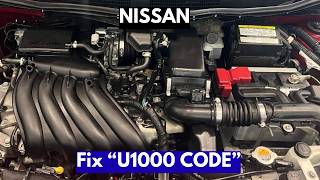
- Replacing the control module that stored the U1000 code. TSB NTB10-066a explicitly warns 🎬 Watch: A quick guide on fixing the Nissan U1000 code. that this module is usually not the problem.
- Replacing sensors. The U1000 code is a network problem, not a sensor failure.
Most Likely Causes

- Poor or Corroded Ground Connections 🔴 High Probability Nissan TSBs and countless owner forums frequently cite poor ECM and chassis grounds as a primary cause for U1000 codes on this platform. The ground point under the battery tray and the strap to the transmission are common culprits.
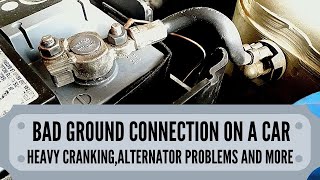
How to confirm: Visually inspect the main ground straps from the battery to the chassis (often under the battery) and from the engine/transmission to the chassis. Look for looseness, fraying, or green/white corrosion. Use a multimeter to perform a voltage drop test across the ground connections while the engine is running; any reading above 0.2V indicates a problem. 🎬 See how to diagnose and solve bad ground connection symptoms.
Typical fix: Disconnect the battery. Remove the ground connections, clean all contact surfaces (cable end and chassis point) with a wire brush until shiny, and securely re-tighten. Applying dielectric grease can help prevent future corrosion.
Est. part cost: $0-$25 - Weak or Failing Battery 🟡 Medium Probability → Shop Vehicle Battery Low system voltage during engine cranking can cause random modules to drop off the CAN network temporarily, triggering a U1000 code.
How to confirm: Test the battery with a digital multimeter or, preferably, a carbon pile load tester. A healthy, resting battery should be above 12.4V. Check the voltage while cranking; if it drops below 9.6V, the battery is weak and should be replaced.
Typical fix: Charge or replace the battery.
Est. part cost: $150-$300 - Damaged CAN Bus Wiring or Connectors 🟡 Medium Probability Wiring can be damaged by vibrations, chafing against other components, or rodent activity. Connectors can corrode from moisture intrusion, especially those in the engine bay.
How to confirm: Visually inspect the wiring harnesses, especially around the engine, under the dashboard, and near the main control modules (ECM, TCM, IPDM). Look for any signs of damage. This often requires a wiring diagram and an oscilloscope for proper diagnosis. With the battery disconnected, you can measure the resistance between the CAN High and CAN Low pins at the OBD-II port; a healthy reading is approximately 60 ohms.
Typical fix: Repair the damaged section of wiring or replace the affected connector.
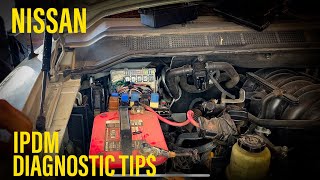
Est. part cost: $10-$100 - Faulty Intelligent Power Distribution Module (IPDM) ⚪ Low Probability → Shop Fuse Box The IPDM (specifically the IPDM-ER in the engine room) is a known failure point on the Juke and acts as a central hub on the CAN network. Water intrusion from a leaking cowl or windshield is a common cause of IPDM failure. Some owners report a crank-no-start condition specifically after a cold soak.
How to confirm: Inspect the IPDM (located in the engine bay fuse box) for signs of water tracks or corrosion on the circuit board. A professional scan tool can check for IPDM-specific codes. A U1000 code combined with multiple seemingly unrelated electrical failures (e.g., fuel pump, headlights, cooling fans running constantly) points towards the IPDM.
Typical fix: Replace the IPDM. This part is NOT plug-and-play and must be configured by a dealer or a qualified shop with Nissan's CONSULT software. It is critical to match the OEM part number exactly.
Est. part cost: $200-$600
Rare But Worth Checking
- Faulty Control Module (ECM, TCM, BCM, ABS): While possible, a control module is less likely to be the cause than wiring or ground issues. A module should only be replaced after all other possibilities have been exhaustively ruled out with proper diagnostics, including checking for power, ground, and CAN resistance at the module connector.
- Improperly Installed Aftermarket Electronics: A poorly installed aftermarket stereo, alarm, or remote starter can interfere with the CAN bus wiring by tapping into the wrong circuits or introducing electromagnetic interference, causing communication errors.
Diagnosis Steps
- Use a professional-grade scan tool to perform an 'Auto Scan' or 'System Scan' to read codes from ALL modules. Note which module(s) are storing the U1000 code and which modules, if any, are not communicating at all.
- Check and record the battery voltage. Ensure it is above 12.4V at rest. Perform a load test on the battery. A weak battery is a very common cause.
- Thoroughly inspect, clean, and tighten all major ground connections. Key locations include the negative battery terminal to chassis (often under the battery tray), the main engine/transmission to chassis ground strap, and smaller grounds on the engine block.
- Inspect all fuses related to the various control modules, both in the cabin fuse box and in the engine bay IPDM.
- Visually inspect the CAN wiring harness for any obvious signs of damage, chafing, or corrosion, paying close attention to areas near the battery, ECM, and IPDM.
- With the battery disconnected, measure the resistance between Pin 6 (CAN-H) and Pin 14 (CAN-L) at the OBD-II diagnostic port. The reading should be approximately 60 ohms. A reading of 120 ohms suggests a missing termination resistor or a break in the circuit; a reading near 0 ohms indicates a short between the lines.
- If a specific module is suspected of being offline, use a multimeter to check for good power and ground at the module's connector.
- If the problem persists, consult a professional technician who can use an oscilloscope to analyze the CAN bus signals in real-time and isolate the source of the network interference or data corruption.
Parts You'll Likely Need
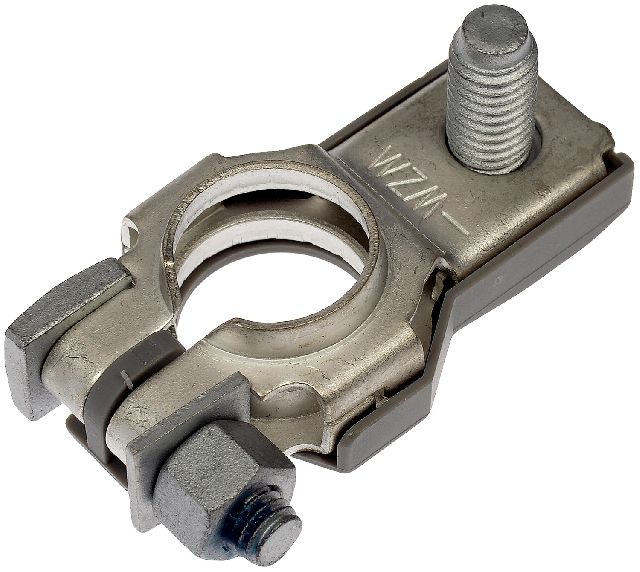
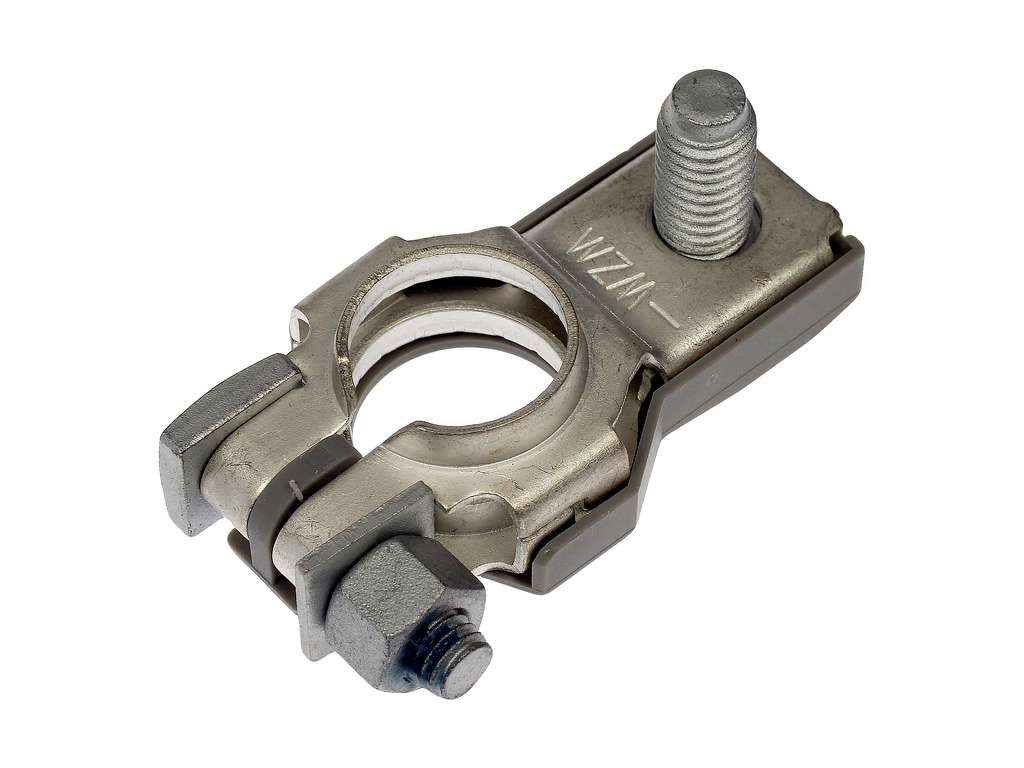
- Battery Ground Cable (Negative)
(OEM #24080-1KL1A, 24080-1KM0A, 24080-3YW0A)— The main ground connection is a frequent cause of the U1000 code due to corrosion or looseness. These cables can corrode internally with no visible external signs.
Trusted brands: Nissan OE
OEM price range: $90-$160
Aftermarket price range: $30-$60 - Intelligent Power Distribution Module (IPDM)
(OEM #284B7-1KJ1E, 284B7-1TW1C, 284B7-1KA6A, 284B7-1KJ0F (Varies by year/trim, must match original))— A known failure point that can cause a U1000 code along with other severe electrical issues. Requires programming upon installation.
Trusted brands: Nissan OE, Hitachi
OEM price range: $400-$800
Aftermarket price range: $200-$400
Related Codes That Often Appear With This One
- U1001 — Indicates a specific loss of communication with the Engine Control Module (ECM).
- P-codes, B-codes, C-codes — If a specific module (like the TCM or ABS module) is offline, you will likely see communication codes stored in other modules, along with fault codes related to the functions of the offline module.
Technical Service Bulletins (TSBs) & Recalls
- NTB10-066a: This is the primary service bulletin for CAN communication codes like U1000. It advises technicians to diagnose the communication codes first and warns that the module storing the code is usually not the faulty part. It provides basic diagnostic guidelines for checking the CAN system.
- NTB13-106E: Addresses a specific scenario where a U1000 code can be stored in the Around View Monitor (AVM) unit due to an incorrect configuration of the audio or navigation system.
- NTB10-145B: Provides a specific diagnostic path if U1000 is found solely in the ABS/VDC control unit.
- NTB20-066a: While the number is similar to the main CAN bulletin, this TSB is unrelated and deals with Lane Camera Aiming values for newer models.
Platform-Specific Known Issues
- Per TSB NTB13106E, incorrect configuration of the Audio/Navigation unit can cause a U1000 code in the AVM (Around View Monitor) control unit, along with audio system glitches.
Mechanic-Grade Diagnostic Values
- CAN Bus Resistance — expected: ~60 Ω (Ohms) between Pin 6 (CAN-H) and Pin 14 (CAN-L) at the OBD-II port with battery disconnected.. Failure: A reading of ~120 Ω indicates an open circuit or a missing terminating resistor in a module. A reading near 0 Ω indicates a short between the CAN High and Low wires.
- CAN Bus Voltage — expected: CAN High and CAN Low lines should show a nominal voltage of 2.5V.. Failure: Significant deviation from 2.5V on either line when the network is idle points to a module or wiring fault. An oscilloscope is needed for proper analysis of the signal waveform.
- Ground Point Voltage Drop — expected: < 0.2V (200mV). Failure: A voltage reading higher than 0.2V between a ground point (on the engine or chassis) and the negative battery terminal while the engine is running indicates high resistance in the ground path.
Scan Tool Commands That Help
- Nissan CONSULT-III Plus: CAN Diagnosis (Self-Diagnosis) — This function automatically polls all control units on the CAN network and displays which ones are communicating and which are not. It's the primary starting point for a U1000 diagnosis to identify the offline module(s).
- Nissan CONSULT-III Plus: ECU Reprogramming/Configuration — This is required after replacing certain control modules, most notably the IPDM, BCM, or ECM. Failure to configure a new module will result in a persistent U1000 code and non-functional systems.
- Nissan CONSULT-III Plus: Active Test — Allows the technician to command specific components (like fuel pump, cooling fans, etc.) to turn on or off. This can help determine if a module is receiving commands, even if it's setting communication codes, and can help diagnose a faulty IPDM.
Wiring & Ground Locations

- Main Chassis Ground — Under the battery and battery tray. Connects the negative battery terminal to the chassis.. This is one of the most common failure points for the U1000 code on this platform. Corrosion here creates high resistance, disrupting the entire vehicle's electrical system and CAN network stability.
- OBD-II Connector Pins — Pin 6 is CAN High, Pin 14 is CAN Low. Located under the driver's side dashboard.. These pins are the primary access point for testing the overall health of the CAN bus with a multimeter (resistance) or oscilloscope (voltage waveform).
- IPDM E/R (Intelligent Power Distribution Module Engine Room) — Located in the engine bay, typically integrated with the fuse and relay box.. The IPDM is a central node on the CAN network. Its connectors are a frequent point of failure due to moisture intrusion or pin corrosion, which can take down the entire network.
- Ground Distribution Points (from wiring diagrams) — Multiple ground points exist, including at the base of the right A-pillar (B31) and on the engine block. A full ground distribution diagram is needed for a complete check.. Any single corroded or loose ground point that serves a critical module (like the ECM or ABS unit) can cause that module to drop off the network and trigger a U1000 code.
Real Owner Repair Stories
- YouTube channel 'Rich's Custom Marine and Auto' (2007 Nissan Versa (similar CAN architecture)) — Intermittent crank-no-start, radiator fan runs constantly, security light on, U1000 code present.
❌ Tried (didn't work) Initial checks pointed towards a faulty IPDM.
✅ What actually fixed it The problem was a faulty female pin inside the main connector to the IPDM. Wiggling the harness at the connector caused the CAN resistance reading to change from an incorrect value to the correct 120 ohms (for that segment). The internal tab of the pin was bent, causing a poor connection. The final fix was to replace the single terminal pin within the connector housing. - MHH Auto Forum (2012 Nissan Juke 1.5 dCi) — ABS fault U1000, traction light on. Fault clears but returns ~10 seconds after startup.
❌ Tried (didn't work) Replacing the ABS module, cleaning under-hood earth points.
✅ What actually fixed it The suggested fix from a Nissan specialist on the forum was to check the earth point located behind the brake booster, a less common and harder-to-reach ground point that was likely missed in the initial checks.
OEM Part Supersession History
284B7-1KJ1E→284B7-1KJ3E— Part revision by the manufacturer, likely for improved reliability or internal components.
Heads up: While the new part number replaces the old one, it is critical to match the IPDM to the vehicle's specific options (e.g., automatic transmission, keyless ignition). Using the wrong IPDM, even if it physically fits, will cause CAN communication errors.
Model Year Variations Within This Range
- 2011-2013: The IPDM part number 284B7-1KJ1E is specifically listed for 2011-2013 Juke models with automatic transmission and keyless ignition.
- 2011-2015: The superseding IPDM part number 284B7-1KJ3E is listed as fitting up to 2015 models, indicating a potential change or broader compatibility after the 2014 facelift.
Helpful Videos


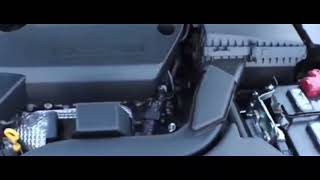
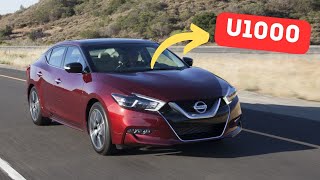
We Have This Part in Stock
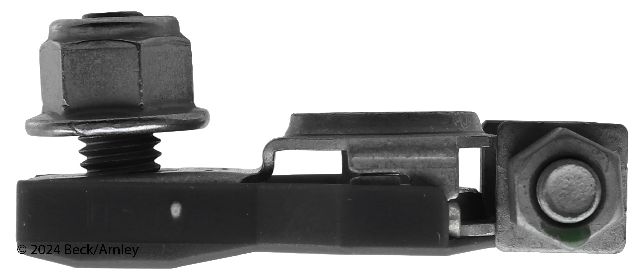


The information in this article is provided for general reference and educational purposes only. Vehicle specifications, procedures, and part compatibility can vary by production date, trim level, and region. Always consult your vehicle's factory service manual and verify part numbers before purchasing or performing repairs. Safety-critical components such as airbags, seat belts, and braking systems should be installed by a qualified professional.
- Nissan JUKE:
- 🧭 Diagnostic Flowchart
- 🎬 Helpful Videos
- 🛍️ Shop This Part
- What's Unique About the 2011-2016 Nissan JUKE
- Symptoms You May Notice
- Most Likely Causes
- Rare But Worth Checking
- Diagnosis Steps
- Parts You'll Likely Need
- Related Codes That Often Appear With This One
- Technical Service Bulletins (TSBs) & Recalls
- Platform-Specific Known Issues
- Mechanic-Grade Diagnostic Values
- Scan Tool Commands That Help
- Wiring & Ground Locations
- Real Owner Repair Stories
- OEM Part Supersession History
- Model Year Variations Within This Range
- 🎟️ Get 5% Off