

U1000 on 2008-2015 Nissan Rogue: Causes and Fixes for CAN Communication Failure
Code U1000 on a 2008-2015 Nissan Rogue indicates a communication breakdown between the car's computers (CAN bus). The most common causes are a weak battery, corroded ground connections (especially the negative battery cable and its chassis points), or a faulty IPDM (the main fuse/relay box). It's rarely a problem with the main engine computer itself.
- U1000 is a network communication code, not an engine part failure code.
- Before attempting any complex repairs, fully charge and load test the battery and clean all major ground connections.
- Diagnosing this code properly requires a scan tool that can communicate with all vehicle modules (ECM, TCM, BCM, ABS, etc.).
- Do not replace the ECM; it is almost never the cause of a U1000 code.
- If you have a no-start condition, the IPDM (main fuse/relay box) is a strong suspect on this vehicle.
What's Unique About the 2008-2015 Nissan ROGUE

The 2008-2015 Nissan Rogue is prone to electrical issues that can trigger a U1000 code. Poor ground connections are a well-documented weakness across many Nissan models of this era, with many owners on forums like Reddit and NissanForums resolving U1000 codes by cleaning or replacing the main negative battery cable and its chassis connection points. Furthermore, owner complaints and TSBs for the Rogue specifically point to failures in the Intelligent Power Distribution Module (IPDM)—which is more than just a fuse box, it's a network-connected computer—as a root cause for communication codes and no-start conditions. [17, ODI #11694408] This makes diagnosing a U1000 on a Rogue less about the engine and more about the integrity of the entire electrical system, starting with grounds and power distribution.
Diagnostic Flowchart

Tap your situation to follow the diagnostic path that matches what you're seeing on this vehicle.
Generation note: This range covers two generations of the Nissan Rogue. The first generation (S35) runs from 2008-2013, with a carryover model called the 'Rogue Select' sold for 2014 and 2015. The second generation (T32) began in 2014. While the U1000 code's meaning is the same for both, specific module locations and potential failure points (like the IPDM or BCM) may differ slightly between generations. For example, the IPDM Auto Active test may not work on 2016 and newer models as Nissan removed the feature. The second generation (2014+) introduced a more complex electrical system with more available driver-assistance features, increasing the number of modules on the CAN bus.
Symptoms You May Notice

- Check Engine Light is on
- Vehicle fails to start or has an intermittent no-start condition (sometimes just a 'click'). [10, 18, ODI #11694408]
- Engine stalling or hesitation while driving.
- Transmission performance issues or getting stuck in gear. [ODI #10789867]
- Electrical glitches, like audio system malfunctions, flickering lights, or non-functional switches. [NTB13106E]
- Other warning lights on, such as ABS, VDC, or airbag lights.
- A/C or heater may not work.
- In some cases, the cooling fans may run at full speed when the car won't start, a symptom of IPDM failure.
- Replacing the Engine Control Module (ECM). The ECM is usually the messenger reporting the problem, not the cause of it.
- Replacing a single module (like the TCM) without confirming it's the one that has dropped off the network.
- Overlooking a simple ground cleaning. Many owners and technicians have chased this code for weeks, replacing expensive parts, only to find the solution was cleaning the main battery ground connection.
Most Likely Causes
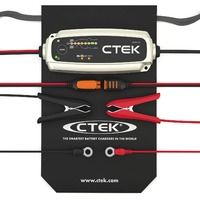
- Weak or Failing Battery 🔴 High Probability → Shop Vehicle Battery Low voltage during startup or operation is a primary cause of modules temporarily dropping off the communication network. Many owners report a U1000 code appearing after a battery dies or is replaced.
How to confirm: Test the battery with a digital load tester, not just a voltmeter. A healthy battery should hold a charge above 12.4V and not drop below ~10V during cranking.
Typical fix: Replace the vehicle battery.
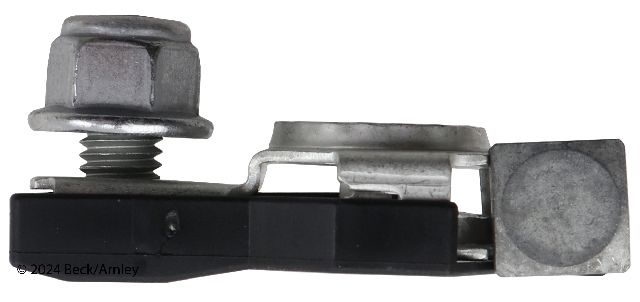
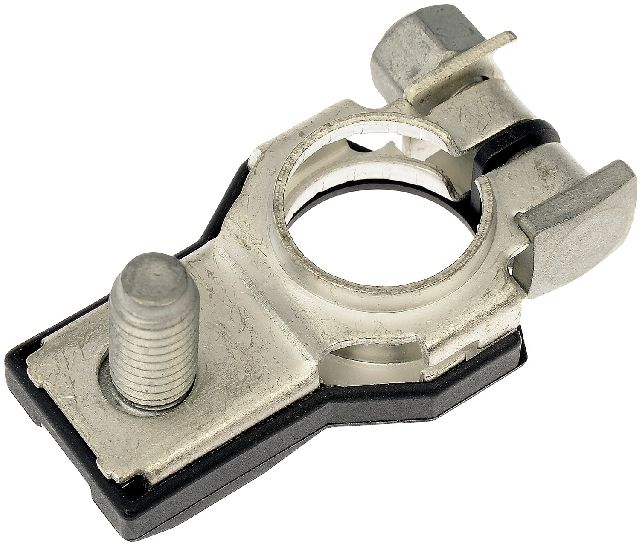
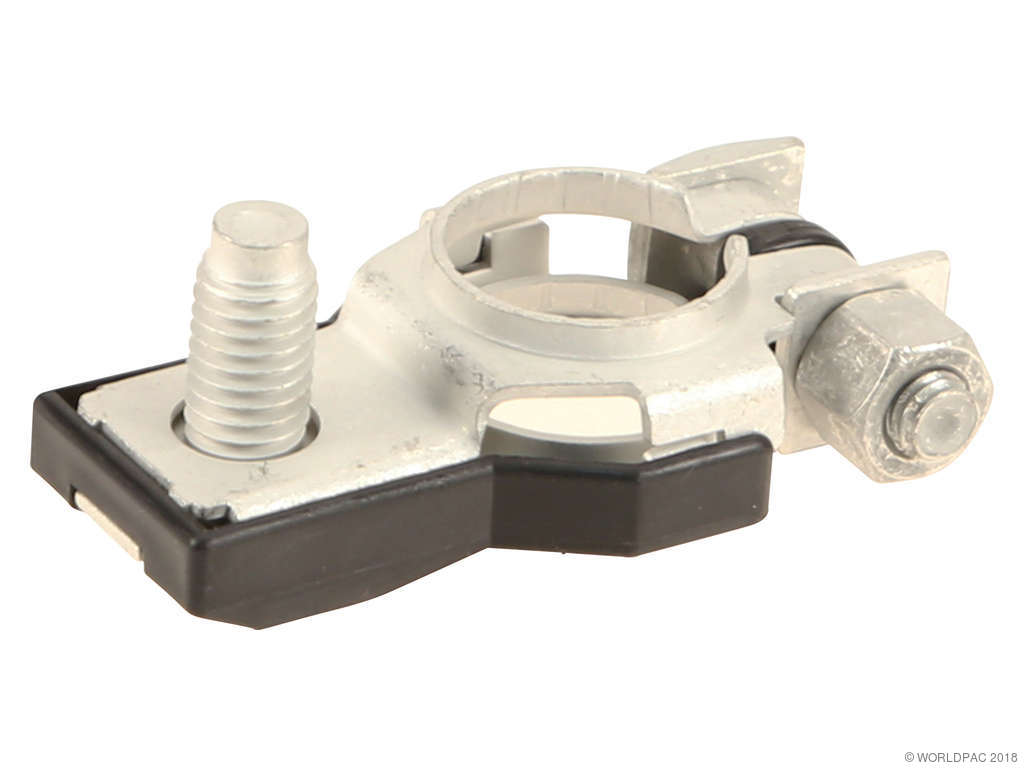
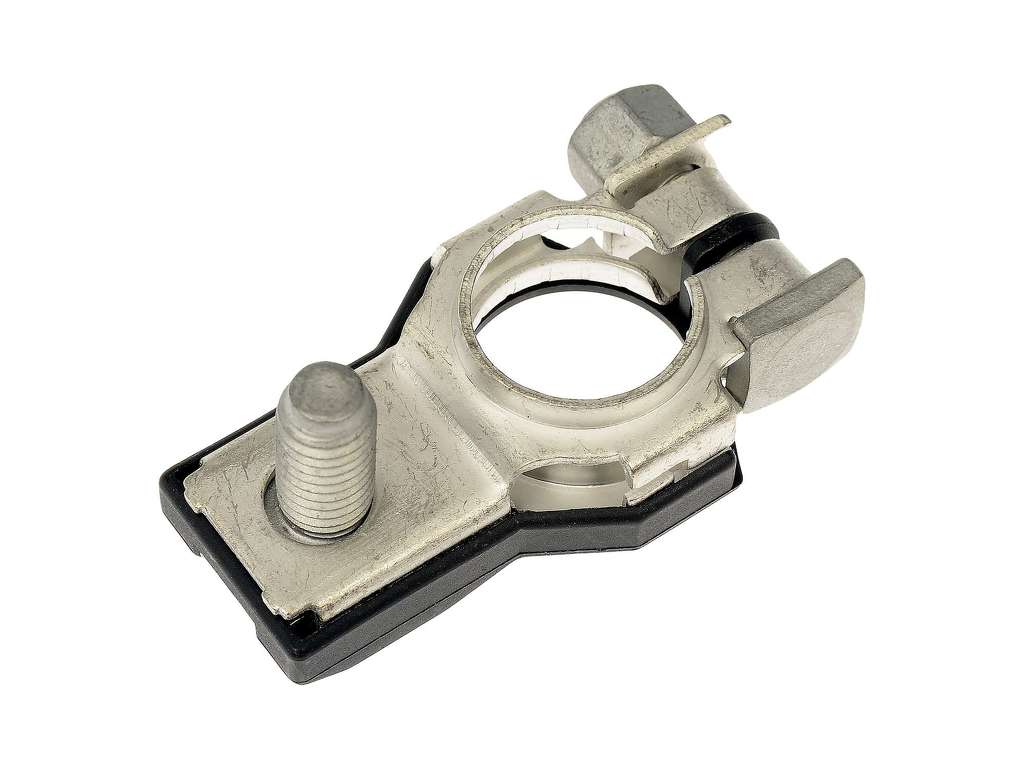
Est. part cost: $150-$300 - Poor/Corroded Ground Connections 🔴 High Probability Nissan TSBs and countless owner forums cite poor or corroded grounds as a primary cause for communication codes. The main negative battery cable is a frequent culprit, often corroding internally or at the point where it bolts to the chassis near the battery tray.
How to confirm: Visually inspect the main ground strap from the negative battery terminal to the chassis and engine. Look for green or white powder, looseness, or fraying. Perform a voltage drop test from the negative battery post to the engine block and chassis with the engine running; a reading above 0.2V indicates high resistance.
Typical fix: Remove, clean all contact surfaces (eyelets, bolts, and chassis point) to bare metal, and securely re-tighten the ground connections. Replace corroded cables if necessary. Many owners have fixed the U1000 code this way.
Est. part cost: $0-$75 - Faulty Intelligent Power Distribution Module (IPDM) 🟡 Medium Probability → Shop Fuse Box The IPDM on this platform is a known failure point. It's a smart device that contains non-serviceable internal relays (like for the starter) and a processor. Internal failure can disrupt power and communication to other modules, causing a U1000 and often a no-start condition. [17, 18, ODI #11694408]
How to confirm: Diagnosis is complex. If multiple unrelated systems lose power/communication simultaneously and a TSB points to the IPDM (like NTB16-024), it's a strong suspect. A technician may tap on it to see if symptoms change, but proper diagnosis involves following specific TSB steps.
Typical fix: Replace the IPDM. This is often a plug-and-play part, but some may require programming/configuration after installation.
Est. part cost: $200-$500 - Faulty Control Module ⚪ Low Probability Any module on the CAN network (TCM, BCM, ABS, etc.) can fail internally and stop communicating, causing other modules to set a U1000.
How to confirm: Use a professional scan tool to see which module(s) are not responding to a network 'roll call'. The module that is offline is the likely culprit.
Typical fix: Replace the faulty module and program it to the vehicle if required.
Est. part cost: $300-$1500+
Rare But Worth Checking
- Damaged CAN Bus Wiring: While less common, physical damage to the twisted-pair CAN wiring harness from accidents, rodent damage, or improper repairs can cause an open or short in the network, leading to this code.
- Incorrect Audio/Navigation Unit Configuration: A specific TSB notes that if the Audio/Navigation unit is replaced or reconfigured incorrectly, it can fail to communicate properly and set a U1000 code in the AVM control unit. [NTB13106E]
- Aftermarket Electronics: Improperly installed aftermarket accessories like remote starters, alarms, or stereos can interfere with the CAN bus, causing communication errors and triggering a U1000 code.
Diagnosis Steps
- Read all codes from ALL modules using a professional-grade scan tool. Do not use a basic reader that only checks the ECM.
- Always diagnose communication codes like U1000 first, as per Nissan's recommendation. [NTB10066A, 9]
- Check and charge the battery. Perform a load test to ensure it's healthy. A weak battery is a very common cause.
- Inspect the battery terminals and all major engine and chassis ground connections for corrosion or looseness. The main ground cable from the battery negative post to the chassis is a critical point. Clean and tighten as needed, even if they look clean.
- Perform a voltage drop test on the ground circuit. With the engine running, place one multimeter lead on the negative battery post and the other on the engine block, then on the chassis. A reading over 0.2V indicates a bad ground.
- Using the scan tool, perform a CAN system 'roll call' or 'system call' to see which modules are online and which are not responding. The non-responsive module is the primary suspect.
- If all modules are online, check the CAN bus resistance. With the battery disconnected, measure resistance between Pin 6 (CAN-H) and Pin 14 (CAN-L) at the OBD-II port. A healthy network should read approximately 60 ohms. A reading of 120 ohms indicates a missing terminating resistor or a break in the wiring.
- If a specific module is offline, inspect its wiring harness and connectors for power, ground, and continuity of the CAN wires.
- Check for relevant TSBs (like NTB16-024 for IPDM/BCM issues) that may suggest a software update or a known component failure. [ODI #11694408]
- As a last resort, and only after confirming a module is faulty through testing, replace the suspect module.
Parts You'll Likely Need
- Battery — Low system voltage is the most frequent trigger for communication codes.
Trusted brands: Interstate, DieHard, Duralast
OEM price range: $200-$350
Aftermarket price range: $150-$300 - Intelligent Power Distribution Module (IPDM)
(OEM #284B7-4BA3A)
Related Codes That Often Appear With This One
- P0725 — This code for Engine Speed Input Circuit can appear with U1000 when the TCM loses communication with the ECM, as seen in an owner complaint. [ODI #10789867]
- U1010 — Nissan defines U1010 as a module having an internal issue. If a module sets a U1010, it will likely cause other modules to set a U1000 because it has stopped communicating.
- Various B, C, and P codes — When a module responsible for a specific function (like ABS, body controls, etc.) stops communicating, you will often get a U1000 code plus other codes related to the function of the failed module.
Technical Service Bulletins (TSBs) & Recalls
- NTB10066A
- NTB13106E
- NTB16-024
- NTB13-027C
Platform-Specific Known Issues
- The Hidden Corrosion Fix: A common story for Rogue owners involves chasing the U1000 code by checking every module, only to find the solution was a poor ground connection at the negative battery terminal. In one documented case on a similar Nissan platform, the owner resolved the code by removing the negative cable, wire-brushing the terminal, the cable eyelet, and the chassis mounting point until they were all shiny, and reassembling. The code disappeared immediately, despite no visible corrosion beforehand.
- Cold Weather IPDM Failure: A well-documented failure pattern involves the IPDM failing after a cold soak (e.g., sitting overnight in freezing temperatures) followed by a short drive. Upon attempting to restart the warm engine, it will not crank. This specific set of circumstances, which often logs a U1000 code, points directly to an internal failure of the IPDM.
Mechanic-Grade Diagnostic Values
- CAN Bus Resistance (at OBD-II Port) — expected: ~60 Ω. Failure: A reading of ~120 Ω indicates an open circuit or a faulty terminating module. A reading near 0 Ω indicates a short between the CAN High and CAN Low wires.
- CAN High Voltage (Key ON, Engine OFF) — expected: ~2.7 V. Failure: Significant deviation from this voltage can indicate a short to power or ground.
- CAN Low Voltage (Key ON, Engine OFF) — expected: ~2.3 V. Failure: Significant deviation from this voltage can indicate a short to power or ground.
- Alternator AC Ripple Voltage (Engine Running) — expected: < 0.5 V (ideally < 200 mV). Failure: Excessive AC voltage (ripple) from a failing alternator can introduce electrical noise into the CAN bus, causing communication errors. A reading above 0.5V suggests faulty alternator diodes.
Scan Tool Commands That Help

- Nissan CONSULT: CAN Diag Support Monitor — This is the dealership-level function to perform a 'roll call' of all modules on the network. It will show which specific module is not communicating, which is essential for pinpointing the source of a U1000 code.
- Nissan CONSULT: Self-Diagnostic Results — After running the CAN system test, this function displays the results, indicating which module detected the communication fault and which module is offline.
Wiring & Ground Locations

- Main Battery Ground — The negative battery cable connects directly to the chassis/frame near the battery tray. This is a critical and common failure point for corrosion.. A poor main ground creates a floating reference voltage for all vehicle electronics, leading to widespread communication errors and U1000 codes.
- IPDM Connector E15 — The Intelligent Power Distribution Module (IPDM) is located in the engine bay, typically near the battery. Connector E15 is one of the main connectors plugging into it.. Corrosion on the pins within this connector, specifically the pin for ECM power (pin 55, blue wire in one documented case), can cut power to the ECM, taking it offline and causing other modules to log a U1000.
- CAN Bus Wires at OBD-II Port — Pin 6 (CAN High) and Pin 14 (CAN Low) at the Data Link Connector (DLC) under the driver's side dashboard.. This is the most accessible point for testing the overall health of the CAN bus with a multimeter (resistance and voltage checks).
Real Owner Repair Stories
- ScannerDanner Forum (2010 Nissan Rogue) — Intermittent no crank/no start, which progressed to a crank-no-start condition. Cooling fans would run on high. Codes U1000 and P0725 were present.
❌ Tried (didn't work) Replacing the ECM, Replacing the crank position sensor
✅ What actually fixed it The technician found a corroded blue wire at pin 55 of the IPDM connector E15. This pin supplied power to the ECM. Replacing the corroded terminal in the connector resolved the no-start and communication issues.
OEM Part Supersession History
284B7-4BA0A→284B7-4BA3A— Part revision by manufacturer.
Heads up: It is critical to match the IPDM to the vehicle's manufacturing location (US, Japan, or Korea), as they are not interchangeable.284B7-4CE0A→284B7-4CE3A— Part revision by manufacturer.
Heads up: It is critical to match the IPDM to the vehicle's manufacturing location (US, Japan, or Korea), as they are not interchangeable.
Model Year Variations Within This Range
- 2008-2013 (First Gen, S35): This generation has a simpler electrical architecture with fewer standard modules on the CAN bus compared to the second generation.
- 2014-2015 (Second Gen, T32): The 2014 model year marked a major redesign, introducing a more complex CAN network to support advanced driver-assistance systems (ADAS) like Forward Collision Warning and Around View Monitor, adding more potential points of failure for communication codes. The physical location of the CAN bus wiring for ADAS modules may be in the rear hatch area.
Helpful Videos

We Have This Part in Stock


The information in this article is provided for general reference and educational purposes only. Vehicle specifications, procedures, and part compatibility can vary by production date, trim level, and region. Always consult your vehicle's factory service manual and verify part numbers before purchasing or performing repairs. Safety-critical components such as airbags, seat belts, and braking systems should be installed by a qualified professional.
- Nissan ROGUE:
- 🧭 Diagnostic Flowchart
- 🎬 Helpful Videos
- 🛍️ Shop This Part
- What's Unique About the 2008-2015 Nissan ROGUE
- Symptoms You May Notice
- Most Likely Causes
- Rare But Worth Checking
- Diagnosis Steps
- Parts You'll Likely Need
- Related Codes That Often Appear With This One
- Technical Service Bulletins (TSBs) & Recalls
- Platform-Specific Known Issues
- Mechanic-Grade Diagnostic Values
- Scan Tool Commands That Help
- Wiring & Ground Locations
- Real Owner Repair Stories
- OEM Part Supersession History
- Model Year Variations Within This Range
- 🎟️ Get 5% Off