

U1000 on 2007-2014 Nissan Sentra: CAN Communication Failure Causes and Fixes
The U1000 code on a Nissan Sentra indicates a CAN communication network failure. Before suspecting expensive computers, the most common causes are a weak battery, corroded battery terminals, or poor ground connections, which are inexpensive to fix. Checking these basic electrical components resolves a high percentage of cases.
- U1000 means there's a communication breakdown between your car's computers.
- Always start with the simplest fixes: load test the battery and clean all major ground connections.
- Do not automatically replace the computer that has the U1000 code stored; it's likely another module that has gone silent.
- Diagnosing the exact point of failure in the network is complex and usually requires professional-grade scan tools.
- Symptoms can range from just a Check Engine Light to a car that won't start, so it should be addressed promptly.
What's Unique About the 2007-2014 Nissan SENTRA

On this generation of Nissan Sentra, electrical issues are a frequent source of the U1000 code. Owners and technicians repeatedly point to poor or corroded ground connections as a primary culprit, more so than actual module failure. Key ground points to inspect are the main battery-to-chassis strap, the engine/transmission-to-chassis strap, and ECM grounds which can be located under the dash. The vehicle's electrical architecture can be sensitive to voltage drops, meaning a weak or failing battery is another top suspect for triggering this communication code before any parts are replaced.
Diagnostic Flowchart

Tap your situation to follow the diagnostic path that matches what you're seeing on this vehicle.
Generation note: This range covers two Sentra generations: the B16 (2007-2012) and the start of the B17 (2013-2014). While the U1000 code's meaning is the same, the physical locations of control modules, ground points, and wiring harnesses may differ. For example, a known issue on the B17 is water intrusion into the ECM connector, which is less documented on the B16.
Symptoms You May Notice
- Check Engine Light is on
- Vehicle may crank but not start
- Engine may stall or hesitate
- Transmission may not shift correctly or get stuck in 'limp mode'
- Erratic behavior from gauges or interior electronics
- Multiple warning lights on the dashboard (ABS, VDC, etc.)
- Cooling fans running constantly when the key is on
- Security indicator light (NATS) stays on, preventing startup
- Replacing the control module that stored the U1000 code. Per TSB NTB10-066A, the module storing the code is usually the one that is *listening* for a signal, not the one that has failed.
Most Likely Causes

- Weak or Failing Battery 🔴 High Probability → Shop Vehicle Battery Low voltage during startup is a very common trigger for CAN communication errors on many vehicles, including Nissans. Modules can fail to initialize properly if the voltage drops too low, causing them to not report on the network.
How to confirm: Have the battery professionally load tested at an auto parts store. A simple voltage check with a multimeter is not always sufficient to identify a weak battery. Ensure battery terminals are free of any corrosion and are tightly secured.
Typical fix: Replace the battery if it fails a load test. Clean or replace corroded battery terminals and connectors.
Est. part cost: $100-$250 - Poor or Corroded Ground Connections 🔴 High Probability Nissan TSBs and extensive forum discussions point to corroded or loose ground points as a primary cause for the U1000 code. Over time, grounds on the engine block, transmission housing, and chassis near the battery can degrade, creating unstable voltage for control modules.
How to confirm: Visually inspect the main ground straps: from the negative battery terminal to the chassis, and from the engine/transmission to the chassis. Look for fraying, heavy corrosion, or looseness. Some critical ECM grounds are located under the dashboard. Cleaning and tightening these points is a key first step.
Typical fix: Remove, clean all contact surfaces with a wire brush until shiny, and securely re-attach all main ground connections. Replace any corroded or broken ground straps.
Est. part cost: $10-$50 - Damaged Wiring or Corroded Connectors 🟡 Medium Probability On the B17 Sentra (2013-2014), water can leak onto the main ECM connector, causing pins to corrode and break. On all models, moisture can get into connectors for the TCM or fuse box (IPDM), causing pins to corrode and break, leading to a loss of communication.
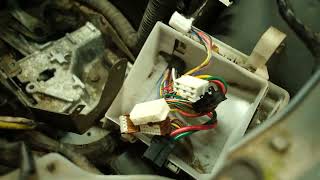
How to confirm: Carefully disconnect and visually inspect the main wiring harnesses and connectors to the ECM, TCM, and IPDM (Intelligent Power Distribution Module). Look for any signs of green or white corrosion, water intrusion, or physically backed-out or broken pins.
Typical fix: Clean corroded connectors with an electrical contact cleaner. If pins are broken, the connector or a section of the harness may need to be repaired or replaced. In some cases, the module itself is damaged and must be replaced.
Est. part cost: $5-$300 - Faulty Control Module (ECM, TCM, BCM, etc.) ⚪ Low Probability While less common than electrical issues, a control module can fail internally, causing it to stop communicating on the CAN network. This should be the last resort after all other possibilities are exhausted.
How to confirm: This requires a professional scan tool that can perform a 'network test' or 'roll call' to see which specific module is not responding. Power and ground at the suspect module's connector must be confirmed to be good before condemning the module itself.
Typical fix: Replace the faulty module. Note that many modules, especially the ECM and TCM, require programming by a dealer or qualified shop after installation.
Est. part cost: $200-$1000+
Rare But Worth Checking
- Faulty IPDM (Intelligent Power Distribution Module): The IPDM is the 'smart' fuse and relay box. On some Nissans, it is located in an area prone to water intrusion, like under the windshield cowl. Internal corrosion can cause it to fail, cutting power to one or more control modules and causing a U1000 code. An IPDM self-test can be performed to check basic functionality.
- Audio/Navigation Unit Configuration: As cited in TSB NTB13106E, an incorrectly configured Audio/Navigation unit can cause the Around View Monitor (AVM) control unit to store a U1000 code. This is a very specific scenario but highlights how seemingly unrelated modules can cause network faults.
Diagnosis Steps
- Check and record any other trouble codes stored in any module. Diagnose specific codes like U0100 or U0101 first.
- Fully charge and load test the battery. A weak battery is a primary cause.
- Inspect the battery terminals and main ground straps for corrosion or looseness. Clean and tighten them regardless of appearance. This includes the negative cable to chassis and the engine/trans to chassis straps.
- Visually inspect the main ECM connector for any signs of water damage or green/white corrosion, especially on 2013-2014 models.
- Using a multimeter with the battery disconnected, check for CAN bus resistance at the OBD-II port (pins 6 and 14). A healthy network should read approximately 60 ohms.
- If resistance is incorrect (often 120 ohms or open), it indicates a break in the wiring or a problem with one of the two terminating resistors (usually in the ECM and BCM/IPDM).
- Visually inspect major connectors for the TCM and IPDM for corrosion, damage, or backed-out pins.
- If you have an advanced scan tool, perform a CAN network test to identify which specific module(s) are not communicating.
- Once the non-communicating module is identified, check for good power and ground at that module's connector using a multimeter before condemning the module itself.
Parts You'll Likely Need
- Battery — A weak or failing battery is one of the most common triggers for CAN communication codes due to voltage drops during startup.
Trusted brands: Interstate, DieHard, Duralast
OEM price range: $150-$250
Aftermarket price range: $100-$200 - Ground Strap
(OEM #24080-JA00B (Example for battery ground, verify for specific application))— Corroded or broken ground straps are a well-documented cause of network issues on Nissans. They are essential for stable voltage across all modules.
Trusted brands: Standard Motor Products, Dorman
OEM price range: $25-$75
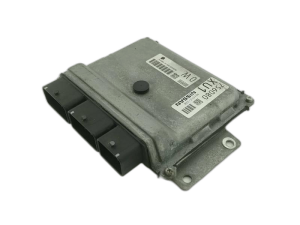
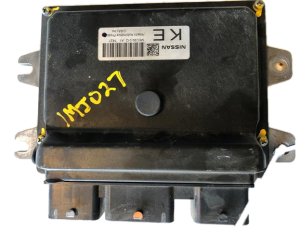
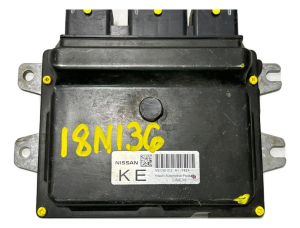
Aftermarket price range: $10-$40 - Engine Control Module (ECM) — If the ECM itself fails, it can bring down the entire network, causing a U1000 code in other modules. This should only be replaced after all wiring, grounds, and power sources have been confirmed to be good.
Trusted brands: Hitachi (OEM), Cardone (Remanufactured)
OEM price range: $800-$1200
Aftermarket price range: $300-$600
Related Codes That Often Appear With This One
- U0100 — Lost Communication With ECM/PCM. This is a more specific code that often appears with U1000, directly pointing to the Engine Control Module being the one that is offline.
- U0101 — Lost Communication with TCM. This code indicates the Transmission Control Module is the module that has stopped communicating on the network.
Technical Service Bulletins (TSBs) & Recalls
- NTB10-066B: CAN Communication Codes - Diagnostic Tips and Guidelines. This is the master TSB for U1000 codes. It advises that the module storing the code is usually not the one at fault and provides a diagnostic workflow, including checking CAN resistance (~60 ohms).
- NTB13-106E: Incorrectly configured Audio/Nav unit causing U1000 in AVM control unit.
- NTB10-145B: ABS/VDC CAN Diagnosis Information. This TSB provides a specific flowchart for diagnosing a U1000 code when it is stored in the ABS/VDC control unit.
Platform-Specific Known Issues

- 2014 Sentra No-Start from Corroded ECM Pin: A documented case on a 2014 Se
Mechanic-Grade Diagnostic Values
- CAN Bus Resistance at OBD-II Port — expected: ~60 Ohms. Failure: A reading of ~120 Ohms indicates an open circuit or a missing terminating resistor. A reading near 0 Ohms indicates a short between the CAN High and CAN Low wires.
- CAN Bus Voltage to Ground — expected: CAN-H (Pin 6) to Ground (Pin 4/5): 2.5V to 3.0V. CAN-L (Pin 14) to Ground (Pin 4/5): 2.0V to 2.5V.. Failure: Voltages outside these ranges, or voltages that are stuck high or low, indicate a short to power, short to ground, or a faulty module pulling the bus voltage down.
Scan Tool Commands That Help
- Nissan CONSULT III / CONSULT IV: Diagnosis (All Systems) / CAN Diagnosis Support Monitor — This is the primary function to perform a network 'roll call'. It automatically polls all control modules on the CAN bus and reports which ones are communicating and which are not, instantly identifying the source of the U1000 code.
- No Tool Required: IPDM Auto Active Test (Self-Test) — To verify the IPDM (Intelligent Power Distribution Module) is capable of commanding various outputs like wipers, lights, and the A/C compressor clutch. If the IPDM is the source of the U1000 and has failed, it may not initiate or complete this test. To activate: Turn ignition ON, press and release the driver's door switch 10 times within 10 seconds, turn ignition OFF, then turn ignition ON again. A horn chirp confirms the test has started.
Wiring & Ground Locations

- TCM (Transmission Control Module) — On B17 models (2013-2014), the TCM is a separate rectangular unit located in the engine bay near the left (driver's side) strut tower, behind the battery and airbox assembly. It has a single large electrical connector.. If the TCM loses power, ground, or has an internal failure, it will stop communicating, causing other modules to log a U1000 code. Its location makes it susceptible to engine bay heat and moisture.
- ECM Grounds (B16) — On the B16 Sentra (approx. 2009), wiring diagrams show multiple critical ECM ground pins (e.g., 12, 16, 107, 108, 111, 112) that terminate at ground points in the engine compartment, often on the engine itself or the chassis.. Corrosion or looseness at any of these ground points can create an unstable ground reference for the ECM, causing it to malfunction and drop off the CAN network.
- ECM Ground Pin (B17) — A specific ground pin within the main ECM connector itself. On a 2013 Sentra, this was identified as a gray wire.. Water intrusion into the B17 ECM connector can corrode this specific pin, causing it to break off. This results in a bad ground directly at the module, leading to a no-start and U1000 code, even if chassis grounds are clean.
Real Owner Repair Stories
- YouTube channel 'Forlife Auto' (2013 Nissan Sentra 1.8L) — Crank no-start, security light stayed on, cooling fans run constantly with key on, U1000 code stored.
❌ Tried (didn't work) Checking all fuses in the interior and engine bay fuse boxes.
✅ What actually fixed it The problem was a broken ground pin inside the main ECM connector due to water damage and corrosion. The technician identified the corroded pin (on a gray wire), temporarily provided a new ground to that circuit to confirm the diagnosis, which allowed the car to start. The permanent fix required repairing the connector/pin or replacing the ECM. - YouTube channel 'Chrizleyva' (Nissan vehicle (model not specified but behavior is universal)) — U1000 CAN communication code, issues with aftermarket air suspension controller not powering on.
❌ Tried (didn't work) Initial investigation into CAN wiring.
✅ What actually fixed it The positive battery terminal was severely corroded, causing a poor connection and voltage instability. A thorough cleaning of the battery post and terminal with baking soda and a wire brush restored proper connection and resolved the U1000 code.
Model Year Variations Within This Range
- 2013-2014 (B17 Generation): The Transmission Control Module (TCM) is a separate, externally-mounted unit in the engine bay, near the driver's side strut tower. This differs from other Nissan models where the TCM can be inside the transmission. This external location makes it a distinct point of failure to inspect.
- 2013-2017 (B17 Generation): Nissan issued a voluntary service campaign (ID# PM827 / PC633) to reprogram the Engine Control Module (ECM) on these vehicles for issues related to the PCV system. This confirms that the dealer has the capability to update ECM software, which could potentially resolve unexplained electronic glitches separate from hard part failures.
- 2016 (B17 Generation): A specific recall (NHTSA campaign PM658) was issued for a small production range of 2016 Sentras to repair the EGI (engine) harness at the ECM connector. This highlights a known vulnerability in the wiring/connector for this model year.
Helpful Videos




Used OEM Parts in Stock
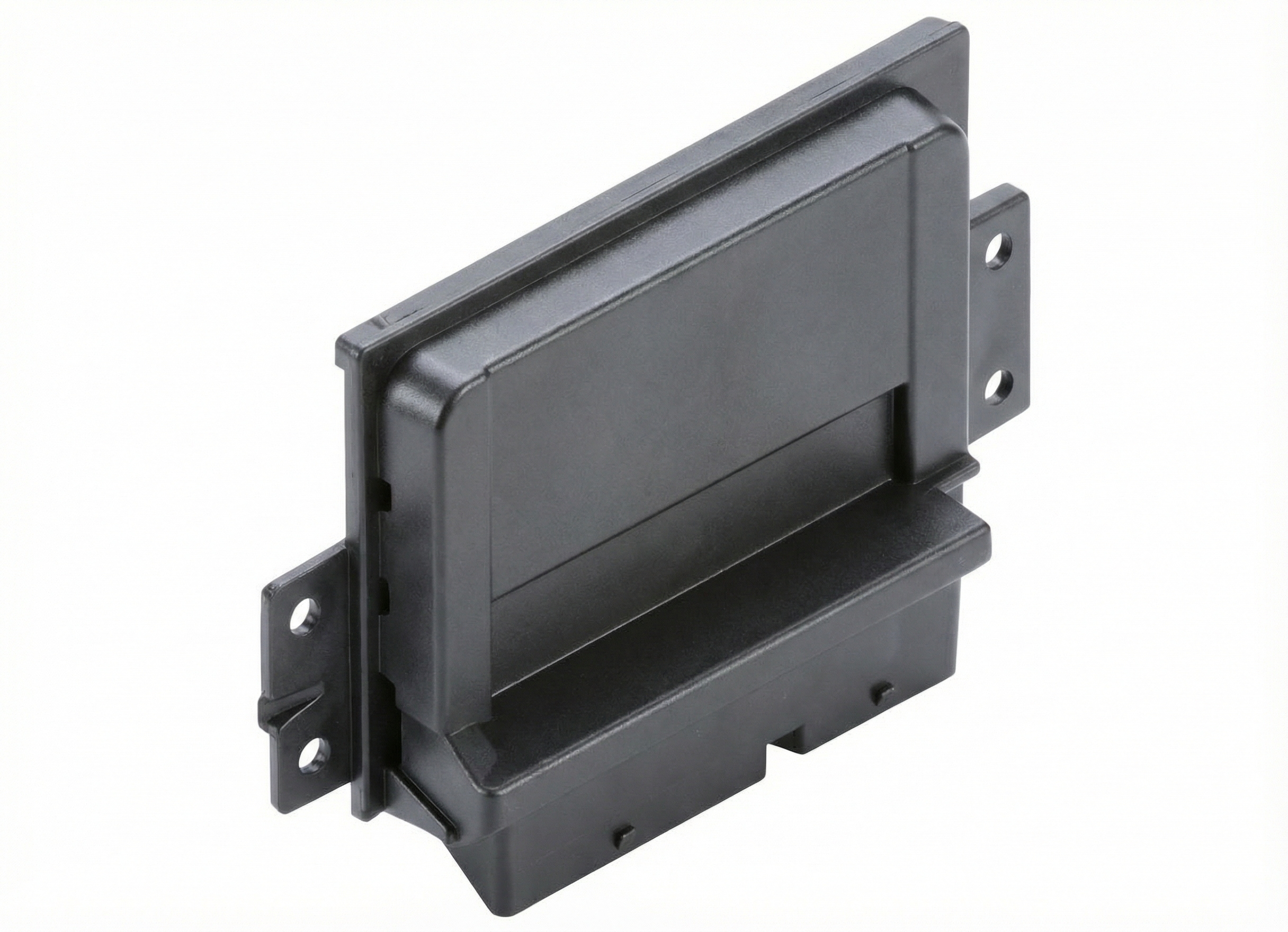
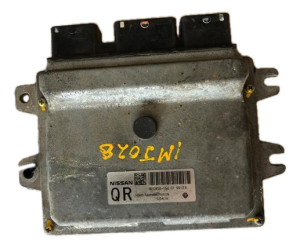
New Aftermarket Parts Available

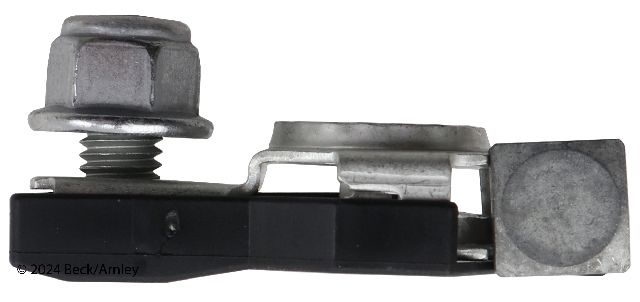
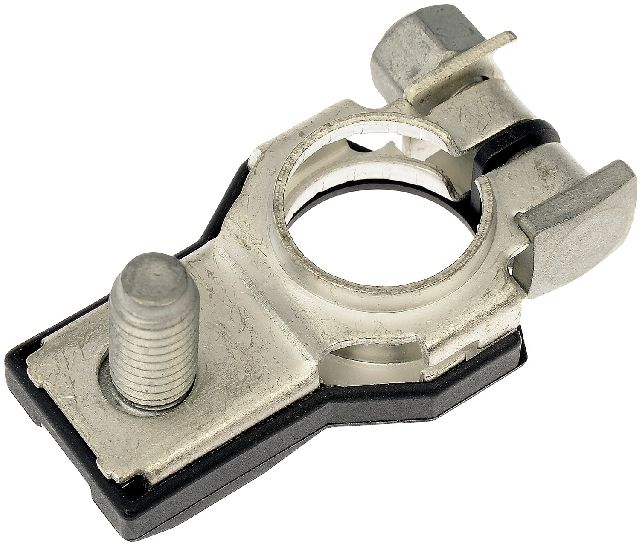


The information in this article is provided for general reference and educational purposes only. Vehicle specifications, procedures, and part compatibility can vary by production date, trim level, and region. Always consult your vehicle's factory service manual and verify part numbers before purchasing or performing repairs. Safety-critical components such as airbags, seat belts, and braking systems should be installed by a qualified professional.
- Nissan SENTRA:
- 🧭 Diagnostic Flowchart
- 🎬 Helpful Videos
- 🛍️ Shop This Part
- What's Unique About the 2007-2014 Nissan SENTRA
- Symptoms You May Notice
- Most Likely Causes
- Rare But Worth Checking
- Diagnosis Steps
- Parts You'll Likely Need
- Related Codes That Often Appear With This One
- Technical Service Bulletins (TSBs) & Recalls
- Platform-Specific Known Issues
- Mechanic-Grade Diagnostic Values
- Scan Tool Commands That Help
- Wiring & Ground Locations
- Real Owner Repair Stories
- Model Year Variations Within This Range
- 🎟️ Get 5% Off