

U1000 on 2007-2014 Nissan Versa: CAN Communication Loss Causes and Fixes
U1000 on a Nissan Versa means a control module lost communication with another. It's most often caused by a poor ground connection, a weak battery, or a loose connector, not a failed module. Start by checking and cleaning all major ground points, especially the negative battery cable connection to the chassis and the main engine/transmission grounds, before considering part replacement.
- U1000 is a communication code, not a specific part failure code.
- Always start diagnosis by checking the battery and cleaning all major ground connections before suspecting any parts.
- The module that stores the U1000 code is usually not the one that needs to be replaced.
- Diagnosing this code without an advanced scan tool that can see the whole network is very difficult.
- If other codes are present, fix them first, as they may resolve the U1000 code.
What's Unique About the 2007-2014 Nissan VERSA

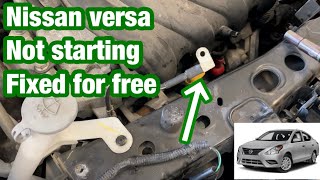
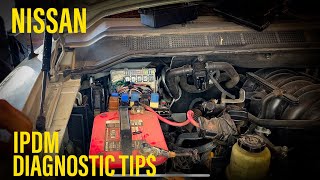
The 2007-2014 Nissan Versa, like many 🎬 Watch: Troubleshooting the U1000 code on a 2007 Versa Nissans of its era, is particularly prone to setting the U1000 code due to electrical system vulnerabilities rather than major component failure. The most common culprits are corroded or loose ground connections, which are a well-documented issue across many Nissan models. This code often appears as a 'ghost' code alongside other, more specific DTCs, or can be triggered by a simple voltage drop from a weak battery. Therefore, diagnosis should always start with the simplest electrical checks before suspecting a costly module failure. The Intelligent Power Distribution Module (IPDM), which houses many critical relays, can also be a source of this code if it fails internally or has corroded connections.
Diagnostic Flowchart

Tap your situation to follow the diagnostic path that matches what you're seeing on this vehicle.
Generation note: The 2007-2014 range covers two generations of the Versa: the first generation (C11; 2007-2012) and the start of the second generation (N17; 2012-2014 sedan). While the underlying CAN bus architecture is similar, the physical locations of control modules, connectors, and critical ground points can differ between these generations. For example, the TCM on some models is located in front of the battery, while on others it may be elsewhere.
Symptoms You May Notice

- Check Engine Light is on
- Vehicle cranks but will not start
- Engine stalling or hesitation
- Transmission may not shift correctly or may enter a 'limp mode'
- ABS, Traction Control (VDC), or other warning lights may illuminate
- Erratic behavior from gauges or instrument cluster
- Radiator fan runs constantly when the engine is on
- Audio or navigation system malfunctions
- Solid red security light stays on, indicating the ECM is offline
- Headlights, wipers, or horn activate unexpectedly after reconnecting the battery
- Replacing the ECM or TCM without first verifying all power, ground, and network connections. The issue is far more likely to be in the wiring or a ground point than the module itself.
- Replacing a single component like the radiator fan when it runs constantly, without realizing this is a default symptom of the ECM being offline due to a U1000 fault.
Most Likely Causes

- Poor Ground Connections 🔴 High Probability Nissan TSBs and extensive owner reports point to corroded or loose ground straps as the number one cause for the U1000 code on this platform. The main ground from the negative battery terminal to the chassis and the strap from the chassis to the engine/transmission are frequent failure points.
How to confirm: Visually inspect and physically check the main ground points. Follow the negative battery cable to where it bolts to the car's body. Look for another strap from the body to the engine block or transmission housing. Look for rust, looseness, or fraying. Even if they look okay, a poor connection can exist.
Typical fix: Disconnect, clean all contact surfaces of the ground wire terminal and the chassis/engine block with a wire brush until shiny metal is visible. Re-secure tightly. Applying dielectric grease to the cleaned connection can help prevent future corrosion.
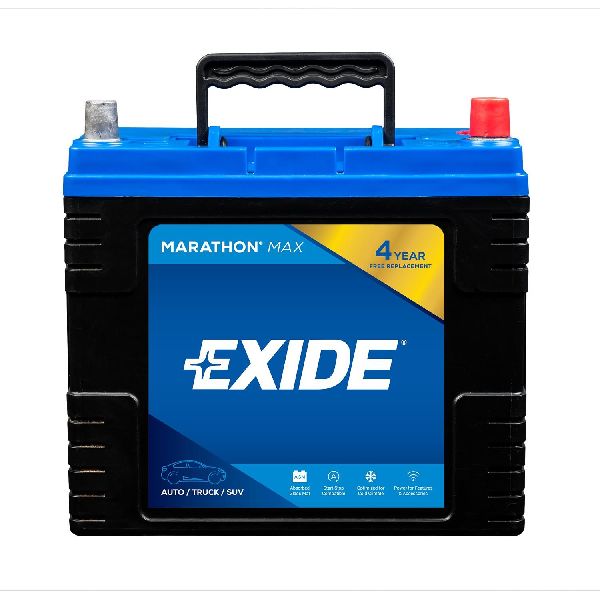
Est. part cost: $0-$20 - Weak or Failing Battery 🟡 Medium Probability → Shop Vehicle Battery Low system voltage, especially during engine cranking, can cause sensitive control modules to temporarily drop off the CAN network, triggering a U1000 code.
How to confirm: Test the battery with a multimeter; it should read above 12.4V with the engine off. A more definitive method is a load test, which checks its health under cranking conditions. Many auto parts stores perform this for free.
Typical fix: Charge or replace the battery if it fails a load test.
Est. part cost: $100-$250 - Corroded or Loose Connectors 🟡 Medium Probability Connectors for the ECM, TCM, or IPDM (Intelligent Power Distribution Module) can be exposed to moisture and vibration, leading to poor connections. The IPDM, located in the engine bay, is particularly susceptible to water intrusion from the windshield cowl area.
How to confirm: Unplug connectors for key modules (ECM, TCM, IPDM), inspect for green or white corrosion on the pins, and check for any backed-out pins. A real-world case on a 2007 Versa identified a single bad pin inside a Molex connector as the root cause after extensive troubleshooting.
Typical fix: Clean corroded pins carefully with an electrical contact cleaner and a small brush. Reseat connectors firmly until they click. If a pin is damaged, it may need to be replaced, which requires special tools.
Est. part cost: $0-$25 - Faulty Intelligent Power Distribution Module (IPDM) Low-medium Probability → Shop Fuse Box The IPDM contains non-serviceable internal relays (like the ECM relay) that can fail, causing a no-start and a U1000 code. Early models had white-colored IPDMs that were known to fail; Nissan later released an updated, more reliable black version.
How to confirm: A failed internal ECM relay can cause a crank-no-start. You can test for power at components controlled by the IPDM, like the mass airflow sensor. Nissan dealers and some advanced scan tools can run an IPDM self-test, which cycles outputs like lights and wipers. If the self-test works but the components don't operate normally, it points to a communication issue between the BCM and IPDM.
Typical fix: Replace the entire IPDM unit. It is critical to match the part number exactly. Fortunately, on most Versa models, a replacement IPDM does not require programming.
Est. part cost: $150-$500 - Faulty Control Module (ECM, TCM, BCM) ⚪ Low Probability While less common than wiring or ground issues, a module can fail internally, causing it to stop communicating on the network.
How to confirm: This is a process of elimination. If all wiring, grounds, and power supplies to the module are confirmed to be good, and the module is still offline (unresponsive to a scan tool that can see other modules), the module itself is likely faulty.
Typical fix: Replace the faulty module. This often requires programming the new module to the vehicle's VIN, especially for the ECM or TCM.
Est. part cost: $200-$1000+
Rare But Worth Checking
- Damaged CAN Bus Wiring Harness: Rodent damage, improper repairs, or physical impact can cause an open or short in the twisted pair of CAN wires (typically a blue and pink pair in Nissans). This is difficult to find and usually requires tracing wires with a multimeter and wiring diagram.
Diagnosis Steps
- Scan for all codes. Use an advanced scan tool that can perform a full network scan ('CAN system scan') and show which modules are online and which are not. Prioritize diagnosing any other codes first, as per TSB NTB10066A.
- Check battery health. Test the battery voltage and perform a load test. Ensure terminals are clean and tight. A weak battery is a very common trigger.
- Inspect and Clean All Major Grounds. This is the most critical step. Disconnect, wire brush, and re-secure the negative battery cable-to-chassis ground, and the main engine-to-chassis ground strap (often near the transmission).
- Inspect Module Connectors. Check the main connectors at the ECM, TCM, and especially the IPDM for any signs of corrosion, moisture, or damaged pins.
- Test the CAN bus resistance. With the battery disconnected, measure the resistance between Pin 6 (CAN High) and Pin 14 (CAN Low) at the OBD-II port. A healthy network should read approximately 60 ohms. A reading of 120 ohms indicates one of the two 120-ohm terminating resistors (usually in the ECM and another module like the IPDM or meter/cluster) is offline. A reading near 0 ohms indicates a short between the CAN high and low wires.
- Check for power and ground at the offline module. If a specific module has been identified as offline (e.g., ECM), use a wiring diagram and multimeter to confirm it is receiving proper power and has a good ground connection at its connector pins.
- Perform IPDM Self-Test. On many Nissans, you can initiate a self-test by turning the ignition ON, and within 20 seconds, pressing the driver's door switch 10 times. The IPDM will then cycle through its outputs (wipers, lights, etc.). This can help confirm if the IPDM itself is functional.
Parts You'll Likely Need
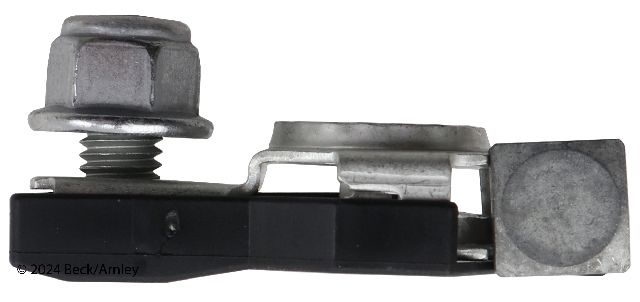
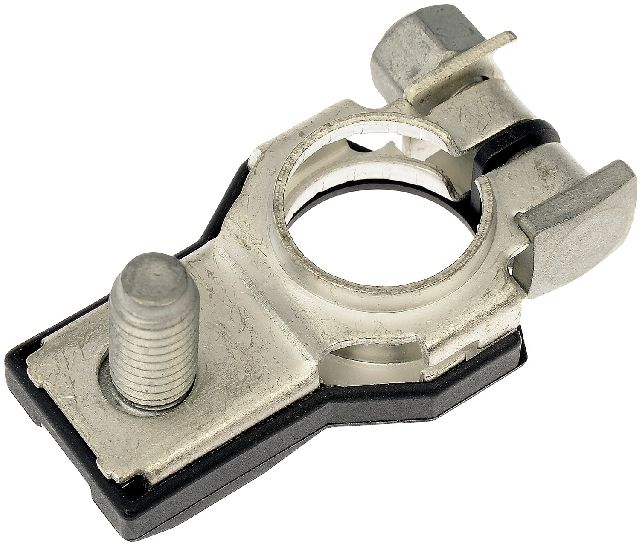
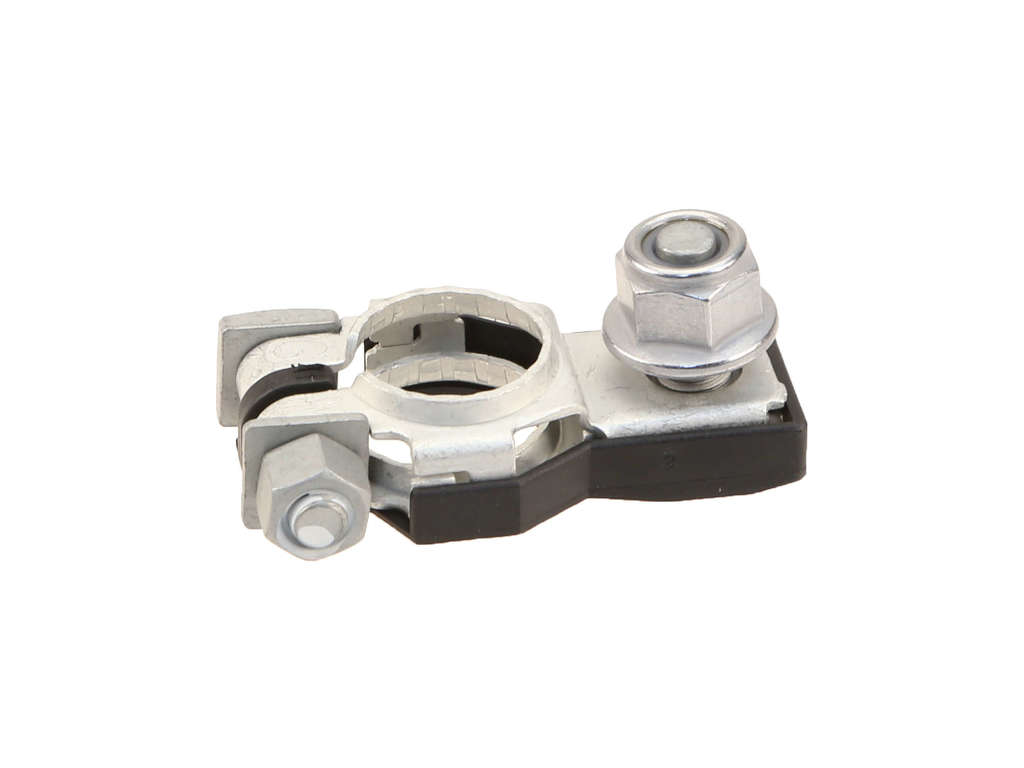
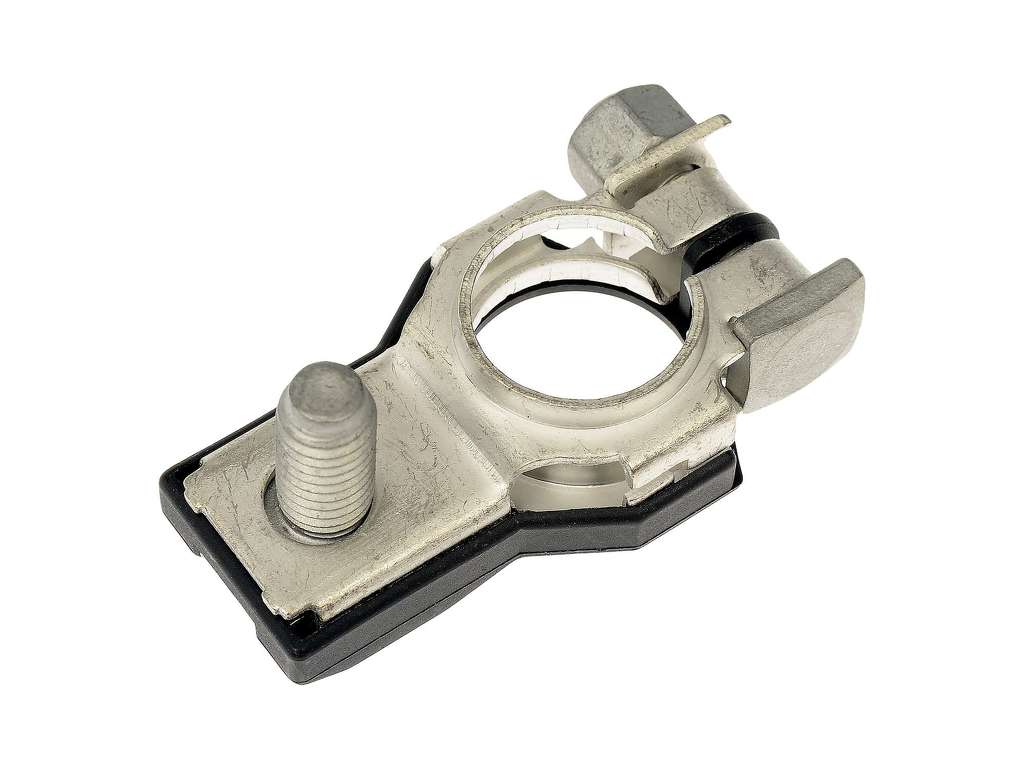
- Negative Battery Cable (Earth Cable)
(OEM #24080-EM35A (fits many 2007-2011 models), 24080-ZW86A (fits some 2010-2012 models), 24080-3WC0B (fits some 2012-2019 models))— The factory ground connection on the battery cable can corrode and fail internally or at the chassis connection point. Replacing the entire cable is often easier and more reliable than repairing the terminal end. Always verify fitment with VIN.
Trusted brands: Nissan (OEM), Standard Motor Products, Dorman
OEM price range: $40-$120
Aftermarket price range: $30-$60 - Intelligent Power Distribution Module (IPDM)
(OEM #Varies significantly by year and trim. Must match part number from original unit.)— Internal relay failure, particularly the non-replaceable ECM relay, is a known issue that can cause a no-start and U1000 code. Water intrusion is a common cause of failure.
Trusted brands: Nissan (OEM), Used (from a reputable source)
OEM price range: $400-$600
Aftermarket price range: $150-$300 (Used)
Related Codes That Often Appear With This One
- U1001 — Like U1000, this is a CAN communication error code. It may be set by a different module, pointing to the same underlying network instability.
- U0100 — This is a more specific code indicating 'Lost Communication With ECM/PCM'. If this code is present with U1000, it strongly suggests the problem lies with the Engine Control Module or its direct connections, power, or grounds.
- U0101 — This code means 'Lost Communication With TCM'. If seen with U1000, the focus of diagnosis should be on the Transmission Control Module and its related wiring and power/ground circuits.
Technical Service Bulletins (TSBs) & Recalls
- NTB10066A
- NTB13106E
Platform-Specific Known Issues
- Per TSB NTB10066A, when a module reports a U1000 code, it is typically operating normally and is just the messenger of a communication problem elsewhere.
- Per TSB NTB13106E, a U1000 code for the AVM (Around View Monitor) Control Unit can be present along with issues like incorrect audio volume or equalizer settings, pointing to a potential configuration issue with the Audio/Nav unit.
- A common failure scenario involves a crank-no-start, the radiator fan running at full speed, and a solid red security key light on the dash. This combination strongly points to the ECM being offline, often due to a bad ground, faulty IPDM relay, or failed ECM.
Mechanic-Grade Diagnostic Values
- CAN Bus Resistance — expected: ~60 Ohms. Failure: A reading of ~120 Ohms indicates one of the two terminating resistors is offline. A reading near 0 Ohms indicates a short between the CAN High and Low lines.
- CAN Bus Voltage (Normal) — expected: CAN High: ~2.7V, CAN Low: ~2.3V. Failure: Significant deviation from these voltages indicates a network problem.
- Engine Coolant Temperature Sensor Resistance (Warmed Up) — expected: ~339 Ohms. Failure: A significantly different reading could indicate a faulty sensor, which can put the car in a fail-safe mode and run the fans constantly.
Hidden / Shadow Codes Worth Checking
- U1000-01: This is a U1000 code with a specific 'symptom byte' (01) that can be read by the Nissan CONSULT factory scan tool. It helps pinpoint the nature of the communication failure, such as a module not being connected or having an internal issue. (see via Nissan CONSULT III Plus factory scan tool.)
Scan Tool Commands That Help
- Nissan CONSULT-III Plus: CAN Diag Support Monitor — This function performs a full network scan to show which modules are currently communicating and which are offline. It's the primary starting point for diagnosing a U1000 code to identify the missing module.
- Nissan CONSULT-III Plus: Self-Diagnostic Results — Used to view current and past DTCs from all modules, including symptom bytes that are not visible on generic scanners.
- Manual Procedure (IPDM): IPDM Auto Active Test — This is a manual self-test for the IPDM. By pressing the driver's door switch 10 times within 20 seconds of turning the ignition on, the IPDM will cycle its outputs (wipers, lights, fan, etc.). If the test runs correctly, it confirms the IPDM's internal logic is likely working, even if it has a communication problem with other modules.
Wiring & Ground Locations

- BCM (Body Control Module) — Behind the glove box.. The BCM is a major communication hub on the CAN network. A poor connection or water damage here can cause widespread communication faults.
- TCM (Transmission Control Module) - some models — In front of the battery in the engine bay.. This location makes the TCM and its connectors susceptible to corrosion and physical damage, which can take it offline and trigger a U1000.
- Main Chassis Ground — Follow the negative battery cable to where it bolts directly to the vehicle's chassis/frame.. This is one of the most common failure points. Corrosion or looseness at this single point can disrupt the entire vehicle's electrical system and cause CAN communication errors.
- TCM Ground (2012 Sedan) — Continuity should be checked between TCM harness connector F44, terminals 41 and 42, and a known good ground.. A specific service manual procedure points to checking these exact pins for a proper ground connection to the TCM. Loss of this ground will cause the TCM to go offline.
Real Owner Repair Stories
- YouTube channel 'Rich's Custom Marine and Auto' (2007 Nissan Versa) — Intermittent crank but no start, radiator fan runs constantly, solid security light on the dash.
❌ Tried (didn't work) Initial checks of CAN resistance showed strange readings (146 ohms instead of the expected 120 or 60).
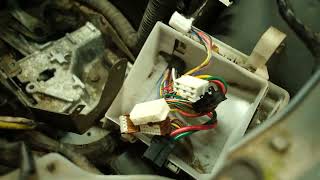
✅ What actually fixed it The technician found a faulty female pin inside the 48-pin Molex CMC connector for the IPDM. The internal tab that ensures contact was bent, causing an intermittent connection on the CAN bus. Since the pin itself was not repairable, the ultimate fix would be to replace the pin or the connector. - YouTube channel 'Chrizleyva' (Nissan vehicle (model not specified, but common Nissan issue)) — U1000 CAN communication code, secondary issue with an aftermarket air suspension controller not powering on.
❌ Tried (didn't work) Initially suspected a damaged wiring harness or a bad ground elsewhere in the system.
✅ What actually fixed it The problem was severe corrosion on the positive battery terminal. Cleaning the terminal thoroughly with a wire brush and baking soda solution restored proper voltage to the system and resolved the communication code.
OEM Part Supersession History
284B7-CW29E (Relay)→b84b7cw29e (Note: This may be a typo in source, often the new number replaces the old one)— This is a common internal relay for the IPDM. It is often replaced individually to solve no-start issues without replacing the entire IPDM.
Heads up: This is a generic relay used across many Nissan models including the Armada, Frontier, and Xterra from 2005-2009, not just the Versa. It is critical to ensure it is the correct relay for the specific IPDM fault.284B7-1HA6C (IPDM)→N/A— Part number for 2012 Versa (S/SV/SL trims).
Heads up: IPDM part numbers are very specific. The 2013-2019 S/SV trims use 284B7-1HR6A, and the 2013-2018 SL trim uses 284B7-1HR6B. Using the wrong IPDM will cause communication or functionality issues.
Model Year Variations Within This Range
- 2007-2012 (Gen 1, C11): This generation was initially offered with a 1.8L engine and later a 1.6L. It was available as a sedan and hatchback. The TCM for the 4-speed automatic is a separate unit.
- 2012-2014 (Gen 2, N17): The second generation began in 2012 for the sedan. It moved to a new platform (Nissan V platform) and came with a 1.6L engine paired with a 5-speed manual or a CVT. The hatchback became a separate model called the Versa Note. These platform and powertrain changes mean module locations, wiring, and specific part numbers (like for the IPDM) are different from the first generation.
Helpful Videos




We Have This Part in Stock

The information in this article is provided for general reference and educational purposes only. Vehicle specifications, procedures, and part compatibility can vary by production date, trim level, and region. Always consult your vehicle's factory service manual and verify part numbers before purchasing or performing repairs. Safety-critical components such as airbags, seat belts, and braking systems should be installed by a qualified professional.
- Nissan VERSA:
- 🧭 Diagnostic Flowchart
- 🎬 Helpful Videos
- 🛍️ Shop This Part
- What's Unique About the 2007-2014 Nissan VERSA
- Symptoms You May Notice
- Most Likely Causes
- Rare But Worth Checking
- Diagnosis Steps
- Parts You'll Likely Need
- Related Codes That Often Appear With This One
- Technical Service Bulletins (TSBs) & Recalls
- Platform-Specific Known Issues
- Mechanic-Grade Diagnostic Values
- Hidden / Shadow Codes Worth Checking
- Scan Tool Commands That Help
- Wiring & Ground Locations
- Real Owner Repair Stories
- OEM Part Supersession History
- Model Year Variations Within This Range
- 🎟️ Get 5% Off