

U1000 on 2005-2010 Pontiac G6: Network Communication Failure Causes and Fixes
On a 2005-2010 Pontiac G6, code U1000 almost always points to an electrical issue, not a failed computer. The most common causes are corroded or broken ground wires on the transmission and engine, a weak battery, or a poor connection at the Body Control Module (BCM). Start by cleaning all grounds, especially G105 and G106 on the transmission/engine studs, and testing the battery before replacing any parts.
- U1000 is a network code, not a part failure code. Do not replace expensive modules until you have ruled out simple electrical issues.
- The number one cause on a Pontiac G6 is a bad ground. Thoroughly inspect, clean, and tighten the ground straps on the engine and transmission before any other step.
- Check the battery. A weak battery can cause random communication errors even if the car starts.
- If grounds and battery are good, inspect the connectors at the Body Control Module (BCM) for corrosion, as this is a known weak point covered by a recall.
- Diagnosing this code can be complex. If the simple fixes don't work, professional help with advanced diagnostic tools is recommended.
What's Unique About the 2005-2010 Pontiac G6
The Pontiac G6 of this era uses GM's older Class 2 serial data network, a single-wire system that is highly susceptible to electrical interruptions. Unlike modern CAN bus systems, a poor ground connection or voltage drop anywhere on the G6 can easily cause multiple modules to lose communication and trigger a U1000 code. Owner and technician experiences frequently point to specific ground points on the transmission and engine block that are prone to corrosion and breakage, making them the first place to check.
Symptoms You May Notice
- Check Engine Light is on
- Other warning lights may appear, such as ABS, Traction Control, or the security light
- Intermittent no-crank or no-start condition
- Engine may stall while driving
- Transmission may be stuck in one gear (limp mode)
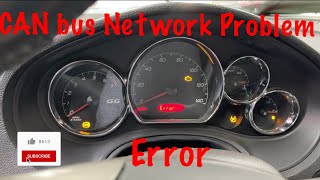
- Instrument cluster gauges (speedometer, tachometer) behave erratically or stop working
- Power features like windows, locks, or radio may stop working
- Scan tool fails to communicate with any modules
- "Power Steering" message on the Driver Information Center (DIC)
- Replacing the Engine Control Module (ECM) or other expensive computers without first verifying all power and ground connections are clean, tight, and secure.
Most Likely Causes
- Corroded or Broken Ground Wires 🔴 High Probability The main ground straps for the engine and transmission are exposed and known to corrode or break completely, severing the ground path for critical modules like the ECM and TCM.
How to confirm: Visually inspect the ground straps and their connection points. G105 is on a transmission stud on the left rear side of the engine compartment, often below the upper coolant hose. G106 is also on a transmission stud, with its exact location varying by engine (e.g., front of the engine for 3.5L). Look for green/white corrosion, frayed wires, or a completely broken connection. A voltage drop test across the ground is the definitive test.
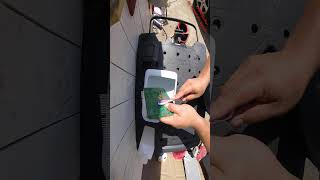
Typical fix: Disconnect the battery. Remove the ground bolt, and use a wire brush or sandpaper to clean the wire terminal, the bolt, and the mounting surface on the engine/transmission until all are shiny bare metal. Re-secure the ground tightly. If the wire or terminal is broken, it must be replaced with a new ground strap. 🎬 Watch: How to locate and clean a bad Pontiac G6 ground
Est. part cost: $10-$30 - Poor Connection at Body Control Module (BCM) 🟡 Medium Probability → Shop Body Control Module GM issued a recall (NHTSA 14V-252) for increased resistance in the BCM connectors, which can cause voltage fluctuations and network problems. The BCM acts as a central hub for communication, and water intrusion from a leaking sunroof can also corrode these connections.
How to confirm: The BCM is located with the fuse box on the passenger side of the center console. Inspect the large connectors (specifically the gray C3 connector) for any signs of corrosion (green or white powder), fretting, or loose pins. Wiggling the connectors may temporarily restore function or cause the symptoms to appear.
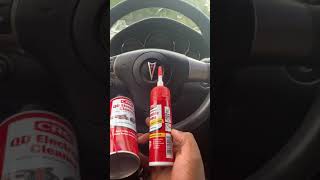
Typical fix: Disconnect the battery. Unplug, inspect, and clean the BCM connectors with electrical contact cleaner. The official recall fix involves adding a spacer, securing the harness, and applying dielectric lubricant to the connectors. 🎬 See this step-by-step guide on cleaning the BCM connectors
Est. part cost: $5-$15 for cleaner and grease. - Weak or Failing Battery 🟡 Medium Probability → Shop Vehicle Battery Modules on the Class 2 network are sensitive to voltage. A battery that provides enough power to crank the engine may still have low enough voltage during cranking or under load to cause communication dropouts and set a U1000 code.
How to confirm: Test the battery with a multimeter. A healthy battery should show at least 12.4 volts with the engine off. Have the battery load-tested at an auto parts store to confirm its health under load, which is a more accurate test.
Typical fix: Replace the battery.
Est. part cost: $150-$250 - Faulty Power Steering Control Module (PSCM) ⚪ Low Probability The PSCM is a node on the communication network. A known issue, subject to a recall (NHTSA 14V-153), can cause the module to fail internally, disrupting the entire network and often causing a loss of power steering.
How to confirm: This is difficult without an advanced scan tool. A professional technician can unplug the PSCM (located on the steering column under the dash) to see if communication with other modules is restored. If it is, the PSCM is likely the faulty component.
Typical fix: Replace the Power Steering Control Module or the entire steering column assembly, depending on the specific failure. This may require programming by a dealer or qualified shop. The recall fix involved replacing the torque sensor assembly or the PSCM. 🎬 Watch: How to troubleshoot and fix GM electric power steering issues
Est. part cost: $150-$400
Rare But Worth Checking
- Faulty Transmission Control Module (TCM): → Shop Transmission Assembly The TCM is located on the 4-speed automatic transmission and is subject to heat and vibration. While less common than grounds, an internal failure can take down the network. This often presents with a U0101 code as well.
- Damaged Wiring Harness: A wire in the Class 2 data circuit (typically a dark green wire) could be chafed, cut, or corroded somewhere in the vehicle, causing an open or short in the network. Common chafe points are near the engine, transmission, and under the driver's side dash. This is often difficult to find and requires tracing the circuit with a wiring diagram.
Diagnosis Steps
- Check Battery Health: Ensure the battery has at least 12.4V engine-off and that the charging system is working correctly (13.7-14.7V engine-on). Get the battery load-tested.
- Scan for Codes: Use a scan tool capable of reading all modules. Note which modules are setting the U1000 code and, more importantly, which modules are not responding at all. This is a critical clue.
- Inspect Main Grounds: Locate ground straps G105 and G106 on the engine/transmission studs. Disconnect the battery, then unbolt the grounds. Wire brush the terminal, the bolt, and the mounting surface until shiny, then securely re-attach. This is the most common fix.
- Check Fuses: Inspect all fuses in both the under-hood and interior fuse panels, paying special attention to any labeled ECM, TCM, BCM, or EPS (Electric Power Steering).
- Inspect BCM Connectors: With the battery disconnected, access the BCM on the passenger side of the center console. Unplug its main connectors (especially the gray C3) and look for any green/white corrosion or damaged pins. Clean with contact cleaner and apply dielectric grease if needed.
- Isolate Modules (Advanced): If the problem persists, it may be a faulty module bringing down the network. This is an advanced step. Unplug one module at a time (the PSCM under the dash is a good one to start with, followed by the radio) and rescan the vehicle to see if communication is restored to the other modules.
Parts You'll Likely Need
- Engine/Transmission Ground Strap
(OEM #15179982)— These are the most frequent failure points causing a U1000 code on the G6 due to corrosion and breakage.
Trusted brands: ACDelco, Dorman
OEM price range: $20-$40
Aftermarket price range: $10-$25 - Body Control Module (BCM) — A known recall for poor internal connections makes the BCM a common point of failure for network issues. Often the connection, not the module itself, is the problem.
Trusted brands: ACDelco, Dorman (remanufactured)
OEM price range: $250-$400
Aftermarket price range: $150-$250
Related Codes That Often Appear With This One
- U0100 — Lost Communication With Engine Control Module (ECM)
- U0101 — Lost Communication With Transmission Control Module (TCM)
- U0140 — Lost Communication With Body Control Module (BCM)
- U0121 — Lost Communication With Anti-Lock Brake System (ABS) Control Module
Technical Service Bulletins (TSBs) & Recalls
- NHTSA Recall 14V-252 / GM 13036: Addresses increased resistance in the Body Control Module (BCM) connection. The fix involves adding a spacer and applying dielectric lubricant.
- NHTSA Recall 14V-153 / GM N140115: Addresses sudden loss of electric power steering assist. Depending on the vehicle bui
- TSB Bulletin #PIC3557: A manufacturer service bulletin for related GM models notes that diagnostics for a Class 2 communications code U1000 may not always lead to a final repair, and technicians are sometimes advised to disregard the code if it is set as current or intermittent while other issues are present.
Platform-Specific Known Issues
- Broken ground straps on the transmission case are a very common cause of no-start and communication failures. Specifically check grounds G105 and G106.
- A recall (14V-252 / GM 13036) was issued for poor electrical connections at the Body Control Module (BCM) which can cause widespread electrical and communication problems, including U1000.
- A recall for the Electric Power Steering Module (14V-153) can cause the module to fail, which can disrupt the Class 2 data line and trigger a U1000 code along with a loss of steering assist.
Mechanic-Grade Diagnostic Values
- Class 2 Serial Data Line Voltage (Key On) — expected: The bus is active at a nominal 7.0 volts and inactive at ground potential. An oscilloscope will show data packets switching between 0V and ~7V.. Failure: A constant 0V indicates a short to ground. A constant 12V indicates a short to power. Voltage significantly below 7V during activity can indicate a weak pull-up resistor in a module or excessive resistance in the circuit.
- Class 2 Data Line Resistance to Ground (Battery Disconnected) — expected: High resistance (kOhms or MOhms).. Failure: Low resistance (near 0 Ohms) indicates a short to ground in the wiring or within a connected module.
Scan Tool Commands That Help
- Tech 2 / GDS2: Module Ping / Class 2 Message Monitor — To actively poll all modules on the Class 2 network and see which ones respond. This is a primary step in identifying a non-communicating module. The tool can show the 'State of Health' messages that each module should be sending every 2 seconds.
- Tech 2 / GDS2: Output Control Tests — After communication is established, a technician can use this to command specific functions (like door locks, lights, etc.) through the BCM to verify the module's internal logic and output drivers are working, even if it's having trouble communicating with other modules.
Wiring & Ground Locations
- Class 2 Data Wire — Pin 2 of the Data Link Connector (DLC) under the driver's side dash. It is a Dark Green wire. This same wire runs to each module on the network, including the BCM, ECM, TCM, Radio, and PSCM.. This is the single wire that carries all communication between modules. A short or open on this wire anywhere in the vehicle will cause a U1000 code.
- G105 — On a transmission stud on the left rear side of the engine compartment, often below the upper coolant hose.. This is a primary ground for the engine and transmission control modules. Corrosion or breakage here is a top cause of U1000.
- G106 — Location varies by engine. For the 2.4L, it's on the left rear of the engine. For the 3.5L, it's on the front of the engine at a transmission stud. For the 3.9L, it's on the left side of the engine.. This is another critical powertrain ground. Its failure can cause communication loss with the ECM and TCM.
- G201 / G203 — Located under the center console on a front support bracket.. These are interior grounds. While less exposed to weather, they provide the ground path for interior modules like the BCM. A loose connection here can cause BCM-related network issues.
- G305 — On the right front of the passenger compartment, behind the right front kick panel.. This is a primary ground for the Body Control Module (BCM). A fault here can directly cause the BCM to lose communication or behave erratically.
- BCM Connector C3 (Gray) — On the Body Control Module, which is located with the fuse box on the passenger side of the center console.. This connector is specifically mentioned in a GM recall for fretting corrosion and high resistance, which directly leads to communication faults and U1000 codes.
Real Owner Repair Stories
- iATN (International Automotive Technicians Network) (Pontiac G6, year not specified) — Intermittent no-crank, no-start, windows would not work, vehicle acted like it was in accessory mode instead of run/crank.
❌ Tried (didn't work) Initial diagnosis was likely focused on modules or battery.
✅ What actually fixed it Found a bad wire going to the ignition switch. A new wire was run, which resolved the U1000 code and all associated symptoms. - CorvetteForum (discussing same Class 2 network) (Early 2000s GM vehicle) — Multiple communication codes, 'Reduced Engine Power' message on DIC.
❌ Tried (didn't work) Checking individual modules.
✅ What actually fixed it The Instrument Panel Cluster (IPC) itself had an internal short, grounding out the Class 2 data bus. Unplugging the IPC restored communication to all other modules. The IPC was repaired, resolving the network-wide issue.
OEM Part Supersession History
15829740, 25840799, 25885304, 25900929, 25900930→20784397, 25940348, 20793571— Standard component revisions and updates by the manufacturer over the vehicle's production life.
Heads up: BCMs are highly specific to the vehicle's options (engine, transmission, trim). A used BCM must be from a car with identical options, and it will always require programming to the vehicle's VIN by a dealer or a shop with a Tech 2/GDS2 scanner.
Model Year Variations Within This Range
- 2005-2010: The physical location of ground G106 changes depending on the engine installed (2.4L I4, 3.5L V6, 3.9L V6), requiring different diagnostic approaches for each powertrain.
- 2009.5-2010: For the mid-2009 refresh, some models began using a 6-speed automatic transmission (6T40/6T70) which uses a different TCM communication strategy than the older 4-speed (4T45). While both use the Class 2 network, diagnosing a TCM-related U1000 may differ slightly.
Diagnostic Flowchart
Other Known Issues on This Vehicle
Issues unrelated to this code that are worth knowing about as an owner of this generation:
- Intermediate Steering Shaft Clunk 🟠 Medium — Very common. Noise typically appears at low speeds when turning. Caused by a slip/stick condition in the shaft's telescoping design. (Ref: TSB 06-02-32-007G)
- Electric Power Steering (EPS) Failure 🔴 High — Common enough to warrant a major safety recall. Can cause a sudden loss of power steering assist, making the vehicle difficult to steer, especially at low speeds. (Ref: NHTSA Recall 14V-153 / GM N140115)
- Leaking Sunroof Drain Tubes 🟠 Medium — A frequent complaint where drain tubes become clogged or, more commonly, disconnect from the sunroof cassette, dumping water into the headliner and onto the floor, often in the rear passenger area.
- Fractured Transmission Shift Cable 🔴 High → Shop Transmission Assembly — Widespread issue leading to a recall. The cable can fracture, causing the gear shifter position to not match the actual transmission gear. This can lead to a rollaway risk when the vehicle is thought to be in Park. (Ref: NHTSA Recall 14152 / GM 14152)
Used vs. New Parts: Buying Guide for This Vehicle
When a used part is the smart pick: For expensive electronic modules like the Body Control Module (BCM), Power Steering Control Module (PSCM), or Instrument Panel Cluster (IPC), a used part from a reputable salvage yard can offer significant savings. However, this is ONLY a good option if you have access to a shop with GM-specific programming tools (Tech 2 or GDS2), as these modules are VIN-locked and will not function without being reprogrammed to your vehicle.
Donor-vehicle mileage cap: roughly under 150000 miles for the part to have meaningful remaining life.
What to inspect on the donor part:
- Check for zero signs of water intrusion or corrosion on the casing and electrical pins.
- Ensure all connector housings are intact and not cracked or broken.
- Obtain the VIN of the donor vehicle if possible to verify its original options match yours.
- Ask for a short warranty period (e.g., 30-90 days) to ensure the part is not dead on arrival.
OEM-only on this vehicle (don't cheap out):
- Body Control Module (BCM): While remanufactured units from brands like Dorman exist, they still require programming. Given the complexity and critical function, a new ACDelco part or a professionally programmed used unit is often the most reliable path.
- Ignition Switch: Due to its high failure rate and critical role in powering modules, using a cheap, unbranded aftermarket switch is risky. Stick with OEM (ACDelco) or a top-tier aftermarket brand like Standard Motor Products.
Aftermarket brands forum-validated for this vehicle:
- Dorman (for remanufactured electronics and replacement ground straps)
- Standard Motor Products (for ignition switches and sensors)
- ACDelco (OEM supplier)
Brands owners have reported issues with on this vehicle:
- Unbranded, no-name radio interface modules. These are a common cause of Class 2 data bus failures when installing an aftermarket stereo.
Real Owner Stories
Aggregated from forums and TSBs cited above. Mileages and costs reflect what owners reported in those sources.
2007 Pontiac G6
Symptoms: No communication with various modules and the car would not start.
What fixed it: The issue was traced to a U1000 code and general communication failure.
Source hint: Reddit r/MechanicAdvice thread titled '2007 Pontiac G6 U1000 code no communication with'
2005-2010 Pontiac G6
Symptoms: U1000 and other codes present; the car would not start.
What fixed it: Cleaning or replacing broken ground straps on the transmission case (G105 and G106).
Source hint: g6ownersclub.com thread titled 'u1000-and-other-codes-car-wont-start.18193/'
Related OBD-II Codes
Frequently Asked Questions
Is there a recall for the communication issues and U1000 code on my Pontiac G6?
My G6 shows a 'Power Steering' message and won't start; is this related to U1000?
Where are the main ground straps located on the 2005-2010 Pontiac G6?
Can a sunroof leak cause the U1000 communication code?
What is the official fix for the BCM connector issue mentioned in the GM recall?
Why does my G6 have erratic gauges and a U1000 code even though the battery is new?
Helpful Videos

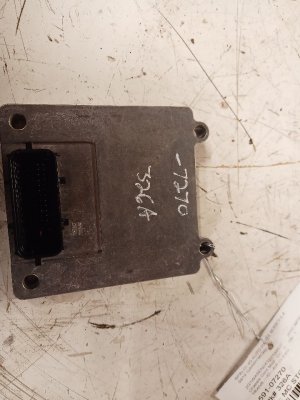
Used OEM Parts in Stock
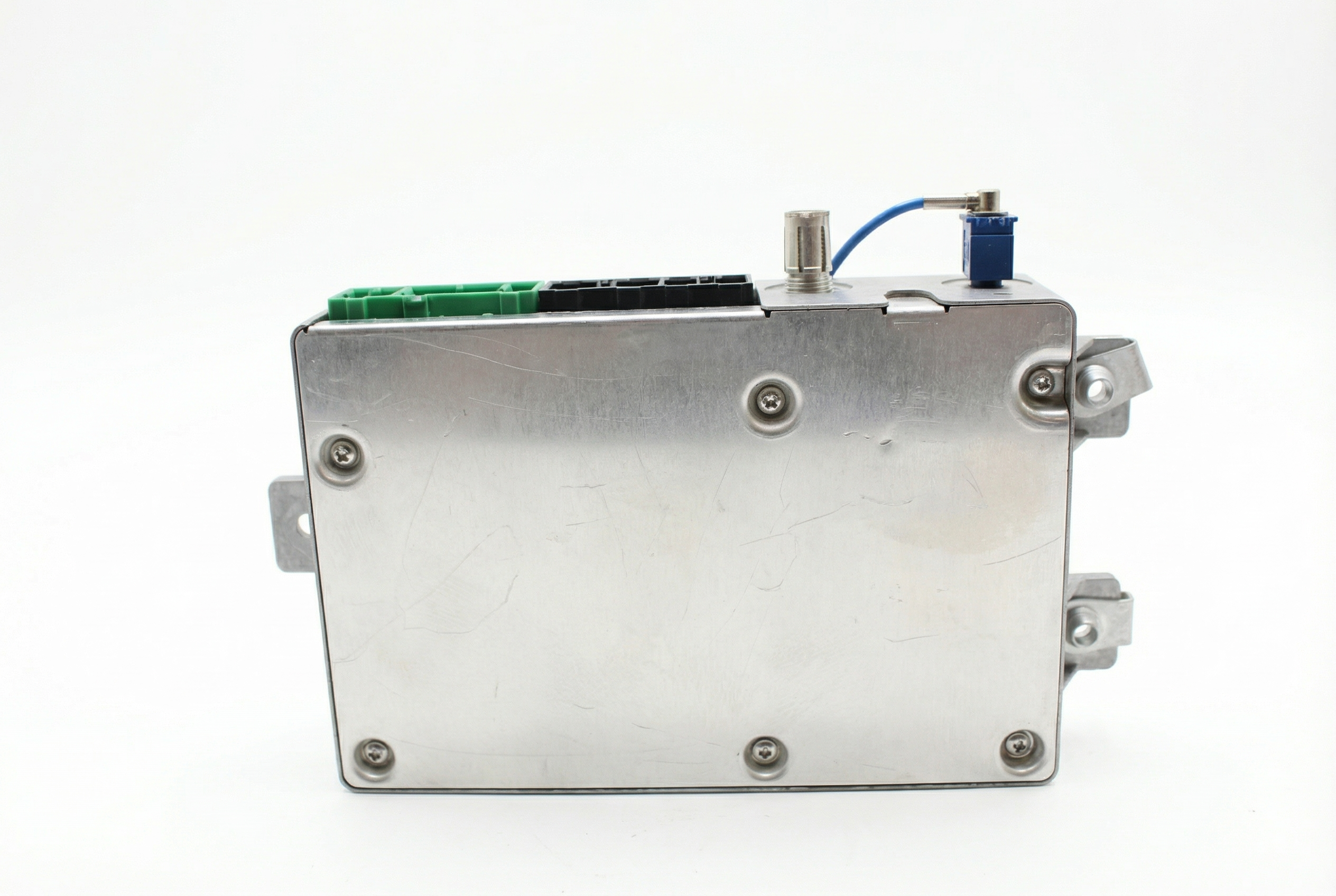
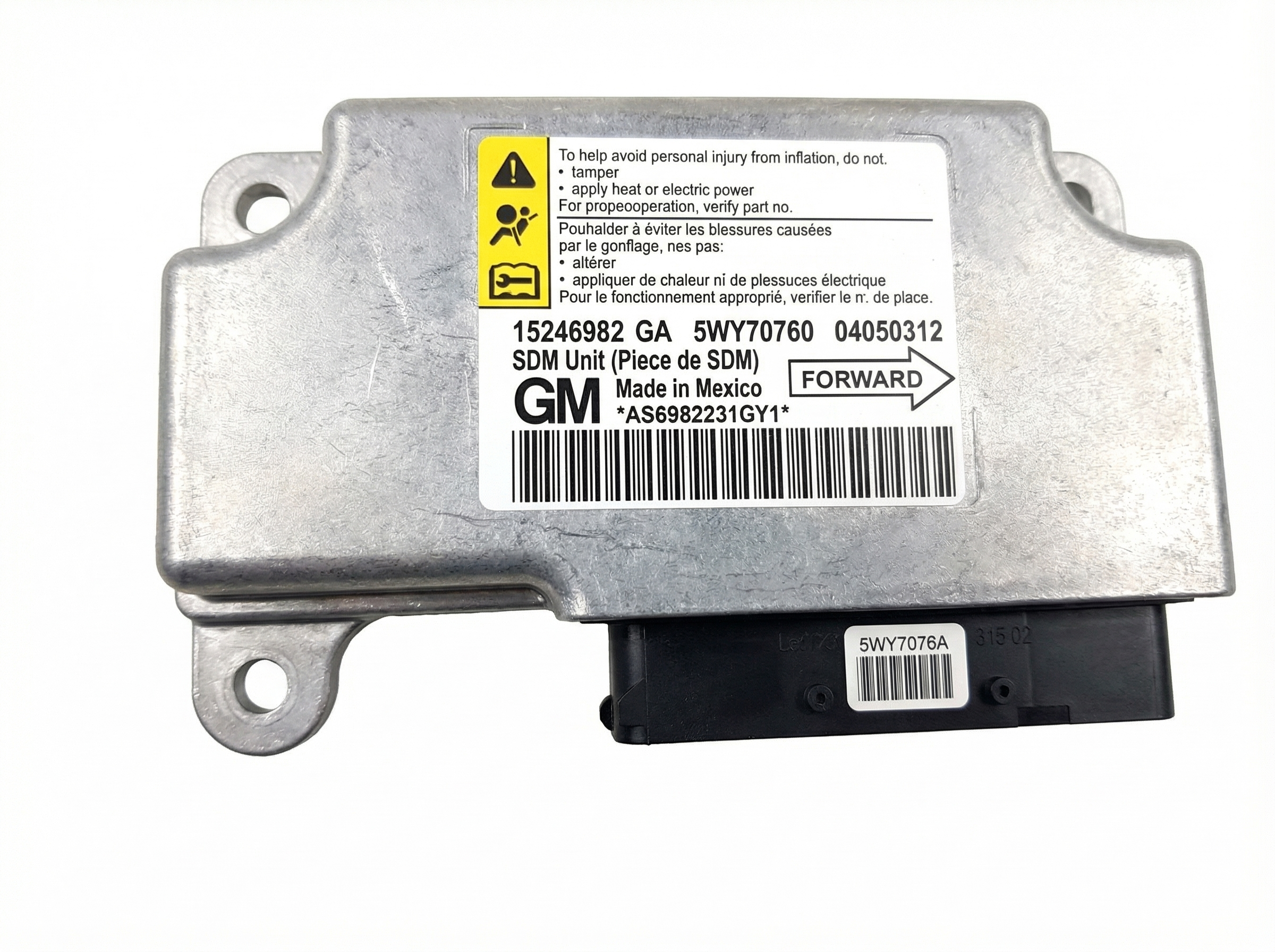
New Aftermarket Parts Available

The information in this article is provided for general reference and educational purposes only. Vehicle specifications, procedures, and part compatibility can vary by production date, trim level, and region. Always consult your vehicle's factory service manual and verify part numbers before purchasing or performing repairs. Safety-critical components such as airbags, seat belts, and braking systems should be installed by a qualified professional.
- Pontiac G6:
- 🧭 Diagnostic Flowchart
- 🎬 Helpful Videos
- 🛍️ Shop This Part
- What's Unique About the 2005-2010 Pontiac G6
- Symptoms You May Notice
- Most Likely Causes
- Rare But Worth Checking
- Diagnosis Steps
- Parts You'll Likely Need
- Related Codes That Often Appear With This One
- Technical Service Bulletins (TSBs) & Recalls
- Platform-Specific Known Issues
- Mechanic-Grade Diagnostic Values
- Scan Tool Commands That Help
- Wiring & Ground Locations
- Real Owner Repair Stories
- OEM Part Supersession History
- Model Year Variations Within This Range
- Other Known Issues on This Vehicle
- Used vs. New Parts: Buying Guide for This Vehicle
- Real Owner Stories
- 2007 Pontiac G6
- 2005-2010 Pontiac G6
- Related OBD-II Codes
- Frequently Asked Questions
- 🎟️ Get 5% Off