

U1001 on 2005-2012 Nissan Altima: CAN Communication Failure Causes and Fixes
Code U1001 on a Nissan Altima means there's a CAN communication network failure, most often caused by a poor ground connection, a corroded wire, or a blown fuse. Key areas to inspect are the main battery ground cable and smaller grounds in the engine bay, particularly near the transmission and on the firewall, before suspecting a faulty control module.
- U1001 is a network communication error, not a specific part failure.
- The most likely cause on a 2005-2012 Altima is a bad ground connection or a wiring issue.
- Always check battery voltage, fuses, and clean main ground points before considering expensive module replacement.
- Diagnosing this code can be complex and may require professional help to avoid causing further damage.
- The module that stores the code is rarely the one that needs to be replaced.
What's Unique About the 2005-2012 Nissan ALTIMA
On this era of Nissan Altima, the electrical system is particularly sensitive to voltage and ground integrity. Many owner and technician reports point to corroded or loose ground straps as the primary culprit for intermittent U1001 codes, far more often than actual module failure. Key problem spots include the main negative battery cable and smaller ground points in the engine bay, such as one near the brake fluid reservoir and another from the engine head to the firewall. Before beginning complex diagnostics, a thorough inspection and cleaning of these ground points is the most effective first step. The issue is common enough that Nissan issued technical service bulletin NTB10-066A, which guides technicians to always diagnose these communication codes first before replacing any parts.
Diagnostic Flowchart
Tap your situation to follow the diagnostic path that matches what you're seeing on this vehicle.
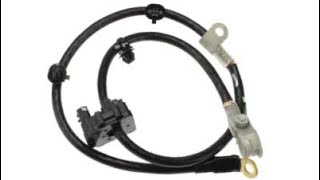
Generation note: This range covers two Altima generations: the 3rd Gen (L31, 2005-2006) and 4th Gen (L32, 2007-2012). While the U1001 code's meaning is the same for both, the physical location of control modules (like the TCM) and ground points may differ. For example, on the L31 3.5L V6, a key ground is on the transmission. On the L32, a common failure point is the main battery ground cable (part # 24080-JA00A). 🎬 Watch: How to replace a corroded Nissan battery ground cable. Always verify locations for your specific model year.
Symptoms You May Notice
- Multiple dashboard warning lights are on simultaneously (Check Engine, ABS, VDC/SLIP, BRAKE)
- Engine cranks but will not start
- Engine stalls while driving, sometimes restarting after a few minutes
- Transmission may shift harshly or get stuck in one gear (limp mode)
- Speedometer, tachometer, or gear position indicator on the dash is inoperative or erratic
- Loss of power during acceleration
- Push-button start is inoperative
- Replacing the control module that stored the U1001 code. The module logging the code is usually the one that is 'shouting into the void' because another module is not responding. The problem lies with the module that is offline or the wiring between them.
- Replacing the ECM without first thoroughly checking all power and ground circuits. A forum user on a Murano replaced the ECU for a U1001 no-start condition, but the issue persisted until all ground cables were double-checked.
Most Likely Causes
- Poor or Corroded Ground Connections 🔴 High Probability Nissan vehicles from this era are noted to be extremely sensitive to ground issues. Corrosion on main battery-to-chassis or engine-to-chassis grounds is the most frequent trigger for CAN communication faults. Acidic vapors from the battery can corrode the negative terminal and cable over time.
How to confirm: Visually inspect the main ground straps in the engine bay for looseness, fraying, or green/white corrosion. Key locations include the negative battery cable, a strap from the engine head to the firewall, and grounds near the transmission. Use a multimeter to perform a voltage drop test on the ground circuit; a reading above 0.2 volts under load indicates a problem.
Typical fix: Disconnect the battery. Unbolt, clean all contact surfaces of the ground wire and chassis with a wire brush until shiny, and re-secure tightly. Apply dielectric grease to prevent future corrosion. Replace the ground strap if it is badly corroded or frayed.
Est. part cost: $15-$50 - Damaged CAN Bus Wiring or Connectors 🟡 Medium Probability Wiring harnesses can chafe against engine or chassis components over time, or suffer corrosion at connector pins, leading to an open or short in the CAN circuit. This can be intermittent, happening only when the engine moves or vibrates.
How to confirm: Visually inspect harnesses for damage, especially where they pass through the firewall or near hot/moving components. With the battery disconnected, check for ~60 ohms of resistance between Pin 6 (CAN-H) and Pin 14 (CAN-L) 🎬 See how to test CAN bus resistance with a multimeter. at the OBD-II port. A reading of 120 ohms suggests a break in the circuit or a missing terminating resistor, while a reading near 0 ohms indicates a short.
Typical fix: Repair the damaged section of wire. Clean or replace corroded connector pins. This can be a time-consuming diagnosis. One owner found a wire that had been improperly repaired previously and was intermittently touching ground.
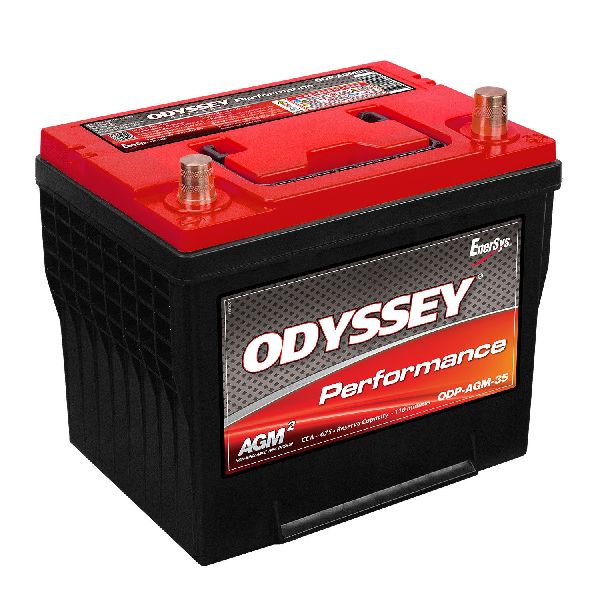
Est. part cost: $10-$100 - Low Battery Voltage or Failing Alternator 🟡 Medium Probability → Shop Vehicle Battery Control modules require a stable voltage to operate. If battery voltage drops below a certain threshold (e.g., 10V) during cranking, modules can shut down randomly and fail to communicate, setting a U-code.
How to confirm: Test the battery with a digital battery tester. A healthy, fully charged battery should read approximately 12.6V. With the engine running, voltage should be between 13.7V and 14.7V. Many auto parts stores will test your battery and alternator for free.
Typical fix: Charge or replace the battery. If charging voltage is low, diagnose and replace the alternator.
Est. part cost: $150-$400 - Blown Fuse for a Control Module ⚪ Low Probability A short circuit in a component, like an ignition coil, can blow the fuse that powers a control module, taking it offline and causing a communication code. Fuses for the ECM, TCM, and other electronic parts are often located in the IPDM.
How to confirm: Check fuses related to the ECM, TCM, and IPDM (Intelligent Power Distribution Module). A video on a 2011 Altima showed a burnt ignition coil blew the 'ENG CONT' fuse, causing a no-comm situation. Another video on a Nissan Sunny with U1001 traced the issue to a shorted wire blowing a 10A fuse for the control unit.
Typical fix: Identify and fix the underlying short circuit (e.g., replace a bad ignition coil), then replace the blown fuse.
Est. part cost: $1-$50
Rare But Worth Checking
- Failed Control Module (ECM, TCM, BCM, ABS): While possible, this is less common than wiring or ground issues. TSB NTB10-066A specifically warns that the module reporting the code is typically operating normally. A module should only be replaced after all network wiring, grounds, and power sources have been confirmed to be good. In one case on a Nissan Tiida, a faulty ECM was the ultimate cause of a persistent U1001 and inoperative tachometer.
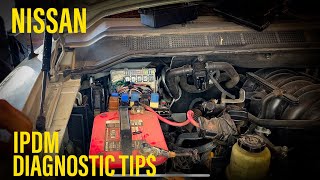
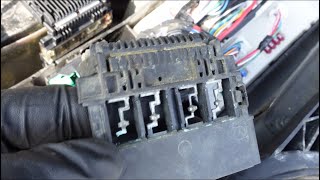
- Failed Intelligent Power Distribution Module (IPDM): → Shop Fuse Box The IPDM is a smart fuse/relay box that powers many modules. An internal failure, such as a faulty ECM relay soldered inside the IPDM, can cut power to one or more modules, causing communication codes. Nissan has an automated self-test for the IPDM 🎬 Watch this guide for diagnosing Nissan IPDM and relay issues. that can help diagnose its output functions.
- Aftermarket Accessories: Improperly installed aftermarket electronics (stereos, alarms, remote starters) can interfere with the CAN bus by introducing electrical noise or creating bad grounds, leading to U-codes.
Diagnosis Steps
- Use a quality OBD-II scanner capable of reading codes from all modules (ECM, TCM, ABS, BCM). Identify which modules are storing the U1001 code and, more importantly, which modules are not communicating at all.
- Check and record the battery's state of charge and the alternator's output voltage when running. A weak battery or charging system is a common cause and should be ruled out first.
- Visually inspect, clean, and tighten all major ground connections. Start with the negative battery terminal cable, the chassis ground strap, and any engine block grounds. On these Altimas, pay special attention to the ground near the transmission and the one from the engine head to the firewall.
- Inspect all fuses in both the interior fuse panel and the IPDM in the engine bay, particularly those labeled 'ECM', 'TCM', 'IGN', or 'ELEC PARTS'.
- Disconnect the battery. At the OBD-II port, measure the resistance between Pin 6 (CAN-H) and Pin 14 (CAN-L). A healthy network should read approximately 60 ohms. If it reads 120 ohms, there is a break in the circuit or a terminating module is offline. If it reads near 0 ohms, there is a short between the CAN lines.
Parts You'll Likely Need
- Ground Strap / Battery Cable
(OEM #24080-JA00A (for 2007-2013 Altima), 24080-8Y100 (for 2004-2006 Altima 3.5L V6))— Corrosion or damage to the main ground connections is the most common cause of the U1001 code on these vehicles. - Fuses — A shorted component can blow a fuse in the IPDM, taking a module offline and causing communication codes.
- Intelligent Power Distribution Module (IPDM) — Internal failure of the IPDM, particularly the non-serviceable ECM relay, can cause intermittent no-start and communication issues.
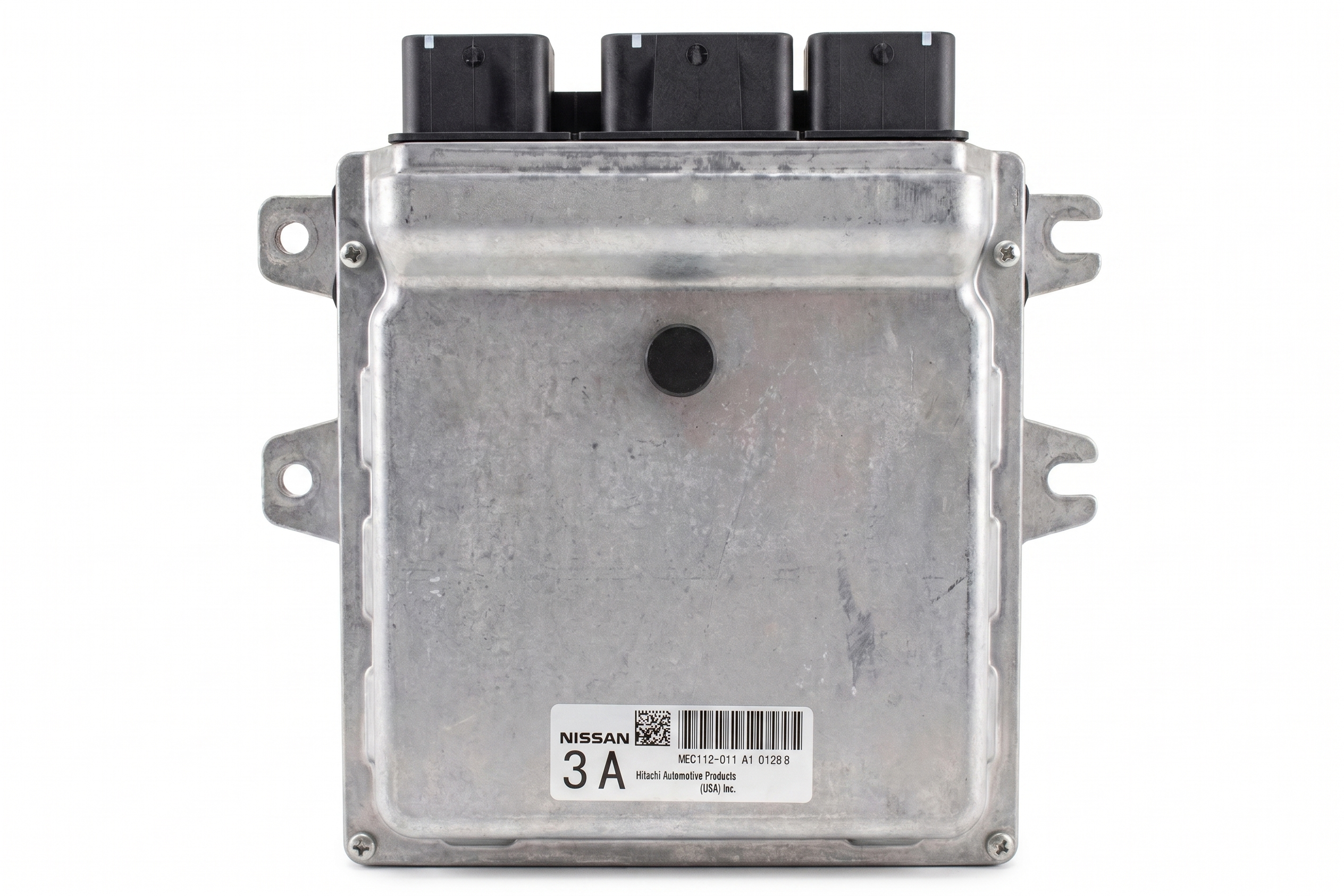
- Engine Control Module (ECM) — This is a last resort after all wiring, grounds, and power sources have been verified as good. A failed ECM can be the root cause but is uncommon.
Related Codes That Often Appear With This One
- U1000 — U1000 is a general CAN Communication Circuit Malfunction code. U1001 is a more specific version related to the ECM. They often appear together as they both indicate a network problem.
- U0101 — This code specifically means 'Lost Communication With TCM'. If the U1001 is present and you also have U0101, the problem is very likely related to the Transmission Control Module or its wiring, power, or ground.
- P0500 — This is a Vehicle Speed Sensor malfunction code. On modern cars, vehicle speed is often broadcast over the CAN bus from the ABS module. A CAN failure can prevent the ECM from receiving this signal, triggering P0500 alongside U1001.
- P1700 — This code can indicate a transmission-related issue. In one documented case, a U1001 was accompanied by a P1700, and the root cause was found to be six blown ignition coils.
Technical Service Bulletins (TSBs) & Recalls
- NTB10-066A: CAN Communication Codes - Diagnostic Tips & Guidelines. This is the primary TSB for U1000/U1001 codes, advising to diagnose the network first and confirming the module logging the code is usually not the faulty one.
- NTB10-145B: ABS/VDC CAN Diagnosis Information. This TSB provides a flowchart for diagnosing U1000 when it's stored in the ABS/VDC control unit.
- NTB13-027C: General CAN diagnostic tips, including checking for low voltage (under 10V) as a cause for modules to stop communicating.
Platform-Specific Known Issues
- L31 (2005-2006) 3.5L V6 Ground Cable: For the 3rd generation Altima with the V6 engine, a specific negative battery ground cable (Part No. 24080-8Y100) is often cited as a replacement part. This part is also shared with the Maxima and Quest of the same era.
- L32 (2007-2012) Ground Cable: For the 4th generation Altima, the battery earth cable assembly (Part No. 24080-JA00A for 2.5L/3.5L, 24080-JA10A for Coupe 3.5L CVT) is a common replacement. Corrosion builds up on the terminal clamp, requiring replacement of the whole cable.
- IPDM ECM Relay Failure: Across many Nissan platforms of this era, the internal ECM relay within the IPDM can fail, causing intermittent stalling and no-start conditions that trigger U-codes. While Nissan issued a TSB for some trucks/SUVs with white IPDMs, the failure mode is relevant to Altimas as well. An updated IPDM is often black.
Mechanic-Grade Diagnostic Values
- CAN Bus Resistance (at OBD-II Port) — expected: ~60 Ω. Failure: 120 Ω indicates an open circuit or one terminating module is offline. ~0 Ω indicates a short between CAN-H and CAN-L.
- CAN Bus Voltage (Key On, Engine Off) — expected: CAN-H (Pin 6) to Ground: ~2.6V. CAN-L (Pin 14) to Ground: ~2.4V.. Failure: Significant deviation from these voltages indicates a bus problem. A low voltage on both lines can be caused by a module pulling the network down.
- Individual Terminating Module Resistance — expected: ~120 Ω. Failure: An open or shorted reading when testing a disconnected terminating module (like the ECM or IPDM) indicates the module itself is faulty.
- Voltage Drop on Main Ground Cable — expected: < 0.2 V. Failure: A reading higher than 0.2V under load (e.g., while cranking) indicates high resistance in the ground path, a very common cause for this code.
Scan Tool Commands That Help
- Nissan CONSULT-II / CONSULT-III: CAN Diag Support Monitor — This is the primary function used by Nissan dealers to diagnose U1000-series codes. It polls all modules on the network and displays which ones are communicating and which are not, quickly identifying the source of the communication loss.
- Manual Procedure (No Scan Tool): IPDM E/R Auto Active Test — This built-in self-test confirms if the IPDM (Intelligent Power Distribution Module) can communicate with the BCM and operate various systems (wipers, lights, etc.). To activate: Turn ignition ON, and within 20 seconds, press the driver's door switch 10 times, then turn ignition OFF. Turn ignition back ON within 10 seconds. A horn chirp confirms the test has started. If the test runs, it confirms the CAN line between the BCM and IPDM is likely okay.
Wiring & Ground Locations
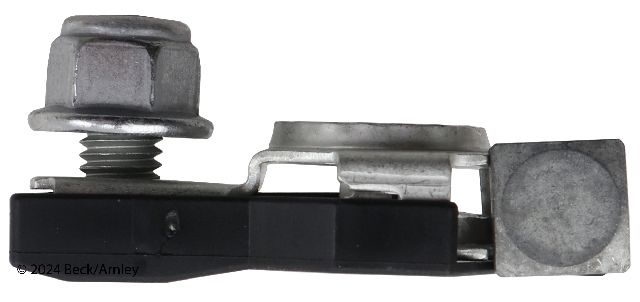
- Main Battery Ground Cable — Connects the negative battery terminal to the vehicle chassis and often has a smaller wire branching to the engine block or transmission.. This is the most common failure point. Corrosion or looseness here creates system-wide voltage instability, causing modules to drop off the CAN network. Part #24080-JA00A is a frequent replacement for 4th Gen Altimas.
- IPDM E/R (Intelligent Power Distribution Module Engine Room) — A black box containing fuses and relays, typically located in the engine bay near the battery.. The IPDM acts as a gateway and power source for many other modules. An internal failure or a bad connection/fuse within the IPDM can take multiple systems offline, triggering U1001.
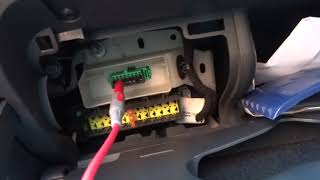
- OBD-II Port Pins 6 & 14 — The diagnostic port under the driver's side dashboard.. Pin 6 is CAN-H and Pin 14 is CAN-L. These are the primary test points for checking the overall health of the CAN bus with a multimeter (checking for 60Ω resistance).
- Fusible Link Assembly — Attached directly to the positive battery terminal.. This assembly (Part #24380-JA00A for many 2007-2013 models) contains multiple high-amperage fuses that power various systems. A single blown circuit in this non-serviceable unit can cause a loss of power to a critical module.
Real Owner Repair Stories
- 2CarPros Forum (Nissan (model not specified, but symptoms are relevant)) — Engine cranks but does not start, codes U1001 and P1700 present.
❌ Tried (didn't work) Initial diagnosis focused on the communication and transmission codes.
✅ What actually fixed it The owner discovered that all six ignition coils had blown. After replacing the coils, the car started and the codes were resolved. This suggests a massive electrical surge or short caused the coil failure, which in turn likely blew a fuse powering the ECM, leading to the U1001. - YouTube Channel 'Car Hospital' (Nissan Sunny (shares architecture with other Nissans)) — Intermittent stalling, U1001 and U1000 codes, 10A fuse for a control unit repeatedly blowing.
❌ Tried (didn't work) Checking fuses which would just blow again.
✅ What actually fixed it A wire from a control unit connector, located under the air filter housing, had been improperly secured during a previous repair. It was intermittently shorting to ground, blowing the fuse and causing the communication failure. The fix was to properly repair and insulate the damaged wire. - YouTube Channel 'Fixbook' (Nissan Altima) — Crank no start condition.
❌ Tried (didn't work) Testing for fuel pressure (spraying starter fluid did not help)., Testing for spark and injector pulse (both were absent).
✅ What actually fixed it The transponder chip was missing from the customer's broken key fob. The vehicle's immobilizer system was active, preventing the ECM from sending spark and fuel signals, which can present as a communication issue or lack of readiness. A locksmith programmed a new key, which resolved the no-start.
OEM Part Supersession History
284B7-6CA0A, 284B7-6CA2A→284B7-6CA3A— Part revision by the manufacturer for improved reliability or minor design change.
Heads up: While these parts are for newer Altimas, the practice of superseding IPDM part numbers is common. For the 2005-2012 range, it is critical to verify the correct IPDM part number for the specific year and trim, as there are multiple incompatible versions.284B6-ZE03A→284B6-ZE03B— Part revision by the manufacturer.
Heads up: This is another example of an IPDM supersession. Always confirm the part number with a VIN at a dealership, as using the wrong IPDM can cause further electrical issues.
Model Year Variations Within This Range
- 2007-2013: The 4th generation (L32) Altima commonly uses a specific main battery ground cable, part number 24080-JA00A, which is a very frequent failure point for the U1001 code.
- 2007-2013: A 5-circuit fusible link (part #24380-JA00A) is used on many models in this range. However, some trims may use a 6-circuit version (#24380-3JA1A). They look similar but have different plug configurations and are not interchangeable. Visually confirming the number of circuits and plugs before ordering is critical.
Helpful Videos
Used OEM Parts in Stock
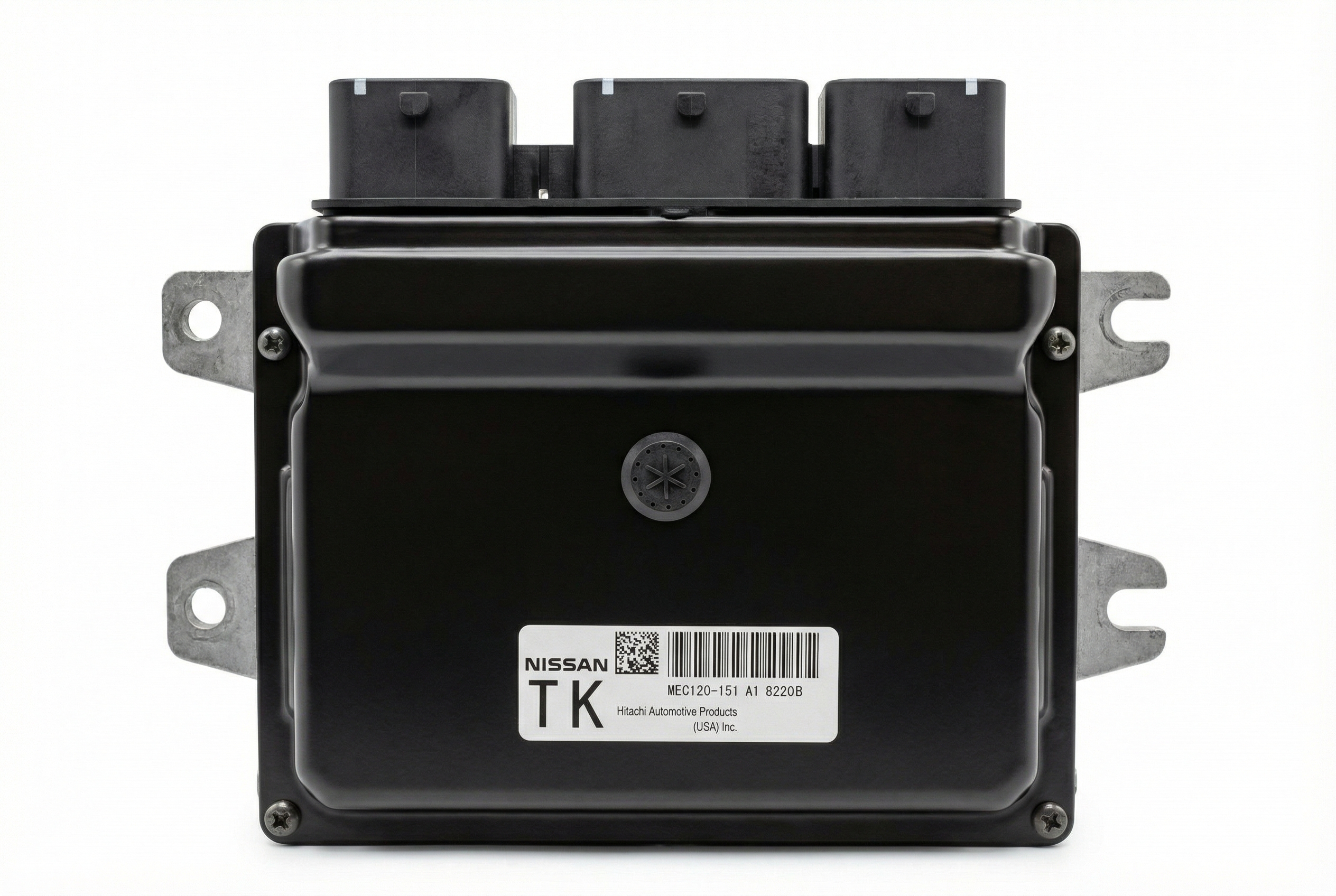
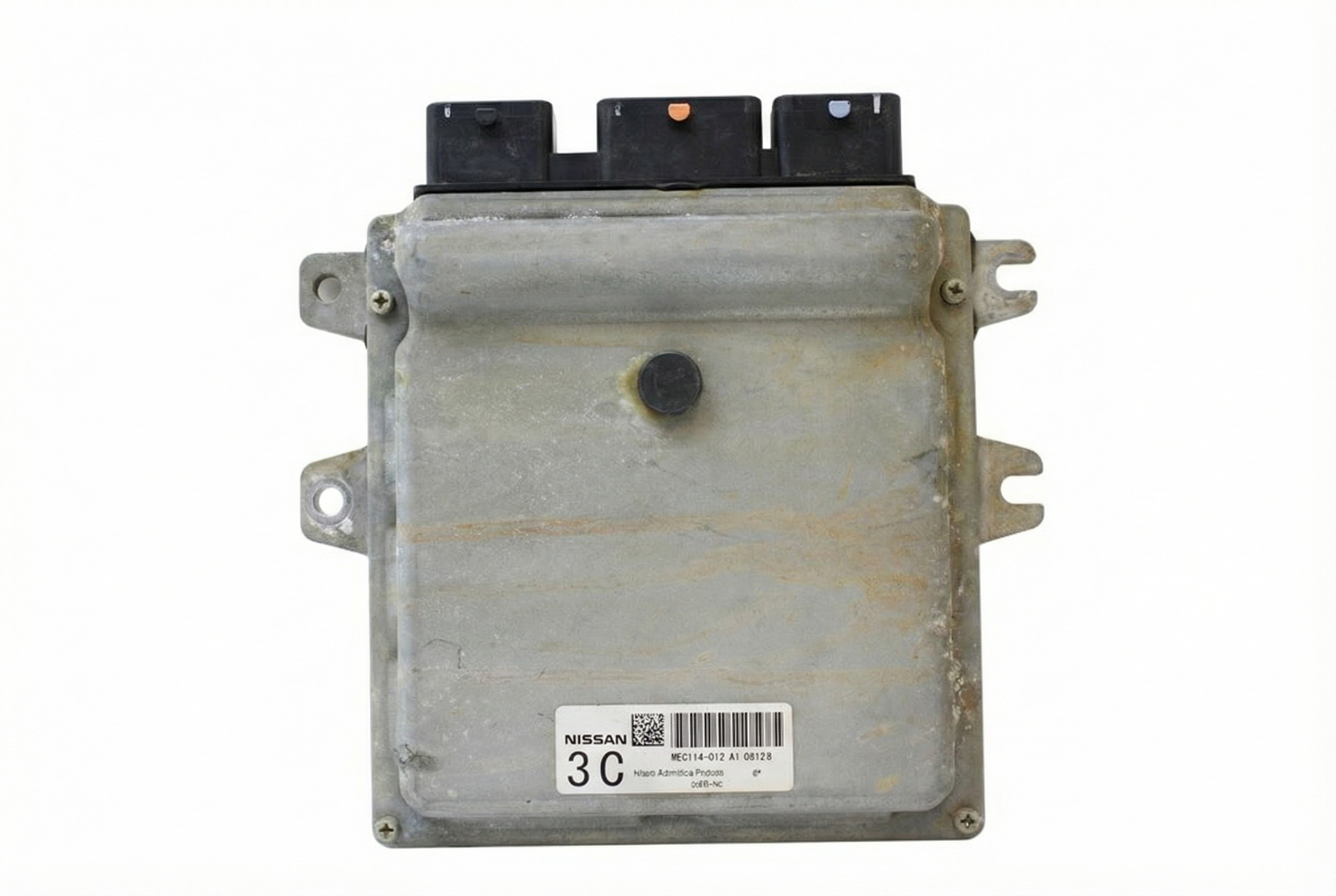
New Aftermarket Parts Available


The information in this article is provided for general reference and educational purposes only. Vehicle specifications, procedures, and part compatibility can vary by production date, trim level, and region. Always consult your vehicle's factory service manual and verify part numbers before purchasing or performing repairs. Safety-critical components such as airbags, seat belts, and braking systems should be installed by a qualified professional.
- Nissan ALTIMA:
- 🧭 Diagnostic Flowchart
- 🎬 Helpful Videos
- 🛍️ Shop This Part
- What's Unique About the 2005-2012 Nissan ALTIMA
- Symptoms You May Notice
- Most Likely Causes
- Rare But Worth Checking
- Diagnosis Steps
- Parts You'll Likely Need
- Related Codes That Often Appear With This One
- Technical Service Bulletins (TSBs) & Recalls
- Platform-Specific Known Issues
- Mechanic-Grade Diagnostic Values
- Scan Tool Commands That Help
- Wiring & Ground Locations
- Real Owner Repair Stories
- OEM Part Supersession History
- Model Year Variations Within This Range
- 🎟️ Get 5% Off