

U1001 on 2009-2014 Nissan Cube: CAN Communication Circuit Failure Causes and Fixes
A U1001 code on your Nissan Cube indicates a CAN network communication failure. This is most often caused by a weak battery, or poor/corroded ground connections near the battery and engine. Before replacing any expensive parts, fully charge your battery and thoroughly clean all main ground points, as this resolves the issue in a majority of cases for Nissan vehicles of this era.
- U1001 is a network problem, not a specific part failure. The issue is that your car's computers can't talk to each other.
- Always start with the simplest and most common fixes: fully charge and test the battery, then thoroughly clean all main ground connections.
- Do NOT replace the ECM or any other module just because it has the U1001 code stored. That module is usually just the messenger.
- Diagnosing this code beyond the basic steps requires advanced tools and is best left to a professional to avoid expensive misdiagnoses.
What's Unique About the 2009-2014 Nissan CUBE
On Nissans of this era built on the B platform (including the Cube, Versa, and Juke), the electrical system is particularly sensitive to voltage fluctuations and ground integrity. Unlike many other codes that point to a specific failed sensor, U1001 is almost always a symptom of an underlying electrical issue rather than a faulty module. Owner and technician reports frequently highlight corroded ground wires (especially battery-to-chassis and engine-to-chassis), weak batteries, and corrosion in the IPDM (Intelligent Power Distribution Module) as the primary culprits, making these the first and most important things to check.
Diagnostic Flowchart
Tap your situation to follow the diagnostic path that matches what you're seeing on this vehicle.
Symptoms You May Notice
- Multiple warning lights on the dashboard (Check Engine, ABS, Traction Control).
- Erratic instrument cluster behavior (speedometer or tachometer at zero).
- Engine cranks but will not start.
- Transmission shifting harshly or getting stuck in one gear (limp mode).
- Security light (red key) may be illuminated.
- Inability of a standard OBD-II scanner to connect to the vehicle's computers.
- Replacing the module that stored the code. Per Nissan TSB NTB10-066B, the module reporting a U1000-series code is often working normally; it's just indicating it can't communicate with another module.
Most Likely Causes
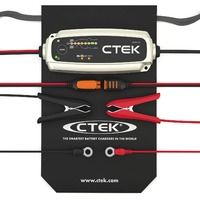
- Low Battery Voltage or Failing Battery 🔴 High Probability → Shop Vehicle Battery Nissan electrical systems from this period are sensitive to low voltage, which can cause modules to drop off the CAN network and trigger communication codes. A weak battery can cause voltage fluctuations during startup that disrupt communication.
How to confirm: Test the battery with a multimeter. A healthy, resting battery should be at or above 12.4V. With the engine running, voltage should be between 13.5V and 14.5V. Perform a load test to check its actual health, as a battery can show good voltage but fail under load.
Typical fix: Recharge or replace the battery. Ensure the new battery meets or exceeds OEM specifications. Clean the battery terminals and cable ends thoroughly.
Est. part cost: $100-$250 - Poor or Corroded Ground Connections 🔴 High Probability This is a very common cause on many Nissan models. The main ground points from the battery to the chassis and from the chassis to the engine/transmission can corrode, creating high resistance and causing communication glitches.
How to confirm: Visually inspect the main negative battery cable connection to the chassis, and any other ground straps between the engine and firewall. Look for green or white powder (corrosion) or looseness. A voltage drop test across the ground cable can confirm high resistance; it should be less than 0.2 volts.
Typical fix: Disconnect the ground wires, clean the contact points on the wire terminal and the chassis/engine block with a wire brush or sandpaper until shiny, then re-secure them tightly. 🎬 Watch: This simple ground cleaning fix often clears U1001 codes. Applying dielectric grease can prevent future corrosion.
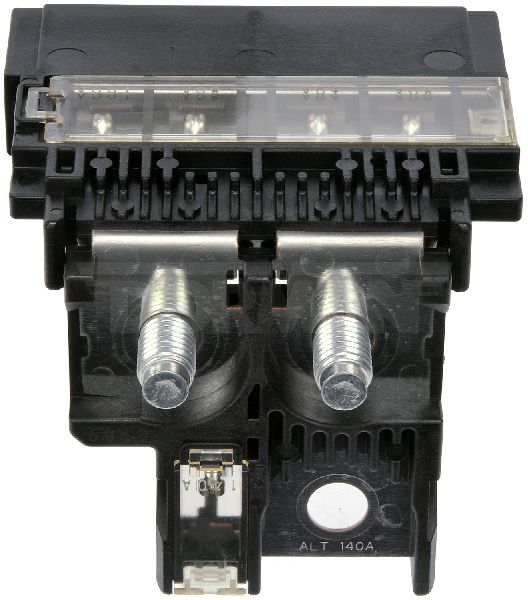
Est. part cost: $0-$10 - Damaged or Corroded Wiring/Connectors (IPDM) 🟡 Medium Probability Water intrusion in areas like the IPDM (Intelligent Power Distribution Module), which is the main fuse/relay box in the engine bay, is a known issue on related Nissan platforms. This can lead to corrosion on the internal board or connectors, shorting out CAN wires. Chafing of the main harness can also lead to shorted or open CAN wires.
How to confirm: Visually inspect the wiring harness for any signs of physical damage, rodent chewing, or corrosion, especially around the IPDM, ECM, and where the harness passes through the firewall. Unplug connectors at the IPDM and other modules to check for green/white corrosion or bent pins.
Typical fix: Repair the damaged section of wire. If a connector is corroded, it may need to be cleaned with electrical contact cleaner or replaced. A corroded IPDM often requires replacement. 🎬 See these expert tips for diagnosing Nissan IPDM and relay issues.
Est. part cost: $10-$400 - Faulty Control Module (ECM, BCM, TCM, ABS) ⚪ Low Probability While possible, a module failure is less common than wiring or voltage issues. The module storing the U1001 code is often just reporting the problem, not causing it. However, on models with CVT transmissions, the TCM can be a point of failure.
How to confirm: This is a last step after confirming all wiring, grounds, and power sources are good. Requires an advanced scan tool to attempt communication with the suspect module. If it's offline and has good power/ground/network wires, the module is likely bad.
Typical fix: Replace the faulty module. This often requires programming by a dealer or specialized shop using a tool like Nissan's CONSULT.
Est. part cost: $200-$1200
Rare But Worth Checking
- Poorly Installed Aftermarket Electronics: Aftermarket stereos, alarms, or remote starters that are improperly tapped into the vehicle's wiring can interfere with the CAN bus and cause communication errors.
- Blown Fuse for a Control Module: A blown fuse for a critical module like the TCM or ECM can take it offline, causing other modules to report a U1001 code. Check fuses in both the IPDM and the interior fuse panel.
Diagnosis Steps
- Check Battery Health: Ensure the battery is fully charged (12.4V+). Perform a load test to confirm it's not failing under load. Check running voltage (13.5V-14.5V) to verify alternator function.
- Inspect Grounds: This is the most critical step. Disconnect, clean with a wire brush, and tighten the main battery ground to the chassis, the engine-to-chassis ground straps, and any smaller ground points on the inner fenders.
- Scan for Other Codes: Use an advanced scanner to see which other modules are reporting errors or are offline. This can help pinpoint the problem area. A module that is not communicating at all is a strong suspect.
- Check Fuses: Inspect fuses related to the various control modules (ECM, TCM, BCM), particularly in the IPDM (Intelligent Power Distribution Module) in the engine bay.
- Inspect Wiring Harness: Visually inspect the main wiring harnesses for any obvious signs of damage, corrosion, or loose connections, paying close attention to the connectors at the IPDM.
- Check CAN Bus Resistance: With the battery disconnected, measure the resistance between Pin 6 (CAN High) and Pin 14 (CAN Low) at the OBD-II port. A healthy network should read approximately 60 ohms. A reading of 120 ohms suggests an open circuit or a problem with one of the two terminating resistors.
- Isolate the Faulty Module/Circuit: If a specific module is identified as offline, check its dedicated power, ground, and CAN wire connections at the module's connector. If the wiring is good, the module itself may be the issue.
Parts You'll Likely Need
- Battery — A weak or failing battery is a primary cause of network communication codes on this vehicle.
Trusted brands: Interstate, DieHard, Duralast
OEM price range: $150-$250
Aftermarket price range: $100-$200 - Ground Cable/Strap
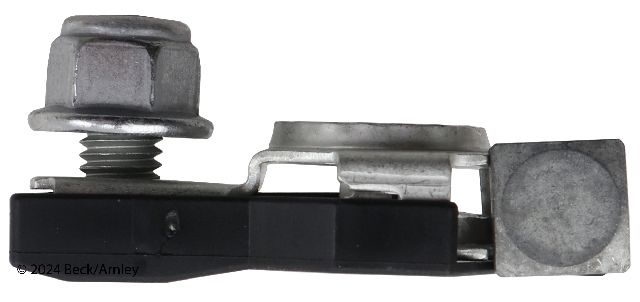
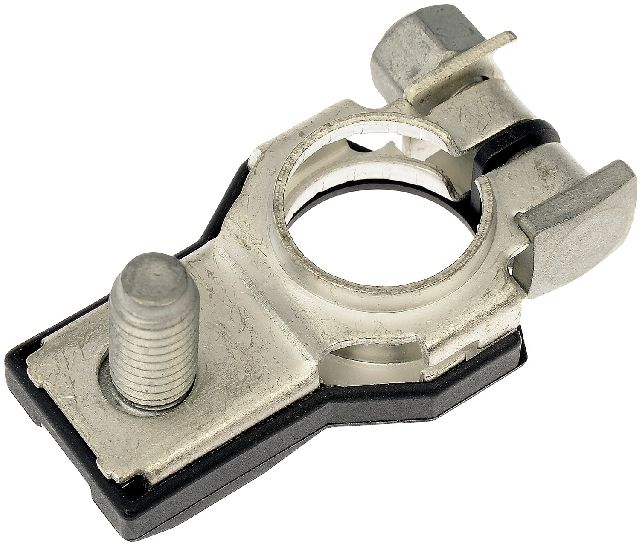
(OEM #24080-1FD0A or 24080-1FD0B (Note: These are for related platforms, verify fitment for Cube))— If the original ground cables are heavily corroded and cannot be cleaned effectively, they must be replaced to ensure proper network stability.
Trusted brands: Nissan OE, Standard Motor Products
OEM price range: $30-$70
Aftermarket price range: $15-$40
Related Codes That Often Appear With This One
- U1000 — U1000 is a general CAN Communication Line Malfunction code. U1001 is a more specific variant, often indicating the ECM has lost communication. They frequently appear together as they both point to a network communication problem.
- U0101 — This code means 'Lost Communication with TCM'. If you see U1001 and U0101 together, it strongly suggests the problem lies with the Transmission Control Module or its wiring/power/ground, a known issue on some Nissan models with CVTs.
Technical Service Bulletins (TSBs) & Recalls
- NTB10066A: States that communication codes like U1001 should be diagnosed first and that the module reporting the code is often operating normally.
Platform-Specific Known Issues
- TCM Communication Loss: On models equipped with the Jatco CVT, transmission issues or an internal failure of the Transmission Control Module (TCM) can cause it to drop off the CAN network. This will often set a U1001 in the ECM, accompanied by a U0101 (Lost Communication with TCM). Symptoms include harsh shifting or being stuck in gear.
- IPDM Water Intrusion: The Intelligent Power Distribution Module (IPDM E/R), located in the engine bay, can be susceptible to water intrusion. This leads to corrosion on its internal circuit board and connectors, disrupting power and CAN signals to multiple modules and causing network-wide communication failures like U1001.
Mechanic-Grade Diagnostic Values
- CAN Bus Resistance — expected: Approximately 60 Ω. Failure: A reading of 120 Ω indicates an open circuit or a missing terminating resistor. A reading near 0 Ω indicates a short between CAN High and CAN Low wires.
- CAN High Voltage to Ground — expected: 2.5V to 3.0V DC. Failure: Significant deviation from this range suggests a fault on the CAN High line.
- CAN Low Voltage to Ground — expected: 2.0V to 2.5V DC. Failure: Significant deviation from this range suggests a fault on the CAN Low line.
- Voltage Drop on Ground Connection — expected: Less than 0.2V. Failure: A reading higher than 0.2V indicates high resistance in the ground circuit, which is a common cause of this code.
Scan Tool Commands That Help
- Nissan CONSULT-II / CONSULT-III: CAN Diagnosis Support Monitor — This is the primary function to use when diagnosing a U1001 code. It polls all modules on the network and provides a clear 'OK' or 'NG' (No Good) status for each one, immediately identifying which module is offline and requires further investigation.
- Nissan CONSULT-III: Self-Diagnostic Results — After the 'CAN Diagnosis Support Monitor' identifies an offline module, you can run this function on the *other* modules to confirm they are not storing any internal fault codes. This helps verify that the offline module is the source of the problem.
- Nissan CONSULT-III: Active Test — This allows a technician to command specific components (like relays or solenoids) to turn on or off, helping to verify the integrity of the wiring and the functionality of the module controlling that component.
Wiring & Ground Locations
- IPDM E/R (Intelligent Power Distribution Module Engine Room) — Located in the engine bay, on the driver's side, near the battery.. This is the 'smart' fuse and relay box that acts as a central hub for power and CAN signals. It is a very common failure point due to water intrusion and corrosion, which can take down the entire network.
- BCM (Body Control Module) — Inside the cabin, located on the left side of the dash, sometimes described as being to the right of the steering column.. The BCM is a major node on the CAN bus. A failure here or in its wiring can cause widespread communication issues. It's also a key point for diagnostic testing of the CAN wires.
- Main Engine/Chassis Ground — The main negative battery cable bolts to the chassis. Additional braided ground straps connect the engine/transmission to the firewall or chassis.. This is the most common and easily fixed cause of U1001. A loose or corroded main ground creates an unstable voltage reference for all modules, causing them to drop off the network.
- CAN Bus Wires at BCM — At the BCM's main connector: CAN HIGH is a Blue wire at Pin 22, and CAN LOW is a Pink wire at Pin 21.. These are the specific wires and pins a technician would test with a multimeter or oscilloscope to check for correct resistance, voltage, and signal integrity when diagnosing a communication fault at the BCM.
- ECM (Engine Control Module) — Located in the engine bay, in the left rear area.. The ECM is one of the two main terminating modules on the CAN bus. An internal failure can bring down the entire network. Its wiring harness can also be a point of failure due to chafing or damage.
Real Owner Repair Stories
- YouTube channel 'Car hospital' (2015 Nissan Sunny (shares platform architecture with Cube)) — U1000 and U1001 codes, intermittent blowing of a 10A fuse for a control unit.
❌ Tried (didn't work) Repeatedly replacing the blown fuse.
✅ What actually fixed it A technician inspected the wiring harness under the air filter box and ECM and found a wire with damaged insulation that was intermittently shorting to ground. Repairing the damaged wire and securing the harness resolved the codes.
Helpful Videos

We Have This Part in Stock


The information in this article is provided for general reference and educational purposes only. Vehicle specifications, procedures, and part compatibility can vary by production date, trim level, and region. Always consult your vehicle's factory service manual and verify part numbers before purchasing or performing repairs. Safety-critical components such as airbags, seat belts, and braking systems should be installed by a qualified professional.
- Nissan CUBE:
- 🧭 Diagnostic Flowchart
- 🎬 Helpful Videos
- 🛍️ Shop This Part
- What's Unique About the 2009-2014 Nissan CUBE
- Symptoms You May Notice
- Most Likely Causes
- Rare But Worth Checking
- Diagnosis Steps
- Parts You'll Likely Need
- Related Codes That Often Appear With This One
- Technical Service Bulletins (TSBs) & Recalls
- Platform-Specific Known Issues
- Mechanic-Grade Diagnostic Values
- Scan Tool Commands That Help
- Wiring & Ground Locations
- Real Owner Repair Stories
- 🎟️ Get 5% Off