

U1002 on 2013-2015 Nissan Altima: Causes and Fixes for CAN Communication Loss
U1002 on a 2013-2015 Altima means there's a communication failure between electronic modules. The most common causes are a weak battery, corroded ground wires (especially the main cable from the battery to the chassis and transmission), or a wiring issue. Always check the battery and grounds first before suspecting expensive modules.
- U1002 is a network communication code, not a specific part failure. It means one or more computers in your car are not talking to each other.
- Always start diagnosis with the simplest and most common causes: check the battery's health and charge, then clean and tighten all main ground connections.
- Diagnosing the exact cause of U1002 is complex and usually requires a professional scan tool to see which module is offline.
- Do not replace expensive modules like the ECM, TCM, or ABS controller unless you have definitively proven they are the point of failure through methodical testing of their power, ground, and network connections.
What's Unique About the 2013-2015 Nissan ALTIMA
The 2013-2015 Nissan Altima (L33 generation) relies heavily on its CAN network for all major functions. Like many Nissans from this era, these vehicles can be prone to electrical issues caused by poor grounds or low battery voltage, which can easily disrupt sensitive module communications and trigger a U1002 code. The main battery ground cable, which connects to both the chassis and the transmission case, is a particularly well-documented failure point. Unlike a simple sensor code, U1002 doesn't point to a single part but rather to a system-wide communication failure, making diagnosis a process of elimination. A professional scan tool, like Nissan's CONSULT, is often needed to see which module is offline.
Diagnostic Flowchart
Tap your situation to follow the diagnostic path that matches what you're seeing on this vehicle.
Symptoms You May Notice
- Check Engine Light is on
- ABS, VDC, or Traction Control warning lights are on
- Transmission may not shift correctly or may go into a limp mode
- Vehicle may not start, or may crank but not start
- Power steering may feel heavy or fail
- Gauges on the instrument cluster may behave erratically or not work
- All-Wheel Drive (AWD) error message (if equipped)
- Cooling fans running at high speed even when the engine is not hot (a sign the ECM is offline).
- Replacing the ECM or TCM without proper diagnosis. These modules are expensive and often blamed incorrectly when the actual fault is in the wiring, grounds, or power supply.
- Replacing a module that is simply reporting the U1002 code. The module logging the code is often the one that is *detecting* the communication loss from another offline module, not the one that has failed.
Most Likely Causes
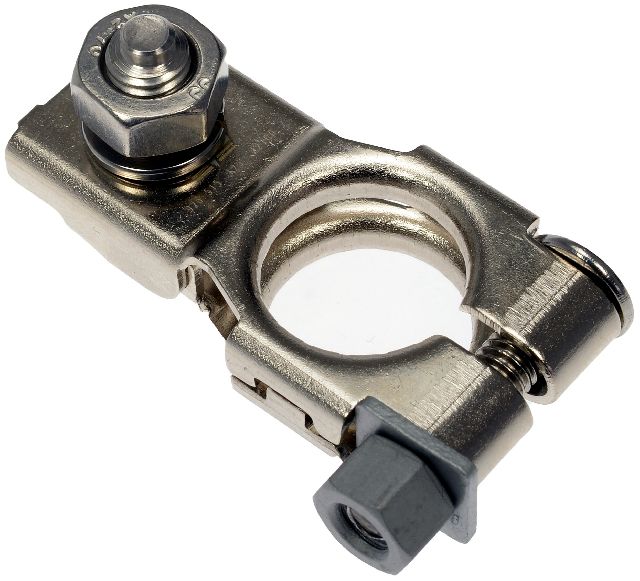
- Low Battery Voltage or Weak Battery 🔴 High Probability → Shop Vehicle Battery Control modules are sensitive to voltage. If the system voltage drops below a certain threshold (often around 10V) during cranking or operation, modules can shut down and stop communicating, triggering communication codes. This is often the very first check recommended by Nissan TSBs for CAN issues.
How to confirm: Test the battery voltage with a multimeter. A healthy, fully charged battery should read approximately 12.6V with the engine off. With the engine running, the alternator should be charging it at 13.7V to 14.7V. A load test is the most definitive way to confirm battery health.
Typical fix: Recharge or replace the battery. Ensure terminals are clean and tight.
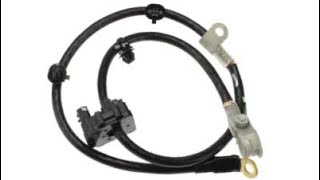
Est. part cost: $150-$250 - Poor Ground Connections 🔴 High Probability Nissan vehicles of this era are known for issues with corrosion at key grounding points. The main battery ground cable (OEM Part Number 24080-3TA0A or 24080-3NT0A) is a primary culprit; it often corrodes at the chassis connection point under the battery and at the bolt on the transmission case, creating high resistance.
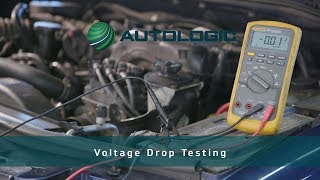
How to confirm: Visually inspect the main ground cable from the negative battery terminal to the chassis and transmission for green/white corrosion or looseness. Use a multimeter to perform a voltage drop test between the negative battery terminal and the chassis, and between the negative terminal and the engine block, while the engine is running. A reading above 0.2V indicates a problem that needs to be addressed.
Typical fix: Remove, clean all contact points of the ground wire and chassis/transmission with a wire brush until shiny, apply dielectric grease, and re-secure tightly. If the cable itself is swollen or heavily corroded, replace it.
Est. part cost: $20-$70 - Damaged Wiring Harness or Connectors 🟡 Medium Probability The CAN bus wiring (typically a twisted pair of wires) can become chafed, corroded, or damaged from vibrations, improper repairs, or water intrusion, especially in the harness near the IPDM (engine bay fuse box).
How to confirm: Visually inspect the wiring harness for any signs of damage. A 'wiggle test' can be effective: with the ignition on, wiggle sections of the harness, particularly around the IPDM and where it passes through the firewall, to see if symptoms change or codes appear/disappear. With the battery disconnected, check for proper resistance on the CAN bus (typically ~60 ohms between CAN High Pin 6 and CAN Low Pin 14 at the DLC).
Typical fix: Repair the damaged section of the wiring harness. This may involve soldering, using quality butt connectors with heat shrink, or replacing a harness section.
Est. part cost: $10-$500
Rare But Worth Checking
- Failed Control Module (e.g., ABS, TCM, BCM): While less common than wiring or battery issues, a single module can fail internally and stop communicating, or even short the entire CAN network. The ABS module is a known point of failure on some Nissan platforms that can cause this code. Diagnosis requires using a scan tool to see which module is not responding on the network.
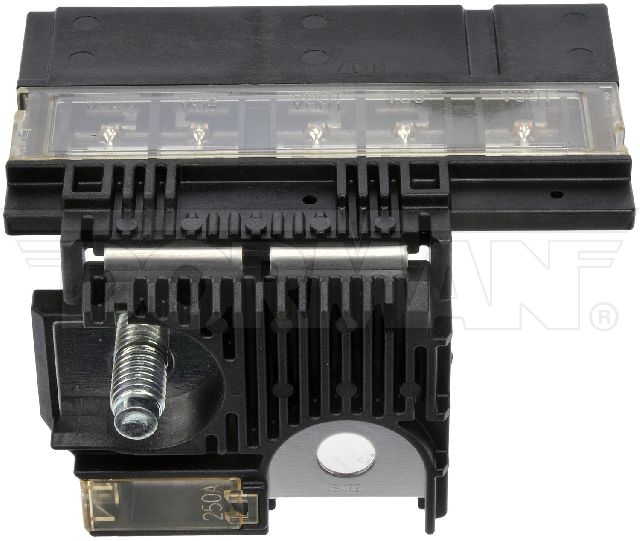
- Failed Intelligent Power Distribution Module (IPDM): → Shop Fuse Box The IPDM is the 'smart' fuse and relay box in the engine bay that powers many other modules. Internal failure of a non-serviceable relay (like the ECM relay) is a notorious issue on many Nissans. Symptoms can include a crank-no-start condition or multiple unrelated electrical failures at once.
Diagnosis Steps
- Check and charge the battery. Ensure battery voltage is above 12.4V and perform a load test.
- Using a professional scan tool, perform a full system scan ('CAN Diag Support Monitor' on Nissan CONSULT) and identify which control module(s) are not communicating.
- Visually inspect and clean all main battery and chassis ground connections. Pay special attention to the ground cable's connection points on the chassis and the transmission housing.
- Perform a voltage drop test on the main ground connections to check for high resistance. A reading over 0.2V under load indicates a bad ground.
- Inspect the fuses for all related control modules, particularly high-level fuses like 'Elec B' and 'Ignition' in the IPDM (engine bay fuse box).
- Perform a 'wiggle test' on the main engine wiring harness, especially near the IPDM and connectors for the offline module, to check for intermittent shorts or opens.
- With the battery disconnected, measure the resistance between the CAN High (Pin 6) and CAN Low (Pin 14) terminals at the Data Link Connector (DLC). A healthy network should read approximately 60 ohms. A reading of 120 ohms indicates an open circuit or a problem with a terminating module, while ~0 ohms indicates a short between the CAN lines.
- If a specific module is identified as offline, inspect its connector for corrosion or damage and verify it is receiving proper power and ground before condemning the module.
Parts You'll Likely Need
- Battery — Low system voltage is a primary cause of communication faults.
Trusted brands: Interstate, DieHard, Bosch
OEM price range: $200-$300
Aftermarket price range: $150-$250 - Battery Ground Cable
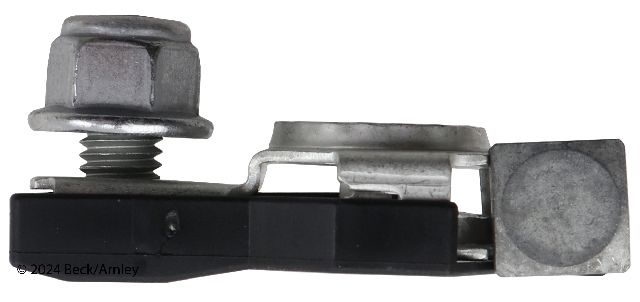
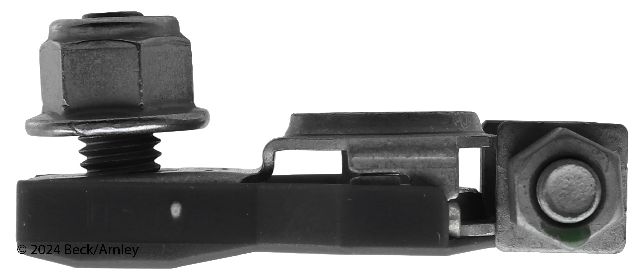
(OEM #24080-3TA0A, 24080-3NT0A)— The factory ground cable is a very common point of corrosion and high resistance, leading to intermittent electrical issues and CAN codes.
Trusted brands: Nissan OE, Standard Motor Products
OEM price range: $70-$105
Aftermarket price range: $20-$40
Related Codes That Often Appear With This One
- U1000 — U1000 is the general CAN communication failure code. U1002 is a more specific version with a stricter timing requirement, so they often appear together as they indicate the same type of network fault.
- U0121 — This code specifically indicates 'Lost Communication With Anti-Lock Brake System (ABS) Control Module'. If the U1002 is being caused by the ABS module going offline, U0121 will likely be present as well.
- U0101 — This code means 'Lost Communication With Transmission Control Module (TCM)'. If the TCM is the source of the network problem, this code will often accompany U1002.
Technical Service Bulletins (TSBs) & Recalls
- NTB10-066A: Defines U1002 as a CAN communication code with a tighter timing spec than U1000 and advises diagnosing communication codes first.
- NTB13-027C: Provides a detailed diagnostic flowchart for CAN communication issues, including expected resistance and voltage values.
Platform-Specific Known Issues
- There is a voluntary service campaign (PC490) for 2013-2016 Altimas to reprogram the Transmission Control Module (TCM), which could potentially resolve some communication-related issues, though it doesn't directly mention U1002.
- The main battery ground cable on the L33 Altima has two critical connection points that fail: one on the chassis near the battery and another on the transmission case. Corrosion at either point can trigger U1002.
Mechanic-Grade Diagnostic Values
- CAN Bus Resistance — expected: ~60 Ω (ohms) between Pin 6 (CAN-H) and Pin 14 (CAN-L) at the DLC with the battery disconnected.. Failure: A reading of ~120 Ω indicates an open circuit or a fault in one of the two terminating modules (e.g., ECM, IPDM). A reading near 0 Ω indicates a short between the CAN-H and CAN-L wires.
- CAN Bus Voltage (Key On, Engine Off) — expected: CAN-H (Pin 6 to ground) should be ~2.5–3.5 V. CAN-L (Pin 14 to ground) should be ~1.5–2.5 V. Both lines rest at ~2.5V.. Failure: Voltages outside these ranges, such as 0V or 5V, point to a short to ground or a short to power on that specific line.
- Voltage Drop on Main Ground Cable — expected: Less than 0.2 V (200 mV) when measured between the negative battery post and the chassis, and between the negative post and the transmission case, while the engine is running.. Failure: A reading higher than 0.2V indicates excessive resistance in the ground path, which is a common cause of U1002.
Scan Tool Commands That Help
- Nissan CONSULT-III / CONSULT-III plus: CAN Diagnosis Support Monitor — This is the primary and first recommended step for any U-code diagnosis. It automatically polls the entire network and provides a list or a visual diagram (V-CAN) showing which modules are communicating ('OK') and which are not ('NG' - No Good), immediately focusing the diagnostic effort.
- Nissan CONSULT-III / CONSULT-III plus: IPDM E/R Auto Active Test — If the IPDM is suspected of causing the issue (e.g., multiple modules are offline or there's a crank-no-start), this test command will cycle the IPDM's outputs (wipers, lights, fans, etc.). This helps confirm if the IPDM's internal logic and relays are functioning, though it may not detect all internal faults.
Wiring & Ground Locations
- Main Battery Ground — Connects the negative battery terminal to the chassis (body) near the battery, and then continues to a bolt on the transmission case.. This is the most common failure point. Corrosion at the connection to the transmission case is especially notorious for causing intermittent CAN communication faults and codes like U1002.
- E15 & E204 — These are engine compartment ground points. E15 is on the lower left side of the engine compartment, and E204 is on the left side.. Multiple critical components, including the TCM and IPDM, rely on these grounds. Corrosion or looseness at these points can disrupt power and communication for those modules, triggering a network code.
- ABS Actuator Ground — The main grounds for the ABS module are at terminals 1 and 4 of its main electrical connector, located in the right rear of the engine compartment.. If the ABS module is the one dropping off the network (often accompanied by code U0121), a bad ground at its connector is a likely cause. This prevents the module from powering up and communicating.
- DLC (Data Link Connector) — Under the driver's side dashboard.. This is the primary access point for testing the entire CAN bus. Technicians measure resistance between Pin 6 (CAN-H) and Pin 14 (CAN-L) here to verify the health of the network's terminating resistors.
Real Owner Repair Stories
- YouTube video comment section (2013 Nissan Altima) — Car would not start, multiple communication codes including U1002.
❌ Tried (didn't work) Replacing the battery., Checking fuses.
✅ What actually fixed it The final fix was cleaning the main ground connection point on the transmission case. The bolt was corroded, causing a poor ground connection for the entire powertrain. - Nissan forum user (2014 Nissan Altima) — Intermittent no-start, VDC light on, U1002 and U1000 codes stored.
❌ Tried (didn't work) Cleaning the battery terminals., Wiggling harnesses.
✅ What actually fixed it Replacing the entire negative battery cable assembly (part number 24080-3TA0A). The cable was internally corroded near the transmission connection point, which was not visible externally.
OEM Part Supersession History
24080-3NT0A→24080-3TA0A— Updated design for the negative battery ground cable assembly.
Helpful Videos
![How To Test CAN BUS With A Multimeter [CAN Bus Resistance Check] Mechanic Mindset](https://img.youtube.com/vi/JPE42HSJxAk/mqdefault.jpg)


We Have This Part in Stock


The information in this article is provided for general reference and educational purposes only. Vehicle specifications, procedures, and part compatibility can vary by production date, trim level, and region. Always consult your vehicle's factory service manual and verify part numbers before purchasing or performing repairs. Safety-critical components such as airbags, seat belts, and braking systems should be installed by a qualified professional.
- Nissan ALTIMA:
- 🧭 Diagnostic Flowchart
- 🎬 Helpful Videos
- 🛍️ Shop This Part
- What's Unique About the 2013-2015 Nissan ALTIMA
- Symptoms You May Notice
- Most Likely Causes
- Rare But Worth Checking
- Diagnosis Steps
- Parts You'll Likely Need
- Related Codes That Often Appear With This One
- Technical Service Bulletins (TSBs) & Recalls
- Platform-Specific Known Issues
- Mechanic-Grade Diagnostic Values
- Scan Tool Commands That Help
- Wiring & Ground Locations
- Real Owner Repair Stories
- OEM Part Supersession History
- 🎟️ Get 5% Off