

U1010 on 2012-2014 Nissan NV: Causes and Fixes for CAN Communication Errors
U1010 on a Nissan NV indicates a serious network communication problem, often caused by simple issues like a weak battery or corroded ground wires. Before suspecting a costly module failure, thoroughly check all battery and chassis ground connections, as this is the most common and cheapest fix. The Intelligent Power Distribution Module (IPDM) is also a very common failure point on this platform.
- U1010 is a critical network failure code. Do not continue to drive the vehicle.
- The most common causes are the simplest to check: a weak battery and corroded/loose ground wires. Always start your diagnosis here.
- Do NOT replace any expensive control module until you have proven with diagnostic tests that all power, ground, and wiring to it are perfect.
- This is not a beginner-friendly DIY repair. Professional diagnosis with advanced tools is highly recommended to avoid wasting money on incorrect parts.
- The problem is rarely with the module that logged the code; it is more often a wiring/power issue that is preventing that module from communicating properly.
What's Unique About the 2012-2014 Nissan NV
The Nissan NV is built on the robust F-Alpha platform, shared with the Titan pickup. This platform is known for specific electrical weaknesses, particularly with the Intelligent Power Distribution Module (IPDM) and chassis ground points. As a commercial vehicle, the NV is often subjected to heavy use, aftermarket modifications, and potential vibrations that can exacerbate these known issues, leading to common CAN bus failure points like poor grounds and connector corrosion. Problems are frequently traced back to these basic electrical issues rather than complex module failures, a common theme across many Nissan trucks and vans of this era.
Diagnostic Flowchart
Tap your situation to follow the diagnostic path that matches what you're seeing on this vehicle.
Symptoms You May Notice
- Check Engine Light is on
- Multiple other warning lights on the dashboard (ABS, VDC, Airbag, SLIP)
- Engine cranks but will not start
- Engine stalls unexpectedly, especially at low speeds
- Transmission may be stuck in one gear (limp mode)
- Gauges behaving erratically or not working
- Gear position indicator on the dashboard may disappear
- Cooling fans run at full speed as soon as the ignition is turned on
- Inability for a standard OBD-II scanner to communicate with the vehicle
- Random electrical problems like wipers or lights acting up
- Replacing the control module that stored the U1010 code without first diagnosing the entire CAN network. The module logging the code is often just reporting a problem it sees elsewhere on the network.
- Replacing the ECM or another expensive module when the actual fault is a $5 corroded ground wire, a weak battery, or a faulty IPDM.
Most Likely Causes
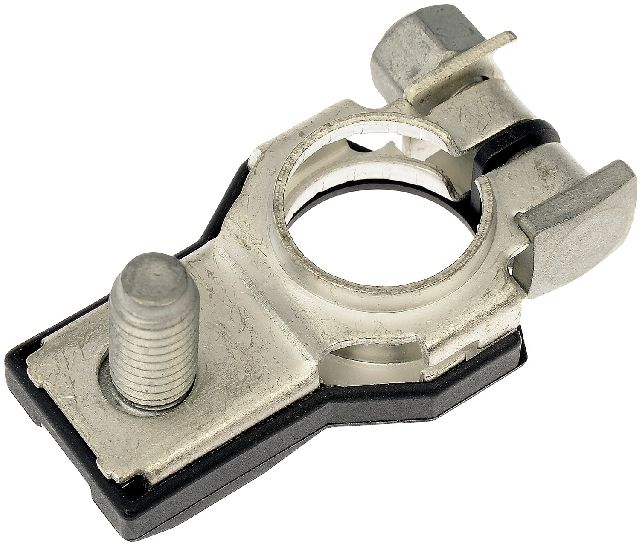
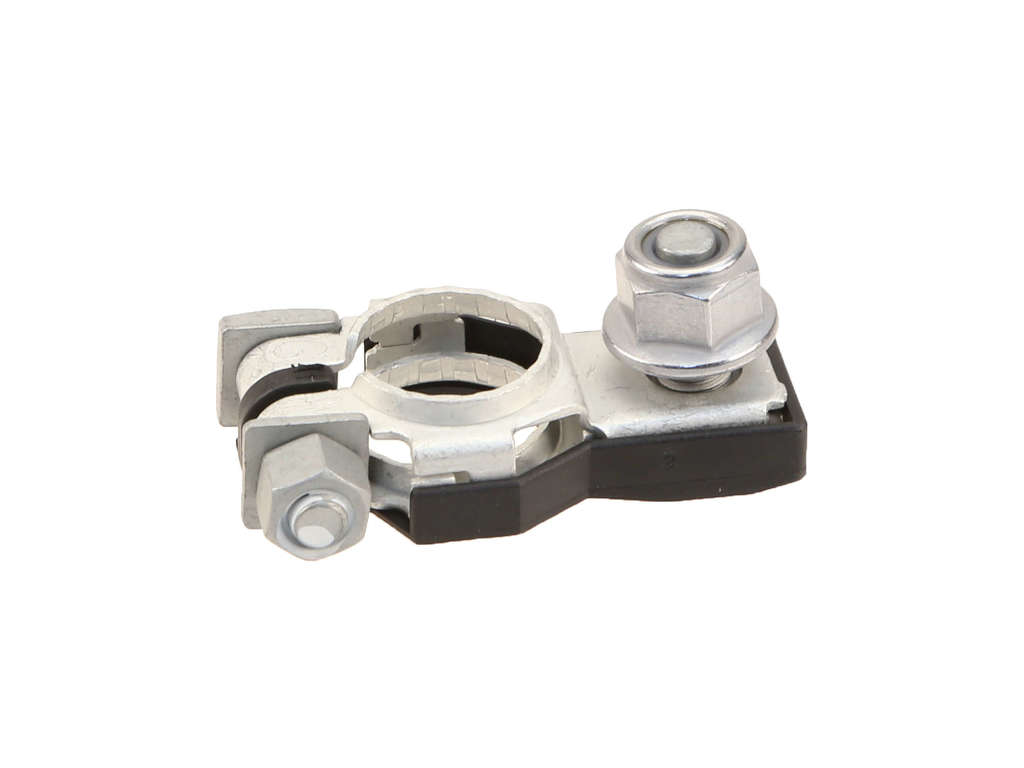
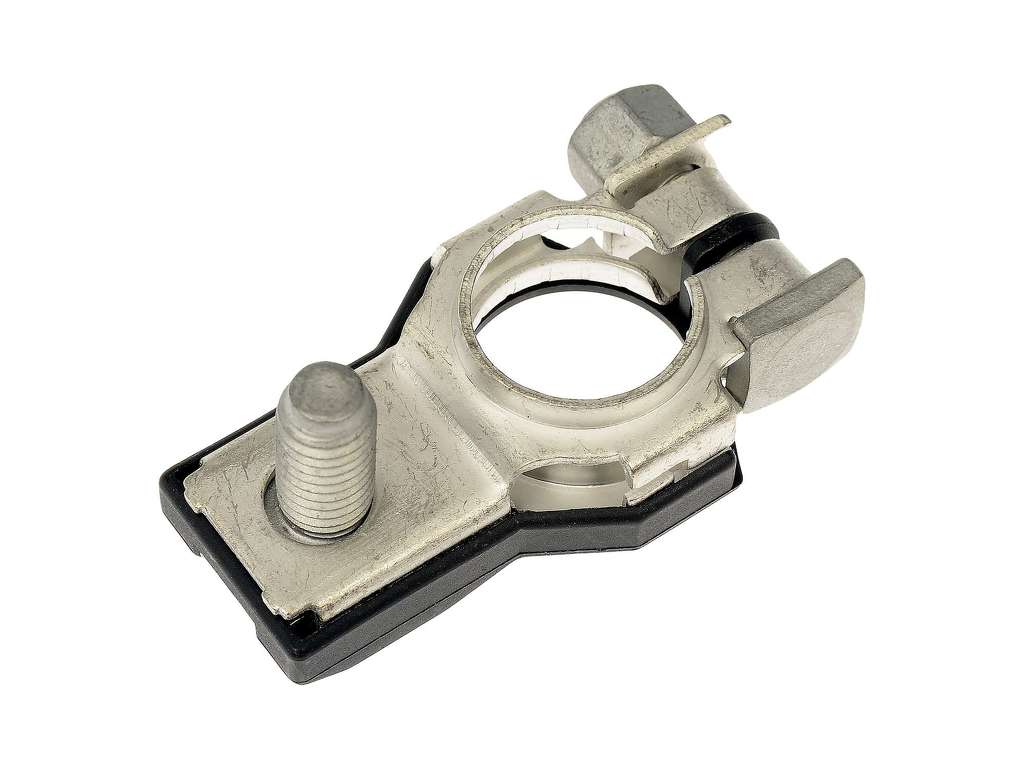
- Low Battery Voltage or Poor Ground Connections 🔴 High Probability → Shop Vehicle Battery Nissan TSBs (like NTB10-066A and NTB06-009a) and extensive owner reports confirm that corroded or loose ground points are a primary cause for communication codes across their truck lineup. As a commercial vehicle, the NV may have accessories added that strain the battery, and constant use can vibrate connections loose over time. Corrosion on the negative battery terminal and cable is a very common starting point.
How to confirm: Test the battery voltage with a multimeter; it should be at least 12.4V with the engine off and 13.7-14.7V while running. Visually inspect and physically tighten the main battery terminals, the negative cable-to-chassis ground (often under the battery tray), and the engine block ground strap. Key ground points on the related Titan platform are E15 & E24 in the engine compartment and M57 & M61 behind the dashboard.
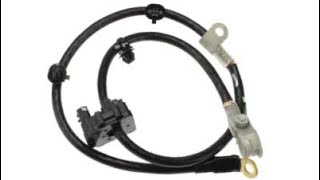
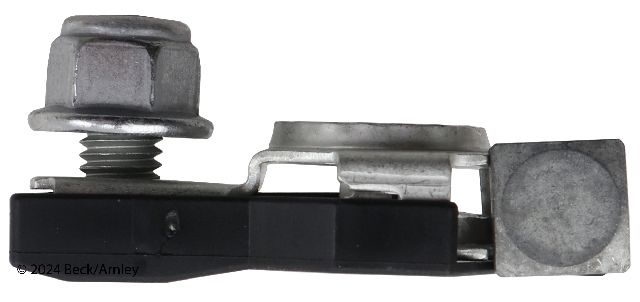
Typical fix: Charge or replace the battery. Disconnect, clean all corrosion from battery terminals and ground connection points with a baking soda solution and a wire brush, and re-secure tightly. 🎬 Watch this guide on replacing a corroded Nissan ground cable. Applying dielectric grease can help prevent future corrosion.
Est. part cost: $5-$250 - Faulty Intelligent Power Distribution Module (IPDM) 🔴 High Probability → Shop Fuse Box The IPDM is more than a fuse box; it's a control module that powers other modules like the ECM via internal, non-serviceable relays. These relays are a notorious failure point on the F-Alpha platform (Titan, Armada, etc.), causing a wide range of intermittent electrical and communication faults, including U1010. Failure can manifest as a crank-no-start where the fuel pump does not prime.
How to confirm: A key symptom is a crank/no-start condition where the cooling fans run at full speed. A technician can perform the IPDM's self-test: with the key on, press the driver's door jamb switch 10 times in 20 seconds; the horn should honk and various accessories (wipers, lights) will cycle. 🎬 Watch this IPDM self-test performed on a Nissan NV2500. Swapping the internal ECM relay with an identical relay (like for fog lights) can be a quick diagnostic test if a no-start is present, though Nissan officially advises against this.
Typical fix: Replacement of the entire IPDM unit. Part numbers must be matched exactly. This part often requires programming by a dealer or specialist.
Est. part cost: $250-$750 - Damaged CAN Bus Wiring or Connectors 🟡 Medium Probability Wiring harnesses can be damaged by vibrations, chafing against the chassis, or rodent intrusion. Connectors, particularly those exposed to the elements under the vehicle or in the engine bay, can corrode.
How to confirm: Visually inspect the wiring harness for any signs of damage, especially where it passes through the firewall or near hot/moving components. Check connectors for bent pins or corrosion. A professional would perform a CAN bus resistance test at the DLC port (Pins 6 and 14), which should read approximately 60 ohms with the battery disconnected. 🎬 See how to perform a CAN bus resistance check correctly.
Typical fix: Repair the damaged section of wire. Clean corroded connectors with electrical contact cleaner or replace the connector if necessary.
Est. part cost: $10-$100
Rare But Worth Checking
- Faulty Control Module: While the U1010 code definition points to an internal module error, the module itself is often not the root cause. A faulty ECM, BCM, TCM, or ABS module can bring down the entire network, but this should only be considered after all wiring, grounds, and power sources (especially the IPDM) have been exhaustively checked and confirmed to be good.
- Improperly Installed Aftermarket Electronics: Accessories like remote starters, alarms, or radios that are improperly tapped into the CAN bus wiring can disrupt communication and cause a flood of U-codes. This is especially relevant for commercial vans like the NV which are often modified.
Diagnosis Steps
- Check and record all codes from all available modules using an advanced scan tool. Note which modules are communicating and which are not. A communication failure with the scan tool itself is a major clue.
- Check the battery. Ensure it has a full charge (12.4V+) and the charging system is working correctly (13.7-14.7V when running). A weak battery is a very common cause.
- Inspect all main power and ground connections. Start with the battery terminals, the negative cable-to-chassis connection (check under the battery tray), and the main engine ground strap. Disconnect, clean all contact surfaces until shiny, and re-tighten.
- Perform the IPDM self-test. With the ignition ON, press the driver's door jamb switch 10 times in 20 seconds. Turn the ignition OFF, then ON again. Listen for a horn honk and watch for wipers, lights, etc. to cycle. Failure indicates a likely IPDM issue.
- Check all relevant fuses in both the under-hood IPDM and interior fuse boxes, especially those for the ECM, TCM, BCM, and ABS.
- Perform a visual inspection of the main wiring harnesses for obvious signs of damage, chafing, or corrosion, particularly near the engine and under the vehicle.
- If tools are available, disconnect the battery and measure the resistance between Pin 6 (CAN High) and Pin 14 (CAN Low) at the DLC. A healthy network should read approximately 60 ohms. A reading of 120 ohms indicates a break in the circuit or a failed terminating module.
- If the resistance is incorrect, begin unplugging modules one by one (starting with the IPDM) to find the one causing the incorrect reading or to isolate a break in the wiring.
- If all wiring, power, and grounds are confirmed good, a faulty module (most likely the IPDM) is the probable cause. This step requires professional-level diagnostics.
Parts You'll Likely Need
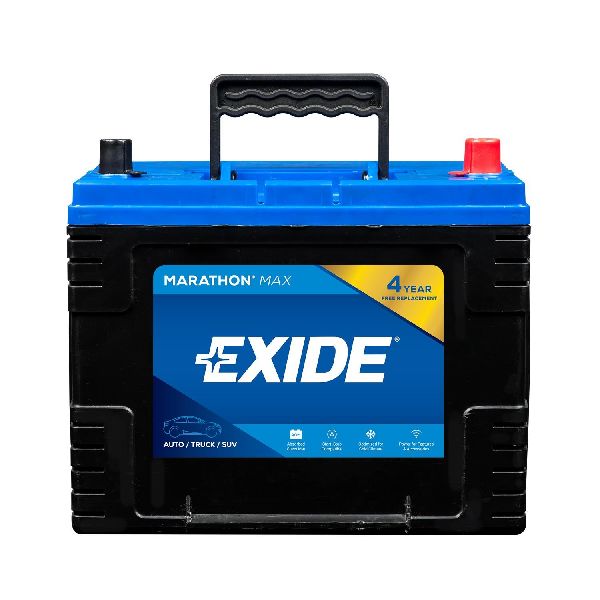
- Battery — A weak or failing battery is a primary cause of communication codes, as modules require stable voltage to operate correctly.
Trusted brands: Interstate, DieHard, Duralast
OEM price range: $200-$350
Aftermarket price range: $150-$250
Related Codes That Often Appear With This One
- U1000 — U1000 is a general CAN communication failure code. If a module sets a U1010 due to an internal fault and goes offline, other modules on the network will log a U1000 because they can no longer hear it.
- U0101 — This code means 'Lost Communication with TCM'. If the Transmission Control Module is the one with the internal U1010 fault or is not receiving power from the IPDM, other modules will log a U0101.
- C-codes (e.g. C1130) — If the ABS module is the source of the network failure, you will likely see ABS-specific fault codes in addition to the U-codes from other modules.
Technical Service Bulletins (TSBs) & Recalls
- NTB10-066A: SERVICE INFORMATION Related to communication codes U1000, U1001, U1002, U1010. Advises diagnosing communication codes first and notes that excessive resistance in ground connections can be a cause.
- NTB06-009a: Specifically addresses U1000/U1010 on the Frontier, pointing to a corroded body ground on the passenger fender as a known cause.
- An older, general TSB for 2002-2006 models also identified excess resistance in ECM ground connections as a cause for U1000/U1010 codes.
Mechanic-Grade Diagnostic Values
- CAN Bus Resistance — expected: ~60 Ω between Pin 6 (CAN-H) and Pin 14 (CAN-L) at the DLC with the battery disconnected.. Failure: A reading of ~120 Ω indicates an open circuit or a failed terminating module. A reading near 0 Ω indicates a short between the CAN-H and CAN-L wires.
- CAN Bus Voltage (Key On, Engine Off) — expected: CAN-H (Pin 6 to ground) should be ~2.7V. CAN-L (Pin 14 to ground) should be ~2.3V.. Failure: Voltages that are stuck high, low, or at the same level (e.g., both at 2.5V) indicate a short or open on the bus.
- Voltage Drop on Main Ground Connections — expected: < 0.2 Volts (200mV) when measured from the ground post of the component to the negative battery terminal while the circuit is under load.. Failure: A voltage reading higher than 200mV indicates excessive resistance in the ground path, which can cause module communication errors.
Scan Tool Commands That Help
- Nissan CONSULT-III / CONSULT-III plus: CAN Diagnosis Support Monitor — This is the primary function used to perform a self-diagnosis of the entire CAN system. It provides a visual layout of the network and shows which modules are actively communicating and which are offline, quickly identifying the area of the fault.
Wiring & Ground Locations
- E15 & E24 — In the engine compartment, typically located on the inner fender structures near the IPDM and airbox areas.. These are primary ground points for the engine control harness, which includes the ECM and IPDM. Corrosion or looseness here is a direct cause of power instability to the main network controllers.
- M57 & M61 — Behind the driver and passenger side kick panels or A-pillar trim in the cabin.. These are major interior ground points for the Body Control Module (BCM) and other cabin-based modules. A fault here can take down the body-related portion of the CAN network.
- ABS Module Connector — On the ABS hydraulic control unit, located in the engine bay.. The ABS module is a critical node on the CAN bus. Its connector is in a location that can be exposed to moisture, and corrosion on the CAN pins within this connector can bring down the entire network, mimicking an IPDM or ECM failure.
Real Owner Repair Stories
- TitanTalk forum user (Nissan Titan (F-Alpha Platform)) — Crank no-start, cooling fans running at full speed immediately with key on, multiple U-codes including U1010.
❌ Tried (didn't work) Cleaning all battery and chassis ground points., Checking all fuses., Testing battery voltage.
✅ What actually fixed it Replacement of the Intelligent Power Distribution Module (IPDM). The vehicle started and ran normally immediately after the new IPDM was installed. - Forum reports for F-Alpha platform (Nissan Titan/Armada/Frontier) — Intermittent stalling, multiple warning lights, U1010 and other CAN codes.
❌ Tried (didn't work) Replacing the battery., Replacing the IPDM.
✅ What actually fixed it The electrical connector at the ABS module was found to have green corrosion on several pins. Cleaning the pins and the connector with electrical contact cleaner and applying dielectric grease resolved all symptoms and codes.
"I Checked Everything" — The Actual Cause
- In the context of network codes, the equivalent of a 'smoke test clean' is when all power, ground, and resistance tests on the CAN bus come back normal (good battery, clean grounds, 60 ohms at DLC). In these cases, the root cause is often an intermittent failure inside a module that only occurs under specific temperature or vibration conditions, or a subtle connector issue. A verified example is finding hidden corrosion deep inside the ABS module connector, which passed a simple visual check but failed to make a clean connection for the sensitive CAN signals.
When the Usual Fixes Don't Work
- While cleaning grounds and checking the battery is the correct first step and a very common fix, numerous owner-documented repairs on the F-Alpha platform show these steps did not resolve the U1010 code. In a significant number of these cases, the final repair was replacing the IPDM, confirming it as an equally probable cause. In another documented pattern, all power, ground, and even the IPDM were checked or replaced, but the actual fault was a corroded CAN bus pin in the ABS module connector, a data-layer fault rather than a power-layer fault.
OEM Part Supersession History
Various→Various— The IPDM on the F-Alpha platform has undergone several revisions. Early versions were known for internal ECM relay failures. Nissan often supersedes these parts with updated versions that have more robust internal components.
Heads up: It is critical to purchase the latest IPDM part number specified by a Nissan dealer for the vehicle's VIN. Using an older or incorrect part number, even from a similar vehicle, can result in a no-start condition or other electrical faults.
Helpful Videos

![How To Test CAN BUS With A Multimeter [CAN Bus Resistance Check] Mechanic Mindset](https://img.youtube.com/vi/JPE42HSJxAk/mqdefault.jpg)
We Have This Part in Stock


The information in this article is provided for general reference and educational purposes only. Vehicle specifications, procedures, and part compatibility can vary by production date, trim level, and region. Always consult your vehicle's factory service manual and verify part numbers before purchasing or performing repairs. Safety-critical components such as airbags, seat belts, and braking systems should be installed by a qualified professional.
- Nissan NV:
- 🧭 Diagnostic Flowchart
- 🎬 Helpful Videos
- 🛍️ Shop This Part
- What's Unique About the 2012-2014 Nissan NV
- Symptoms You May Notice
- Most Likely Causes
- Rare But Worth Checking
- Diagnosis Steps
- Parts You'll Likely Need
- Related Codes That Often Appear With This One
- Technical Service Bulletins (TSBs) & Recalls
- Mechanic-Grade Diagnostic Values
- Scan Tool Commands That Help
- Wiring & Ground Locations
- Real Owner Repair Stories
- "I Checked Everything" — The Actual Cause
- When the Usual Fixes Don't Work
- OEM Part Supersession History
- 🎟️ Get 5% Off