

OBD-II Code U1069: Lost Communication on Vehicle Network
What U1069 means, why it triggers, and how to fix it
- Code U1069 signals a critical network communication failure, most frequently caused by a faulty instrument cluster, a corroded ground wire, or a failed Fuel Pump Control Module.
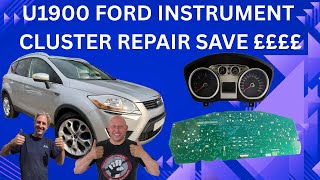
- For 1999-2007 Ford and Jaguar models, a failing instrument cluster is the primary culprit; use a $150-$400 mail-in repair service instead of buying a costly replacement.
- On 2007-2013 GM trucks experiencing a crank-no-start condition, inspect the frame-mounted Fuel Pump Control Module (FPCM) for corrosion before replacing the fuel pump.
- Always test your battery to ensure it holds at least 12.4 volts and clean all major ground straps before spending money on replacement computer modules.
What Does U1069 Mean?
U1069 means your vehicle's computer modules have lost network communication. Modern cars use a network of small computers to control everything from the engine to the power windows. This code indicates a critical module has stopped sending or receiving messages, causing a system-wide communication breakdown.
Technical definition: The official SAE/OBD-II definition is "SCP (J1850) Invalid or Missing Data for Primary Id". A control module has detected that messages from another essential ('Primary') module on the Standard Corporate Protocol (SCP) J1850 data network are absent or corrupted. This older network protocol was heavily used by Ford and Jaguar before the CAN bus became standard.
Can I Drive With U1069?
Yes, But With Caution. You can drive, but with extreme caution. The severity depends entirely on the failed module. If caused by a faulty Fuel Pump Control Module (FPCM), the vehicle stalls without warning, creating a dangerous loss of power in traffic. If related to a Kia HECU recall, there is a documented risk of an engine compartment fire even when parked; owners must park outside and away from structures until repaired. Because of the high risk of unpredictable behavior, immediate diagnosis is required.
Common Causes
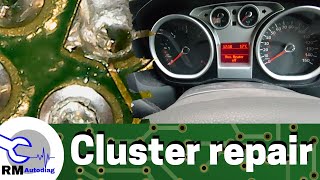
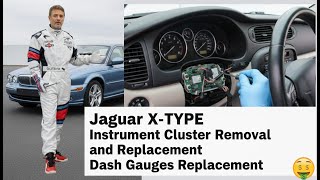
- Faulty Instrument Panel Cluster (IPC) (Very Common) — On older Ford and Jaguar models, the instrument cluster acts as a central network gateway. Cracked solder joints on the main connector pins interrupt communication 🎬 Watch: How to repair cracked solder joints on Ford clusters for the entire vehicle.
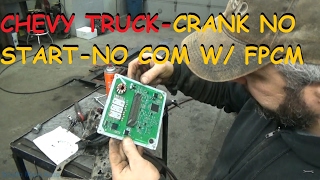
- Faulty Fuel Pump Control Module (FPCM) (Common) — On General Motors trucks and SUVs, the frame-mounted FPCM is exposed to moisture and road salt, leading to internal corrosion. This triggers codes like U0109 and causes a dangerous crank-no-start or stalling condition. 🎬 See how to diagnose a GM truck crank-no-start issue
- Poor Module Power or Ground Connection (Common) — Every computer module requires a solid power and ground connection. A single loose or corroded ground strap causes erratic voltage, forcing modules to randomly drop off the network and log communication codes.
- Damaged or Corroded Network Wiring (Common) — The data network relies on physical twisted-pair wires. A chafed, pinched, or broken wire halts communication. Corrosion inside a connector blocks or distorts the signals between modules.
- Failing Body Control Module (BCM) or Powertrain Control Module (PCM) (Less Common) — The main engine computer (PCM) or body computer (BCM) fails internally due to electrical shorts or component degradation, causing them to stop communicating with the network.
- Low Battery Voltage or Failing Alternator (Less Common) — Control modules require stable voltage. A weak battery or failing alternator drops voltage low enough to cause modules to shut down randomly and trigger communication faults.
- Faulty Hydraulic Electronic Control Unit (HECU) (Rare) — On specific Kia and Hyundai models, the HECU allows moisture inside, causing an internal short circuit. This disrupts communication and poses a severe fire risk, prompting a major recall.
- Aftermarket Device Interference (Rare) — Improperly installed aftermarket accessories (remote starters, alarms, GPS trackers) tapped into the data network interfere with signals and cause communication faults.
Symptoms
- Engine Stalls or Will Not Start — If the network loses communication with the engine, fuel pump, or anti-theft module, the car stalls while driving or refuses to start. A crank-no-start is the hallmark symptom of FPCM failure on GM trucks.
- Erratic or Dead Gauges — The speedometer, tachometer, and other gauges drop to zero intermittently, freeze, or stop working entirely. This points directly to an instrument cluster failure.
- Multiple, Unrelated Warning Messages on Dash — A cascade of strange warnings like "GEARBOX FAULT," "ABS FAULT," or "BRAKE FLUID LOW" appear simultaneously. This is highly common with Jaguar cluster failures.
- Transmission Stuck in Gear (Limp Mode) — Lost communication with the transmission module forces it to default to a single gear (like 2nd or 3rd) and display a "Reduced Engine Power" message to prevent damage.
- Check Engine Light is On — Often the first sign of a network issue. Other warning lights like ABS or Traction Control illuminate alongside it.
Diagnostic Flowchart
Tap your situation to follow the diagnostic path that matches what you're seeing on this code.
Common Fixes & Costs
- Repair Instrument Cluster — Parts: $0 (for solder), Labor: $150-$400 (mail-in service), ~1.5 hr book time (Professional)
- Replace Fuel Pump Control Module (FPCM) — Parts: $70-$250, Labor: $100-$200, ~1 hr book time (Intermediate)
- Repair Damaged Wiring or Clean Ground Connection — Parts: $5-$50, Labor: $150-$500, ~2.5 hr book time (Professional)
- Replace Hydraulic Electronic Control Unit (HECU) — Parts: $500-$1500 (often covered by recall), Labor: $150-$300, ~2 hr book time (Professional)
- Replace Powertrain Control Module (PCM) — Parts: $600-$900, Labor: $150-$300 (plus programming), ~1.2 hr book time (Professional)
- Replace Instrument Cluster — Parts: $300-$1000, Labor: $150-$300 (plus programming), ~1.5 hr book time (Professional)
Used vs. New Parts: Buying Guide
When a used part is worth it: For electronic modules like an Instrument Cluster or FPCM, a professionally repaired or remanufactured unit is vastly superior to a used junkyard part. A used part often carries the same inherent defect. Repairing your original unit avoids expensive dealer programming entirely.
Donor-vehicle mileage cap: roughly under 60000 miles for the part to have meaningful remaining life.
Donor quality checklist:
- Verify the donor vehicle's VIN to ensure compatible software and hardware versions.
- Reject parts from flood-damaged or high-impact collision vehicles.
- For mail-in repairs, select a reputable service offering a lifetime warranty.
Decision logic:
- If The original module can be repaired (e.g., bad solder joints on an instrument cluster) → Repair the original module. This is the most cost-effective solution and bypasses VIN programming issues.
- If The module is a simple, non-programmed part → Purchase a new aftermarket or low-mileage used part.
- If The part requires VIN programming (PCM, BCM, some clusters) → Buy a new OEM part or a pre-programmed remanufactured unit. A used part requires expensive specialist programming and is often 'locked' to the donor vehicle.
Warranty tradeoff: Salvage yard parts typically offer a 30-90 day warranty. Reputable mail-in repair services and remanufacturers provide 1-year to lifetime warranties. New OEM parts carry a standard 12-month manufacturer warranty.
Worst-case if a used part fails: $300-$800 if an improperly programmed used module is installed, covering repeat labor, diagnostic fees, and the purchase of a correct part.
What Happens If You Wait — Timeline
- 0-1 month: Intermittent fault. A warning light (Check Engine, ABS) flickers on and then goes away. Gauges twitch once. No persistent symptoms. The code is stored but not active. (Added cost: $0)
- 1-4 months: Fault becomes frequent. Gauges drop to zero for a few seconds at a time. The vehicle hesitates or briefly enters limp mode before recovering. The Check Engine Light is consistently on. (Added cost: $50-$150 (Diagnostic fees as you start to investigate the problem).)
- 4-8 months: A critical module is consistently offline. The vehicle frequently stalls, refuses to start (crank-no-start), or is permanently in limp mode. Multiple, constant warning messages are displayed. (Added cost: $200-$500 (Towing fees, plus the cost of the inevitable repair, which is now more difficult to diagnose as multiple systems are affected).)
- 8+ months / Catastrophic Event: Worst-case scenario occurs. For Kia/Hyundai HECU faults, this is an engine compartment fire. For GM FPCM faults, the vehicle is completely stranded. For gateway faults, the entire network is down, masking other serious underlying issues. (Added cost: $1,500+ (Total vehicle loss. A fire causes thousands in property damage).)
Cost of Not Fixing It
- Immediate: Vehicle refuses to start or stalls unexpectedly in traffic, creating a severe safety hazard. (Added cost: $200-$500 (Towing and diagnostic fees))
- Short-Term (Weeks to Months): Intermittent operation causes unpredictable behavior, such as dead gauges, limp mode, or false warning lights, making the vehicle unsafe to operate. (Added cost: N/A)
- Long-Term (Months): In specific cases like the Kia/Hyundai HECU recall, ignoring the fault leads to an engine compartment fire, causing catastrophic damage. (Added cost: $5,000+ (Total vehicle loss))
- Long-Term (General): A communication fault masks other serious diagnostic trouble codes. An underlying engine or transmission problem goes undetected, leading to severe mechanical damage. (Added cost: $1,000-$4,000)
Diagnosis Steps
- Check for Known TSBs and Recalls
Before touching a tool, search for Technical Service Bulletins (TSBs) or recalls related to your vehicle's make, model, year, and symptoms. Documents for known issues, such as the Kia HECU fire risk or GM FPCM failures, save hours of diagnostic time.
Tools: Internet Access (Beginner) - Perform a Full Network Scan
Use an advanced OBD-II scanner capable of reading manufacturer-specific codes (P, B, C, and U). Scan ALL modules. Note which modules respond and which report "loss of communication." A completely unresponsive module is your primary suspect.
Tools: Advanced OBD-II Scanner (Beginner) - Check Battery and Grounds First
Verify the battery is fully charged (minimum 12.4V engine off) and terminals are clean. Visually inspect all major ground straps (battery to chassis, chassis to engine block). A loose or corroded ground is a frequent cause of network-wide communication faults.
Tools: Multimeter, Battery Terminal Cleaner, Wire Brush, Basic Hand Tools (Beginner) - Perform a Visual Inspection
Check for aftermarket devices plugged into the OBD-II port. Inspect wiring harnesses in the engine bay, under the dash, and along the frame rails for chafing. On GM trucks, scrutinize the FPCM connector near the spare tire for heavy corrosion.
Tools: Flashlight (Beginner) - Isolate the Faulty Module (Network Disconnect)
If multiple modules are offline, unplug them one by one from the network. Clear the codes and re-scan after each disconnect. If communication with other modules is restored after unplugging a specific module (like the instrument cluster), that module is crashing the network.
Tools: OBD-II Scanner, Basic Hand Tools, Wiring Diagram (Advanced) - Test Power and Ground at the Suspect Module
Identify the power and ground pins on the non-communicating module's connector using a wiring diagram. With the module unplugged and key on, use a multimeter to verify battery voltage at the power pin(s) and continuity to ground (less than 1 ohm) on the ground pin(s). Missing power or ground indicates a wiring issue, not a failed module.
Tools: Multimeter, Vehicle-Specific Wiring Diagram (Intermediate) - Test the J1850 SCP Network with a Multimeter
For Ford/Jaguar systems, check network health at the OBD-II port. With the key OFF, measure voltage between chassis ground (Pin 4 or 5) and Pin 2 (SCP+) and Pin 10 (SCP-). SCP+ should be near 0V (0-0.2V) and SCP- should be near 5V. Incorrect voltages indicate a short or open in the network wiring.
Tools: Multimeter, DLC Pinout Diagram (Advanced) - Monitor Live Data PIDs
Use a scan tool to monitor live data related to the suspect module. For a GM FPCM issue, compare 'Desired Fuel Pressure' vs. 'Actual Fuel Pressure'. A large discrepancy points to the fuel delivery system. For an instrument cluster fault, watch for vehicle speed or RPM data that drops out while driving.
Tools: Advanced OBD-II Scanner (Advanced) - Test GM Fuel System Pressure
For 2007-2013 GM trucks with a suspected FPCM failure, connect a fuel pressure gauge to the fuel rail Schrader valve. With key on, engine off, pressure should be 50-62 PSI. Command the fuel pump ON with a scan tool. If pressure is low and FPCM power/ground are good, the module has failed.
Tools: Fuel Pressure Gauge, Advanced OBD-II Scanner (Advanced) - Use an Oscilloscope for Network Analysis
For complex issues, an oscilloscope is required. On a healthy Ford J1850 SCP network, Pins 2 and 10 of the DLC show a mirrored square wave pattern between 0-5V. A flat line or distorted signal pinpoints specific network faults (short to power, short to ground) invisible to a multimeter.
Tools: 2-Channel Oscilloscope, DLC Breakout Box (Professional)
When This Code Triggers (Freeze-Frame Conditions)
- Engine Coolant Temp: 185-210°F (85-99°C) (The fault frequently appears after the vehicle reaches full operating temperature, as heat expands cracked solder joints inside failing modules.)
- Engine RPM: 700-2500 RPM (Communication loss occurs at idle, during acceleration, or at a steady cruise, making RPM an unreliable standalone indicator.)
- Vehicle Speed: Any (Network communication faults trigger at any speed, from stationary to highway cruising.)
- System Voltage: 11.5-14.5V (The code sets during a low voltage event (e.g., difficult start) or if the charging system is unstable, causing modules to power down and drop offline.)
Related Codes
- U1900 — This is a Ford-specific code for a CAN Bus Communication Fault. While U1069 is a generic J1850 code, U1900 is the direct equivalent Ford uses when the instrument cluster fails. If you see U1900 on a Focus, the cluster is the prime suspect.
- U0100 — This is the modern CAN bus equivalent of U1069, meaning 'Lost Communication With ECM/PCM'. While U1069 points to a J1850 network issue, U0100 indicates the same logical fault on a newer vehicle.
- U0109 — A highly specific code for 'Lost Communication With Fuel Pump Control Module'. If you have this code on a GM truck, the FPCM is the direct cause. U1069 is a general code triggered by the FPCM failure, but U0109 pinpoints the exact offline module.
- P0600 — A generic code for 'Serial Communication Link Malfunction'. P0600 means the PCM has lost its connection to another module. U1069 is set by various modules when they lose connection with the PCM. They often appear together.
- Multiple U-Codes — A long list of U-codes from various modules almost always points to a failure of a central gateway module (like the instrument cluster), a bad ground connection, or a fault in the main network wiring itself.
Climate & Environmental Factors
- Cold/Hot Temperature Cycles: Repeated thermal cycles cause materials to expand and contract at different rates. This puts mechanical stress on the solder joints connecting components to the circuit board, eventually cracking them. This is the primary cause of instrument cluster failures.
- High Humidity and Road Salt: In humid climates or 'Salt Belt' regions, moisture and corrosive road salt penetrate electrical connectors exposed to the elements. This corrosion degrades connections and is a notorious cause of failure for frame-mounted modules like the GM FPCM.
How to Talk to a Mechanic About This Code
Say this: "I have a vehicle with a U1069 communication code and symptoms like [mention your specific symptoms, e.g., 'erratic gauges,' 'crank-no-start']. I'd like to schedule a diagnostic. Please start by performing a full network scan to see which modules are offline, and check the main power and ground connections before recommending any module replacements."
This signals you understand the nature of a network fault. It directs the technician to follow a logical diagnostic path (scan, check wiring) rather than immediately guessing and replacing an expensive computer. It establishes you as an informed customer.
Avoid saying:
- 'Just fix whatever's wrong'
- 'My check engine light is on, can you look at it?' (too vague, invites a broad and expensive diagnosis)
- 'I think it needs a new computer.' (Don't diagnose it for them; describe the symptoms.)
Questions to ask before authorizing the repair:
- Which specific module was not communicating on the network scan?
- Did you verify that the non-communicating module has proper power and ground at its connector?
- Have you checked for any Technical Service Bulletins (TSBs) for this code on my vehicle?
- If you are recommending a module replacement, is it possible to repair the original part (e.g., mail-in service for an instrument cluster), and what is the warranty on the proposed repair?
Where to Take It: Dealer vs Independent vs Chain
- Dealer:
A strong, safe choice, especially if a recall is involved or complex programming is needed. However, it is the most expensive option and overlooks cost-effective repairs.
Best for: Vehicles under warranty or with a known recall (e.g., Kia/Hyundai HECU)., Complex, brand-specific electrical issues where proprietary software or information is key., When a replacement module requires manufacturer-specific programming.
Downsides: Significantly higher labor rates., More likely to replace an entire assembly rather than attempt a component-level or wiring repair. (Typical cost: +50% vs. baseline) - Independent Shop:
The best fit for most out-of-warranty vehicles, provided you choose a reputable shop that specializes in diagnostics, not just general repairs. They are more likely to find the root cause cost-effectively.
Best for: Out-of-warranty vehicles where cost is a factor., Diagnosing common, well-documented U-code failures (e.g., GM FPCM, Ford cluster)., Shops that specialize in electrical diagnostics are often more flexible and willing to perform targeted wiring or component repairs.
Downsides: Quality and diagnostic skill vary widely; you must find a shop with proven electrical expertise., May lack access to the very latest manufacturer-specific software or tools. (Typical cost: +0% vs. baseline) - Chain Shop:
AVOID for diagnosing a U1069 code. The risk of misdiagnosis and unnecessary parts replacement is very high. They are not set up for this type of complex electrical work.
Best for: Simple, unrelated maintenance like oil changes or tires.
Downsides: Technicians are often not equipped or trained for in-depth network electrical diagnostics., Business model encourages replacing parts rather than performing complex diagnostics, leading to incorrect repairs for U-codes. (Typical cost: -10% vs. baseline)
When to Walk Away From the Repair
If the estimated repair cost exceeds 50% of the car's private-party market value (e.g., from Kelley Blue Book), you should seriously consider selling or trading in the vehicle rather than repairing it.
- Car worth $4000, fix is $2200: Walk away. The repair cost is over half the car's value. The risk of other age-related failures is high.
- Car worth $12000, fix is $1800: Fix it. The repair cost is well within a reasonable threshold for a vehicle of this value.
- Car worth $3000, fix is $400: Fix it. A $400 repair to keep a $3,000 car running reliably is a good investment.
What Scan Tool You Need for This Code
Minimum: A scanner that performs an 'All System' or 'All Module' scan to read codes from the Engine, ABS, Airbag, Body Control Module, etc.
A basic $20 code reader only checks the engine computer (PCM). A U1069 fault involves the entire vehicle network. A basic reader won't tell you which modules are offline, making it impossible to diagnose the problem.
Budget: Topdon TopScan / BlueDriver Pro (~$90) — These Bluetooth dongles pair with a smartphone app to perform a full system scan, identifying which modules are reporting communication loss. They read live data and clear codes from all modules, which is essential for U-code diagnostics.
Mid-range: Foxwell NT809 / Autel MaxiCheck MX808S (~$350) — These tablet-style scanners offer full system scans plus bidirectional controls. This allows you to actively command modules to perform tests (e.g., 'command fuel pump on') to verify if a module is truly dead or if it's a wiring issue. This is extremely valuable for confirming a diagnosis before buying parts.
Professional: Autel MaxiCOM MK906BT / XTOOL D8S (~$800-1200) — Provides full OEM-level diagnostics, bidirectional control, and includes advanced functions like network topology mapping and module programming. These are professional tools that handle any aspect of a U1069 diagnosis and repair.
Rent vs buy: Most parts store loaner tools are basic code readers that cannot perform the all-system scan needed for U-codes. If you are a serious DIYer, buying a budget pick like a BlueDriver or TopScan is a worthwhile investment. If this is a one-time issue, your money is better spent on a professional diagnosis.
How to Clear the Code After You Fix It
- Ensure all repairs are complete and all disconnected modules are securely reconnected.
- Reconnect the battery if disconnected during repair.
- Use a compatible OBD-II scan tool to perform the 'Clear/Reset Diagnostic Trouble Codes' function.
Drive cycle (~20 minutes): Start the engine and idle for 2-3 minutes. Drive in mixed city/highway conditions for 15-20 minutes, including steady-speed cruising. Allow the vehicle to cool down completely. This allows the modules to re-establish communication and run self-tests.
Readiness monitors affected: A U-code does not directly affect emissions readiness monitors like the Catalyst or O2 sensor monitors., However, clearing the codes resets ALL readiness monitors to 'Not Ready'. You must complete a full drive cycle to run these monitors before an emissions test.
Before emissions retest: drive at least 50 miles to fully set monitors.
Watch out for:
- Disconnecting the battery does not clear the code from modern vehicle modules; a scan tool is required.
- The code returns immediately if the underlying hardware or wiring fault is not repaired.
- Attempting an emissions test before the readiness monitors set to 'Ready' results in an automatic failure.
Will This Fail Emissions / State Inspection?
Yes — this code typically fails an OBD-II emissions inspection.
- California: An illuminated Check Engine Light is an automatic smog check failure. Registration cannot be renewed until repaired and retested.
- New York: The NYS DMV inspection includes an OBD-II scan. An active U-code with the Check Engine Light on is an automatic failure.
- Texas: In emissions-testing counties (Harris, Dallas, Tarrant), an illuminated Check Engine Light is an automatic failure. In safety-only counties, underlying symptoms like stalling will fail the safety inspection.
Most Commonly Affected Vehicles
- Jaguar S-Type (1999-2007) — Extremely common for the instrument cluster to fail due to bad solder joints, causing a cascade of false warnings like "GEARBOX FAULT" and multiple U-codes. Repair services fix the original cluster for $150-$400, avoiding costly dealer replacement.
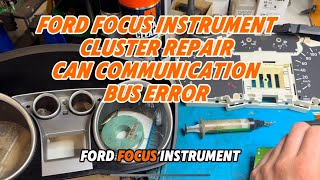
- Ford Focus (2000-2007) — Known for bad solder joints in the instrument cluster that specifically trigger code U1900 (CAN Bus Fault). Symptoms include intermittent no-start and erratic gauges. Firmly tapping the top of the dashboard temporarily restores function, confirming the diagnosis.
- Ford Explorer (2002-2005) — These models use the J1850 SCP network and are highly susceptible to instrument cluster failures and wiring issues.
- Lincoln LS (2000-2006) — Shares the Ford DEW98 platform with the Jaguar S-Type and suffers from the exact same instrument cluster and module communication failures. Diagnosis and repair are identical to the S-Type.
- Chevrolet / GMC Silverado, Sierra, Tahoe, Yukon, Suburban (2007-2013) — Notorious for failures of the Fuel Pump Control Module (FPCM) located on the frame rail. Corrosion causes the module to fail, logging code U0109 and resulting in a crank-no-start. Always check this module before suspecting the fuel pump.
- Jaguar X-Type (2001-2009) — Shares a similar network design to the S-Type and is prone to instrument cluster and module communication failures.
- Chrysler / Dodge Town & Country, Grand Caravan (2001-2007) — Communication problems are frequently traced back to a faulty Totally Integrated Power Module (TIPM), which is the main fuse/relay box, or the Body Control Module (BCM).
- Kia / Hyundai Sorento, Sportage, and others (2007-2015) — Subject to a major safety recall (NHTSA 23V-652) for the Hydraulic Electronic Control Unit (HECU), which short circuits from moisture intrusion. This causes communication faults, ABS warning lights, and a severe fire risk while parked.
Manufacturer-Specific Notes
- Jaguar: On S-Type and X-Type models, a failing instrument cluster produces a false "GEARBOX FAULT" message on the dash even when the transmission is fine. Do not replace a used cluster; the original is easily repaired by a specialist service for a fraction of the cost.
- Ford: On early 2000s models like the Focus, the instrument cluster contains critical immobilizer (PATS) and network gateway functions. Bad solder joints trigger code U1900. Hitting the dash above the cluster temporarily restores function, confirming the diagnosis.
- Chevrolet/GMC: On GMT900 trucks, a crank-no-start with communication codes is almost always a failed Fuel Pump Control Module (FPCM), not the fuel pump. The module is located on the driver-side frame rail near the spare tire and corrodes heavily.
- Chrysler/Dodge/Jeep: Widespread communication problems are frequently traced back to internal failures in the Totally Integrated Power Module (TIPM). While recalls exist for specific TIPM problems (NHTSA 14V-530), no single extended warranty covers all communication faults.
- Kia/Hyundai: A massive recall (NHTSA 23V-652) was issued for a defective Hydraulic Electronic Control Unit (HECU) that short-circuits from internal moisture, causing network faults and a fire risk. Dealers install a new, lower-amperage fuse to prevent an overcurrent condition.
Real Owner Stories
2008 Ford Focus with 130K miles, code U1900 and multiple other U-codes.
Car went into limp mode with the engine management light on. A scan revealed a slew of CAN bus communication faults, including U1900, U0001, and U0140.
Outcome: Based on forum advice, the owner removed the instrument cluster themselves and sent it to a mail-in repair service. The repair, which involved re-soldering the main connector pins, cost between £90-£140. After re-installing the repaired cluster, all codes were cleared and did not return.
Lesson: On early 2000s Ford Focus models, multiple U-codes (especially U1900) almost always point to a repairable instrument cluster fault, not a massive wiring problem. A mail-in repair is vastly cheaper than a dealer replacement.
2009 Chevy Silverado 1500 with crank-no-start and code U0109.
Truck would crank but not start. The owner bought the truck knowing it had a fuel issue. A new battery was installed, but the problem persisted. The fuel pump was not consistently priming.
Outcome: The investigation then pointed towards a problem with the power feed *to* the FPCM. Further diagnosis revealed no power at the FPCM fuse in the underhood fuse block, which was caused by an internal short in the fuse block itself. Replacing the fuse block restored power and resolved the U0109 code.
Lesson: Even when a specific module communication code is present (like U0109 for the FPCM), always verify power and ground *to the module* before replacing it again. A bad fuse, relay, or fuse box connection mimics a failed module.
2005 Jaguar S-Type with 'GEARBOX FAULT' message and harsh shifting.
The car intermittently displayed a 'GEARBOX FAULT' message, went into limp mode, and exhibited harsh gear engagement, particularly from 2nd to 1st gear. The owner also noticed a misfire-like stumble.
Outcome: Fixing the engine misfire completely resolved the 'GEARBOX FAULT' message and all erratic shifting behavior. The transmission control module was receiving incorrect engine load calculations due to the misfire, causing it to command incorrect shifts.
Lesson: On Jaguars, a 'GEARBOX FAULT' message does not always mean the transmission is bad. An engine performance issue, like a simple misfire, tricks the transmission module into reporting a false error. Always fix engine codes (P-codes) before chasing communication codes (U-codes).
How to Prevent This Code From Triggering
- Clean Battery Terminals and Main Ground Points (Annually) — Corrosion on battery terminals or chassis grounds creates resistance, causing unstable voltage that makes electronic modules malfunction and drop off the network. A wire brush and terminal cleaner are all that's needed.
- Apply Dielectric Grease to Exposed Connectors (Whenever a connector is disconnected) — For modules mounted in exposed areas (like the GM FPCM), applying a small amount of silicone dielectric grease inside the connector provides a moisture-proof barrier, preventing the corrosion that leads to pin failure.
- Inspect for and Clear Water Drains (Annually, especially in leafy areas) — Clogged sunroof drains or A/C evaporator drains cause water to back up and overflow into the vehicle's cabin, often dripping directly onto a BCM or PCM located in the kick panel area, causing shorts and corrosion.
- Address Charging System Issues Promptly (As needed) — A failing alternator provides erratic or low voltage. Control modules require a stable voltage (typically 13.5-14.7V when running) to operate correctly. Running on low voltage causes modules to shut down and log communication faults.
- Avoid Extreme Interior Temperature Swings (Daily habit) — Repeatedly leaving a vehicle in freezing cold and then blasting the heat accelerates the expansion/contraction cycles that crack brittle solder joints inside modules like the instrument cluster. Parking in a garage moderates these extremes.
Frequently Asked Questions
Can a bad ground wire really cause code U1069?
Yes, absolutely. A single corroded or loose ground strap creates unstable voltage across the entire network, causing multiple modules to malfunction and report communication errors. It is one of the most common and often overlooked causes of U-codes.
Is it expensive to fix a U1069 code?
It varies dramatically. A simple fix like cleaning a ground wire costs $100-$200 in labor, while a mail-in instrument cluster repair runs $150-$400. However, if a major computer like the PCM needs replacement and dealer programming, the cost easily exceeds $1,200.
My Jaguar says 'GEARBOX FAULT' but the transmission seems fine. Is it related to U1069?
Yes, this is a classic symptom of an instrument cluster failure on a Jaguar S-Type or X-Type. The cluster acts as a network gateway, and when it fails, it sends corrupt data that causes other modules to report false errors. The transmission is almost certainly fine; the problem is in the dashboard cluster.
My truck cranks but won't start and has a communication code. Is it the fuel pump?
Probably not. On many GM trucks, a failed Fuel Pump Control Module (FPCM) stops communicating and prevents the pump from activating. Always diagnose the FPCM before spending money on a new fuel pump.
Is a U-code like U1069 a serious problem?
It is very serious. At best, it is an annoyance, but at worst, it indicates a condition that causes the engine to stall in traffic. In the case of the Kia/Hyundai HECU recall, it poses a significant fire risk even when the car is parked.
Will clearing the code fix the problem?
No. Clearing the code only erases the fault history. Because U1069 is caused by a physical hardware or wiring fault, the code returns immediately as soon as the communication failure reoccurs.
Can I replace the instrument cluster with a used one from a junkyard?
This is strongly discouraged. On most modern vehicles, the instrument cluster is part of the anti-theft system and is programmed with the vehicle's VIN and key data. Installing a used cluster results in a no-start condition, making it far better and cheaper to have your original cluster repaired.
My scanner shows ten different U-codes. Do I need to replace ten modules?
No, almost certainly not. When many modules report communication loss simultaneously, it points to a problem with a shared component. This is usually the network wiring, a central ground point, or a gateway module bringing the whole network down.
Key Takeaways
- Code U1069 signals a critical network communication failure, most frequently caused by a faulty instrument cluster, a corroded ground wire, or a failed Fuel Pump Control Module.
- For 1999-2007 Ford and Jaguar models, a failing instrument cluster is the primary culprit; use a $150-$400 mail-in repair service instead of buying a costly replacement.
- On 2007-2013 GM trucks experiencing a crank-no-start condition, inspect the frame-mounted Fuel Pump Control Module (FPCM) for corrosion before replacing the fuel pump.
- Always test your battery to ensure it holds at least 12.4 volts and clean all major ground straps before spending money on replacement computer modules.
Helpful Videos


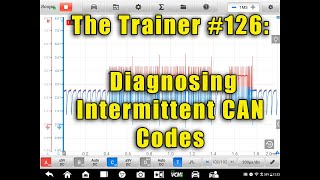
Shop the Parts Behind U1069
Below are the parts most often responsible for code U1069, ranked by how frequently each one is the actual culprit (per the diagnosis above). Tap any to see what we have for your vehicle.


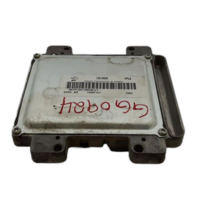
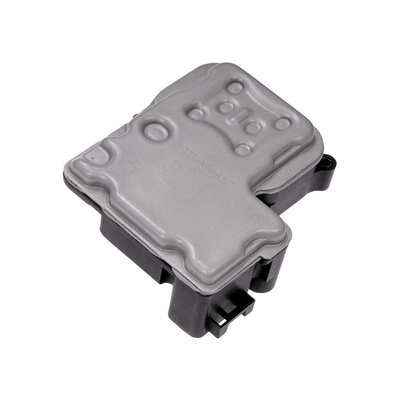

The information in this article is provided for general reference and educational purposes only. Vehicle specifications, procedures, and part compatibility can vary by production date, trim level, and region. Always consult your vehicle's factory service manual and verify part numbers before purchasing or performing repairs. Safety-critical components such as airbags, seat belts, and braking systems should be installed by a qualified professional.
- 🧭 Diagnostic Flowchart
- 🎬 Helpful Videos
- 🛍️ Shop This Part
- What Does U1069 Mean?
- Can I Drive With U1069?
- Common Causes
- Symptoms
- Common Fixes & Costs
- Used vs. New Parts: Buying Guide
- What Happens If You Wait — Timeline
- Cost of Not Fixing It
- Diagnosis Steps
- When This Code Triggers (Freeze-Frame Conditions)
- Related Codes
- Climate & Environmental Factors
- How to Talk to a Mechanic About This Code
- Where to Take It: Dealer vs Independent vs Chain
- When to Walk Away From the Repair
- What Scan Tool You Need for This Code
- How to Clear the Code After You Fix It
- Will This Fail Emissions / State Inspection?
- Most Commonly Affected Vehicles
- Manufacturer-Specific Notes
- Real Owner Stories
- 2008 Ford Focus with 130K miles, code U1900 and multiple other U-codes.
- 2009 Chevy Silverado 1500 with crank-no-start and code U0109.
- 2005 Jaguar S-Type with 'GEARBOX FAULT' message and harsh shifting.
- How to Prevent This Code From Triggering
- Frequently Asked Questions
- Can a bad ground wire really cause code U1069?
- Is it expensive to fix a U1069 code?
- My Jaguar says 'GEARBOX FAULT' but the transmission seems fine. Is it related to U1069?
- My truck cranks but won't start and has a communication code. Is it the fuel pump?
- Is a U-code like U1069 a serious problem?
- Will clearing the code fix the problem?
- Can I replace the instrument cluster with a used one from a junkyard?
- My scanner shows ten different U-codes. Do I need to replace ten modules?
- Key Takeaways
- 🎟️ Get 5% Off