

U1111 on 2010-2012 Audi A5 Cabriolet: Transmission Fault Guide
On a 2010-2012 Audi A5, code U1111 almost always indicates a problem with the S-Tronic automatic transmission, most commonly a failing Mechatronic unit. Expect symptoms like flashing 'PRNDS' lights and limp mode. Repair involves a Mechatronic repair kit or full unit replacement, costing between $800 and $2,500+.
- Code U1111 on a 2010-2012 A5 Cabriolet is a serious transmission fault, not a random network error.
- The most likely cause is a failing Mechatronic unit inside the S-Tronic transmission.
- Key symptoms are flashing 'PRNDS' lights, limp mode, and harsh shifting.
- Diagnosis requires an Audi-specific scan tool to read codes from the transmission module.
- This is not a DIY-friendly repair. Professional service is strongly recommended due to the complexity and need for post-repair software adaptation.
What's Unique About the 2010-2012 Audi A5 CABRIOLET
The 2010-2012 A5 Cabriolet uses the DL501 (0B5) S-Tronic dual-clutch transmission. This gearbox is known for issues with its Mechatronic unit, which is the integrated control center combining the Transmission Control Unit (TCU), sensors, and hydraulic solenoids. Unlike a generic network code, U1111 on this specific platform is a strong pointer towards this well-documented Mechatronic failure pattern, often accompanied by flashing 'PRNDS' lights and performance issues. The failure is so common that multiple companies specialize in rebuilding these specific units and selling repair kits.
Diagnostic Flowchart
Tap your situation to follow the diagnostic path that matches what you're seeing on this vehicle.
Symptoms You May Notice
- Flashing 'PRNDS' gear indicator lights on the dashboard. 🎬 Watch: How to fix the flashing PRNDS dashboard fault.
- Vehicle enters 'limp mode,' limiting engine power and available gears.
- Harsh, jerky, or delayed gear shifts, sometimes described as a 'jolt' or 'clunk'.
- Inability to select reverse or certain forward gears (e.g., only having even or odd gears).
- Complete loss of drive, where the car will not move.
- EPC (Electronic Power Control) warning light may illuminate.
- Transmission gets stuck in Neutral.
- Failure to engage drive or reverse, especially when the vehicle is hot.
- Replacing the gear selector lever assembly. While the code can be logged in the selector module, the root cause is almost always the transmission's Mechatronic unit sending faulty signals or no signal at all.
- Low transmission fluid. While low fluid can cause shifting problems, it is unlikely to be the sole cause of a U1111 communication fault code without other symptoms like slipping or overheating codes.
Most Likely Causes
- Failing Mechatronic Unit (TCM/Valve Body Assembly) 🔴 High Probability → Shop Transmission Valve Body The DL501 transmission's Mechatronic unit is a known failure point. Internal circuit boards (TCU), sensors (like the gear position sensor), or solenoids fail over time due to heat and vibration, causing a variety of electrical and hydraulic faults. The shared oil circuit between the clutches and the Mechatronics can also lead to contamination of sensitive solenoids.
How to confirm: A diagnostic scan with an Audi-specific tool (like VCDS or ODIS) will show U1111 along with other codes stored in the transmission module (02), often pointing to specific valve, sensor, or gear selector electrical faults (e.g., P17xx codes). These codes often cannot be cleared or return immediately after a short drive.
Typical fix: The unit must be removed from the transmission. It can be replaced with a new OEM unit or, more commonly, repaired using a kit that includes a new circuit board, solenoids, and sometimes a new internal wiring loom. After repair/replacement, a basic settings and clutch adaptation procedure must be performed with diagnostic software.
Est. part cost: $600-$1500 - Damaged Wiring Harness or Connectors ⚪ Low Probability While less common than internal failure, the main transmission connector can become contaminated with fluid or damaged. On the Cabriolet model, water ingress in the trunk or cabin can potentially damage wiring for various control modules, though a direct link to U1111 is not widely reported.
How to confirm: Visually inspect the main wiring harness connector at the side of the transmission for corrosion, chafing, or loose pins. The connector part number is 420973716. Check for any signs of transmission fluid wicking up into the connector.
Typical fix: Repair or replace the damaged section of the wiring harness or clean/replace the affected connector.
Est. part cost: $20-$300 - TCM Software Glitch ⚪ Low Probability
How to confirm: Check the TCM software version against the latest version available from Audi. This requires a dealer or specialist with access to the SVM (Software Version Management) system.
Typical fix: Update the Transmission Control Module (TCM) software to the latest version.
Est. part cost: $0-$250
Diagnosis Steps
- Perform a full vehicle scan using an Audi-specific diagnostic tool (like VCDS or ODIS). Do not use a generic OBD-II reader. Note all codes, especially in the Engine (01), Transmission (02), and Selector Lever (81) modules.
- Pay close attention to any P17xx codes stored in the transmission module, as these will pinpoint the specific internal fault within the Mechatronic unit (e.g., a specific solenoid or sensor).
- Check and log the transmission fluid temperature. Many Mechatronic issues are exacerbated when the fluid is hot.
- Check the battery voltage and charging system. A weak battery can cause various communication errors, though it's unlikely to be the sole cause if severe transmission symptoms are present.
- If no other codes are present besides U1111, investigate the possibility of a software issue as described in TSB 3714462025535/3, especially if the fault appeared after a diagnostic scan.
- Inspect the main electrical connector at the transmission for any signs of fluid contamination, corrosion, or damage.
- If evidence points to the Mechatronic unit (multiple P17xx codes, symptoms worsen when hot), the next step is removal from the transmission for repair or replacement.
Parts You'll Likely Need
- Mechatronic Repair Kit
(OEM #0B5398048D (supersedes 0B5398048C))— This is the most common and cost-effective solution. The kit typically includes the two main circuit boards/PCBs, solenoids, and sometimes a new internal wiring harness to fix the common electronic failures.
Trusted brands: Genuine Audi/VW, BorgWarner (OEM supplier)
OEM price range: $750-$1050
Aftermarket price range: $600-$900 - Complete Mechatronic Unit
(OEM #0B5927156E, 0B5927156F, 0B5927156K)— If the Mechatronic's hydraulic or mechanical components are damaged beyond repair, or if a simpler drop-in fix is desired, a complete replacement unit is necessary. This is a more expensive option and requires programming to the vehicle.
Trusted brands: Genuine Audi
OEM price range: $1500-$2500
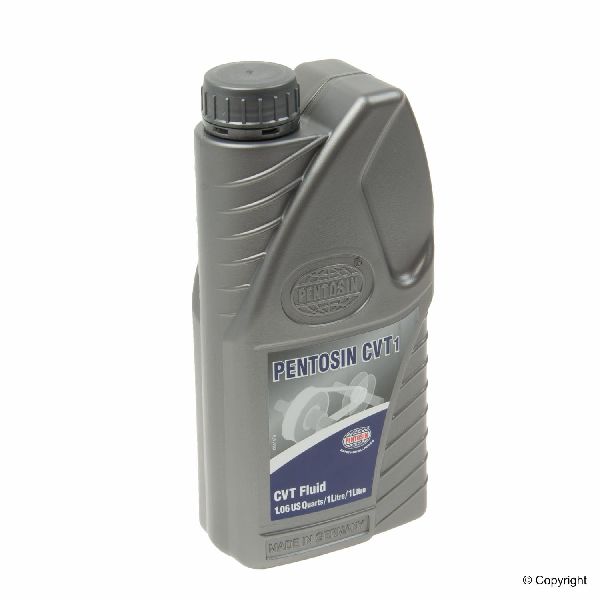
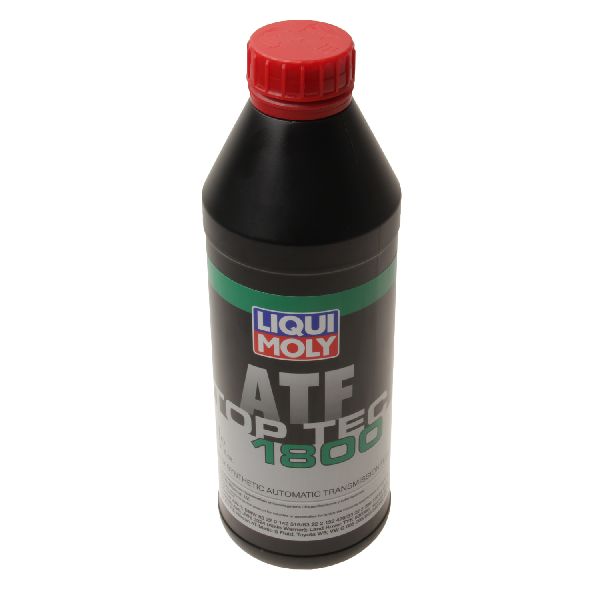
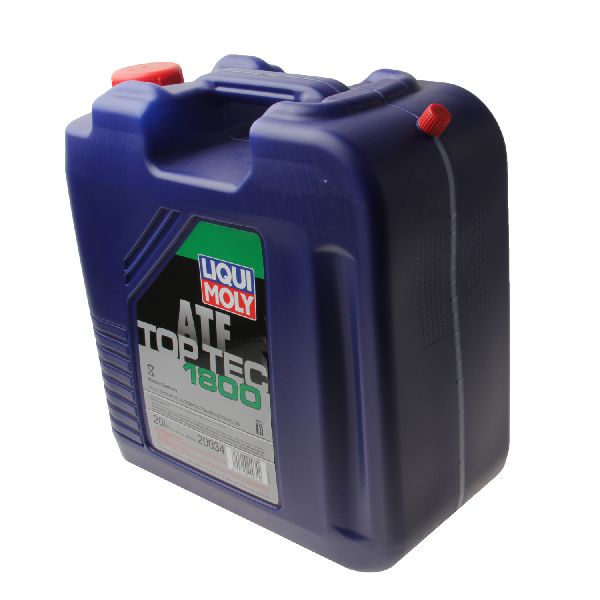
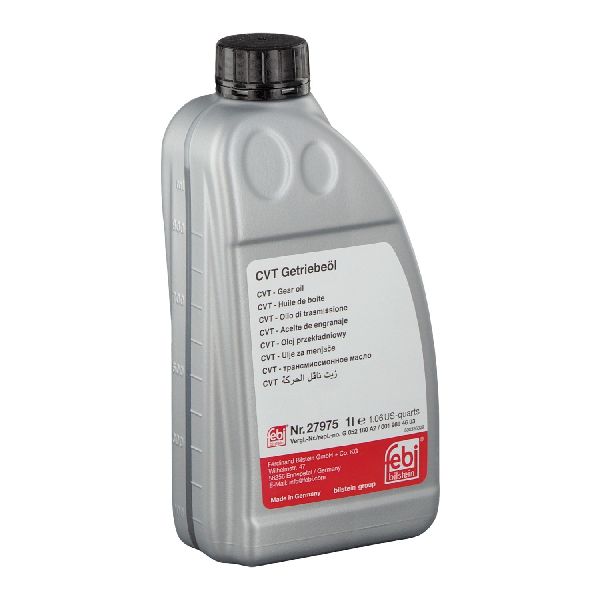
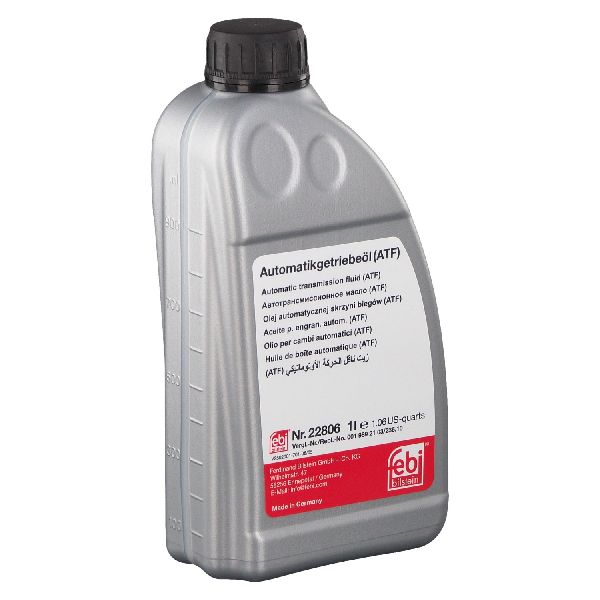
Aftermarket price range: $1200-$1800 - DL501 Transmission Fluid and Filter — The fluid and external filter must be replaced any time the Mechatronic unit is serviced. Using the correct OEM fluid is critical for the longevity of the repair.
Trusted brands: Genuine Audi, Liqui Moly, Pentosin
OEM price range: $200-$300
Aftermarket price range: $150-$250
Related Codes That Often Appear With This One
- P17D8 — Torque limitation because of clutch temperature. This often points to the Mechatronic unit's inability to properly regulate the clutches, a common related fault.
- P0726 — Indicates an implausible RPM signal from the engine ECU, a common fault when the Mechatronic unit's internal TCU begins to fail.
- P174B, P174F, P179C, etc. — These are a range of transmission-specific codes that point to electrical faults in the Mechatronic unit's valves and solenoids (e.g., 'Valve 4 in sub-gearbox 1/2, electrical fault'), directly corroborating a hardware failure.
- P176A — Gear Actuator/Selector 1 Not Adjustable. This indicates a problem with the gear selection mechanism controlled by the Mechatronic unit.
Technical Service Bulletins (TSBs) & Recalls
- 3714462025535/3 (also 37 14 41): Mentions DTC U1111 in conjunction with transmission faults (P1703) and a potential software fix for an issue caused by diagnostic testers.
- NHTSA #10055233 (Audi TSB 37-14-26): Although for a slightly different set of codes, this TSB details the process of replacing the Mechatronic circuit board for harsh shifting issues on the same transmission, confirming the repair strategy.
Platform-Specific Known Issues
- The 0B5/DL501 S-Tronic transmission used in this model is widely known for Mechatronic unit failures, which are the primary cause of code U1111 and its associated symptoms. Failures are particularly noted in models from 2009-2013.
- The failure often presents as an electrical fault within the TCU portion of the Mechatronic, the gear position sensor module, or the solenoids that control hydraulic pressure.
Mechanic-Grade Diagnostic Values
- Resistance of VFS Clutch Solenoids (N436, N440) — expected: 4.8 Ω ± 0.1 Ω at 25°C; 5.4 Ω ± 0.1 Ω at 70°C. Failure: Readings outside of this range indicate a failing solenoid coil.
- Resistance of Clutch Oil Pressure Solenoids (N435, N439) - Gen 1 — expected: 16.0 Ω ± 0.1 Ω at 25°C; 18.6 Ω ± 0.1 Ω at 70°C. Failure: Readings outside of this range suggest a fault in the pressure solenoid.
- Resistance of Main Pressure (N472) & Cooling (N471) Solenoids — expected: 4.2 Ω ± 0.1 Ω at 25°C; 4.8 Ω ± 0.1 Ω at 70°C. Failure: Incorrect resistance points to a solenoid failure.
- Transmission Fluid Temperature for Basic Settings — expected: Between 40°C and 100°C (some sources suggest below 60°C for best results). Failure: Adaptation procedures may fail if the temperature is outside this range.
Scan Tool Commands That Help
- VCDS (VAG-COM): Basic Settings - Group 060 (Synch. Point Measurement) — After Mechatronic replacement or repair, to allow the TCM to learn the tolerances of the gear actuators. This must be done before other adaptations.
- VCDS (VAG-COM): Basic Settings - Clutch Valve Calibration — After replacing solenoids or the Mechatronic unit. This calibrates the hydraulic clutch valves. This is a critical step to ensure smooth engagement.
- VCDS (VAG-COM): Basic Settings - Distance Sensor Calibration — Required after replacing the Mechatronic wiring harness/circuit board, as it contains the gear position sensors.
- VCDS (VAG-COM) / ODIS: Erase Counter for Start and Stop Processes — This is the first step in the basic settings sequence, performed with Key On, Engine Off, to reset adaptation counters before new calibrations are performed.
- ODIS: Guided Functions - Basic Settings for Transmission — ODIS (the dealer-level tool) provides a guided, step-by-step process for all necessary adaptations. This is often required if component protection is active or if VCDS procedures fail.
Wiring & Ground Locations
- T16r Connector (420973716) — The main 16-pin electrical connector on the side of the DL501/0B5 transmission housing.. This is the primary communication and power interface for the Mechatronic unit. Corrosion, fluid contamination, or damaged pins at this connector can directly cause communication codes like U1111 by interrupting the CAN bus signals to and from the TCM.
Real Owner Repair Stories
- MHH Auto Forum user 'vijayrelia' (Audi with 0B5 Transmission (details consistent with A4/A5/Q5)) — Fault code P17D5 (Valve 3 in sub-gearbox 2, mechanical malfunction) which is a common companion code to U1111.
❌ Tried (didn't work) Replacing the TCU (Transmission Control Unit) did not solve the problem.
✅ What actually fixed it The issue was resolved by replacing three specific solenoids within the Mechatronic unit: VFS Solenoids N436 & N440, and the main pressure solenoid N472. This indicates that even with a seemingly electronic fault, the root cause can be specific electro-mechanical solenoids.
OEM Part Supersession History
0B5398048C→0B5398048D— Updated revision of the Mechatronic repair kit (solenoids and circuit boards). The newer part number likely includes improvements for reliability.
Heads up: The parts are generally interchangeable, but it is always recommended to use the latest revision (0B5398048D) for repairs.0B5927156E / 0B5927156F→0B5927156J / 0B5927156K— Represents a hardware change from Generation 1 to Generation 2 Mechatronic control units.
Heads up: Gen 1 and Gen 2 units are not directly interchangeable. The correct generation must be used for the specific vehicle. The hardware number can be read via diagnostics under 'extended ID'.
Model Year Variations Within This Range
- 2010-2012: The Mechatronic unit may be a 'Generation 1' type (P/N ending in E or F). Later models (post-2012) transitioned to 'Generation 2' (P/N ending in J or K). While the U1111 fault can occur on both, the specific internal components and replacement part numbers differ.
Helpful Videos
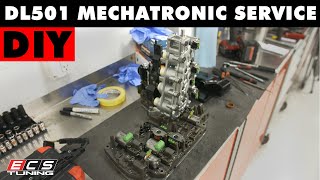
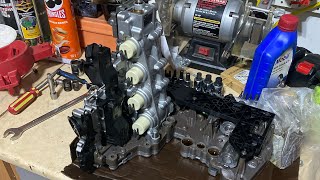
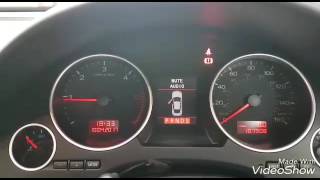
We Have This Part in Stock


The information in this article is provided for general reference and educational purposes only. Vehicle specifications, procedures, and part compatibility can vary by production date, trim level, and region. Always consult your vehicle's factory service manual and verify part numbers before purchasing or performing repairs. Safety-critical components such as airbags, seat belts, and braking systems should be installed by a qualified professional.
- Audi A5 CABRIOLET:
- 🧭 Diagnostic Flowchart
- 🎬 Helpful Videos
- 🛍️ Shop This Part
- What's Unique About the 2010-2012 Audi A5 CABRIOLET
- Symptoms You May Notice
- Most Likely Causes
- Diagnosis Steps
- Parts You'll Likely Need
- Related Codes That Often Appear With This One
- Technical Service Bulletins (TSBs) & Recalls
- Platform-Specific Known Issues
- Mechanic-Grade Diagnostic Values
- Scan Tool Commands That Help
- Wiring & Ground Locations
- Real Owner Repair Stories
- OEM Part Supersession History
- Model Year Variations Within This Range
- 🎟️ Get 5% Off