

OBD-II Code U1121: Databus Missing Message
What U1121 means, why it triggers, and how to fix it
- Code U1121 indicates a total communication failure from a specific computer module on the vehicle's Controller Area Network (CAN bus).
- Always test the battery and inspect the module's specific fuses first; voltage drops below 10.5V or a blown 20A fuse are the most frequent triggers.
- On 2005-2012 Chrysler, Dodge, and Jeep vehicles, U1121 almost always points to a failed ABS module or its ground connection.
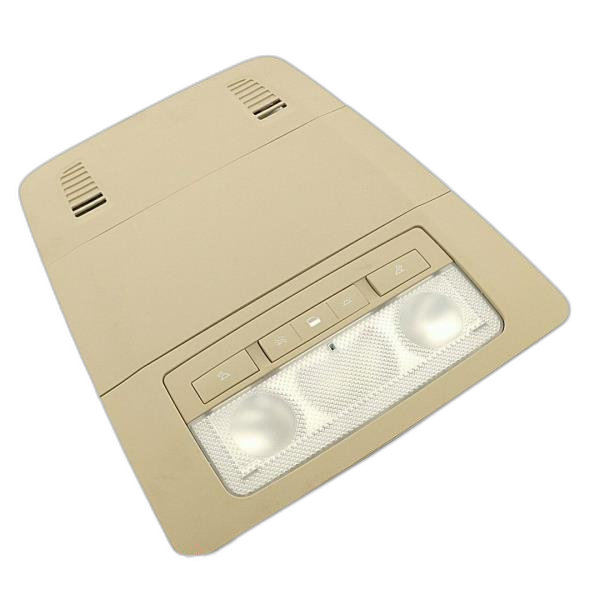
- For 2021-2023 GM SUVs (Tahoe, Suburban, Escalade), this code guarantees a defective overhead console requiring a $250-$400 replacement with a VIN-specific updated part.
What Does U1121 Mean?
Code U1121 means one of your car's computers (or 'modules') suddenly stopped talking to the others. Modern cars have dozens of these modules controlling everything from the engine to the power windows, communicating over a network called the CAN bus. This code confirms one module went silent, and the other modules noticed its absence.
Technical definition: The official SAE definition for U1121 is a generic network communication code, often defined by the manufacturer as 'Lost Communication With [Module Name]' or 'Databus Missing Message'. It indicates a breakdown on the vehicle's Controller Area Network (CAN bus) where a specific electronic control unit (ECU) fails to send or receive expected messages. This is a symptom of a communication failure, not necessarily a mechanical fault.
Can I Drive With U1121?
Yes, But With Caution. You can usually drive, but with extreme caution. This code signifies a critical communication breakdown, disabling safety systems like ABS, stability control, or airbags without warning. Limit driving to reaching a repair shop. Ignoring this leads to unpredictable vehicle behavior or complete failure of essential safety features in an emergency.
Common Causes
- Low Battery Voltage or Failing Alternator (Very Common) — The vehicle's communication network is highly sensitive to voltage. A weak battery or a failing alternator causes voltage to drop below the required threshold (approx. 10.5V), making modules reset or go offline unexpectedly.
- Blown Fuse for a Control Module (Very Common) — A simple blown fuse cuts power to a module, preventing it from communicating on the network. This is a highly common and often overlooked cause, particularly for ABS modules in Chrysler/Dodge vehicles.
- Faulty Control Module (Common) — The module itself has failed internally. This is frequently the ABS module, instrument cluster, or overhead console experiencing a hardware or software failure.
- Damaged Wiring or Poor Ground Connection (Common) — The CAN bus wires can get damaged, pinched, or corroded. Additionally, if a module's ground wire is loose or corroded, the module cannot power on to communicate.
- Aftermarket Component Incompatibility (Less Common) — Installing aftermarket parts, such as a new stereo, digital dashboard, or remote start system, interferes with the CAN bus network. These devices broadcast unexpected messages or cause data collisions.
- Faulty Gateway Module (Rare) — Some vehicles use a central 'gateway' module to direct traffic between different networks. If this module fails, it prevents other modules from talking to each other.
- Software/Configuration Mismatch (Rare) — If a module is replaced with a used part or not programmed correctly for the specific vehicle, it lacks the right software to communicate with other modules.
Symptoms
- Multiple Warning Lights on Dash — You will see the Check Engine light, along with other lights like ABS, Airbag, or Traction Control, appearing simultaneously.
- Inoperative Vehicle Features (ABS, Windows, Radio) — Functions controlled by the offline module stop working. If the ABS module is offline, anti-lock brakes fail. If the Body Control Module fails, power windows or the radio stop working.
- Erratic or Dead Gauges — The speedometer, tachometer, or fuel gauge drops to zero or behaves strangely if the instrument cluster loses communication.
- Vehicle Won't Start or Runs Poorly — If communication is lost with a critical module like the Powertrain Control Module (PCM), the engine fails to start or enters a 'limp mode' with reduced power.
Diagnostic Flowchart
Tap your situation to follow the diagnostic path that matches what you're seeing on this code.
Common Fixes & Costs
- Replace a Blown Fuse — Parts: $1 - $10, Labor: $0 - $50, ~0.2 hr book time (DIY)
- Replace Overhead Console (Specific GM Models) — Parts: $90 - $230, Labor: $150 - $400, ~1.2 hr book time (DIY)
- Replace a Faulty Module (e.g., ABS, Instrument Cluster) — Parts: $200 - $1200, Labor: $100 - $400, ~1.5 hr book time (Professional)
- Clean or Repair a Ground Connection — Parts: $1 - $5, Labor: $100 - $200, ~1.0 hr book time (DIY)
- Repair Damaged Wiring or Connectors — Parts: $10 - $50, Labor: $200 - $600, ~2.5 hr book time (Intermediate)
Used vs. New Parts: Buying Guide
When a used part is worth it: A used module makes sense for older, high-mileage vehicles (over 125k miles) where the cost of a new part is a significant percentage of the car's value, and the owner accepts the risk of a shorter part lifespan.
Donor-vehicle mileage cap: roughly under 100000 miles for the part to have meaningful remaining life.
Donor quality checklist:
- Match the part number exactly, including hardware and software versions if possible.
- Obtain the VIN of the donor car to check for compatibility issues.
- Buy from a reputable seller that offers at least a 30-day warranty and has good reviews.
- Inspect the part for any physical damage, corrosion, or signs of water intrusion.
Decision logic:
- If The part requires programming to the vehicle's VIN (most modern ABS, BCM, and overhead consoles do). → Favor a new part or a service that rebuilds your original module. A used module requires expensive reprogramming that is often unsuccessful.
- If The original part can be rebuilt (e.g., sending your ABS module to a specialist). → This is the best value, as it is cheaper than new and requires no programming upon reinstallation.
- If The vehicle is a newer GM SUV with a known overhead console issue (TSB PIT5949C). → Only buy a new part ordered with your VIN. Used parts will not have the updated, corrected software.
Warranty tradeoff: Used parts typically have a 30-90 day warranty at best. Aftermarket new parts often have a 1-year to limited lifetime warranty. OEM new parts carry a 1-2 year warranty when installed by a dealer.
Worst-case if a used part fails: $300 - $800. If a used module is dead on arrival or fails shortly after, you lose the money spent on the part plus the labor for installation and the cost of programming attempts.
What Happens If You Wait — Timeline
- 0-1 month: Code U1121 is set. A single system (e.g., ABS, sunroof) becomes inoperative. A warning light (Check Engine, ABS, Airbag) is illuminated on the dash. Drivability is often unaffected, but a key safety system is offline. (MPG impact: 0%% · Added cost: $0)
- 1-3 months: The faulty, non-communicating module fails to enter 'sleep' mode when the car is off, causing a parasitic battery drain. The owner notices a slow-cranking engine in the morning or needs occasional jump starts. The battery is being prematurely aged. (MPG impact: 0%% · Added cost: $150 - $350 (New battery required due to repeated deep discharge))
- 3-6 months: The unstable voltage from the failing battery and faulty module begins to cause more widespread electrical gremlins. Other modules intermittently drop offline, causing flickering lights, erratic gauges, or other random electronic issues. The car fails to start intermittently. (MPG impact: 0-5% (due to poor running from electrical instability)% · Added cost: $500 - $1500 (Original module failure + new battery + potential damage to a second module from voltage spikes/dips))
- 6+ months: Cascading failure. A severe voltage event (short circuit within the faulty module) or continued network instability corrupts the software or damages the sensitive electronics in other modules like the BCM or PCM. The vehicle experiences a permanent no-start condition, requiring replacement of multiple, expensive control units. (MPG impact: N/A (Vehicle is likely non-drivable)% · Added cost: $1500 - $4000+ (Multiple module replacements, extensive diagnostics, and towing))
Cost of Not Fixing It
- Immediate: Loss of critical safety systems. If the ABS or Airbag module is offline, those systems will not function in an emergency, increasing the risk of an accident or injury. (Added cost: N/A (Safety Risk))
- 1-3 Months: A faulty module fails to shut down properly, causing a parasitic battery drain. This leads to a dead battery, requiring jump starts or a premature battery replacement. (Added cost: $150 - $350 (New Battery))
- 3+ Months: Continued operation with a faulty module leads to unpredictable electrical behavior, such as a no-start condition, stalling, or damage to other modules on the network due to voltage irregularities. (Added cost: $500 - $2000+ (Further module failure, diagnostics, and towing))
Diagnosis Steps
- Scan All Vehicle Modules
Use an advanced OBD-II scanner that accesses all modules (ABS, BCM, Airbag, etc.). The goal is to see which module is NOT responding. The module you cannot communicate with is the source of the problem.
Tools: Advanced OBD-II Scanner (Beginner) - Check Battery and Fuses
Ensure the battery voltage is above 12.4 volts with the engine off and between 13.7 and 14.7 volts with the engine running. Find the fuse box and check all fuses related to the non-communicating module. A blown fuse is a simple but common cause.
Tools: Multimeter, Fuse Puller (Beginner) - Visually Inspect Wiring and Connectors
Locate the faulty module and carefully inspect its electrical connector and surrounding wires. Look for green or white corrosion, pinched wires, or obvious damage. Unplug the connector and check for bent or corroded pins.
Tools: Flashlight (Intermediate) - Test for Power and Ground at the Module
Using a multimeter and the module's wiring diagram, check for proper battery voltage at the power pin(s) and good continuity to ground at the ground pin(s) on the module's connector. A reading of less than 0.1 volts on the ground side is ideal.
Tools: Multimeter, Vehicle-Specific Wiring Diagram (Intermediate) - Check CAN Bus Resistance
With the battery disconnected, measure the resistance between the two CAN bus wires (CAN High and CAN Low) at the OBD-II port. A healthy network reads approximately 60 ohms. A reading of 120 ohms means a break in the circuit. A reading near 0 ohms indicates a short.
Tools: Multimeter (Advanced) - Isolate the Module
If the CAN bus resistance is incorrect (e.g., shorted), unplug modules one by one until the reading returns to normal (60 ohms). The last module unplugged before the reading corrects itself is the one causing the network to go down.
Tools: Multimeter, Basic Hand Tools (Advanced) - [PRO TIP] Check for Parasitic Draw
If a module is failing, it fails to shut down correctly, causing a parasitic battery drain. Connect a multimeter in series with the negative battery terminal to measure amperage. With the car off and asleep, the draw should be under 50mA. If higher, pull fuses for network-related modules until the amperage drops.
Tools: Multimeter with Amp Clamp or In-line capability (Advanced) - [ADVANCED] Check CAN Voltages with Multimeter
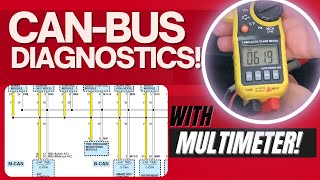
With the ignition on, measure the DC voltage of CAN High to ground; it should be approximately 2.6V. Measure CAN Low to ground; it should be approximately 2.4V. Significant deviations suggest a wiring problem, such as a short to power or ground.
Tools: Multimeter (Advanced) - [PRO TIP] Use an Oscilloscope on the CAN Bus
Connect an oscilloscope to the CAN High and CAN Low pins. A healthy CAN bus shows a distinct square wave pattern with CAN High mirroring CAN Low. A flat line, missing signal, or distorted waveform pinpoints issues like a short to power/ground or a failed module driver.
Tools: Oscilloscope (Professional) - [ADVANCED] Check Module Internal Resistance
If a specific module is suspected, check its internal CAN port resistance. Disconnect the module and measure the resistance between its CAN Hi and CAN Low pins. A healthy, non-terminated module has an internal resistance between 28k and 50k ohms.
Tools: Multimeter (Advanced)
When This Code Triggers (Freeze-Frame Conditions)
- Fault Trigger: Key-On or Startup (The code is most often set when the ignition is turned on and a specific module fails to respond or 'check in' on the network within a predetermined time frame.)
- Engine Speed: 0 - 800 RPM (Freeze frame data frequently shows the fault occurs at 0 RPM (Key-On, Engine-Off) or just after starting, during the network's initialization phase.)
- Vehicle Speed: 0 mph (Consistent with a startup failure, the vehicle is stationary when the communication loss is first detected.)
- Battery Voltage: 11.5V - 12.5V (The fault logs when battery voltage is slightly low during cranking, preventing sensitive modules from booting up correctly.)
Related Codes
- U0121 — This is a more specific version of U1121 that explicitly means 'Lost Communication With Anti-Lock Brake System (ABS) Control Module'. If you have U0121, the problem is confirmed to be with the ABS system. If you only have U1121, the ABS module is the most likely culprit, but U1121 is a generic code set by another module that noticed the ABS module is offline.
- U0100 — This code means 'Lost Communication With ECM/PCM'. If the main engine computer goes offline, many other modules report a communication loss. U1121 is set by the instrument cluster because it cannot get engine speed data from the PCM. U0100 is the specific code for the PCM's silence, while U1121 is the resulting symptom code in other modules.
- U0140 — This code means 'Lost Communication With Body Control Module (BCM)'. The BCM is a central hub. If it fails, other modules that need to talk to it set a U1121 code. If you cannot communicate with the BCM, U0140 is the root cause.
- U0001 — This code means 'High-Speed CAN Communication Bus'. It is a more general network code than U1121. While U1121 means a specific module's message is missing, U0001 indicates a problem with the entire network, like a short or open in the main CAN bus wiring that affects all modules.
Climate & Environmental Factors
- Humidity and Moisture: High humidity, water leaks (from a bad windshield seal or clogged sunroof drain), or driving through deep water introduces moisture into connectors and modules. This leads to corrosion on the pins of CAN bus connectors or on the circuit boards of modules themselves, which is a primary cause of communication failures and U1121 codes.
- Cold Weather: Extreme cold lowers a battery's effective voltage, potentially dropping it below the threshold required for all modules to initialize correctly at startup, triggering communication codes. Additionally, cold makes wires and plastic connectors more brittle and prone to cracking or breaking if disturbed.
- Vibration and Rough Roads: Constant vibration causes wires to chafe through their insulation by rubbing against metal brackets or other components. This leads to an intermittent short or a complete break in a CAN bus wire, causing a U1121 code.
How to Talk to a Mechanic About This Code
Say this: "I have a U1121 'Databus Missing Message' code and symptoms like [mention your specific symptoms, e.g., 'the ABS light is on,' 'the sunroof doesn't work']. I'd like to schedule a diagnostic appointment to identify which module is offline and why. Please start by checking for TSBs and verifying power and ground to the suspect module before recommending a replacement."
This shows you have done research and guides the technician toward a logical diagnostic process, rather than immediately replacing an expensive part. It focuses their effort on finding the root cause (bad wire, fuse, ground) which is often cheaper to fix than a module.
Avoid saying:
- My check engine light is on, can you look at it?
- Just fix whatever's wrong.
- I think the [module name] is bad, just replace it.
Questions to ask before authorizing the repair:
- What were the results of the network scan? Which module was not communicating?
- Did you confirm the module has proper power and ground at its connector?
- Did you check the fuses and wiring related to that module?
- If a module needs to be replaced, does the new one require programming and is that included in the quote?
- What is the warranty on the parts and labor for this repair?
Where to Take It: Dealer vs Independent vs Chain
- Dealer:
Best for warranty work or known TSBs. A strong, but expensive, choice for complex out-of-warranty diagnostics.
Best for: Vehicles under warranty., Known manufacturer-specific issues covered by a TSB (like the GM overhead console)., Complex diagnostics on newer vehicles where specialized tools and software are essential.
Downsides: Highest labor rates., Defaults to module replacement instead of more nuanced wiring or ground repair. (Typical cost: +50% vs. baseline) - Independent Shop:
Excellent fit, especially a shop specializing in auto electrical and diagnostics. Offers the best balance of expertise and value for most U1121 scenarios.
Best for: Out-of-warranty vehicles where cost is a factor., Shops that specialize in diagnostics or your vehicle's brand (e.g., a European auto specialist)., Finding the root cause, as experienced techs are often better at tracing wiring and ground faults.
Downsides: Quality and expertise vary widely; vetting is crucial., Lacks the latest software for very new models. (Typical cost: +0% vs. baseline) - Chain Shop:
AVOID for U1121 diagnosis. This code requires diagnostic expertise beyond the scope of most chain shops. They can check a battery or fuse, but are likely to misdiagnose the core network issue.
Best for: Simple, unrelated repairs like tires or oil changes.
Downsides: Technicians lack the specialized training for complex network diagnostics., High pressure to sell parts leads to misdiagnosis (e.g., selling a battery when the alternator is bad)., Generally not equipped for in-depth electrical troubleshooting. (Typical cost: -10% vs. baseline)
When to Walk Away From the Repair
If the estimated repair cost exceeds 50% of the car's private-party value, you should seriously consider selling or trading it in. For older, high-mileage cars (150k+ miles), that threshold drops to 30-40%.
- Car worth $5000, fix is $2800: Walk away. The repair cost is over 50% of the car's value. Put this money towards a replacement vehicle.
- Car worth $15000, fix is $1200: Fix it. The repair is well below the threshold and restores critical vehicle functions.
- Car worth $3000, fix is $1000: Borderline. This is 33% of the car's value. If the car is otherwise reliable, get the fix. If it has other pending issues, it is time to move on.
What Scan Tool You Need for This Code
Minimum: A scanner that can read codes from ALL vehicle modules (ABS, BCM, SRS, etc.), not just the engine (powertrain).
A basic $20 code reader only checks for 'P' (powertrain) codes and completely misses the 'U' (network) codes, or it gives a generic message with no context. To solve U1121, you MUST be able to see which specific module is not responding on the network.
Budget: BlueDriver Pro (~$120) — Connects to your smartphone and performs a full system scan to read codes from all modules. This is the minimum required to identify which module is logging the U1121 and to see which other modules are offline.
Mid-range: Foxwell NT650 Elite / Innova CarScan Pro 5610 (~$250-380) — These handheld units offer full-system scans plus bidirectional controls. This allows you to command a specific module or component to activate (e.g., turn on a fan, cycle an ABS valve), helping to confirm if the module is receiving commands even if it is not communicating properly on the bus.
Professional: Autel MaxiCOM MK808 / Launch X431 Series (~$450-900) — Offers full bidirectional control, advanced diagnostics, and includes module programming/coding capabilities. A key feature for U1121 is network topology mapping, which visually displays all modules on the network and their status, instantly showing which one is offline.
Rent vs buy: For a one-time U1121 diagnosis, buying a mid-range scanner is often cheaper than paying a shop's diagnostic fee (typically $150-$250). Basic parts store loaner tools are usually not sufficient. Buy if you plan to do any future DIY repairs.
How to Clear the Code After You Fix It
- Ensure the underlying hardware or wiring fault has been corrected.
- Reconnect the battery if it was disconnected for the repair.
- Use a compatible OBD-II scan tool to erase the U1121 code from all modules.
- Perform a full drive cycle to confirm the fix and allow readiness monitors to run.
Drive cycle (~20 minutes): After clearing the code, perform a drive cycle to verify the repair. Start the engine from a cold state and let it idle for 2-3 minutes. Drive for 15-20 minutes with a mix of city (stop-and-go) and highway (steady speed over 40 mph) conditions. Shut the engine off and let the vehicle sit for a few minutes. Rescan for codes.
Readiness monitors affected: Comprehensive Component Monitor, Misfire Monitor
Before emissions retest: drive at least 50 miles to fully set monitors.
Watch out for:
- Simply clearing the code without fixing the root cause results in the code returning almost immediately.
- Disconnecting the battery clears the code from some modules but does not fix the problem and resets all readiness monitors, guaranteeing an emissions test failure.
- Using a basic code reader fails to clear the code from all modules; an advanced scanner is required.
Will This Fail Emissions / State Inspection?
Yes — this code typically fails an OBD-II emissions inspection.
- California: A U1121 code causes an automatic smog check failure. The Check Engine Light is an instant fail, and the underlying network issue prevents readiness monitors from setting.
- New York: The NYS vehicle inspection includes an OBD-II scan. Any 'U' code that illuminates the Malfunction Indicator Lamp (MIL) is grounds for failure.
- Texas: In the 17 counties requiring emissions testing, a vehicle with an illuminated Check Engine Light due to code U1121 will not pass the inspection.
Most Commonly Affected Vehicles
- Chevrolet Suburban, Tahoe (2021-2023) — Code is almost always caused by a known defect in the overhead console module per TSB PIT5949C. The module cannot be reprogrammed and must be replaced with a new part ordered via VIN from GM's central stock to ensure it has the updated software.
- Cadillac Escalade (2021-2023) — Like its GM siblings, U1121 points directly to a faulty overhead console module that has lost communication. The fix is replacement, not reprogramming, as per TSB PIT5949C.
- Dodge Charger, Magnum, Caliber (2005-2012) — Frequently indicates a loss of communication with the ABS module. Common causes are a blown fuse in the front power distribution center or a bad ground connection for the module. Sometimes caused by electrical interference from other wires routed too close to the CAN bus harness.
- Jeep Grand Cherokee, Commander (2005-2010) — This code is very common and typically means the ABS module has gone offline due to a wiring, fuse, or internal module fault. Diagnosis starts with checking all power and ground feeds to the ABS module connector.
- Chrysler 300C, PT Cruiser, Sebring (2004-2010) — Often logged as 'Lost Communication with Anti-Lock Brakes'. Diagnosis starts with checking power and ground to the ABS module.
- Hyundai Tucson, Sonata, Elantra (2006-2012) — On these models, U1121 specifically means 'Lost Communication With Electric Stability Program (ESP/ESC) Module'. Diagnosis focuses on the power, ground, and CAN wiring to the stability control module.
- Kia Sportage, Sorento, Optima (2005-2010) — Similar to Hyundai, this code points to a communication failure with the Electronic Stability Program (ESP/ESC) module. Technicians often resort to unplugging modules one-by-one to isolate the faulty unit.
- Volkswagen T6 Transporter, Jetta, Golf (2015-Present) — Often appears as a generic 'Databus missing message' fault. It is triggered by incompatible aftermarket head units or logged as a harmless, intermittent fault during software updates per TSB 91Q1. A scan with VCDS is needed to see which module is offline.
Manufacturer-Specific Notes
- General Motors (Chevrolet, Cadillac, GMC): On 2021-2023 full-size SUVs, U1121 specifically means the overhead console module has failed. Per TSB PIT5949C, this part cannot be reprogrammed and must be replaced with a new unit. Cycling a dome light temporarily restores function, confirming the diagnosis. This issue is covered under the Bumper-to-Bumper warranty.
- Chrysler/Dodge/Jeep: This code is extremely common and almost always points to the ABS module. Before replacing the module, always check the ABS-related fuses in the front fuse box and the main ground connection for the ABS unit, as these are very frequent failure points.
- Ford: On many Ford vehicles, a symptom of this code is the odometer and trip computer displaying only dashes (-------). This indicates the instrument cluster has lost communication with the PCM. A known Customer Satisfaction Program (21N12) for some 2017-2019 models with 1.5L engines addresses engine issues that cause various DTCs.
- Mitsubishi: On some models like the Lancer and Outlander, U1121 is set for 'Transmission Data Error' or an issue with the Automated Manual Transmission ECU. Diagnosis focuses on the CAN bus lines related to the transmission and transfer case ECUs.
- Audi/Volkswagen: On VAG vehicles, this code often appears as a generic 'Databus Missing Message' without specifying the module. In some cases, TSBs state the code should be ignored if there are no symptoms, as it is set spuriously during startup or diagnostic work and has no effect on system performance.
Real Owner Stories
2008 Dodge Charger with ABS, ESP, and BAS lights on
Multiple warning lights appeared on the dash. A basic scan showed U0121, but a more advanced scanner also revealed U1121 from other modules complaining about the ABS module's absence.
What they tried:
- Initially suspected a bad ABS module itself.
- Checked online forums which suggested checking fuses first.
- Found a blown 20A fuse (position 17) in the front fuse box (Power Distribution Center).
Outcome: Replaced the blown fuse, which cost less than $1. All warning lights went out, and communication with the ABS module was restored. The fix was immediate and permanent.
Lesson: On Chrysler/Dodge/Jeep vehicles, always check the specific fuses for the ABS module (often #17 and #21) before assuming the expensive module itself has failed. This is a very common and easy fix.
2021 Chevy Tahoe with inoperative sunroof and 'Service Safety Restraints' message
The sunroof and interior dome lights suddenly stopped working, and a safety warning appeared on the instrument cluster. A scan at the dealer revealed code U1121.
What they tried:
- The owner noted that cycling the dome light switch on and off would sometimes make the features work again for a short period.
- The dealer technician was aware of GM Technical Service Bulletin PIT5949C for this exact issue.
Outcome: The dealer replaced the entire overhead console module with a new part that had updated software. The repair was covered under the vehicle's bumper-to-bumper warranty. The cost for the part out-of-warranty would have been around $230.
Lesson: For 2021-2023 GM full-size SUVs (Tahoe, Suburban, Escalade), U1121 is almost certainly a known defect with the overhead console. Do not attempt to reprogram it; replacement with the updated part is the only fix. Cycling the dome light is a good way to confirm the diagnosis.
2017 VW Transporter T6 with intermittent U1121 after body shop repair
After getting the front bumper replaced at a body shop, the owner, a VCDS (VAG-COM) user, scanned the vehicle and found a stored U1121 'Databus Missing Message' fault. There were no warning lights on the dash.
What they tried:
- The owner installed an aftermarket digital dash and initially blamed the new part for the code.
- After researching, they realized the code might have been present since the body shop work.
- Returned the vehicle to the dealer, who initially dismissed the owner's scan results.
Outcome: The dealer 'fixed' the issue in under an hour. The owner suspects the body shop left a connector loose or failed to perform a required calibration after removing the bumper and its associated sensors. The fault was cleared and did not return.
Lesson: If a U1121 code appears after a repair, especially body work, suspect a disturbed connector or sensor. A generic 'missing message' fault with no symptoms is sometimes a harmless, intermittent code, but it is worth investigating if it appears after recent service.
Skoda Octavia with intermittent no-start and ESC error
The car would intermittently fail to crank or start, displaying an 'Error stabilization control (ESC)' message on the dash. It would sometimes take 10-30 attempts before the car would start. Scans showed U1121 and U1123.
What they tried:
- The owner and initial mechanics suspected the ignition lock, starter, or key.
- A deeper diagnosis focused on the power supply to the modules.
Outcome: The problem was traced to a faulty relay (Relay 645, Part # 4H0951253A) in the engine compartment fuse/relay box. Replacing this small, inexpensive relay with a new Bosch part completely resolved the no-start condition and cleared all communication fault codes.
Lesson: A 'no communication' code is caused by a problem with a module's power supply. Before replacing expensive ECUs for intermittent no-start issues, always check simple and inexpensive components like fuses and relays that control them.
How to Prevent This Code From Triggering
- Periodically Clean Battery Terminals and Ground Points (Every 12 months or during oil change) — Corrosion on battery terminals and chassis grounds increases resistance, causing voltage drops that make sensitive modules go offline. Cleaning with a wire brush and a baking soda solution ensures a solid electrical foundation.
- Apply Dielectric Grease to Connectors (When servicing any component with an electrical connector) — Dielectric grease is a non-conductive sealant that protects connector pins from moisture and oxygen, preventing the green/white corrosion that causes high resistance and communication failures. This is especially important for connectors exposed to the elements.
- Inspect and Secure Wiring Harnesses (Whenever working under the hood or vehicle) — Vibrations cause wiring harnesses to rub against sharp metal edges, chafing the insulation and leading to shorts. Use zip ties or clips to secure loose harnesses away from hot exhaust components and moving parts.
- Use a Battery Tender for Stored Vehicles (For any vehicle stored longer than two weeks) — Even when off, a modern car has parasitic drains that slowly discharge the battery. A battery tender (or trickle charger) maintains a stable charge, preventing the voltage from dropping low enough to cause modules to lose their settings or fail to initialize on startup.
- Address Water Leaks Promptly (As needed) — Leaks from windshield seals, sunroof drains, or door seals allow water to saturate carpets and drip onto critical modules often located under seats or behind kick panels (like the BCM or amplifier). This water intrusion is a primary cause of module corrosion and failure.
Frequently Asked Questions
Can a weak battery cause a U1121 code?
Yes, absolutely. Vehicle computer networks require stable voltage to operate. A weak or dying battery causes modules to drop off the network during startup and triggers communication codes like U1121.
Is U1121 a serious problem?
Yes, it is a serious safety concern. While the car usually still drives, the code indicates a module is offline. If that module controls your anti-lock brakes or airbags, those safety systems will not work in an emergency.
How much does it cost to fix code U1121?
The cost varies widely based on the root cause. A simple fix like a blown fuse costs under $10, while repairing wiring ranges from $200 to $600. Replacing a critical ABS or Body Control Module ranges from $500 to over $1,500, including programming.
Can I fix code U1121 myself?
Simple fixes like checking fuses, cleaning battery terminals, and inspecting for obvious wire damage are DIY-friendly. However, diagnosing network issues with a multimeter or replacing a module that requires programming requires a professional technician.
Will clearing the code fix the problem?
No. Clearing the code only turns the light off temporarily. Because U1121 points to a hard physical connection failure or dead module, the code returns immediately until the underlying problem is repaired.
What's the difference between a U-code and a P-code?
'P' codes (e.g., P0300) relate to the Powertrain, meaning the engine and transmission. 'U' codes (e.g., U1121) relate to Network communications between the vehicle's various computer modules. A U-code indicates an issue with the car's internal digital network, not a specific mechanical part.
Why does my scanner just say 'Databus Missing Message' without naming the module?
This happens on some vehicles, particularly from the Volkswagen Auto Group (VAG), because the generic U1121 code is a placeholder. It means a module expected a message from another module but didn't receive it. An advanced diagnostic tool like VCDS is required to look at the Gateway module's live data to pinpoint exactly which module is offline.
My mechanic wants to replace the TIPM on my Dodge. Is that the right fix for U1121?
Not necessarily. While a faulty Totally Integrated Power Module (TIPM) causes network issues, U1121 on Dodge/Chrysler/Jeep vehicles is usually caused by a blown ABS fuse, a bad ground, or chafed CAN bus wiring. Thoroughly investigate these cheaper possibilities before condemning the expensive TIPM.
Key Takeaways
- Code U1121 indicates a total communication failure from a specific computer module on the vehicle's Controller Area Network (CAN bus).
- Always test the battery and inspect the module's specific fuses first; voltage drops below 10.5V or a blown 20A fuse are the most frequent triggers.
- On 2005-2012 Chrysler, Dodge, and Jeep vehicles, U1121 almost always points to a failed ABS module or its ground connection.
- For 2021-2023 GM SUVs (Tahoe, Suburban, Escalade), this code guarantees a defective overhead console requiring a $250-$400 replacement with a VIN-specific updated part.
Helpful Videos
Shop the Parts Behind U1121
Below are the parts most often responsible for code U1121, ranked by how frequently each one is the actual culprit (per the diagnosis above). Tap any to see what we have for your vehicle.



The information in this article is provided for general reference and educational purposes only. Vehicle specifications, procedures, and part compatibility can vary by production date, trim level, and region. Always consult your vehicle's factory service manual and verify part numbers before purchasing or performing repairs. Safety-critical components such as airbags, seat belts, and braking systems should be installed by a qualified professional.
- 🧭 Diagnostic Flowchart
- 🎬 Helpful Videos
- 🛍️ Shop This Part
- What Does U1121 Mean?
- Can I Drive With U1121?
- Common Causes
- Symptoms
- Common Fixes & Costs
- Used vs. New Parts: Buying Guide
- What Happens If You Wait — Timeline
- Cost of Not Fixing It
- Diagnosis Steps
- When This Code Triggers (Freeze-Frame Conditions)
- Related Codes
- Climate & Environmental Factors
- How to Talk to a Mechanic About This Code
- Where to Take It: Dealer vs Independent vs Chain
- When to Walk Away From the Repair
- What Scan Tool You Need for This Code
- How to Clear the Code After You Fix It
- Will This Fail Emissions / State Inspection?
- Most Commonly Affected Vehicles
- Manufacturer-Specific Notes
- Real Owner Stories
- 2008 Dodge Charger with ABS, ESP, and BAS lights on
- 2021 Chevy Tahoe with inoperative sunroof and 'Service Safety Restraints' message
- 2017 VW Transporter T6 with intermittent U1121 after body shop repair
- Skoda Octavia with intermittent no-start and ESC error
- How to Prevent This Code From Triggering
- Frequently Asked Questions
- Can a weak battery cause a U1121 code?
- Is U1121 a serious problem?
- How much does it cost to fix code U1121?
- Can I fix code U1121 myself?
- Will clearing the code fix the problem?
- What's the difference between a U-code and a P-code?
- Why does my scanner just say 'Databus Missing Message' without naming the module?
- My mechanic wants to replace the TIPM on my Dodge. Is that the right fix for U1121?
- Key Takeaways
- 🎟️ Get 5% Off