

U1220 on 2014-2015 Jeep Cherokee: Causes for 'Lost Steering Lock Request Message'
On a 2014-2015 Jeep Cherokee, code U1220 almost always points to a software glitch in the Body Control Module (BCM). This can cause an intermittent no-start condition. The most common fix is a software update from a Jeep dealer, as outlined in TSBs 08-013-15 and 08-076-15, which typically costs between $150 and $400 and resolves the issue without replacing any parts.
- U1220 on a 2014-2015 Cherokee is a communication code, not a mechanical failure. The root cause is almost always faulty software in the Body Control Module.
- The official and most effective fix is a BCM software update performed by a Jeep dealer using their proprietary wiTECH tool, as detailed in TSBs 08-013-15 and 08-076-15.
- Before going to the dealer, it is crucial to test the battery. A weak or failing battery is a known cause of random communication codes on this platform.
- Do not replace parts like the starter or steering column lock module before the BCM software has been updated and the battery has been confirmed to be healthy.
What's Unique About the 2014-2015 Jeep CHEROKEE
The 2014-2015 Jeep Cherokee (KL generation) was the first Jeep to use the Fiat Compact Wide platform and was known for having various electronic issues in its early production years. Many of these problems, including the U1220 code, were not due to hardware failure but rather to software bugs in the vehicle's numerous control modules. Jeep addressed these issues by releasing multiple software updates for the Body Control Module (BCM), making a trip to the dealer for a reflash the most common and effective solution.
Diagnostic Flowchart
Tap your situation to follow the diagnostic path that matches what you're seeing on this vehicle.
Symptoms You May Notice
- Intermittent no-start condition, where the engine does not crank.
- Ambient temperature display on the dashboard is slow to update or shows an incorrect temperature.
- "Start/Stop Not Available" message may appear on the instrument cluster.
- A single, faint click may be heard when trying to start the engine.
- Multiple unrelated warning lights may appear on the dashboard due to network communication errors.
- Replacing the Steering Column Lock Module without first updating the BCM software.
- Replacing the ignition switch when the issue is a communication fault, not a mechanical switch problem.
- Replacing the starter motor when the no-crank condition is caused by a BCM software authorization failure.
Most Likely Causes
- Body Control Module (BCM) Software Requires Update 🔴 High Probability → Shop Body Control Module Multiple Technical Service Bulletins (TSBs) were issued by Jeep to specifically address this code and related symptoms by updating the BCM software. The early KL Cherokees had numerous software bugs that were resolved with subsequent dealer-installed updates.
How to confirm: A Jeep dealer or a qualified shop with a wiTECH scan tool can check the current software version of the BCM against the latest available version documented in the TSBs and determine if an update is needed.
Typical fix: Reprogramming (flashing) the BCM with the latest software version. This is a software-only repair that typically takes about one hour of labor.
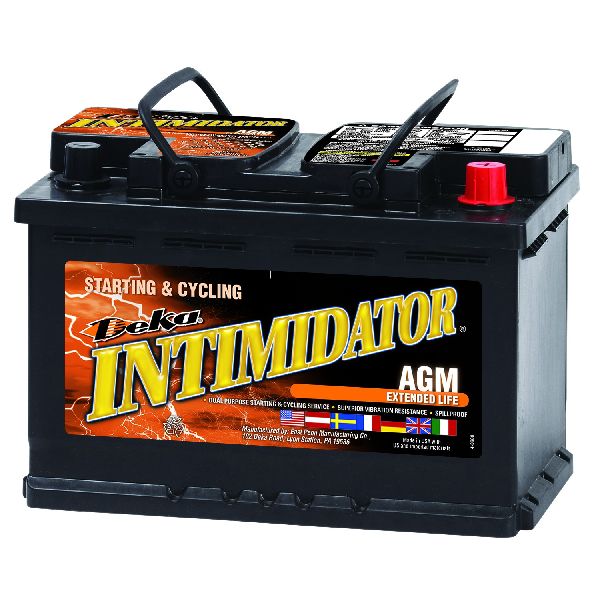
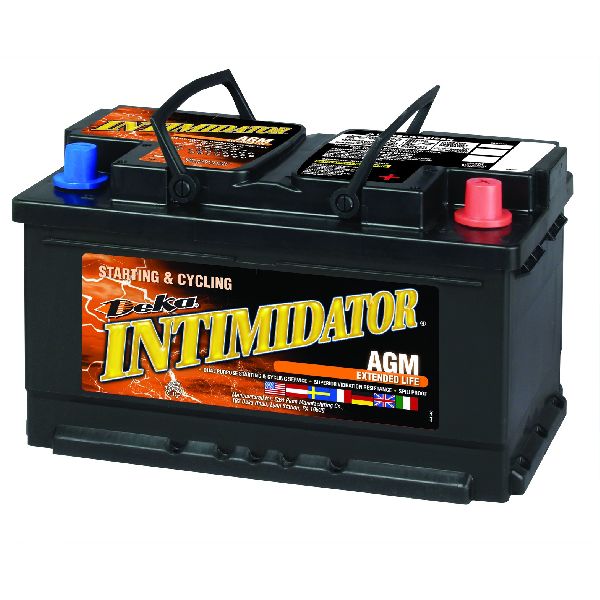
Est. part cost: $0 - Weak or Failing Battery 🟡 Medium Probability → Shop Vehicle Battery Low battery voltage can cause widespread communication errors between electronic modules on the CAN bus. The TSBs for U1220 are often accompanied by a battery voltage code (B2199-17), indicating a direct link between voltage issues and this communication fault. These vehicles use an AGM battery, which can be sensitive to deep discharge cycles.
How to confirm: Test the battery voltage with a multimeter (should be ~12.6V with the engine off) and perform a load test to check its health. Check the charging system voltage when the engine is running (should be ~14V). Many auto parts stores will test batteries for free.
Typical fix: Replace the vehicle's battery and ensure the battery terminals are clean and tight. It is critical to use the correct type of battery (AGM) as specified by the manufacturer.
Est. part cost: $150-$300 - Wiring or Connector Issue ⚪ Low Probability While less common than software issues, any damage or corrosion to the wiring harness or connectors between the Steering Column Lock Module and the BCM can interrupt communication. Rodent damage to wiring has also been reported in some cases.
How to confirm: Visually inspect the wiring harness for any signs of damage, chafing, or corrosion. Check that the connectors at both the SCLM and BCM are secure. A multimeter can be used to check for continuity and shorts in the relevant CAN bus wires.
Typical fix: Repair the damaged section of the wiring harness or clean/replace the faulty connector.
Est. part cost: $10-$100
Rare But Worth Checking
- Faulty Steering Column Lock Module (SCLM): If software updates and battery checks don't resolve the issue, the module sending the signal may have failed. This is rare but possible, as it is a mechanical and electronic component that can wear out.
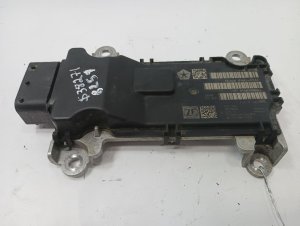
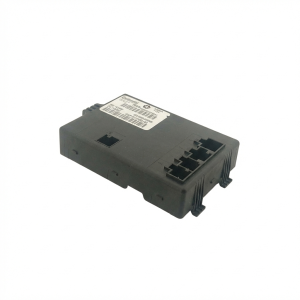
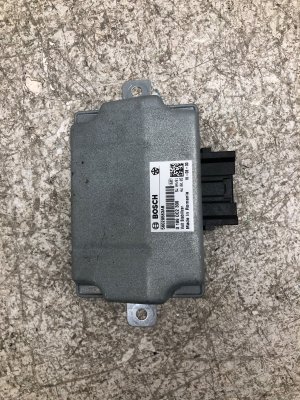
- Faulty Body Control Module (BCM): → Shop Body Control Module A hardware failure within the BCM itself is much less likely than a software bug but should be considered as a last resort if all other diagnostic steps fail. Replacement requires programming the new module to the vehicle's VIN.
Diagnosis Steps
- Check and record all Diagnostic Trouble Codes (DTCs) from all vehicle modules using a capable scan tool.
- Begin with the simplest check: Test the battery and charging system. Ensure voltage is stable and within the 12.6V (engine off) to 14.4V (engine on) range. A weak battery is a common trigger for communication codes.
- Using a dealer-level scan tool (wiTECH), check for available software updates for the Body Control Module (BCM) as per TSBs #08-076-15 and #08-013-15 (which supersedes #08-111-14). This is the most likely solution.
- If a software update is performed, ensure the technician clears all DTCs from all modules after the flash is complete.
- If software is already up to date, a technician may perform a 'Restore BCM Proxi Configuration' and 'Proxi Configuration Alignment' using the scan tool to reset module communication parameters.
- Inspect the wiring and connectors between the Steering Column Lock Module and the Body Control Module for any visible damage, corrosion, or looseness.
- If all previous steps fail, diagnose the Steering Column Lock Module and Body Control Module for potential hardware failure according to the factory service manual.
Parts You'll Likely Need
- Body Control Module (BCM) Software Update — This is the most common fix documented in multiple manufacturer TSBs to resolve communication glitches causing U1220.
OEM price range: $150-$400 (Labor for flashing)
Aftermarket price range: N/A - Automotive Battery (AGM Type)
(OEM #BBAH7L48)— Low system voltage is a frequent cause of communication codes in modern vehicles, and a weak battery is often the underlying problem. The Cherokee KL requires an AGM (Absorbent Glass Mat) battery.
Trusted brands: Mopar, Interstate, DieHard, Duralast
OEM price range: $200-$350
Aftermarket price range: $150-$250
Related Codes That Often Appear With This One
- U0216 — Lost Communication With Driver Door Switch. This code is listed in the same TSBs, indicating a broader BCM software issue affecting multiple components.
- U1517-87 — Body Controller Secret Code - Missing Message. Also listed in TSB 08-013-15, pointing to a communication and security handshake problem related to the BCM.
- B2199-17 — Battery Voltage - Circuit Voltage Above Threshold. This code often appears with U1220, suggesting that system voltage problems can trigger the communication fault.
Technical Service Bulletins (TSBs) & Recalls
- 08-076-15: Addresses U1220-87 related to a slow ambient temperature display, fixed by a BCM software update.
- 08-013-15: Supersedes a previous bulletin to fix an intermittent no-start condition and U1220-87 with a BCM software update.
- 08-111-14: An earlier bulletin for intermittent no-start and multiple communication codes, including U1220-87, fixed by a BCM software update. Superseded by 08-013-15.
Platform-Specific Known Issues
- TSB #08-076-15 was released to address U1220-87 when the primary customer complaint was a slow-to-update ambient temperature display. The fix is a BCM software update.
- TSB #08-013-15 (which supersedes #08-111-14) addresses U1220 in the context of an intermittent no-start condition, often appearing with other communication codes like U0216, U1517-87, and B2199-17. The fix is a BCM software update.
Mechanic-Grade Diagnostic Values
- CAN Bus Network Resistance — expected: ~60 Ohms. Failure: A reading of ~120 Ohms indicates a failure of one of the two terminating resistors on the network. A reading of OL (Open Line) suggests a break in the wiring.
- CAN High Voltage (to ground) — expected: Fluctuating between 2.5V and 3.5V (average ~2.7V on a multimeter). Failure: Voltage that is stuck high, stuck low, or shows no activity indicates a network fault.
- CAN Low Voltage (to ground) — expected: Fluctuating between 1.5V and 2.5V (average ~2.3V on a multimeter). Failure: Voltage that is stuck high, stuck low, or shows no activity indicates a network fault.
- Battery Voltage During BCM Flash — expected: Stable between 13.2V and 13.5V. Failure: Voltage dropping below 13.2V or climbing above 13.5V can cause the software flash to fail or corrupt the module.
Hidden / Shadow Codes Worth Checking
- U1220-87: The '-87' is a Failure Type Code (FTC) which means 'Missing Message'. This confirms the BCM expected a signal from the Steering Column Lock Module but did not receive it within the expected timeframe. This is more specific than the base 'U' code alone. (see via A capable professional scan tool, like the dealer's wiTECH, will display the full DTC with the failure type. Basic code readers may only show 'U1220'.)
Scan Tool Commands That Help
- wiTECH: Restore BCM Proxi Configuration — This function is used after a BCM software update or if module communication is scrambled. It restores the vehicle's original configuration data (like installed options) to the BCM. It's found under the 'Vehicle Preparations' tab.
- wiTECH: Proxi Configuration Alignment — This procedure synchronizes all the modules on the vehicle's network with the BCM. It's required after replacing a module or performing the 'Restore BCM Proxi' function to ensure all modules recognize each other. A flashing odometer is a common symptom of a needed Proxi Alignment.
Wiring & Ground Locations
- Body Control Module (BCM) — Located under the dashboard on the passenger's side, accessible by removing the right-side kick panel.. The BCM is the central module that sets code U1220. All related wiring and software updates are focused on this component.
- Ground G108 — On the passenger side inner fender, near the power distribution block (underhood fuse box).. While from a different Jeep model, this ground point is noted to be critical for the Body Control Module (BCM) and Transmission Control Module (TCM). A poor ground here can cause a wide range of communication issues, including those that might trigger a U1220 code.
- Main Engine-to-Chassis Ground — A braided ground cable running from the engine block to the chassis, located on the driver's side near the front tire and catalytic converter.. Corrosion or failure of this primary ground strap can cause a no-crank/no-start condition with a single click, mimicking a starter or battery failure, but is actually caused by an inability for the starter to get sufficient ground. This can also cause various communication codes due to unstable system voltage.
Real Owner Repair Stories
- YouTube user 'zixxer9r' (2014 Jeep Cherokee Latitude) — No crank, no start. All interior electronics worked, but turning the key only produced a single click. The dashboard displayed a 'low battery voltage' message despite having a new battery.
❌ Tried (didn't work) Replacing the battery (the old one was 5.5 years old and tested bad, but replacement did not fix the no-start)., Checking all fuses., Scanning for codes, which returned various 'no communication' errors.
✅ What actually fixed it The braided engine-to-chassis ground strap was found to have failed. The owner replaced the corroded strap with a new braided cable, cleaning all connection points. This restored the ground connection and resolved the no-crank/no-start issue. - Reddit user 'Tough_Jacket9999' (2014 Jeep Grand Cherokee EcoDiesel (Similar platform electronics)) — Intermittent no-crank, no-start. Pressing the start button resulted in dead silence, though accessories had power. The issue was more frequent when the vehicle was not driven for long periods.
❌ Tried (didn't work) Towing to the dealership (the vehicle started upon arrival)., Dealer observation (the vehicle started every time for them)., Replacing the battery and starter relay did not solve the issue for the original poster.
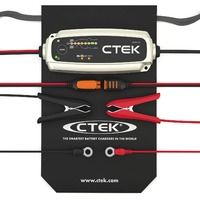
✅ What actually fixed it The owner determined the issue was related to the battery state of charge dropping too low from infrequent, short trips. The final solution was to keep the vehicle on a trickle charger when parked in the garage. This maintained the battery voltage and prevented the intermittent no-start from recurring.
Helpful Videos

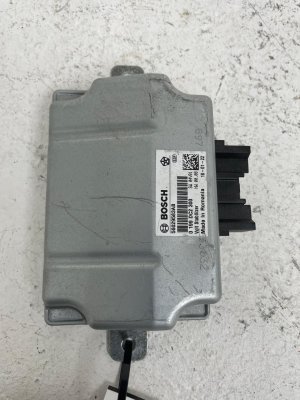
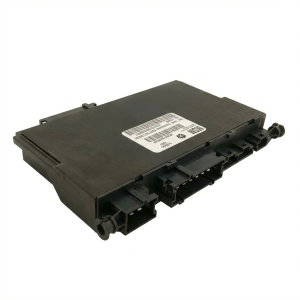
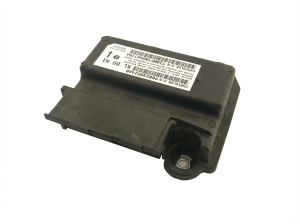
Used OEM Parts in Stock
New Aftermarket Parts Available


The information in this article is provided for general reference and educational purposes only. Vehicle specifications, procedures, and part compatibility can vary by production date, trim level, and region. Always consult your vehicle's factory service manual and verify part numbers before purchasing or performing repairs. Safety-critical components such as airbags, seat belts, and braking systems should be installed by a qualified professional.
- Jeep CHEROKEE:
- 🧭 Diagnostic Flowchart
- 🎬 Helpful Videos
- 🛍️ Shop This Part
- What's Unique About the 2014-2015 Jeep CHEROKEE
- Symptoms You May Notice
- Most Likely Causes
- Rare But Worth Checking
- Diagnosis Steps
- Parts You'll Likely Need
- Related Codes That Often Appear With This One
- Technical Service Bulletins (TSBs) & Recalls
- Platform-Specific Known Issues
- Mechanic-Grade Diagnostic Values
- Hidden / Shadow Codes Worth Checking
- Scan Tool Commands That Help
- Wiring & Ground Locations
- Real Owner Repair Stories
- 🎟️ Get 5% Off